Buttermilk Marinated Chicken Recipe for Juicy, Tender Meat
This buttermilk marinated chicken recipe produces juicy, tender chicken thighs with savory garlic-herb flavor and deeply browned skin in the oven.
What to Expect From Buttermilk Marinated Chicken
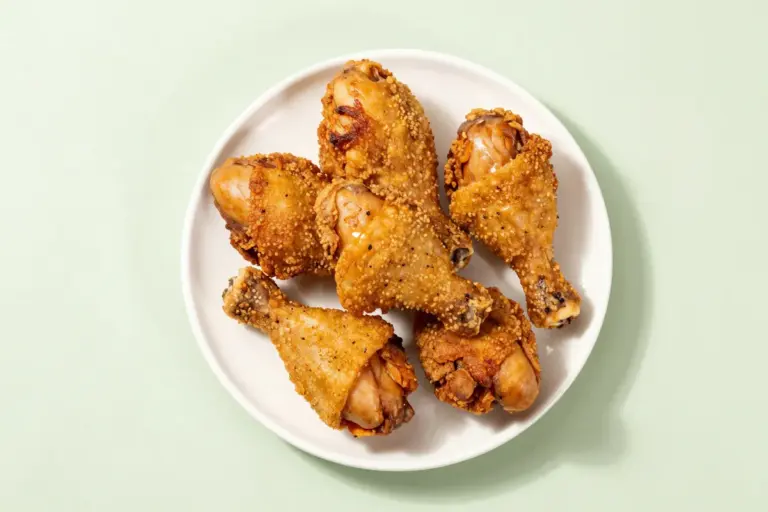
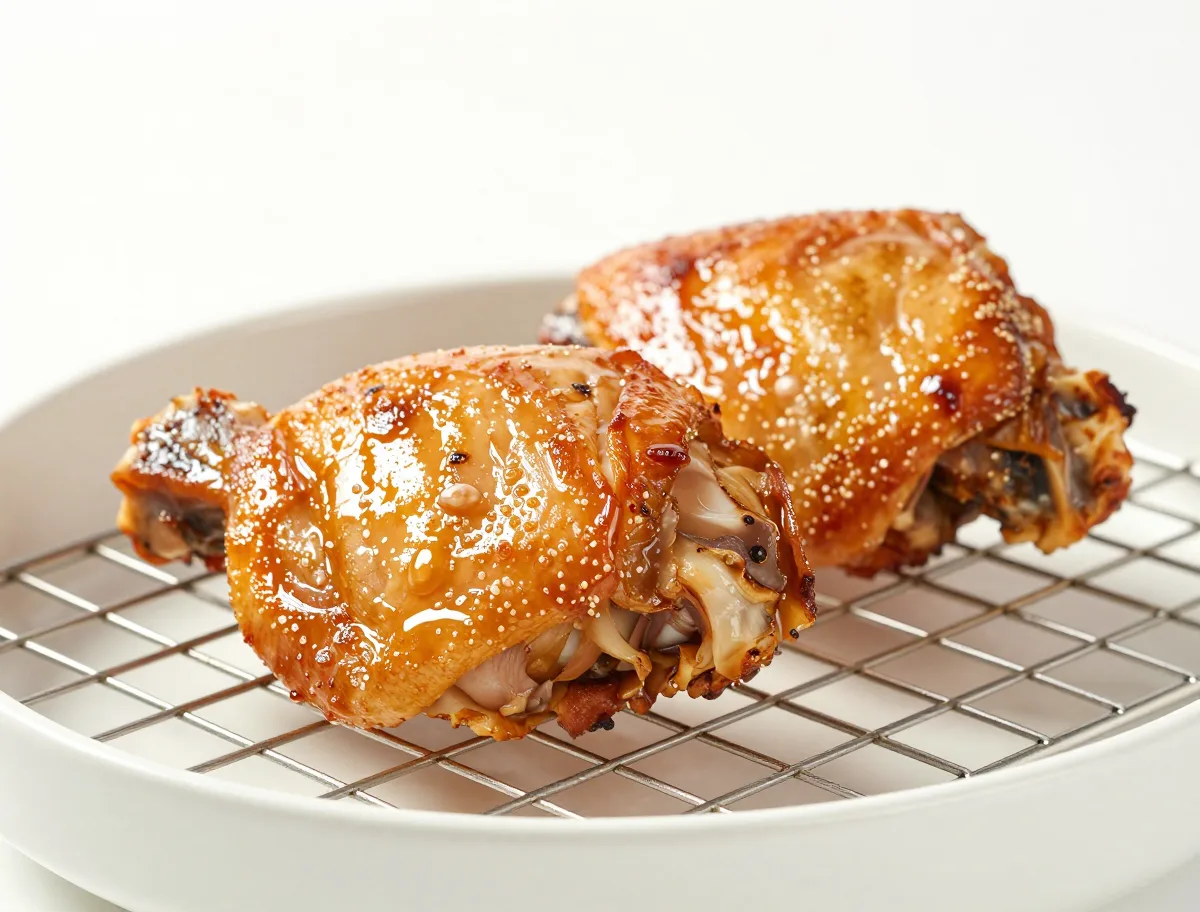
Buttermilk marinated chicken is seasoned chicken held in cultured buttermilk before it is cooked with dry heat. The finished thighs should be juicy inside, savory and lightly tangy, with well-browned skin rather than a wet or pale coating.
- Skin-on thighs and drumsticks are the most forgiving cuts for this preparation.
- Buttermilk helps carry seasoning and gently affects the surface texture; it cannot prevent chicken from drying if it is overcooked.
- Crisp or well-browned skin depends on drying the surface, leaving space between pieces, and using strong airflow.
Why the Garlic-Herb Buttermilk Marinade Works
Cultured buttermilk gives the marinade its mild tang and creamy coating. Salt is essential because it seasons the meat and improves the perception of juiciness, while mustard, garlic, rosemary, paprika, pepper, parsley, and honey create a balanced savory profile.
- Paprika contributes warm color without requiring a large amount of spice.
- Dried rosemary distributes evenly through the liquid; fresh parsley adds a brighter herbal note near the surface.
- A small amount of honey rounds out the buttermilk’s acidity and encourages browning, but too much sweetness can scorch.
- Olive oil is used sparingly as a surface and rack coating; it is not a substitute for drying the chicken.
Ingredients
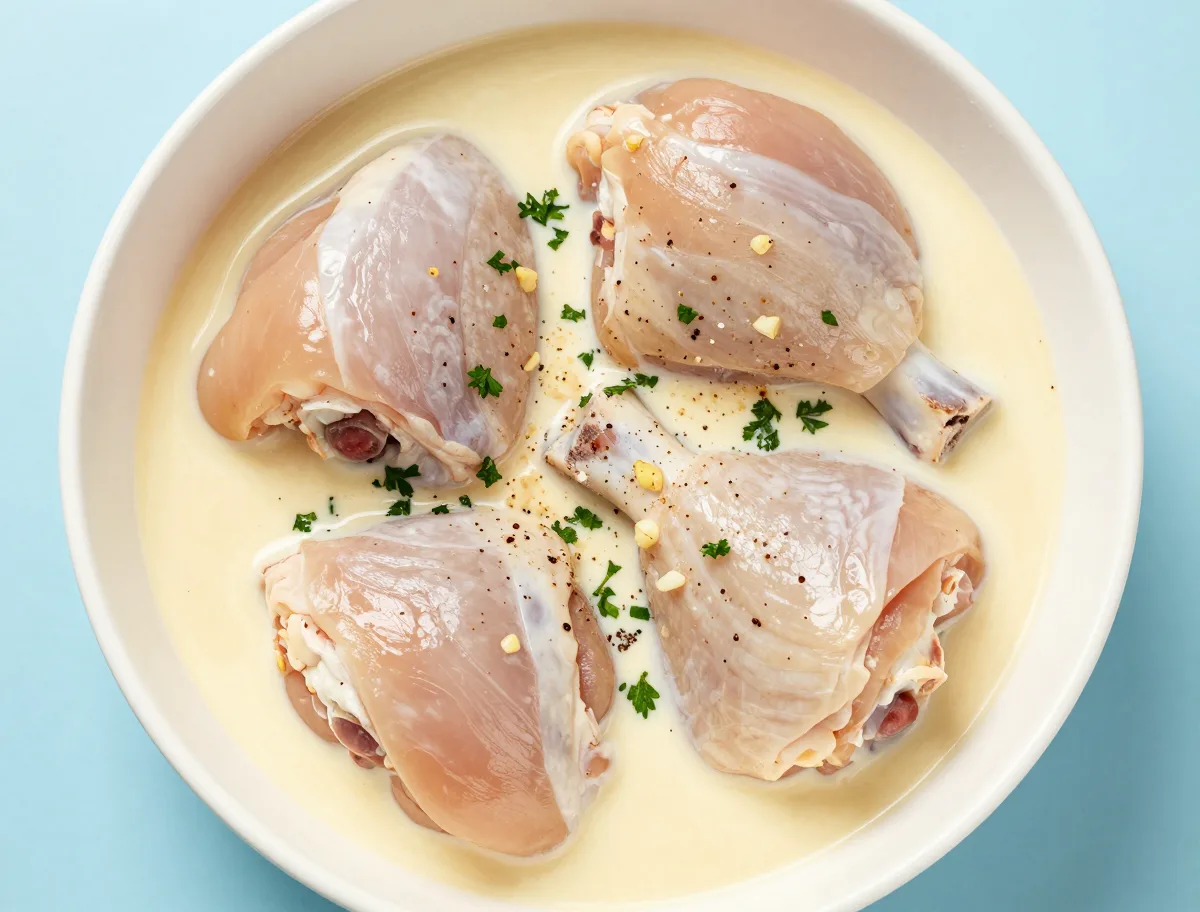
- 2 cups cultured buttermilk
- 2 teaspoons kosher salt
- 4 cloves garlic, finely grated or minced
- 1 tablespoon Dijon mustard
- 1 tablespoon honey
- 1 teaspoon sweet paprika
- 1 teaspoon dried rosemary, crumbled
- 1/2 teaspoon freshly ground black pepper
- 1/4 cup fresh parsley, finely chopped
- 8 bone-in, skin-on chicken thighs, about 2 1/2 to 3 pounds total
- 1 tablespoon olive oil, for lightly coating the chicken and rack
The Technique for Better Browning and Juiciness
The most important transition occurs between marinating and roasting. Thick patches of buttermilk hold moisture against the skin, so the chicken should be drained, scraped of excess coating, and patted dry before it goes into the oven.
- Use glass, stainless steel, or food-safe plastic for the marinade.
- Arrange the chicken in one layer with visible gaps; crowding makes the pieces steam.
- A wire rack improves airflow and prevents the underside from sitting in rendered fat and liquid.
- Do not rinse the chicken by default. Rinsing can spread raw poultry juices around the sink and kitchen without solving the browning problem.
- For grilling, use a clean, lightly oiled grate, brown the chicken briefly over direct heat, then finish over indirect heat if the skin darkens before the center is cooked.
How to Make Buttermilk Marinated Chicken
- Make the marinade: In a large nonreactive bowl or food-safe zip-top bag, whisk together the buttermilk, salt, garlic, mustard, honey, paprika, rosemary, black pepper, and parsley until evenly combined.
- Marinate the chicken: Add the chicken thighs and turn to coat every piece. Seal or cover, then refrigerate for at least 4 hours and up to 24 hours, turning the pieces once if the marinade does not surround them evenly.
- Prepare the oven: Position a rack in the upper-middle of the oven and heat the oven to 425°F (220°C). Set a wire rack over a foil-lined rimmed baking sheet and lightly coat the rack with the olive oil.
- Dry the chicken: Remove the chicken from the marinade and let excess buttermilk drip off. Scrape away thick clumps, but do not rinse. Pat the chicken thoroughly dry with paper towels, then arrange it skin-side up on the prepared rack with space between the pieces. Discard the used marinade.
- Roast: Roast until the skin is browned and the thickest part of each thigh reaches at least 165°F (74°C) on an instant-read thermometer, 35 to 45 minutes depending on size. Check in the thickest meat without touching the bone. If the skin darkens too quickly, reduce the oven to 375°F (190°C) and continue roasting.
- Rest: Transfer the chicken to a clean platter and rest for 5 to 10 minutes before serving. Use clean utensils and a clean platter rather than anything that touched the raw chicken.
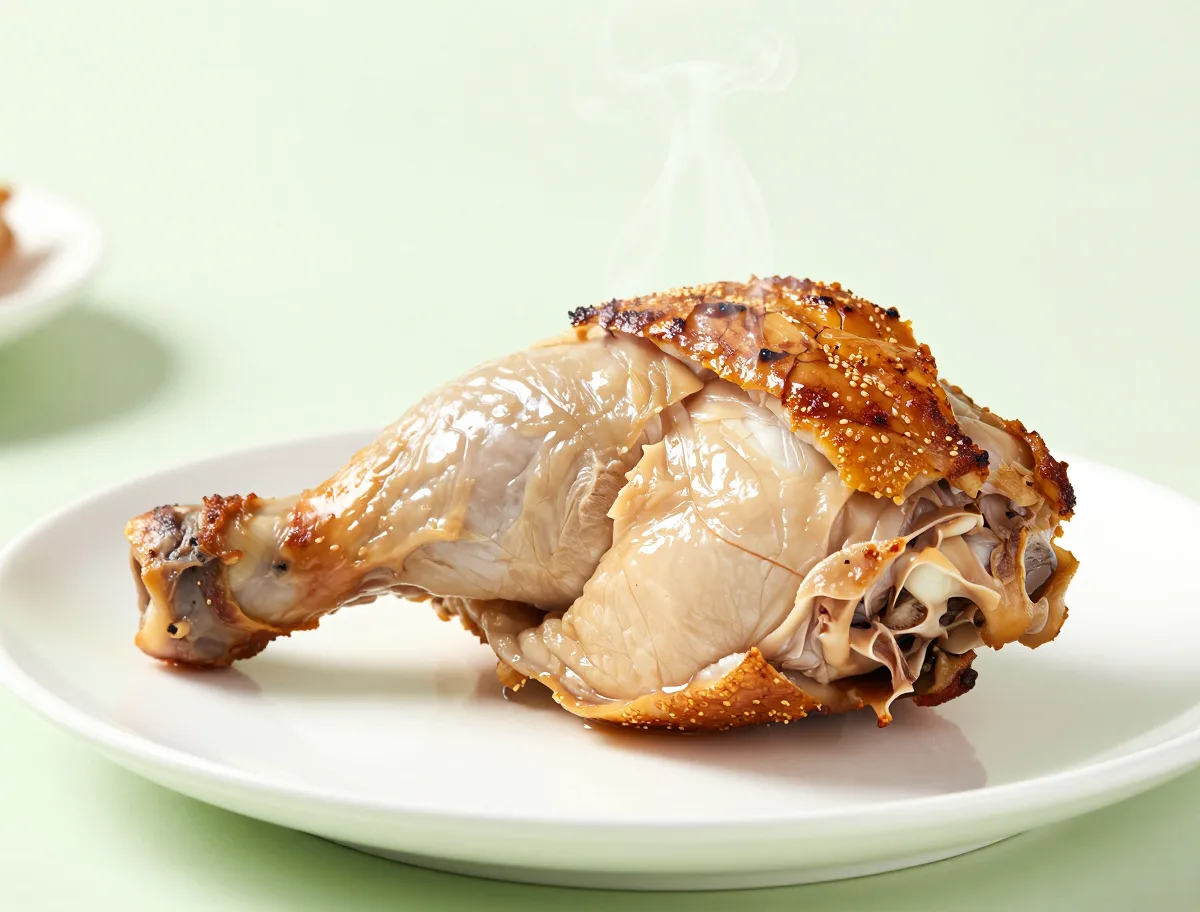
How to Tell When the Chicken Is Done
An instant-read thermometer is the dependable way to judge doneness. Insert it into the thickest portion of the thigh without touching bone; check several pieces because size and position can vary.
- Every piece must reach at least 165°F (74°C).
- The skin should be browned, while the meat should be opaque and moist rather than translucent or rubbery.
- Dark meat often becomes more tender with additional cooking, but breasts are leaner and should be removed promptly once they reach the safe minimum.
- Resting for a few minutes improves texture but does not make undercooked chicken safe.
The Cooking Variables That Matter Most
Buttermilk is mildly acidic, so its effect is greatest near the chicken’s surface. Salt and time help build seasoning, but neither can compensate for unevenly sized pieces or excessive cooking. For the exterior, evaporation is the key: a dry surface browns, while a wet one steams.
- Several hours gives the marinade time to season ordinary bone-in pieces; overnight is convenient, not mandatory.
- Very thin or boneless chicken can become overly soft if left in an acidic marinade too long.
- High heat supports browning, but dairy solids, spices, and honey can darken quickly. Lower the heat or move the chicken to indirect grill heat if necessary.
- Thickness, bone structure, starting temperature, and oven performance all affect cooking time, so temperature should take priority over the clock.
For additional technical context on how acids, salt, and other marinade ingredients affect meat quality and safety, see this research review of marination ingredients and meat quality.
Common Buttermilk Chicken Mistakes and Fixes
Most problems come from too much surface moisture, too much heat, or relying on a fixed cooking time. The practical fixes are simple: use similar-sized pieces, dry them well, leave room for airflow, and check early with a thermometer.
- Pale or soggy skin: Scrape off excess marinade, pat dry more thoroughly, and use a rack with space between pieces.
- Burned skin with an undercooked center: Reduce the oven temperature or shift the chicken to indirect heat; do not keep increasing direct heat.
- Dry meat: Begin checking smaller pieces early and remove them as soon as they reach 165°F.
- Soft or pasty exterior: Shorten the marinating time, particularly for thin cutlets or boneless pieces.
- Bland meat: Check the salt level of the marinade and allow enough contact time; adding more paprika alone will not season the interior.
- Flare-ups on the grill: Move the chicken away from the flame and allow dripping fat or marinade to burn down before continuing.
Buttermilk, Chicken Cut and Seasoning Substitutions
The marinade is adaptable, but substitutions change its thickness, acidity, saltiness, or cooking behavior. Adjust the timing whenever you change the chicken cut rather than carrying the thigh instructions over unchanged.
- Plain unsweetened yogurt can replace buttermilk if thinned with a little water or milk until it pours easily. Its thicker coating may need more careful scraping before cooking.
- Kefir is a workable cultured-dairy substitute but is usually thinner and may cling less.
- For an emergency substitute, mix milk with a small amount of lemon juice or vinegar and let it stand briefly. It will be tangy but will not behave exactly like cultured buttermilk.
- Use dried thyme or oregano in place of rosemary, or replace the paprika with a mild chili powder for a warmer spice profile.
- Boneless thighs can replace bone-in thighs; begin checking them earlier. Boneless breasts need the shortest marinade and the closest temperature monitoring.
Oven, Grill and Cut Variations
The oven version is the most predictable route to browned, juicy chicken, while grilling adds smoke and char but requires more active heat control. These variations retain the defining seasoned buttermilk marinade without turning the dish into a breaded or fried preparation.
- To grill, drain and pat the chicken dry, then cook over medium-high direct heat just long enough to brown it. Finish over indirect heat with the lid closed until the thickest portion reaches 165°F.
- For a garlic-forward version, add another clove or two of garlic without changing the marinating window.
- For a spicier version, add cayenne or hot sauce to the marinade and monitor the surface closely.
- A whole chicken can be used, but spatchcocking is preferable for more even marinade contact and roasting. Use a separate timing plan and check the breast and thigh independently.
- Heavy breading, deep-frying, or a sticky barbecue glaze creates a related preparation rather than this roasted buttermilk chicken.
How to Marinate Ahead, Store and Reheat
This recipe is well suited to overnight preparation. Keep the covered raw chicken refrigerated at 40°F (4°C) or below and cook it within two days; that is a safety limit, not a reason to extend the ideal quality window.
- Marinate the chicken for 4 to 24 hours for the best balance of seasoning and texture.
- Discard all raw-contact marinade unless it is brought to a full boil before use. A clean reserved portion is safer for serving.
- Refrigerate cooked chicken within two hours in shallow containers and use it within 3 to 4 days.
- Freeze cooked chicken in airtight packaging for longer storage, recognizing that the skin will soften and the meat may lose some juiciness.
- Reheat covered in a moderate oven or microwave until the center reaches 165°F (74°C). Uncover briefly at the end if you want to improve the surface, though reheated skin will not be as crisp as freshly roasted skin.
Buttermilk Marinated Chicken FAQ
The best marinating time and cooking method depend on the chicken’s thickness and whether it has bones and skin. These answers cover the practical decisions most likely to affect tenderness, browning, and safety.
What cut of chicken works best for buttermilk marinating?
Bone-in, skin-on thighs and drumsticks are the most forgiving because dark meat stays moist and the skin browns well. Boneless breasts also work, but they need a shorter marinade and earlier temperature checks.
How long should chicken marinate in buttermilk?
Marinate thin or boneless pieces for about 1 to 4 hours. Bone-in thighs and drumsticks benefit from 4 to 24 hours. The chicken may remain refrigerated in the marinade for up to two days, but that is the food-safety ceiling rather than the preferred quality target.
Can I marinate the chicken overnight?
Yes. Overnight buttermilk marination works especially well for bone-in thighs and drumsticks as long as the chicken is covered and kept refrigerated at 40°F (4°C) or below.
Should the marinade be discarded before cooking?
Yes. Used marinade has contacted raw poultry and should be discarded unless it is boiled thoroughly before reuse. Never use it as a finishing sauce straight from the bag or bowl.
Should I wipe excess buttermilk off before roasting?
Let excess drip away, scrape off thick deposits, and pat the chicken dry. Do not rinse unless a separate breaded preparation specifically requires it; rinsing creates unnecessary splash and cross-contamination risk.
Is this chicken baked, roasted or grilled?
The canonical method is oven roasting at 425°F (220°C). The same marinated chicken can be grilled with a direct-heat browning stage followed by indirect heat until it reaches the safe internal temperature.
How do I keep buttermilk chicken juicy while getting browned skin?
Use skin-on thighs, remove excess marinade, pat the surface dry, place the pieces on a rack with space between them, and check the temperature rather than cooking far beyond the safe endpoint.
How do I know the chicken is done?
Measure the thickest part with an instant-read thermometer, avoiding the bone. Every piece must reach at least 165°F (74°C). Browning, clear juices, and firmness are secondary cues and cannot replace the thermometer.
Can I use bone-in or boneless chicken?
Yes, but cooking times change substantially. Boneless breasts cook fastest and dry most readily; boneless thighs are more forgiving. Begin checking boneless pieces well before the time listed for bone-in thighs.
What equipment is needed?
You need a nonreactive bowl or food-safe bag, a rimmed baking sheet, a wire rack, paper towels, and an instant-read thermometer. The rack is especially helpful for browning.
Food-Safety Rules for Marinated Chicken
Buttermilk’s acidity does not make raw poultry safe. Treat the chicken and marinade as raw animal products from the moment they are combined through cleanup, and keep raw and cooked foods completely separate.
- Marinate only in a covered container in the refrigerator at 40°F (4°C) or below; never leave poultry on the counter to marinate.
- Wash hands, boards, utensils, and work surfaces with hot soapy water after they contact raw chicken.
- Use a clean platter and clean tongs for cooked chicken.
- Cook every piece to a minimum internal temperature of 165°F (74°C), measured in the thickest portion away from bone.
- Refrigerate leftovers within two hours, or within one hour if the surrounding temperature is above 90°F (32°C).
- Do not taste raw marinade or use it without first bringing it to a full boil.
For official guidance on refrigerated poultry marination, raw-contact marinade handling, safe cooking temperatures, and leftovers, consult the USDA poultry basting, brining, and marinating guidance.