Fideo Recipe with Chicken (Fideo con Pollo)
This fideo recipe with chicken makes a comforting one-pot Mexican-style meal of golden toasted noodles, tender chicken thighs, tomato, garlic, and savory broth. Serve it as a brothy sopa de fideo, or reduce it for a moist skillet-style finish.
What to Expect from Fideo con Pollo
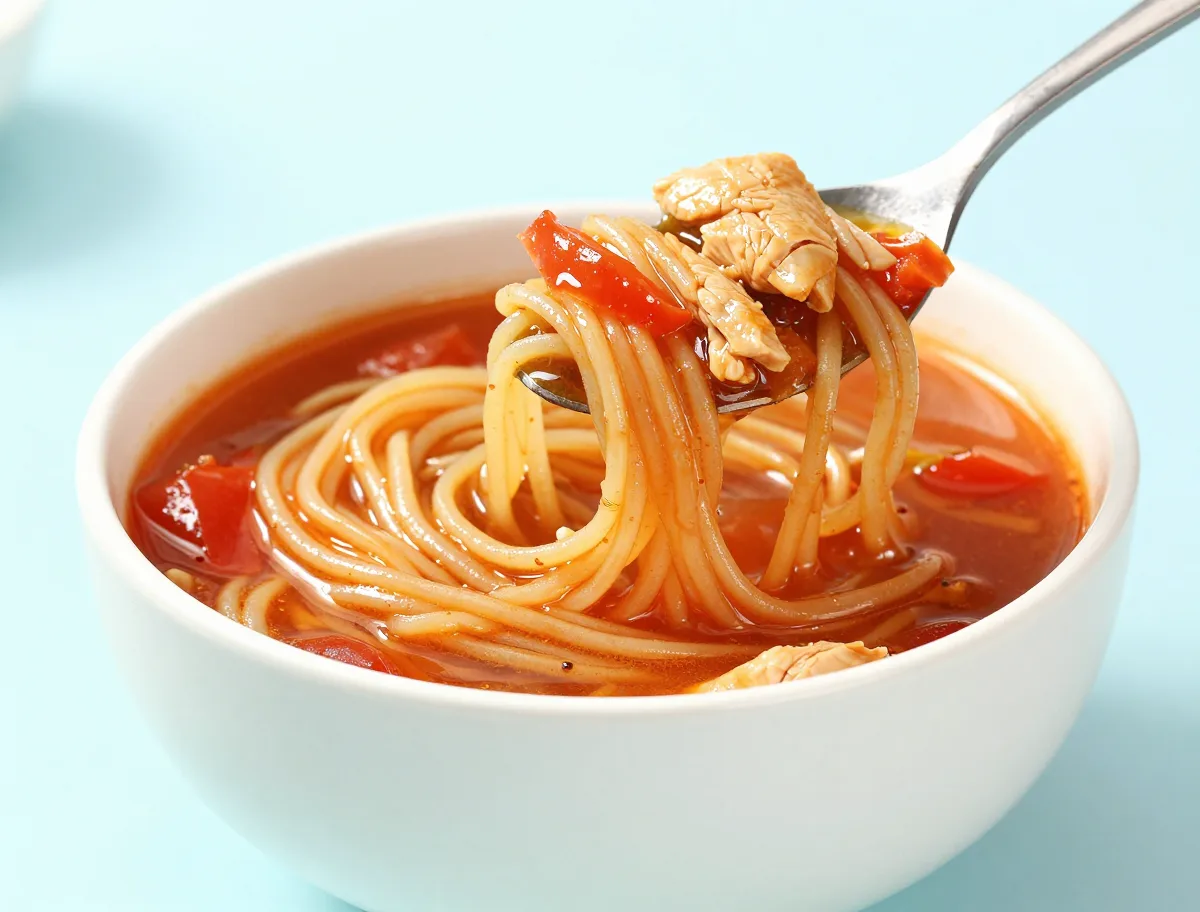
Fideo con pollo is a Mexican home-style dish of short, thin wheat noodles toasted in oil and finished in a tomato-seasoned chicken broth with tender chicken. This recipe is designed primarily as sopa de fideo con pollo: the broth should flow around the noodles rather than disappear completely.
- The noodles should be lightly golden, aromatic, and tender but still recognizable as individual strands.
- The flavor is savory and tomato-forward, supported by onion, garlic, herbs, and chicken broth.
- For a thicker skillet version, reduce the broth only after the noodles are nearly cooked.
Why These Ingredients Work
Short fideo supplies the starch and cooks quickly, while toasting gives it the characteristic roasted flavor. Boneless thighs are particularly dependable because they stay moist during the time needed for the noodles to cook. Tomato sauce provides color, acidity, and body without introducing the variable water content of fresh tomatoes.
- Low-sodium broth makes it easier to control salt after the noodles concentrate the liquid.
- Onion and garlic create the aromatic foundation; cumin and Mexican oregano add depth without turning the dish into a heavy spice blend.
- Cilantro and lime are finishing ingredients: they brighten the rich, starchy broth rather than defining its base.
Ingredients
- 1 1/4 pounds boneless, skinless chicken thighs, cut into 1-inch pieces
- 1 teaspoon kosher salt, divided
- 2 tablespoons neutral oil
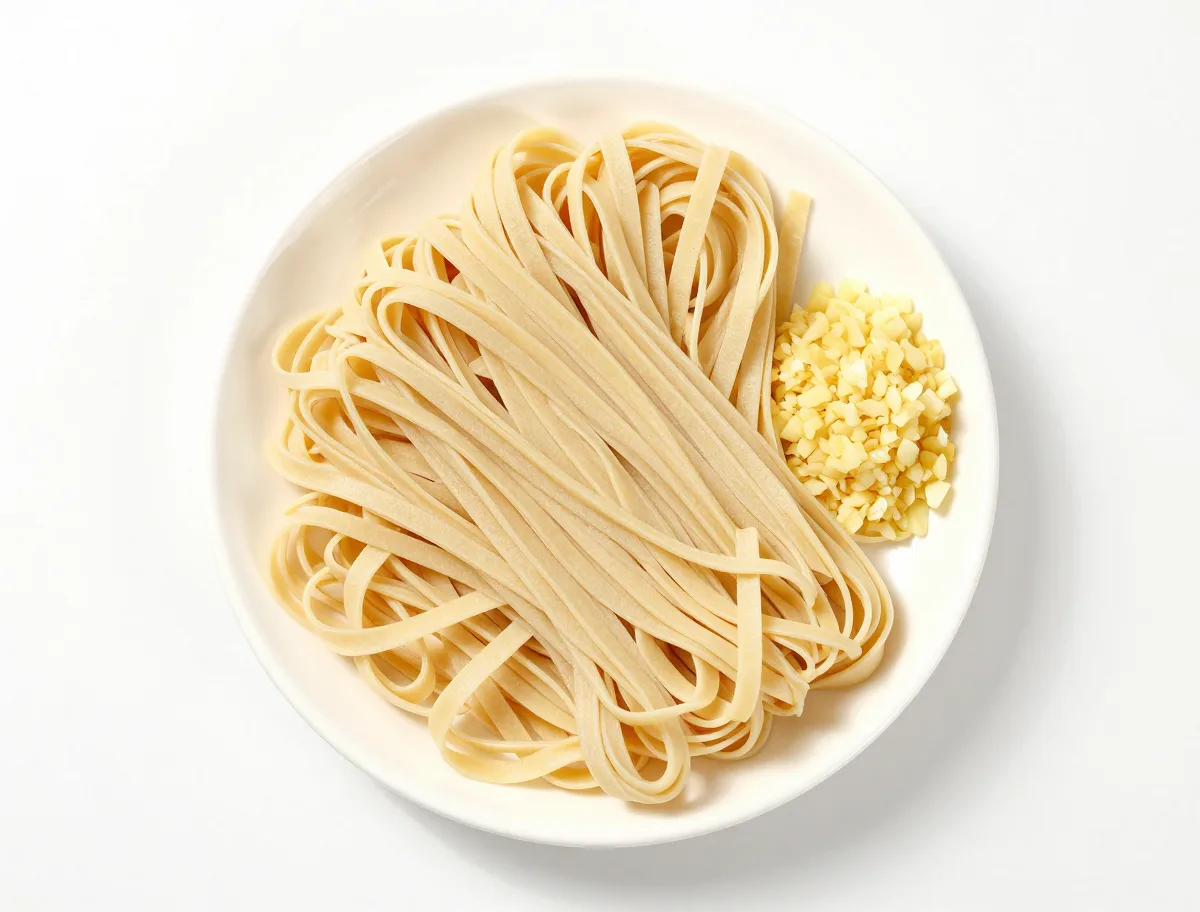
- 8 ounces short-cut fideo noodles, or broken vermicelli
- 1 small yellow onion, finely chopped
- 3 cloves garlic, finely chopped
- 1 teaspoon ground cumin
- 1 teaspoon Mexican oregano, crumbled
- 1 can (15 ounces) tomato sauce
- 8 cups low-sodium chicken broth, warmed; keep 1 cup extra for adjustments if desired
- 1/4 teaspoon freshly ground black pepper
- 1/2 cup fresh cilantro, chopped, plus leaves for serving
- 1 whole lime, cut into wedges
- 1 whole jalapeño, thinly sliced (optional)
- 1 whole avocado, diced (optional)
- 1/2 cup queso fresco, crumbled (optional)
- 1/4 cup Mexican crema, for serving (optional)
How to Make One-Pot Chicken Fideo
The order of operations matters. Brown the chicken for fond, move it aside, and use the same pan to toast the noodles. Once the tomato and broth are added, keep the heat gentle and stir periodically—not constantly—so the fideo cooks evenly without breaking apart.
- Keep the noodles moving during toasting; the correct endpoint is light gold and nutty, never dark brown.
- Lower the heat before adding tomato to reduce sputtering and prevent the browned noodles from scorching.
- Cook raw chicken in the broth, but add already-cooked shredded chicken only near the end.
Instructions
- Season and brown the chicken: Pat the chicken dry and toss it with 1/2 teaspoon of the salt. Heat the oil in a wide, heavy-bottomed Dutch oven or deep skillet over medium-high heat. Add the chicken in a single layer and cook for 4 to 5 minutes, turning once, until lightly browned but not necessarily cooked through. Transfer the chicken to a plate.
- Toast the fideo: Reduce the heat to medium and add the dry fideo to the same pan. Stir almost continuously for 3 to 5 minutes, scraping up browned bits, until the noodles are evenly light golden and smell nutty. Do not let them become dark brown; thin noodles can scorch quickly.
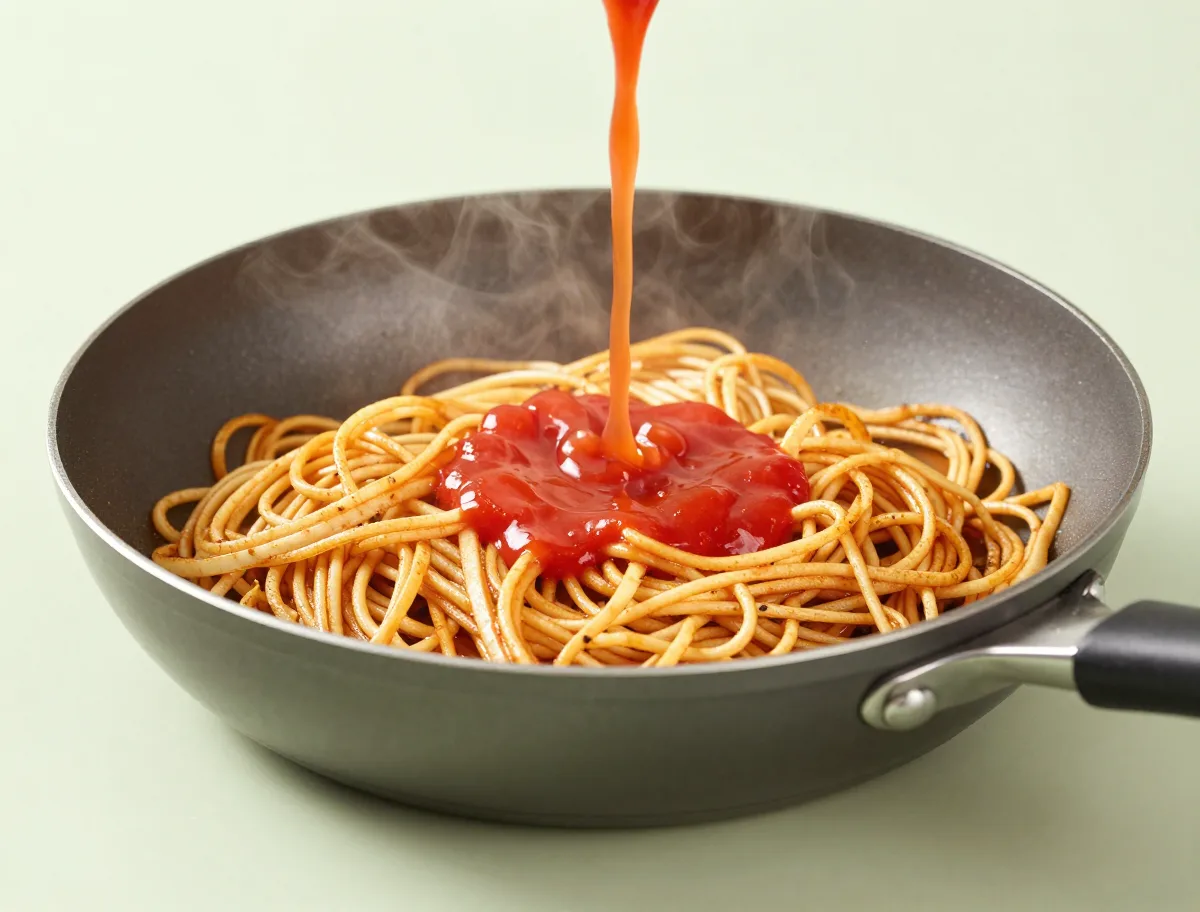
- Build the tomato base: Stir in the onion and cook for 2 minutes, then add the garlic, cumin, oregano, remaining 1/2 teaspoon salt, and black pepper. Cook for 30 seconds. Lower the heat to medium-low and pour in the tomato sauce gradually, stirring carefully because it may sputter. Cook for 2 minutes, stirring until the noodles are coated.
- Simmer the soup: Pour in the warm chicken broth and return the browned chicken and any accumulated juices to the pan. Bring just to a boil, then reduce to a gentle simmer. Cook uncovered for 10 to 12 minutes, stirring gently every few minutes so the noodles do not settle and stick.
- Check both noodles and chicken: Begin tasting the noodles at 9 minutes. They should be tender but still distinct, not swollen or collapsing. Check the thickest chicken piece with an instant-read thermometer; it must reach 165°F (74°C). If the chicken is ready before the noodles, remove it briefly and return it once the noodles are tender.
- Finish and serve: Stir in the chopped cilantro, remove the pan from the heat, and let it stand for 2 minutes. Ladle into bowls immediately and serve with lime wedges. Pass the jalapeño, avocado, queso fresco, crema, and additional cilantro at the table.
How to Tell When Fideo con Pollo Is Done
Thin noodles can change from firm to over-soft in a short period, so visual and tasting cues are more useful than the clock alone. Remove the pan when the fideo is just tender and broth is still visible; the noodles will continue to absorb liquid during the brief rest and in the bowl.
- Undercooked fideo has a hard center; overcooked fideo looks swollen, clumps together, or breaks when stirred.
- Soup consistency should be loose enough to ladle, while skillet fideo should be moist and cohesive with little free liquid.
- Use a thermometer for the chicken rather than relying only on its color.
Doneness cues
- The toasted fideo should be evenly pale golden and fragrant, with no blackened strands.
- The broth should remain pourable around the noodles when the pan leaves the heat; it will thicken as it stands.
- A cooked noodle should bend easily and offer slight resistance rather than a hard center.
- Chicken must reach 165°F (74°C) in the thickest piece.
The Cooking Variables That Matter Most
Fideo absorbs broth as its starch hydrates, and evaporation removes additional liquid. A wide pan, uncovered simmer, or vigorous heat can therefore produce a much thicker result than a narrow covered pot. Toasting develops browned flavor, but it does not make the noodles immune to overcooking.
- Moderate heat gives the noodles time to brown evenly without burning.
- A gentle simmer hydrates the centers more evenly and reduces breakage and sticking.
- Pan width, noodle thickness, tomato concentration, and time between cooking and serving all affect the final liquid level.
Common Chicken Fideo Mistakes and Fixes
Most problems come from losing track of heat or liquid. Stay beside the pan while toasting, and keep a little hot broth available for adjustment. Burnt noodles cannot be made pleasant by adding more sauce, so prevention is especially important.
- Burning: Lower the heat and stir continuously; replace the noodles if they smell bitter or have black spots.
- Hard noodles: Add hot broth in small amounts and continue at a gentle simmer until tender.
- Sticky noodles: Stir more often, check that the simmer is not aggressive, and avoid letting the pan run dry.
- Mushy noodles: They were likely held too long or cooked past tenderness. Serve as soon as they reach the desired texture.
- Dry chicken: Small breast pieces can overcook while the fideo finishes; thighs or late-added cooked chicken are more forgiving.
- Watery soup: If the noodles are not yet tender, reduce briefly. Once they are done, do not keep boiling just to remove liquid.
Fideo and Chicken Substitutions
The closest substitute for packaged fideo is vermicelli, angel hair, or capellini broken into pieces about 1 to 2 inches long. Choose a thin wheat pasta so it can toast and hydrate on a similar schedule; thicker noodles will require a different liquid and cooking time.
- Boneless chicken breast works, but check it earlier because it dries out more readily than thighs.
- Rotisserie or leftover chicken is an excellent shortcut; stir it in during the last few minutes instead of simmering it from the beginning.
- Blended canned tomatoes or tomato sauce can replace the listed tomato component, but concentrated tomato products may require extra broth and careful salt adjustment.
- Vegetable broth can replace chicken broth, though the finished dish will have less chicken flavor.
- Jalapeño may be omitted or replaced with another fresh or dried chile; heat does not need to change the liquid amount.
Brothy Sopa de Fideo or Skillet-Style Fideo
Both formats share the same identity: toasted thin noodles, tomato, seasoned broth or sauce, and chicken. The difference is the finishing liquid, not an instruction to leave the noodles undercooked.
- For soup, use the full broth amount and stop when the noodles are tender with broth clearly surrounding them.
- For a moist skillet version, use less broth and allow the nearly tender noodles to absorb the remaining liquid.
- Small amounts of peas, corn, zucchini, finely diced carrot, or spinach can be added, but dense vegetables should be softened first and large additions may require more broth.
- Large amounts of beans, cream, cheese, or thick vegetables would shift the dish away from its simple fideo con pollo structure.
How to Serve Mexican Chicken Fideo Soup
Serve fideo con pollo immediately after its short rest, while the broth is still loose and the noodles have a pleasant bite. Lime and cilantro provide the most useful contrast to the tomato-rich broth.
- Offer jalapeño or another chile at the table so each person can set the heat level.
- Avocado, queso fresco, crema, and extra cilantro are optional garnishes rather than required ingredients.
- A simple crisp salad or warm tortillas suits the skillet version; the brothy preparation is substantial enough to serve on its own.
- For soup that thickens while serving, pass warm broth separately rather than overcooking the noodles in the pot.
How to Store, Freeze, and Reheat Fideo con Pollo
Fideo is at its best fresh because the noodles keep absorbing broth after cooking. Refrigerate leftovers in shallow containers within 2 hours, or within 1 hour when the surrounding temperature is above 90°F (32°C), and use them within 3 to 4 days at 40°F (4°C) or below.
- Reheat only the portion needed in a saucepan over moderate heat or in a covered microwave-safe container, adding warm broth or water to loosen it.
- Reheated leftovers should reach 165°F (74°C) throughout; added broth improves texture but does not replace safe reheating.
- Freezing is possible, but the noodles may soften and break. For better make-ahead quality, freeze the chicken-tomato base without noodles and cook fresh fideo when serving.
- Avoid prolonged hot holding: it may remain safe at 140°F (60°C) or above, but the noodles will continue to soften.
Chicken Fideo Recipe Questions, Answered
These practical answers cover the noodle choice, toasting step, chicken timing, liquid balance, tomato options, vegetables, and texture control that most often determine the result.
What is fideo, and what can replace it?
Fideo is a short, thin wheat noodle commonly used in Mexican cooking. Broken vermicelli, angel hair, or capellini are suitable substitutes; watch them closely because their cooking time may be even shorter.
Why are the noodles toasted first?
Toasting removes the raw-flour flavor and develops a warm, nutty browned taste that distinguishes fideo from ordinary chicken noodle soup. Stir constantly and stop at light gold, before any strands turn dark.
Is this recipe soup or a dry fideo dish?
The main recipe is brothy sopa de fideo con pollo. The recipe notes give a reduced-broth route for a moist skillet-style preparation; the noodles should still be fully tender rather than merely dry.
What chicken works best?
Boneless thighs are the most forgiving choice. Breast meat can be used, but check it early for 165°F (74°C). Cooked shredded or rotisserie chicken should be added only during the last 2 to 3 minutes.
How much broth should be used?
Use the full amount for a pourable soup and the reduced amount listed in the recipe notes for skillet-style fideo. Noodle thickness, pan width, tomato concentration, and evaporation can change the exact requirement, so keep hot broth available.
Can vegetables be added?
Yes. Add modest amounts of quick-cooking peas, corn, zucchini, or spinach. Finely dice carrots or soften denser vegetables before adding the noodles so they do not force the fideo to overcook.
How do I keep the noodles from becoming mushy?
Toast them evenly, maintain a gentle rather than vigorous simmer, begin tasting early, and serve as soon as they are tender. Fideo continues absorbing broth after the heat is turned off.
What tomato form is best?
Tomato sauce gives this recipe a consistent, smooth base. Blended canned tomatoes also work, while fresh tomatoes vary more in moisture and acidity; adjust broth and salt after tasting.
The Mexican Tradition Behind Fideo con Pollo
Fideo means noodle in Spanish-language culinary usage, and Mexican fideo belongs to a broader thin-noodle tradition commonly associated with Spanish and Mediterranean foodways. In Mexico, it developed into familiar home cooking centered on toasted noodles simmered with tomato, onion, garlic, and broth.
- Toasting the noodles before simmering is a more reliable marker of the Mexican preparation than any single mandatory garnish.
- Household versions may be brothy or mostly absorbed, and additions such as chile, cilantro, oregano, cumin, or vegetables vary.
- There is no need to claim one definitive inventor or universal ingredient list; regional and family practices differ.
Chicken and Leftover Safety
Keep raw poultry separate from garnishes, utensils, and ready-to-eat foods, and wash hands and surfaces after handling it. Cook chicken to 165°F (74°C) in the thickest piece, measured away from the pan or any bone. Follow USDA safe cooking temperature guidance for poultry and leftover-reheating targets.
- Do not rely on bubbling broth or the chicken’s exterior color as the only safety test.
- Refrigerate leftovers within 2 hours, or within 1 hour above 90°F (32°C), using shallow containers to speed cooling.
- Keep leftovers at 40°F (4°C) or below and reheat them to 165°F (74°C) throughout.
For cross-contamination prevention, rapid cooling, refrigeration, and reheating practices, consult the FDA safe food handling guidance.
Recipe Notes
- For a skillet-style fideo, begin with 6 1/2 cups broth instead of 8. If the noodles are nearly tender and there is still substantial free liquid, simmer uncovered for 2 to 4 additional minutes. Do not stop early simply to keep the dish dry; the noodles must be fully hydrated.
- For cooked shredded or rotisserie chicken, skip step 1 and use about 3 cups shredded chicken. Add it during the final 2 to 3 minutes, just long enough to heat through.
- If the pot thickens before serving, loosen it with hot broth a little at a time. Serve promptly because fideo continues absorbing liquid in the bowl.