Johnny Cake Belizean Recipe: Soft, Savory Breakfast Bread
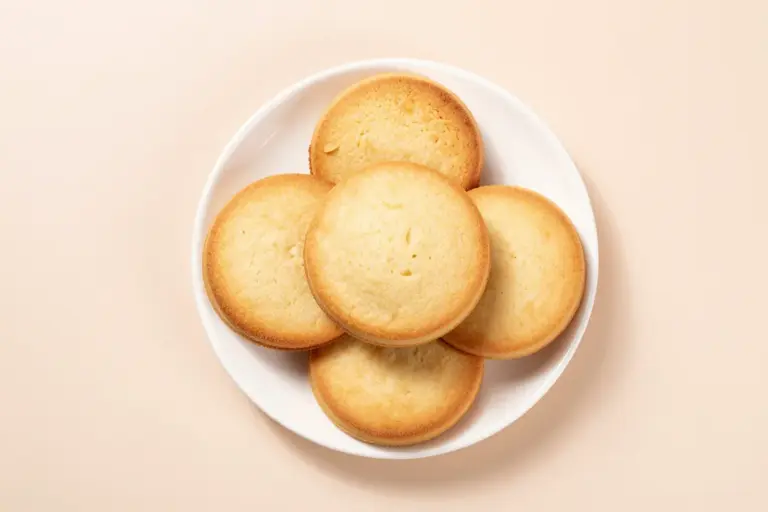
This traditional johnny cake Belizean recipe makes tender, lightly browned breakfast breads with coconut milk, shortening, and a savory-leaning flavor. Serve them warm with butter, eggs, cheese, beans, bacon, or fish.
What Makes These Belizean Johnny Cakes
Belizean Johnny Cakes are small, baking-powder-leavened wheat breads with a tender, slightly dense crumb and a gentle coconut flavor. They are generally savory or barely sweet rather than dessert-like, and are made to be eaten warm with butter or substantial breakfast fillings.
- The Belizean profile comes from wheat flour, coconut milk, baking powder, and a solid cooking fat.
- The traditional shape is a shallow, fork-marked round with a lightly browned exterior.
- They differ from cornmeal-based American or Caribbean johnnycakes and from fried Belizean fry jacks.
The Ingredients That Shape the Flavor and Crumb
Each ingredient has a practical job. Flour provides the structure needed for splitting and filling; baking powder supplies modest lift; coconut milk hydrates the dough while contributing the characteristic aroma; and shortening keeps the crumb tender by limiting gluten development. Salt keeps the result firmly in the savory breakfast-bread camp.
- Full-fat canned coconut milk gives a fuller coconut flavor and softer texture than light coconut milk.
- Shortening is neutral and tender, while butter brings more flavor and browning.
- Sugar is optional and restrained; omitting it produces the most savory version.
Ingredients
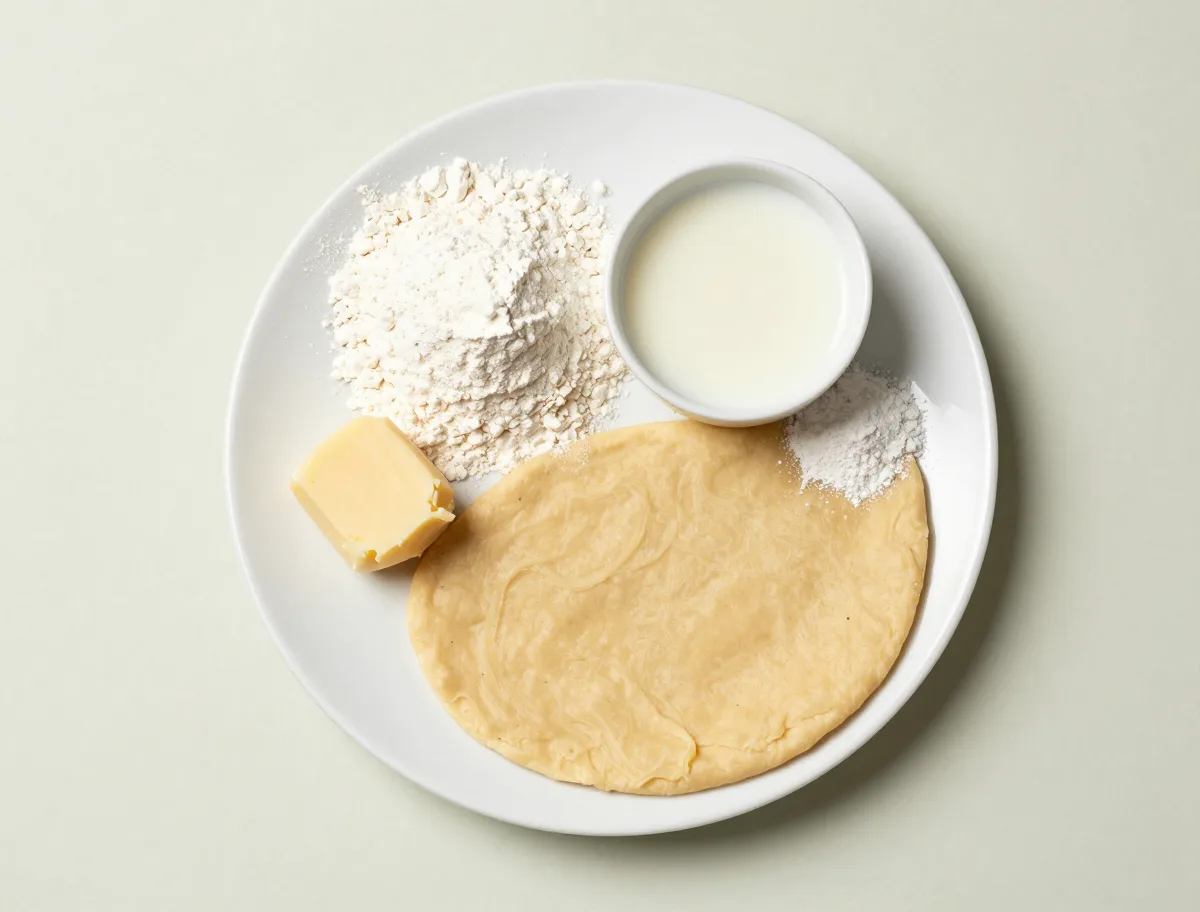
- 3 cups all-purpose flour, plus more only if needed for shaping
- 2 teaspoons baking powder
- 1 teaspoon fine salt
- 1 teaspoon granulated sugar, optional
- 6 tablespoons vegetable shortening, softened but not melted
- 1 cup full-fat coconut milk, well stirred; reserve up to 3 tablespoons for adjustment
How to Make the Dough and Shape the Cakes
Treat the dough more like a soft biscuit dough than a yeast bread. Coat the flour with fat before adding the coconut milk, add the liquid gradually, and stop working as soon as the dough becomes cohesive. The short rest is for hydration and relaxation, not for fermentation or dramatic rising.
- Aim for a soft dough that presses together easily but does not feel wet or elastic.
- Use consistent portions and flatten every round to roughly 1/2 inch so the centers cook at the same rate.
- Fork marks help control uneven doming and surface splitting while giving the cakes their familiar appearance.
Instructions
- Heat the oven: Set a rack in the center of the oven and heat it to 375°F (190°C). Line a large baking sheet with parchment.
- Combine the dry ingredients: Whisk the flour, baking powder, salt, and optional sugar in a large bowl until evenly blended.
- Work in the shortening: Add the softened shortening and rub it into the flour mixture with your fingertips until the mixture resembles coarse, evenly moistened crumbs. No large lumps of fat should remain.
- Make the dough: Pour in about 3/4 cup of the coconut milk and stir with a fork. Add more coconut milk a tablespoon at a time until the dough is soft and cohesive. It should hold together when pressed, but it should not cling wetly to the bowl or your hands.
- Rest briefly: Turn the dough onto a lightly floured surface and knead gently for 60 to 90 seconds, just until it loses its shaggy appearance. Do not knead it like bread dough. Cover and let it rest for 10 minutes so the flour can hydrate and the dough can relax.
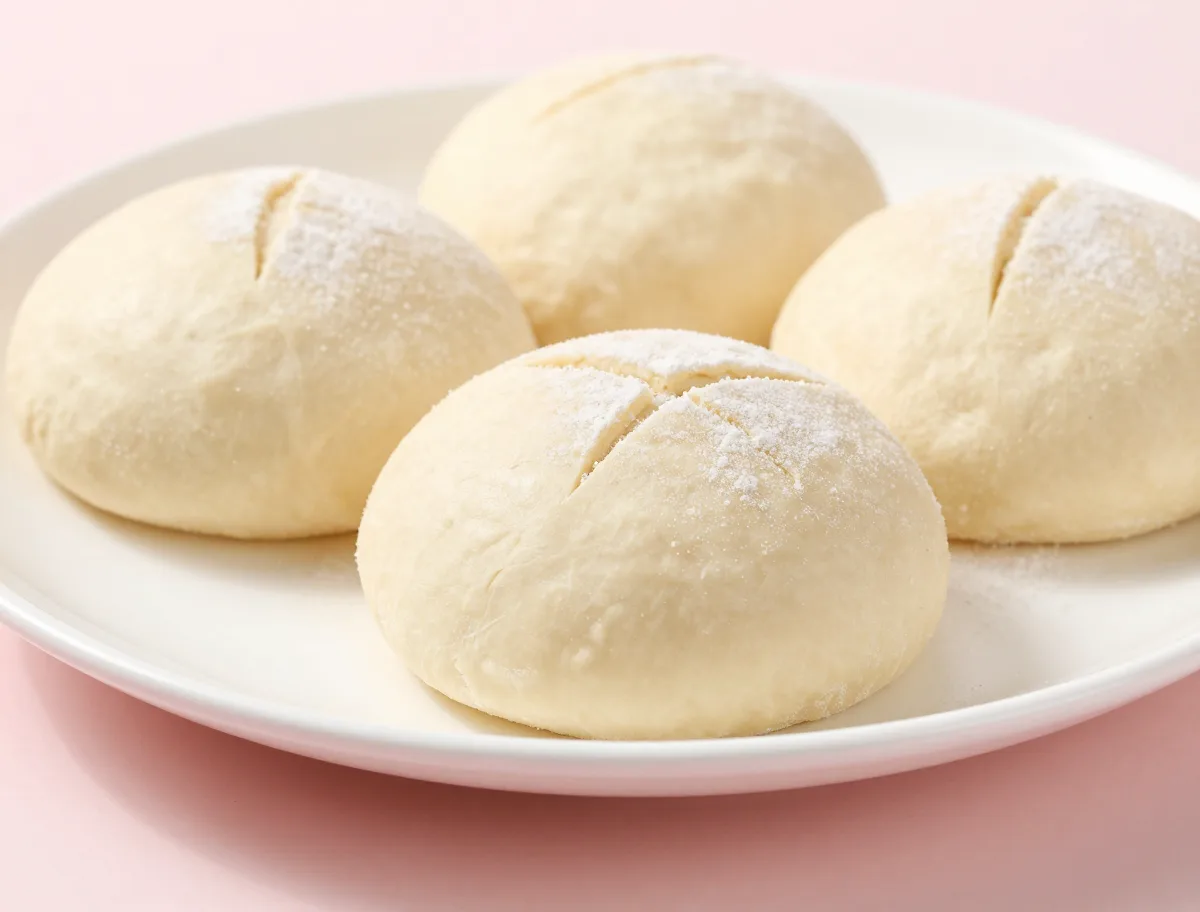
- Shape the Johnny Cakes: Divide the dough into 10 equal pieces and form each into a ball. Arrange them on the prepared sheet and flatten each one into an even round about 1/2 inch thick. Leave at least 1 inch between rounds. Prick each top several times with a fork.
- Bake: Bake until the edges are firm, the undersides are lightly browned, and the tops are pale gold to lightly golden, 16 to 20 minutes. If the bottoms are done but the tops remain very pale, move the sheet to the upper rack for the final 1 to 2 minutes, watching closely.
- Cool slightly and serve: Let the Johnny Cakes cool on the sheet for 5 minutes, then serve warm. Split them horizontally for fillings, or pass them whole with butter.
How Belizean Johnny Cakes Should Look and Feel
A successful Johnny Cake is lightly golden rather than deeply browned, with a firm edge and a soft, structured interior. The crumb should be tender enough for butter but substantial enough to carry eggs, beans, cheese, or meat.
- Check the underside as well as the top; shortening-based cakes may brown below before the surface changes color.
- The thickest cake should be set in the center, without a gummy or paste-like strip.
- If a cake splits cleanly and holds its shape while still feeling moist, it has reached the intended texture.
Doneness cues
- The rounds remain about 1/2 inch thick and feel firm at the edges.
- The undersides are lightly browned and the tops are pale golden.
- A split cake has a tender, bread-like crumb with no wet or paste-like band in the center.
- The cakes should be sturdy enough to hold a savory filling without crumbling.
The Variables That Keep the Centers Tender
Hydration, fat distribution, thickness, and heat work together here. Rubbing in the shortening before adding liquid coats some of the flour and helps prevent toughness. Adding too much coconut milk or shaping overly thick rounds can leave a sticky center, while excessive kneading produces a chewy crumb.
- Reserve some coconut milk because flour and coconut-milk brands absorb differently.
- Moderate oven heat allows the baking powder to lift the dough and the center to set before the outside overbrowns.
- Uniform thickness is more important than chasing an exact baking time.
Common Belizean Johnny Cake Problems and Fixes
Most disappointing batches can be traced to dough consistency, overworking, or uneven shaping. Make small corrections rather than trying to rescue the dough with a large addition of flour or liquid.
- Crumbly dough: Add coconut milk a teaspoon or tablespoon at a time and gently press it together.
- Sticky dough: Let it stand briefly, then add only a little flour; too much correction creates stiff cakes.
- Tough cakes: Reduce kneading and handling after the liquid is added.
- Brown outside, raw center: Flatten the cakes more evenly and lower the heat slightly rather than simply baking at a higher temperature.
- Pale tops: Check the underside and center first; a brief finish on the upper rack is safer than overbaking the bottoms.
Shortening, Butter, Coconut Oil, and Coconut Milk Substitutions
The recipe is flexible, but substitutions change the finished cake. Butter provides milk solids and water, so it browns more readily and tastes richer. Coconut oil supports a dairy-free version and heightens coconut aroma, though the crumb may be shorter and paler. Margarine can work, but its salt and water content varies by brand.
- Replace shortening with butter by weight for a more buttery, more deeply browned result.
- Use coconut oil by weight for a dairy-free option; virgin coconut oil gives the strongest coconut character.
- Coconut cream should be diluted until pourable because it contains less free water than coconut milk.
- Regular milk or water will hydrate the dough but makes the flavor less distinctly Belizean.
Oven-Baked and Stovetop Belizean Johnny Cakes
Oven baking is the simplest home method, but the same thick, leavened, coconut-enriched dough can be cooked in a cast-iron pan. The stovetop version should remain a gently browned round bread, not a thin unleavened flatbread or a deep-fried dough.
- For a stovetop method, preheat a lightly greased cast-iron skillet over medium-low heat.
- Cook the 1/2-inch rounds for about 5 to 7 minutes per side, turning once, until both sides are browned and the center is set.
- Cover the skillet loosely for part of the cooking time if the exterior is browning before the center cooks.
How to Serve Belizean Johnny Cakes
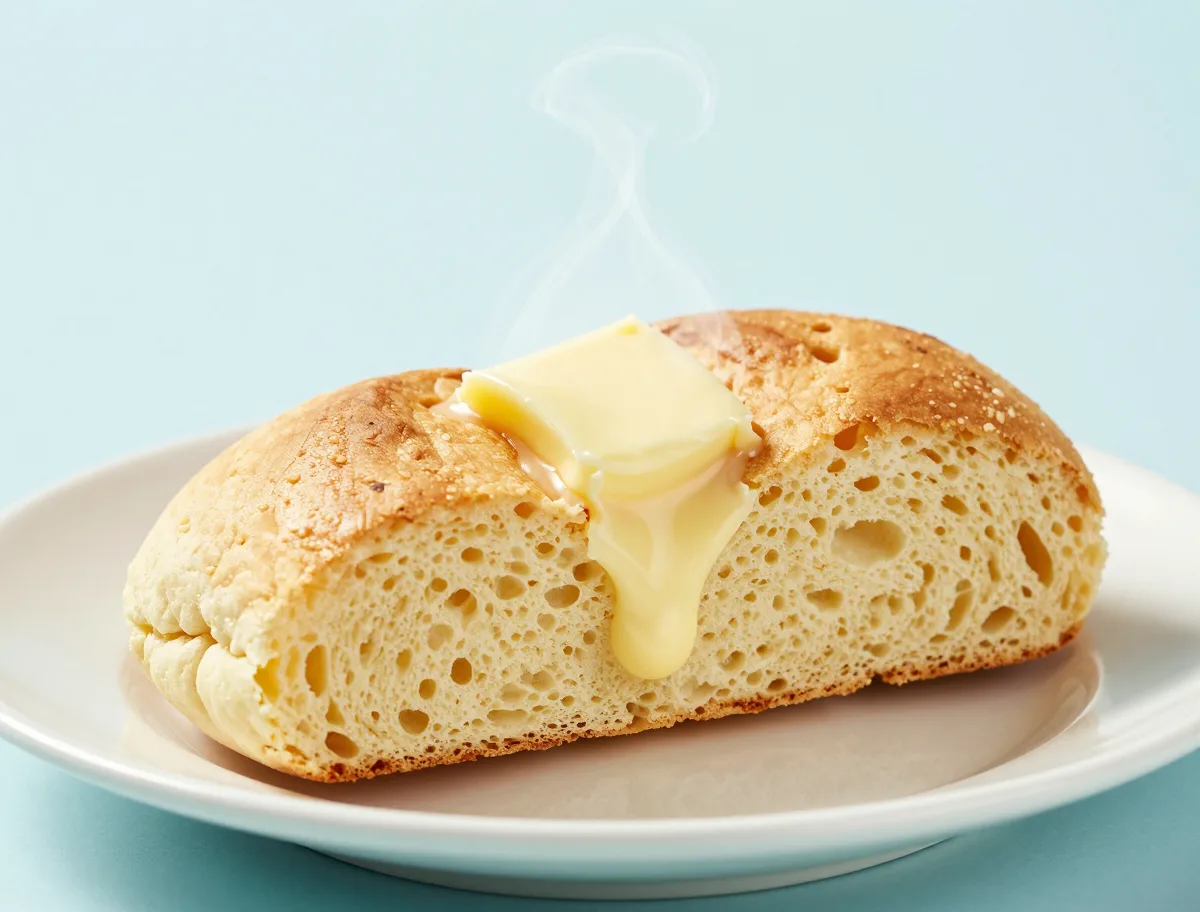
Serve the cakes warm, when the crumb is softest and the coconut aroma is most noticeable. Larger cakes can be split horizontally; smaller ones work well alongside a full breakfast plate.
- Simple: Butter, mild cheese, guava jelly, or marmalade.
- Breakfast fillings: Scrambled or fried eggs, bacon, ham, and cheese.
- Belizean-style savory pairings: Refried beans, stewed chicken, seasoned fish, or leftover meat.
- Use the cakes to mop up beans or savory cooking juices in place of ordinary toast.
How to Store, Freeze, and Reheat Johnny Cakes
These cakes are best on the day they are baked, but plain leftovers keep well for short-term use. Cool them completely before sealing so trapped steam does not soften the exterior excessively.
- Store plain cakes airtight at room temperature for up to 2 days, or refrigerate them for 3 to 4 days.
- Freeze cooled plain cakes in a sealed container or freezer bag with parchment between layers; thaw before reheating.
- Reheat in a toaster, 325°F oven, or covered skillet until warm. Prolonged microwaving can make the crumb rubbery.
- Refrigerate cakes filled with eggs, meat, cheese, or beans within 2 hours, or within 1 hour in temperatures above 90°F. Reheat filled leftovers to 165°F.
For additional guidance on refrigeration timing and reheating filled foods, consult the USDA safe cooking temperature and food-storage guidance.
Belizean Johnny Cakes: Frequently Asked Questions
These practical answers address the handling decisions that most affect the finished cakes, especially dough feel, thickness, resting, and stovetop cooking.
Should I use coconut milk, coconut cream, or regular milk?
Use full-fat coconut milk for the clearest Belizean flavor and a tender crumb. Coconut cream can be used after thinning it with water to a pourable consistency. Regular milk or water works as a backup, but the cakes will be less coconut-forward.
What should the dough feel like before shaping?
It should be soft, cohesive, and pliable, holding together when pressed without feeling sticky. It should not be as wet as batter or as elastic as yeast bread dough.
How much should I knead the dough?
Only knead for about 60 to 90 seconds after the liquid is added, just until the dough comes together. Longer kneading develops gluten and can make the cakes tough.
Why do I need to rest the dough?
A short rest gives the flour time to absorb the coconut milk and allows the dough to relax, making it easier to portion and flatten. It is not a yeast-proofing stage, so the dough will not double in size.
How thick should each Johnny Cake be?
About 1/2 inch is a reliable target. Thinner rounds can dry out, while thicker ones may brown before the center is fully cooked.
Why are the tops pricked with a fork?
Fork marks provide small openings that help regulate expansion and reduce uneven doming or surface splitting. They are also a familiar visual feature of Belizean Johnny Cakes.
Can I replace shortening with butter or coconut oil?
Yes. Butter gives more flavor and browning, while coconut oil is dairy-free and adds coconut aroma but may produce a paler, shorter crumb. Use either by weight and continue to judge the dough by feel.
How can I tell when the cakes are baked?
Look for firm edges, a lightly golden top, and a lightly browned underside. Split the thickest cake if needed: the center should be tender and bread-like, not wet or gummy.
Can Johnny Cakes be cooked on the stovetop?
Yes. Cook the same 1/2-inch rounds in a preheated cast-iron pan over medium-low heat for about 5 to 7 minutes per side. Turn once and use a loose lid if the outside is browning faster than the center.
The Belizean Tradition Behind Johnny Cakes
Belizean Johnny Cakes are associated with Creole foodways and with breakfast tables featuring beans, eggs, meats, fish, and cheese. Older accounts often connect them with hearth cooking, while contemporary home cooks commonly use an oven or cast-iron pan. The name is widely linked to “journey cake” because of the bread’s portability, but that etymology is best treated as a popular explanation rather than settled fact.
- Belizean identity is expressed through the wheat-flour, coconut-milk, baking-powder, and solid-fat formula.
- They are distinct from cornmeal johnnycakes and from fried fry jacks.
- Household recipes vary in sweetness, fat, thickness, and browning, so authenticity is a regional style rather than one rigid formula.
For additional cultural context, Travel Belize’s overview of Creole must-eat foods discusses Johnny Cakes and their traditional savory pairings.