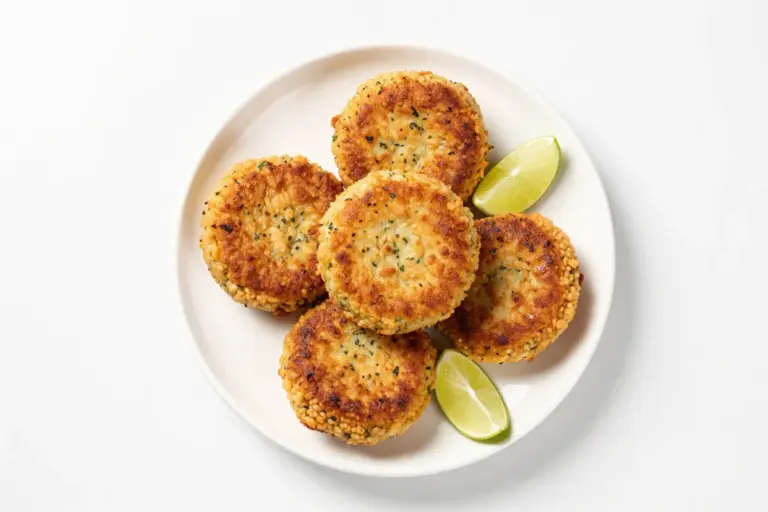
Air Fryer Boneless Chicken Wings Recipe
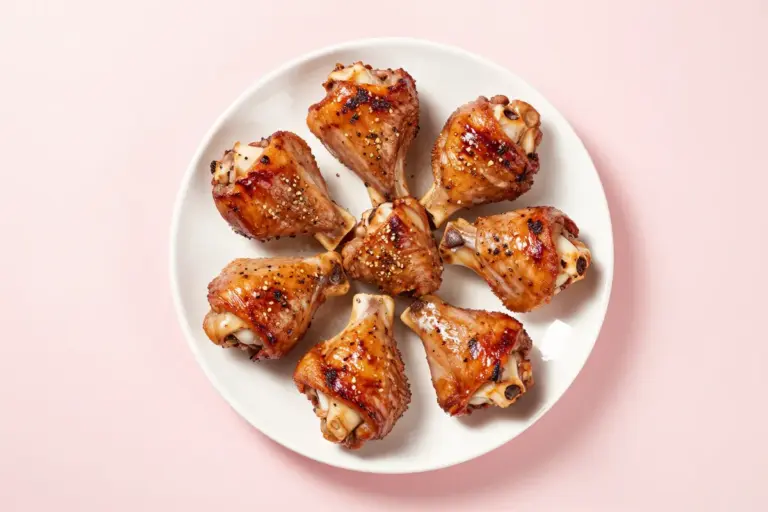
This air fryer boneless chicken wings recipe makes crisp, juicy breaded chicken breast bites with a buttery Buffalo sauce, ranch, and celery—without deep-frying.
What Are Boneless Chicken Wings?
Boneless wings are usually bite-size pieces of boneless chicken breast or tenderloin that are breaded, cooked until crisp, and finished with a wing-style sauce. They are a Buffalo-inspired adaptation, not deboned traditional wings.
- Expect a nugget-like shape, a crisp seasoned crust, and a tender chicken center.
- The best texture is crisp before saucing and glossy, spicy, and still slightly crunchy after saucing.
- Traditional bone-in Buffalo wings are generally made from wing sections; this version uses convenient chicken breast bites.
Why This Air Fryer Breading Works
The coating combines flour for structure, cornstarch for a lighter crunch, egg to anchor the crumbs, and panko for a coarse, craggy surface. Seasoning the dry mixture gives the chicken flavor beneath the Buffalo sauce instead of relying on the sauce alone.
- Chicken breast keeps the bites lean and mild; cutting it uniformly helps it stay juicy.
- A thin film of oil helps the coating brown in the air fryer’s dry heat.
- Butter rounds out the sharpness of the hot sauce, while honey and Worcestershire add balance and savoriness.
- Panko gives a more substantial crunch than flour alone and holds sauce well.
Ingredients
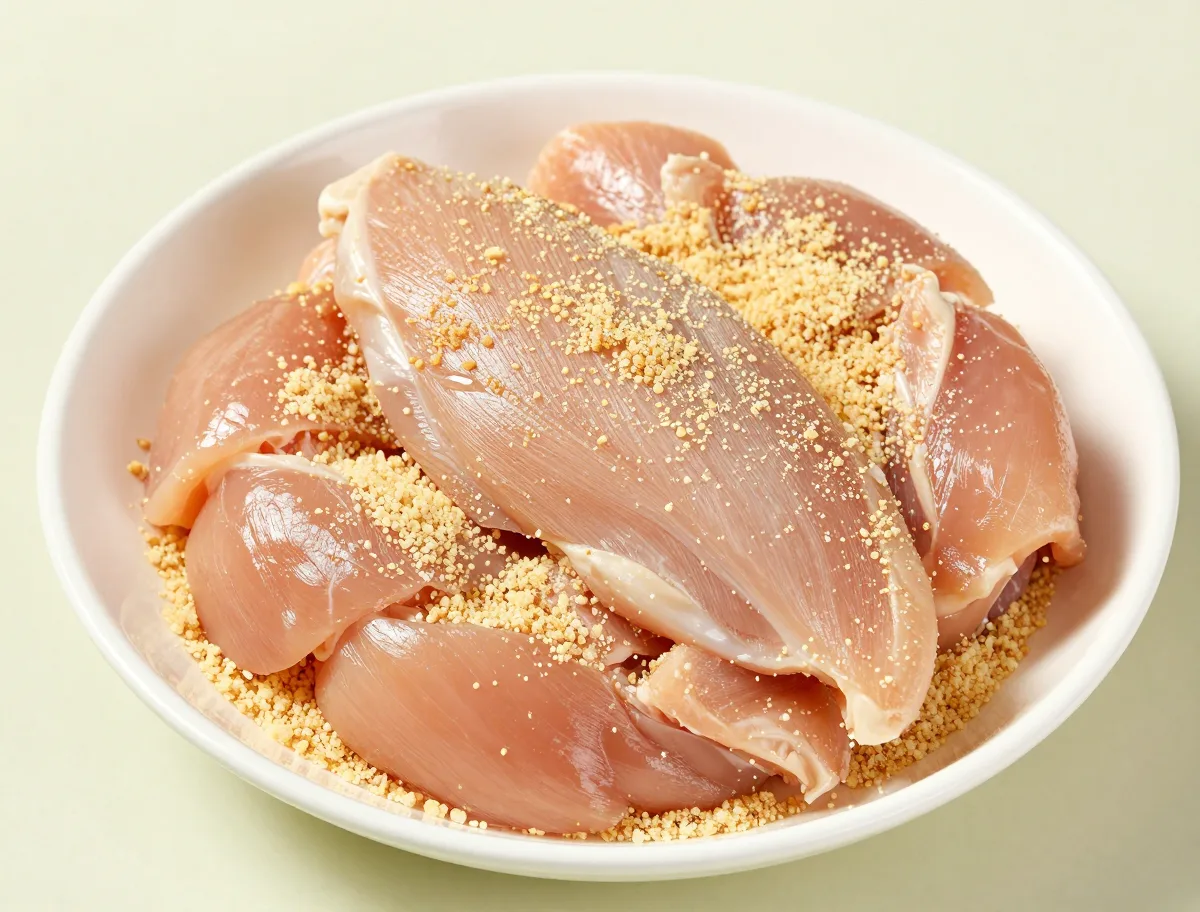
- 1 1/2 pounds boneless, skinless chicken breast, trimmed and cut into 1- to 1 1/2-inch pieces
- 3/4 cup all-purpose flour
- 1/4 cup cornstarch
- 1 teaspoon paprika
- 1 teaspoon garlic powder
- 3/4 teaspoon onion powder
- 1 1/4 teaspoons fine salt, divided
- 1/2 teaspoon black pepper, divided
- 1/4 teaspoon cayenne pepper
- 2 large eggs, beaten
- 1 cup panko breadcrumbs
- As needed neutral oil spray, such as avocado or canola oil
- 1/2 cup cayenne hot sauce
- 4 tablespoons unsalted butter, melted
- 1 teaspoon Worcestershire sauce
- 1 teaspoon honey
- 1/4 teaspoon garlic powder, for the Buffalo sauce
- 3/4 cup ranch dressing, for serving
- 4 stalks celery, cut into sticks
How to Make Crispy Air Fryer Boneless Wings
Crispness depends more on preparation than on adding extra cooking time. Dry the chicken thoroughly, keep the pieces similar in size, shake off excess egg and flour, and press the panko firmly into every surface.
- Preheating gives the coating an immediate burst of heat instead of allowing the breading to sit in a cool, humid basket.
- Arrange the chicken in one layer with visible gaps. If pieces touch, cook in batches.
- A light, even oil mist is enough; heavy oil can make the underside greasy.
- Turn the pieces halfway through so the basket side browns rather than stays soft.
- Keep finished pieces uncovered on a rack while later batches cook.
Instructions
- Prepare the chicken and air fryer: Pat the chicken dry with paper towels. Season it with 1/2 teaspoon of the salt and 1/4 teaspoon of the black pepper. Preheat the air fryer to 400°F (205°C) for 3 minutes. If using an oven-style air fryer, position the racks so air can circulate around the pieces.
- Mix the coatings: In a shallow bowl, whisk together the flour, cornstarch, paprika, 1 teaspoon of the garlic powder, onion powder, remaining 3/4 teaspoon salt, remaining 1/4 teaspoon black pepper, and cayenne. Place the beaten eggs in a second shallow bowl and the panko in a third.
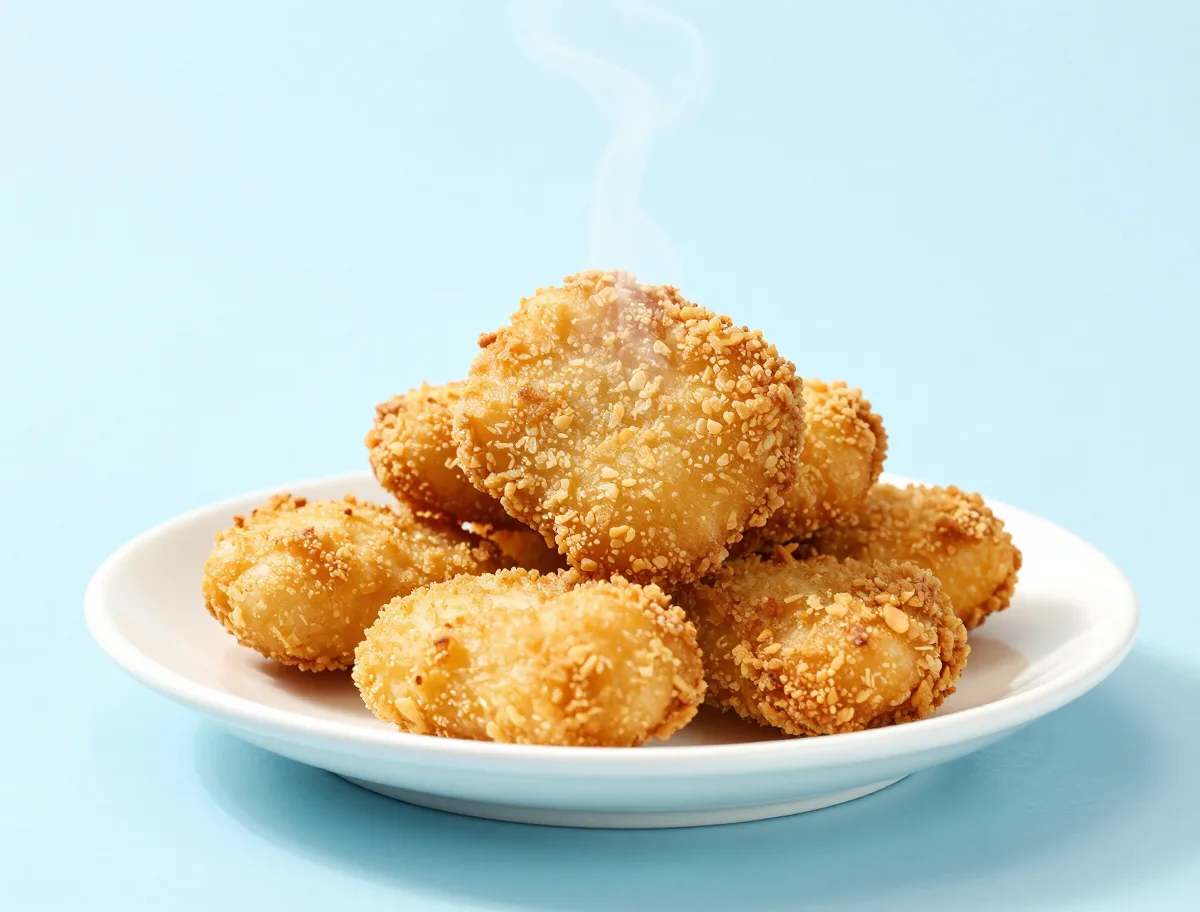
- Bread the chicken: Coat each chicken piece in the seasoned flour, shaking off the excess. Dip it into the egg, letting excess drip away, then press it firmly into the panko. Set the breaded pieces on a plate or rack without stacking them. Let them stand for 5 minutes so the coating can adhere.
- Air-fry until crisp: Lightly spray the air-fryer basket and both sides of the breaded chicken with oil. Arrange the pieces in a single layer with space between them; work in batches if necessary. Air-fry at 400°F for 6 minutes, turn each piece, and spray any dry-looking areas lightly. Continue cooking for 4 to 8 minutes, until the coating is golden and the thickest piece reaches 165°F (74°C) on an instant-read thermometer.
- Make the Buffalo sauce: While the chicken cooks, whisk the hot sauce, melted butter, Worcestershire sauce, honey, and 1/4 teaspoon garlic powder in a small saucepan. Warm over low heat for 2 to 3 minutes, whisking until smooth; do not boil.
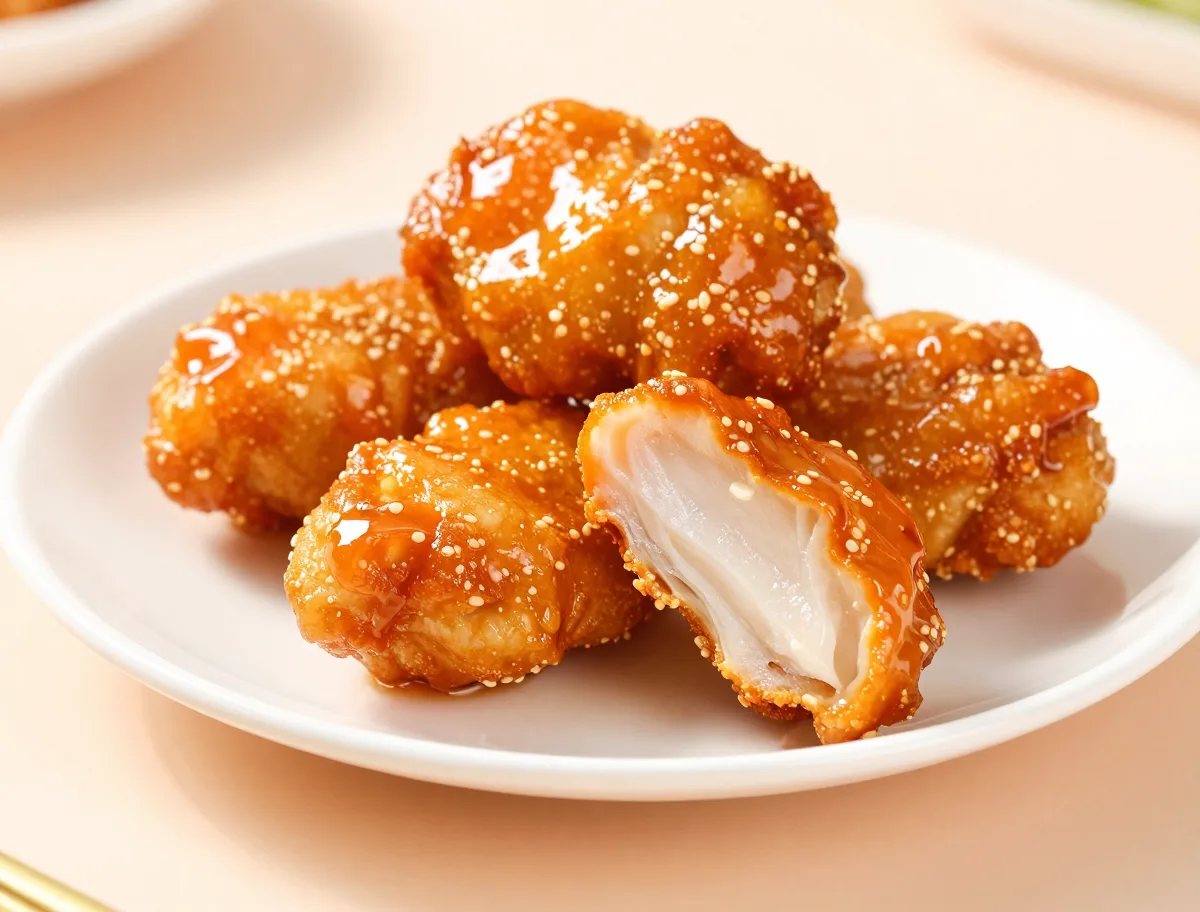
- Sauce and serve: Transfer only the chicken you plan to eat immediately to a bowl. Toss with enough warm Buffalo sauce to coat, or drizzle the sauce over the pieces for a crunchier finish. Serve at once with ranch dressing and celery sticks. Keep unsauced pieces uncovered on a wire rack while cooking any remaining batches.
How to Tell When the Chicken Is Done
The coating should be golden and firmly set, with crisp edges and no patches of loose, wet flour. The chicken inside should be opaque and moist, but appearance is only a quality cue—not a safety test.
- Check the thickest piece with an instant-read thermometer.
- Every portion must reach at least 165°F (74°C).
- If the chicken has reached 165°F but the crust is pale, return it to the air fryer briefly with a very light oil spray rather than extending the cooking time for several minutes.
- Sauce immediately before eating because the longer liquid sits on the breading, the softer it becomes.
The Air-Fryer Choices That Keep the Coating Crisp
An air fryer browns by moving hot air across a thin, lightly oiled surface. That air must reach the chicken and carry away steam; a wet coating or crowded basket creates a humid pocket that steams the breading instead.
- Dry chicken and a preheated basket promote faster surface drying.
- Cornstarch reduces the amount of wheat flour in the crust and contributes a lighter texture.
- Spacing exposes more surface area to circulating heat and helps moisture escape.
- Piece thickness controls cooking speed, so uniform 1- to 1 1/2-inch pieces are more reliable than mixed-size chunks.
- Buffalo sauce adds moisture after cooking, which is why it should never be applied before air-frying.
Common Boneless Wing Mistakes and Fixes
Most problems come from excess moisture, insufficient airflow, or handling the coating too aggressively. Correct the cause rather than simply adding more cooking time, which can dry out the chicken before the crust improves.
- Pale breading: The fryer may not have been preheated, or the coating needs a thin additional oil mist. Continue briefly at 400°F after confirming the chicken is cooked.
- Soggy coating: The basket was crowded, the chicken was sauced too early, or hot pieces were covered. Cook in batches and serve uncovered.
- Coating falling off: The chicken may have been wet, the egg layer too thick, or the crumbs not pressed on. Pat the chicken dry, let excess egg drip away, and rest the breaded pieces before cooking.
- Dry chicken: Pieces were too small or cooked beyond 165°F while waiting for browning. Cut larger, uniform pieces and begin checking earlier.
- Uneven cooking: Sort mixed-size pieces, leave gaps, and turn the chicken halfway through.
Easy Ingredient Substitutions
The recipe is flexible, but each substitution changes the crust or cooking behavior. Make one change at a time so you can still judge the coating and doneness accurately.
- Boneless, skinless chicken thighs can replace breast meat. They stay juicier but may need a little longer to reach 165°F.
- Use a certified gluten-free flour blend and gluten-free panko for a gluten-free coating.
- Crushed gluten-free cornflakes create a lighter, more rugged crust than panko.
- Buttermilk can replace the beaten egg for a tangier coating, though the wet layer may be slightly thicker.
- Potato starch can replace the cornstarch in the same amount.
- For less heat, choose a mild hot sauce and serve extra ranch rather than removing the Buffalo finish entirely.
Buffalo Wing Flavor Variations
Keep the defining format intact—bite-size coated chicken, air-fried until crisp, then finished with a sauce or seasoning. The coating and cooking method should remain the same while the finish changes.
- Honey-Buffalo: Add another teaspoon or two of honey to the sauce for a sweeter, gentler finish.
- Garlic-Buffalo: Increase the garlic in the sauce or add a little roasted garlic paste.
- Barbecue: Toss the cooked chicken with a thick barbecue sauce immediately before serving.
- Dry finish: Skip the wet sauce and toss the hot chicken with lemon-pepper seasoning for maximum crunch.
- A completely unbreaded version is better described as air-fried chicken bites, not breaded boneless wings.
What to Serve with Buffalo Chicken Bites
Serve these bites as soon as they are sauced. Ranch cools the heat and celery provides a crisp, fresh contrast; blue-cheese dressing is another fitting option if you prefer a more traditional Buffalo-style plate.
- Toss only the amount you will eat immediately and keep extra sauce for dipping.
- Serve in a shallow dish or on a rack rather than covering the chicken.
- Add carrot sticks, sliced scallions, or a simple slaw for additional freshness.
- For a casual meal, pair with oven fries, potato wedges, or a green salad.
How to Store, Freeze, and Reheat Boneless Wings
For the best crust, cook and sauce the chicken close to serving time. Store the chicken without sauce whenever possible, since Buffalo sauce softens the breading during refrigeration and reheating.
- Refrigerate cooked chicken within 2 hours in a shallow container and use it within 3 to 4 days.
- To freeze, cool the unsauced pieces, arrange them in a single layer until firm, then transfer them to an airtight freezer container or bag.
- Reheat refrigerated pieces in a preheated 375°F (190°C) air fryer in one layer, turning once if needed, until hot throughout and 165°F (74°C).
- Frozen cooked pieces can be reheated from frozen, but allow additional time and verify 165°F in the center.
- Sauce only after reheating. The crust may not be quite as crisp as it was freshly cooked.
Air Fryer Boneless Chicken Wings FAQ
Use the recipe’s time as a starting point, then adjust for your appliance, piece size, and coating thickness. The thermometer reading is the final authority for poultry safety.
Do boneless wings come from chicken wings?
Usually not. In this style of recipe, boneless wings are bite-size pieces of chicken breast or tenderloin that are breaded and sauced like Buffalo wings.
What temperature should I use?
Air-fry the breaded pieces at 400°F (205°C). Begin checking after 10 minutes, but continue until the thickest piece reaches 165°F (74°C).
Should I preheat the air fryer?
Yes. A short preheat helps the coating begin setting and browning immediately.
Why must the chicken be in one layer?
Overlapping pieces block airflow and trap steam, producing pale or soggy breading. Cook in batches whenever the pieces touch.
Do I need to flip the chicken?
Yes, turning halfway usually improves browning on the basket side. Some oven-style models brown both sides evenly, but flipping remains the safer default.
Should I spray the chicken with oil?
Apply a light, even mist to the breaded surfaces. Too much oil can make the coating greasy, and aerosol oil should not be sprayed directly into the heating cavity.
When should I add Buffalo sauce?
Add it after the chicken is fully cooked and immediately before serving. For the crispest result, drizzle or serve it on the side.
Can I use chicken thighs?
Yes. Boneless thighs are more forgiving and juicy, but they have a richer flavor and may require slightly more cooking time.
Safe Handling and Cooking Temperature
Treat raw chicken as a contamination risk from preparation through storage. Keep it refrigerated until needed, wash hands and equipment after contact, and keep raw poultry utensils away from ready-to-eat foods.
- Do not rinse raw chicken; splashing can spread poultry juices around the kitchen.
- Use an instant-read thermometer in the thickest representative piece and cook all chicken to at least 165°F (74°C). Follow USDA safe cooking temperature guidance for poultry and reheated leftovers.
- Refrigerate cooked chicken within 2 hours, or within 1 hour if the surrounding temperature is above 90°F (32°C).
- Reheat leftovers to 165°F (74°C), even if they were previously fully cooked.
- Thaw chicken in the refrigerator, in cold water changed regularly, or in the microwave immediately before cooking—not on the counter.