Apricot Chicken Recipes With Apricot Preserves
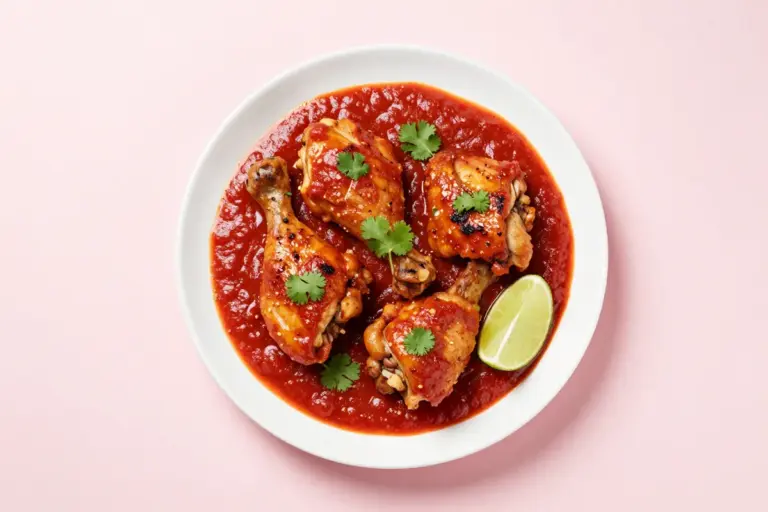
This easy apricot chicken recipe with apricot preserves pairs tender browned chicken thighs with a glossy sweet-savory glaze balanced by Dijon, soy sauce, vinegar, garlic, and ginger.
What Makes Great Apricot Chicken
This dish uses jarred apricot preserves—not fresh or dried apricots—as the foundation for a dinner-style glaze. The target is tender, browned chicken coated in a shiny sauce that tastes fruity, tangy, and savory rather than like warmed jam.
- Apricot preserves provide sweetness, fruit flavor, color, and body.
- Soy sauce, Dijon, and vinegar keep the glaze balanced and suitable for a savory meal.
- The sauce should cling to the chicken but stay loose enough to spoon over rice.
Why the Apricot Glaze Tastes Balanced
The preserves are deliberately supported by contrasting ingredients. Soy sauce supplies salt and umami, Dijon adds sharpness, and cider vinegar cuts through the fruit’s richness. Garlic and ginger give the glaze savory depth, while a small amount of chile keeps the sweetness from feeling heavy.
- Smooth preserves make the most even coating; chunky preserves work if you prefer pieces of fruit in the sauce.
- Unsalted stock loosens the preserves without adding unnecessary salt.
- Low-sodium soy sauce leaves room to adjust seasoning after the glaze reduces.
Ingredients
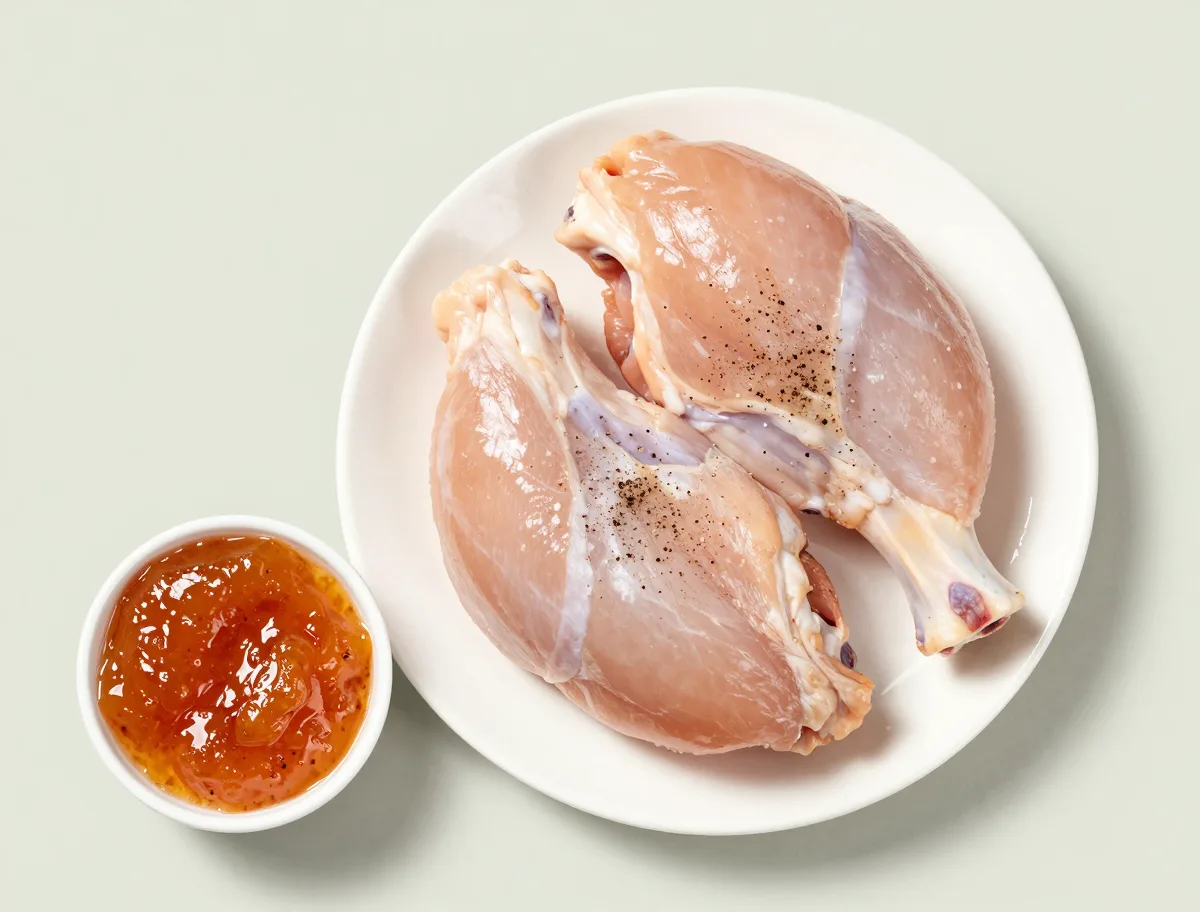
- 1 1/2 pounds boneless, skinless chicken thighs, trimmed and patted dry
- 1 teaspoon kosher salt
- 1/2 teaspoon black pepper
- 1 tablespoon neutral oil, such as avocado or canola oil
- 3/4 cup smooth apricot preserves
- 1/3 cup unsalted chicken stock
- 2 tablespoons reduced-sodium soy sauce
- 1 1/2 tablespoons Dijon mustard
- 1 tablespoon apple cider vinegar
- 2 cloves garlic, finely grated or minced
- 1 teaspoon fresh ginger, finely grated
- 1/4 teaspoon red pepper flakes, optional
- 2 tablespoons sliced scallions, for serving
- 1 teaspoon sesame seeds, for serving
How to Make Apricot Glazed Chicken in One Skillet
Patting the chicken dry is the first important step: a dry surface browns, while excess moisture encourages steaming. Searing before adding the glaze builds browned flavor, then a gentle covered finish cooks the thighs without exposing the sugar-rich sauce to prolonged high heat.
- Avoid crowding the skillet so the chicken develops color instead of releasing steam.
- Lower the heat before adding the preserves mixture to reduce scorching risk.
- For the smoothest sauce, reduce it uncovered only after the chicken has reached its safe temperature.
Instructions
- Season the chicken: Pat the chicken thighs very dry, then season both sides with the salt and black pepper. Let them stand while you prepare the glaze. About 5 minutes.
- Mix the apricot glaze: In a bowl, whisk together the apricot preserves, chicken stock, soy sauce, Dijon mustard, vinegar, garlic, ginger, and red pepper flakes. Set aside 1/4 cup of the mixture for serving; keep it separate from the raw chicken. About 3 minutes.
- Brown the thighs: Heat the oil in a large 12-inch skillet over medium-high heat. Add the chicken in a single layer, working in batches if necessary. Cook until deeply golden on the first side, about 4 minutes, then turn and brown the second side for 3 minutes. The chicken will not yet be fully cooked. Transfer it to a plate. About 8 minutes; skillet reference: 400°F (204°C).
- Start the sauce: Reduce the heat to medium-low. Pour the remaining glaze into the skillet and scrape up the browned bits. Bring it to a gentle simmer, stirring, until slightly thickened and glossy, about 2 minutes. Do not let the sugary sauce boil aggressively.
- Finish the chicken in the glaze: Return the chicken and any juices to the skillet, turning each piece to coat. Cover and simmer gently for 8 to 12 minutes, turning once, until the thickest part of every thigh reaches 165°F (74°C) on an instant-read thermometer. About 10 minutes.
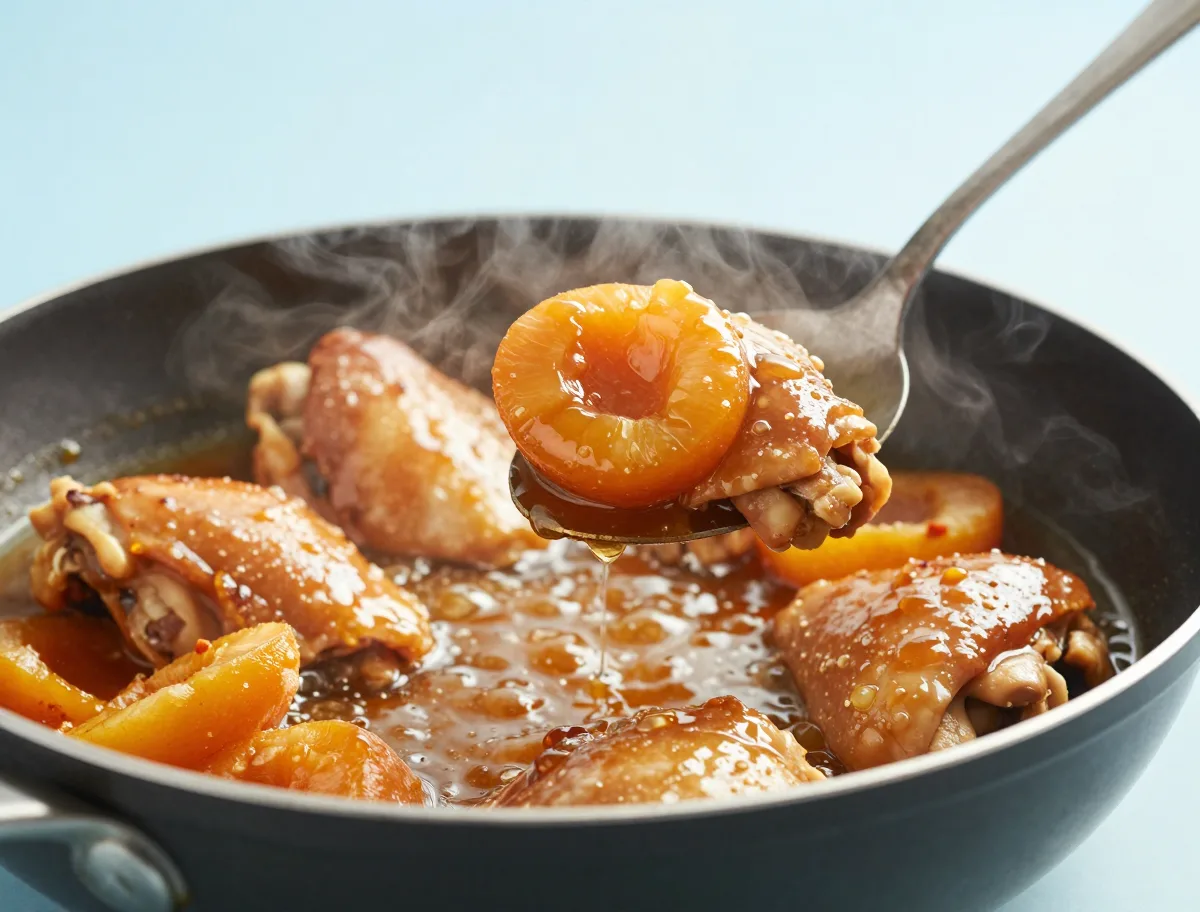
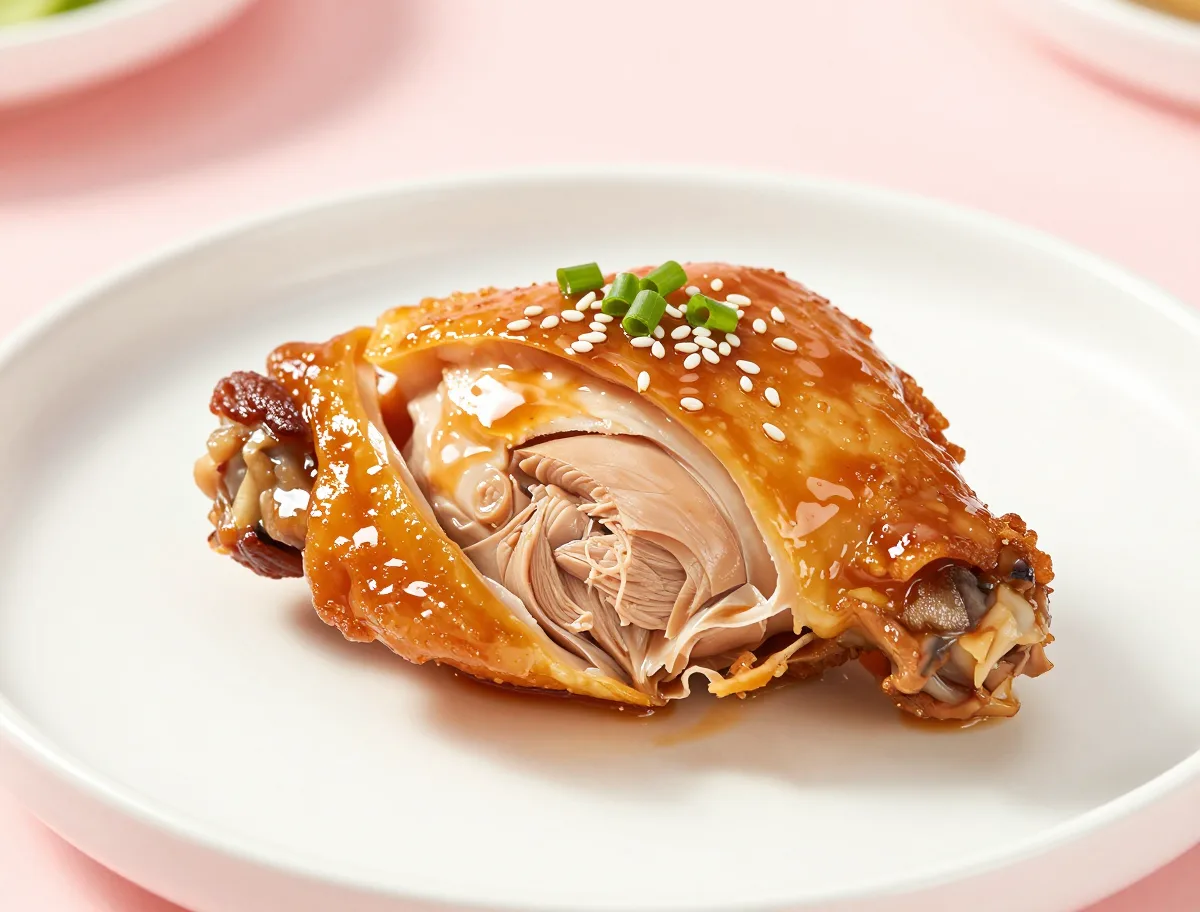
- Reduce and serve: Transfer the cooked chicken to a serving platter and leave the skillet uncovered. Simmer the sauce for 1 to 3 minutes, stirring often, until it coats a spoon but remains pourable. If it becomes too thick, stir in a tablespoon of water or stock. Spoon the glaze over the chicken, then finish with the reserved clean glaze, scallions, and sesame seeds. About 4 minutes.
How to Tell When the Chicken and Glaze Are Done
Boneless thighs are forgiving, but thickness still varies. Use an instant-read thermometer rather than relying on the cooking time or the color of the meat. The glaze is ready when it leaves a visible coating on a spoon and slowly runs back together in the skillet.
- All chicken pieces must reach 165°F (74°C) in the thickest area.
- Remove the chicken before reducing a watery sauce further; otherwise the meat may overcook.
- The glaze will thicken slightly as it cools, so stop reducing while it is still spoonable.
- The chicken should be browned outside and tender when pressed, but color alone is not a safety test.
- The thickest part of each thigh must register 165°F (74°C), measured without touching the pan.
- The finished glaze should look shiny, move slowly across the skillet, and cling to a spoon while remaining fluid enough to spoon over rice.
The Cooking Variables That Control Glaze and Texture
Apricot preserves contain water, dissolved sugar, and fruit solids. Simmering removes water and concentrates the sauce, which creates body but also increases the chance of scorching near the end. Pan width, heat level, chicken thickness, and when the glaze is applied all affect the result.
- A wide skillet reduces sauce faster than a narrow pan, so watch the texture rather than following the clock rigidly.
- Gentle heat is especially important once the sauce becomes thick and glossy.
- Searing contributes browned surface flavor; it does not seal juices inside the meat.
- Late reduction and short final coating time give better cling with less risk of bitter, burnt sugar.
Common Apricot Chicken Mistakes and How to Fix Them
Most problems come from treating the glaze like a thin marinade or cooking it too aggressively. Balance the sauce before it reduces, keep an eye on it as it thickens, and separate sauce reduction from chicken cooking when their endpoints do not occur at the same time.
- Too sweet: Stir in vinegar or Dijon a little at a time; add chile for contrast. Avoid adding more sugar or honey.
- Too salty: Loosen the sauce with unsalted stock or water, then add a little more vinegar if needed.
- Too thin: Remove the chicken once cooked and simmer the sauce uncovered until it coats a spoon.
- Scorching: Lower the heat immediately and add a splash of stock or water before the glaze becomes dry. A bitter, burnt sauce is difficult to restore.
- Dry chicken: Even out very thick pieces and remove them promptly at 165°F rather than holding them in a hot reduced sauce.
- Soft skin: This skillet recipe is designed for boneless thighs; sauce-covered skin will not stay crisp.
Apricot Chicken Ingredient Substitutions
The recipe is flexible as long as it retains three elements: a fruit preserve, a savory seasoning, and an acidic counterpoint. Substitutions can change sweetness, salt, or sharpness, so taste the finished sauce before serving.
- Peach preserves are the closest fruit substitute, though the dish will taste more like peach-glazed chicken. Orange marmalade adds citrus bitterness.
- Tamari can replace soy sauce, but check its saltiness. Coconut aminos are sweeter and less salty, so the finished sauce may need more vinegar.
- Rice vinegar gives a softer acidity; lemon juice provides a brighter flavor and is best stirred in near the end.
- Yellow or whole-grain mustard can replace Dijon, with a milder or more textured result.
- Use 1/4 teaspoon ground ginger in place of the fresh ginger; add it with the sauce ingredients.
Ways to Adapt This Apricot Glazed Chicken
The core recipe works with several chicken cuts, but each needs a different approach. Boneless thighs are the most reliable skillet choice; leaner or bone-in pieces should be monitored more closely and glazed later when necessary.
- Chicken breasts: Pound them to an even thickness and begin checking early; remove them at 165°F so they do not dry out while the sauce reduces.
- Chicken tenderloins: Sear briefly and expect a shorter finish, often just a few minutes in the simmering sauce.
- Bone-in, skin-on thighs: Bake at 400°F (204°C) skin-side up until nearly done, brush with the glaze during the final 10 minutes, and broil briefly only if needed for browning. Keep the skin exposed rather than submerged.
- Lower-sodium version: Use low-sodium soy sauce, unsalted stock, and no extra salt beyond what is needed for the chicken.
- Spicier version: Add more red pepper flakes or a pinch of cayenne without changing the sweet-savory structure.
What to Serve with Apricot Chicken
Plain rice is an especially useful partner because it absorbs the extra glaze without competing with it. Add a green vegetable or crisp salad for bitterness, freshness, and contrast.
- Serve with jasmine, basmati, brown rice, couscous, quinoa, or crusty bread.
- Pair with steamed broccoli, green beans, snap peas, bok choy, or lightly dressed cabbage.
- Scallions, parsley, cilantro, or a little citrus zest add freshness after the sauce has reduced.
- Only serve extra sauce separately if it never contacted raw chicken; otherwise bring it to a full simmer first.
How to Store, Freeze, and Reheat Apricot Chicken
Cool the chicken and sauce promptly, storing them together so the meat stays moist. The glaze may lose some of its fresh sheen after chilling, but gentle reheating with a small splash of liquid will restore a spoonable consistency.
- Refrigerate in a shallow, covered container within 2 hours of cooking and use within 3 to 4 days.
- Freeze sauced portions in airtight containers for best quality within 2 to 6 months. Skin, if used, will not remain crisp after freezing.
- Thaw in the refrigerator when possible. Reheat covered over low heat or in the microwave, adding a tablespoon of water or stock if the glaze is too thick.
- Reheat leftovers to 165°F (74°C) throughout, checking the center of the chicken rather than the bubbling sauce.
Apricot Chicken Recipe FAQs
These answers address the most useful choices around chicken cuts, cooking methods, glaze balance, and sauce texture.
Can I make apricot chicken with chicken breasts?
Yes. Pound thick breasts to an even thickness, sear them as directed, and begin checking their temperature early. Remove them at 165°F (74°C), then reduce the sauce separately if it still needs thickening.
Is it better to bake or cook apricot chicken in a skillet?
A skillet is faster and gives the sauce the flavor of the browned bits. Baking is useful for bone-in pieces or larger batches, but apply the concentrated glaze late so it does not burn before the chicken is cooked.
How do I make the sauce less sweet?
Add cider vinegar or Dijon in small increments, then taste again. A little chile or additional savory seasoning can also provide contrast. Avoid correcting sweetness with large amounts of salt.
Can I thicken a watery apricot glaze with cornstarch?
Yes, although reduction is preferable because it preserves the sauce’s flavor. If needed, mix 1 teaspoon cornstarch with 1 tablespoon cold water, stir it into the simmering sauce, and cook briefly until thickened.
Can I use onion soup mix in apricot chicken?
You can, but it changes the recipe substantially by adding salt and concentrated onion flavor. If using it, omit the added salt and reduce or omit the soy sauce, checking the sauce before serving.
How can I keep skin-on chicken crisp?
Brown the skin first, keep the pieces skin-side up and above the sauce, and brush on the glaze near the end of cooking. Maximum sauce coverage and crisp skin are competing goals.
Food Safety for Chicken with Apricot Sauce
Use temperature, not appearance, as the final safety check. Keep raw poultry and its utensils away from ready-to-eat food, and treat any sauce that touches raw chicken as raw until it has been thoroughly cooked.
- Cook every chicken cut to a minimum internal temperature of 165°F (74°C), measured in the thickest part without touching bone or the pan. Follow USDA safe cooking temperature guidance for poultry.
- Wash hands, utensils, and work surfaces after handling raw chicken, and never place cooked chicken on a plate that held raw poultry.
- Refrigerate or freeze leftovers within 2 hours, or within 1 hour when the surrounding temperature is above 90°F (32°C).
- Keep the refrigerator at 40°F (4°C) or below and reheat leftovers to 165°F (74°C) throughout. The FDA safe food-handling guidance provides additional storage and cross-contamination precautions.
Recipe Notes
- Serve with plain rice and a green vegetable such as broccoli, green beans, or snap peas.
- The reserved glaze must remain separate from raw chicken. If any sauce touches raw poultry, simmer it thoroughly before serving.
- For a less-sweet sauce, add another 1 to 2 teaspoons of vinegar or Dijon after reduction. For more heat, increase the red pepper flakes.
- Use low-sodium soy sauce because the sauce becomes saltier as it reduces.