Chicken Artichoke Mushroom Skillet Recipe
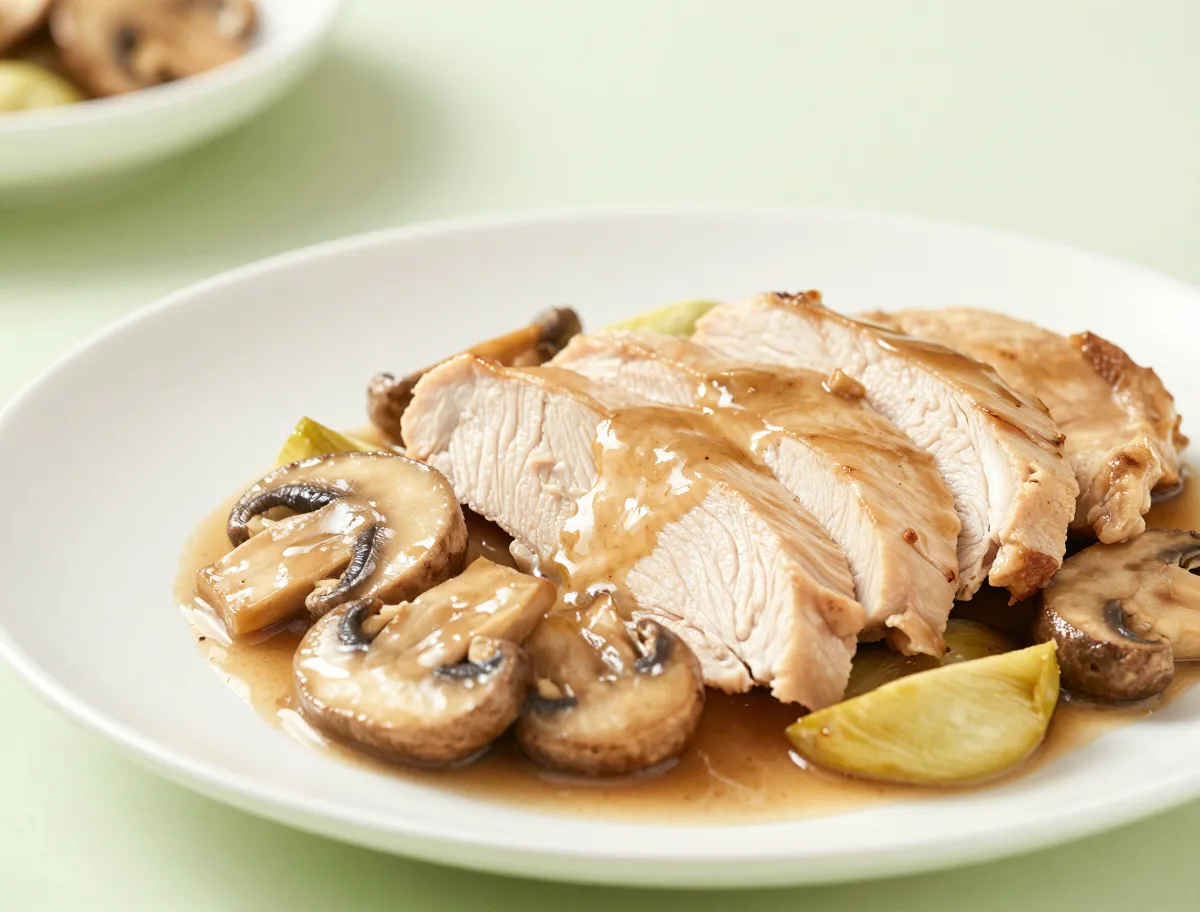
This creamy chicken artichoke mushroom recipe combines golden chicken cutlets, deeply browned mushrooms, tender artichoke hearts, and a silky white-wine Parmesan sauce in one skillet.
What to Expect from This Chicken Artichoke Mushroom Skillet
This is a stovetop, one-pan dinner with browned chicken, savory mushrooms, recognizable artichoke pieces, and a creamy sauce that coats rather than floods the plate. The wine, lemon, and artichokes keep the sauce lively while Parmesan adds savory depth.
- Thin chicken cutlets keep the cooking time short and reduce the risk of dry breast meat.
- Mushrooms are browned before liquid is added, giving the sauce a concentrated flavor.
- Artichokes go in near the end so they remain tender and intact.
Why the Key Ingredients Work
Cremini mushrooms offer a fuller, meatier flavor than very young button mushrooms, though either works. Drained artichoke hearts contribute a gentle tang and vegetal character; drying them prevents their packing liquid from diluting the sauce. Cream supplies body, while Parmesan reinforces both texture and umami.
- Dry white wine loosens the browned bits and contributes acidity; broth provides the savory foundation.
- Shallot, garlic, and thyme support the mushrooms without overpowering the artichokes.
- Lemon juice is added at the end so its brightness remains distinct and does not destabilize the cream.
Ingredients
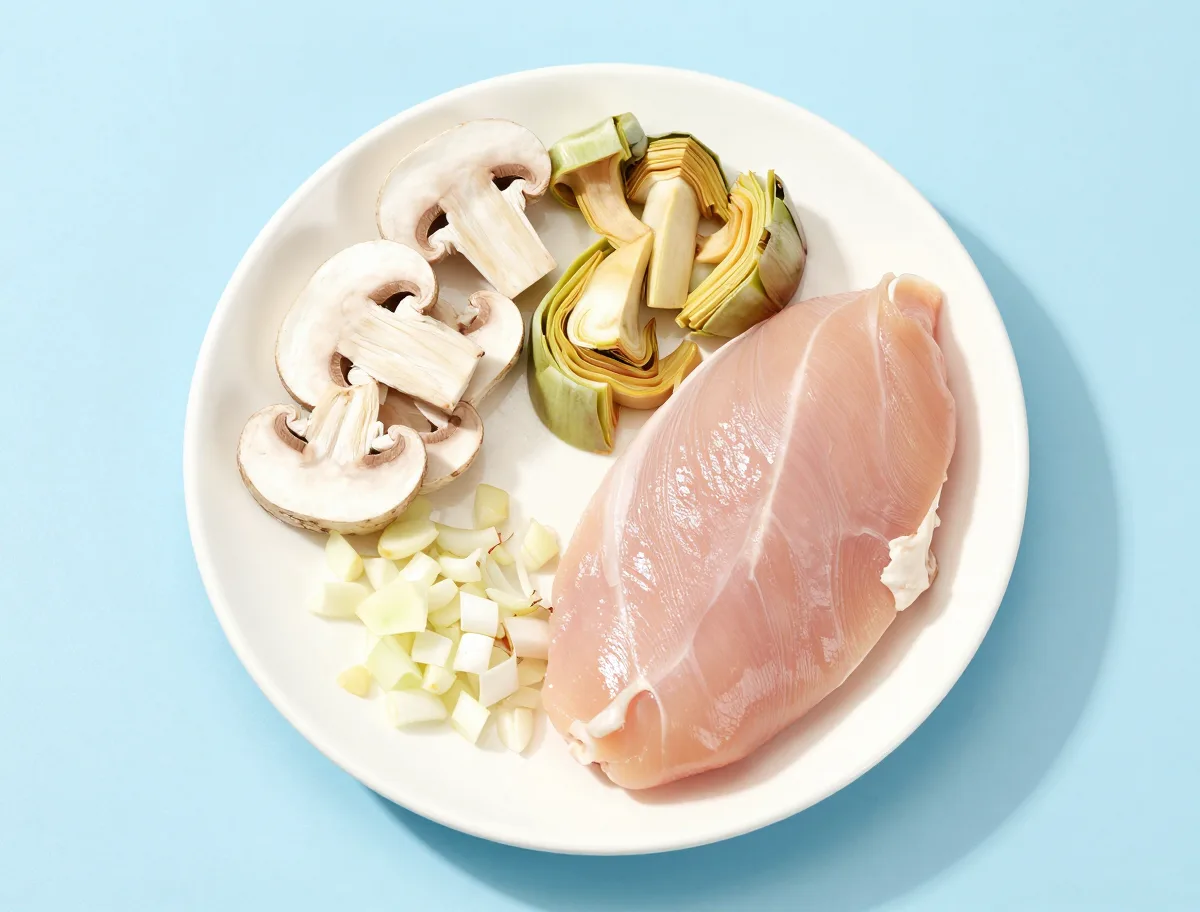
- 1 1/2 pounds boneless, skinless chicken breasts, cut into 4 thin cutlets or pounded evenly to about 1/2 inch thick
- 1 teaspoon kosher salt, divided
- 1/2 teaspoon freshly ground black pepper, divided
- 2 tablespoons extra-virgin olive oil
- 8 ounces cremini mushrooms, wiped clean, dried thoroughly, and sliced
- 2 tablespoons unsalted butter, divided
- 1 medium shallot, finely chopped
- 3 cloves garlic, finely grated or minced
- 1/2 teaspoon dried thyme
- 1/2 cup dry white wine
- 1 cup low-sodium chicken broth
- 3/4 cup heavy cream
- 1/2 cup finely grated Parmesan cheese
- 12 ounces artichoke hearts, canned or jarred, drained, patted dry, and quartered
- 1 tablespoon fresh lemon juice
- 2 tablespoons fresh parsley, chopped
The Best Order for Making This One-Pan Chicken Dinner
The sequence matters: sear the chicken, remove it, brown the mushrooms, then make and reduce the sauce. This keeps the chicken from simmering long enough to toughen and gives the mushrooms room to develop color. Use a wide skillet so moisture can escape efficiently.
- Dry surfaces are more important than adding extra fat for browning.
- Do not crowd the mushrooms; cook them in batches if they cover the pan in a thick layer.
- Reduce the wine and broth before adding cream or cheese.
- Fold in artichokes gently during the final stage rather than stirring them throughout the simmer.
Instructions
- Prepare the chicken and artichokes: Pat the chicken and artichoke hearts dry. Season the chicken on both sides with 3/4 teaspoon of the salt and 1/4 teaspoon of the pepper. Keep the artichokes aside until the sauce is nearly finished.
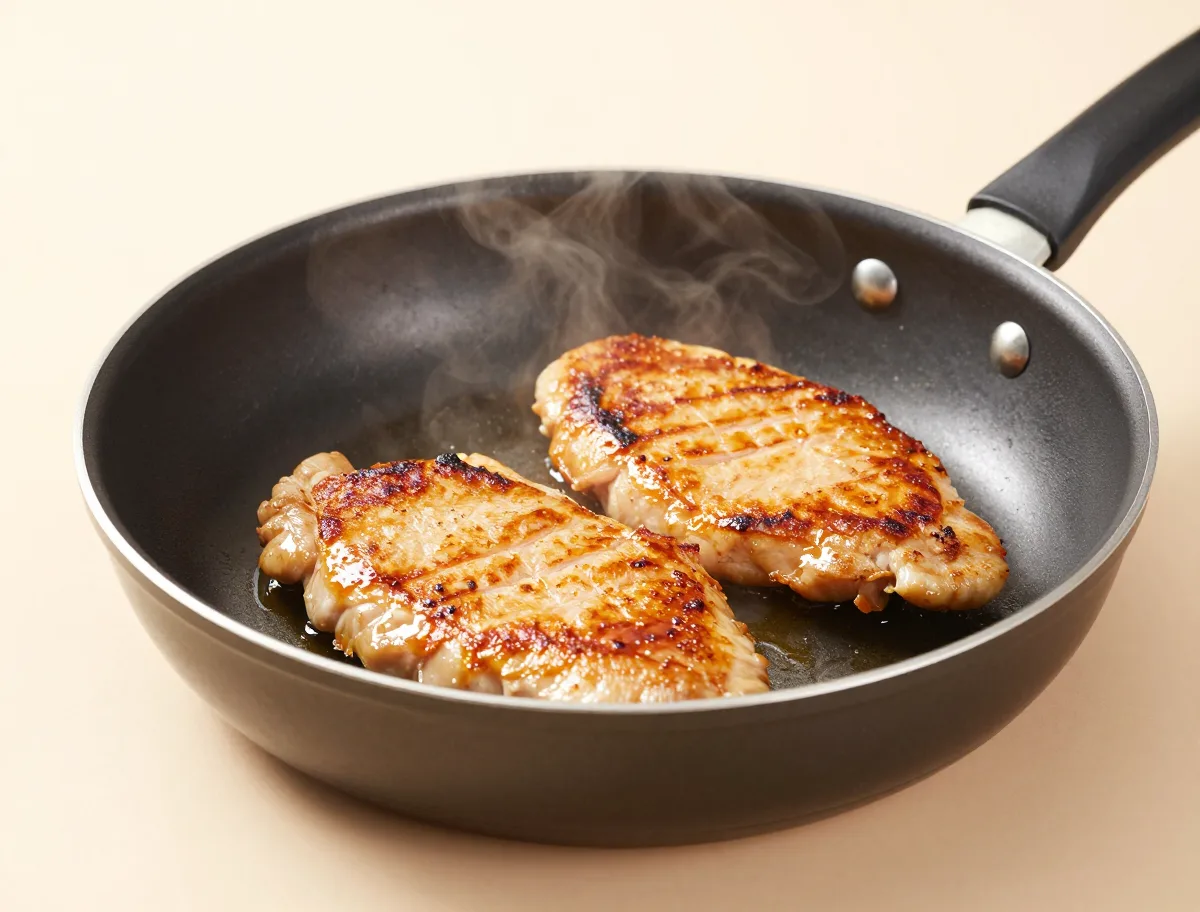
- Sear the chicken: Heat a wide 10- to 12-inch skillet over medium-high heat. Add the olive oil. When it shimmers, arrange the chicken in a single layer and cook until golden underneath, about 3 minutes. Turn and cook 2 to 3 minutes more. Transfer the chicken to a plate; it may not be fully cooked yet.
- Brown the mushrooms: Add 1 tablespoon of the butter to the skillet. Add the mushrooms in a single layer, working in two batches if necessary. Cook, stirring occasionally, until their moisture has evaporated and the edges are well browned, 5 to 7 minutes. Season with the remaining 1/4 teaspoon salt and pepper.
- Build and reduce the sauce: Add the remaining butter, shallot, garlic, and thyme to the mushrooms. Cook for about 1 minute, just until fragrant. Pour in the wine and scrape up the browned bits from the pan. Simmer uncovered for 2 minutes, then add the broth and simmer 3 to 4 minutes more, until the liquid is reduced by roughly one-third.
- Finish the creamy skillet: Reduce the heat to medium-low and stir in the cream. Simmer gently for 2 to 3 minutes, until the sauce lightly coats a spoon. Stir in the Parmesan until smooth. Nestle the chicken and its accumulated juices into the sauce, then gently fold in the artichoke hearts. Simmer uncovered until the chicken reaches 165°F in the thickest part and the artichokes are hot and tender, about 3 to 5 minutes depending on thickness.
- Brighten and serve: Remove the skillet from the heat. Stir in the lemon juice and sprinkle with the parsley. Taste before adding any more salt, since the artichokes, broth, and Parmesan may already provide enough seasoning. Serve immediately.
How to Tell When the Chicken and Sauce Are Done
Look for a golden chicken exterior, mushrooms with browned edges, and a sauce that leaves a clean trail when you draw a finger across the back of a coated spoon. The artichokes should be soft enough to cut with a fork but still visibly layered.
- A thermometer is the deciding test for chicken: the thickest portion must reach 165°F (74°C).
- If the sauce looks glossy and clings to the chicken, it is ready for the final lemon and parsley.
- Sauce thickens slightly as it stands, so serve soon after finishing.
Doneness Cues
- The mushrooms should be shrunken, glossy, and browned at the edges, with no visible pool of water in the skillet.
- The sauce should cling lightly to a spoon but remain fluid enough to spoon over pasta, rice, or potatoes.
- The artichoke pieces should be hot and fork-tender while retaining their layered shape.
- Check the thickest chicken cutlet with a thermometer; it must reach 165°F (74°C).
How to Prevent Watery Sauce and Steamed Mushrooms
Mushrooms release a great deal of water as they cook. A hot, uncrowded skillet lets that moisture evaporate before browning begins. The sauce follows the same principle: reducing the wine and broth first concentrates flavor and leaves less water for the cream to overcome.
- A wide pan increases evaporation and gives mushrooms more direct contact with the cooking surface.
- Adding cream before the broth has reduced can leave the finished sauce loose and under-seasoned.
- Gentle heat after the cream goes in helps preserve a smooth emulsion.
- Acidic ingredients such as lemon are best added after thickening and off the strongest heat.
For additional culinary context on reducing pan sauces and adjusting their final consistency, see the CIA examination of sauces.
Common Chicken Artichoke Mushroom Skillet Problems
Most disappointing results come from excess moisture or excessive heat. The corrections below are deliberately modest: reduction and gentle reheating can improve a sauce, but they cannot restore chicken that has already been substantially overcooked.
- Pale, gray mushrooms: dry them thoroughly and cook fewer at a time over medium-high heat.
- Watery sauce: remove the chicken and artichokes, then reduce the sauce uncovered. Add a small amount of broth only if it becomes too thick.
- Dry chicken: pound breasts evenly and return them to the sauce only long enough to finish cooking.
- Broken cream sauce: take the pan off the heat and whisk in a tablespoon of warm broth or cream. Avoid boiling it again.
- Too much salt: dilute with a little unsalted broth or cream; do not add more Parmesan. Marinated artichokes may require less seasoning than water-packed hearts.
- Mushy artichokes: add them later and turn them gently rather than stirring vigorously.
Easy Ingredient Substitutions
The recipe is flexible, but substitutions change the sauce’s salt, acidity, or thickness. Adjust gradually instead of replacing every component at once.
- Boneless thighs can replace breasts; they are more forgiving but need a longer, gentle finish.
- Jarred marinated artichokes work well. Drain them carefully and reduce or omit extra salt and lemon until the sauce is tasted.
- For a wine-free skillet, use an additional 1/2 cup broth and add the lemon juice at the end for balance.
- For gluten-free cooking, no flour is required in this version. If extra thickening is needed, whisk 1 teaspoon cornstarch with 1 tablespoon cold water and stir it in near the end.
- For a lighter sauce, replace half the cream with broth and reduce the sauce a little longer. For dairy-free cooking, use dairy-free butter, unsweetened plant cream, and nutritional yeast in place of Parmesan; keep the heat gentle.
Creamy, Lighter, and Oven-Finished Variations
The dish remains a chicken artichoke mushroom skillet as long as the three principal ingredients stay prominent and the sauce is built around the pan juices. These variations change richness or finishing method without turning it into a separate casserole or pasta dish.
- For a lighter version, use broth as the main liquid, reduce it well, and finish with 1 tablespoon butter and the lemon juice.
- For a tangier, thicker sauce, replace part of the cream with softened cream cheese, loosening it with extra broth as needed.
- For an oven finish, use an ovenproof skillet, sear the chicken and mushrooms first, assemble the sauce, and bake at 375°F (190°C) only until the chicken reaches 165°F. Expect softer mushrooms and artichokes.
What to Serve with Chicken, Artichokes, and Mushrooms
The sauce is substantial enough to anchor a meal but fluid enough to spread over a starch. Spoon it over buttered noodles, rice, mashed potatoes, or creamy polenta, or use crusty bread to collect the pan sauce.
- Pair with steamed green beans, asparagus, or broccoli for a simple vegetable side.
- A crisp salad with a sharp vinaigrette provides useful contrast to the cream.
- Finish with parsley, lemon zest, or a few capers if additional brightness is desired.
How to Store, Freeze, and Reheat the Skillet
This dinner is best immediately after cooking, when the sauce is smooth and the chicken is at its juiciest. For advance preparation, brown the chicken and mushrooms and make the sauce base, then combine and warm the components close to serving.
- Refrigerate leftovers in shallow containers within 2 hours, or within 1 hour when the surrounding temperature is above 90°F.
- Keep refrigerated at 40°F or below and use within 3 to 4 days.
- Reheat individual portions gently on the stovetop or in the microwave with a splash of broth or cream. Stir as needed and heat to 165°F throughout.
- Freezing is safe when the dish is cooled and stored correctly, but the cream sauce may separate and the mushrooms and artichokes will soften. Refrigeration gives better texture.
Chicken Artichoke Mushroom Recipe FAQs
These practical answers cover the choices most likely to affect timing, texture, and sauce consistency.
What chicken cut works best?
Thin, boneless chicken breast cutlets are the fastest and easiest choice for this recipe. Boneless thighs are a good substitute when you want more moisture tolerance, but they need a longer finishing simmer.
Do canned or jarred artichoke hearts need to be cooked first?
No. Drain and pat them dry, then add them near the end only to warm them through. Quartered hearts hold their shape better than finely chopped ones.
Why are my mushrooms watery instead of browned?
They were likely wet, crowded, or added to a pan that was not hot enough. Dry them well, leave space between pieces, and cook in batches when necessary.
Can I make this without white wine?
Yes. Replace the wine with an equal amount of chicken broth. Because wine contributes acidity, use the lemon juice at the end to restore brightness.
How thick should the sauce be?
It should lightly coat a spoon and cling to the chicken while remaining pourable. Reduce it uncovered if thin; loosen it with small additions of broth or cream if too thick.
Is searing better than baking the chicken from raw?
Searing develops more flavor and gives better control over the sauce. An oven finish is convenient, but the mushrooms and artichokes will be softer and the chicken should still be checked with a thermometer.
What can I serve with it?
Pasta, rice, mashed potatoes, polenta, and crusty bread all work well. Add a green vegetable or crisp salad to balance the creamy sauce.
Chicken and Leftover Safety
Use separate utensils and cutting surfaces for raw chicken, wash your hands after handling it, and never return cooked chicken to a plate that held it raw. Time alone is not a reliable doneness test.
- Measure the thickest chicken piece with an instant-read thermometer; poultry is safe at 165°F (74°C).
- Refrigerate or freeze the finished dish within 2 hours, or within 1 hour in temperatures above 90°F.
- Reheat leftovers to 165°F throughout, stirring microwave portions to eliminate cold spots.
For official poultry and reheating temperatures, consult the USDA safe cooking temperature guidance.