Quince Cake Recipe with Tender Spiced Fruit
This quince cake recipe uses gently poached fresh quince for tender fruit, then folds it into a moist, warmly spiced almond-and-walnut cake scented with orange and vanilla.
What to Expect from This Spiced Quince Cake
This is a tender, moderately dense tea cake with a golden crust, fragrant orange and warm spice, and distinct pieces of soft quince throughout the crumb. The fruit is poached first so it becomes supple without turning into jam, while almond flour, yogurt and a small amount of olive oil keep the cake moist but sliceable.
- Format: one 9-inch round cake, rather than a deep loaf or a highly syrupy pudding.
- Texture: moist and tender, with a set center and fruit that cuts easily.
- Flavor: tart, floral quince balanced by brown sugar, orange, cinnamon, cardamom, ginger and toasted walnuts.
Why the Ingredients Work
The formula balances a sturdy flour base with ingredients that soften the crumb and support the moisture contributed by the quince. Butter supplies flavor and structure, olive oil keeps the texture supple, and yogurt adds tenderness without making the batter thin. Almond flour and walnuts bring richness, but they are used in moderate amounts so the cake remains stable around the fruit.
- Poaching sugar and lemon juice soften the quince and temper its tartness; the citrus also keeps the cut fruit brighter while it cooks.
- Orange zest, vanilla and the three spices reinforce quince’s naturally aromatic character without masking it.
- Eggs provide the binding and setting power needed for a fruit-filled cake, while baking powder gives the batter enough lift to remain light.
- Drained quince is a structural ingredient as much as a flavor ingredient: surface syrup must be removed before it enters the batter.
Ingredients
- 2 medium fresh quince, washed, peeled, quartered, cored and cut into 1-inch pieces
- 2 cups water
- 1/2 cup granulated sugar, for poaching
- 1 tablespoon lemon juice, for the poaching liquid
- 3 strips orange peel, peeled in wide strips, with as little white pith as possible
- 1 3/4 cups all-purpose flour
- 1/2 cup finely ground almond flour
- 2 teaspoons baking powder
- 1/2 teaspoon fine sea salt
- 1 teaspoon ground cinnamon
- 1/2 teaspoon ground cardamom
- 1/2 teaspoon ground ginger
- 1/2 cup unsalted butter, softened
- 2 tablespoons extra-virgin olive oil, mild and fruity
- 3/4 cup light brown sugar, packed
- 2 large eggs, at room temperature
- 1/2 cup plain whole-milk yogurt, at room temperature
- 1 teaspoon vanilla extract
- 1 medium orange, finely grated zest only
- 1/2 cup walnuts, toasted, cooled and coarsely chopped
How to Prepare Quince for Cake
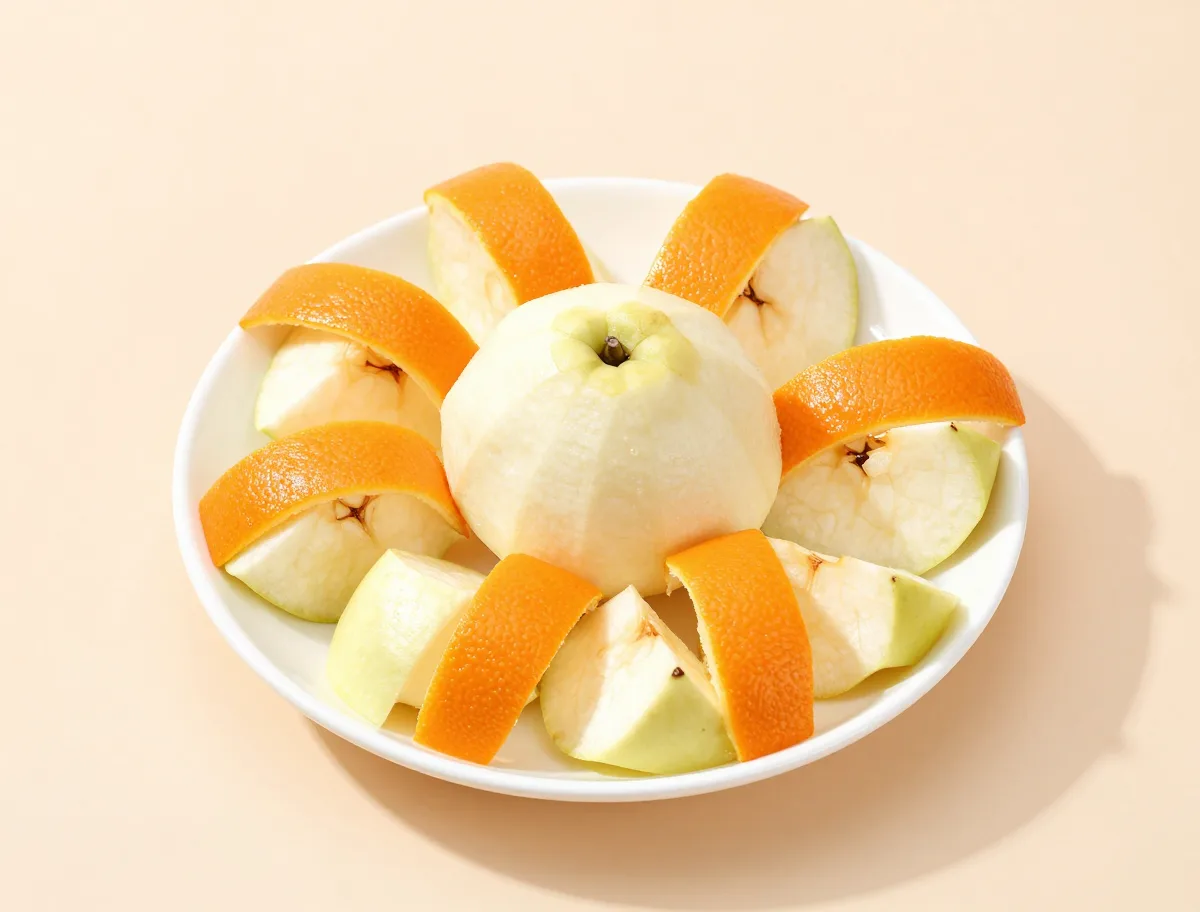
Quince is firm and woody when raw, so the most dependable approach is to soften it separately before mixing the cake. Rub away the fuzzy coating, peel the fruit for a more delicate texture, and quarter it before removing the unusually hard core. Hold the cut pieces in the poaching liquid promptly; unlike apples, quince benefits from a proper moist-heat step rather than a brief sauté.
- Use knife tenderness, not the clock alone, to judge the poached fruit. Larger, firmer quince may need more time.
- The pieces should retain their shape when lifted from the liquid. If they break apart, they are too soft for folding into batter.
- Cool, drain and blot the fruit before assembly. This prevents concentrated wet pockets and helps the pieces stay suspended.
- Fold the quince in last, using as few strokes as possible after the flour has been added.
Instructions
- Prepare the quince: Place the water, granulated sugar, lemon juice and orange peel in a wide saucepan. Bring to a simmer over medium heat. Add the quince, lower the heat, and cover with a round of parchment or the lid. Simmer gently until a paring knife enters the largest piece easily but the quince still holds its shape, about 25 to 40 minutes. Remove from the heat and let the fruit cool in the liquid for 10 minutes.
- Drain and heat the oven: Lift the quince from the poaching liquid and drain thoroughly. Discard the orange peel, reserve the liquid for another use, and blot the quince dry with paper towels. Set aside 300 g, or about 1 1/2 cups, for the cake. Heat the oven to 350°F (180°C). Grease a 9-inch round cake pan, line the bottom with parchment, and grease the parchment.
- Combine the dry ingredients: In a medium bowl, whisk together the all-purpose flour, almond flour, baking powder, salt, cinnamon, cardamom and ginger. Break up any compacted almond flour so the spices and leavener are evenly distributed.
- Build the batter: In a large bowl, beat the softened butter, olive oil and brown sugar until smooth and slightly lighter, about 2 minutes. Beat in the eggs one at a time, followed by the yogurt, vanilla and orange zest. The mixture may look a little curdled; that is fine.
- Fold in the flour, walnuts and quince: Add the dry ingredients to the butter mixture and fold just until no dry streaks remain. Fold in the toasted walnuts and drained quince gently, stopping as soon as the fruit is distributed. Scrape the batter into the prepared pan and smooth the top without compressing it.
- Bake the cake: Bake on the center rack for 45 to 55 minutes, rotating the pan once after 30 minutes. The cake is ready when the center springs back lightly, the edges are golden and beginning to pull from the pan, and a skewer inserted into the deepest area of batter comes out without wet batter. If the top darkens before the center is baked, tent it loosely with foil and continue baking.
- Cool and serve: Let the cake rest in the pan for 15 minutes, then run a thin knife around the edge and transfer it to a rack. Cool completely before slicing. Serve at room temperature or warm individual slices gently, with crème fraîche, softly whipped cream or vanilla ice cream if desired.
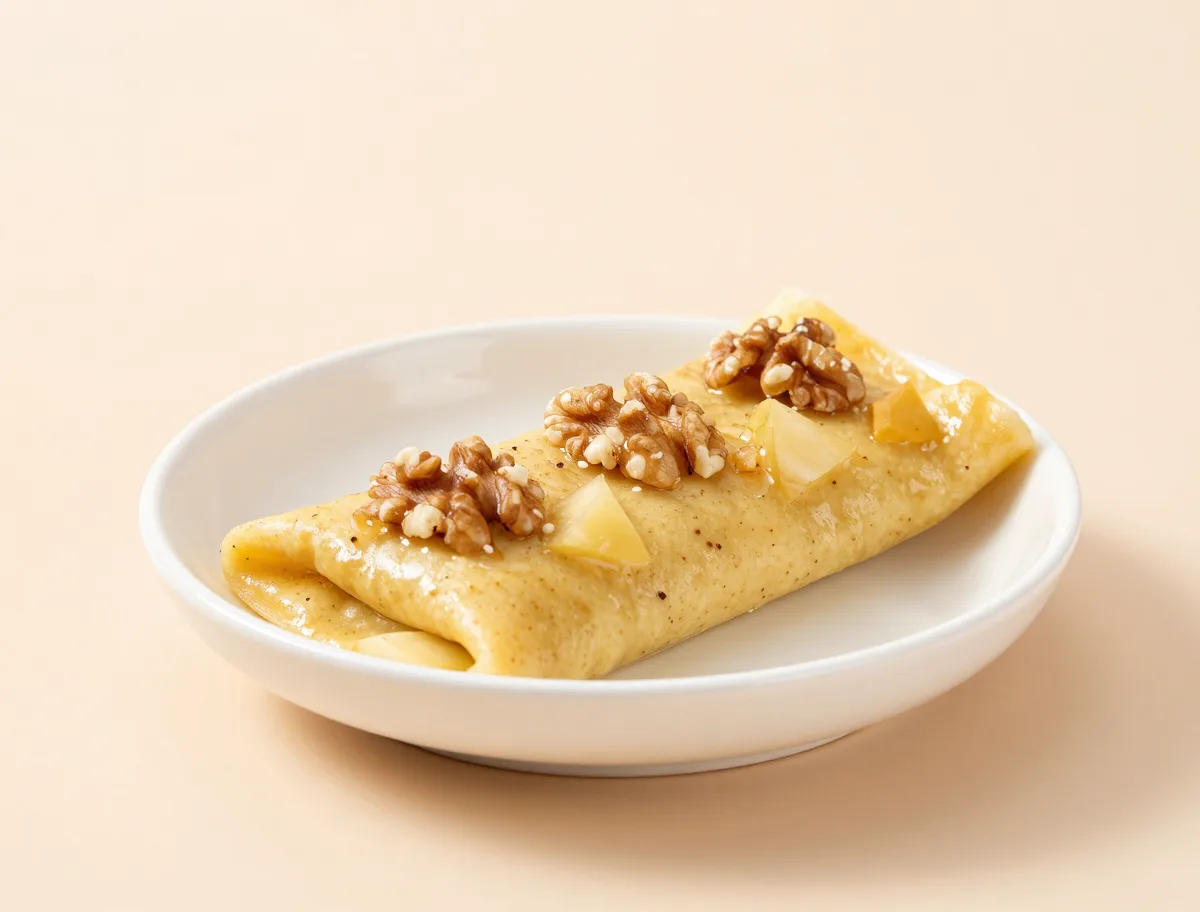
How to Tell When Quince Cake Is Done
A browned top is not enough to confirm that this fruit-rich cake is baked through. Quince releases moisture as the cake heats, so test the deepest central batter rather than piercing only a fruit piece or the edge. The best result has a lightly springy center and a skewer showing no liquid batter.
- Begin checking at 45 minutes, especially if using a dark-colored pan or an oven that runs hot.
- If the top is already golden but the center is loose, tent the cake with foil and continue baking.
- A thermometer reading around 200 to 210°F (93 to 99°C) can support the other tests, but it should not replace them.
- Resting the cake briefly in the pan helps it firm up; complete cooling gives the cleanest slices.
- The poached quince should be easily pierced with a paring knife but should not be collapsing or shredding.
- The baked cake should have a matte golden surface and edges that pull back slightly from the pan.
- The center should spring back gently when pressed and should not wobble.
- A skewer inserted into the deepest area of batter should show no liquid batter; a few moist crumbs are acceptable.
- As a secondary check, a dense fruit cake may register approximately 200 to 210°F (93 to 99°C), but the structural and skewer tests are more useful.
For additional visual, tactile and approximate internal-temperature guidance, see this guide to judging when baked goods are done.
The Variables That Matter Most
Quince has a denser cell structure than the fruit commonly folded into cakes, which is why pre-poaching is central to this recipe. Once in the oven, the fruit contributes localized moisture while the eggs, flour and starch set around it. Batter depth, fruit drainage and oven heat therefore have a direct effect on whether the center is tender or gummy.
- A moderate-depth round pan bakes more evenly than a deep loaf for this amount of fruit.
- Wet or oversized pieces are heavy and can sink; small, well-blotted pieces distribute more reliably.
- Overmixing develops excess gluten and can make the cake tough, while undermixing leaves weak pockets of flour.
- Sugar affects more than sweetness: it helps retain moisture and promotes the golden crust that protects the tender crumb.
Common Quince Cake Mistakes and How to Avoid Them
Most problems with quince cake come from treating the fruit like an apple or from underestimating the moisture it carries. Correct the quince before it reaches the batter, keep the batter reasonably thick, and rely on a center test instead of appearance alone.
- Tough quince: the fruit was under-poached or cut too large. Return it to the poaching liquid until a knife slips in easily before proceeding.
- Wet pockets: the quince was syrup-coated or poorly drained. Drain it in a sieve and blot it thoroughly; continue baking with foil if the center remains loose.
- Sunken fruit: pieces were too large or wet, or the batter was overmixed. Use bite-size pieces and fold them in gently.
- Dark top, raw center: the oven is too hot, the pan is too deep, or the cake was removed early. Tent with foil and bake until the center sets.
- Broken or stuck cake: the pan was not adequately greased or the cake was unmolded too soon. Use parchment on the base and allow a 15-minute pan rest before turning it out.
Quince Cake Substitutions
Previously poached quince works well in this recipe as long as it is tender, cool and very well drained. The fruit’s moisture is more important than whether it was poached using this exact syrup, so blot pieces that have been stored in a particularly sweet liquid before measuring them.
- Quince purée can be used for a smoother cake, but it creates a denser, more uniformly moist crumb. Replace the chopped quince with about 240 g purée and reduce the yogurt by 60 g.
- Leftover poaching syrup is best reduced and brushed lightly over the cooled cake or served alongside it. Adding a large amount to the batter can make the center soggy.
- Walnuts may be replaced by the same weight of toasted pecans or hazelnuts. Almond flour should not be replaced with an equal volume of all-purpose flour without expecting a firmer crumb.
- A washed, skin-on quince can be poached if preferred, though the finished fruit will have a more rustic texture. The hard core should still be removed.
Quince Cake Variations That Still Work
The recipe is intentionally built around a simple round cake, but its flavor profile adapts easily while keeping quince at the center. Changes in pan shape or fruit placement affect baking behavior, so treat them as format changes rather than direct, automatic swaps.
- For a quince loaf cake, use a parchment-lined 9-by-5-inch loaf pan and expect a longer bake, usually 60 to 75 minutes. Check the center early and tent the top if necessary.
- For a more decorative quince upside-down cake, use thin, well-drained quince slices in a single layer over the prepared pan base and unmold while the topping is still warm.
- For a brighter variation, replace half of the orange zest with lemon zest; keep the total zest quantity similar.
- A Bundt version is possible, but grease every groove thoroughly and use smaller quince pieces to reduce the chance of tearing during release.
How to Serve Spiced Quince Cake
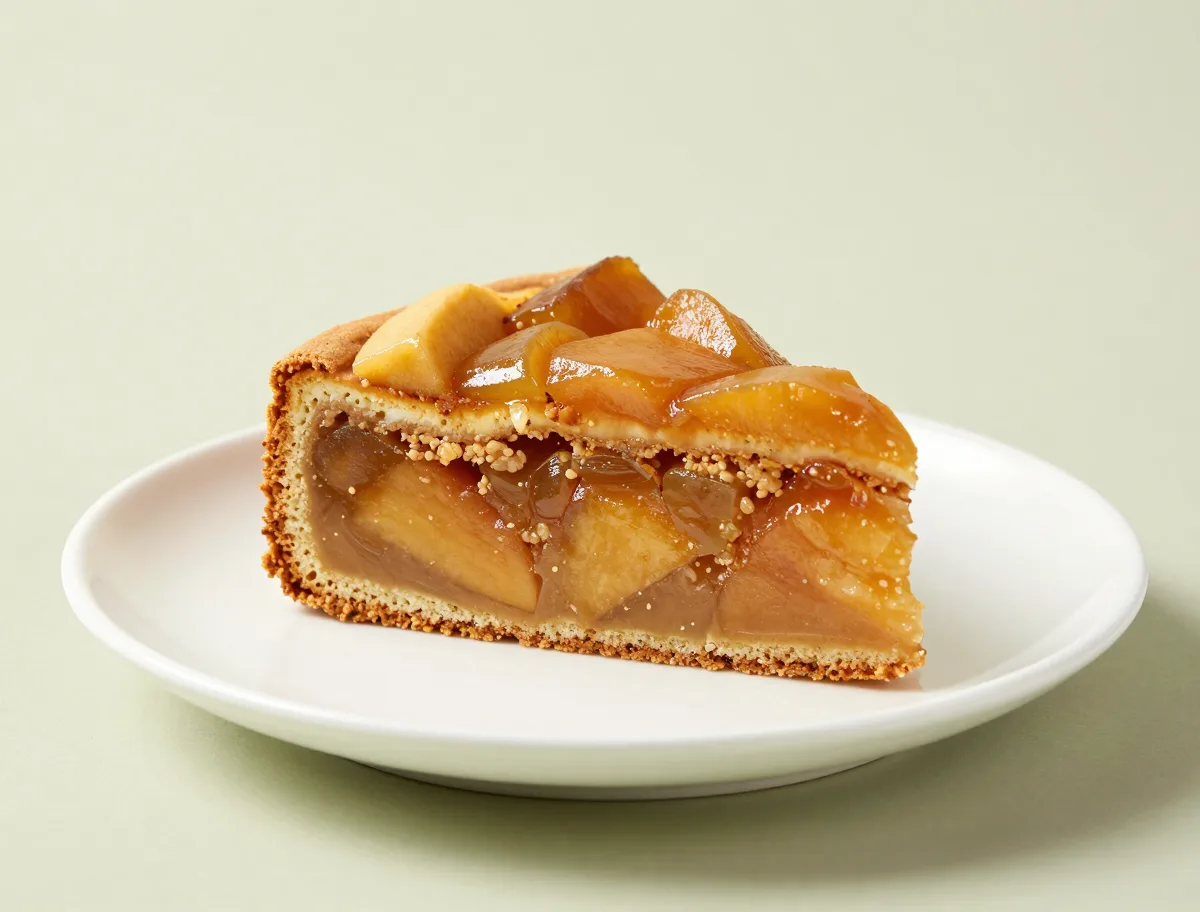
Room-temperature slices show the cake’s spice and fruit clearly and hold their shape best. For a softer, more aromatic dessert, warm individual slices briefly and pair them with something cool and lightly tangy rather than a heavy frosting.
- Serve with crème fraîche, plain Greek yogurt, lightly sweetened whipped cream or vanilla ice cream.
- Brush the cooled cake with a thin layer of reduced quince syrup for shine and extra fruit flavor.
- Finish with a little orange zest or a scattering of toasted walnuts.
- If using rosewater, add only a restrained amount to a glaze or syrup; too much can overwhelm the quince.
How to Store, Freeze and Reheat Quince Cake
Cool the cake completely before wrapping it so trapped steam does not soften the crust or encourage condensation. The plain, unfrosted cake keeps well covered for a short period in a cool room; refrigerate it when the kitchen is warm or when adding a perishable dairy topping.
- Keep the unfrosted cake airtight at room temperature for up to 2 days, or refrigerate it for up to 5 days. Bring refrigerated slices to room temperature before serving.
- Freeze the completely cooled, unfrosted cake whole or in slices, wrapped tightly and placed in a freezer-safe container, for best quality within 2 to 4 months.
- Thaw the cake while wrapped in the refrigerator, then unwrap and bring it to room temperature. Warm individual slices gently rather than microwaving the whole cake.
- Crème fraîche, whipped cream, custard and dairy frostings require refrigeration; store them separately when possible.
For additional information about freezer temperatures and best-quality storage periods, consult this freezer-storage guidance.
Quince Cake Recipe FAQs
Quince is unfamiliar to many home bakers, but the key decisions are straightforward: soften the fruit first, keep it from carrying excess syrup into the batter, and test the center of the finished cake.
Can fresh quince be used directly in a cake?
Raw chopped quince is not recommended for this recipe because it may remain hard while the cake bakes. Poach it first until a knife enters easily but the pieces still hold their shape.
Does quince have to be peeled?
No. The fuzzy coating should be rubbed off, but the skin itself is edible after cooking. Peeling gives the cake softer, more uniform fruit pieces; skin-on quince produces a more rustic texture.
How do I keep cut quince from browning?
Put the pieces into the lemon-scented poaching liquid promptly. If you need to pause during preparation, keep them submerged in water acidulated with a little lemon juice.
How tender should quince be before it goes into the batter?
A paring knife should slide into the thickest piece with little resistance, but the fruit should not be mushy or falling apart. If it is still firm, continue poaching before making the cake.
Can I use leftover poached quince?
Yes. Use it if it is tender and cooled, then drain and blot it thoroughly before measuring. Fruit saturated with syrup can make the cake wet around the quince.
Can quince purée replace the pieces?
Yes, as a deliberate variation rather than a direct equal-volume swap. Use about 240 g purée and reduce the yogurt by 60 g; expect a denser cake with quince flavor throughout instead of distinct fruit pieces.
How do I know the cake is fully baked?
The center should spring back lightly, the edges should be golden and just pulling from the pan, and a skewer inserted into the deepest batter should come out without liquid batter. A skewer passing through fruit may remain moist, so test more than one spot.
How long should the cake cool before slicing?
Leave it in the pan for 15 minutes, then transfer it to a rack and cool completely. Warm slices are possible, but the crumb will be more fragile.
Which pan is easiest for quince cake?
A 9-inch round pan is the most forgiving format for this recipe because it gives the batter moderate depth. A loaf pan is convenient but needs more baking time, while an upside-down cake requires extra care with draining and unmolding.
Recipe Notes
- Do not add raw chopped quince directly to this batter. Its dense texture means the cake can finish baking before the fruit becomes tender.
- The quince must be drained and blotted well. Excess poaching liquid can create wet pockets and encourage the fruit to sink.
- The reserved poaching liquid can be reduced separately and brushed lightly over the cooled cake, but do not pour it over generously or the crumb may become soggy.
- For a nut-free cake, omit the walnuts rather than replacing them with additional flour. The crumb will be slightly less rich but will still hold together.
- For make-ahead preparation, poach the quince up to 3 days ahead and refrigerate it covered in its liquid. Drain and blot it immediately before baking.