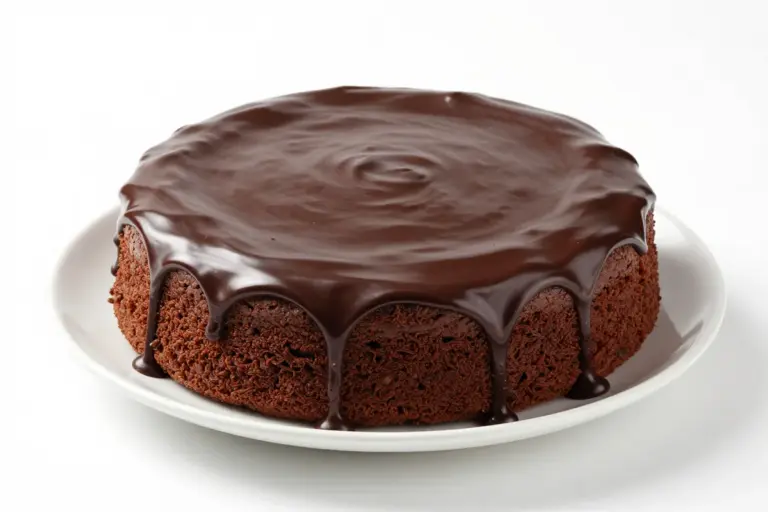
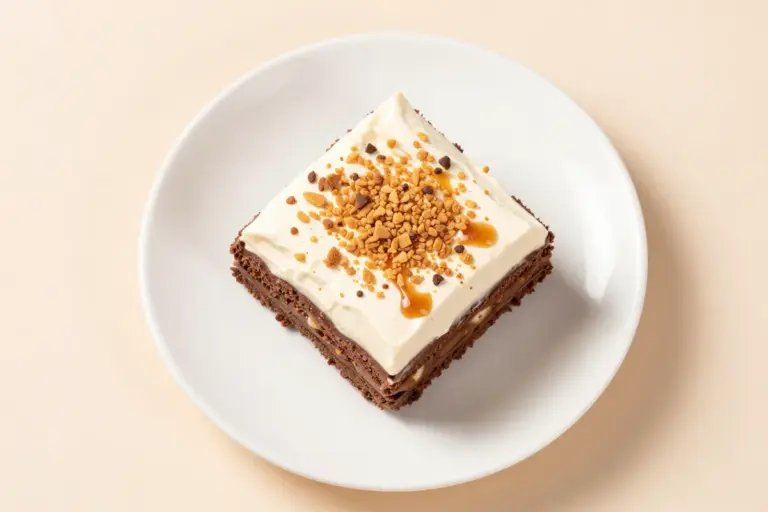
Recipe: Mexican Chocolate Cake with Cinnamon
This easy recipe for Mexican chocolate cake uses cocoa, cinnamon, vanilla, and a restrained chile note for a moist, tender sheet cake inspired by Mexican hot chocolate.
What to Expect from This Mexican Chocolate Cake
Mexican chocolate cake is best understood as a modern baked dessert built around the flavor language of Mexican hot chocolate: deep cocoa, aromatic cinnamon, vanilla, and, in some versions, gentle chile warmth. This sheet cake is moist and tender rather than fudgy or airy, with spice that supports the chocolate instead of taking over.
- Cinnamon is clearly present in both the cake and glaze.
- Ancho chile contributes mellow, fruity warmth; it can be omitted without changing the cake’s structure.
- Hot coffee deepens the chocolate impression, but the finished cake should not taste like coffee.
Why the Key Ingredients Matter
Cocoa supplies concentrated chocolate flavor, while oil helps the crumb remain soft after cooling. Buttermilk adds moisture and acidity, which works with the baking soda for lift and keeps the cake from tasting flat. Cinnamon and ancho chile establish the Mexican-chocolate profile, while a small amount of hot coffee helps the cocoa taste fuller.
- Natural cocoa is the intended cocoa type for this formulation.
- Buttermilk provides both tenderness and the acid needed for the leavening balance.
- Oil keeps the sheet cake moist for several days, while the glaze adds a little butter flavor.
- Vanilla rounds out the cocoa and spice rather than making the cake taste overtly vanilla-forward.
Ingredients
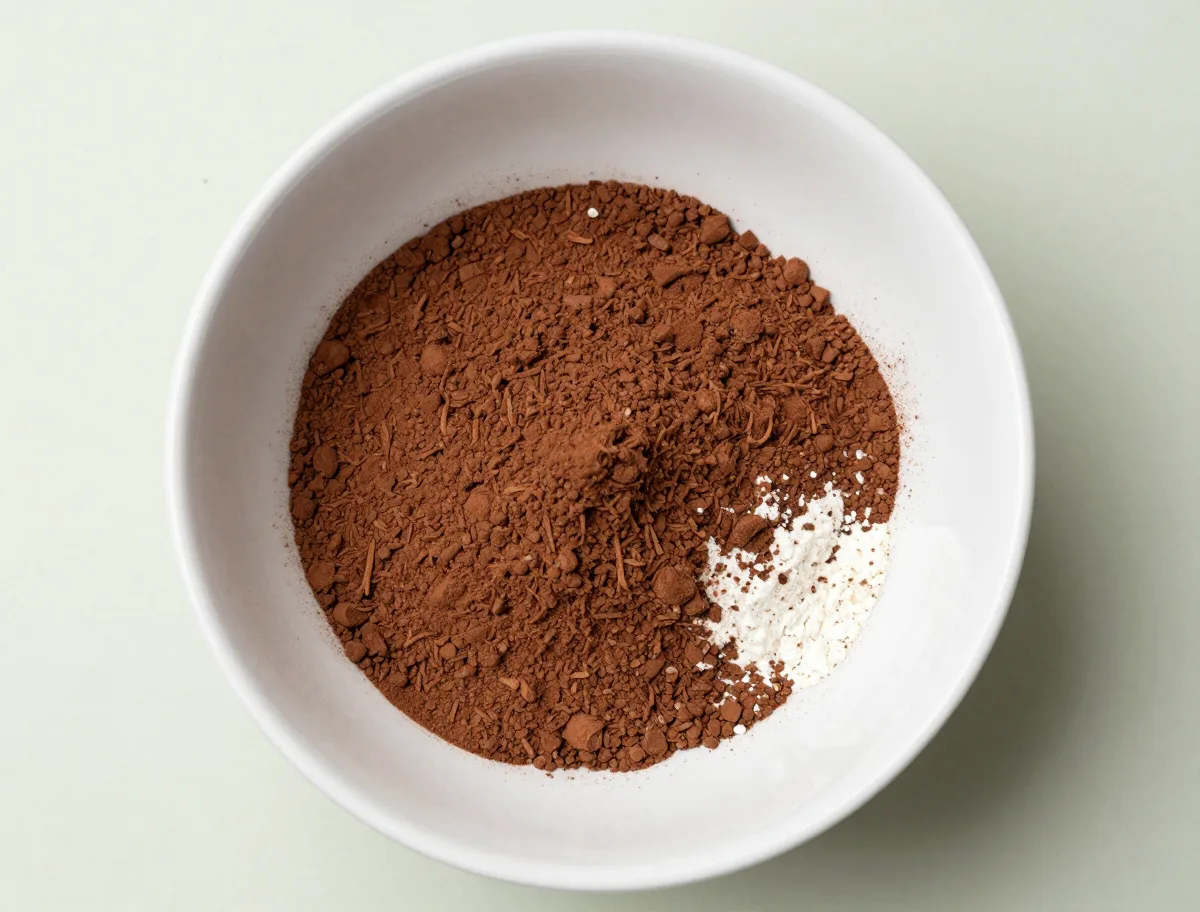
- 2 cups all-purpose flour, spooned into cups and leveled
- 1 1/2 cups granulated sugar
- 3/4 cup unsweetened natural cocoa powder
- 1 1/2 teaspoons baking powder
- 1 teaspoon baking soda
- 1 teaspoon fine salt
- 2 teaspoons ground cinnamon
- 1/4 teaspoon finely ground ancho chile powder, optional; or use a pinch of cayenne for sharper heat
- 2 large eggs, at room temperature
- 1 cup buttermilk, well shaken
- 1/2 cup neutral oil, such as avocado, grapeseed, or canola oil
- 2 teaspoons pure vanilla extract
- 3/4 cup hot brewed coffee or hot water, hot but not boiling
- 1 cup confectioners’ sugar, sifted
- 2 tablespoons unsweetened natural cocoa powder, for the glaze
- 1/2 teaspoon ground cinnamon, for the glaze
- 2 tablespoons unsalted butter, melted
- 2 tablespoons hot brewed coffee or hot water, for the glaze
- 1/2 teaspoon pure vanilla extract, for the glaze
How to Make the Cake Successfully
The method is deliberately simple, but even mixing and careful pan preparation matter. Whisk the dry ingredients thoroughly before adding liquid so the leaveners and spices are dispersed throughout the cake. Once the flour is hydrated, mix only until smooth; prolonged beating can make the crumb tougher.
- Use a light-colored metal pan when possible for more even edge-to-center baking.
- Pour the hot coffee or water in slowly so it blends smoothly into the batter.
- Bake soon after mixing because the leaveners begin working once the wet and dry ingredients meet.
- Cool the cake completely before glazing so the finish remains on the surface instead of melting into the crumb.
Instructions
- Prepare the pan: Heat the oven to 350°F (175°C). Lightly grease a 9-by-13-inch light-colored metal baking pan, line the bottom with parchment, and grease the parchment.
- Whisk the dry ingredients: In a large bowl, whisk together the flour, sugar, cocoa powder, baking powder, baking soda, salt, cinnamon, and ancho chile powder until evenly combined and no spice pockets remain.
- Add the wet ingredients: Whisk in the eggs, buttermilk, oil, and vanilla just until the mixture is smooth. Slowly pour in the hot coffee or hot water while whisking; the batter will be fluid and glossy.
- Bake the cake: Pour the batter into the prepared pan and bake until the center springs back lightly and a toothpick inserted in the middle comes out with a few moist crumbs, 30 to 35 minutes. Do not wait for the tester to be completely dry.
- Cool completely: Cool the cake in the pan for 15 minutes, then lift it out using the parchment and transfer it to a rack. Cool completely before glazing, about 30 minutes more.
- Make the cinnamon glaze: Whisk the confectioners’ sugar, cocoa powder, and cinnamon in a small bowl. Whisk in the melted butter, hot coffee or hot water, and vanilla until smooth. If the glaze is too thick to pour, add hot water or coffee a few drops at a time; if too thin, whisk in a little more confectioners’ sugar.
- Finish and serve: Pour the glaze over the cooled cake and spread it to the edges. Let it stand for 10 minutes to set slightly, then cut into squares and serve at cool room temperature.
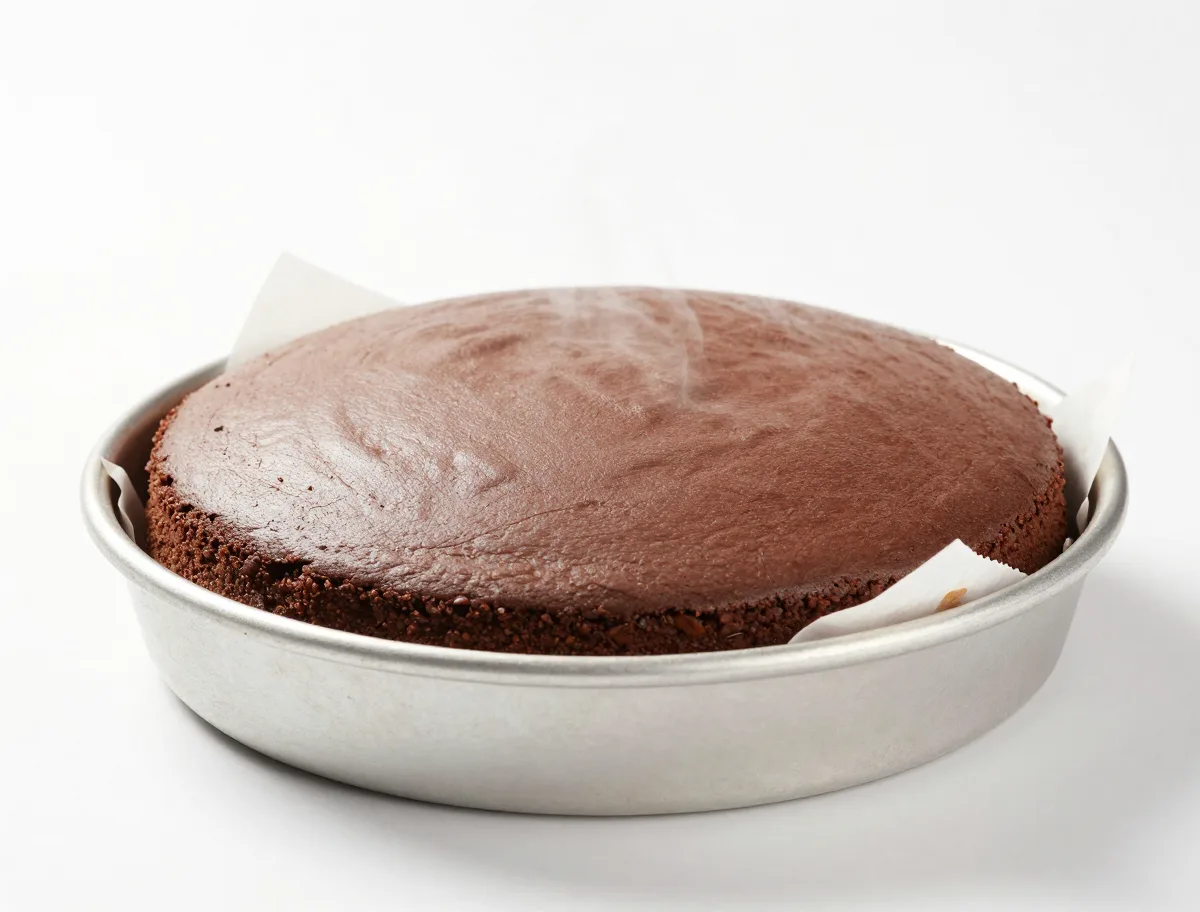
How to Tell When the Chocolate Cake Is Done
Chocolate cakes remain dark and can look moist even when fully baked, so color is not a reliable test. Begin checking at 30 minutes. The ideal tester shows a few moist crumbs, and the center should feel lightly springy rather than liquid, jiggly, or deeply soft.
- A completely clean toothpick may indicate that the cake has gone a little too far.
- If the center leaves a deep indentation, continue baking and check again after 3 to 5 minutes.
- Letting the cake rest briefly in the pan helps it firm before transfer, while carryover cooking finishes the center.
Doneness cues
- The surface looks set and matte rather than shiny or wet.
- The center springs back gently when pressed.
- A toothpick comes out with a few moist crumbs, not liquid batter.
- The edges may pull slightly away from the pan.
The Baking Choices That Keep It Moist and Well-Risen
This recipe balances natural cocoa and buttermilk with baking soda, while baking powder provides additional lift. The hot liquid hydrates the cocoa and flour, and the oil coats some of the flour particles, limiting gluten development and contributing to a soft crumb. Changing cocoa type or pan depth can change the result, so those variables are worth respecting. For additional background on natural and Dutch-process cocoa, see King Arthur Baking’s guide to cocoa.
- Too much baking soda can leave an alkaline, soapy flavor and an unusually dark crumb.
- A pan that is too large spreads the batter thinly and increases the risk of dry edges.
- An inaccurate oven or dark pan can brown the edges before the center is ready; use the doneness cues rather than time alone.
- Coffee affects flavor and moisture here; it is not a substitute for the recipe’s acid and leavener balance.
Common Mexican Chocolate Cake Mistakes
Most problems with this cake come from inaccurate flour measurement, overbaking, unevenly distributed spices, or frosting before the cake has cooled. The forgiving sheet-pan format helps, but matching the pan and watching the center are still essential.
- Dry cake: Too much flour or a few extra minutes in the oven are the usual causes. Measure flour by weight when possible and start checking early.
- Tough or tunnel-filled crumb: The batter was mixed too long after the flour was added. Stop as soon as it is smooth.
- Weak spice flavor: Old cinnamon or an especially intense cocoa can obscure the cinnamon. Use fresh spice and the measured amount in the recipe.
- Too much heat: Cayenne is sharper than ancho chile. Use a pinch, reduce it, or omit it entirely.
- Sunken center: The cake may have been underbaked, the leavener may be old, or the pan may have been overfilled. Keep the oven closed until the cake is near its earliest checking time.
- Runny glaze: The cake may still be warm or the liquid may have been added too quickly. Cool the cake fully and adjust the glaze with confectioners’ sugar.
Mexican Chocolate Cake Substitutions
You do not need a Mexican chocolate tablet to make a cake with this flavor profile. The cocoa-based formula gives predictable sweetness and structure, while the cinnamon, vanilla, and optional chile supply the characteristic warm-spice direction.
- Replace the brewed coffee with hot water if preferred; the cake will still be distinctly chocolatey.
- Use mild ancho chile for rounded warmth or omit it. Cayenne should be used sparingly because its heat is more direct.
- A Mexican chocolate tablet can be incorporated as described in the recipe notes, but brands vary in sugar, cinnamon, and cacao content.
- Dutch-process cocoa is not a fully neutral swap for natural cocoa in this formula because its lower acidity changes the baking-soda reaction.
- Do not replace the flour with a gluten-free blend or nut flour without using a separately tested formulation; the structure will change substantially.
Ways to Vary the Cake Without Losing Its Identity
The 9-by-13-inch sheet cake is the easiest format for this soft, moist batter, but the flavor can be adapted to other presentations. Keep chocolate and cinnamon prominent so the result remains Mexican-chocolate-inspired rather than becoming an ordinary chocolate cake with unrelated toppings.
- For a simpler finish, skip the glaze and dust the cooled cake lightly with confectioners’ sugar mixed with a pinch of cinnamon.
- For a richer dessert, use the cake as a single layer under a cinnamon buttercream or chocolate-cinnamon ganache.
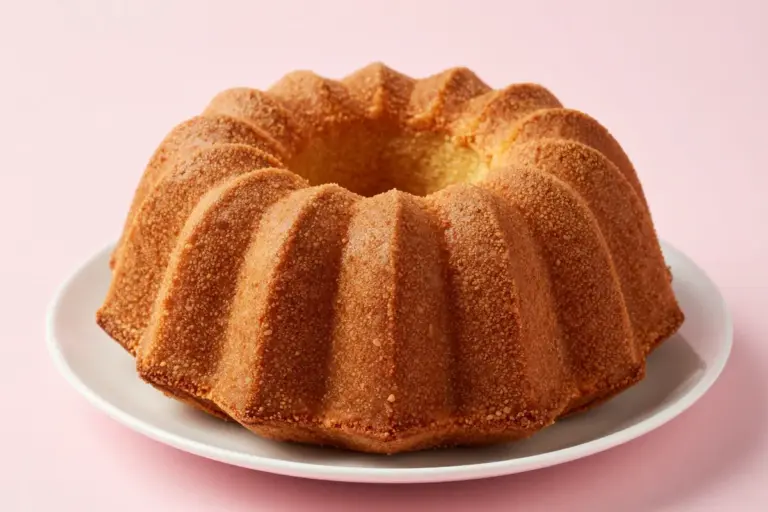
- A Bundt version is possible, but the deeper pan will need a longer bake and more careful testing at the center.
- Two round layers can be made only if the batter is divided evenly and checked earlier than the sheet cake.
- A flourless version would be a different, fudgier chocolate tort and should not be treated as a direct modification of this flour-based recipe.
Recipe notes
- The chile level is intentionally mild. Omit the ancho powder for a chile-free cake, or use up to 1/2 teaspoon for more noticeable warmth.
- Natural cocoa is specified because its acidity works with the baking soda and buttermilk. If using Dutch-process cocoa, use baking powder in place of the baking soda and expect a slightly darker, mellower flavor.
- A 9-by-13-inch pan gives this soft batter enough shallow, even depth. A Bundt pan or round pans require different baking times and should not be filled more than two-thirds full.
- For a Mexican chocolate tablet variation, replace 2 tablespoons of the cocoa with 2 ounces finely chopped semisweet Mexican chocolate and reduce the sugar by 2 tablespoons. Commercial tablets vary in sweetness and cinnamon, so the flavor will not be identical.
- The cake is inspired by Mexican hot chocolate flavor traditions rather than presented as one canonical traditional Mexican cake.
How to Serve Mexican Chocolate Cake
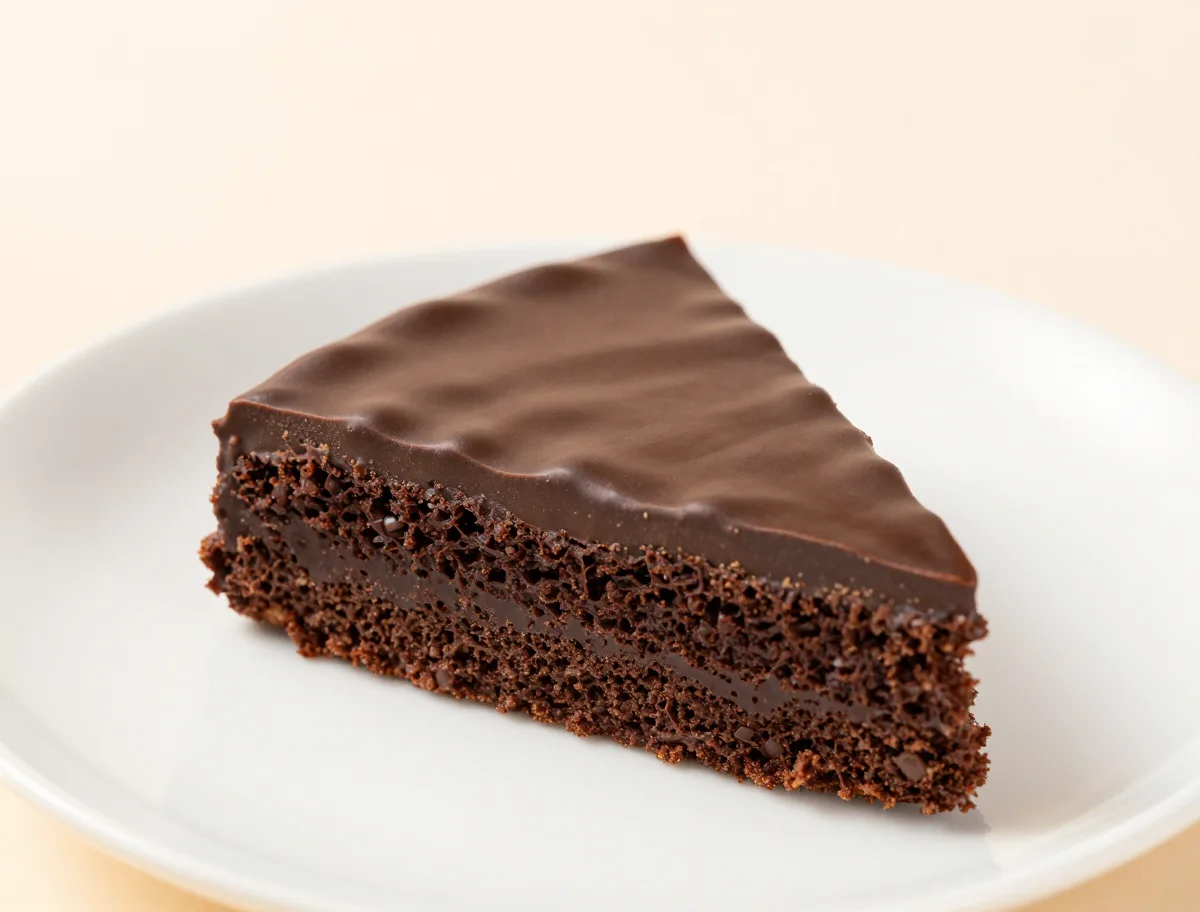
Serve the glazed cake at cool room temperature, when the oil-tender crumb is soft and the cinnamon aroma is most expressive. The glaze is intentionally restrained, so the cake pairs well with lightly sweetened dairy rather than requiring another very rich topping.
- Add a small spoonful of lightly sweetened whipped cream or unsweetened crema for contrast.
- Vanilla ice cream balances the cinnamon and mild chile warmth.
- Fresh berries or toasted pecans provide acidity or texture without competing with the cocoa.
- Pair slices with black coffee, cinnamon tea, or unsweetened tea.
- If using chile as a garnish, keep it to a tiny pinch; a large amount can taste harsh and dusty.
How to Store, Freeze and Make Ahead
The unfrosted cake keeps its best texture when wrapped airtight and held at room temperature for a short period. Refrigeration firms the crumb, so allow refrigerated cake to come toward room temperature before serving when appropriate. Storage requirements change if you add a perishable topping. For additional food-safety context, review FoodSafety.gov’s guidance on the two-hour rule.
- Store the glazed cake airtight at room temperature for up to 2 days, provided the glaze remains free of perishable dairy fillings.
- For longer storage, refrigerate it airtight for up to 4 days and let it temper before serving.
- Freeze the unfrosted, completely cooled cake well wrapped for up to 2 months. Thaw it wrapped, then glaze once it reaches room temperature.
- If finished with cream cheese frosting, whipped cream, or another perishable topping, refrigerate promptly and do not leave it out for more than 2 hours, or 1 hour when the temperature is above 90°F (32°C).
- Reheating is usually unnecessary. A plain slice can be warmed gently, but heat may soften or melt the glaze.
Mexican Chocolate Cake FAQs
These answers clarify the recipe’s flavor, ingredients, spice level, pan choice, and relationship to Mexican chocolate traditions.
What makes this a Mexican chocolate cake?
The combination of chocolate, noticeable cinnamon, vanilla, and optional mild chile is inspired by Mexican hot chocolate. It is a modern baked interpretation rather than a single universally standardized cake.
Does the recipe use actual Mexican chocolate?
The primary formula uses natural cocoa for predictable baking results, not a commercial tablet. A tablet variation is included in the recipe notes, with a sugar adjustment because brands differ.
How spicy is the cake?
With the listed ancho chile, the cake has gentle background warmth rather than obvious heat. Omit it for a mild chocolate-cinnamon cake, or use a small amount of cayenne for sharper chile character.
Can I leave out the coffee?
Yes. Use hot water in the same quantity. Coffee amplifies the chocolate flavor but is not required for the cake’s identity.
Can I bake this in a Bundt pan?
The batter is designed for a 9-by-13-inch pan. A Bundt pan changes the batter depth and bake time, so use a well-greased pan, avoid overfilling, and rely on moist crumbs and a springy center rather than the sheet-cake timing.
What frosting goes best with Mexican chocolate cake?
The cinnamon glaze in this recipe is light and cohesive. Cinnamon buttercream, chocolate-cinnamon ganache, lightly sweetened whipped cream, or a modest dusting of cinnamon confectioners’ sugar are also good choices.
Is this an authentic traditional Mexican cake?
It is more accurate to call it Mexican-chocolate-inspired. Cacao and spiced cacao beverages have deep Mesoamerican and Mexican histories, but there is no single documented canonical formula for the modern baked cake.
A Note on Mexican Chocolate Tradition
Cacao has a long and culturally significant history in Mesoamerica, including regions of present-day Mexico. Historical cacao beverages were diverse and could include ingredients such as chile, vanilla, flowers, or maize. The familiar modern pairing of sweetened chocolate and cinnamon reflects later, layered culinary developments as well.
- The flavor inspiration has genuine historical and culinary connections to Mexico and Mesoamerica.
- A baked cake combining cocoa, cinnamon, and chile should not be presented as an ancient dish.
- Commercial Mexican chocolate tablets are one modern expression of the flavor tradition, but they are not required for every Mexican-chocolate-inspired dessert.
- Calling this recipe an interpretation avoids claiming a universal regional tradition where none is clearly established.