Asian Noodles With Chicken Recipe (Quick Stir-Fry)
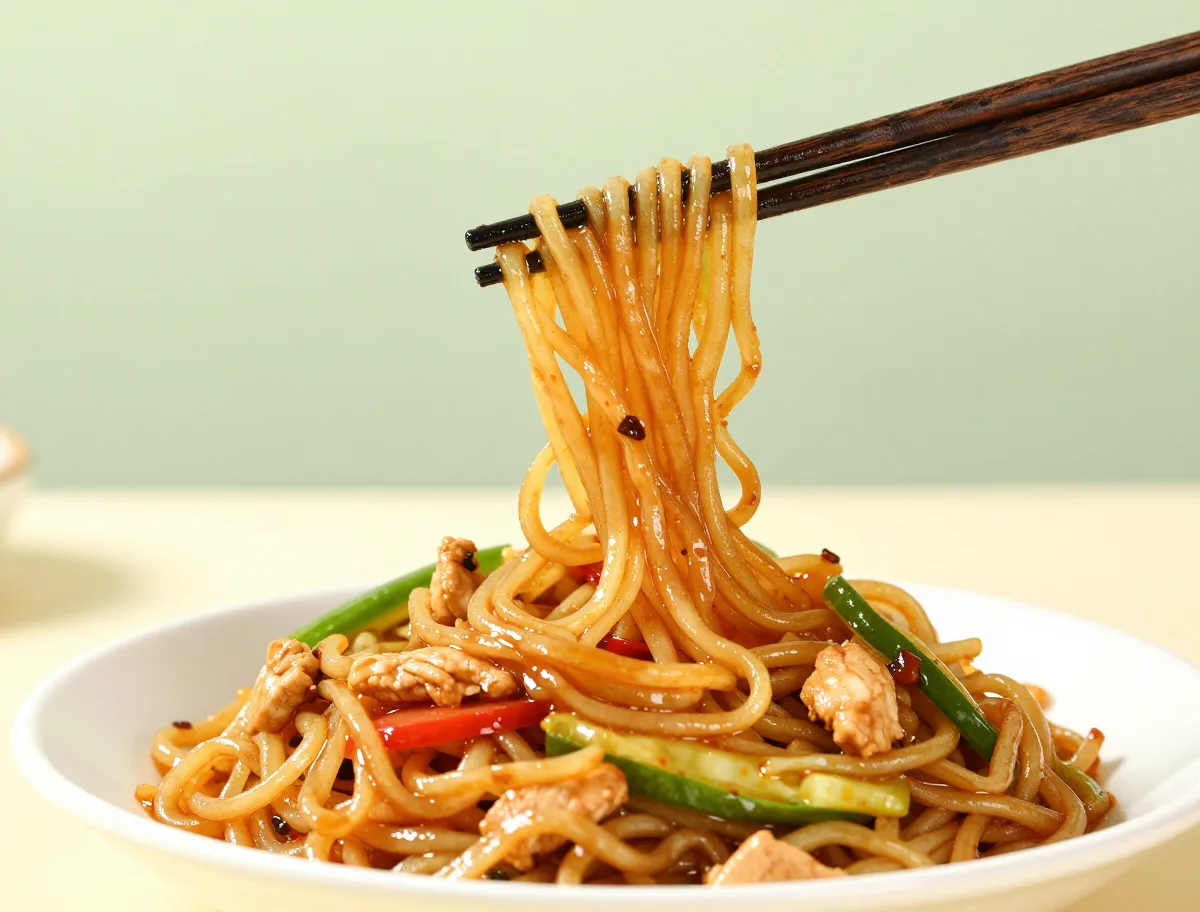
This Asian noodles with chicken recipe pairs springy wheat noodles, juicy stir-fried chicken, crisp vegetables, and a glossy soy-sesame sauce for a satisfying 30-minute dinner.
What Makes a Great Asian Chicken Noodle Stir-Fry
This is a flexible Asian-inspired skillet meal built around contrast: tender, well-browned chicken; springy noodles; crisp-tender vegetables; and a concentrated sauce that is savory first, lightly sweet and tangy, and aromatic from garlic, ginger, and sesame. It should be glossy and cohesive rather than wet or soupy.
- The noodles should remain distinct and pleasantly chewy after the short finishing toss.
- The sauce should cling in a thin coating instead of collecting at the bottom of the pan.
- Serve immediately, while the vegetables still have color and bite.
The Key Ingredients and Why They Work
Sturdy wheat or egg noodles are the most forgiving choice because they tolerate a brief stir-fry without falling apart. Chicken thighs provide a generous margin against overcooking, while a light cornstarch coating helps sliced meat stay tender and gives the sauce something to cling to.
- Soy sauce supplies salt and umami; oyster sauce adds depth and body without requiring a large amount of liquid.
- Brown sugar rounds the savory ingredients, while rice vinegar keeps the sauce from tasting heavy.
- Garlic, ginger, and scallion whites provide the cooked aromatic base; sesame oil is added with the sauce so its fragrance remains clear.
- Carrots and broccoli need an early start, while bell pepper and snap peas cook quickly and should be added later.
Ingredients
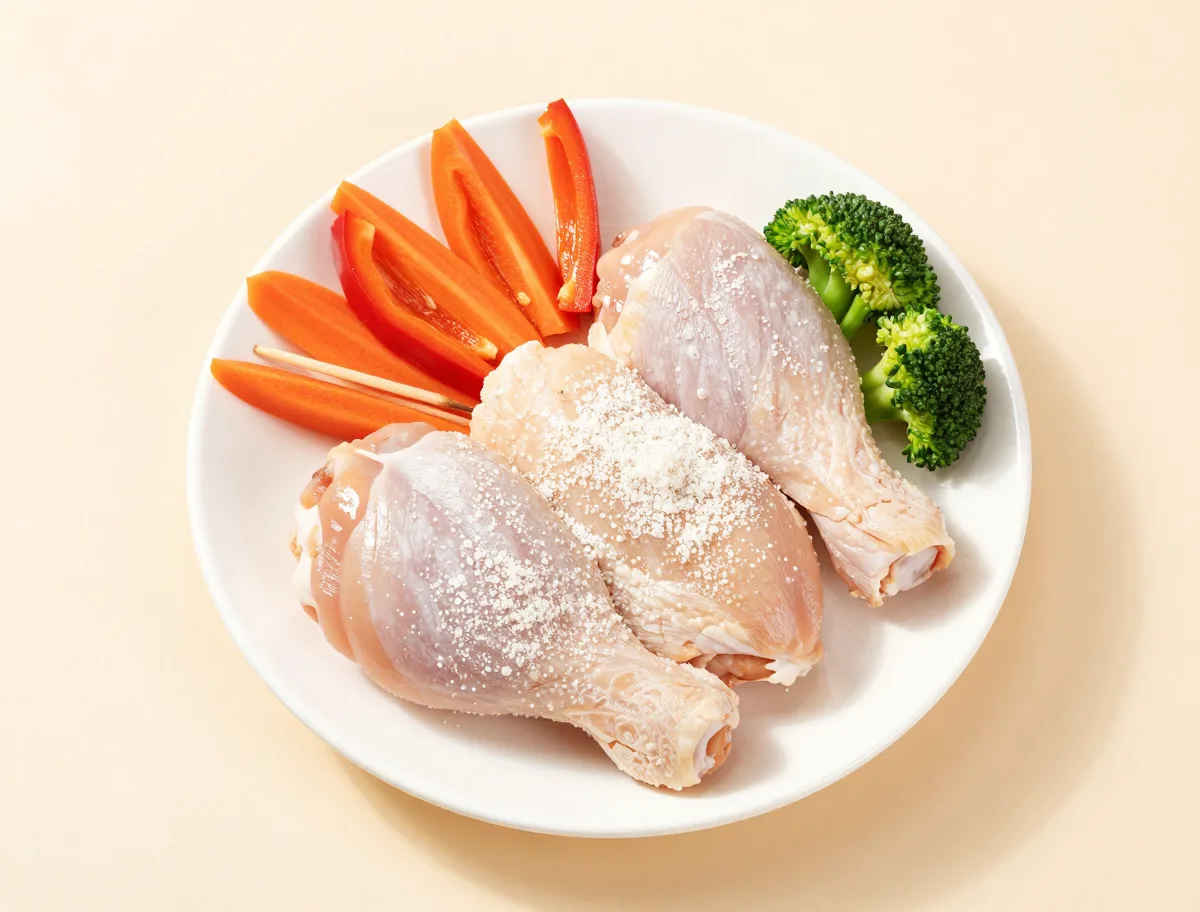
- 8 ounces dried wheat or egg noodles
- 1 pound boneless, skinless chicken thighs, trimmed, patted dry, and thinly sliced across the grain
- 2 teaspoons cornstarch, for coating the chicken
- 2 tablespoons neutral high-heat oil
- 1 cup carrot, cut into thin matchsticks
- 1 cup bell pepper, thinly sliced
- 1 cup broccoli florets, cut into small pieces
- 1 cup snap peas, trimmed
- 3 cloves garlic, finely chopped
- 1 tablespoon fresh ginger, finely grated
- 4 scallions, white and green parts separated; both thinly sliced
- 1/4 cup low-sodium soy sauce
- 2 tablespoons oyster sauce
- 1 tablespoon rice vinegar
- 2 teaspoons light brown sugar
- 1/3 cup water
- 1 teaspoon cornstarch, for the sauce slurry
- 2 teaspoons toasted sesame oil
- 1/2 teaspoon crushed red pepper flakes, optional
- 1 tablespoon toasted sesame seeds, optional, for serving
- 1/4 cup fresh cilantro leaves, optional, for serving
- 1 lime, optional, cut into wedges for serving
- 1/4 cup roasted peanuts, optional, roughly chopped for serving
How to Make Asian Noodles with Chicken Successfully
The essential preparation happens before the pan is heated. Mix the sauce, drain the noodles thoroughly, slice the chicken evenly, and arrange the vegetables in cooking order. Once the stir-fry begins, the ingredients move quickly and there is little time to measure or chop.
- Cook noodles just shy of their final texture because they continue to soften while absorbing sauce.
- Pat chicken dry and coat it lightly, then cook it in one layer; remove it before the vegetables go in.
- Add dense vegetables first, aromatics briefly, and the noodles and sauce only at the end.
- Whisk the sauce slurry immediately before pouring so the cornstarch has not settled at the bottom of the bowl.
Instructions
- Prepare the noodles and sauce: Cook the noodles in a saucepan according to the package directions, stopping about 1 minute before they are fully tender. Drain well; rinse boiled wheat or egg noodles briefly under cold water to halt cooking, then set aside. In a bowl, whisk together the soy sauce, oyster sauce, rice vinegar, brown sugar, water, and the sauce cornstarch. Stir in the sesame oil and red pepper flakes, if using. (8 minutes)
- Season the chicken: Toss the sliced chicken with the 2 teaspoons cornstarch until every piece has a thin, dry coating. Have the vegetables, garlic, ginger, and scallion whites ready beside the stove before heating the pan. (2 minutes)
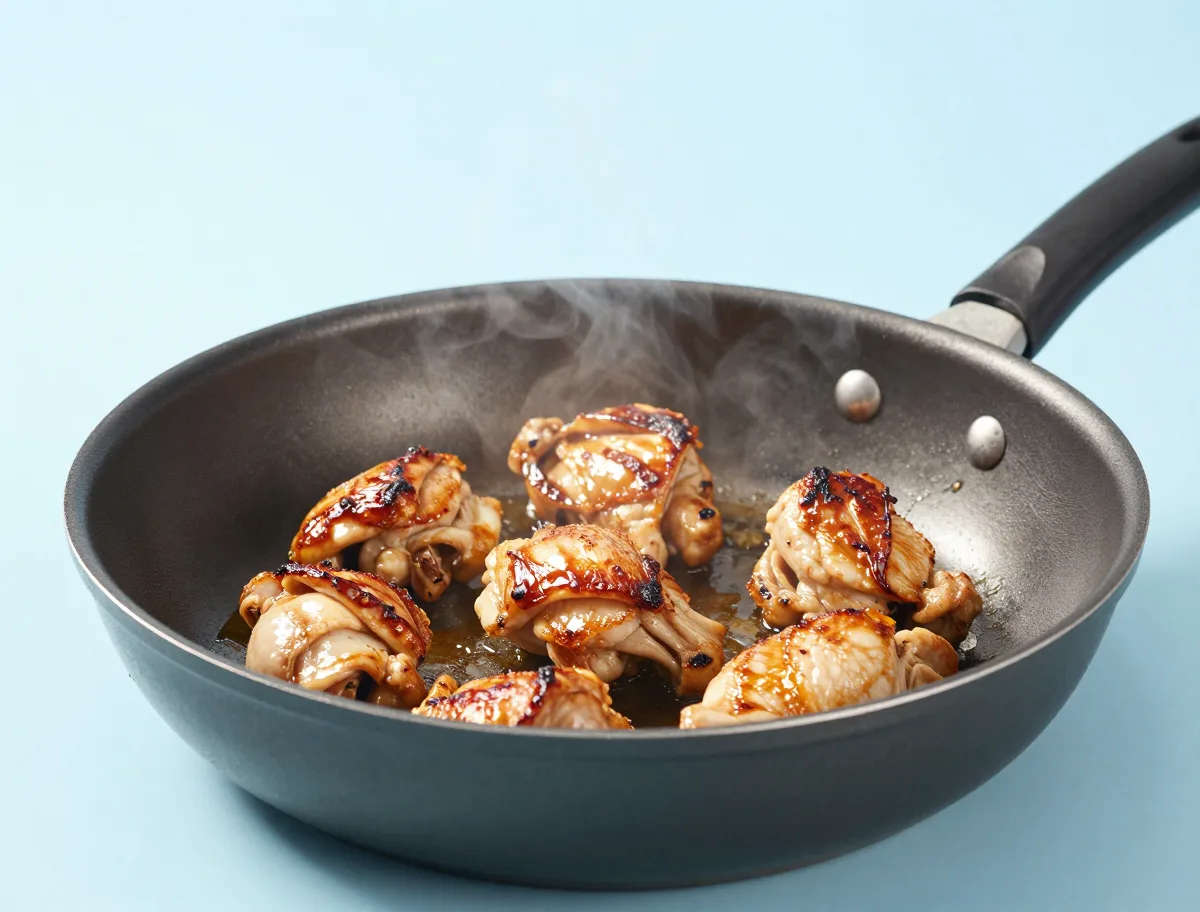
- Brown the chicken: Heat a 14-inch wok or large skillet over high heat until a drop of water evaporates immediately. Add 1 tablespoon of the neutral oil, then arrange the chicken in a single layer. Cook without moving for 1 minute, toss, and continue cooking for 2 to 3 minutes, until browned at the edges and opaque. Transfer the chicken to a plate; it will finish later in the pan. (4 minutes)
- Stir-fry the vegetables and aromatics: Return the pan to high heat and add the remaining 1 tablespoon neutral oil. Add the broccoli and carrots and stir-fry for 2 minutes. Add the bell pepper and snap peas and cook for 1 to 2 minutes more, until brightly colored and crisp-tender. Add the garlic, ginger, and scallion whites and toss for 30 seconds, just until fragrant. (4 minutes)
- Finish the noodle stir-fry: Return the chicken and any collected juices to the pan. Whisk the sauce once more, pour it around the sides of the hot pan, and immediately add the noodles. Toss with tongs for 1 to 2 minutes, just until the sauce turns glossy and lightly clings to the noodles. The thickest chicken piece should reach 165°F/74°C. (3 minutes)
- Garnish and serve: Remove the pan from the heat. Scatter over the scallion greens and, if desired, the sesame seeds, cilantro, and chopped peanuts. Serve at once with lime wedges. (1 minute)
How to Tell When the Chicken, Noodles and Vegetables Are Done
Timing varies with noodle brands, pan size, and burner strength, so texture and temperature are more reliable than the clock alone. The finished noodles should bend easily but resist the bite, while the vegetables should yield slightly without becoming limp.
- Chicken should be opaque and browned at the edges; confirm 165°F/74°C in the thickest piece with a thermometer.
- Noodles that are fully soft before entering the pan are likely to become mushy during the final toss.
- A properly thickened sauce turns glossy after briefly bubbling and lightly coats the back of a spoon or the noodles.
- If the pan contains a large puddle of liquid, the ingredients have released more moisture than the heat can evaporate; keep tossing over high heat briefly rather than simmering the noodles.
Doneness Cues
- Noodles are flexible and hot but still have a definite bite when the final toss begins.
- Chicken is browned at the edges, opaque throughout, and reaches 165°F/74°C in the thickest piece.
- Broccoli, carrots, bell pepper, and snap peas remain brightly colored with a slight crunch.
- The sauce looks glossy and coats the noodles rather than pooling in the pan.
The Cooking Decisions That Protect Stir-Fry Texture
High heat only produces a stir-fried result when the pan is not overloaded and the ingredients are reasonably dry. Crowding cools the cooking surface, allowing water to accumulate and turning browning into steaming. The same moisture control also protects the noodles from becoming waterlogged.
- A wide wok or skillet gives moisture room to evaporate; use smaller batches if the pan is not large enough.
- Cornstarch thickens only after it is dispersed in cold liquid and heated, which is why the sauce is mixed before it reaches the pan.
- Noodles continue absorbing liquid after cooking, so the final sauce stage should last only long enough to heat and coat them.
- Thin slicing across the grain shortens the chicken fibers, and removing the meat while the vegetables cook prevents unnecessary drying.
Common Chicken Noodle Stir-Fry Mistakes and Fixes
Most disappointing stir-fries are not caused by an incorrect ingredient; they come from too much moisture, a crowded pan, or cooking the noodles and chicken for too long. Small corrections can help, but prevention is more effective than trying to rescue severely overcooked noodles.
- Sticky or mushy noodles: Cook them less initially, drain them thoroughly, and keep them in the sauce for only 1 to 2 minutes.
- Watery stir-fry: Increase the heat, spread the ingredients out, and avoid adding extra liquid. If the sauce is still thin, let it bubble briefly rather than simmering the noodles.
- Dry chicken: Slice evenly, use thigh meat when possible, and remove the chicken from the pan before it is combined with the vegetables.
- Bland flavor: Taste the mixed sauce before adding it and adjust with a small amount of vinegar or soy sauce rather than adding soy sauce automatically.
- Lumpy sauce: Whisk the cornstarch into cold liquid and remix the bowl immediately before pouring.
- Soft vegetables: Begin with dense vegetables and add quick-cooking or watery vegetables later.
Noodle, Chicken and Vegetable Substitutions
The cooking method is adaptable, but each noodle type has a different hydration point. Substitutions work best when their texture and cooking time are respected rather than treated as interchangeable.
- Egg or wheat noodles are the easiest default. Lo mein or chow mein-style noodles can be used if they are cooked or refreshed according to their package directions.
- Rice noodles make a lighter, often gluten-free option; soak or cook them only until barely tender and toss them gently because they soften quickly.
- Udon should generally be rinsed or briefly reheated if precooked, then added near the end. Glass noodles absorb sauce rapidly and need an especially short finishing stage.
- Chicken breast can replace thighs by weight, but it should be sliced thinly and removed promptly at 165°F/74°C.
- Broccoli, cabbage, mushrooms, bok choy, or bean sprouts can replace the listed vegetables. Keep dense vegetables early and wet, delicate vegetables late.
Easy Variations for Spicy, Mild or Vegetable-Heavy Noodles
Variations should preserve the defining structure of this dish: stir-fried noodles, chicken, vegetables, and a concentrated sauce. Adjust one direction at a time so the pan does not become overloaded or the sauce lose its balance.
- For a milder version, leave out the red pepper flakes and finish with lime for brightness.
- For more heat, add chili crisp, sambal, or additional pepper flakes in small increments, remembering that many chili condiments also contain salt.
- For a sesame-forward finish, keep the sesame oil at the listed amount and add sesame seeds at the table rather than flooding the pan with oil.
- For extra vegetables, use a wider pan and reduce the sauce slightly if the additional produce releases substantial water.
- A rice-noodle or gluten-free adaptation remains a noodle stir-fry as long as the noodles and every packaged sauce are chosen and handled appropriately.
How to Serve Chicken Noodle Stir-Fry
Serve this dish as soon as the sauce coats the noodles. Fresh and crunchy finishes keep the meal from tasting uniformly soft and savory, while a light vegetable side adds contrast without duplicating the noodles.
- Use scallion greens and cilantro for fresh aroma.
- Add sesame seeds or peanuts for nutty crunch; use sesame seeds instead of peanuts for a nut-free garnish.
- Offer lime wedges for acidity and extra chili for heat at the table.
- Pair with cucumber salad, lightly dressed cabbage, or steamed greens rather than another starch.
How to Store, Freeze and Reheat Chicken Noodles
Freshly cooked noodles have the best spring, but leftovers can be handled safely with quick cooling and gentle reheating. For meal prep, prepare the sauce and cut the vegetables in advance, but keep the noodles separate until cooking time.
- Refrigerate the stir-fry in a shallow covered container within 2 hours; use it within 3 to 4 days when held at 40°F/4°C or below.
- Reheat a serving covered in a skillet or microwave with a small splash of water. Separate the noodles as they loosen and heat to 165°F/74°C throughout.
- Freezing is safe, but thawed noodles may be softer or more clumped, especially rice and glass noodles. Sturdy wheat noodles generally retain better texture.
- Do not combine cooked noodles and sauce several hours ahead; the noodles will absorb the sauce and lose their spring.
For official guidance on prompt cooling, refrigerated storage, freezing, and reheating, consult USDA safe handling guidance for take-out foods and leftovers.
Asian Chicken Noodles: Frequently Asked Questions
These practical answers address the choices that most affect the result: noodle preparation, one-pan cooking, sauce balance, spice, dietary adaptations, and chicken safety.
Can I make this in one pan?
The stir-fry itself uses one wok or skillet, but the noodles usually need to be boiled or soaked separately. Drain them well before they enter the pan so they do not dilute the sauce.
Which noodles work best?
Sturdy wheat or egg noodles are the most forgiving. Rice noodles work well for a lighter or gluten-free version, but they must be soaked or cooked only until barely tender. Udon, lo mein, chow mein, and glass noodles can also work when prepared according to their package directions.
How do I keep the noodles from getting mushy?
Stop cooking them slightly before their final tenderness, drain them thoroughly, and add them only after the chicken and vegetables are cooked. Toss with the sauce briefly and serve immediately.
Should I use chicken breast or thighs?
Thighs are more forgiving and stay juicy during high-heat cooking. Breast meat is leaner, but it should be sliced thinly across the grain and removed as soon as the thickest piece reaches 165°F/74°C.
How can I make the sauce less salty?
Use low-sodium soy sauce, avoid adding extra salt, and use unsalted water or stock if loosening the sauce. Additional vegetables, noodles, and a small amount of rice vinegar can improve balance; adding sugar alone only masks saltiness.
How spicy is this recipe?
The base is mild if the red pepper flakes are omitted. Add flakes, chili crisp, sambal, or fresh chili gradually because heat, salt, and sweetness vary widely among products.
What makes the recipe gluten-free?
Use noodles and sauces specifically labeled gluten-free. Ordinary soy sauce commonly contains wheat, and tamari is not automatically gluten-free, so check the label on every packaged condiment.
How do I know the chicken is safe to eat?
The chicken should be opaque and browned, but color is not the final test. Check the thickest piece with a food thermometer; it must reach 165°F/74°C.
Food Safety for Chicken Noodle Stir-Fry
Keep raw chicken separate from cooked noodles, vegetables, garnishes, and serving utensils. Wash hands and clean the board, knife, and surfaces after handling the chicken, and never reuse a plate that held raw poultry without washing it first.
- Cook all chicken pieces to a minimum internal temperature of 165°F/74°C.
- If sauce or utensils contact raw chicken, the sauce must be thoroughly cooked before serving.
- Refrigerate leftovers within 2 hours, or within 1 hour when the surrounding temperature is above 90°F/32°C.
- Reheat leftovers to 165°F/74°C throughout, using a covered vessel and stirring to reduce cold spots.
See the USDA safe cooking temperature guidance for chicken and reheated leftovers.