Easy Angel Food Cake Recipe With Lemon Pie Filling
This easy angel food cake recipe with lemon pie filling combines a just-add-water angel food cake mix and canned lemon filling into a fluffy, sliceable 9×13-inch lemon cake—without adding water, eggs, oil, or butter.
What to Expect from This Lemon Angel Food Cake
This shortcut dessert is a 9×13-inch lemon angel cake with a light, springy crumb and a softer, moister texture than traditional tube-pan angel food cake. The canned filling gives it a sweet-tart lemon flavor, while the surface typically turns lightly golden, puffs dramatically, and develops natural cracks.
- The finished cake is low and easy to cut into squares or bars.
- A modest dip or leveling during cooling is expected as steam escapes and the airy structure contracts.
- The flavor is distinctly lemony, though less fresh and aromatic than a cake made with lemon zest and juice.
The Two Ingredients and Why They Work
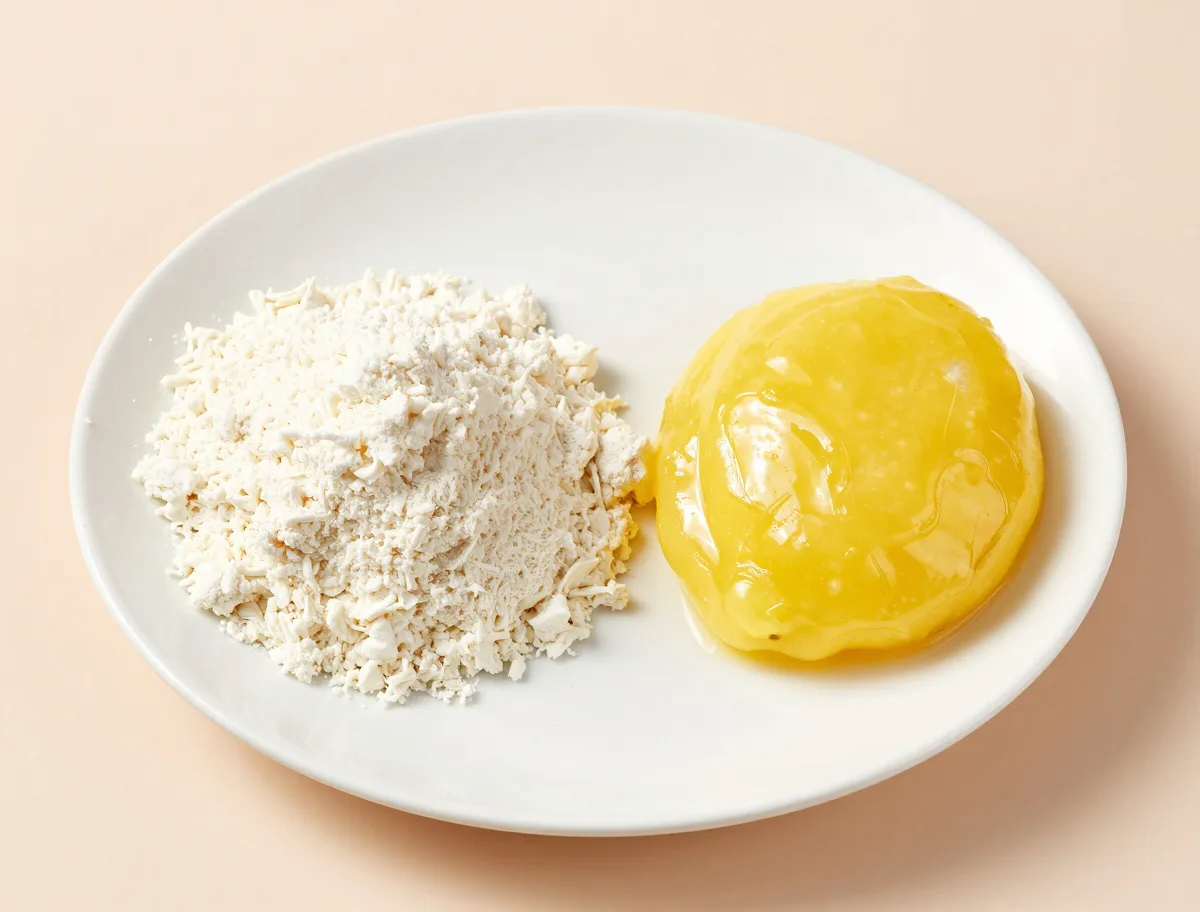
The boxed angel food mix supplies the sweet, foam-supporting structure, including dehydrated egg whites and the dry ingredients that set around the bubbles. The lemon filling provides the recipe’s moisture, acidity, sugar, lemon flavor, and thickening ingredients.
- Choose a complete angel food mix intended to be finished with water alone, generally about 15.25 to 16 ounces.
- Use approximately 21 ounces of prepared lemon pie filling or lemon crème pie filling.
- The filling replaces the water normally added to the boxed mix, so extra liquid would upset the balance and can leave the cake weak or gummy.
- Adding eggs, oil, or butter changes the formula and can weigh down the airy crumb.
- 1 box complete just-add-water angel food cake mix (approximately 15.25 to 16 ounces; use dry)
- 1 can prepared lemon pie filling or lemon crème pie filling (approximately 21 ounces)
How to Mix and Bake the Cake Successfully
The important technique is restraint: combine the dry mix and filling only until incorporated, then transfer the batter promptly. It will look unusually thick and fluffy, but that appearance is normal. Spread it evenly so the shallow center and edges finish baking at roughly the same time.
- Fold with a spatula rather than using an electric mixer or prolonged beating.
- Scrape the bowl once and stop as soon as dry pockets disappear.
- Use a 9×13-inch pan on the middle rack at 350°F (175°C).
- For this rectangular format, cool the cake flat in the pan; the upside-down cooling method belongs primarily to tall tube-pan angel food cakes.
For additional manufacturer guidance about baking angel food cake in a rectangular pan, see Betty Crocker’s guidance on using a 9×13-inch pan.
- Prepare the pan and oven: Heat the oven to 350°F (175°C), with a rack in the center. Line the bottom of a 9×13-inch baking pan with parchment, leaving the sides ungreased so the batter has some surface to hold onto as it rises.
- Combine the two ingredients: Put the dry angel food cake mix in a large bowl. Add the lemon pie filling and fold with a rubber spatula just until no dry streaks remain, about 60 to 90 seconds. The batter will be thick, fluffy, and somewhat uneven-looking; do not beat it smooth.
- Fill the pan: Scrape the batter into the prepared pan and gently spread it into an even layer, taking care not to press out more air than necessary.
- Bake until set: Bake on the center rack for 25 to 35 minutes, rotating the pan once if your oven browns unevenly. The top should be lightly golden and cracked, the edges should look set, and the center should spring back lightly when pressed. A tester inserted in the center should show no liquid batter, though moist crumbs are fine.
- Cool before slicing: Cool the cake completely in the pan, about 1 hour. It will puff in the oven and settle somewhat as it cools. Run a thin knife around the edges, lift or loosen the cake using the parchment, and cut into 16 squares. For firmer, cleaner slices, chill the cooled cake for 30 to 60 minutes before cutting.
How to Tell When the Lemon Cake Is Done
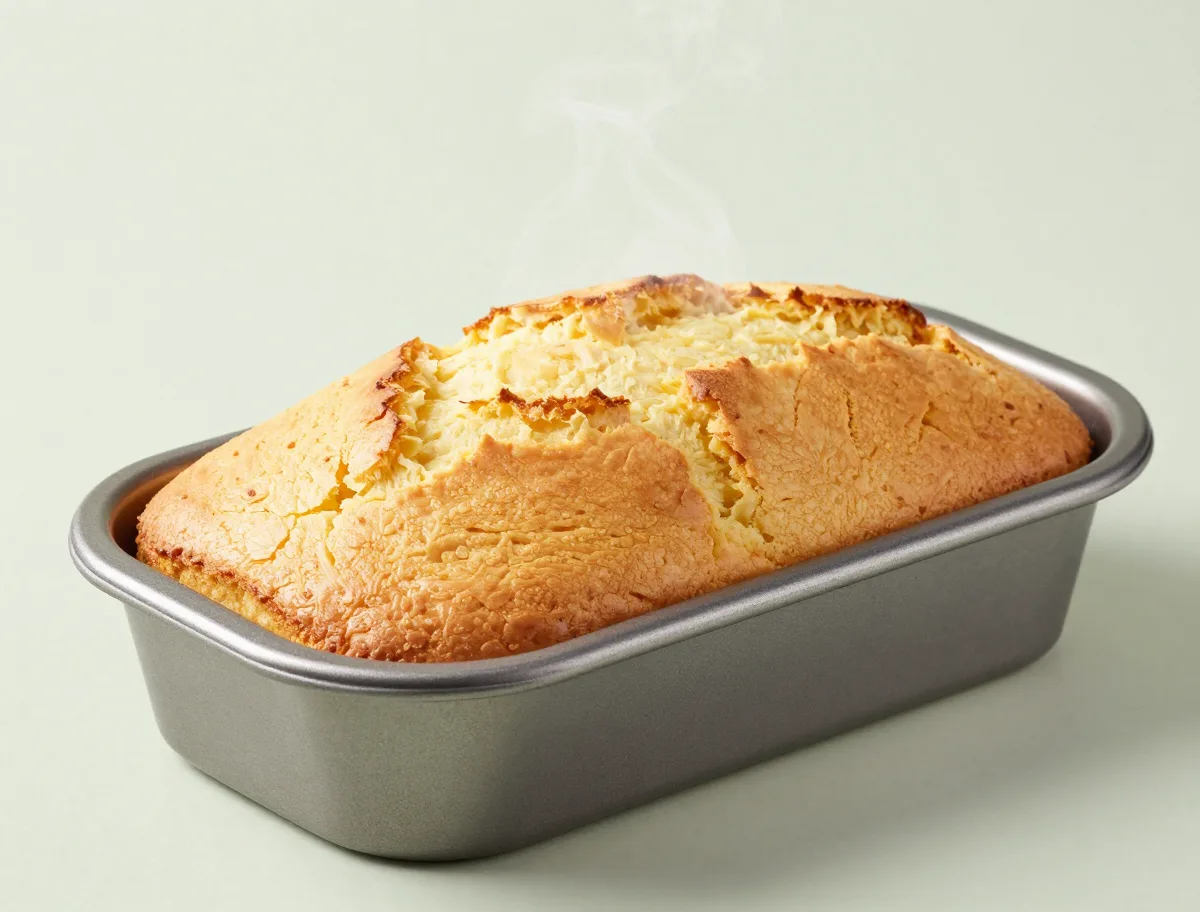
A browned top alone is not a reliable endpoint because the surface can look finished while the moist center is still unset. Use several signals together: the cracks should look dry, the center should be stable, and a light touch should meet some resistance and spring back.
- Begin checking around 25 minutes, then continue baking if the center still moves or feels wet.
- A tester may pick up moist crumbs from the lemon filling, but it should not emerge coated with liquid batter.
- Cool the cake fully before judging its final texture; warm slices can seem gummy and compress easily.
- The crumb should be airy and moist, not wet, rubbery, or pudding-like.
- The top is lightly golden, puffy, and naturally cracked.
- The edges look set and the center no longer jiggles visibly.
- The center springs back slightly when touched rather than holding a wet indentation.
- A tester comes out without liquid batter; a few moist crumbs are acceptable.
- Some settling during cooling is normal, but a wet crater or gummy center indicates underbaking.
Why Moisture and Gentle Mixing Matter
Angel food-style cakes depend on air cells held by egg-white proteins and supported by sugar and starch. In this shortcut version, the dry mix supplies that framework while the lemon filling hydrates it. The formula already contains the intended moisture, so adding package water can weaken the structure before it has time to set.
- Gentle folding preserves more of the air introduced by the dry mix and filling.
- The filling’s acidity may support the foam, but it does not compensate for excess liquid or underbaking.
- Adequate heat sets the proteins and starches around the air cells; removing the cake too early encourages a wet collapse.
- Some shrinkage is a normal result of steam loss and contraction after baking.
Common Lemon Angel Food Cake Mistakes
Most problems with this cake come from changing the moisture balance, handling the batter too aggressively, or judging doneness by the browned surface alone. Small settling is normal; a deeply sunken, wet center is not.
- Gummy or loose center: Do not add water or other box ingredients, and bake until the center is set rather than relying only on the timer.
- Dense cake: Overmixing can deflate the batter. Fold briefly and stop as soon as the dry mix disappears.
- Large collapse: Excess moisture, underbaking, or premature cooling can prevent the structure from setting.
- Sticking: Parchment on the pan bottom improves release. An ungreased pan may rise slightly better but is more likely to stick.
- Dry edges with a wet middle: Spread the batter level and check your oven temperature; a dark pan may brown the outside before the center is ready.
- Ragged slices: Let the cake cool completely, then chill it briefly before cutting.
Which Mix and Lemon Filling Can You Use?
Comparable products can work, but the package sizes and formulations matter. The most dependable pairing is a standard complete angel food mix with a can of prepared lemon filling close to the stated size.
- A different brand of just-add-water angel food mix is suitable when its package is close to 15.25 to 16 ounces.
- Lemon pie filling and lemon crème pie filling can generally be exchanged, but crème-style products may create a richer, softer, or less sharply tart cake.
- Do not pair a substantially smaller or larger cake mix with a full 21-ounce can without recalculating the formula.
- Lemon curd is not an equivalent substitute; its butter and egg content can make the cake heavier and less airy.
Simple Ways to Serve Lemon Angel Cake
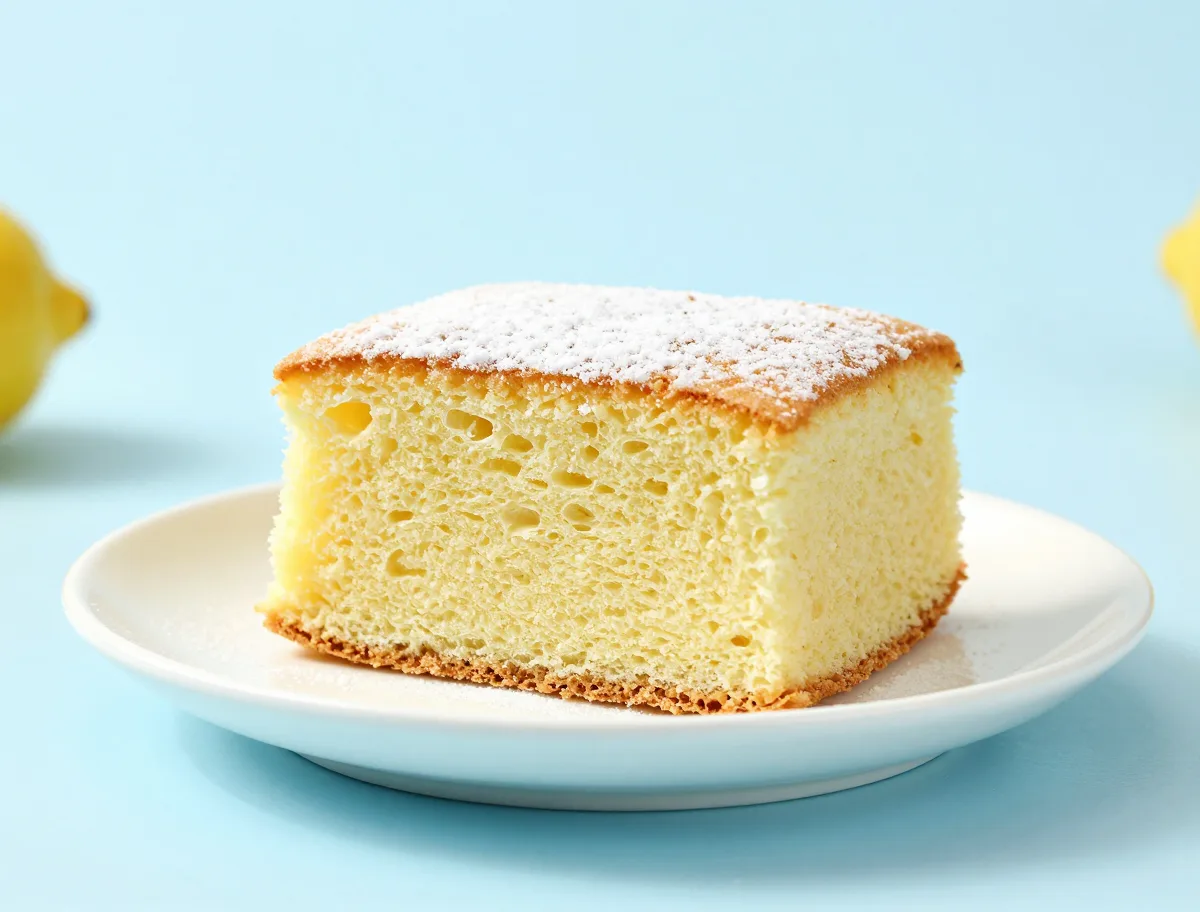
The cake is flavorful enough to serve plain, especially when you want to preserve its light texture. For a more finished dessert, use toppings that add contrast without weighing down the crumb.
- Dust individual squares with powdered sugar just before serving.
- Add a small spoonful of whipped topping or softly whipped cream for a creamy contrast.
- Serve with strawberries, blueberries, raspberries, or blackberries for freshness and color.
- Serve at room temperature for the softest crumb or chilled for firmer, cleaner bars.
- Add whipped cream and berries close to serving time, then refrigerate leftovers.
How to Store, Freeze, and Serve Leftover Cake
Cool the cake completely before covering it so trapped steam does not soften the top. An unadorned cake may be kept tightly covered for short-term serving, while refrigeration firms the crumb and is required once perishable toppings are added.
- For best quality, cover the plain cake airtight and use it within 1 to 2 days at room temperature, or refrigerate it for firmer slices.
- Cake topped with real whipped cream, custard-like toppings, or fresh fruit should be refrigerated promptly and used within 3 to 4 days.
- Plain portions can be frozen tightly wrapped; thaw them while wrapped in the refrigerator. The thawed crumb may be softer or slightly less airy.
- Reheating is unnecessary and can dry or compress the cake. Serve chilled, cool, or at room temperature instead.
For conservative guidance on refrigerated and frozen food storage, consult the FDA Refrigerator and Freezer Storage Chart.
Lemon Angel Food Cake FAQ
These answers address the most common points of confusion about this two-ingredient lemon cake, especially the omitted box ingredients, pan choice, cooling, and normal settling.
Do I mix the dry angel food cake mix directly with the lemon pie filling?
Yes. Add the dry mix and the prepared lemon pie filling to a bowl and fold them together just until no dry streaks remain.
Should I add the water listed on the cake-mix box?
No. The lemon pie filling supplies the moisture for this formula. Also omit eggs, oil, butter, and any other ingredients listed in the package directions.
What kind of angel food mix works best?
Use a complete angel food cake mix labeled as a just-add-water mix, ideally approximately 15.25 to 16 ounces. A mix that requires eggs, oil, or milk is formulated differently and is not a dependable match.
Can I use lemon crème pie filling instead of lemon pie filling?
Usually, yes, if the can is close to 21 ounces and is a prepared lemon filling. The cake may be slightly richer, softer, or less tart because crème-style fillings can contain different fats, eggs, or thickeners.
Why does the batter look so wet and fluffy?
That is expected. The filling hydrates the dry mix and creates a thick, airy batter. Do not add flour or water to correct its appearance.
Why did my cake sink after baking?
A modest dip is normal as the cake cools. A deep collapse with a wet or gummy center usually means the cake was underbaked, the batter contained too much moisture, or the structure was deflated during mixing.
Does this cake need to cool upside down?
No. This 9×13-inch version should cool flat in the pan. Inverting is mainly useful for tall traditional angel food cakes baked in tube pans.
Should I chill the cake before slicing?
Chilling is optional but helpful. Once fully cool, refrigerate the cake for 30 to 60 minutes if you want firmer, cleaner-cut squares.
Can I use lemon curd instead of canned pie filling?
It is not a direct substitute. Lemon curd commonly contains butter and egg yolks, so it can make the cake heavier, richer, and less airy. Using it would be an experimental reformulation rather than the tested two-ingredient approach.