Chick-fil-A Carrot Salad Recipe (Copycat)
This copycat Chick-fil-A carrot raisin salad combines finely shredded carrots, crushed pineapple, raisins, and a creamy sweet-tangy mayonnaise dressing. Chill it before serving for the closest restaurant-style texture.
What This Chick-fil-A Carrot Salad Should Taste and Feel Like
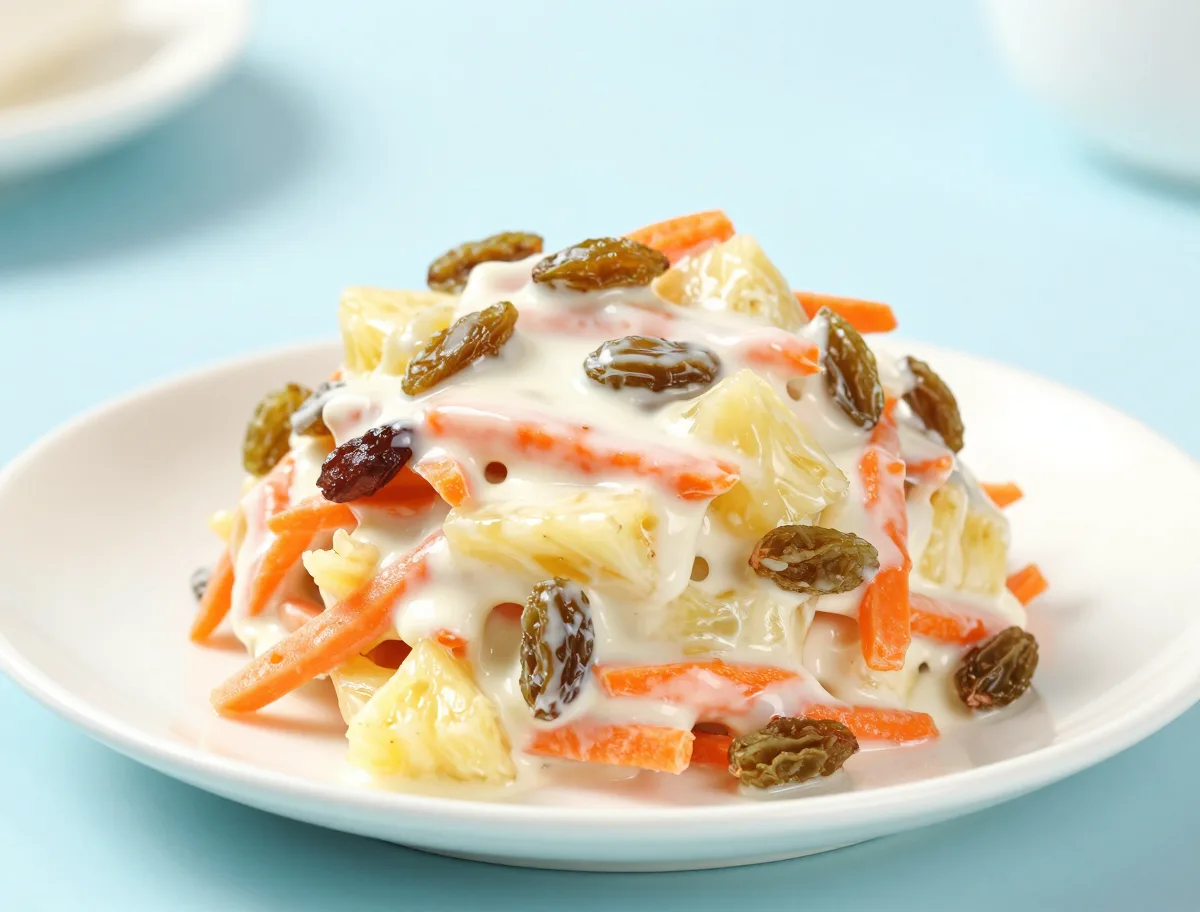
This chilled carrot raisin salad is creamy, gently sweet, and brightened with lemon. Finely shredded carrots remain the main element, while raisins provide chew and pineapple adds soft fruitiness and moisture.
- Expect a pale, creamy coating around orange carrot shreds.
- The finished salad should be moist and cohesive, not soupy.
- Chilling softens the carrot edge slightly without making it limp.
Why the Ingredients Matter
The balance of ingredients is deliberately simple. Carrots provide bulk and structure; raisins contribute concentrated sweetness; and pineapple supplies fruit flavor and a little acidity. Mayonnaise creates the rich coating, while sugar and lemon juice sharpen the sweet-tangy profile associated with the discontinued side.
- Freshly shredded carrots integrate more naturally than thick, dry bagged shreds.
- Full-fat mayonnaise gives the closest dense, creamy texture.
- Use pineapple packed in juice rather than syrup for better control over sweetness.
- Regular dark raisins are the closest conventional choice for color and flavor.
Ingredients
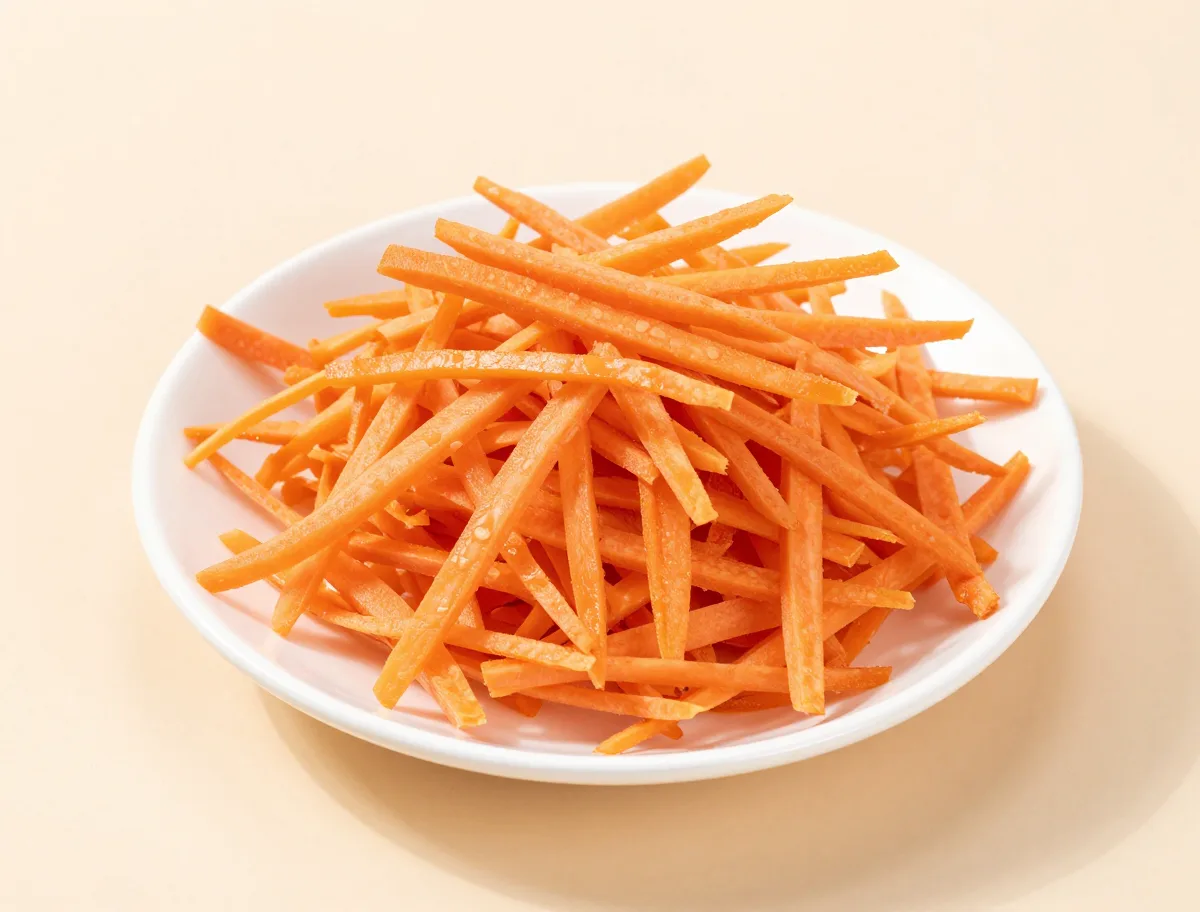
- 5 cups fresh carrots, peeled, washed, and finely shredded
- 3/4 cup regular raisins
- 2/3 cup crushed pineapple, packed in juice and lightly drained; reserve any excess juice
- 1/2 cup full-fat mayonnaise
- 2 tablespoons granulated sugar
- 1 tablespoon fresh lemon juice
How to Make the Carrot Raisin Salad
The important technique is preparation control rather than cooking. Shred the carrots finely, mix the dressing separately, and fold everything together gently so the pineapple stays in small pieces and the carrots do not compact into a wet mass.
- A fine box-grater shred gives the most cohesive restaurant-style bite.
- Lightly draining the pineapple is a practical safeguard against excess liquid.
- Add pineapple juice only in small amounts if the mixture needs loosening.
- Chill before making final judgments about sweetness and consistency.
Instructions
- Prepare the carrots: Scrub and peel the carrots, then shred them on the fine side of a box grater or with a food processor’s fine shredding disc. Aim for slender, flexible shreds rather than thick matchsticks. Transfer them to a large mixing bowl.
- Combine the fruit: Add the raisins and lightly drained crushed pineapple to the carrots. If the pineapple has released a large amount of liquid, reserve it separately rather than pouring it all into the salad.
- Whisk the dressing: In a small bowl, whisk the mayonnaise, sugar, and lemon juice until smooth and the sugar is mostly dissolved.
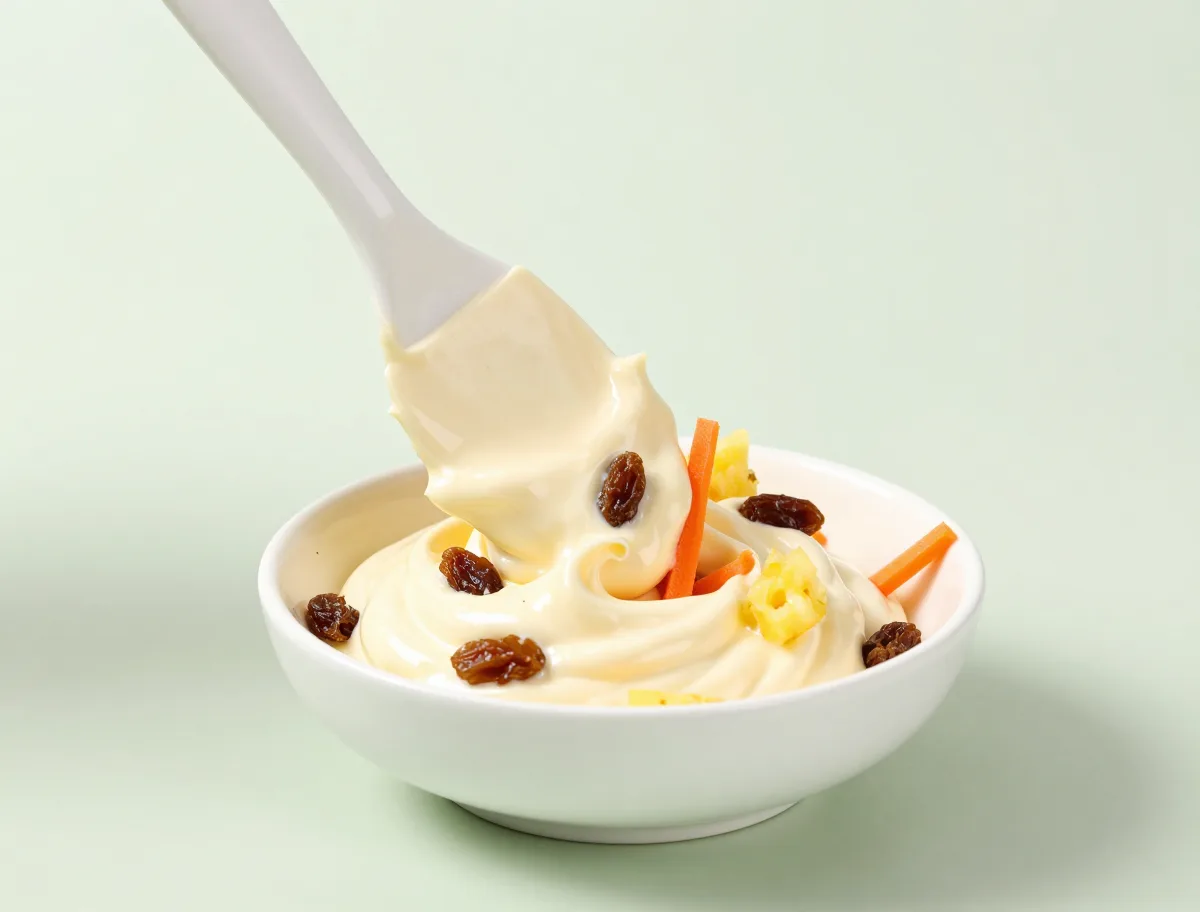
- Fold everything together: Pour the dressing over the carrot mixture and fold gently with a rubber spatula until the shreds, raisins, and pineapple are evenly coated. The salad should look creamy and moist, with no free pool of liquid. If it seems unusually thick, stir in reserved pineapple juice 1 teaspoon at a time; do not add it automatically.
- Chill and serve: Cover and refrigerate for at least 30 minutes, preferably 1 hour. Stir once before serving. Serve cold, keeping the salad refrigerated until it reaches the table.
Texture Cues for a Successful Salad
Because this is an uncooked salad, success is judged by appearance and mouthfeel rather than temperature or doneness. Before chilling, the dressing should cling to the carrots; after resting, the mixture should remain spoonable and creamy.
- Fine shreds should bend easily but still offer a light crispness.
- Raisins should be pleasantly chewy rather than hard and dry.
- Pineapple should be distributed throughout instead of sinking into a liquid layer.
- A spoonful should hold together briefly without looking dry.
Doneness and Success Indicators
- The carrot shreds are fine enough to bend and become fully coated while retaining a little crunch.
- The dressing clings to the mixture and looks moist but not runny.
- After chilling, the salad is cold, spoonable, and cohesive, with visible raisins and pineapple and no substantial liquid collecting at the bottom.
The Variables That Control Moisture and Flavor
Shred size and pineapple liquid have the greatest practical effect on the finished salad. Fine carrots have more surface area, so they absorb and display the dressing more evenly. Pineapple juice, along with moisture released by the carrots, gradually loosens the mixture during refrigeration.
- Finer shreds soften and coat faster than coarse matchsticks.
- Sugar dissolves into the watery portion of the dressing and intensifies fruit sweetness.
- Lemon juice keeps the sweetness from tasting flat or heavy.
- A small amount of settling after refrigeration is normal; stir before serving.
Common Carrot Raisin Salad Mistakes and Fixes
Most problems come from excess liquid, an overly coarse carrot cut, or seasoning that is judged before the salad has chilled. Correct the cause gradually rather than adding large amounts of mayonnaise or juice.
- Watery salad: Drain or press the pineapple more thoroughly next time. For the current batch, stir well and add a little more finely shredded carrot rather than immediately adding mayonnaise.
- Too sweet: Use a few drops of lemon juice at a time. Sweetened pineapple or syrup-packed fruit can also be the cause.
- Too mayonnaise-heavy: Add a small amount of carrot or pineapple, then recheck after chilling.
- Hard raisins: Soak them briefly in warm water, drain completely, and pat dry before mixing.
- Coarse texture: Chop purchased shredded carrots into shorter pieces or use freshly grated carrots for the next batch.
Useful Substitutions Without Losing the Salad’s Identity
The closest copycat uses the listed ingredients, but several substitutions can work when their texture and moisture are considered. Each one changes the result slightly, so use them when needed rather than as invisible replacements.
- Finely chopped pineapple tidbits can replace crushed pineapple if the pieces are kept small.
- Golden raisins work in the same quantity but create a lighter, fruitier salad.
- Vegan mayonnaise can preserve the creamy structure; check the product’s thickness and sweetness.
- For a lighter variation, replace up to half the mayonnaise with plain Greek yogurt. The result will be tangier and less rich.
- Honey can replace part of the sugar, but add it gradually because it contributes extra liquid and its own flavor.
Variations That Still Work—and Additions That Change It
Small adjustments can suit personal preferences while keeping the salad recognizable. The defining combination is carrot, raisin, pineapple, creamy mayonnaise dressing, and a chilled serving temperature.
- Plump the raisins briefly before mixing if you prefer a softer chew.
- Use golden raisins for a milder visual contrast.
- A mayonnaise-yogurt blend makes a lighter, tangier version.
- Coconut, nuts, apples, cranberries, vinegar-forward dressing, or warm spices are optional departures rather than documented Chick-fil-A ingredients.
How to Serve Chick-fil-A-Style Carrot Salad
Stir the salad immediately before portioning and serve it well chilled in small side servings. Its cool sweetness and gentle acidity work particularly well beside savory, salty, or fried foods.
- Pair it with fried or grilled chicken, chicken sandwiches, burgers, or barbecue.
- Add it to a picnic plate with sandwiches and other cold sides.
- Use a shallow serving bowl so the creamy dressing and fruit are distributed evenly.
- Return leftovers to the refrigerator promptly rather than leaving the full batch on a buffet.
How to Store and Make This Chilled Carrot Salad
The salad is well suited to advance preparation. Make it several hours ahead or the day before, cover it tightly, and refrigerate it at 40°F or below. Flavor integration improves with a short rest, though the texture gradually softens as moisture moves through the mixture.
- For best quality, eat the salad within 1 to 2 days.
- For food-safety purposes, use a conservative refrigerated window of 3 to 4 days.
- Stir before serving because dressing or pineapple moisture may settle.
- Do not freeze or reheat; mayonnaise can separate and the carrots and fruit become watery after thawing.
- Discard the salad if it has been unrefrigerated for more than 2 hours, or more than 1 hour in temperatures above 90°F.
For additional context on keeping prepared salads cold, follow USDA guidance for keeping salads chilled.
Chick-fil-A Carrot Salad Recipe FAQs
These answers distinguish Chick-fil-A’s published ingredient reference from practical choices made to keep a home batch creamy and well textured.
Is this the official Chick-fil-A recipe?
It is an official-style copycat based on Chick-fil-A’s own published Carrot & Raisin Salad ingredient formula. The home quantities and moisture-control instructions are formulated for a manageable batch, and the company’s complete restaurant production process is not publicly detailed.
Was Chick-fil-A’s carrot salad discontinued?
Yes. It was a former Chick-fil-A side that was removed from the menu. This recipe is intended to recreate its documented ingredient profile and familiar chilled texture.
Should the pineapple be drained or used unstrained?
The published formula refers to unstrained crushed pineapple, but retaining all the liquid can make a home batch loose. Lightly drain it, reserve the excess, and add a little back only if the dressing needs thinning.
How finely should the carrots be shredded?
Use the fine side of a box grater or a fine food-processor shredding disc. The shreds should be slender and flexible, not thick matchsticks.
How long should the salad chill?
Chill it for at least 30 minutes; 1 hour gives the flavors and texture more time to integrate. Stir once before serving.
How close does this taste to the restaurant version?
It follows the published ingredient identity—carrots, raisins, pineapple, mayonnaise, sugar, and lemon—and aims for the same creamy, sweet-tangy, chilled character. Exact similarity can vary because the original commercial shred, batch process, and holding time are not publicly specified.
Can I make it ahead?
Yes. It can be prepared several hours ahead or the day before. Keep it covered and refrigerated, and expect the best texture within the first two days.
What Is Known About the Original Chick-fil-A Carrot Salad
The salad is best described as a discontinued Chick-fil-A side with an official company-published ingredient reference. That evidence supports the core combination used here, but it does not establish every detail of the restaurant’s commercial preparation. The Chick-fil-A published ingredient reference for Carrot & Raisin Salad identifies the documented formula.
- Chick-fil-A’s published formula identifies carrots, crushed pineapple, raisins, mayonnaise, sugar, and lemon juice.
- The documented ingredient list does not include coconut, nuts, vinegar, or yogurt.
- Many online versions add those ingredients based on personal preference or memory; they are adaptations rather than confirmed original components.
- Claims about a particular creator or exact historical menu dates are less certain than the company’s published recipe information.
Food-Safety Notes for This Mayonnaise-Based Salad
Although commercial mayonnaise is generally shelf-stable before opening, the assembled salad contains fresh produce and is ready to eat without a cooking step. Use clean equipment, wash the carrots under running water before peeling, and keep the finished salad cold.
- Wash hands and clean the grater, bowls, utensils, and work surface before preparation.
- Keep the salad at 40°F or below during storage and service.
- Refrigerate it within 2 hours, or within 1 hour when the surrounding temperature is above 90°F.
- Use a clean serving utensil and do not return a utensil that has touched other foods to the container.
- Do not taste-test food with a questionable temperature history; discard it instead.
Recipe Notes
- This is an official-style copycat grounded in Chick-fil-A’s published ingredient formula, not a claim to reproduce an undisclosed restaurant production method.
- Lightly draining the pineapple controls moisture while retaining its fruit flavor. The published formula references unstrained crushed pineapple, so reserved juice can be added gradually if needed.
- For best texture, serve the salad the day it is made or the following day.