Moist Box Chocolate Cake With Mayonnaise Recipe
Turn a boxed chocolate cake mix into a moist, rich chocolate mayonnaise cake with full-fat mayonnaise, eggs, and water. The mayonnaise replaces the package oil for a tender crumb without a noticeable mayonnaise flavor.
What to Expect from This Box Chocolate Cake with Mayonnaise
This is an easy boxed-mix upgrade, not a from-scratch chocolate mayonnaise cake. The finished cake has a soft, tender crumb, a rich cocoa flavor, and enough structure to cut neatly from a 9-by-13-inch pan.
- The mayonnaise contributes richness and moisture while keeping the cake soft after cooling.
- The texture is tender and moist, sometimes slightly denser than cake made strictly according to the box.
- A balanced cake should taste chocolatey rather than savory or mayonnaise-like.
- The recipe works as a sheet cake, two round layers, or cupcakes when the baking time is adjusted.
Why Mayonnaise Makes Boxed Chocolate Cake So Moist
Mayonnaise is primarily an oil-and-water emulsion with egg yolk, so it adds fat while helping that fat disperse evenly through the batter. The fat limits toughness from the flour, and the eggs supplied in the recipe help the cake set and hold its shape.
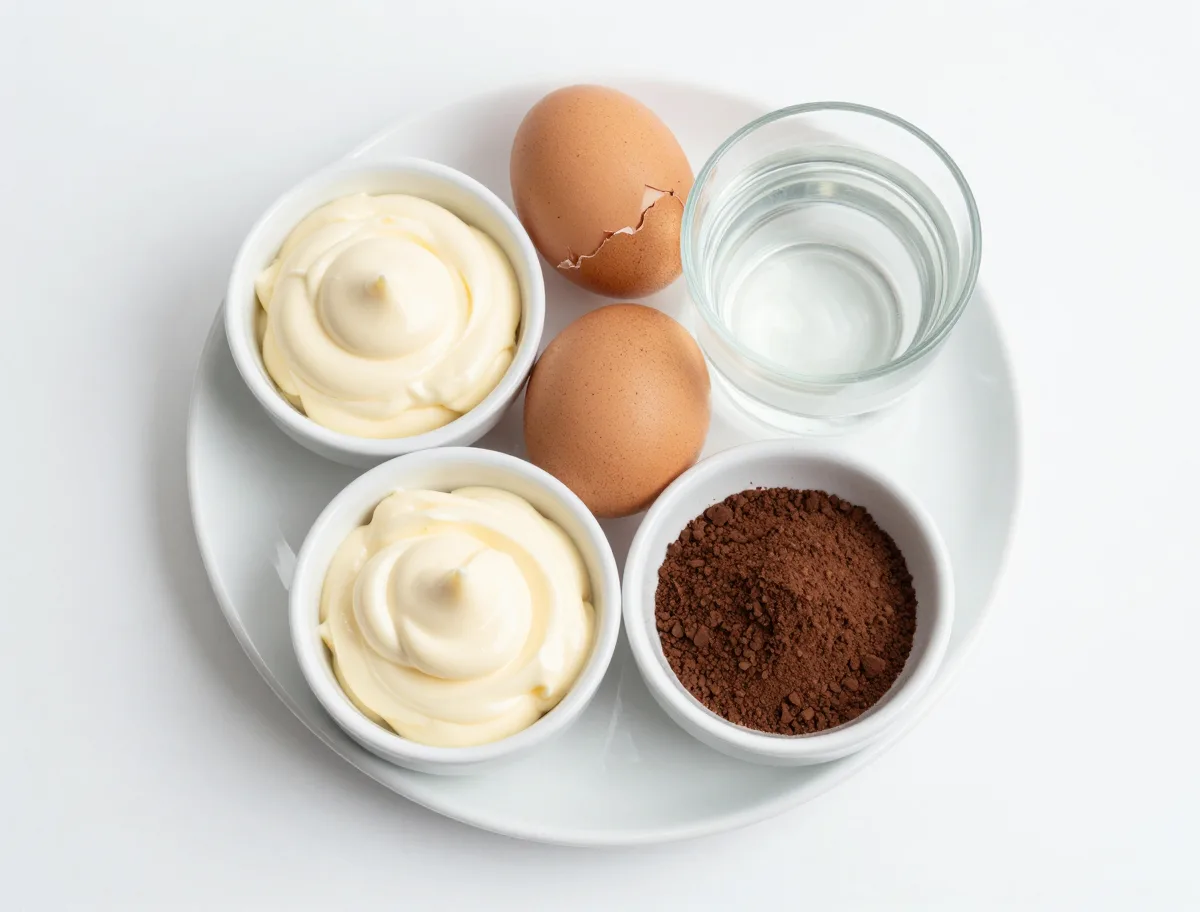
- Use one cup of full-fat mayonnaise for one standard-size box in this richer mayonnaise-cake formula.
- The mayonnaise replaces the package oil; adding both can make the crumb heavy or greasy.
- Water is the neutral, predictable liquid. Milk is an acceptable variation but may produce a slightly richer crumb and more browning.
- The cake mix supplies the flour, cocoa, sugar, salt, leavening, and stabilizers, so the box size matters.
- 1 box chocolate, devil’s food, or chocolate fudge cake mix (approximately 15.25 to 16.5 ounces; do not use the package oil)
- 1 cup full-fat plain mayonnaise (not reduced-fat, flavored, or whipped)
- 3 large eggs(at room temperature if possible)
- 1 cup water (room temperature; milk may be substituted)
- 1 teaspoon instant espresso powder (optional; dissolved in the water)
- 3/4 cup semisweet chocolate chips (optional)
The Best Way to Mix and Bake the Cake
The key technique is controlled mixing: hydrate the dry mix first, then beat only long enough to create a uniform batter. Once the batter is smooth, transfer it promptly and level it so the center and edges bake at the same rate.
- A brief low-speed start prevents dry pockets and reduces flour scattered from the bowl.
- Two minutes at medium speed gives the batter an even texture without unnecessary beating.
- Scrape the bowl once before the final mixing period so mayonnaise does not remain in an unmixed pocket.
- A light-colored 9-by-13-inch metal pan at 350°F is the primary setup; dark pans generally benefit from 325°F.
- Cool the cake completely before frosting so the crumb does not tear and the frosting does not melt.
- Prepare the pan and oven: Heat the oven to 350°F (175°C). Grease a 9-by-13-inch light-colored metal pan and dust it lightly with flour, or use baking spray that contains flour. If using espresso powder, stir it into the water until dissolved.
- Combine the batter: Place the cake mix, mayonnaise, eggs, and prepared water in a large mixing bowl. Mix with an electric hand mixer on low speed for 30 seconds, scraping the bowl once. Increase to medium speed and beat for 2 minutes, stopping when the batter is smooth and evenly blended. Fold in the chocolate chips, if using.
- Fill the pan: Pour the batter into the prepared pan and spread it into an even layer, especially into the corners. Tap the pan once or twice gently on the counter to release large air pockets.
- Bake: Bake on the center rack for 30 to 38 minutes, beginning to check at 30 minutes. The center should look set rather than wet or jiggly, and a toothpick inserted in the middle should come out without raw batter, with a few moist crumbs acceptable. If the top is browning while the center remains wet, loosely cover the pan with foil and continue baking in 3- to 5-minute intervals.
- Cool and serve: Let the cake cool in the pan for 15 minutes, then transfer it to a rack if you plan to remove it from the pan. Cool completely, about 45 to 60 minutes more, before frosting or slicing. Serve plain, dusted with confectioners’ sugar, or topped with chocolate frosting.
How to Tell When Chocolate Mayonnaise Cake Is Done
Bake time is only a guide because box formulas, pan materials, and ovens vary. Judge the cake at the center, where the thickest portion takes longest to set.
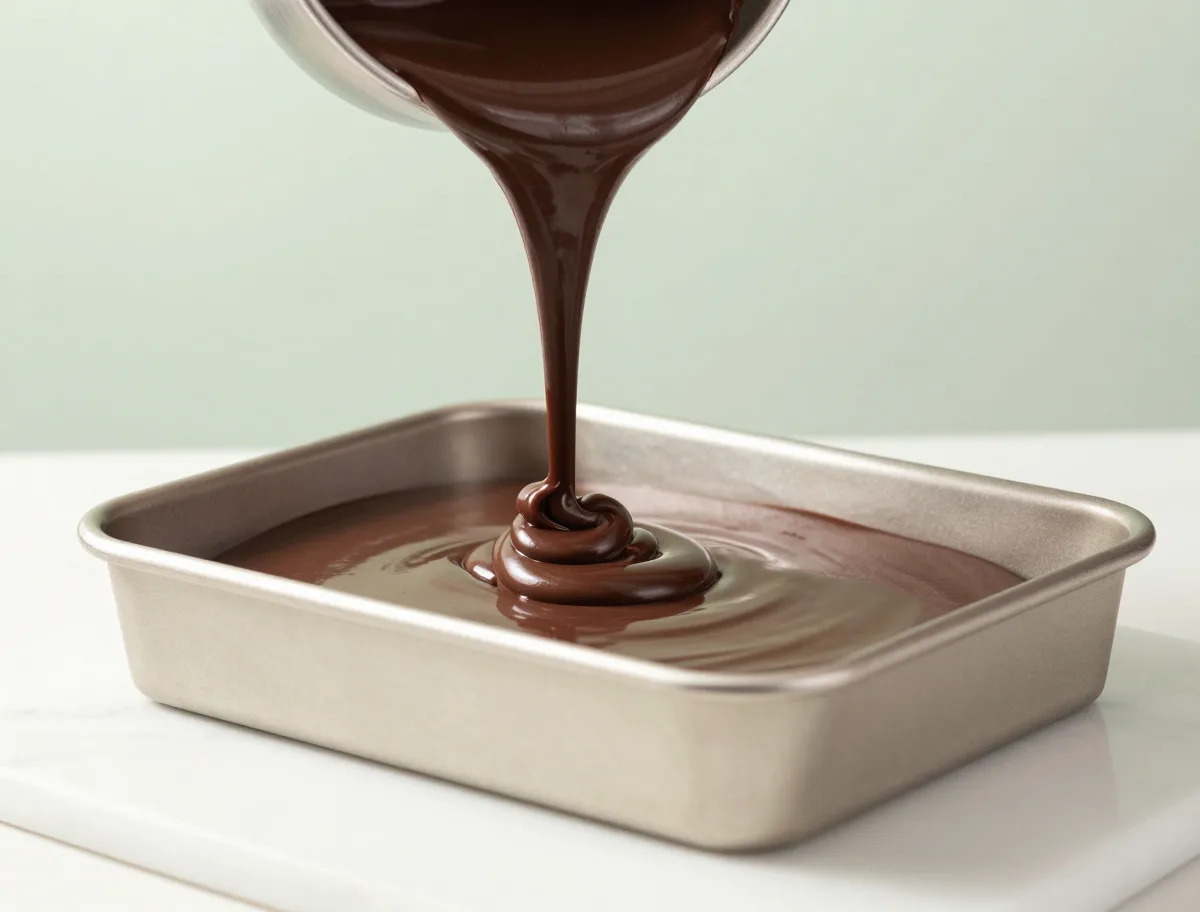
- The top should be set and lightly springy, not shiny, liquid, or visibly rippling.
- A toothpick should emerge free of raw batter; a few moist chocolate crumbs are preferable to a completely dry tester.
- If chocolate chips are included, test in a spot without a chip because melted chocolate can look like underbaked batter.
- Allow the cake to cool before judging its final texture; the crumb continues to firm as it cools.
- The center is visibly set and does not wobble when the pan is moved gently.
- The top springs back slightly when pressed lightly, although a rich cake may retain a faint indentation.
- A toothpick inserted into the exact center shows no wet batter and may carry a few moist crumbs.
- The edges may begin to pull slightly from the sides of the pan.
The Variables That Control Moisture and Structure
Mayonnaise improves tenderness through its fat and emulsifying ingredients, but it does not replace the cake mix’s need for balanced hydration and leavening. Too much total fat or liquid can leave the center unable to support itself after rising.
- Pan depth affects baking speed: a deeper or smaller pan delays the center while the edges continue to cook.
- Dark surfaces absorb heat more quickly, which can set and dry the edges before the middle is ready.
- Oil remains fluid when the cake is cool, helping this cake stay soft longer than many butter-based cakes.
- The mayonnaise must be thoroughly dispersed; unmixed pockets can create greasy streaks and uneven texture.
- Do not add extra liquid, oil, or pudding to the base formula without rebalancing the recipe.
Common Chocolate Mayonnaise Cake Problems and Solutions
Most problems come from a mismatch between the box directions and the mayonnaise formula, or from judging the cake by time alone. Use the following checks to prevent the most common failures.
- Greasy or unusually heavy: the package oil was probably added along with the mayonnaise, or the mayonnaise was not measured accurately. Omit the oil and use a level cup of mayonnaise.
- Sunken or gummy center: the cake was underbaked, the pan was too small or deep, or extra liquid was added. Return an early-tested cake to the oven; a fully cooled collapsed cake cannot be completely restored.
- Dry edges with a wet middle: the oven may be too hot or the pan too dark. Lower the temperature, shield the top if needed, and continue baking until the center is set.
- Dense crumb: dry ingredients may have remained unmixed, or the batter may have been beaten well beyond smooth. Mix to the stated schedule and stop promptly.
- Cake sticks: use flour-containing baking spray or grease and lightly flour the pan, paying special attention to corners and round-pan edges.
- Frosting slides or pulls up crumbs: the cake was still warm. Cool it fully before decorating.
Mayonnaise, Milk, and Cake-Mix Substitutions
The most reliable result comes from making one controlled substitution at a time. Keep the mayonnaise amount, egg count, and liquid consistent unless the selected box gives a substantially different formula.
- Plain full-fat mayonnaise is the preferred choice for a neutral flavor and dependable richness.
- Miracle Whip may work, but it is sweeter, tangier, and more seasoned than regular mayonnaise, so the cake may taste different.
- Replace the water with an equal amount of milk for a fuller dairy flavor; expect slightly different browning and crumb.
- Chocolate, devil’s food, and fudge mixes are all suitable, provided the box is in the standard size range.
- Reduced-fat or flavored mayonnaise may contain a different balance of oil, water, sugar, salt, or acid and should not be assumed equivalent.
Simple Variations That Keep the Cake’s Identity
The recipe is flexible within the boundaries of a mayonnaise-enriched boxed chocolate cake. Small flavor additions and pan changes are straightforward; substantial additions require a separately balanced formula.
- Use devil’s food or chocolate fudge mix for a deeper, fuller cocoa profile.
- Add the optional espresso powder to intensify chocolate flavor without making the cake taste like coffee.
- Fold in a modest amount of semisweet chocolate chips for pockets of melted chocolate.
- Bake the same batter as two 9-inch layers or cupcakes, reducing the time and checking the centers early.
- Pudding-containing mixes can work, but they often produce a denser, moister cake and should not be combined with extra pudding or liquid casually.
- Bundt pans, filled cakes, fruit additions, and large quantities of extra liquid fall outside this tested-style base formula.
How to Serve Chocolate Mayonnaise Cake
This moist chocolate cake is complete on its own, but a simple chocolate finish makes it especially dessert-like. Let a refrigerated cake sit briefly at room temperature before serving so its crumb softens and the chocolate aroma returns.
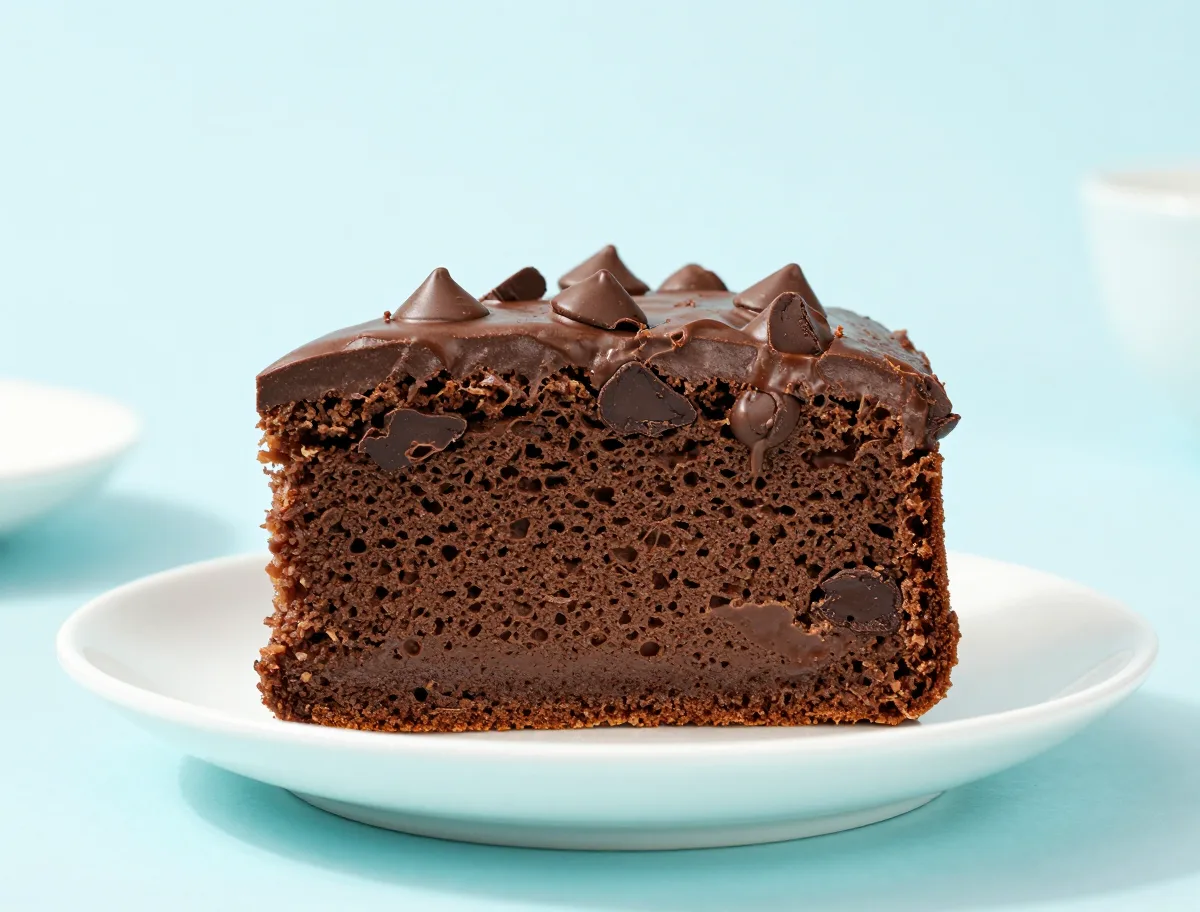
- Serve the cooled sheet cake plain for a less-sweet dessert.
- Dust individual pieces with confectioners’ sugar when you want a quick finish without frosting.
- Pair it with chocolate buttercream, fudge frosting, or chocolate ganache after the cake has cooled completely.
- Vanilla ice cream, lightly sweetened whipped cream, berries, or cold milk provide useful contrast to the rich crumb.
- For clean slices, use a thin knife and wipe the blade between cuts.
How to Store and Freeze Chocolate Mayonnaise Cake
The oil-rich crumb stays pleasant for several days when protected from air. Cool the cake completely before covering it; wrapping a warm cake can trap condensation on the surface.
- Store plain cake or cake covered with shelf-stable American buttercream tightly covered at room temperature for up to 2 to 3 days.
- Refrigerate for longer storage, keeping the cake airtight; quality is generally best within about 1 week. For additional guidance on covered cake storage, refrigeration by topping, freezing, and thawing, see King Arthur Baking’s guidance on how long cake lasts in the fridge.
- Cream cheese, whipped cream, custard, and other perishable toppings require refrigeration.
- Freeze the cooled, unfrosted cake or individual slices tightly wrapped for best quality within 3 to 4 months.
- Thaw wrapped cake in the refrigerator, then bring it toward room temperature before serving.
- Routine reheating is unnecessary and can dry the crumb. If warming a slice, use only a very brief, gentle interval.
Chocolate Cake Mix with Mayonnaise: Your Questions Answered
These practical answers clarify the formula, ingredient choices, pan options, and the most common concerns about a boxed chocolate cake with mayonnaise.
How much mayonnaise should I add to one box of chocolate cake mix?
Use 1 cup of full-fat mayonnaise for one standard box weighing approximately 15.25 to 16.5 ounces. This is the richer mayonnaise-cake approach, so it replaces the package oil.
Should mayonnaise replace the oil in the cake-mix directions?
Yes. Do not add the oil listed on the package to this formula. Mayonnaise already supplies substantial fat, and keeping both can produce a greasy, heavy cake.
How many eggs and how much water are needed?
Use 3 large eggs and 1 cup of water. Water is the baseline liquid; you may replace it with 1 cup of milk for a slightly fuller flavor.
Can I use devil’s food or fudge cake mix?
Yes. Standard chocolate, devil’s food, and chocolate fudge mixes work well. Check the box weight and avoid transferring the formula to unusually small or oversized mixes without adjustment.
Will the baked cake taste like mayonnaise?
It should not when plain full-fat mayonnaise is measured correctly and the batter is thoroughly mixed. Miracle Whip can be more noticeable because it is sweeter, tangier, and seasoned differently.
Can I bake this in a pan other than a 9-by-13-inch pan?
Yes. Two 9-inch round pans generally take about 22 to 28 minutes at 350°F, while cupcakes begin checking at about 18 minutes. Use the center doneness cues rather than relying solely on the clock.
Does the cake need frosting?
No. It is moist and flavorful enough to serve plain or with a dusting of confectioners’ sugar. Chocolate frosting, buttercream, or ganache is optional.
Why did my cake sink in the middle?
The usual causes are underbaking, excess mayonnaise or liquid, an overly deep pan, or opening the oven before the structure has set. A cake that is still in the oven can often be finished in short intervals; a cooled, collapsed cake is not fully repairable.
Why is my cake greasy or dense?
The most likely cause is adding the package oil in addition to the full cup of mayonnaise. Other possibilities include an inaccurate mayonnaise measure, incomplete mixing, or excessive beating after the batter became smooth.