Apple Pudding Cake Recipe with Warm Caramel Sauce
This apple pudding cake recipe bakes into a tender cinnamon-apple cake with a rich brown-sugar sauce beneath it. Serve it warm in bowls with vanilla ice cream.
What Makes This an Apple Pudding Cake?
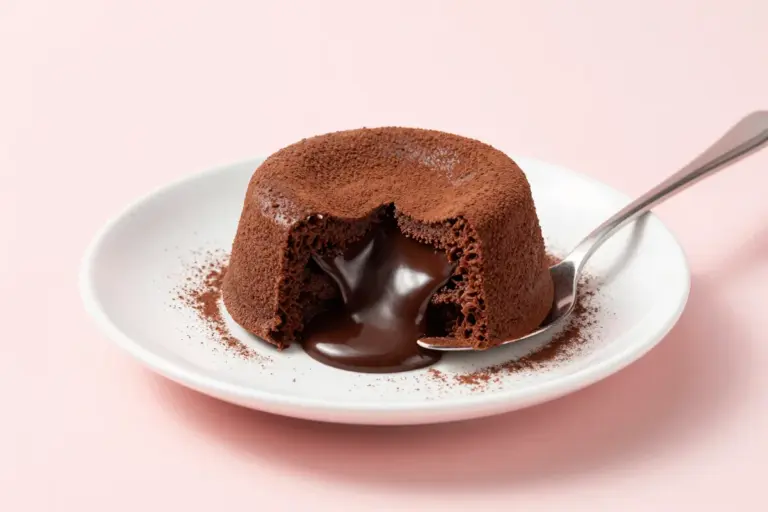
Unlike a standard apple cake, this dessert is assembled with a separate hot brown-sugar liquid that travels beneath the batter as it bakes. The result is a lightly set cake layer, tender apples, and a warm, caramel-like sauce pooled underneath.
- It is a baked self-saucing dessert, not a cake finished with sauce afterward.
- The top should be cake-like and lightly browned; the bottom should remain thick, glossy, and spoonable.
- Serve it from the dish in bowls so the cake and sauce stay together.
Why the Ingredients Matter
The batter is deliberately thick enough to rise above the sauce while remaining tender. All-purpose flour and egg provide structure, baking powder supplies lift, and milk plus butter keep the crumb soft. Brown sugar brings both sweetness and the deeper molasses flavor associated with caramel and butterscotch.
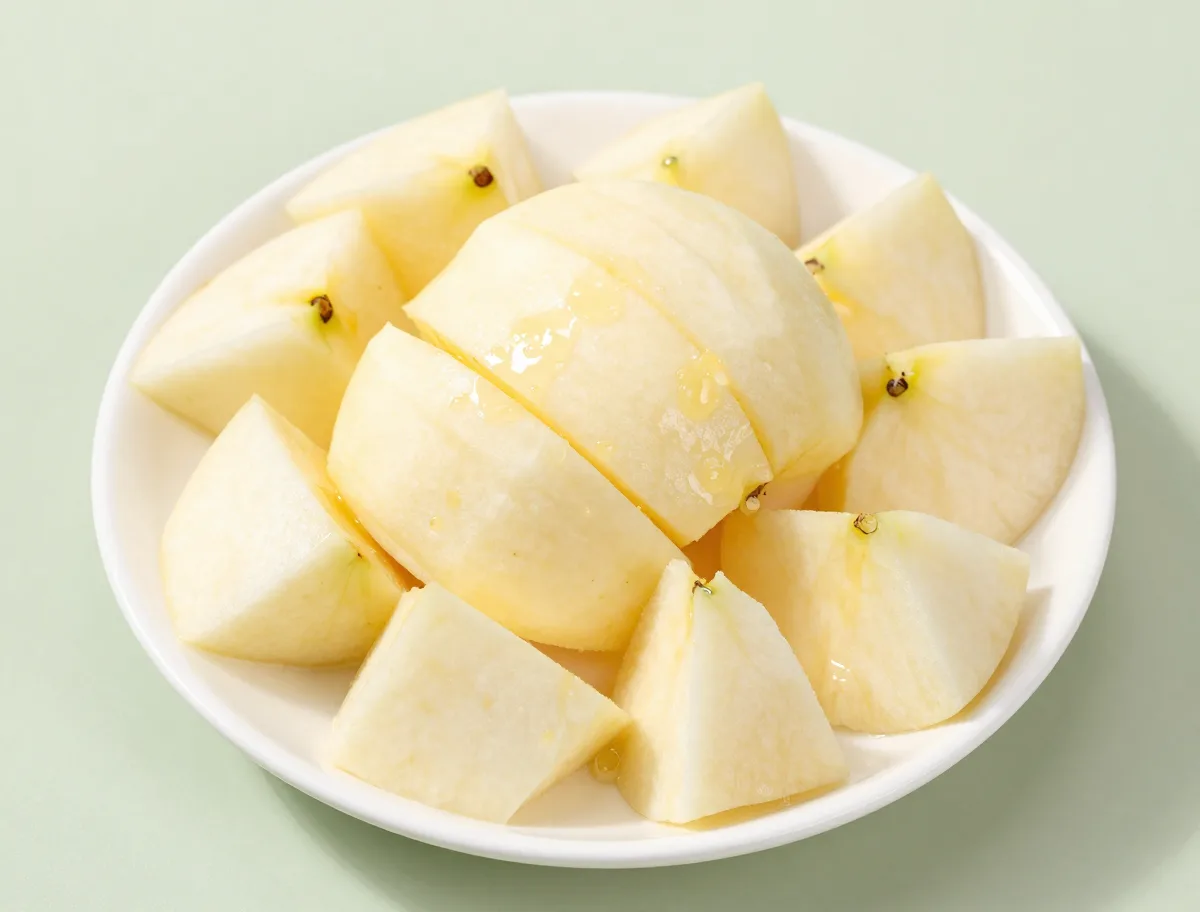
- Firm apples release moisture gradually and remain recognizable after baking.
- Slicing the apples creates a distinct fruit layer; smaller pieces would distribute the fruit more evenly through the cake.
- Cornstarch helps the brown-sugar liquid thicken into a sauce rather than remain watery.
- Cinnamon leads the spice profile, while a small amount of nutmeg adds warmth without overpowering the apples.
Firm apples such as Granny Smith, Pink Lady, Braeburn, Cortland, or firm Golden Delicious work well. For additional guidance on choosing firm baking apples and managing fruit moisture, see this apple selection guidance from King Arthur Baking.
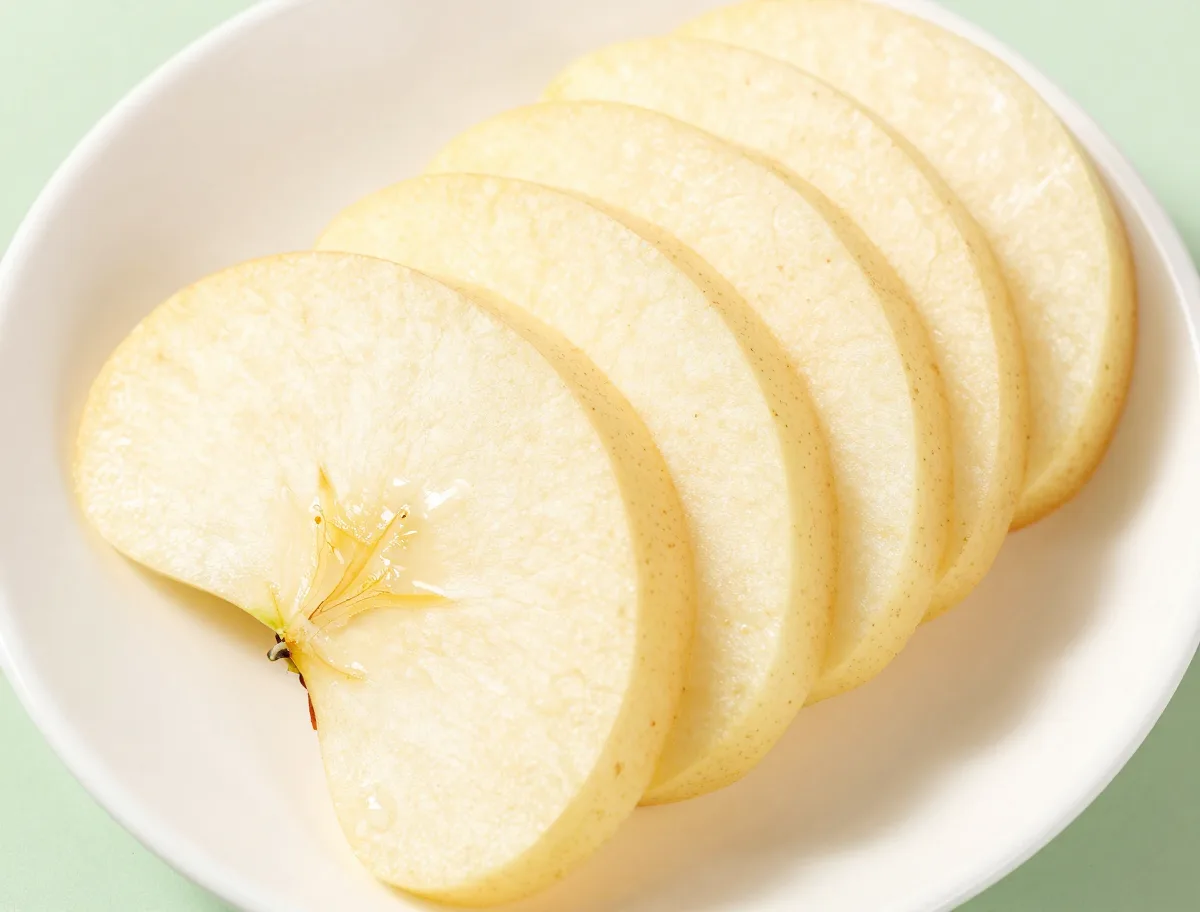
- About 3 medium (450 grams) firm apples, peeled, cored, and cut into 1/4-inch slices
- 1 1/2 cups all-purpose flour
- 1 1/2 teaspoons baking powder
- 1 1/2 teaspoons ground cinnamon
- 1/4 teaspoon ground nutmeg
- 1/2 teaspoon fine salt, divided
- 6 tablespoons unsalted butter, melted and divided
- 1/2 cup light brown sugar, packed, for the cake
- 1 large egg, at room temperature
- 2 teaspoons vanilla extract
- 1/2 cup whole milk
- 3/4 cup dark brown sugar, packed, for the sauce
- 2 teaspoons cornstarch
- 1 1/4 cups boiling water
How to Assemble the Self-Saucing Cake
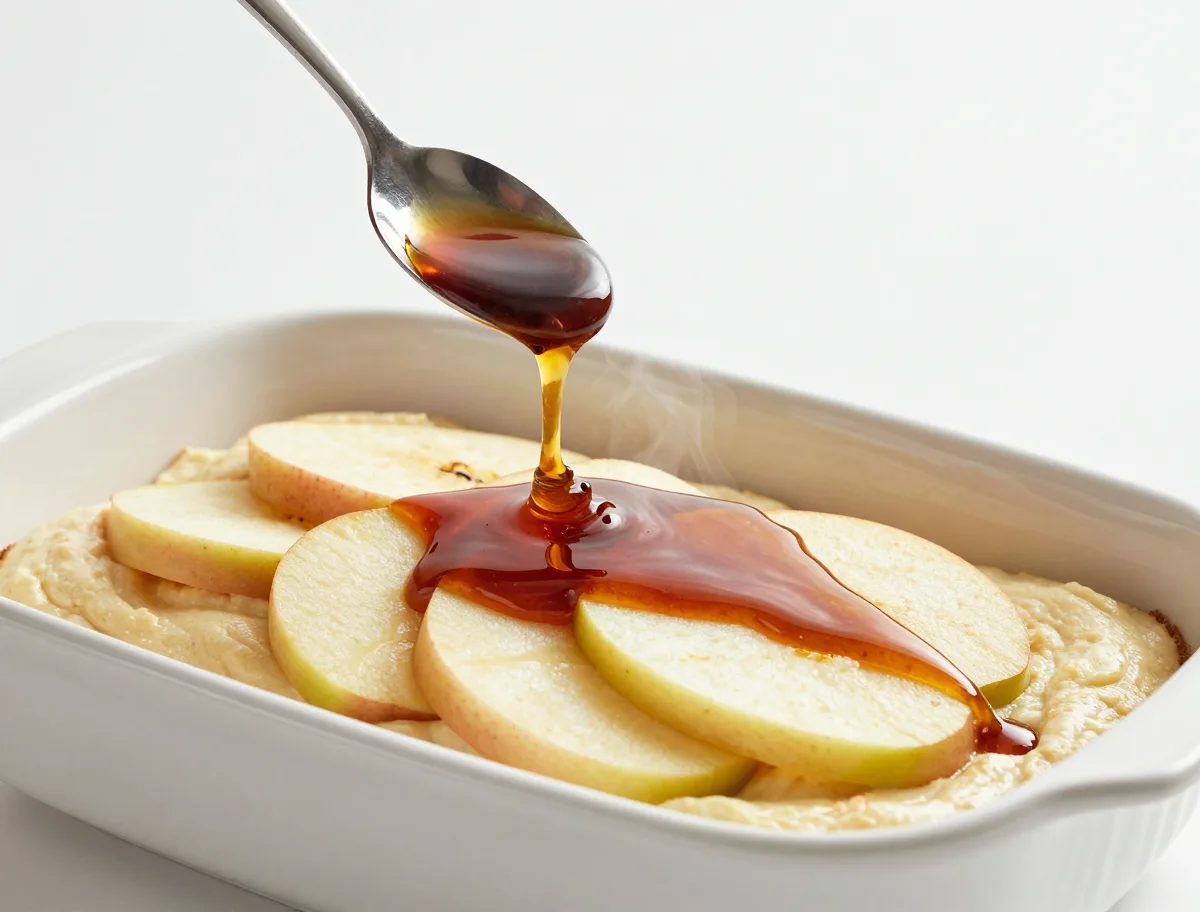
Keep the batter, apples, and sauce as separate layers until the dish goes into the oven. Mix the batter only until combined, spread it over the fruit, and pour the hot liquid slowly over the back of a spoon. This diffuses the stream and protects the batter from being punched through or stirred.
- Use evenly sized apple slices so they soften at the same rate.
- Add the sauce immediately before baking; resting the assembled dish can make the batter gummy.
- Never stir after the sauce has been poured over the batter.
- A deep dish with headspace is important because the cake rises and the sauce can bubble vigorously.
- Prepare the pan and oven: Heat the oven to 350°F (175°C). Lightly grease a deep 8-inch square baking dish with a little of the melted butter, leaving enough room for the cake to rise and the sauce to bubble. Set the dish on a rimmed baking sheet.
- Make the spiced batter: Whisk the flour, baking powder, cinnamon, nutmeg, and 1/4 teaspoon of the salt in a medium bowl. In a separate bowl, whisk the remaining melted butter with the cake brown sugar, egg, and vanilla until smooth. Whisk in the milk, then fold in the dry ingredients just until no dry streaks remain. Do not overmix.
- Layer the apples and batter: Arrange the apple slices in an even layer in the prepared dish. Spoon the batter over the apples and spread it gently to the edges. The batter will be thick and may not completely hide every apple slice.
- Prepare the brown-sugar sauce: Whisk the dark brown sugar, cornstarch, and remaining 1/4 teaspoon salt in a heatproof measuring jug. Whisk in the boiling water and the remaining melted butter until the sugar is mostly dissolved and the mixture is fluid.
- Add the sauce without stirring: Slowly pour the hot sauce over the back of a spoon held just above the batter, moving across the surface so the liquid spreads gently. Do not stir or try to combine the sauce with the batter.
- Bake until the cake layer is set: Bake immediately for 45 to 55 minutes, rotating the dish once halfway through. The top should be golden and lightly spring back when pressed. Insert a skewer only into the upper cake layer; it should show moist crumbs but no wet batter. The sauce beneath will remain glossy and spoonable, and should bubble at the edges.
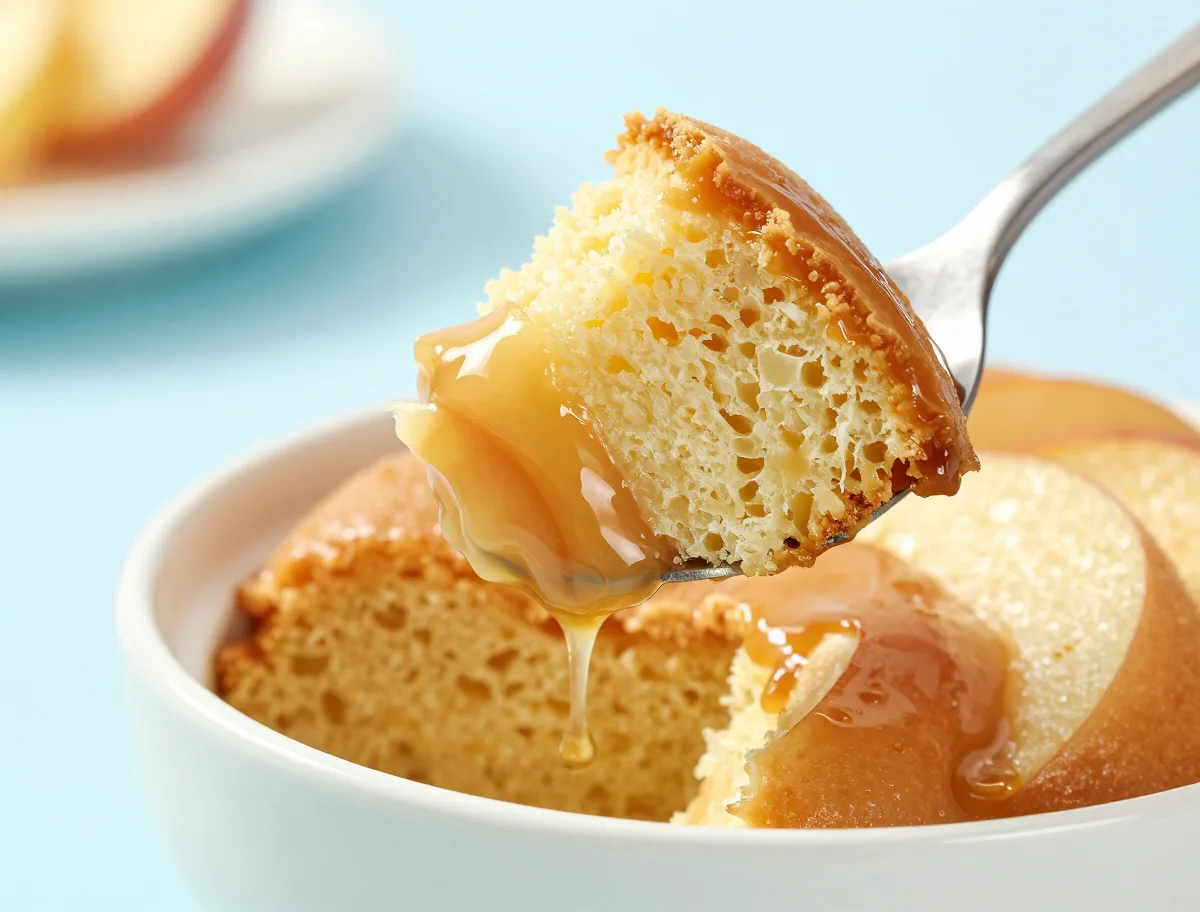
- Rest and serve warm: Let the pudding cake stand for 5 to 10 minutes. Spoon portions into shallow bowls, making sure each serving includes sauce from the bottom of the dish. Serve warm with vanilla ice cream, if desired.
How to Tell When Apple Pudding Cake Is Done
Judge the cake and sauce separately. The cake portion must be set even though the bottom is intentionally wet. A skewer is useful only when inserted into the upper cake layer; if it reaches the bottom, encountering sauce is expected and does not mean the cake is underbaked.
- Look for a golden top with a slight spring-back in the center.
- The skewer should emerge with a few moist crumbs but no liquid batter.
- The sauce should be glossy and thick enough to spoon, not dry or fully absorbed.
- Resting for 5 to 10 minutes allows the sauce to settle while keeping the dessert warm.
- The cake surface is golden, dry-looking, and lightly springy.
- A skewer inserted into the cake layer, without reaching the bottom, shows moist crumbs rather than wet batter.
- The sauce bubbles around the edges and looks glossy beneath the set cake.
- The apples are tender when pierced but still retain their shape.
Why the Sauce Forms Beneath the Cake
The hot sugar liquid supplies the extra moisture that makes this dessert self-saucing. As the batter heats, flour starch and egg proteins create a cake structure that rises toward the surface, while the sugar liquid moves downward and thickens around the apples.
- Apple water content is a major variable; juicy, soft fruit can make the cake layer take longer to set.
- The cornstarch thickens as it heats, while brown sugar concentrates into a richer syrup.
- A shallow dish can evaporate too much moisture, while an overly deep or crowded dish may leave the center underbaked.
- The sauce gradually soaks into the cake during holding, so the clearest cake-and-sauce contrast occurs soon after baking.
Common Apple Pudding Cake Mistakes
Most problems come from disturbing the layers, using overly wet fruit, or judging doneness by the sauce instead of the cake. Prevention is more effective than correction because the sauce and crumb are formed together in the oven.
- Wet cake layer: Bake until the top is set and test only the cake portion. Very juicy apples, an overfilled dish, or insufficient baking time can contribute.
- Thin sauce: Allow the cake to rest briefly. If it remains watery, the dish may have held too much liquid or the sauce may not have heated sufficiently.
- Dry cake: Check earlier and avoid extending the bake simply because the bottom remains fluid; the sauce is supposed to stay moist.
- Uneven fruit: Slice the apples consistently and spread them in one even layer rather than piling them in the center.
- Disturbed or collapsed top: Pour gently and do not stir after adding the hot sauce.
- Overflow: Use the specified deep dish and a rimmed baking sheet, leaving visible headspace.
Useful Ingredient Substitutions
The recipe is most forgiving with the apple variety, brown-sugar shade, and milk. Changes to the flour, egg, or thickener are more consequential because those ingredients control the separation between cake and sauce.
- Light brown sugar can replace dark brown sugar in the sauce, though the flavor and color will be milder.
- Unsweetened almond milk or another unsweetened plant milk can replace whole milk, with a slightly less rich crumb.
- Granny Smith, Pink Lady, Braeburn, Cortland, Fuji, and firm Golden Delicious are suitable alternatives when used at a similar weight.
- A one-to-one gluten-free flour blend may work, but absorption varies by brand and the cake may be less predictable.
- Do not casually replace the egg or cornstarch; either change can alter the cake’s structure or leave the sauce too thin or gummy.
Apple Pudding Cake Variations
Variations work best when they preserve the defining feature: the sauce forms in the baking dish beneath the cake. Changing the apple cut or spice emphasis is straightforward, while changing the sauce method creates a different dessert.
- Use small apple dice instead of slices for fruit distributed throughout the cake; keep the total apple quantity the same.
- Add a pinch of ground ginger or allspice alongside the cinnamon for a more pronounced apple-spice profile.
- Grated apples create a more integrated, very moist cake and may blur the distinct fruit layer; they are not a direct texture match for this sliced-apple version.
- A caramel or butterscotch sauce poured over a separately baked apple cake is an apple cake with sauce, not a self-saucing pudding cake.
- Egg-free, cobbler-style versions are possible, but they produce a denser, less cake-like topping.
How to Serve Apple Pudding Cake
Give the cake a short rest, then serve it warm in shallow bowls. Spoon from the bottom of the dish so every portion receives the brown-sugar sauce rather than treating the dessert like a conventional cake to be sliced and plated dry.
- Vanilla ice cream is the classic pairing: it melts into the warm sauce and balances the cinnamon-spiced apples.
- Whipped cream, lightly sweetened cream, crème fraîche, or custard are good alternatives.
- A small pinch of flaky salt over the finished portion can sharpen the caramel flavor if desired.
- The dessert is at its best on the day it is baked, while the sauce is still distinct from the crumb.
How to Store, Freeze, and Reheat Apple Pudding Cake
Serve this dessert the day it is made for the best separation between tender cake and flowing sauce. As it sits, the sauce is gradually absorbed into the crumb, so leftovers remain enjoyable but become more like a moist apple cake.
- Cool leftovers, cover them, and refrigerate within 2 hours; keep the refrigerator at 40°F (4°C) or below.
- For best quality, eat refrigerated leftovers within 2 to 3 days, and do not exceed standard leftover safety guidance.
- Reheat individual portions covered in the microwave in 20- to 30-second intervals, or cover and warm gently in a moderate oven until hot throughout.
- For safety, reheated leftovers should reach 165°F (74°C). See the FDA’s food-storage and safe reheating guidance for additional food-safety information.
- Freezing is possible for up to about 2 months, but the apples may soften and the sauce may separate or disappear into the cake after thawing.
Recipe notes: The boiling liquid is intentional. It forms the sauce during baking, so do not reduce it or stir it into the batter. This dessert is designed to be served from its baking dish rather than unmolded into neat slices.