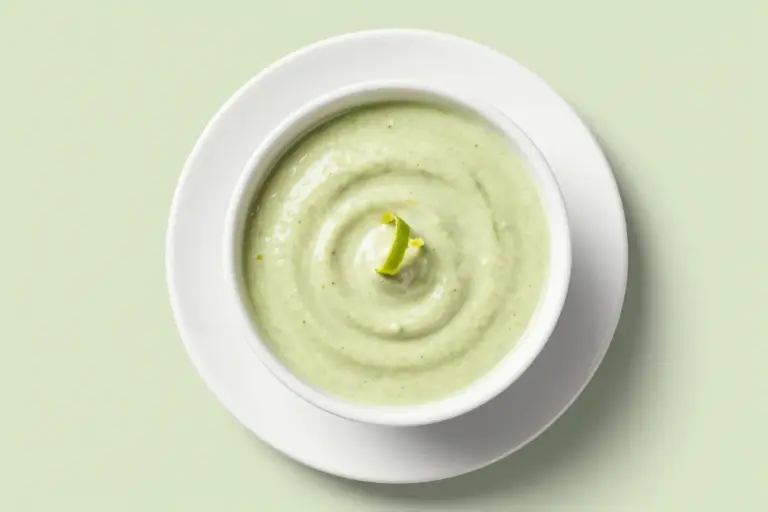
Baked Chicken Recipes With Broccoli: Ranch Chicken
This baked chicken recipe with broccoli pairs juicy ranch-seasoned chicken breast with crisp Parmesan-panko coating and tender, browned broccoli in one easy sheet-pan dinner.
What to Expect from This Baked Ranch Chicken with Broccoli
This is a dry-roasted sheet-pan dinner rather than a saucy casserole. The chicken is protected by a thin ranch-yogurt coating and a crisp Parmesan-panko crust, while the broccoli stays exposed to the oven so its edges brown instead of turning watery.
- Use evenly thick chicken cutlets for juicy, consistently cooked meat.
- Expect savory ranch flavor, a lightly crisp topping, and broccoli that is tender-crisp with browned edges.
- The meal is complete on its own but can be served with a starch when a heartier dinner is wanted.
Why the Key Ingredients Work
The recipe relies on a few functional choices. Greek yogurt gives the seasoning something to cling to and helps shield lean breast meat from drying, while panko creates a lighter, crunchier crust than fine crumbs. Parmesan contributes savory depth and browns readily. Olive oil is used separately on the broccoli to encourage roasted edges without adding a wet sauce to the pan.
- Dry ranch seasoning supplies the main salt, garlic, onion, herb, and tangy profile; its sodium level varies by brand.
- Freshly dried broccoli browns more effectively than wet florets.
- Medium florets are large enough to stay moist inside while still finishing during the chicken’s final bake.
Ingredients
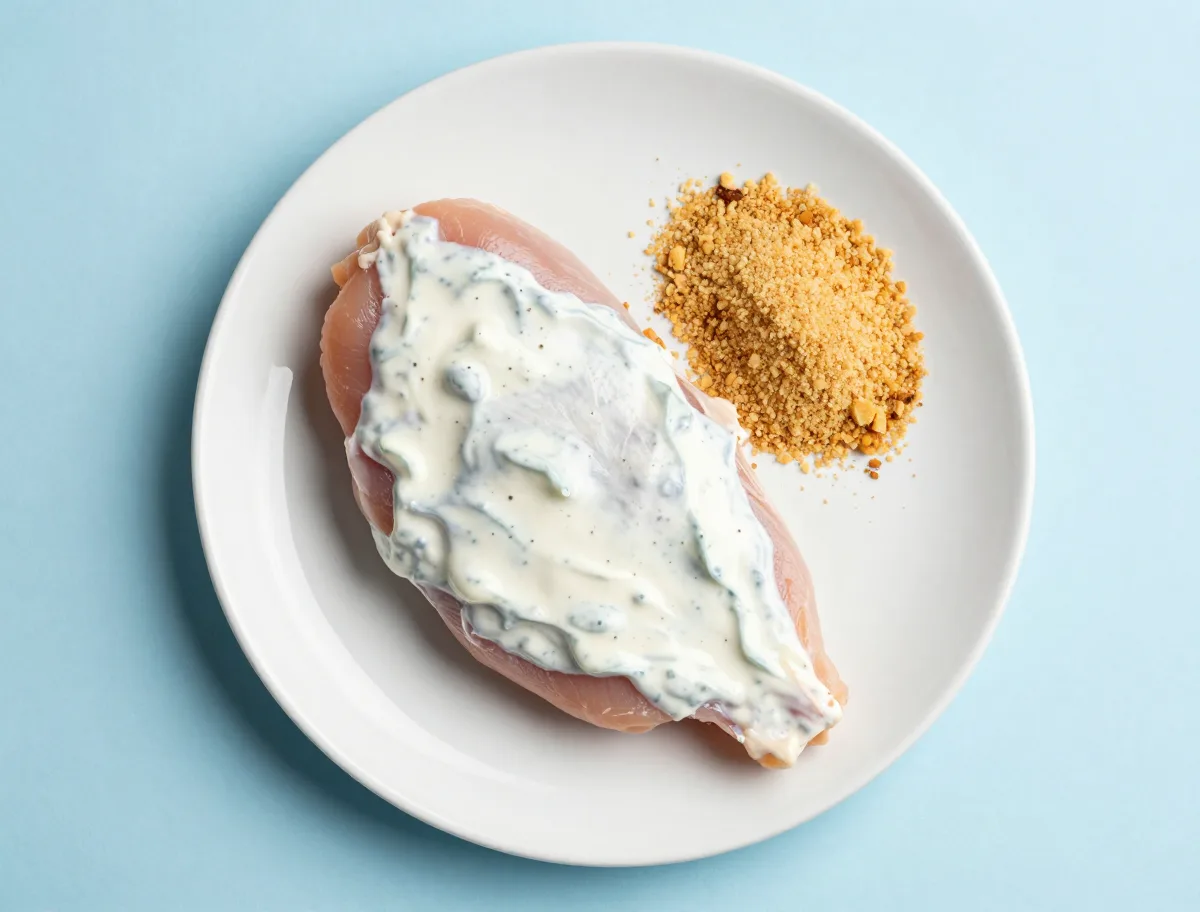
- 1 1/2 pounds boneless, skinless chicken breasts, cut into 4 even cutlets, about 1/2 to 3/4 inch thick
- 1 1/2 pounds fresh broccoli, cut into medium, evenly sized florets and dried thoroughly
- 3 tablespoons olive oil
- 1/4 cup plain Greek yogurt
- 3 tablespoons dry ranch seasoning, divided
- 1/2 cup panko breadcrumbs
- 1/3 cup finely grated Parmesan cheese
- 1/4 teaspoon black pepper
- 1 tablespoon fresh lemon juice
- 2 tablespoons fresh parsley, chopped, optional
The Technique for Juicy Chicken and Browned Broccoli
Thickness and spacing matter more than chasing an exact minute count. Slice or gently pound the breasts until the cutlets are close in thickness, and dry both the chicken and broccoli before seasoning. Starting the chicken first allows the broccoli to roast during the portion of the bake when the chicken is nearing completion.
- Keep the yogurt coating thin; too much moisture will soften the crumb crust.
- Arrange the food in one layer with visible gaps, using a second pan if necessary.
- Add the broccoli after the chicken’s 8-minute head start when using medium florets and breast cutlets.
- Do not wash raw chicken; patting it dry is sufficient and avoids spreading poultry juices around the kitchen.
Instructions
- Heat the oven and prepare the pan: Heat the oven to 425°F (220°C). Line a large rimmed sheet pan with parchment if desired. Pat the chicken and broccoli very dry; moisture on either ingredient will limit browning.
- Season the chicken: Stir the Greek yogurt with 1 tablespoon of the ranch seasoning and spread the mixture in a thin layer over both sides of the chicken. Combine the panko, Parmesan, black pepper, and another 1 tablespoon of ranch seasoning in a shallow dish. Press the crumb mixture onto the top of each cutlet, then lightly brush the crumb surface with 1 tablespoon of the olive oil.
- Give the chicken a head start: Place the chicken on one side of the sheet pan, leaving space around each piece. Bake for 8 minutes. The crumb topping should still be pale to lightly golden at this stage.
- Add the broccoli: Toss the broccoli with the remaining 2 tablespoons olive oil and remaining 1 tablespoon ranch seasoning. Arrange it in a single layer on the open side of the pan, with the florets spread apart and cut sides facing down where practical. Return the pan to the oven.
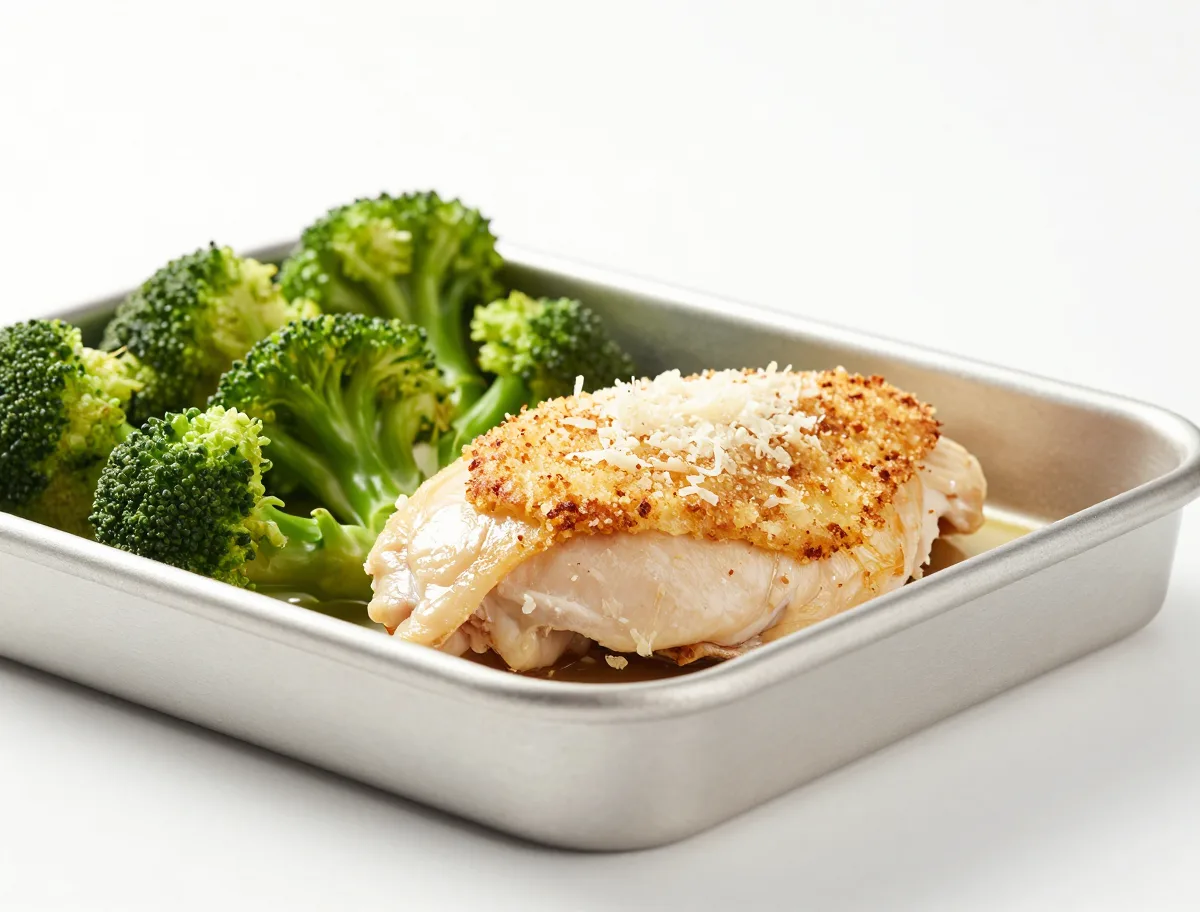
- Bake until done: Continue baking for 12 to 16 minutes, rotating the pan once if the oven browns unevenly. The largest chicken cutlet must register 165°F (74°C) in its thickest part, and the broccoli should have browned tips with stems that are fork-tender but not mushy. Remove the chicken as soon as it reaches temperature; if the broccoli needs more color, leave it in the oven for a few additional minutes.
- Rest and finish: Transfer the chicken to a plate and let it rest for 5 minutes. Sprinkle with the lemon juice and chopped parsley, if using, and serve with the roasted broccoli.
How to Tell When the Chicken and Broccoli Are Done
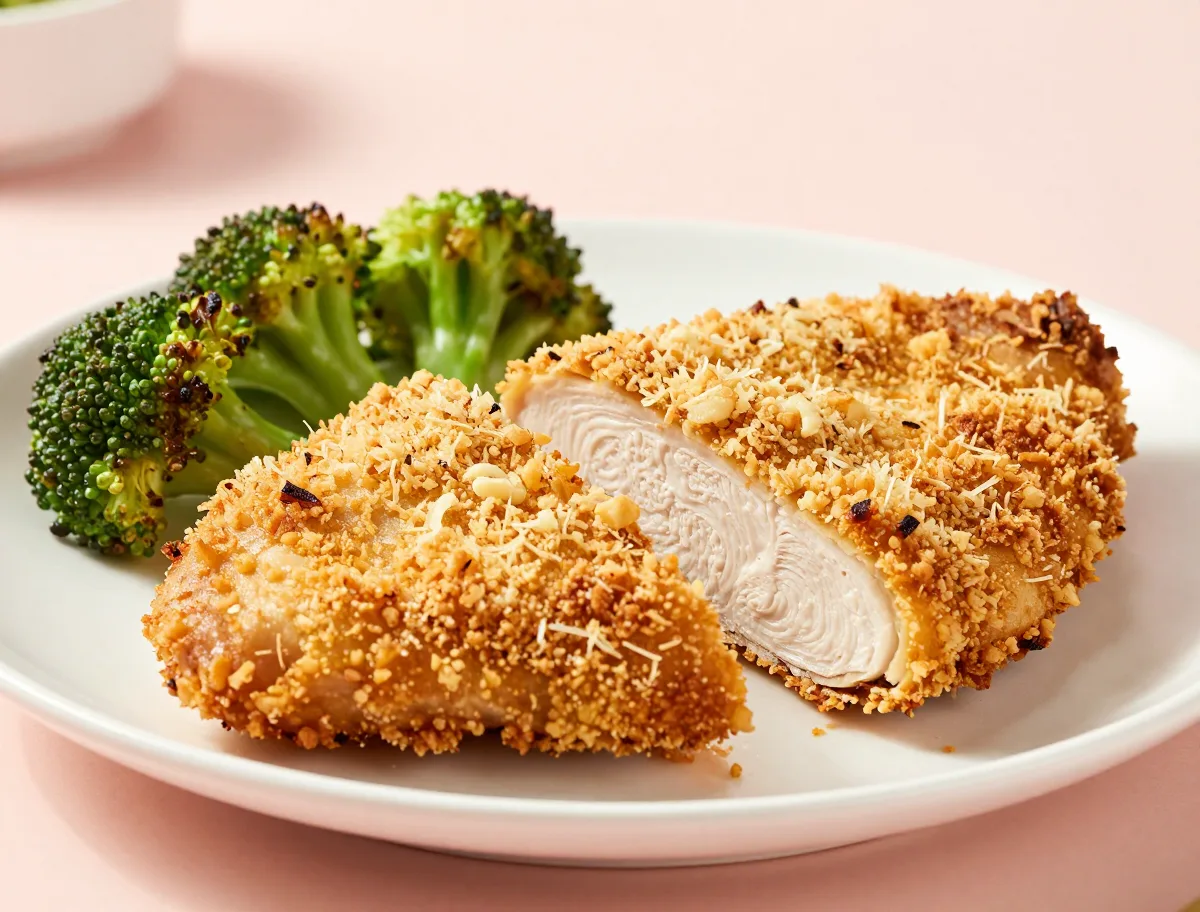
A thermometer is the decisive test for the chicken. Insert it into the thickest part of the largest cutlet from the side when possible. Color and firmness are useful supporting cues, but they cannot establish poultry safety on their own.
- Remove the chicken when it reaches 165°F (74°C); the meat should be opaque and firm without feeling rigid.
- The crumb topping should be golden and dry to the touch rather than damp or pale.
- Broccoli is ready when its tips are browned and its stems are tender enough for a knife to enter with slight resistance.
- Rest the chicken for about 5 minutes after it reaches the safe temperature for better serving texture.
Doneness Cues
- Chicken is opaque and firm but not hard, with a browned crumb coating.
- The thickest part of every chicken piece reaches 165°F (74°C) on an instant-read thermometer.
- Broccoli has browned or lightly charred tips and tender-crisp stems that yield to a fork while retaining their shape.
The Variables That Control Browning and Moisture
Roasting works when the oven can evaporate surface moisture quickly. Crowded food releases steam into the same small space, lowering browning and leaving broccoli soft. Chicken thickness controls how long heat takes to reach the center, while small florets cook faster than large ones; the recipe balances those variables with a staggered start.
- A large pan and dry surfaces promote evaporation and browning.
- Small broccoli pieces may finish before the chicken, so add them later or use larger florets.
- Dark pans and top-rack positions can brown ranch seasoning and crumbs quickly; monitor the crust toward the end.
- A thermometer is more dependable than a fixed cooking time because ovens, pans, and chicken thickness vary.
For additional guidance on drying, spacing, sizing, and roasting broccoli for browned edges, see Serious Eats’ roasted broccoli guidance.
Common Baked Ranch Chicken Mistakes and Fixes
Most disappointing results come from uneven chicken, excess moisture, or too little room on the pan. Correct the underlying problem rather than simply extending the cooking time, since extra oven time can dry the chicken without improving the broccoli.
- Dry chicken: use thinner, even cutlets and begin checking temperature before the end of the estimated bake time.
- Soggy broccoli: dry it thoroughly, reduce crowding, and avoid adding ranch sauce or other liquid to the pan.
- Pale broccoli: increase spacing or use a second pan instead of piling florets together.
- Burnt crumbs: move the pan to a lower rack or loosely cover the chicken with foil while the broccoli finishes.
- Chicken done before broccoli: remove the chicken to rest and continue roasting the broccoli separately.
- Broccoli done first: remove it temporarily and return it briefly after the chicken is cooked if you want it warm without over-softening it.
Substitutions for Different Diets and Pantry Needs
The roasted chicken-and-broccoli structure is flexible, but substitutions change moisture, browning, or flavor. Use the same thermometer endpoint for every chicken-cut change, and adjust the arrangement rather than relying on the original timing blindly.
- Boneless thighs are more forgiving and richer than breasts; tenders or thin cutlets cook faster.
- For gluten-free chicken, use certified gluten-free ranch seasoning and gluten-free panko, or omit the crumbs entirely.
- For dairy-free chicken, use dairy-free ranch seasoning and a thin layer of dairy-free mayonnaise or oil instead of Greek yogurt and Parmesan.
- For a low-carb version, omit the panko and serve the ranch-seasoned chicken and broccoli without a starch.
- Frozen broccoli can be used, but remove ice, blot it dry, allow extra room, and expect softer, less browned florets.
- Mayonnaise makes a richer, more protective coating; Greek yogurt is tangier and leaner but can brown differently.
Easy Variations on Oven-Baked Ranch Chicken
These variations preserve the recipe’s identity: ranch-seasoned chicken and oven-roasted broccoli remain the central pairing. Change one texture or flavor element at a time so the pan does not become overly wet.
- For a lighter roasted version, replace the yogurt-and-crumb coating with a thin coating of olive oil and ranch seasoning on the chicken; keep the broccoli oil-based.
- For extra crunch, use panko with Parmesan as written and lightly oil the crumb surface.
- For a cheesy finish, scatter shredded cheddar over the chicken during the final 3 to 5 minutes so it melts without scorching.
- For a lemon-herb direction, finish with lemon juice and parsley, or replace the parsley with dill or scallions.
- A cream-heavy sauce, rice baked into the pan, or a fully enclosed casserole requires different liquid management and should not be substituted directly into this dry-roasting method.
What to Serve with Ranch Chicken and Broccoli
Serve the chicken soon after its brief rest so the crust stays at its best and the broccoli retains its roasted edges. Lemon and parsley add freshness to the ranch-and-Parmesan combination without introducing enough liquid to soften the vegetable.
- Serve the chicken and broccoli as a complete low-carb dinner.
- Add steamed rice, quinoa, couscous, pasta, roasted potatoes, or crusty bread for a more substantial plate.
- If offering extra ranch dressing, serve it at the table or drizzle it only at the last moment to protect the roasted broccoli and crust.
How to Store, Freeze and Reheat Baked Ranch Chicken
For meal prep, cool the chicken and broccoli promptly and portion them in shallow, covered containers. Refrigerate within 2 hours of cooking, or within 1 hour when the surrounding temperature is above 90°F, and use refrigerated leftovers within 3 to 4 days.
- Keep the refrigerator at 40°F (4°C) or below and the freezer at 0°F (-18°C) or below.
- Freeze airtight portions for best quality; thaw in the refrigerator before reheating when possible.
- The chicken remains safe when reheated to 165°F (74°C) throughout, although the broccoli and crumb coating will soften.
- Use a 350°F oven or toaster oven for better surface texture, or reheat a covered portion in the microwave for convenience.
- Store rice, sauce, and fresh garnishes separately when possible.
Baked Chicken with Broccoli: Your Questions Answered
Timing depends on chicken thickness, floret size, pan space, and the amount of coating. These practical guidelines explain how to adapt the recipe without compromising safety or texture.
Can chicken breast and broccoli bake together on one pan?
Yes. Even breast cutlets and medium broccoli florets work well when the chicken starts first and the broccoli is added 8 minutes later. If the chicken is very thick or the broccoli is unusually small, adjust the timing and use the thermometer rather than forcing both components to finish together.
Are chicken thighs better than chicken breasts for this recipe?
Neither is universally better. Breasts are leaner and take the crisp coating well but require more careful temperature control. Boneless thighs are richer and more forgiving; cook them to 165°F and expect a different, juicier texture.
Can I use frozen broccoli?
Yes, but remove loose ice and blot away as much moisture as possible. Spread it widely on the pan and expect less browning and a softer texture than with fresh broccoli.
How do I make the ranch chicken extra crispy?
Use a thin yogurt or mayonnaise coating, press on panko mixed with Parmesan, lightly oil the crumb surface, and leave plenty of space around the chicken. Extra wet coating or a crowded pan will make the crust softer.
Can I make this recipe creamy or cheesy?
For a cheesy version, add cheddar during the last 3 to 5 minutes. A thin Greek-yogurt or mayonnaise ranch coating is also suitable. A large amount of cream sauce changes the dish into a softer casserole and requires a separate method.
Is this baked ranch chicken gluten-free or low-carb?
It can be. Use certified gluten-free ranch seasoning and gluten-free panko for a gluten-free version. For low-carb cooking, omit the panko and any starch served alongside the chicken.
What temperature must the chicken reach?
Every piece must reach 165°F (74°C) in its thickest portion, measured with an instant-read thermometer. Cooking time, color, and clear juices are not reliable substitutes for this check.
How long do the leftovers keep?
Refrigerated leftovers should generally be used within 3 to 4 days when cooled promptly and kept at 40°F or below. Reheat individual portions to 165°F throughout and expect the broccoli and crumb topping to be softer.
Food Safety for Baked Ranch Chicken
Handle raw poultry separately from ready-to-eat foods, wash your hands after touching it, and clean boards, utensils, and work surfaces thoroughly. Do not rinse the chicken, since splashing can spread raw poultry juices.
- Cook every chicken cutlet to a minimum internal temperature of 165°F (73.9°C), measured in the thickest part.
- Thaw frozen chicken in the refrigerator, cold water, or microwave; chicken thawed in cold water or the microwave should be cooked immediately.
- Refrigerate or freeze the finished meal within 2 hours, or within 1 hour above 90°F.
- Reheat leftovers to 165°F throughout, checking the center of thick pieces for cold spots.
For official poultry and leftover reheating recommendations, consult the USDA safe cooking temperature guidance.