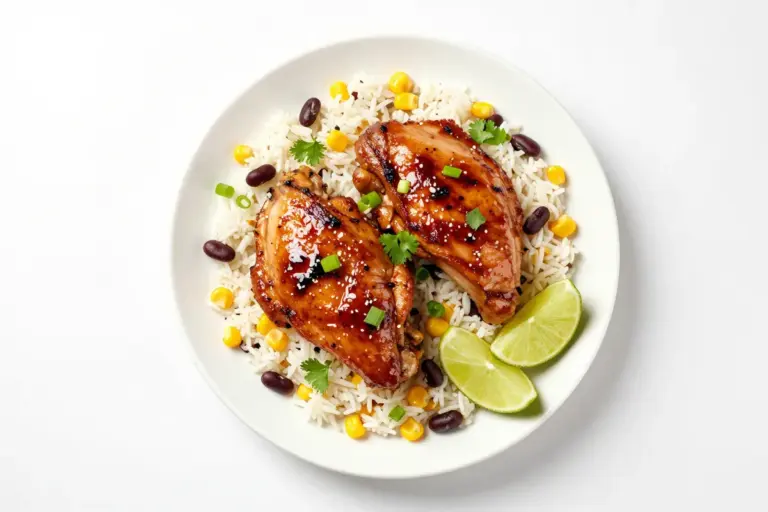
Broiled Chicken Thighs Recipe for Crispy, Juicy Meat
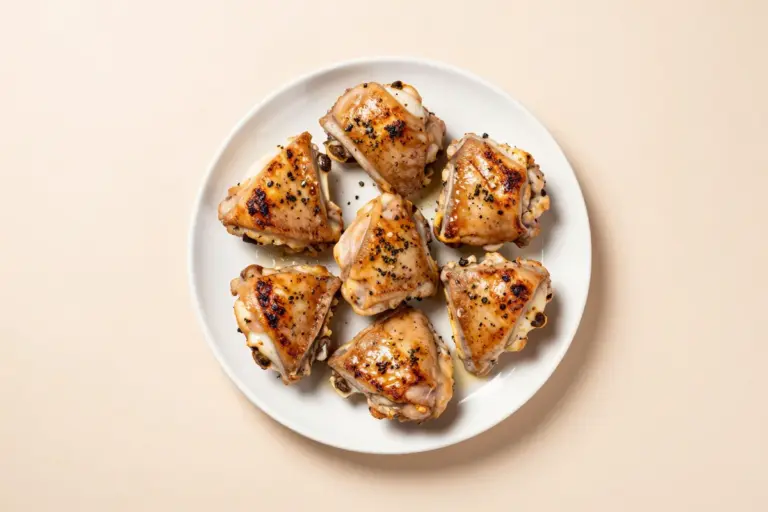
This broiled chicken thighs recipe produces juicy dark meat, deeply browned edges, and crisp skin with a fast paprika-garlic seasoning and a late garlic-butter finish.
What Makes Great Broiled Chicken Thighs
Broiling uses intense heat from above to brown the chicken quickly while the center cooks through. Bone-in, skin-on thighs are the most forgiving choice: their fat keeps the meat succulent and the skin can become crisp and blistered.
- Expect savory paprika and garlic flavor with browned, caramelized edges.
- Skin-on thighs should have rendered, crackly skin; skinless thighs should have browned edges and a juicy, firm interior.
- Black, bitter patches or dry, stringy meat indicate excessive heat or overcooking.
Why the Seasoning Works
The recipe uses a thin layer of oil to help the dry seasoning adhere and encourage browning without creating a greasy surface. Salt seasons the chicken directly, while paprika supplies color and mild pepper flavor. Garlic powder is used before broiling because it is more dependable under intense heat than fresh garlic.
- Fresh garlic and butter are reserved for the finish so their flavor remains fragrant instead of burned.
- Onion powder adds savory depth without adding moisture to the surface.
- A restrained amount of oil is enough; excess fat can smoke or flare under the broiler.
Ingredients
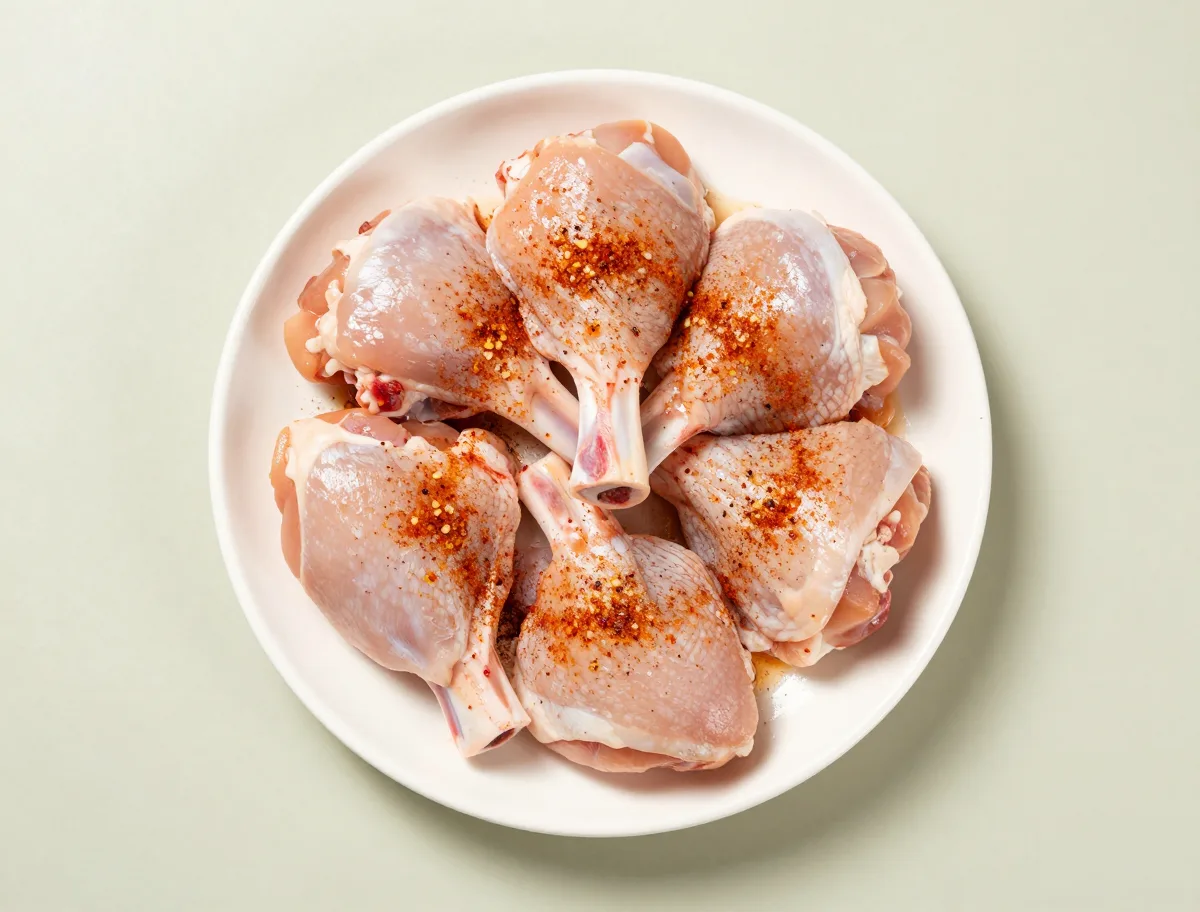
- 2 pounds bone-in, skin-on chicken thighs, about 6 thighs, excess flaps of skin and fat trimmed
- 1 tablespoon neutral high-heat oil
- 1 1/2 teaspoons kosher salt
- 1 1/2 teaspoons sweet paprika
- 1 teaspoon garlic powder
- 1/2 teaspoon onion powder
- 1/2 teaspoon freshly ground black pepper
- 2 tablespoons unsalted butter, softened
- 1 small clove garlic, finely grated or minced
How to Broil Chicken Thighs Successfully
Start with a fully heated broiler and a metal, rimmed pan positioned roughly 4 to 6 inches from the element. Patting the chicken dry is essential: moisture makes the surface steam, delaying the browning that gives broiled thighs their appeal.
- Use one layer with visible space between pieces so hot air and radiant heat can reach the chicken.
- Turn the thighs near the midpoint because broiler heat comes primarily from one direction.
- Finish skin-side up, and rotate the pan if one side browns faster than the other.
- Brush on garlic butter only at the end, when it needs little time under the heat.
Instructions
- Set up the broiler: Position an oven rack 4 to 6 inches below the broiler element and heat the broiler to high for at least 5 minutes. Line a sturdy, rimmed metal sheet pan with foil. Do not use glass or cookware that is not specifically broiler-safe.
- Dry and season the chicken: Pat the chicken thighs thoroughly dry with paper towels. Rub them with the oil. In a small bowl, combine the salt, paprika, garlic powder, onion powder, and black pepper, then coat the thighs evenly on all sides. Arrange them in one layer on the prepared pan, leaving space between pieces with the skin facing up.
- Begin broiling: Broil the chicken with the pan centered beneath the element. For bone-in thighs, cook for 10 to 12 minutes, watching closely once the skin begins to brown. If the surface darkens rapidly, move the pan to a lower rack. Turn the thighs and continue broiling for 8 to 12 minutes.
- Make the garlic butter: While the chicken cooks, stir the softened butter and grated garlic together. Keep the mixture ready for the final stage; exposing fresh garlic and butter to the full broiler heat from the beginning can cause them to scorch.
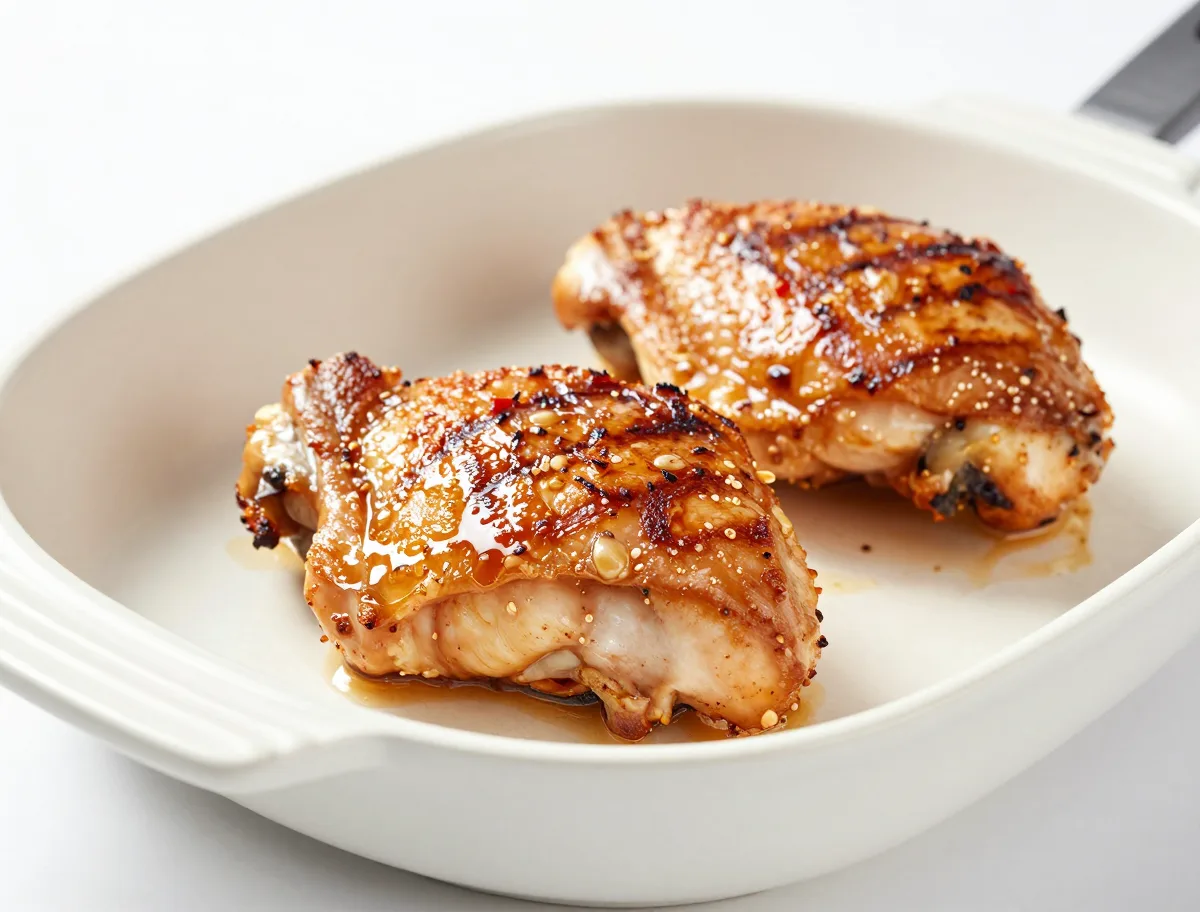
- Finish and check the temperature: Turn the chicken skin-side up. When the thickest part is nearly cooked, brush each thigh lightly with the garlic butter and broil for 1 to 2 minutes more, just until glossy and fragrant. Check the thickest portion of each larger or uneven thigh with an instant-read thermometer, inserting from the side without touching bone. Remove the chicken only when it reaches at least 165°F (74°C); thighs are often especially tender around 170 to 180°F.
- Rest briefly: Transfer the thighs to a clean plate and rest uncovered or very loosely covered for 5 minutes. Serve while the skin is crisp and the meat is hot.
How to Tell When Broiled Chicken Thighs Are Done
Color tells you how the surface is progressing, but it cannot confirm safety. The reliable endpoint is a thermometer reading of at least 165°F in the thickest meat, measured before the chicken leaves the heat.
- Insert the thermometer from the side into the thickest portion, avoiding bone, fat, and the pan.
- Check more than one thigh when the pieces differ noticeably in size.
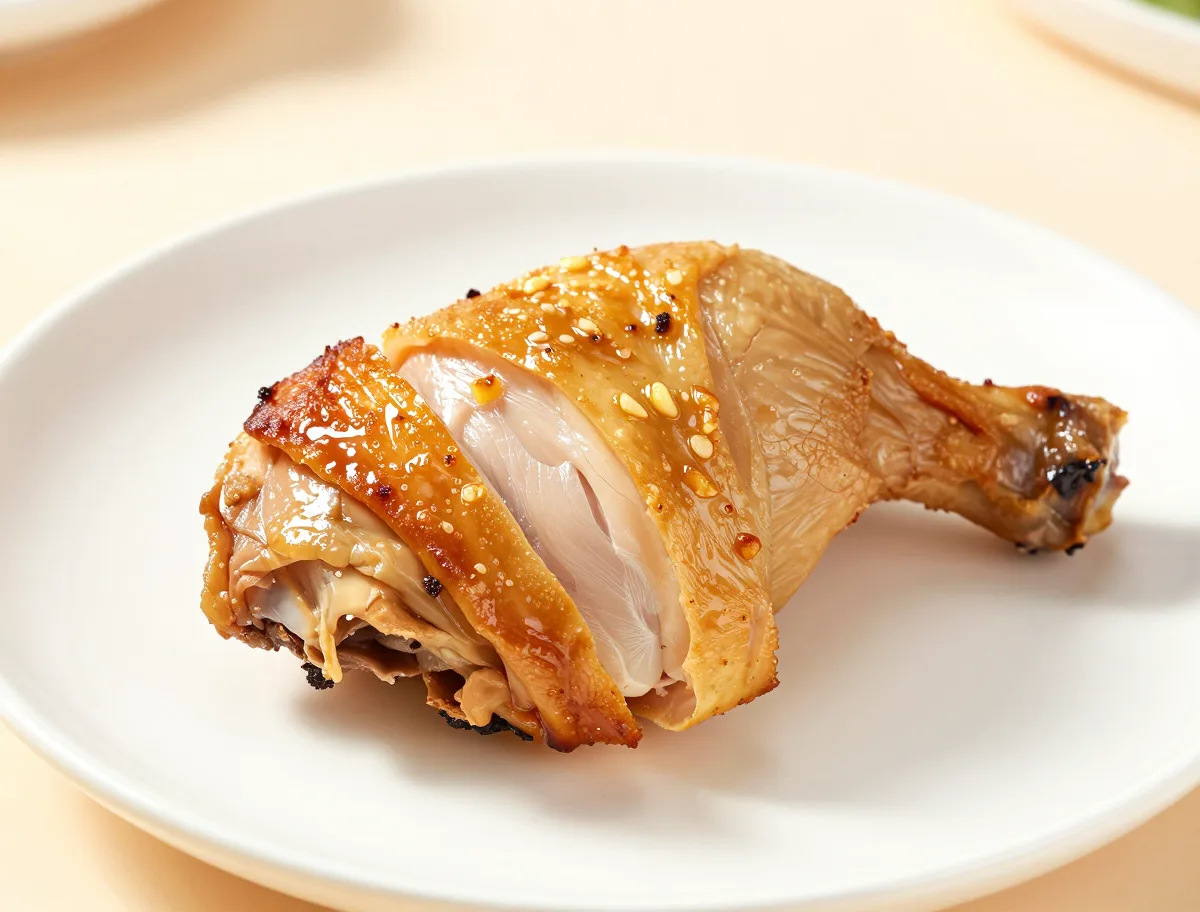
- A finished thigh should be opaque and juicy, with skin that feels crisp or well-rendered.
- Many cooks prefer bone-in dark meat at 170 to 180°F for a softer texture, but 165°F is the required minimum.
Doneness Cues
- The skin should be deeply golden, rendered, and crisp rather than blackened.
- The meat should feel firm but supple, not hard or stringy.
- The thickest part must register at least 165°F (74°C) before removal from the broiler.
- For bone-in thighs, insert the thermometer from the side and avoid touching the bone, pan, or a pocket of fat.
The Variables That Change Broiling Time
Broiling is governed by two different heating patterns: radiant heat browns the exposed surface while heat slowly conducts toward the center. That is why a thin boneless thigh can finish quickly, while a thick bone-in thigh may need considerably longer even when both surfaces look equally brown.
- Move the pan farther from the element when the seasoning or skin darkens before the center is cooked.
- Thicker, bone-in, or refrigerator-cold thighs take longer than small, boneless pieces.
- Dry surfaces brown more readily; wet marinades, crowding, and pooled juices encourage steaming.
- A wire rack improves airflow and drainage but can increase smoke from dripping rendered fat.
Common Broiled Chicken Thigh Mistakes
The broiler has a narrow window between beautifully browned and scorched, so active monitoring matters. When the surface is ahead of the center, reduce the intensity by moving the pan lower rather than allowing the outside to burn.
- Burned exterior with an underdone center: Move the pan farther from the element and continue cooking, checking frequently until 165°F.
- Pale or rubbery skin: Dry the chicken more thoroughly, leave space between pieces, and remove excess liquid from the pan.
- Uneven browning: Rotate the pan and rearrange the pieces, placing smaller thighs farther from the hottest area.
- Dry boneless thighs: Begin checking early because thin edges can overcook while the thick center finishes.
- Smoke or flare: Reduce excess oil, use a rimmed pan, move the pan farther away, and never leave the broiler unattended.
Boneless, Skinless and Other Thigh Options
The seasoning works with several thigh cuts, but the cut changes both timing and texture. Boneless skinless thighs are the fastest weeknight option, while bone-in skin-on thighs provide the richest flavor and the only truly crisp-skin result.
- Boneless skinless thighs generally take about 12 to 18 minutes; check early and arrange folded or uneven pieces so their thickness is as uniform as possible.
- Bone-in skinless thighs retain the longer cooking time of bone-in meat but will have browned edges rather than crisp skin.
- Oil may be omitted from fatty skin-on thighs, although seasoning adhesion and browning may be slightly reduced.
- Marinated chicken is workable only when excess marinade is drained away and the meat is patted dry; never reuse raw marinade unless it is thoroughly cooked.
- Thaw chicken under refrigeration rather than broiling it from frozen.
Easy Variations for Broiled Chicken Thighs
The core method is flexible as long as the chicken remains mostly dry and the added flavors can tolerate direct heat. Dry spices belong at the beginning; fresh, buttery, or sweet ingredients are safer as late finishes.
- For a hotter version, add a pinch of cayenne to the paprika mixture.
- For an herb variation, replace the onion powder with a small amount of dried thyme or oregano.
- For a plain version, use only salt, pepper, and oil, then finish with the garlic butter.
- Honey, barbecue sauce, and other sweet glazes should be brushed on only during the final brief interval because they burn quickly.
- Heavy breading, stuffing, or a thick sauce changes the heat and timing assumptions and is not a direct substitute for this recipe.
How to Store, Freeze and Reheat Broiled Chicken Thighs
Seasoned raw thighs may be held covered in the refrigerator until you are ready to cook them, but cooked chicken should be handled promptly. Storage preserves the chicken safely, although crisp skin will soften after chilling or freezing.
- Refrigerate cooked thighs in a shallow, covered container within 2 hours and use them within 3 to 4 days.
- Freeze well-wrapped cooked chicken for best quality within about 4 months; thaw it in the refrigerator.
- Reheat covered with a little moisture using moderate oven heat or a microwave, then uncover briefly if you want to restore some surface color.
- Reheated chicken should reach 165°F in the thickest part.
- Do not tightly cover freshly broiled thighs during their short rest, or trapped steam will soften the skin.
For additional official storage recommendations, consult the FDA food-storage guidance.
Broiled Chicken Thighs: Your Questions Answered
Broiler elements vary significantly in strength and placement, so the times below are starting ranges rather than guarantees. Use the appearance of the surface to manage heat, but use an instant-read thermometer to decide when the chicken is ready.
How long do chicken thighs take under the broiler?
Boneless thighs often take about 12 to 18 minutes, while bone-in thighs commonly take about 20 to 30 minutes. Start checking boneless pieces at 10 to 12 minutes and bone-in pieces at 18 to 22 minutes, then cook until the thickest portion reaches at least 165°F.
How far should chicken thighs be from the broiler?
Begin with the pan about 4 to 6 inches from the element. Move it farther away if the skin or spices darken too quickly, or use a closer position only for a brief final crisping period.
Should the chicken be flipped?
Yes. Turn the thighs near the midpoint so both sides receive heat, then finish skin-side up for the best browning and crispness.
Should I preheat the broiler and the pan?
Preheat the broiler fully. A sturdy metal pan may also be preheated briefly for faster browning, but handle it with care and never use glass under the broiler. A room-temperature pan is acceptable if you prefer simpler handling.
Can I use a regular sheet pan?
Use a rimmed metal sheet pan that is rated for broiler use. A wire rack is optional: it improves airflow and drainage but may produce more smoke as fat drips.
Where should I place the thermometer?
Insert it into the thickest portion of meat, preferably from the side, without touching bone, fat, or the pan. Check another thigh if the pieces are different sizes.
Why did my chicken burn before it was cooked?
The pan was likely too close to an intense element, or the thighs were especially thick. Move the pan farther away and continue cooking until the center reaches 165°F. Avoid thick coatings of fresh garlic, butter, sugar, or glaze early in the cook.
Can I make this recipe without skin, oil, or a marinade?
Yes. Skinless thighs will brown but cannot become crisp-skinned, and omitting oil is possible if the chicken is naturally fatty. If using a marinade, drain it and pat the chicken dry before broiling so it does not steam.
Food-Safety Notes for Chicken Thighs
Treat raw chicken, its juices, and any raw marinade as potential sources of cross-contamination. Keep the chicken refrigerated until cooking, wash hands and surfaces after handling it, and use clean utensils and a clean plate for the cooked thighs.
- Chicken is safe when the thickest part reaches at least 165°F (74°C), measured before removal from the broiler.
- Do not rely on browned skin, clear juices, or the absence of pink color as a safety test.
- Keep raw poultry separate from ready-to-eat foods and do not reuse raw marinade unless it is boiled thoroughly.
- Resting improves texture but does not replace reaching the minimum safe temperature.
- Refrigerate leftovers promptly and reheat them to 165°F.
See the USDA safe cooking temperature guidance for the poultry and reheating endpoint.