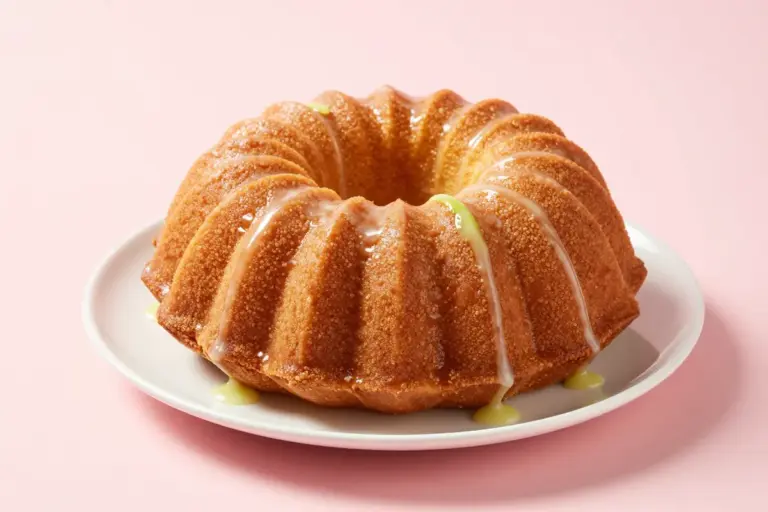
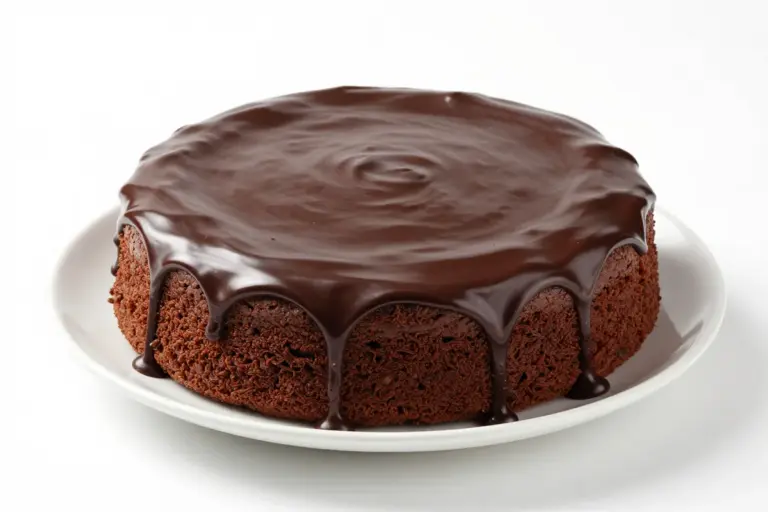
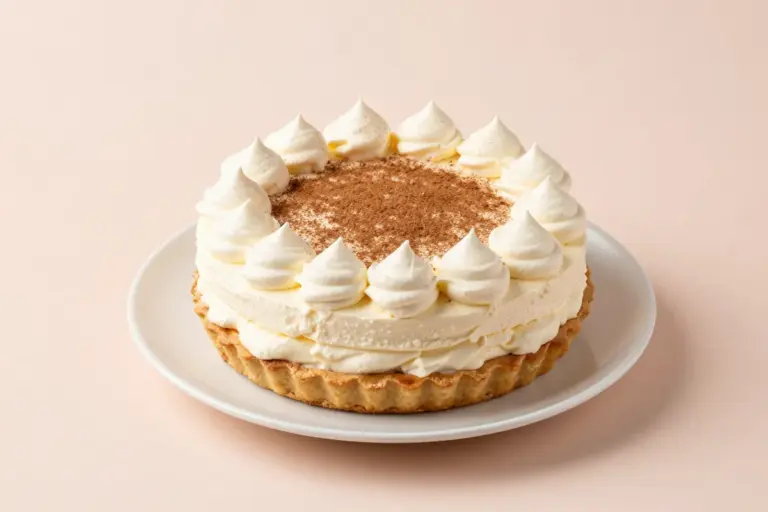
Fresh Milled Flour Cake Recipe for a Tender Crumb
This fresh milled flour cake recipe uses finely ground soft white wheat for a tender, lightly nutty crumb. A little neutral oil, generous dairy, and a brief hydration rest keep the 100% fresh-milled cake soft enough for frosting or serving plain.
What to Expect from This Fresh Milled Flour Cake
This is a tender American-style yellow cake with a moist, cohesive crumb and gentle whole-wheat flavor. It is lighter than a pound cake but more substantial than a cake made with refined cake flour alone, making it suitable for a simple glaze, buttercream, or an unfrosted snack cake.
- Soft white wheat produces a mild flavor and relatively light color.
- Fine milling keeps the crumb from feeling gritty.
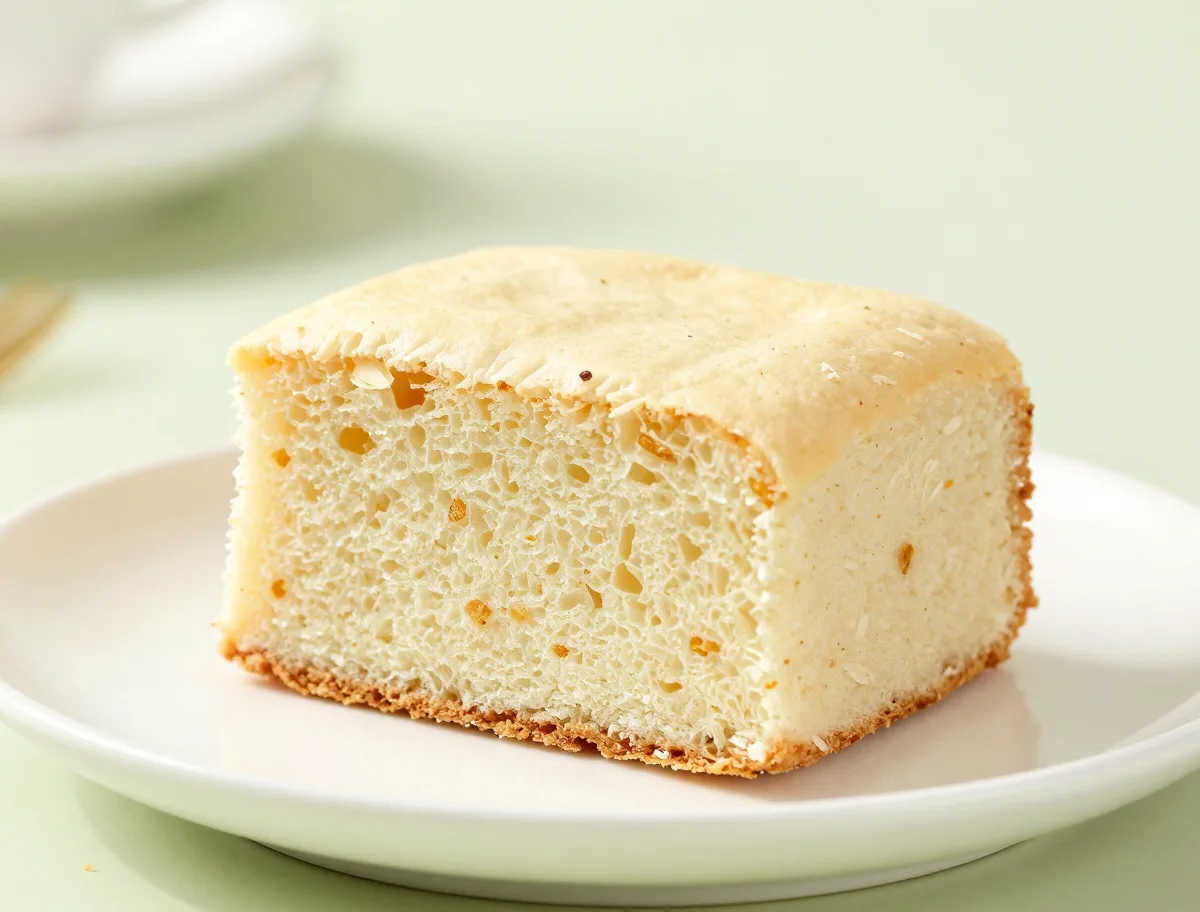
- The finished cake should be moist and lightly springy, never gummy, breadlike, or crumbly.
- A faint nutty wheat flavor is desirable; bitterness suggests old or poorly stored grain.
Why the Ingredients Work
Freshly milled flour retains the bran and germ, so the formula needs enough liquid and fat to soften those particles without making the cake heavy. Butter supplies flavor and helps incorporate air, while oil remains liquid after cooling and protects the crumb from drying. Eggs provide both structure and emulsification, and sugar tenderizes as it sweetens.
- Soft wheat is preferable to hard bread wheat because it forms less gluten and gives a more cake-like texture. For additional background on flour choice and baking texture, see the University of Nebraska–Lincoln Food guide.
- Milk hydrates the flour and keeps the crumb supple; room-temperature milk also helps the batter stay emulsified.
- Baking powder supplies the primary lift without relying on an acidic ingredient.
- Salt sharpens the grain and vanilla flavors rather than making the cake taste salty.
Ingredients
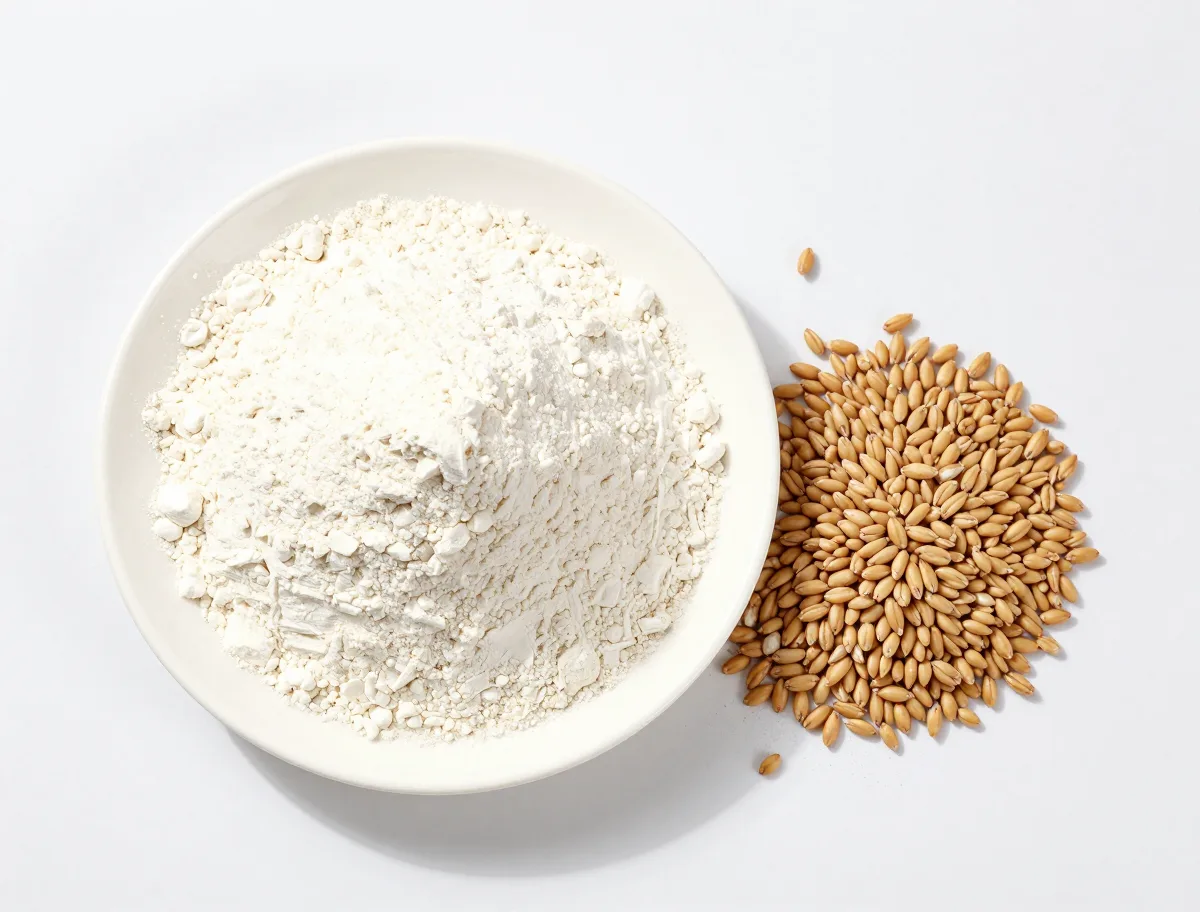
- 300 g soft white wheat flour, freshly milled, with approximately 315 g soft white wheat berries milled as finely as possible; weigh 300 g of the flour and reserve any excess
- 1 tablespoon baking powder
- 1 teaspoon fine sea salt
- 1/2 cup unsalted butter, softened
- 1/4 cup neutral oil, such as avocado, canola, or grapeseed oil
- 1 1/4 cups granulated sugar
- 3 large eggs, at room temperature
- 1 cup whole milk, at room temperature
- 2 teaspoons vanilla extract
How to Make Cake with Freshly Milled Flour
The most important technique decisions happen before the cake goes into the oven. Mill as finely as your equipment allows, weigh the flour after milling, and cream the butter, oil, and sugar until visibly aerated. Once flour is added, use low speed and stop as soon as the batter is uniform.
- A kitchen scale is more reliable than cups because flour density changes with mill settings and sifting.
- The 10-minute rest allows bran and starch to absorb some of the milk, reducing a coarse or dry impression.
- Do not let the batter sit for a long bread-style rest; chemical leavening is most effective when the cake is baked promptly.
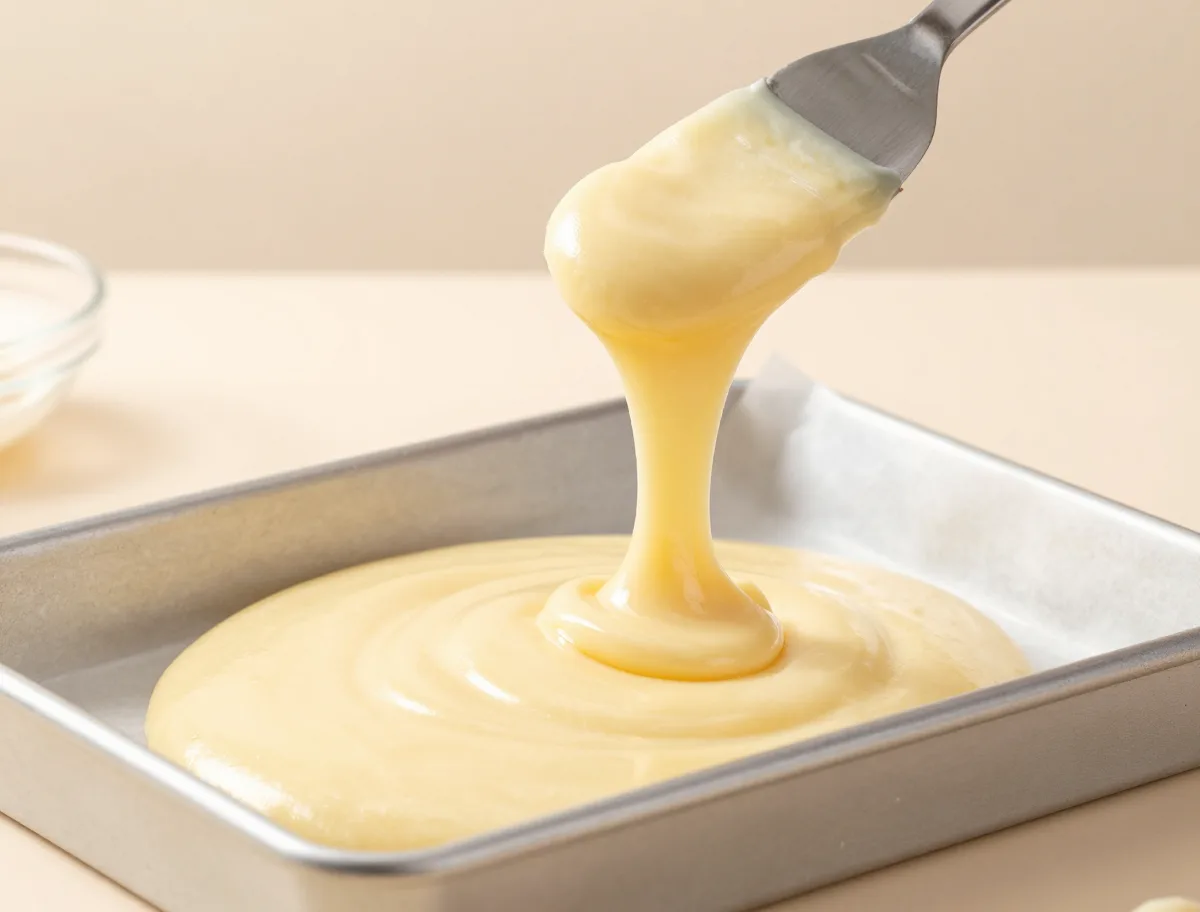
- The batter should pour slowly rather than stand in stiff mounds.
Instructions
- Mill and prepare the flour: Mill approximately 315 g of soft white wheat berries on the finest practical setting. Weigh 300 g of the resulting flour. If the flour contains visibly coarse bran, sift it once through a fine sieve for a more delicate crumb, then include the sifted flour and the finer portion together until you have 300 g. Do not substitute a volume measure for the weighed flour.
- Prepare the pan and oven: Heat the oven to 350°F (175°C). Grease a 9-by-13-inch metal baking pan, line the bottom with parchment, and lightly grease the parchment. Allow the butter, eggs, and milk to come to room temperature so the batter emulsifies smoothly.
- Mix the dry ingredients: Whisk the freshly milled flour, baking powder, and salt thoroughly in a medium bowl. Break up any compacted flour so the leavener is evenly distributed.
- Cream the fat and sugar: Using a stand mixer fitted with the paddle or a hand mixer, beat the softened butter, oil, and sugar on medium speed for 3 to 4 minutes, until noticeably lighter and fluffy. Scrape the bowl once during mixing.
- Build the batter: Beat in the eggs one at a time, allowing each to disappear before adding the next. Mix in the vanilla. Add the flour mixture in three additions, alternating with the milk in two additions, beginning and ending with flour. Mix on low speed only until the last dry streaks disappear; finish with a few gentle strokes by hand.
- Hydrate briefly: Let the batter stand for 10 minutes while the flour hydrates. It should be smooth, thick, and pourable, falling from a spatula in a broad ribbon. If it has become pasty rather than pourable, stir in 1 tablespoon of additional milk; this is most likely with especially absorbent or coarsely milled flour.
- Bake: Scrape the batter into the prepared pan and spread it evenly into the corners. Bake at 350°F (175°C) for 29 to 35 minutes, rotating the pan once after 20 minutes if your oven heats unevenly. Begin checking at 29 minutes.
- Cool completely: The cake is ready when the center is set and springs back lightly, the surface no longer looks wet, and a tester inserted in the thickest area comes out with a few moist crumbs but no liquid batter. If using a thermometer, the center will generally be about 200 to 210°F (93 to 99°C). Cool in the pan for 15 minutes, then lift it out using the parchment and cool completely on a rack, about 60 minutes, before frosting or slicing.
How to Tell When the Cake Is Done
Color alone is not a dependable guide because whole-grain flour naturally darkens the batter. Check the center for structure: it should look set, respond with a light spring when pressed, and show no wet movement when the pan is gently nudged.
- A tester with a few moist crumbs is better than one that comes out completely dry.
- If the tester hits a soft pocket, check a second spot near the center.
- The optional internal-temperature range is approximately 200 to 210°F (93 to 99°C).
- Cooling is part of the process; the crumb continues to set and redistribute moisture outside the oven.
- The center is set rather than jiggly and springs back lightly when pressed.
- A cake tester comes out with a few moist crumbs, not wet batter.
- The cake may pull slightly from the pan sides, although this is a secondary cue.
- An instant-read thermometer inserted in the center reads approximately 200 to 210°F (93 to 99°C).
- The crumb becomes more cohesive as it cools; do not judge texture by cutting the cake while hot.
The Fresh-Flour Variables That Matter Most
Bran and germ change how cake batter behaves. Bran competes for moisture and can interrupt the structure formed by the egg proteins and starch, while germ contributes flavorful oil that is vulnerable to oxidation. The practical answer is not to add an arbitrary amount of liquid, but to control particle size, weigh the flour, and observe the batter.
- Finer particles hydrate more evenly and are less noticeable in the finished crumb.
- Soft wheat limits gluten development, which helps tenderness but leaves less structural margin if the batter is overhydrated.
- Sugar and fat tenderize the crumb, while eggs and starch provide the framework that holds the leavening gases.
- Fresh flour does not automatically create a moist cake; insufficient liquid or overbaking can still produce dryness.
Fresh Milled Flour Cake Troubleshooting
Most failures can be traced to grain choice, particle size, batter consistency, mixing, or baking time. Change one variable at a time so the cause is easier to identify on the next bake.
- Dense or chewy: Use soft wheat, mill more finely, confirm the baking powder is fresh, cream the fat and sugar fully, and avoid mixing after the flour is hydrated.
- Dry or crumbly: Weigh the flour, check that the batter was pourable, and remove the cake as soon as the center is set. Too much sifted flour can also reduce cohesion.
- Gritty: Mill more finely, remove only the coarsest bran, and keep the short hydration rest.
- Bitter: Taste the flour before baking. Bitter, stale, or paint-like flavors point to oxidized germ or old grain and cannot be corrected in the oven.
- Sunken: The center was likely underbaked, the pan was overfilled, or the oven door was opened too early. Use the center cues rather than increasing the heat.
Fresh Flour Substitutions
The closest substitution is another soft wheat, with predictable changes in color and flavor. Hard white or hard red wheat can work, but the cake will usually taste more assertive and may be heavier. For the most reliable lighter crumb, replace part of the fresh-milled flour with refined cake or pastry flour by weight.
- Soft red wheat may replace soft white wheat at the same flour weight for a darker, nuttier result.
- Hard wheat is better treated as a variation than an exact equivalent; avoid vigorous mixing.
- Replacing up to one-third of the fresh-milled flour with cake or pastry flour improves delicacy but means the cake is no longer 100% fresh-milled.
- Neutral oil may replace the butter only if necessary, but the cake will lose some buttery flavor and creaming-based lift.
- If milk is replaced with buttermilk, the flavor and acidity change; do not add baking soda to this formula unless the leavener balance is reformulated.
Layer Cake, Sheet Cake and Cupcake Adaptations
The full formula is sized for a 9-by-13-inch cake, but its batter can be used in shallower or divided formats. The key is to preserve a reasonable batter depth and begin testing earlier as the portions become smaller.
- Two 9-inch round layers: divide the batter evenly and bake approximately 24 to 29 minutes.
- Cupcakes: portion into 18 lined wells and bake approximately 18 to 22 minutes.
- A chocolate version can be developed by replacing part of the flour with cocoa, but cocoa changes both absorption and structure; it is not a direct flavoring addition.
- Citrus zest, warm spices, or a small amount of streusel complement the wheat flavor without changing the cake’s basic identity.
- A deep loaf or true pound cake needs a different formula because it requires more structure and a different moisture distribution.
How to Store, Freeze and Reheat Fresh Milled Flour Cake
Fresh-milled flour is at its best when used promptly because the retained germ contains oxidation-prone oils. Store unused flour airtight in the refrigerator for short-term use or in the freezer for longer storage. Let the baked cake cool fully before wrapping so trapped steam does not make the crumb gummy.
- Keep a tightly wrapped, unfrosted cake at room temperature for up to 2 days for best quality.
- Refrigerate cakes with cream cheese, custard, whipped cream, or other perishable fillings and frostings at 40°F (4°C) or below. Follow this food-safety guidance for storing perishable foods.
- Freeze the cooled cake tightly wrapped, preferably unfrosted, for up to 2 months for good quality. Thaw it while still wrapped, then frost.
- Warm an individual slice briefly and gently if desired; prolonged reheating dries whole-grain cake quickly.
- For perishable toppings, do not leave the cake at room temperature for more than 2 hours, or more than 1 hour in temperatures above 90°F (32°C).
Fresh Milled Flour Cake FAQ
These answers address the practical decisions that most affect a successful cake: berry selection, milling, flour weight, hydration, resting, pan changes, and doneness.
Which wheat berries are best for cake?
Soft white wheat is the best starting point for a mild, tender, light-colored cake. Soft red wheat gives deeper flavor and color. Hard white or hard red wheat can be used, but they are more likely to produce a substantial or slightly chewy crumb.
Should fresh-milled flour be sifted?
It does not have to be sifted, but removing only the coarsest bran can improve tenderness and reduce grittiness. Weigh the flour after any sifting because extraction changes the final amount and texture.
How much grain should I mill?
Mill about 315 g of berries to obtain the 300 g of flour used in this cake. The exact yield depends on the mill, retention, and whether you sift. Always weigh the flour that goes into the batter.
Can I use 100% fresh-milled flour?
Yes. This formula uses 100% freshly milled soft wheat flour. It is less forgiving than a refined-flour blend, so fine milling, adequate milk, gentle mixing, and careful baking are especially important.
Why does fresh-milled flour need attention to hydration?
Bran, germ, and whole-grain particles absorb water differently from refined flour, and some absorption occurs gradually. Judge the batter: it should be smooth and pourable, not thin and runny or thick and pasty.
Should cake batter rest before baking?
A short 10-minute rest can soften the perception of bran and improve hydration. Avoid a long room-temperature rest because the chemical leavening may lose effectiveness before the cake reaches the oven.
Why is my fresh-milled cake dense?
Check whether you used hard wheat, coarse flour, insufficient liquid, old baking powder, inadequate creaming, or excessive mixing. Underbaking can also leave the center heavy even when the edges appear finished.
Can I replace all-purpose flour cup for cup with fresh-milled flour?
A fixed cup-for-cup rule is unreliable because milling changes flour density and absorption. Substitute by weight and expect to adjust the liquid based on the batter’s consistency.
How long should the cake cool before frosting?
Leave it in the pan for about 15 minutes, then transfer it to a rack and cool completely, usually about 60 minutes for a 9-by-13-inch cake. Frosting warm cake can melt the frosting and compress the crumb.