Lemon Berry Mascarpone Cake Recipe
This lemon berry mascarpone cake recipe pairs tender, lemon-scented cake layers with cool mascarpone whipped cream and fresh mixed berries for a bright, sliceable celebration dessert.
What to Expect from This Lemon Berry Mascarpone Cake
This is a two-layer 8-inch celebration cake with a tender but sturdy lemon crumb, a lightly sweet mascarpone whipped cream, and fresh berries both between the layers and on top. Lemon remains the leading flavor: zest supplies its aroma, while a measured amount of juice adds brightness without making the batter wet.
- The chilled layers and restrained berry filling make the cake easier to assemble and slice.
- The frosting is airy and tangy rather than dense like buttercream.
- For the cleanest finish, use a rustic-textured frosting and add the top berries shortly before serving.
Why the Key Ingredients Matter
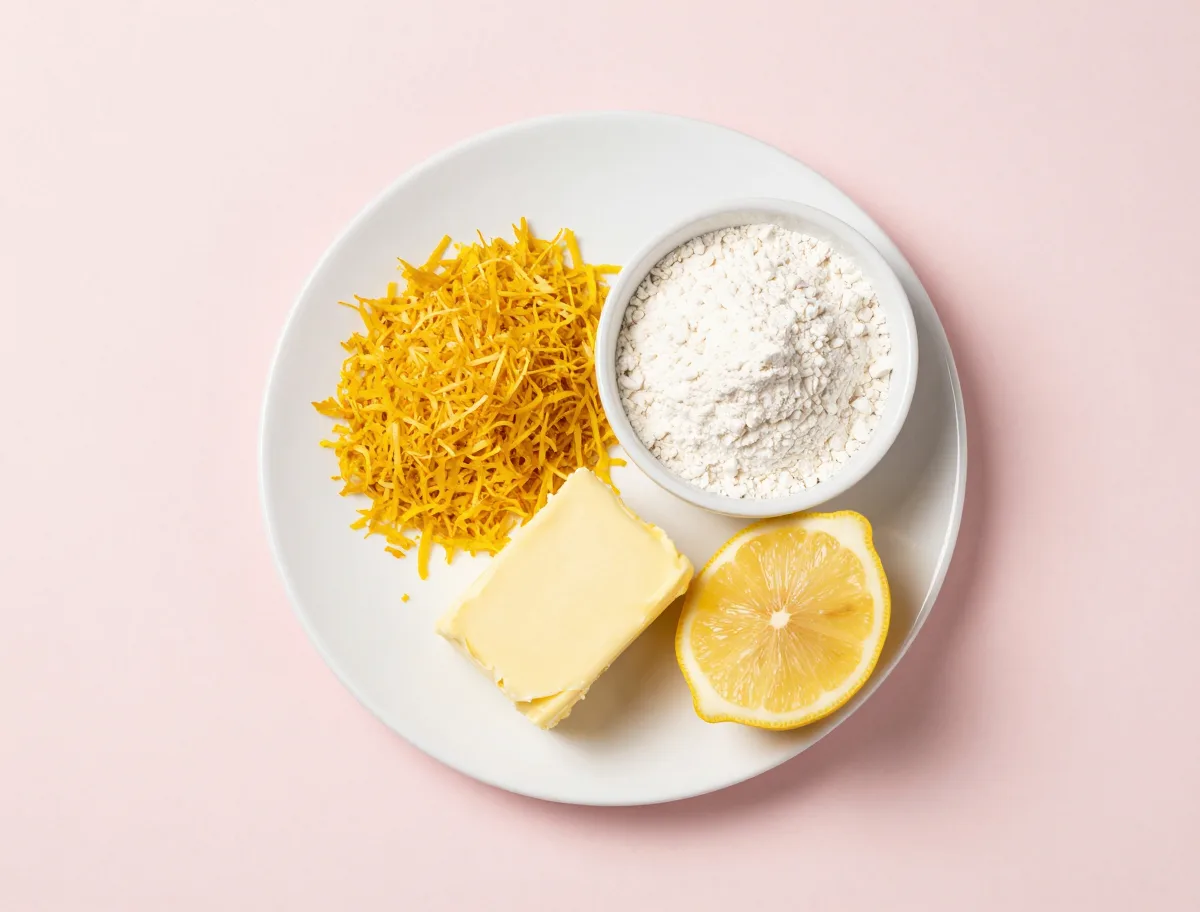
Cake flour keeps the crumb delicate while eggs and baking powder provide enough structure for two layers. Butter and sugar tenderize the cake, and sour cream contributes moisture and a gentle acidity without requiring a large amount of lemon juice. Rubbing lemon zest into the sugar with the butter helps distribute its aromatic oils throughout the batter.
- Use full-fat mascarpone and heavy cream for a frosting that can support the layers.
- Confectioners’ sugar dissolves quickly and thickens the cream without prolonged beating.
- Berries add considerable water, so dry fruit and keep the interior layer modest.
- 2 1/2 cups cake flour, spooned and leveled
- 2 teaspoons baking powder
- 1/2 teaspoon fine salt
- 12 tablespoons unsalted butter, softened
- 1 1/2 cups granulated sugar
- 4 tablespoons finely grated lemon zest, from 3 to 4 lemons, divided
- 3 large eggs, at room temperature
- 3/4 cup full-fat sour cream, at room temperature
- 1/4 cup whole milk, at room temperature
- 3 tablespoons fresh lemon juice, strained
- 1 teaspoon vanilla extract
- 16 ounces full-fat mascarpone, cold
- 1 1/2 cups heavy whipping cream, cold
- 3/4 cup confectioners’ sugar, sifted
- 14 ounces mixed fresh berries, washed, thoroughly dried, and divided; halve only large strawberries
How to Assemble the Lemon Berry Layer Cake
The important technique is not complicated mixing but controlled handling. Avoid developing excess gluten after the flour goes in, cool the layers completely, and work with cold cake and cold dairy. A thin layer of mascarpone cream acts as both filling and moisture barrier, while the restrained fruit layer prevents the cake from sliding.
- Scrape the mixing bowl during creaming so the lemon zest and butter are evenly incorporated.
- Do not frost warm layers; they can soften the cream and shed crumbs.
- If your layers are uneven, level them before filling rather than compensating with a thick layer of cream.
- For a sharper bakery-style finish, apply a thin crumb coat, chill it, then add the final coat.
- Prepare the pans and oven. Heat the oven to 350°F (175°C). Line the bottoms of two 8-inch round cake pans with parchment and lightly grease the parchment and sides. Set the pans on a baking sheet if they are lightweight.
- Combine the dry ingredients. Whisk the cake flour, baking powder, and salt in a medium bowl. In a separate small bowl, stir the sour cream, milk, lemon juice, and vanilla until smooth.
- Build the lemon batter. Beat the softened butter, granulated sugar, and 3 tablespoons of the lemon zest on medium speed until pale and fluffy, about 3 minutes. Add the eggs one at a time, beating well after each addition and scraping the bowl. On low speed, add the flour mixture in three additions, alternating with the sour-cream mixture in two additions. Mix only until the last dry streak disappears.
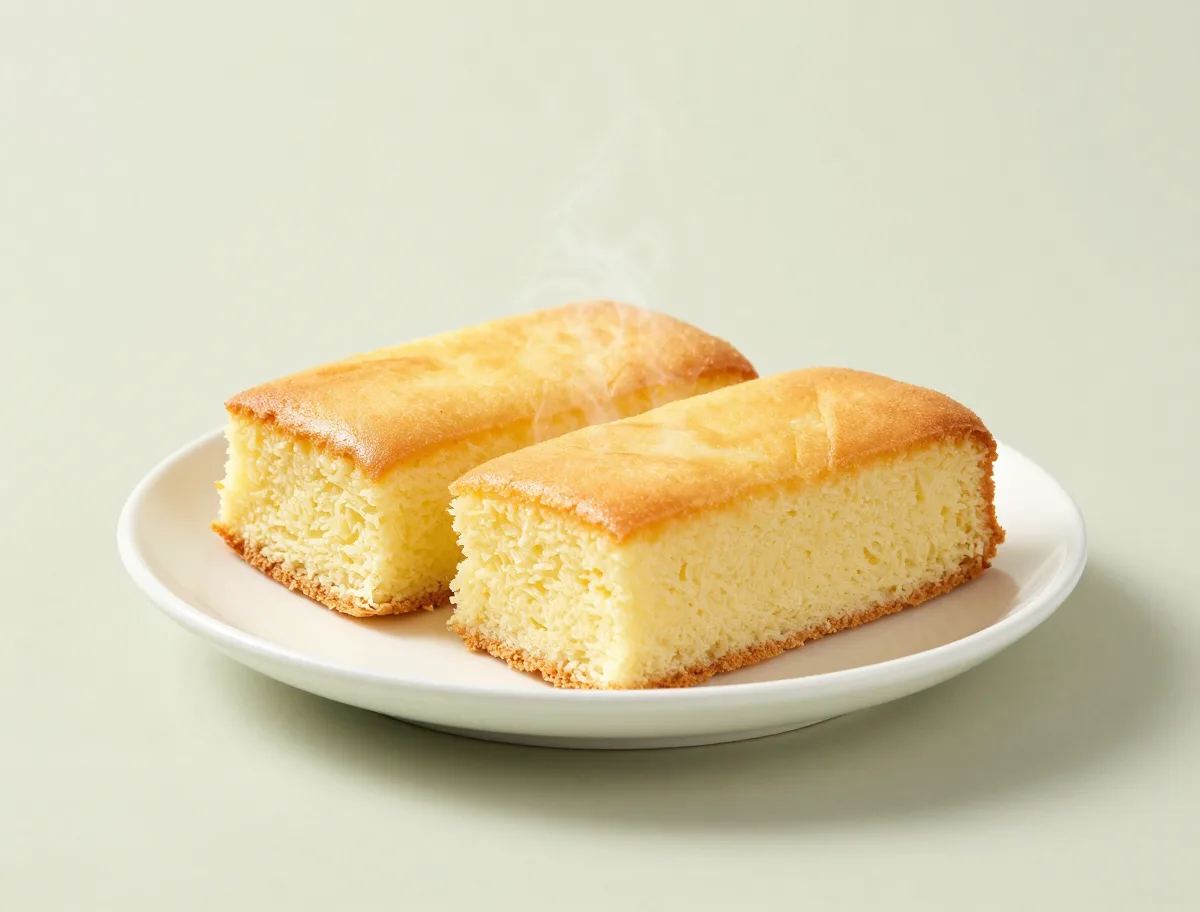
- Bake the layers. Divide the batter evenly between the prepared pans and smooth the tops. Bake for 28 to 32 minutes, rotating the pans once, until the centers spring back lightly and a tester inserted in the middle comes out with a few moist crumbs but no wet batter.
- Cool and chill the cake. Cool the layers in their pans for 10 minutes, then turn them onto a rack, remove the parchment, and cool completely. Wrap and refrigerate the layers for at least 45 minutes; cold layers are easier to level and frost.
- Make the mascarpone cream. Place the cold mascarpone, heavy cream, confectioners’ sugar, and the remaining 1 tablespoon lemon zest in a chilled mixing bowl. Beat on low speed until smooth, then increase to medium speed and beat just until the cream holds firm peaks and looks cohesive and spreadable. Stop immediately; do not continue once it becomes grainy.
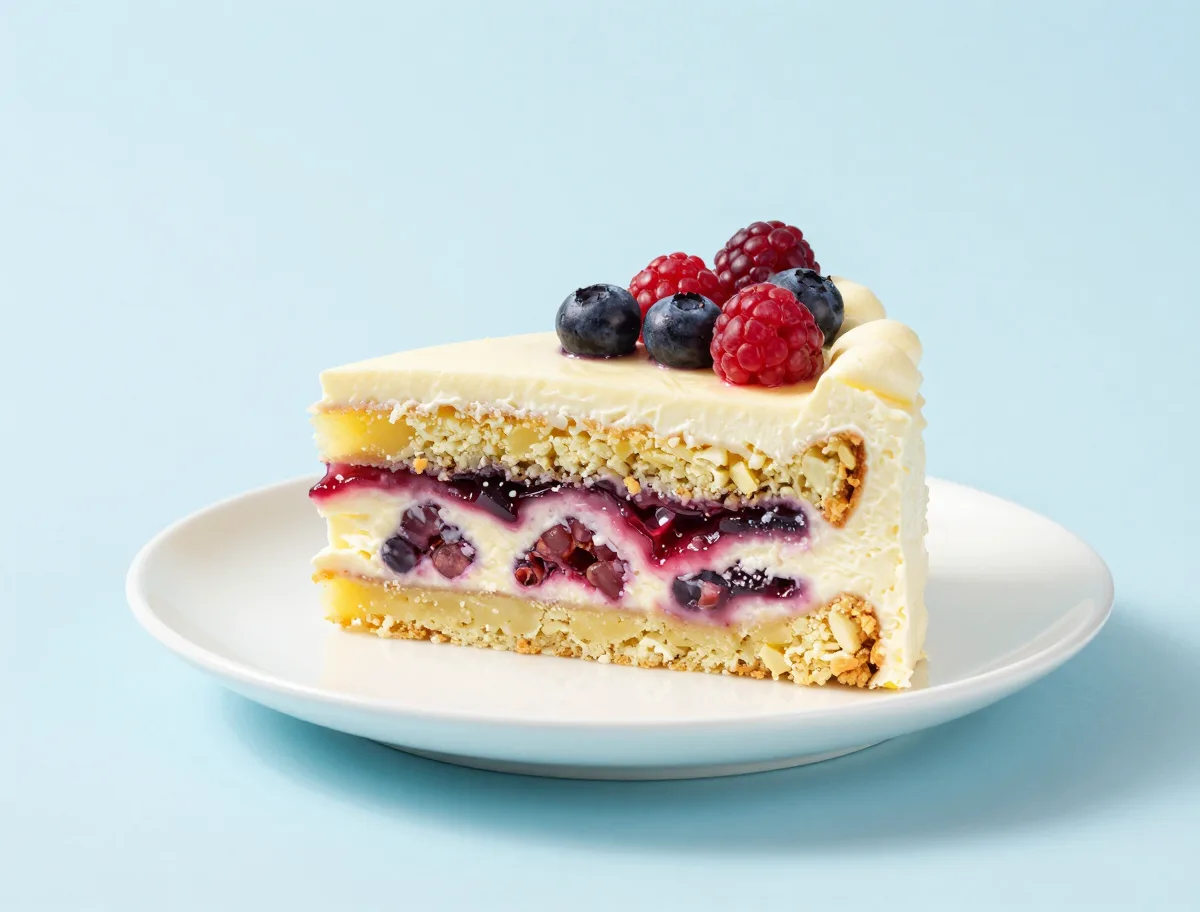
- Fill the cake. If needed, trim the tops of the chilled layers flat. Place one layer cut-side up on a cake plate. Spread about 1 1/4 cups of mascarpone cream over it, leaving a 1/2-inch border. Arrange about 1 cup of the driest berries over the cream, pressing them in lightly. Set the second layer on top, cut-side down.
- Frost and chill. Cover the top and sides with the remaining mascarpone cream, using a thin, lightly textured finish or a smooth finish with an offset spatula. Refrigerate the cake for at least 45 minutes, until the frosting is firm.
- Decorate and serve. Arrange the remaining thoroughly dried berries on top just before serving. For clean slices, use a sharp serrated knife, warming and wiping the blade between cuts. Let the cake stand in a cool room for 20 to 30 minutes before serving, but return leftovers to the refrigerator promptly.
For additional visual guidance on leveling, filling, crumb-coating, chilling, and finishing a layer cake, see King Arthur Baking’s guide to assembling and frosting a layer cake.
How to Tell When the Cake and Frosting Are Ready
Timing is a useful guide, but the cake’s appearance and response to touch are more dependable. The centers should be set and spring back gently, while a tester should show moist crumbs rather than raw batter. The finished mascarpone cream should hold its shape but remain smooth and easy to spread.
- Edges that are lightly golden and just beginning to pull from the pan are a useful visual cue.
- Cool the layers until no warmth remains; chilling them briefly makes leveling and stacking safer.
- Stop whipping as soon as the cream holds firm peaks. Graininess or liquid pooling signals breakdown.
- The assembled cake should be firm enough that a knife can pass through without squeezing out the filling.
- The baked layers are lightly golden, set in the center, and spring back gently when pressed.
- A cake tester shows a few moist crumbs rather than liquid batter.
- The mascarpone cream is smooth and cohesive and holds firm peaks; visible grains or liquid mean it has been overworked.
- The assembled cake feels firm after chilling and the frosting does not bulge when lightly pressed.
The Variables That Keep the Cake Tender and Stable
Lemon juice is both flavor and liquid, so adding more is not a harmless way to intensify lemon flavor. The recipe gets most of its lemon character from zest and keeps the juice measured to preserve the batter’s balance. Cold dairy matters in the frosting because firm milk-fat structure helps the whipped cream hold air.
- Mixing too long after flour is hydrated strengthens gluten and makes the crumb less tender.
- Warm mascarpone and cream whip weakly and are more likely to loosen or split.
- Berry juice can migrate into cake and frosting; drying the fruit and shortening contact time reduces staining.
- Refrigeration firms the dairy frosting, but a short tempering period before serving restores a softer crumb and brighter aroma.
Common Lemon Mascarpone Cake Mistakes and Fixes
Most problems come from excess moisture, insufficient chilling, or whipping the dairy past its useful endpoint. Corrections should be conservative: once mascarpone cream has fully separated, continued beating will not repair it.
- Runny frosting: Chill it for 15 to 20 minutes, then beat briefly on low or medium speed. If it remains loose, gently fold in a small amount of cold mascarpone; do not add extra liquid.
- Grainy frosting: Stop the mixer immediately. Fold in a spoonful of cold cream by hand and reassess. If it has become buttery or visibly separated, make a fresh batch.
- Sliding layers: Chill the cake, check that the layers are level, and use less filling. Wet berries and an overly thick cream layer are common causes.
- Soggy or stained cake: Use drier berries, place them on a cream barrier rather than directly on cake, and assemble closer to serving.
- Wet center: Return the cake to the oven until the tester shows moist crumbs rather than batter, shielding the top if it is already well browned.
Ingredient Substitutions That Work
The recipe is most reliable as written, but a few substitutions are reasonable if their effects are understood. Fresh berries are the best choice for the visible topping, while frozen fruit is better reserved for a baked or cooked component.
- All-purpose flour can replace cake flour by weight, though the crumb will be slightly firmer.
- Full-fat block cream cheese can replace mascarpone for a tangier, denser frosting. Do not use spreadable tub-style cream cheese.
- Frozen berries can be used between the layers if thawed and drained very thoroughly, but they will be softer and more likely to bleed.
- Lemon curd may be added as a thin, cold layer inside the cream border, but too much can make the layers slide.
- Do not replace the butter directly with oil; the creaming method and texture would need to be reformulated.
Berry and Cake Variations
The cake remains within its intended character when lemon stays prominent, mascarpone remains the defining cream, and the fruit stays fresh or lightly handled. Blueberries alone give the neatest interior, while raspberries and blackberries provide sharper color and acidity but release more juice.
- Use blueberries for a tidy, gently flavored version.
- Pair strawberries and blueberries for a classic summer presentation; keep cut strawberries mainly on top.
- Use raspberries or blackberries sparingly inside and reserve the firmest fruit for decoration.
- For an easier format, bake the batter in a parchment-lined 9-inch square pan and begin checking for doneness around 30 minutes; cool completely before topping with the mascarpone cream and berries.
- A thin chilled layer of lemon curd or berry compote is an accent, not a substitute for the controlled fresh-berry filling.
How to Serve Lemon Berry Mascarpone Cake
Serve the cake cold enough for the frosting to hold, but allow 20 to 30 minutes in a cool room before cutting or eating. This brief tempering softens the crumb and makes the lemon aroma more apparent without leaving the dairy frosting at room temperature for an extended period.
- Add the final berries and any extra lemon zest shortly before serving.
- Use a warmed, wiped knife for distinct layers and clean cuts.
- Unsweetened tea, black coffee, or sparkling water balances the cake’s creamy sweetness.
- On a hot day, shorten the tempering period and return the cake to refrigeration between servings.
How to Store, Make Ahead and Freeze the Cake
The unfrosted cake layers are the most make-ahead-friendly part of the recipe. The assembled cake should remain covered and refrigerated because mascarpone cream and fresh berries lose quality as they warm and sit.
- Bake the layers up to one day ahead, cool them completely, wrap them tightly, and refrigerate.
- For longer storage, freeze wrapped unfrosted layers for up to one month and thaw them in the refrigerator.
- Assemble the finished cake the same day or one day ahead for the best berry texture and frosting stability.
- Expect peak quality within two to three refrigerated days. Properly handled leftovers generally fit a three- to four-day refrigerated framework, but the berries and cream may soften sooner.
- Do not reheat the cake. Thaw any frozen cake in the refrigerator, not on the counter.
Lemon Berry Mascarpone Cake FAQ
These answers address the practical decisions that most affect moisture control, frosting stability, and clean presentation.
Can I use frozen berries?
Yes, but they are best in a baked or cooked component. For this cake, thaw them completely, drain away excess liquid, and blot them dry before using them inside the layers. Thawed frozen berries are not an equal substitute for fresh berries on top.
Why did my mascarpone frosting become runny?
Warm dairy, low-fat cream, excess liquid, or an overly warm kitchen can weaken it. Chill the mixture before attempting a brief, gentle rewhip. If it is still loose, fold in a little cold mascarpone rather than adding sugar or liquid at random.
Why did the frosting become grainy?
It was probably overwhipped or mixed too aggressively. Stop immediately, then try folding in a small spoonful of cold cream by hand. Once the mixture has fully separated into liquid and buttery solids, it is unlikely to return to a smooth frosting.
How do I prevent berries from bleeding into the cake?
Choose firm fruit, rinse it under running water, dry it thoroughly, cut only large berries, and place the fruit on a layer of cream rather than bare cake. Assemble near serving time and avoid bruised or leaking berries.
Should the mascarpone and cream be cold?
Yes. Keep both cold until mixing. Cold dairy whips more reliably and gives the frosting a stronger structure. The cake layers should also be completely cool, preferably chilled, before assembly.
Can I add lemon curd?
You can add a thin, fully chilled layer beneath the berries, but pipe or spread a ring of mascarpone cream around the edge first. The dam keeps the wetter curd from reaching the sides and pushing the layers apart.
How do I get clean slices?
Chill the assembled cake until firm, use a sharp serrated knife, and warm and wipe the blade between cuts. Avoid making the interior cream or berry layer thicker than specified.
Food Safety for Mascarpone Cream and Fresh Berries
Because this dessert contains mascarpone, whipped cream, and prepared fresh fruit, treat it as a perishable refrigerated cake. Use clean hands and utensils, keep the finished cake covered, and refrigerate it promptly.
- Keep the cake at 40°F (4°C) or below.
- Do not leave it at room temperature for more than 2 hours, or more than 1 hour when the temperature is above 90°F (32°C).
- Rinse berries under cool running water immediately before preparation; do not use soap or produce wash. Dry them thoroughly with a clean towel.
- Use pasteurized commercial dairy products as labeled and avoid cross-contamination between raw eggs, utensils, berries, and ready-to-eat frosting.
- Discard the cake if it has been held too long under unsafe conditions; do not rely on smell or taste alone to determine safety.
For additional guidance on washing, handling, and storing fresh berries, consult the FDA’s guidance for selecting and serving produce safely.