Cheesecake Factory White Chicken Chili Recipe
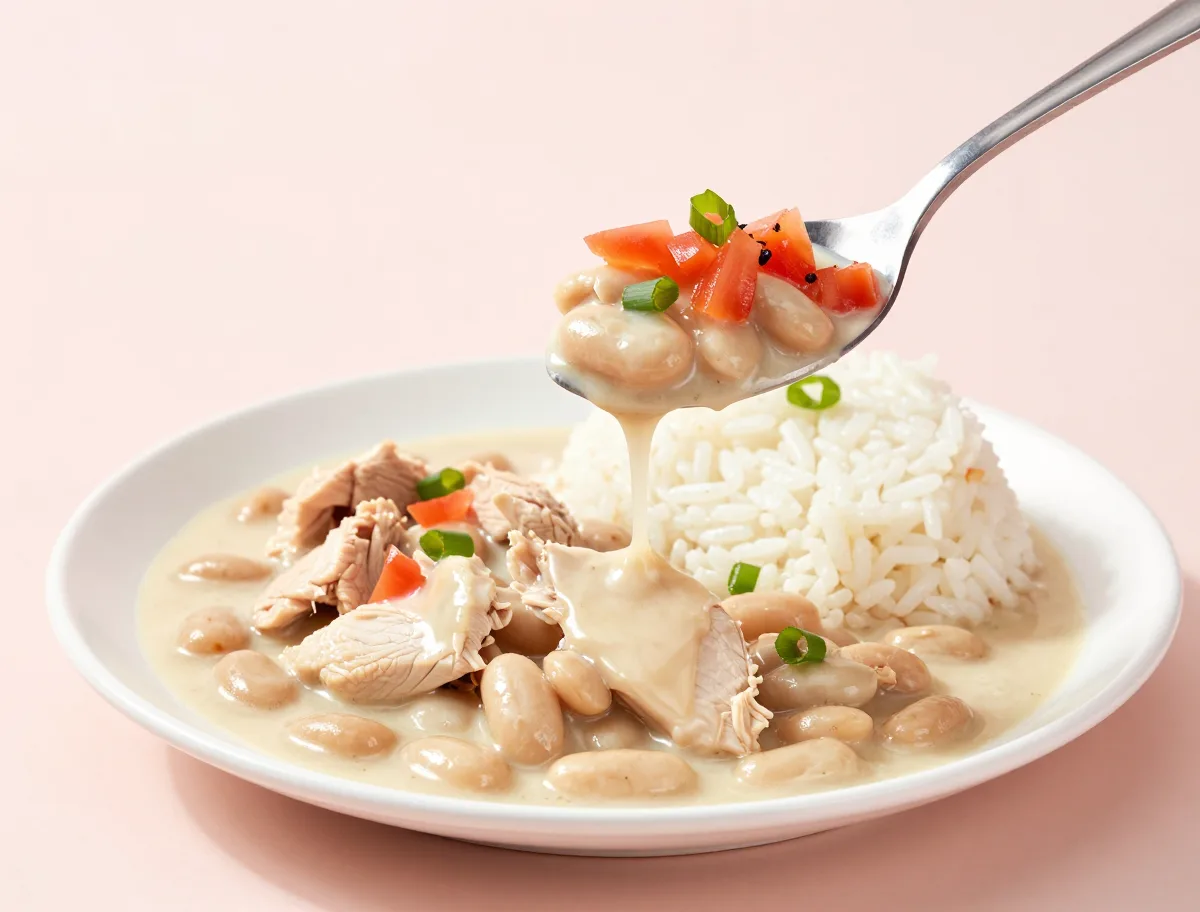
This Cheesecake Factory white chicken chili recipe is a creamy, mildly spicy copycat with browned chicken, white beans, roasted poblano, green chiles, salsa verde, steamed rice, pico de gallo, and green onions.
What Makes This Cheesecake Factory White Chicken Chili Different
This is a restaurant-style copycat adaptation rather than an official proprietary recipe. Its identity comes from the combination of bite-size browned chicken, white beans, roasted poblano, mild green chiles, salsa verde, a lightly thickened pale broth, and a restrained sour-cream finish.
- The chili is creamy and thick, but not a heavy cheese-based dip or a stiff bean stew.
- Roasted poblano supplies mellow vegetal smoke, while salsa verde and canned green chiles add brightness and layered chile flavor.
- Serving the chili with white rice, pico de gallo, and green onions is part of the recognizable restaurant-style presentation.
The Ingredients That Build Its Creamy Green-Chile Flavor
The recipe relies on several small contributions rather than one dominant seasoning. Chicken and stock provide savory depth, white beans add substance and natural starch, and the roasted poblano gives the chili its characteristic soft green-pepper flavor.
- A pale flour roux creates body before any dairy is added, so the sour cream can contribute tang and richness without carrying the entire texture.
- Salsa verde brings tomatillo acidity and moisture; chili-garlic paste and chipotle hot sauce add concentrated garlic, heat, and a little smoke.
- Brown sugar is used sparingly to round the salsa verde and chile flavors, not to make the chili sweet.
- Full-fat sour cream gives the smoothest finish and is less likely to break than low-fat versions.
Ingredients
- 1 3/4 pounds boneless, skinless chicken breast, cut into 3/4-inch cubes
- 1 1/4 teaspoons kosher salt, divided
- 1/2 teaspoon black pepper
- 3 tablespoons neutral cooking oil, divided
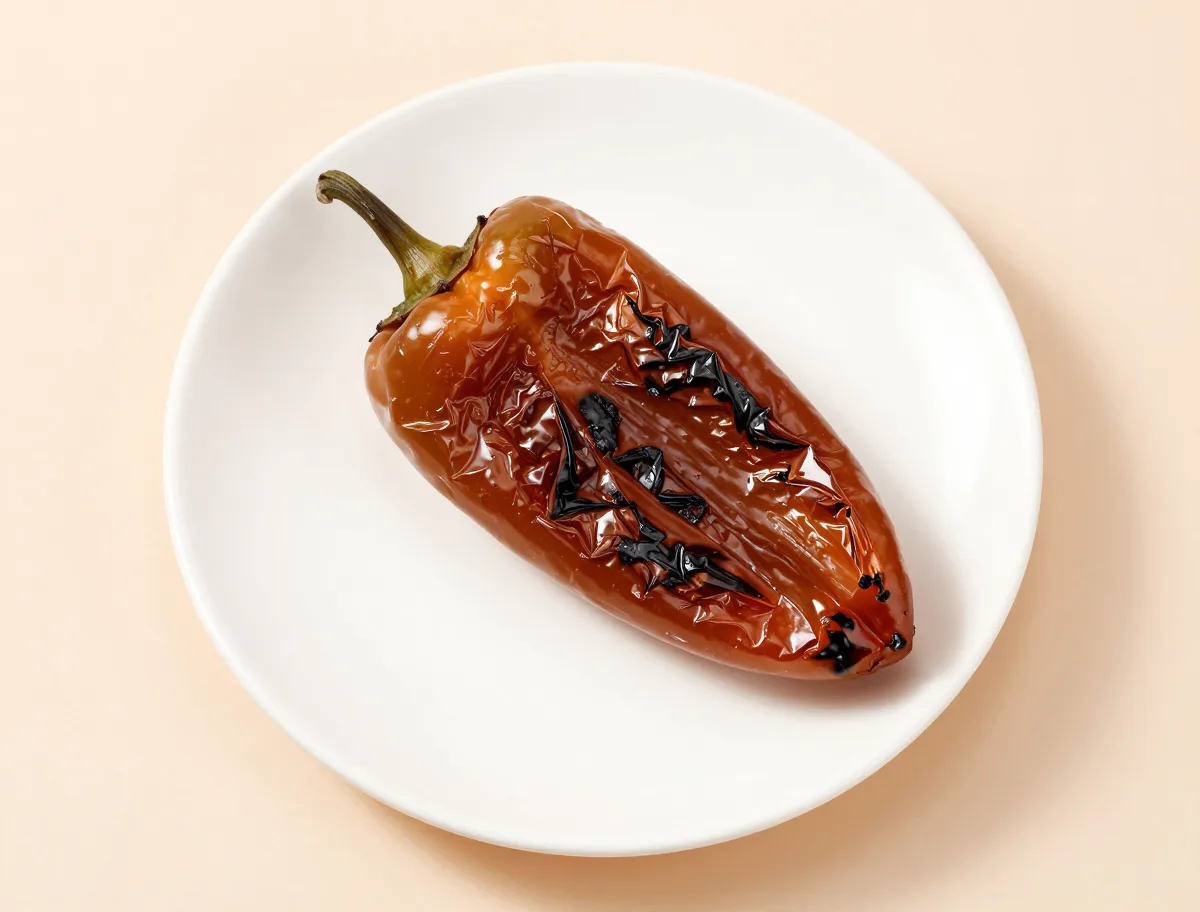
- 1 large poblano pepper, left whole for roasting, then peeled, seeded, and diced
- 1 medium yellow onion, finely diced
- 4 cloves garlic, minced
- 1/4 cup all-purpose flour
- 2 teaspoons ground cumin
- 1 1/2 teaspoons mild chili powder
- 1 teaspoon dried oregano
- 1 teaspoon light brown sugar
- 4 cups low-sodium chicken stock, warmed
- 3/4 cup salsa verde
- 4 ounces mild diced green chiles, drained
- 1 tablespoon chili-garlic paste, use 1 teaspoon for milder chili
- 1 teaspoon chipotle hot sauce, such as chipotle Tabasco
- 2 cans, 30 ounces each, white beans, rinsed and thoroughly drained; Great Northern, cannellini, or navy beans
- 3/4 cup full-fat sour cream, brought to room temperature
- 1 1/2 cups long-grain white rice, rinsed
- 2 1/4 cups water
- 1 cup pico de gallo, for serving
- 1/2 cup green onions, thinly sliced, for serving
How to Make the Chili Smooth and Restaurant-Style
The order of operations matters. Brown the chicken briefly for flavor, then remove it while the vegetables and roux are developed. This keeps the lean chicken from simmering too long and gives the flour time to thicken the stock properly.
- Roast and steam the poblano before peeling it; the brief covered rest loosens the skin and softens the pepper.
- Whisk the first small addition of stock into the flour mixture to form a smooth paste before adding the rest.
- Once the stock is incorporated, simmer the base before returning the chicken and beans. They need only enough time to finish gently and heat through.
- Temper the sour cream with hot broth and add it after removing the pot from the heat.
Instructions
- Roast the poblano: Heat the broiler to high. Place the whole poblano on a foil-lined baking sheet 4 to 6 inches below the broiler and broil, turning every few minutes, until blistered and blackened in spots, 6 to 8 minutes. Transfer to a bowl, cover, and let steam for 10 minutes. Rub away the skin, remove the stem and seeds, and dice the flesh.
- Brown the chicken: Pat the chicken dry and season with 1 teaspoon of the salt and the black pepper. Heat 1 tablespoon of the oil in a large Dutch oven over medium-high heat. Working in two batches, brown the chicken for 2 to 3 minutes per side; it need not be fully cooked. Transfer to a plate.
- Build the green-chile base: Reduce the heat to medium and add the remaining 2 tablespoons oil. Add the onion and cook until softened, about 5 minutes. Stir in the diced roasted poblano and garlic and cook for 1 minute. Sprinkle in the flour, cumin, chili powder, oregano, brown sugar, remaining 1/4 teaspoon salt, chili-garlic paste, and chipotle hot sauce. Stir constantly for 1 minute, until the flour coats the vegetables and loses its raw smell.
- Whisk in the stock: Pour in about 1/2 cup of the warm chicken stock while whisking continuously to make a smooth paste. Add the remaining stock in several additions, whisking after each pour. Stir in the salsa verde and green chiles. Bring the mixture to a gentle simmer and cook uncovered for 8 minutes, stirring occasionally, until lightly thickened.
- Finish the chili: Return the browned chicken and any accumulated juices to the pot. Stir in the drained beans and maintain a gentle simmer for 7 to 10 minutes, until the chicken reaches 165°F (74°C) in the center and the beans are hot but still intact. Do not boil vigorously.
- Add the sour cream: Remove the pot from the heat. Whisk about 1/2 cup of the hot chili broth into the sour cream in a bowl, then stir that mixture back into the pot. Let stand for 5 minutes, stirring gently once or twice. The chili should be creamy, thick enough to lightly coat a spoon, and still loose enough to flow around rice.
- Cook the rice and assemble: While the chili cooks, combine the rinsed rice and water in a saucepan. Bring to a boil, cover, reduce to low, and cook for 15 minutes. Remove from the heat and let stand, covered, for 5 minutes, then fluff. Spoon a modest mound of rice into each bowl, ladle the chili around and partly over it, and finish with pico de gallo and sliced green onions.
How to Tell When White Chicken Chili Is Done
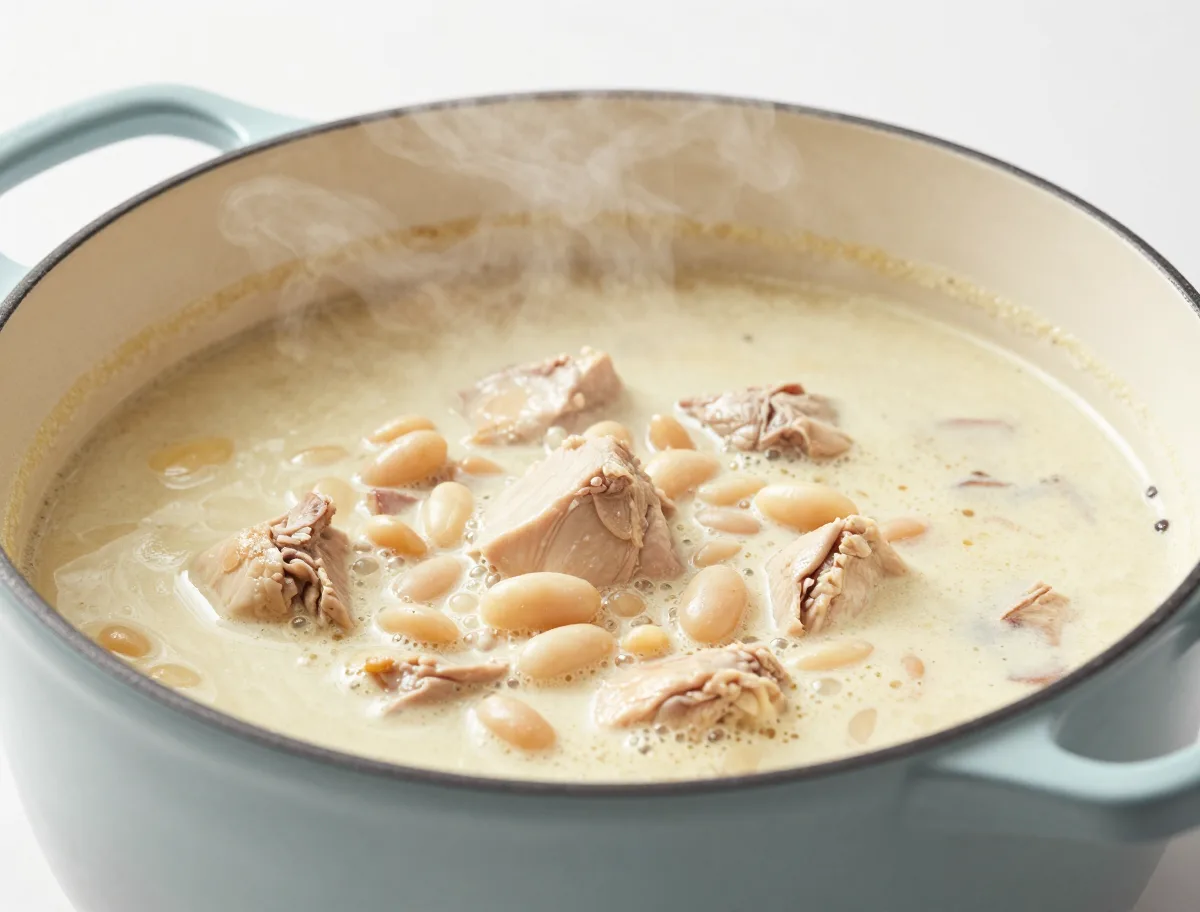
The finished chili should look slightly looser in the pot than it does in the bowl. Flour, bean starch, cooling, and contact with rice will all make it seem thicker as it stands.
- Chicken pieces should be tender, uniform, and fully opaque, with an internal temperature of 165°F (74°C).
- Beans should be hot and creamy but not collapsed into a puree.
- The broth should cling lightly to a spoon and flow around the rice rather than sit as a solid mound.
- The surface should look cohesive and creamy, without separated sour cream or a layer of grease.
- The poblano skin is blistered and charred in spots, and the flesh is soft after steaming.
- The chicken is browned on the outside, opaque throughout, and reaches 165°F (74°C) at the thickest piece.
- The onion is translucent and tender, with no raw garlic aroma.
- The broth lightly coats a spoon but remains pourable around the rice.
- The beans are creamy inside while retaining their shape.
- The sour cream is fully incorporated without visible curds or oil separation.
The Key Cooking Variables Behind the Creamy Texture
The flour works because it is first dispersed in fat and then hydrated gradually with stock. A short simmer activates its thickening power, while careful temperature control protects the sour cream from separating.
- A pale roux is preferable here: cooking the flour briefly removes its raw taste while preserving the chili’s light color and thickening ability.
- Adding all the stock at once can shock the roux into lumps; several small additions give the flour time to disperse.
- Sour cream is especially vulnerable to high heat when combined with acidic salsa verde. Temper it and avoid boiling after it is added.
- Taste after the chili has thickened and again with rice, since the rice softens the perception of salt, chile heat, and acidity.
Common White Chicken Chili Mistakes and How to Fix Them
Most problems with this recipe come from heat that is too high, liquid added too quickly, or chicken left in the pot too long. The best corrections are gradual; abrupt additions can create a second texture problem.
- Lumpy base: Whisk in the stock more slowly next time. For minor lumps, strain or briefly blend the broth before adding the chicken and beans.
- Watery chili: Simmer uncovered for a few additional minutes. Do not sprinkle dry flour directly into the finished pot, which can leave raw-tasting clumps.
- Overly thick chili: Stir in warm stock a few tablespoons at a time and taste again for salt and acidity.
- Curdled sour cream: Prevent it by tempering and avoiding a boil. Mild separation may smooth with gentle stirring, but severely split dairy cannot always be restored.
- Dry chicken: Use smaller, evenly cut pieces and stop cooking as soon as the center reaches 165°F (74°C).
- Too much heat: Dilute with a little stock, extra beans, or additional sour cream, then serve with rice. Do not try to balance excessive chile heat with a large amount of sugar.
Smart Substitutions for the Green Chiles and Sauces
Substitutions work best when they preserve three things: the pale color, the creamy body, and the layered green-chile profile. They will not all taste identical, so adjust salt and heat after tasting the brands you use.
- Canned fire-roasted or mild diced green chiles can replace the roasted poblano when fresh peppers are unavailable. Drain them well and use less added salt if they taste salty.
- An Anaheim pepper is a milder fresh substitute. Jalapeño adds heat but does not provide the poblano’s mellow roasted character.
- Jarred salsa verde is suitable in place of homemade salsa verde; choose one with bright tomatillo flavor and moderate heat.
- Use another chipotle hot sauce in place of chipotle Tabasco. Regular hot sauce supplies acidity and heat but less smoke; a small amount of minced chipotle in adobo is a smokier alternative.
- Replace chili-garlic paste with minced garlic plus a pinch of red-pepper flakes, adding the flakes gradually.
- Cannellini, Great Northern, and navy beans all fit the dish. Navy beans soften fastest, while cannellini remain the largest and most visibly intact.
- Mexican crema can replace sour cream. Plain full-fat yogurt is possible, but it requires the same careful low-temperature handling and may taste sharper.
Close Variations That Still Taste Like the Original
The defining boundaries are white beans, chicken, green chiles, a creamy thickened broth, and rice with fresh toppings. Adjustments can improve convenience or control heat without turning the dish into a different soup.
- For milder chili, use a mild salsa verde, remove the poblano’s seeds and veins, and reduce or omit the chipotle hot sauce.
- For more heat, add jalapeño, hotter salsa verde, or extra chili-garlic paste one small amount at a time.
- Boneless chicken thighs make a juicier version, while rotisserie chicken can be folded in near the end for a faster meal.
- For extra body without more dairy, mash about 1/2 cup of the beans before adding them.
- A vegetarian version can use vegetable stock and additional white beans, but it should be labeled as an adaptation because it will not reproduce the chicken-based flavor.
How to Serve Cheesecake Factory-Style White Chicken Chili
Cook the rice separately so it stays distinct and the chili retains its carefully controlled thickness. Place a moderate mound of rice in each bowl, ladle the chili around and partly over it, then add the fresh toppings just before serving.
- Pico de gallo contributes cool acidity and freshness against the creamy broth.
- Green onions add a crisp, lightly pungent finish and visual contrast.
- Keep the rice portion moderate; too much rice dilutes the green-chile flavor and makes the bowl feel more like a rice entrée.
- Optional cilantro, lime, tortilla strips, or a little Monterey Jack can be added, but rice, pico de gallo, and green onions establish the intended profile.
How to Store, Freeze, and Reheat the Chili
This chili is convenient to make ahead, but the flour and bean starches continue to tighten as it chills. Store the chili, rice, and fresh toppings separately whenever possible.
- Refrigerate leftovers within two hours in shallow containers and use them within 3 to 4 days at 40°F (4°C) or below.
- Reheat gently on the stovetop or in the microwave, stirring frequently and adding warm stock as needed. Reheated portions should reach 165°F (74°C).
- For freezing, cool the chili promptly and freeze it without rice, pico de gallo, or green onions. The sour cream may separate slightly after thawing.
- For the smoothest freezer result, freeze the chili before adding the sour cream, then stir tempered sour cream into the reheated chili.
- Cool and refrigerate cooked rice separately and promptly; fresh rice is preferable for make-ahead service.
Cheesecake Factory White Chicken Chili FAQs
These answers address the choices that most affect the chili’s resemblance to the restaurant-style version: bean texture, chicken format, roasted chile flavor, controlled heat, and a smooth dairy finish.
Is this the official Cheesecake Factory white chicken chili recipe?
No. It is an independently developed copycat adaptation informed by the restaurant’s publicly described ingredients and presentation. The exact proprietary formula is not established here.
What white beans work best?
Great Northern beans provide a balanced texture and appearance. Cannellini beans are larger and creamier, while navy beans are smaller and soften more readily.
Do I have to roast the poblano?
Roasting is strongly recommended because it softens the pepper and adds mellow, smoky flavor. If needed, substitute drained fire-roasted or mild canned green chiles.
Should the chicken be cubed or shredded?
Small cubes are the closest match to the restaurant-style bite and distribute evenly through the chili. Shredded or rotisserie chicken is a useful shortcut but produces a different texture.
How spicy is the finished chili?
With mild salsa verde and mild canned chiles, it is generally mild to moderately spicy. Control the heat independently by adjusting the poblano seeds and veins, salsa verde, chili-garlic paste, and chipotle hot sauce.
Why is the sour cream added at the end?
Sour cream can split when boiled, particularly in an acidic broth. Tempering it with hot broth and stirring it in off heat keeps the finish smooth.
Can I cook the rice in the chili?
It is better to cook the rice separately. Rice cooked in the chili releases uncontrolled starch, absorbs broth, and makes the final consistency difficult to manage.
Can I use heavy cream instead of sour cream?
You can, but the result will be richer and less tangy. Sour cream better preserves the intended balance; add any dairy at low heat rather than boiling it.
A Note on White Chili and Restaurant Copycats
White chicken chili is a modern American chili variation built around poultry, white beans, green chiles, and a pale broth. It does not have one universally settled traditional origin, so this recipe uses “copycat” and “restaurant-style” accurately rather than claiming historical authenticity.
- The Cheesecake Factory publicly described its white chicken chili as a dish of chicken, white beans, roasted green chiles, onions, garlic, spices, steamed rice, and fresh salsa. You can review the restaurant’s public menu description for that context.
- The roasted poblano, flour-thickened broth, salsa verde, sour cream, pico de gallo, and green onions in this adaptation are intended to capture that restaurant profile.
- Restaurant recipes can change over time or differ by production method, so no home version should be presented as the exact proprietary formula.
Food Safety Notes for Chicken Chili
Handle the raw chicken, cooked rice, and fresh toppings as separate food-safety zones. Clean the knife, board, hands, and work surface used for raw poultry before preparing pico de gallo or handling cooked rice.
- Cook every chicken piece to an internal temperature of 165°F (74°C), measured in the thickest piece.
- Refrigerate the chili and rice within two hours, or within one hour if the surrounding temperature is above 90°F (32°C).
- Use shallow containers to cool leftovers quickly rather than placing a deep, hot pot directly into the refrigerator.
- Reheat leftovers to 165°F (74°C), stirring thick portions to eliminate cold spots. Follow USDA safe cooking temperature guidance for poultry and reheated leftovers.
- Discard perishable food that has remained at room temperature beyond the recommended time limits.