Lobster Cakes Recipe for Crispy, Tender Patties
This lobster cakes recipe uses cooked lobster meat, a light panko binder, and a crisp panko coating for golden patties that stay tender and moist inside. Serve them hot with lemon, tartar sauce, or remoulade.
What Makes These Lobster Cakes Work
A good lobster cake is a compact, lobster-forward patty rather than a dense seafood croquette. The meat should remain visibly chunky, the coating should turn crisp and golden, and the center should be tender enough to stay moist after the brief pan-fry.
- Use moderate-size patties so the crust browns before the cooked lobster dries out.
- Keep the binder restrained; the lobster should remain the dominant texture and flavor.
- Serve the cakes hot or very warm, with sauce on the side so the crust stays crisp.
Why the Ingredients Matter
The egg supplies structure as it sets in the skillet, while mayonnaise adds richness without requiring a heavy filling. Dijon, lemon, Worcestershire, scallions, parsley, and seafood seasoning sharpen the lobster’s sweetness. Panko performs two separate jobs: a small amount gives the interior enough body to hold together, and a larger, dry coating creates the crunchy exterior.
- Dry lobster is essential because surface water weakens the binder and encourages steaming.
- Panko keeps the mixture lighter than a large quantity of fine crumbs.
- Oil and butter together provide controllable browning with butter flavor and less risk of scorching than butter alone.
Ingredients
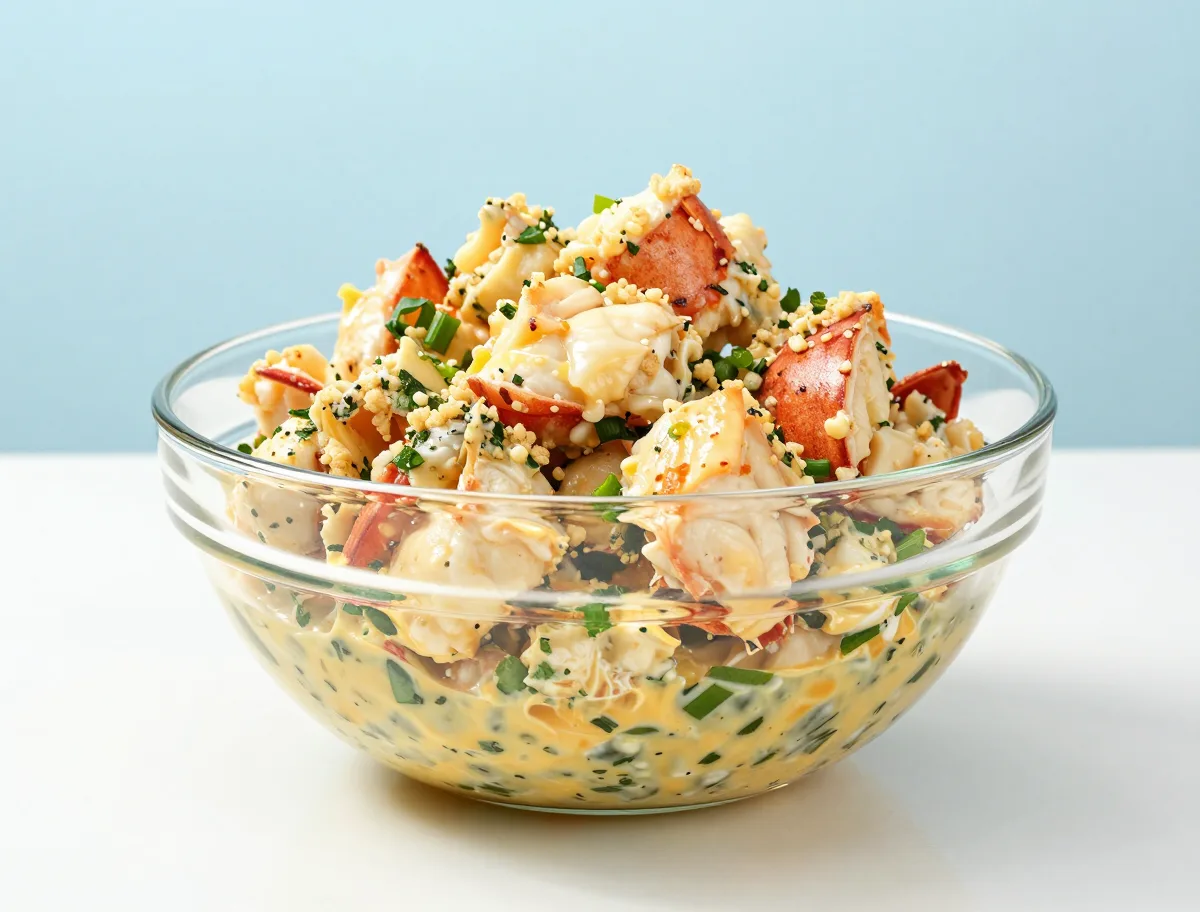
- 16 ounces cooked lobster meat, well drained, patted dry, and checked for shell fragments
- 1 large egg, beaten
- 1/4 cup mayonnaise
- 2 teaspoons Dijon mustard
- 1 teaspoon finely grated lemon zest
- 2 teaspoons fresh lemon juice
- 1/3 cup scallions, thinly sliced
- 2 tablespoons flat-leaf parsley, finely chopped
- 1 teaspoon Old Bay or other seafood seasoning
- 1 teaspoon Worcestershire sauce
- 1/4 teaspoon fine sea salt
- 1/2 teaspoon freshly ground black pepper
- 1/2 cup panko breadcrumbs, for the interior mixture
- 3/4 cup panko breadcrumbs, for coating
- 2 tablespoons neutral oil
- 1 tablespoon unsalted butter
How to Shape and Fry Lobster Cakes
Handle the lobster as little as possible. Mixing the wet ingredients first distributes the seasoning evenly, so the meat only needs a gentle fold afterward. A short rest hydrates the interior crumbs, and chilling the formed cakes firms the fat and binder before they meet the hot skillet.
- Cut by hand and reserve some larger pieces for a distinctly lobster-like bite.
- Shape with light pressure; compacting the mixture too firmly produces dense cakes.
- Turn only after a crust has formed, and use a thin spatula rather than trying to flip the cakes with tongs.
- Cook in batches if necessary; crowded cakes steam instead of browning.
Instructions
- Prepare the lobster: Pat the lobster very dry. Cut about one-third of it into 1/2-inch chunks and the remainder into slightly smaller pieces; do not process it into a paste. Set aside.
- Make the binder: In a large bowl, whisk together the egg, mayonnaise, Dijon mustard, lemon zest, lemon juice, Worcestershire sauce, seafood seasoning, salt, and pepper. Stir in the scallions and parsley.
- Combine and rest: Fold the lobster into the binder with a spatula, then fold in the 1/2 cup interior panko just until evenly distributed. The mixture should be moist and lightly tacky but should hold its shape when pressed. Let it stand for 10 minutes so the crumbs can absorb excess moisture.
- Shape and chill: Divide the mixture into 8 equal portions. With lightly damp hands, shape each into a 3-inch-wide, 3/4-inch-thick patty, using just enough pressure to make it cohesive. Coat each cake in the remaining panko, pressing gently so the crumbs adhere. Arrange on a parchment-lined tray and refrigerate for at least 30 minutes.
- Heat the skillet: Place a large nonstick or well-seasoned skillet over medium heat. Add the oil and butter. Heat until the butter has melted and the fat shimmers but is not smoking.
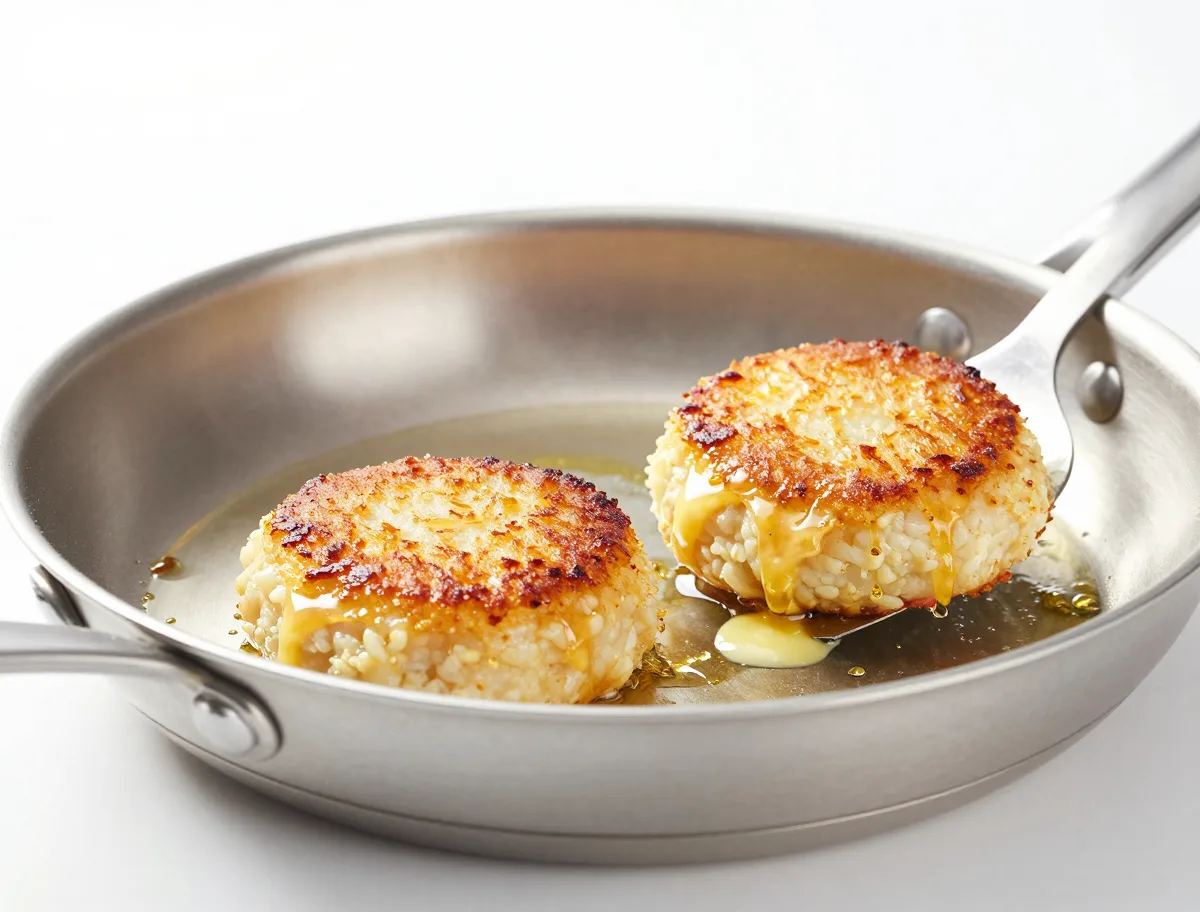
- Pan-fry the cakes: Add the chilled cakes without crowding the pan; cook in two batches if needed. Fry for 3 to 4 minutes on the first side, without pressing or moving them, until the underside is deep golden and releases easily. Turn carefully with a thin spatula and cook for 3 to 4 minutes more.
- Check and serve: Transfer the cakes to a wire rack or paper towel-lined plate for 1 minute. They should have a crisp, golden crust and a hot, cohesive center. For the most reliable safety check, measure the thickest cake; freshly assembled cakes should reach at least 160°F, while cakes made from refrigerated or frozen leftovers should be reheated to 165°F. Serve immediately with lemon wedges and tartar sauce or remoulade.
How to Tell When Lobster Cakes Are Done
Look for an evenly browned surface, firm edges, and a center that is hot and cohesive but not dry. The cakes should lift cleanly from the pan and remain intact after turning. Because the lobster is already cooked, prolonged frying is more likely to damage the texture than to improve it.
- A properly mixed raw patty feels moist and tacky, not wet or paste-like.
- Pale, soft patches usually indicate excess moisture, low pan heat, or overcrowding.
- Use a thermometer when possible: aim for at least 160°F for freshly assembled cakes and 165°F for reheated leftovers.
- The cakes are evenly golden with crisp, dry-looking edges.
- The crust releases from the skillet before turning; if it resists, give it another 30 to 60 seconds.
- The center feels firm and hot rather than loose or cold.
- Freshly assembled cakes should reach at least 160°F in the center; reheated leftovers should reach 165°F throughout.
The Moisture and Heat Controls That Matter
The recipe balances free moisture with absorbent crumbs. Panko fills the spaces between lobster pieces, while egg creates a set matrix as it cooks. Chilling gives that structure a head start, but the final texture depends just as much on dry lobster, moderate heat, and consistent patty thickness.
- Very wet lobster makes fragile cakes and prevents the exterior from crisping.
- Too many crumbs or excessive pressure during shaping replaces tender lobster with a bready texture.
- Medium heat allows the coating to brown while the center warms; high heat can burn the panko before the cake is hot.
- A uniform thickness matters more than making the cakes especially large.
Common Lobster Cake Problems and Fixes
Most failures can be traced to moisture, insufficient chilling, or pan control. Make small corrections rather than adding a large amount of filler, which can quickly turn a lobster cake dense and bready.
- If the mixture crumbles, first check that the lobster was patted dry. If it is still loose, fold in 1 tablespoon of panko at a time and chill longer.
- If cakes break during turning, they may be too large, insufficiently chilled, or flipped before the first crust formed.
- If cakes are dense, reduce handling and avoid adding extra crumbs beyond what is needed for cohesion.
- If cakes are greasy or soggy, use a hotter preheated skillet, cook fewer at a time, and drain briefly on a rack.
- If the coating burns before the center is hot, lower the heat and finish the cakes gently rather than continuing over high flame.
- If cakes stick, wait for the crust to set before moving them; a properly preheated, lightly greased skillet also helps.
Lobster Cake Substitutions
This formula works with fresh-cooked lobster, thawed frozen meat, or promptly refrigerated leftovers. The key adjustment is moisture: previously frozen or leftover lobster often needs more draining and blotting before it is mixed.
- Use gluten-free panko or finely crushed gluten-free rice crackers in equal starting amounts; absorption may vary, so adjust by the tablespoon.
- Fine breadcrumbs make a tighter, softer cake, while panko gives the most open crunch.
- Greek yogurt can replace up to half of the mayonnaise, but the mixture will be tangier and potentially less rich; add a little extra panko only if needed.
- For a lower-carbohydrate version, omit the exterior crumbs and replace the interior panko with 2 tablespoons of almond flour. Shape smaller cakes and chill them thoroughly; they will be more delicate.
- Neutral oil, olive oil, or clarified butter can replace the oil-butter combination. Regular butter alone browns more quickly.
Baked, Air-Fried, and Other Lobster Cake Variations
Pan-frying gives the most even golden crust, but other methods are useful when cooking a large batch or limiting added fat. These variations retain the defining features of lobster cakes: visible lobster pieces, modest binder, and a cohesive patty.
- To bake, heat the oven to 425°F, oil a parchment-lined baking sheet, and bake the chilled cakes for about 12 to 16 minutes, turning once. Expect a somewhat less uniform crust than with skillet frying.
- To air-fry, lightly oil the breaded cakes and cook at 400°F in a single layer, checking after 8 minutes and continuing until browned and hot throughout. Appliance timing varies.
- A fine-crumb coating creates a more compact crust; an uncoated cake can be seared for a softer exterior.
- Adding crab, potato, or a large amount of vegetables changes the balance and should be treated as a different seafood-cake variation rather than a direct substitute.
For additional comparative context on Maine lobster cakes, including chilling, coating, baking, and serving, see Maine Lobster’s crab and Maine lobster cakes guidance.
What to Serve with Lobster Cakes
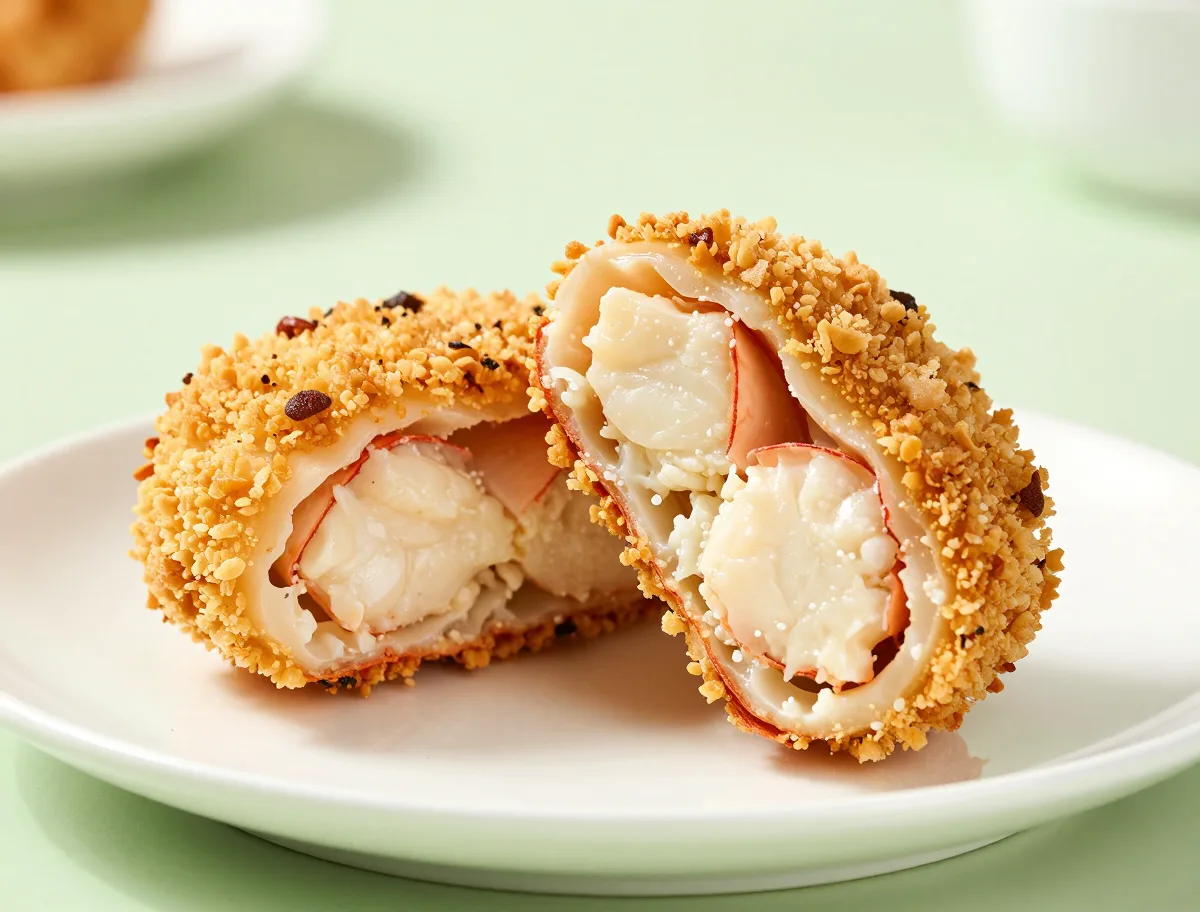
Serve the cakes immediately with lemon wedges and a cool, acidic sauce. Classic tartar sauce highlights the lobster gently, while remoulade brings mustard, herbs, and spice. Keep the sauce alongside rather than spooning it over the crust.
- For an appetizer, serve two small cakes per person with individual sauce portions, greens, or pickled vegetables.
- For a main course, serve three or four cakes with slaw, a green salad, grilled asparagus, or roasted vegetables.
- A lemony yogurt sauce or herb mayonnaise is a lighter alternative to tartar sauce.
- Avoid covering the cakes tightly after frying; trapped steam softens the panko.
How to Store, Freeze, and Reheat Lobster Cakes
For the best texture, shape the cakes ahead and refrigerate them before cooking. Cooked cakes can also be stored, although the coating will soften somewhat. Refrigerate perishable lobster mixtures and finished cakes within 2 hours, or within 1 hour when the surrounding temperature is above 90°F.
- Keep covered cakes refrigerated at 40°F or below and use cooked lobster cakes within 3 to 4 days.
- Freeze uncooked formed cakes on a lined tray until firm, then wrap airtight. Thaw them in the refrigerator before cooking for more even browning.
- Reheat in a 350°F oven, skillet, or air fryer until the center reaches 165°F. This is safer and usually crisper than microwaving.
- Microwaving is quick but tends to soften the coating and can leave the center unevenly heated.
- Do not leave cooked cakes cooling at room temperature for an extended period simply to preserve crispness; cool briefly, then refrigerate.
Lobster Cakes Recipe FAQ
These practical answers cover the most common questions about the lobster, binder, chilling, cooking method, and finished texture.
Do I cook the lobster before making lobster cakes?
Yes. This recipe is designed for cooked lobster meat, including fresh-cooked, thawed frozen, or properly stored leftover lobster. Drain and pat it dry before mixing.
Can I make lobster cakes without crab?
Yes. Crab is not required. These cakes are formulated to remain lobster-forward while using egg, mayonnaise, and panko for structure.
How coarsely should I chop the lobster?
Cut some of the meat into noticeable 1/2-inch chunks and the rest into smaller pieces. Avoid a food processor, which can turn the meat into a paste.
How long should lobster cakes chill before frying?
Chill the formed cakes for at least 30 minutes. A longer rest of several hours or overnight is helpful if the mixture feels soft or if you are preparing them ahead.
Why are my lobster cakes falling apart?
The usual causes are wet lobster, too little crumb, oversized patties, inadequate chilling, or turning before the first side has developed a crust. Dry the meat well, add panko a tablespoon at a time if needed, and wait for a firm golden underside before flipping.
Is it better to fry or bake lobster cakes?
Pan-frying produces the crispest and most evenly browned exterior. Baking is convenient for a larger batch and uses less added fat, but the sides are usually less uniformly crisp.
How do I keep lobster cakes moist?
Use cooked lobster that is dry on the surface but not overcooked, mix gently, avoid excessive panko, shape moderately thick cakes, and cook only until the crust is browned and the center is hot.
What sauce goes with lobster cakes?
Tartar sauce, remoulade, lemon aioli, and herb mayonnaise all work well. Lemon wedges are useful with any of them because the acidity balances the rich crust.
Safe Handling for Lobster Cakes
Lobster, egg, and mayonnaise make this a perishable preparation. Keep the meat cold while working, use clean utensils and surfaces, and do not taste the uncooked mixture because it contains raw egg.
- Thaw frozen lobster in the refrigerator, or use cold water or a microwave only when it will be cooked immediately afterward.
- Keep the refrigerator at 40°F or below and the freezer at 0°F or below.
- Refrigerate or freeze the mixture, formed cakes, and leftovers within 2 hours, or within 1 hour above 90°F.
- For freshly assembled cakes, check the thickest cake for a hot, set center and at least 160°F. Reheat refrigerated or frozen leftovers to 165°F throughout.
- Discard cakes with uncertain storage history; smell and appearance cannot reliably establish safety.
For additional seafood storage, thawing, and temperature-control guidance, consult the FDA guidance on selecting and serving fresh and frozen seafood safely.