Mont Blanc Cake Recipe with Chestnut Cream
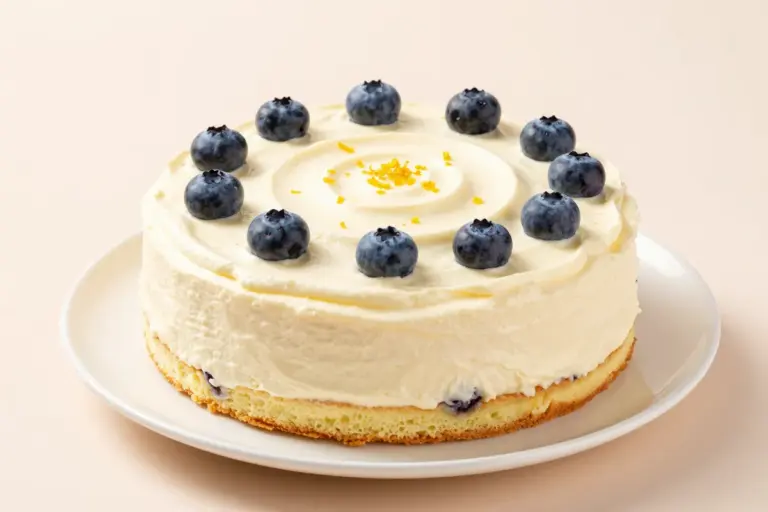
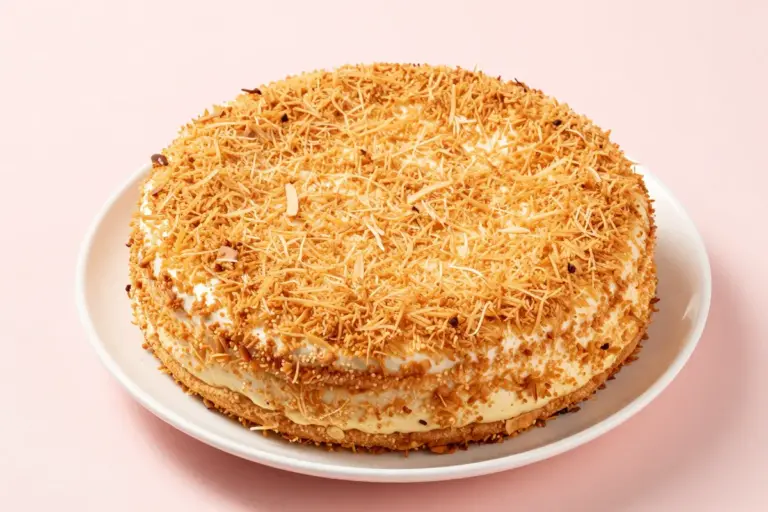
This Mont Blanc cake recipe layers a crisp meringue base with lightly sweetened whipped cream and smooth chestnut cream piped into fine, mountain-like strands.
What Makes This Mont Blanc Cake
Mont Blanc is a French chestnut dessert named for its snowy mountain appearance. The classic combination is a crisp meringue or pastry base, a cloud of lightly sweetened whipped cream, and chestnut cream arranged as fine vermicelli over the top.
- This recipe makes one 9-inch shareable cake rather than individual pastries.
- The meringue supplies a crisp, naturally gluten-free foundation.
- A rounded whipped-cream dome creates the height; chestnut strands provide the mountain silhouette.
- The flavor should be chestnut-forward but not cloying, since the cream is deliberately only lightly sweetened.
The Ingredients That Give Mont Blanc Its Structure
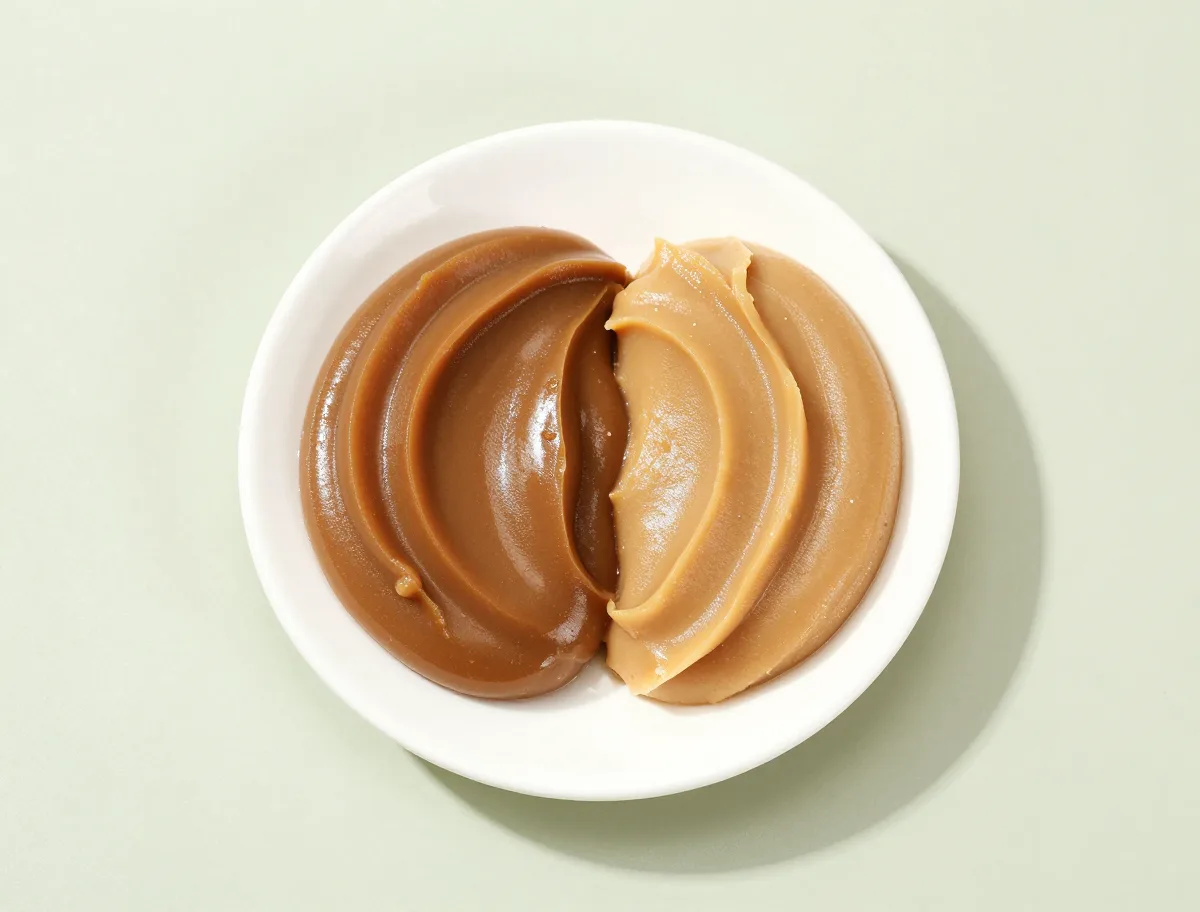
The chestnut products do different jobs. Sweetened chestnut paste contributes concentrated flavor, sweetness, and body, while unsweetened purée softens the mixture and keeps the topping from tasting overly sugary. Cold heavy cream is divided between loosening the chestnut mixture and making the airy center.
- Do not assume chestnut purée, chestnut paste, and crème de marrons are interchangeable: purée is usually unsweetened and wetter, while paste is denser and crème de marrons is sweetened.
- Cornstarch helps the meringue dry into a stable disk without making it heavy.
- A small amount of salt and vanilla makes the chestnut taste fuller rather than salty or strongly vanilla-flavored.
- Cream containing about 30% to 35% milk fat or more gives the most dependable whipped structure.
Ingredients
- 4 large egg whites, at room temperature
- 200 g granulated sugar, divided
- 2 teaspoons cornstarch
- 1 teaspoon vanilla extract, divided
- 1/4 teaspoon fine salt, divided
- 300 g sweetened chestnut paste, or firm crème de marrons
- 180 g unsweetened chestnut purée, smoothly blended
- 60 ml heavy cream, cold, for loosening the chestnut mixture
- 1 tablespoon dark rum, or 1 teaspoon alcohol-free rum flavoring, optional
- 450 ml heavy cream, very cold, for whipping
- 30 g confectioners’ sugar, sifted
- 1/2 teaspoon vanilla extract, for the whipped cream
- 1 pinch fine salt, for the whipped cream
- 1 tablespoon confectioners’ sugar, for dusting, optional
- 1 marron glacé candied chestnut, quartered, for decoration, optional
How to Assemble the Cake and Pipe Chestnut Strands
The order matters: dry and cool the base, prepare a smooth chestnut mixture, whip the cream while it is very cold, and build the dome before piping. Chilling the cream mound gives the chestnut topping something firm to cling to and makes a large cake easier to cover neatly.
- Add loosening cream to the chestnut mixture gradually; it is easy to thin the paste beyond repair.
- Pipe from the bottom upward in overlapping passes so the strands support one another and hide gaps.
- A multi-hole Mont Blanc nozzle creates the finest traditional vermicelli. A potato ricer is a useful substitute, while a small round tip makes close lines rather than true strands.
- If the piping bag becomes warm, pause and chill it rather than increasing pressure.
Instructions
- Prepare the pan and oven. Heat the oven to 225°F (110°C). Line a baking sheet with parchment and draw a 9-inch (23 cm) circle on the underside. Make sure the mixing bowl and whisk for the meringue are completely clean and grease-free.
- Whip the meringue. Beat the egg whites and half of the salt at medium speed until foamy. Increase to medium-high and add 150 g of the granulated sugar gradually, beating until the whites are glossy and hold firm peaks. Mix the remaining 50 g sugar with the cornstarch, then fold it in gently with half of the vanilla. The finished meringue should be thick enough to retain sharp ridges.
- Shape and dry the base. Spread the meringue inside the marked circle, keeping the center level and the edge slightly raised. Bake for 75 minutes, then turn off the oven and leave the meringue inside for 30 minutes with the door slightly ajar. It should feel dry and lift from the parchment without a wet underside. Cool completely on the pan.
- Make the chestnut cream. Beat the chestnut paste, chestnut purée, remaining vanilla, and remaining salt until smooth. Add the rum, if using. Beat in the 60 ml cold heavy cream one teaspoon at a time until the mixture is homogeneous and pipeable; you may not need all of it. Pass the mixture through a fine sieve if it contains fibers or lumps, then chill it for at least 30 minutes. It should extrude in a continuous line and hold a ridge rather than flow.
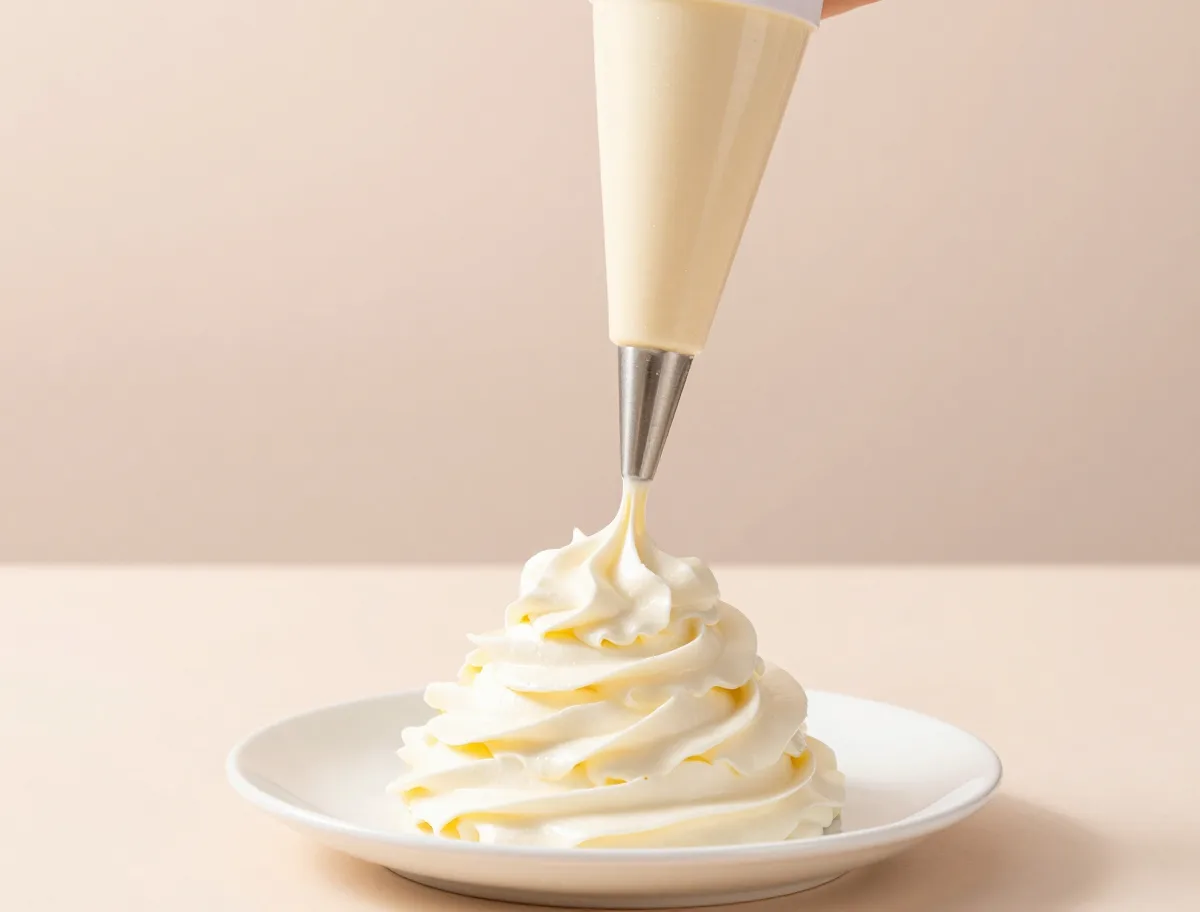
- Whip the cream. Using a chilled bowl and beaters, whip the 450 ml very cold heavy cream with the sifted confectioners’ sugar, remaining vanilla, and the pinch of salt until firm, smooth peaks form. Stop before the cream looks grainy.
- Build the cream mountain. Transfer the cooled meringue to a serving plate. Spoon the whipped cream onto the center and shape it into a compact dome with a rounded peak, leaving a narrow border of meringue visible. Chill the mound for 30 to 45 minutes so it firms before piping.
- Pipe the chestnut vermicelli. Fit a piping bag with a Mont Blanc or multi-hole vermicelli tip and fill it with the chilled chestnut cream. Pipe from the bottom of the dome upward in overlapping circular passes, maintaining steady pressure and covering the whipped cream completely. If using a small round tip, pipe many close parallel lines instead. Chill the finished cake for at least 1 hour.
- Decorate and serve. Just before serving, dust the cake lightly with confectioners’ sugar and add the quartered marron glacé, if using. Keep the cake refrigerated until serving, then cut with a sharp knife, wiping the blade between slices.
How to Tell When Each Component Is Ready
Timing is helpful, but texture is the better guide for this dessert. The base must be dry, the cream must stand in smooth peaks, and the chestnut mixture must be firm enough to retain ridges after it leaves the piping tip.
- A properly dried meringue lifts cleanly from the parchment and is dry underneath; a sticky center will soften quickly under the cream.
- Whipped cream should hold a peak with a defined tip but still look smooth and moist. Graininess means it has been overwhipped.
- Chestnut cream should come through the tip continuously, without crumbs, lumps, or watery slumping.
- The assembled cake is ready to serve when the dome feels stable and the layers remain distinct during slicing.
Doneness Cues
- The meringue is dry to the touch, releases from the parchment, and has no wet or sticky center.
- The whipped cream holds firm, smooth peaks and remains billowy rather than grainy.
- The chestnut cream passes smoothly through the piping tip, forms continuous strands, and retains visible ridges.
- The assembled dome feels stable when the plate is moved and does not slide or weep.
- The finished cake has a distinct base, rounded cream center, and mountain-like chestnut exterior.
The Two Variables That Matter Most: Moisture and Temperature
Mont Blanc succeeds when moisture is controlled and the cream components stay cold. Sugar helps create the dry meringue structure, while chilled milk fat forms a stronger network around the air in whipped cream. Chestnut purée, by contrast, contains water and starch, so its flow changes noticeably with brand, temperature, and added cream.
- A humid environment or wet filling will soften meringue faster; assemble as close to serving as practical.
- Cold cream whips more reliably because its fat can support a stable foam.
- Chilling firms chestnut cream and sharpens its strands, but an excessively cold, dense paste may need a few minutes at room temperature before piping.
- Start with a slightly firm chestnut mixture. It can be loosened in small amounts, whereas a runny mixture is difficult to thicken without changing the balance.
Common Mont Blanc Cake Problems and Their Fixes
Most failures come from excess moisture, insufficient chilling, or a chestnut mixture that has not been processed smoothly. Correct the texture before continuing to assemble or pipe.
- Sticky meringue: Dry it longer at low heat before assembly. Once it has absorbed cream, it cannot be returned to its original crispness.
- Collapsed whipped cream: Use colder cream and equipment, stop at firm smooth peaks, and keep the cake refrigerated.
- Lumpy chestnut strands: Blend the mixture thoroughly and pass it through a fine sieve; clean the piping tip if fibers clog it.
- Chestnut cream too stiff: Let it temper briefly, beat it smooth, and add cream by the teaspoon.
- Chestnut cream too loose: Chill it first, then mix in additional chestnut paste if necessary.
- Broken or drooping strands: Chill both the piping bag and the cream mound, then use steady rather than forceful pressure.
Useful Mont Blanc Substitutions
Substitutions work best when they account for sweetness and moisture, not just equal volume. The defining chestnut flavor and mountain-like assembly should remain intact.
- Crème de marrons can replace some or all of the sweetened chestnut paste, but it is usually softer and sweeter. Omit additional sugar and chill the mixture well; blending in firmer paste can restore piping body.
- Unsweetened chestnut purée can replace part of the sweetened component, but it may need extra sugar and a denser chestnut ingredient to hold strands.
- Replace rum with vanilla, alcohol-free rum flavoring, a little orange zest, or a small amount of strong coffee.
- Use a plant-based whipping cream designed for whipping in place of dairy cream. Ordinary coconut beverage or thin coconut milk will not provide the same structure.
- A potato ricer or small round piping tip can replace a dedicated Mont Blanc nozzle.
Classic-Friendly Variations
Mont Blanc has appeared with meringue, sponge, tart pastry, and shortbread bases. These variations remain recognizable when chestnut, whipped cream, and the mountain form stay central.
- For a chocolate Mont Blanc, replace part of the meringue base with a thin chocolate meringue or add a restrained dusting of cocoa; keep the chestnut topping dominant.
- For individual Mont Blancs, divide the meringue into six smaller disks and reduce the chilling time between assembly stages.
- A sponge or tart base creates a softer, more cake-like dessert but will not have the same crisp contrast as this meringue version.
- A verified meringue base makes the recipe naturally gluten-free.
- Pumpkin, sweet potato, or nut cream may produce attractive desserts, but they are variations inspired by Mont Blanc rather than conventional chestnut Mont Blanc.
How to Serve Mont Blanc Cake
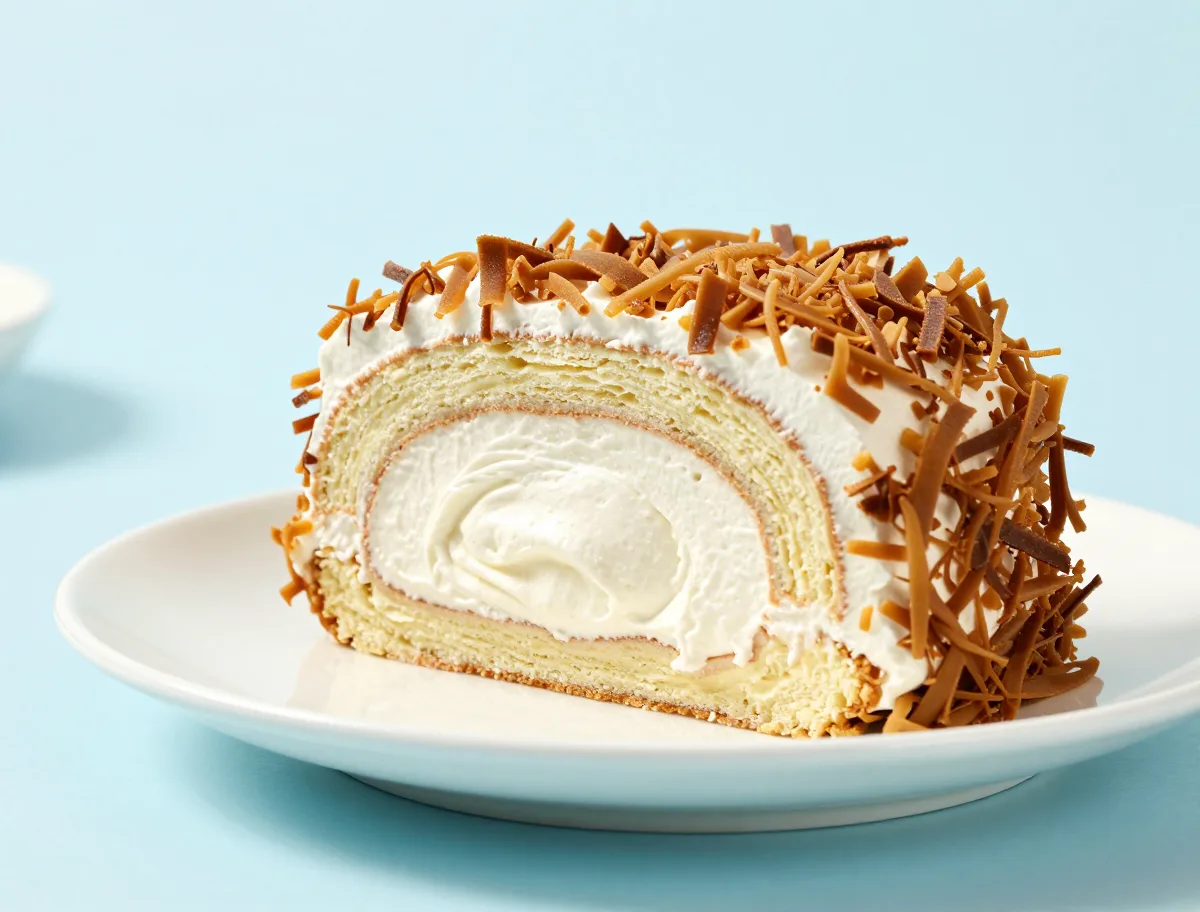
Serve the cake thoroughly chilled, but allow only a short time at room temperature so the chestnut aroma opens without sacrificing stability. A light veil of confectioners’ sugar suggests snow and is usually all the decoration needed.
- Add the sugar and marron glacé immediately before serving so the finish stays distinct.
- Use one small piece of candied chestnut per slice, or omit it when the chestnut mixture is already very sweet.
- Slice with a sharp knife and wipe the blade between cuts to preserve the visible layers.
- Pair with unsweetened coffee, black tea, or another bitter drink that offsets the rich chestnut and meringue.
How to Make Ahead and Store Mont Blanc Cake
The components can be prepared in advance, but the best texture comes from assembling the cake on the day it is served. Refrigeration protects the dairy cream while gradually softening the meringue, so quality and food-safety timelines are not identical.
- Store the cooled meringue airtight at room temperature in a dry place for up to one day.
- Refrigerate chestnut cream in a covered container for up to two days and bring it only briefly toward cool room temperature if needed for piping.
- Keep the assembled cake covered and refrigerated at 40°F (4°C) or below. It is best within 24 hours, although refrigerated leftovers should be used within 3 to 4 days.
- Freeze the unassembled meringue base if necessary, well wrapped. Freezing the finished cake can cause the whipped cream to separate and the base to become soggy.
- Mont Blanc is served cold and should not be reheated.
Mont Blanc Cake FAQs
These answers address the product choices, piping tools, and handling decisions that most affect the finished dessert.
Is this a traditional Mont Blanc?
It uses the classic reference components—meringue, lightly sweetened whipped cream, and chestnut vermicelli—but presents them as one shareable celebration cake. Individual pastries are also a common format.
Can I use chestnut purée by itself?
Not without adjustment. Unsweetened purée is usually wetter and less sweet than chestnut paste, so it may need added sugar and a firmer chestnut ingredient to become pipeable.
What if I do not have a Mont Blanc piping tip?
Use a small-hole potato ricer for rustic fine strands or a small round piping tip for close parallel lines. The appearance will differ slightly, but the structure and flavor remain appropriate.
Why is my chestnut cream clogging the tip?
It may contain coarse fibers, be too cold and dense, or be insufficiently blended. Beat it smooth, sieve it, and let it temper briefly. Add only a very small amount of cream if it still will not extrude.
Can I make the cake alcohol-free?
Yes. Omit the rum and use the listed alcohol-free rum flavoring, extra vanilla, or a little orange zest.
Can I assemble it the day before?
Yes, but the meringue will soften in the refrigerator and the whipped cream may lose some volume. For the crispest base and sharpest strands, assemble on the day of serving.
Can I use a sponge cake instead of meringue?
Yes. A thin sponge creates a softer cake-style Mont Blanc, but it is a format variation rather than the crisp classic base used here.
A Brief History of the French Mont Blanc
Mont Blanc has French pastry identity, although Alpine and Italian chestnut desserts such as Monte Bianco are often discussed as related precursors or parallel traditions. The Parisian form became especially recognizable in late nineteenth- and early twentieth-century pâtisserie, including the long-standing version associated with the Angelina tea salon, founded in 1903. Angelina Paris’s history of its Mont-Blanc tradition provides first-party context for this familiar style.
- The name refers to the snow-covered Alpine peak, represented by white cream and a rounded mountain shape.
- Chestnut and whipped cream are the most consistent defining elements across versions.
- Meringue is a classic reference base, but sponge, tart pastry, shortbread, and entremet formats are also established.
- Because the dessert has evolved across pastry traditions, no single base or origin story should be treated as the only authentic one.
Food-Safety Notes for Mont Blanc Cake
This cake contains perishable dairy and egg-based components. Use clean equipment, refrigerate promptly, and keep the finished dessert cold throughout storage and service. For additional handling, refrigeration, and storage information, consult the FDA’s food-safety guidance.
- Keep the refrigerator at 40°F (4°C) or below and return the cake to refrigeration promptly after serving.
- Do not leave the cake at room temperature for more than 2 hours, or more than 1 hour when the temperature is above 90°F (32°C).
- For pregnant people, young children, older adults, or immunocompromised diners, use pasteurized egg whites or a fully cooked meringue method appropriate to the product.
- The 3-to-4-day refrigerated period is a safety-oriented outer guideline; the meringue and whipped cream will usually decline in quality much sooner.
- Follow package storage instructions for opened chestnut products and plant-based creams.