Sara Lee Pound Cake Recipe (Copycat Loaf)
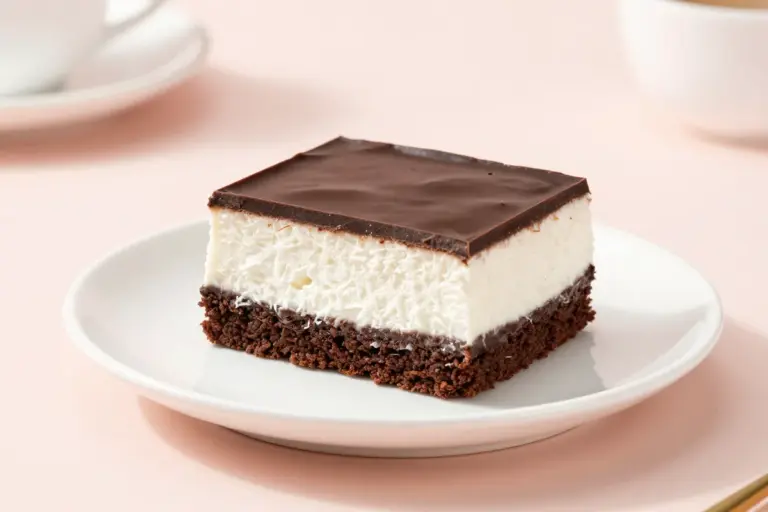
This homemade Sara Lee pound cake recipe makes a moist, buttery loaf with a fine, tender crumb and gentle vanilla-lemon flavor. It is designed for clean slices served plain, toasted, or with fruit and whipped cream.
What to Expect from This Sara Lee Pound Cake Copycat
This recipe aims for the familiar loaf-style experience: a buttery golden crust, a fine and cohesive crumb, and enough moisture for neat slices without becoming gummy or heavy. Vanilla leads the flavor, while a small amount of lemon zest adds brightness without turning the cake into a strongly citrus dessert.
- Use a 9-by-5-inch loaf pan rather than a Bundt pan to preserve the rectangular shape and sliceable format.
- The texture should be dense but tender, with a soft bite and no wet line through the center.
- This homemade version approximates the commercial cake but cannot reproduce its proprietary flavor system and industrial stabilizers.
For comparison with the packaged product style, see the official Sara Lee Desserts Classic Pound Cake product page.
Why the Ingredients Matter
Butter supplies the defining flavor and helps create lift during creaming. Sugar contributes sweetness while holding moisture, eggs provide structure and emulsification, and cake flour keeps the crumb delicate enough to resemble a bakery-style packaged loaf. Sour cream adds moisture and tenderness, while a small amount of neutral oil helps the cake stay soft after cooling.
- Cake flour produces a finer, softer crumb than most all-purpose flour.
- Room-temperature eggs and sour cream blend more smoothly into the butter mixture.
- Baking powder supports the air incorporated during creaming rather than making the loaf light and fluffy like a sponge cake.
- Vanilla is the primary flavor; lemon zest is intentionally restrained.
Ingredients
- 2 cups cake flour, spooned into measuring cups and leveled, or weighed
- 1 teaspoon baking powder
- 1/2 teaspoon fine salt
- 12 tablespoons unsalted butter, softened to cool room temperature
- 1 1/4 cups granulated sugar
- 4 large eggs, at cool room temperature
- 1/2 cup full-fat sour cream, at cool room temperature
- 2 tablespoons neutral oil, such as grapeseed, canola, or avocado oil
- 2 teaspoons vanilla extract
- 1 teaspoon finely grated lemon zest, from about 1 lemon
Key Techniques for a Fine, Moist Loaf
The most important part of this recipe is the butter-sugar mixture. It should look visibly lighter and fluffy before the eggs go in. Add the eggs gradually so the batter remains emulsified, then switch to brief mixing once flour is added. A batter that is mixed aggressively at the end can develop excess gluten and lose the tender texture this loaf needs.
- Butter should be pliable and cool, not shiny, greasy, or partly melted.
- Scrape the bowl during creaming and after adding the eggs so no dense butter pockets remain.
- Add dry ingredients in portions and stop as soon as the batter becomes uniform.
- Bake the batter immediately after mixing so the incorporated air is not lost.
Instructions
- Prepare the pan and oven: Position a rack in the lower-middle of the oven and heat the oven to 325°F (165°C). Line a 9-by-5-inch light-colored metal loaf pan with a parchment sling, leaving some paper overhanging the long sides. Lightly grease any exposed ends of the pan.
- Combine the dry ingredients: Whisk the cake flour, baking powder, and salt thoroughly in a medium bowl. This distributes the leavener evenly and prevents concentrated pockets in the finished loaf.
- Cream the butter and sugar: Beat the softened butter in a stand mixer fitted with the paddle attachment, or with a hand mixer, on medium speed until smooth. Add the sugar gradually and beat for 4 to 5 minutes, scraping the bowl once or twice, until the mixture is noticeably pale, fluffy, and aerated.
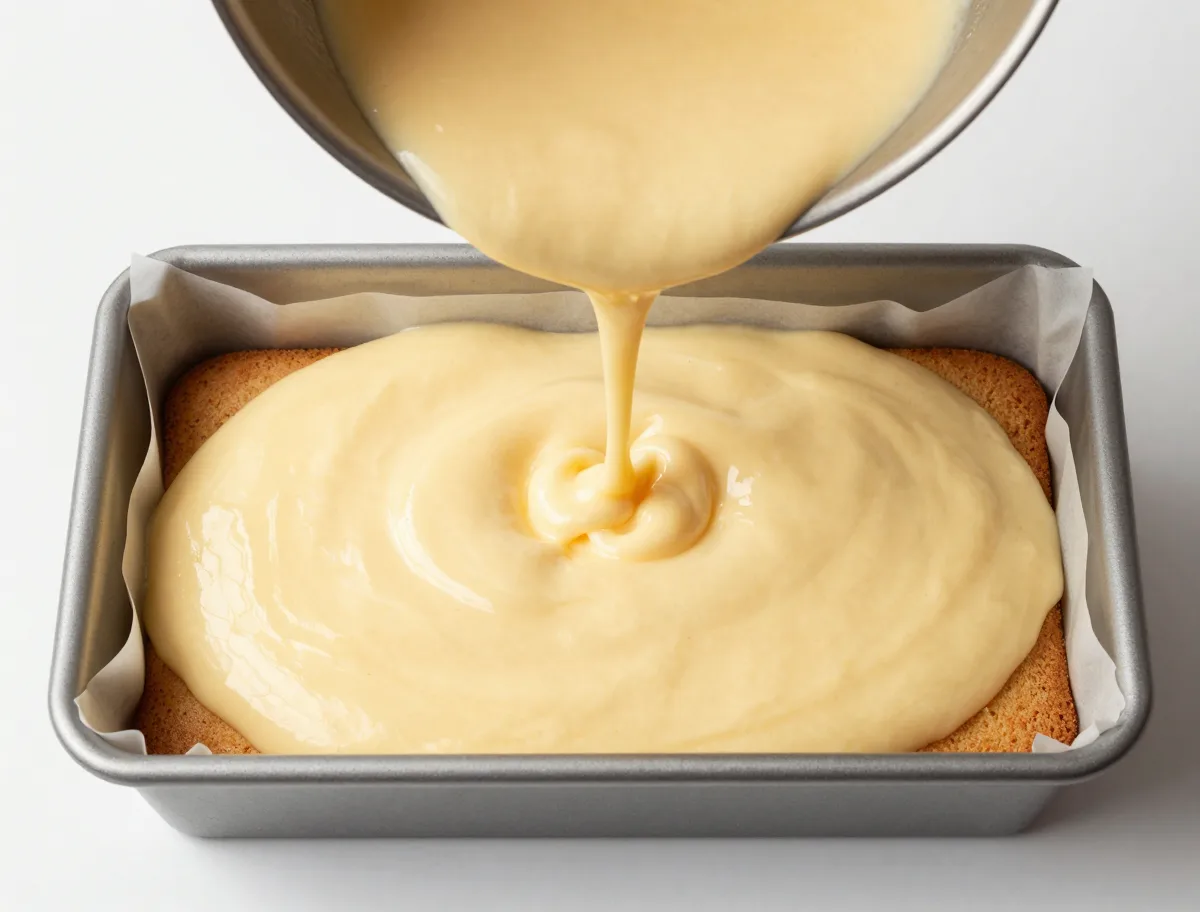
- Build the batter: Add the eggs one at a time, beating well after each addition and scraping the bowl as needed. If the mixture looks slightly curdled, continue mixing until it becomes mostly smooth before adding the next egg. Beat in the sour cream, neutral oil, vanilla extract, and lemon zest just until evenly blended.
- Add the flour mixture: With the mixer on low, add the flour mixture in three additions, mixing only until the last visible streaks disappear. Do not continue beating once the batter is uniform. Scrape the bottom and sides of the bowl with a spatula, then give the batter one or two final folds by hand.
- Fill and bake: Transfer the batter promptly to the prepared pan and smooth the top. Bake for 75 to 85 minutes, rotating the pan once after the first 55 minutes if your oven browns unevenly. If the top becomes deeply golden before the center is ready, lay foil loosely over the loaf.
- Check the center: The loaf is ready when the center springs back lightly, the edges are set, and a skewer inserted into the thickest part comes out with a few moist crumbs but no liquid batter. If using an instant-read thermometer, aim for approximately 205 to 210°F (96 to 99°C) in the center, avoiding the pan.
- Cool before slicing: Let the loaf cool in the pan for 10 minutes. Use the parchment to lift it onto a wire rack and cool completely, about 50 minutes more, before slicing with a sharp or serrated knife.
How to Tell When the Pound Cake Is Done
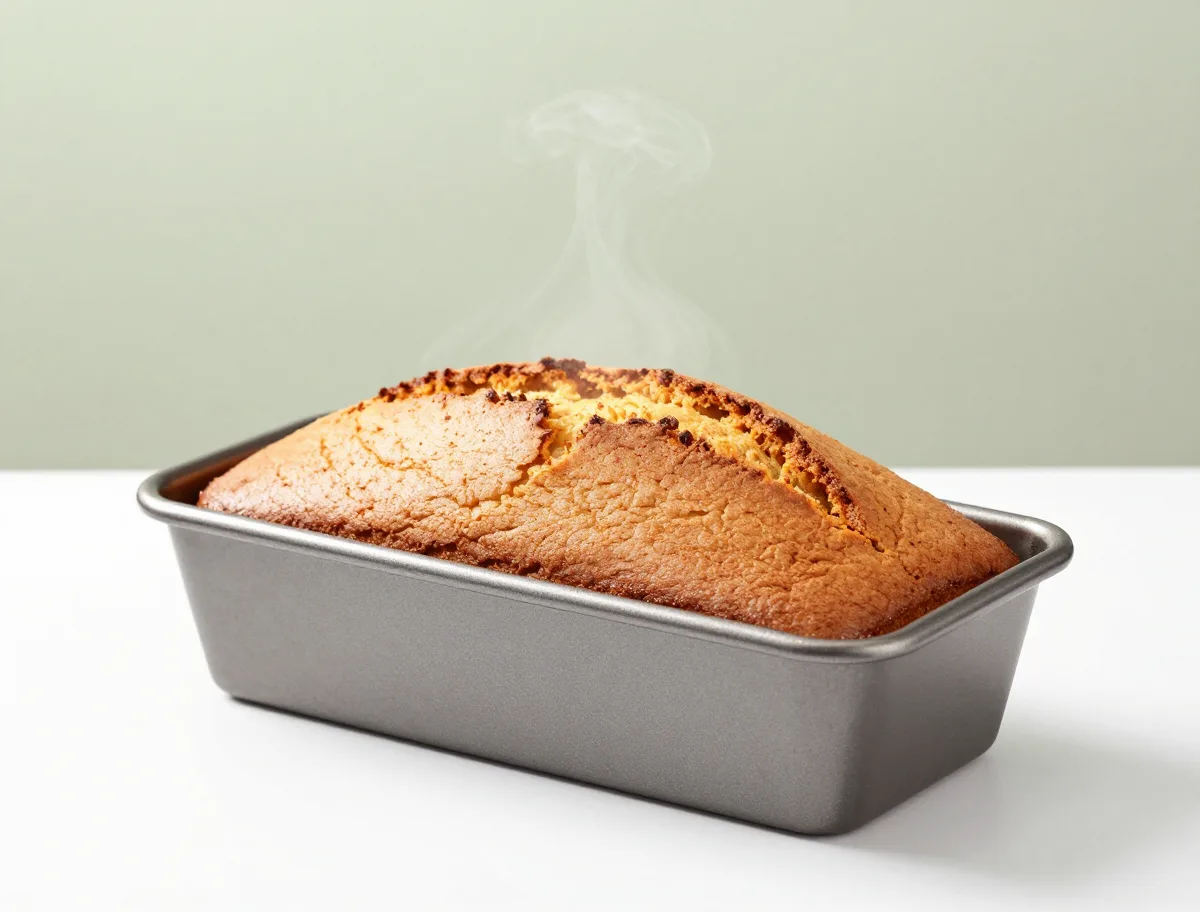
Pound cake can look finished on top while the center is still underbaked, so use more than the clock. Look for a set, springy middle and test the thickest part with a skewer. A few moist crumbs are desirable; liquid batter is not. If you have a thermometer, approximately 205 to 210°F provides a useful confirmation.
- A modest crack along the top is normal for a loaf pound cake.
- The edges should be firm and beginning to pull slightly from the pan.
- Let the loaf cool fully before judging the crumb; warm cake can seem gummy and will compress when sliced.
- A sunken center or wet streak usually means the loaf needed more baking time or the batter structure was weakened.
- The top is evenly golden and may have a modest central crack.
- The center springs back gently when pressed.
- A skewer comes out with a few moist crumbs, not wet batter.
- The internal temperature is approximately 205 to 210°F (96 to 99°C).
- The crumb feels set and cohesive only after the loaf has cooled completely.
The Variables That Control the Crumb
Creaming creates small air cells that expand in the oven, while the flour and eggs give those cells enough structure to hold their shape. The balance is delicate: too little aeration produces a compact loaf, while too much liquid, excessive sugar, or insufficient flour can leave the center weak. Moderate heat allows the middle to set before the crust becomes overly dark.
- Accurate flour measurement matters because excess flour makes the loaf dry and tight.
- Cold eggs can cause the butter mixture to separate, reducing volume and producing an uneven crumb.
- Cake flour favors tenderness; the recipe’s eggs and baking powder provide the structure needed for clean slices.
- A moderate 325°F oven reduces the risk of a dark exterior surrounding an underbaked center.
Common Pound Cake Problems and How to Prevent Them
Most pound-cake failures are caused by ingredient temperature, measuring errors, mixing after the flour is added, or removing the loaf before its center has set. The following checks help identify the likely cause without treating every top crack as a problem.
- Dry or crumbly: Too much flour, an oven that runs hot, or overbaking is likely. Weigh the flour and begin checking near the early end of the time range.
- Heavy or greasy: Butter may have been too warm, the eggs may have been added too quickly, or the butter and sugar were not creamed enough.
- Sunken or gummy center: The loaf was likely underbaked, the pan was overfilled, or the oven door was opened too early. Return it to the oven promptly if the problem is discovered while the cake is still warm.
- Tunnels or a tough crumb: The batter was probably overmixed after flour was added, or the dry ingredients were not distributed evenly.
- Dark crust with a wet center: Tent the loaf loosely with foil and continue baking until the center tests done.
Practical Ingredient Substitutions
Cake flour gives the most delicate result, but the recipe remains accessible with bleached all-purpose flour. If using all-purpose flour, weigh the same 250 grams and expect a slightly firmer, sturdier slice. Full-fat plain yogurt can replace the sour cream, although it may add a little more tang. For the lemon note, zest is preferable to a large amount of lemon extract because it adds aroma without changing the batter’s acidity.
- All-purpose flour: Use 250 grams; the loaf will be somewhat more structured and less delicate.
- Sour cream: Full-fat plain yogurt can be used in the same amount, with a slightly tangier flavor.
- Lemon flavor: Use the listed zest for subtle citrus. If using lemon extract instead, use only a small amount and reduce the vanilla slightly.
- Neutral oil: Do not replace all the butter with oil; the cake would lose both buttery flavor and the aeration created by creaming.
Vanilla and Lemon Variations That Still Fit the Loaf
The plain vanilla version is the closest interpretation of the classic commercial profile. To emphasize lemon while keeping the same identity, increase the zest modestly or replace part of the vanilla with a small amount of lemon extract. Keep the loaf free of heavy fillings, fruit pieces, or thick frosting if the goal is a close Sara Lee-style pound cake.
- For a more vanilla-forward loaf, omit the lemon zest and keep all the vanilla extract.
- For a clearer lemon accent, use the zest of a whole lemon while keeping the same baking method.
- A light confectioners’ sugar dusting or thin glaze is compatible; a thick frosting changes the character of the cake.
- Changing to a Bundt pan requires a different batter depth and baking schedule.
How to Serve This Buttery Pound Cake
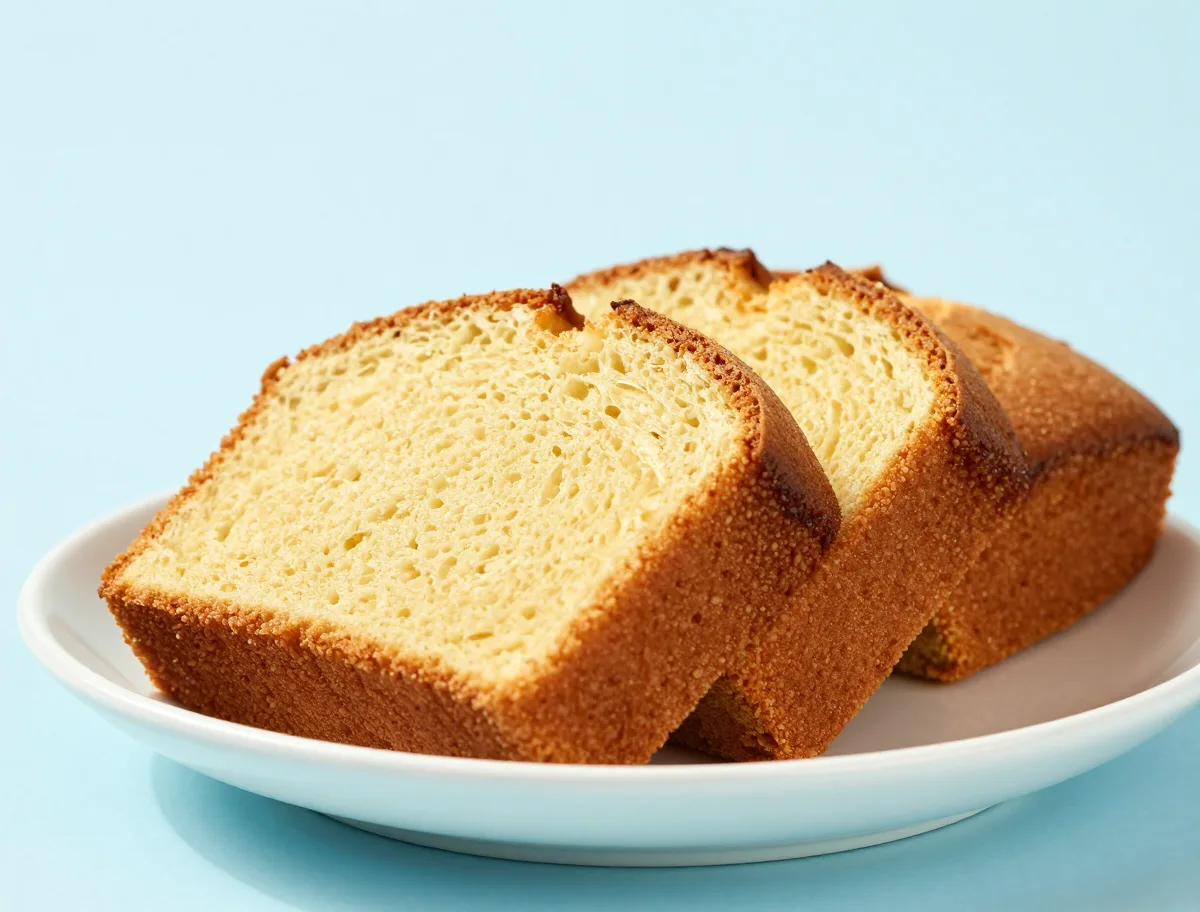
Serve the cooled loaf at room temperature, when the butter aroma is most pronounced and the crumb feels softest. Plain slices best show the cake’s fine texture, but lightly toasted slices are an excellent way to refresh day-old cake.
- Serve plain with coffee or tea for the simplest presentation.
- Toast slices briefly and serve with berries, peaches, or a small amount of butter.
- Add lightly sweetened whipped cream and fresh fruit for a more dessert-like serving.
- A restrained dusting of confectioners’ sugar or a thin lemon-vanilla glaze is preferable to heavy frosting.
How to Store, Freeze and Reheat Pound Cake
Cool the loaf completely before wrapping it; enclosing warm cake traps condensation and can soften the crust. Keep the plain, unfrosted cake airtight at room temperature for about 2 to 3 days for the best texture. Refrigeration can firm the butter and make the crumb seem drier, so bring refrigerated cake back toward room temperature before serving.
- For freezing, wrap the whole loaf or individual slices tightly, add a freezer bag or second outer layer, and use within 2 to 3 months for best quality.
- Thaw the cake while still wrapped, then unwrap once it has reached room temperature to limit condensation on the surface.
- Warm a slice gently or toast it; excessive microwave heating can make the crumb rubbery.
- Whipped cream, custard, cream cheese frosting, and cut fresh fruit require refrigeration and should not be left at room temperature for more than 2 hours, or 1 hour in temperatures above 90°F. Follow FDA food-storage guidance for perishable toppings and accompaniments.
Sara Lee Pound Cake Recipe FAQs
These answers cover the practical choices most likely to affect the loaf’s texture, flavor, and keeping quality.
What makes this similar to Sara Lee pound cake?
The recipe uses a loaf pan, a buttery high-fat batter, moderate sweetness, vanilla-led flavor, a small dairy component, and a fine crumb designed for clean slicing. It is a homemade approximation rather than the proprietary commercial formula.
Can I use all-purpose flour instead of cake flour?
Yes. Use 250 grams of bleached all-purpose flour. The finished loaf will be slightly firmer and more resilient, while cake flour gives a softer and more delicate crumb.
Why do the butter, eggs, and sour cream need to be at room temperature?
Compatible temperatures help the fat and liquid form a smooth emulsion. Cold eggs or dairy can make the batter curdle, reducing the air it can hold and contributing to a dense or uneven loaf.
How long should I cream the butter and sugar?
Beat them for about 4 to 5 minutes at medium speed, scraping the bowl once or twice. The mixture should look distinctly pale, fluffy, and aerated rather than merely blended.
Is lemon extract necessary?
No. The recipe uses lemon zest for a restrained citrus note. You may omit it for a purely vanilla loaf or use a small amount of lemon extract if a more pronounced lemon aroma is desired.
What pan size should I use?
A 9-by-5-inch loaf pan is the intended size. A smaller pan may overflow, while a larger pan produces a shorter loaf that will likely bake more quickly.
How do I know the pound cake is fully baked?
The center should spring back lightly, a skewer should show moist crumbs but no liquid batter, and the center should reach approximately 205 to 210°F. Check in the thickest part without touching the pan.
Why did my pound cake sink?
Common causes include underbaking, opening the oven too early, excess flour or liquid, an overfilled pan, or a batter weakened by overmixing or a broken emulsion.
When can I slice the loaf?
Wait until it has cooled completely on a rack, usually about 60 minutes after leaving the oven. The crumb continues to set as it cools and will slice much more cleanly.
Can I freeze this pound cake?
Yes. Wrap the cooled loaf or individual slices tightly and freeze for up to 3 months for best quality. Thaw while wrapped, then bring to room temperature before serving.