10 Best Gluten-Free Cookie Recipes for Every Craving
These soft, chewy gluten-free chocolate chip cookies have lightly crisp edges, moist centers, and a reliable flour blend that keeps them from turning gritty or crumbly. They are dairy-free and nut-free when all packaged ingredients are labeled accordingly.
What to Expect from These Gluten-Free Chocolate Chip Cookies
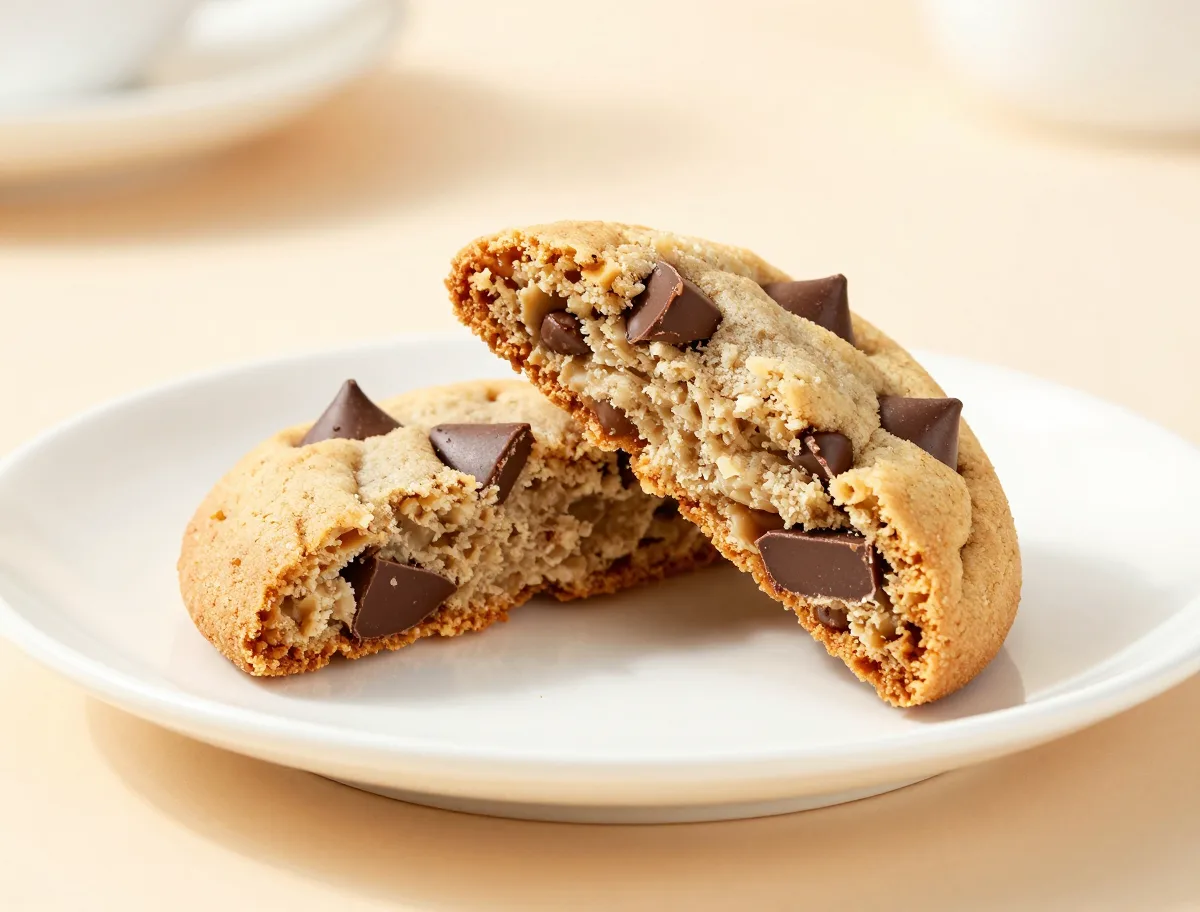
This is the classic chewy option in a gluten-free cookie collection: caramel-flavored centers, lightly crisp edges, and pockets of melted chocolate. The cookies are designed to spread moderately rather than bake up thick and cakey, while still holding together once cooled.
- Texture: chewy and soft in the center with delicate crispness at the edges.
- Format: scoop-and-drop cookies with no rolling or cutters required.
- Dietary fit: dairy-free and nut-free only when the packaged ingredients meet those requirements.
- Best occasion: everyday baking, lunch boxes, cookie trays, and make-ahead batches.
Why the Ingredients Matter
The flour system does more than replace wheat flour. A balanced gluten-free blend supplies body, tapioca starch lightens the crumb and supports chew, and a small amount of xanthan gum helps the cookies hold together. Because commercial blends differ, weighing the flour and checking the label for added gum are especially important.
- Brown sugar helps retain moisture and gives the centers their chewy texture.
- Granulated sugar encourages spreading and crisp edge browning.
- Melted dairy-free baking stick keeps the dough tender; cooling it prevents the dough from starting out too warm.
- The egg supplies moisture, emulsification, and structure as it sets in the oven.
- Semisweet chocolate balances the sweet dough and contributes extra fat and structure as it cools.
- Tapioca starch and xanthan gum are formulation-specific here, not universal substitutes for a poorly balanced flour blend.
Ingredients
- 140 g light brown sugar, packed
- 90 g granulated sugar
- ½ cup dairy-free baking stick, melted and cooled until just warm
- 1 large egg, at room temperature
- 2 teaspoons pure vanilla extract
- 210 g gluten-free all-purpose flour blend, without xanthan gum, weighed
- 20 g tapioca starch
- ½ teaspoon xanthan gum
- ¾ teaspoon baking soda
- ¾ teaspoon fine salt
- 1 cup semisweet chocolate chips, dairy-free if needed
How to Make Them Successfully
The key technique is controlled hydration. Mix the dough only until cohesive, then give it time to absorb moisture before chilling. This short rest improves the texture of flour and starch particles and makes the dough easier to portion without adding excess flour.
- Whisk the dry ingredients thoroughly so the xanthan gum and baking soda do not concentrate in one area.
- Use melted fat only after it has cooled to warm, not hot; hot fat can loosen the dough and affect the egg.
- Rest first, then chill. The dough should be scoopable and firm, not hard or crumbly.
- Bake a single test cookie before committing the full batch, particularly with an unfamiliar flour blend.
- Use parchment and a light-colored pan for more even browning and easier release.
Instructions
- Combine the sugars and fat: In a large bowl, whisk the brown sugar, granulated sugar, and cooled melted dairy-free baking stick until smooth and glossy. Whisk in the egg and vanilla until fully combined.
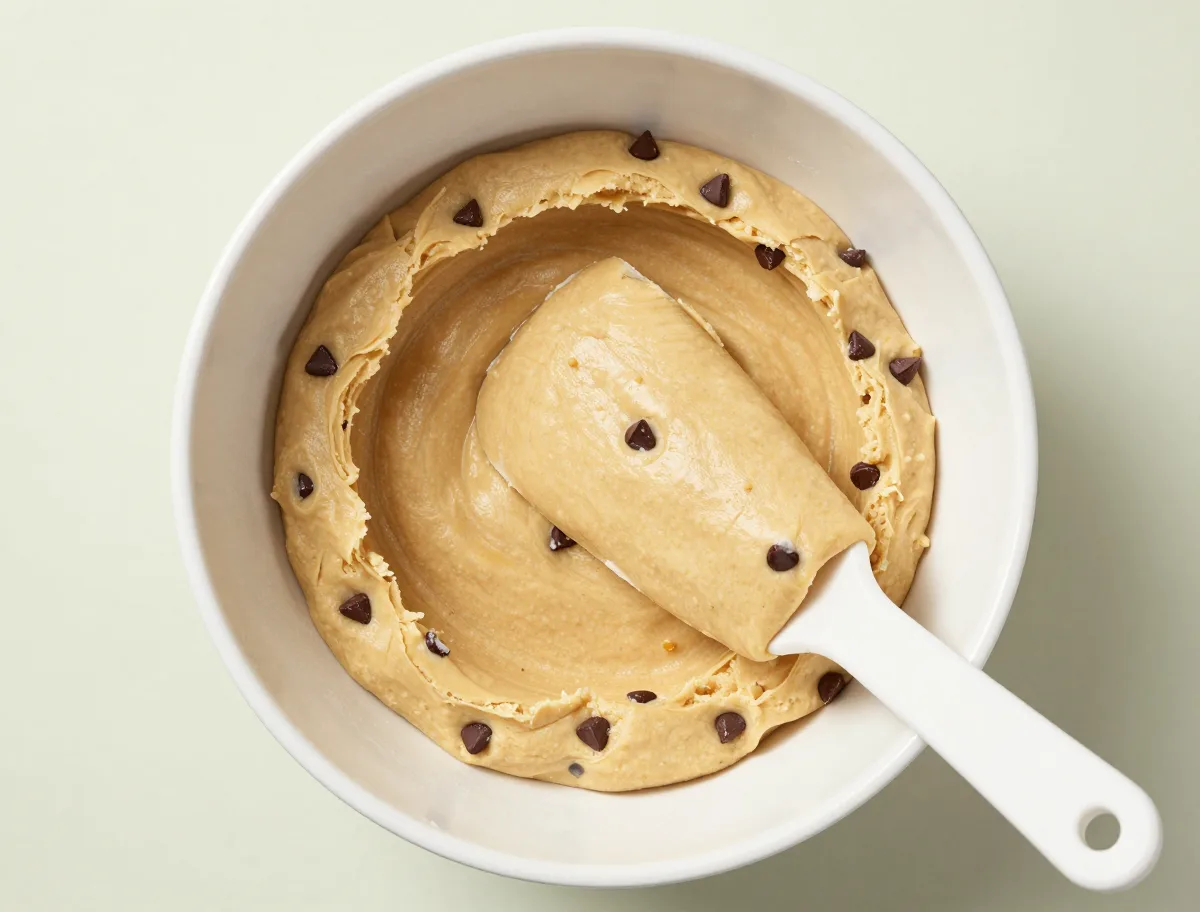
- Mix the dry ingredients: In a separate bowl, whisk together the gluten-free flour blend, tapioca starch, xanthan gum, baking soda, and salt. Add the dry mixture to the wet mixture and stir with a sturdy spatula just until no dry patches remain. Fold in the chocolate chips.
- Rest and chill the dough: Cover the bowl and let the dough rest at room temperature for 20 minutes so the flour and starch can hydrate. Chill for an additional 15 minutes, or until the dough is firm enough to scoop cleanly.
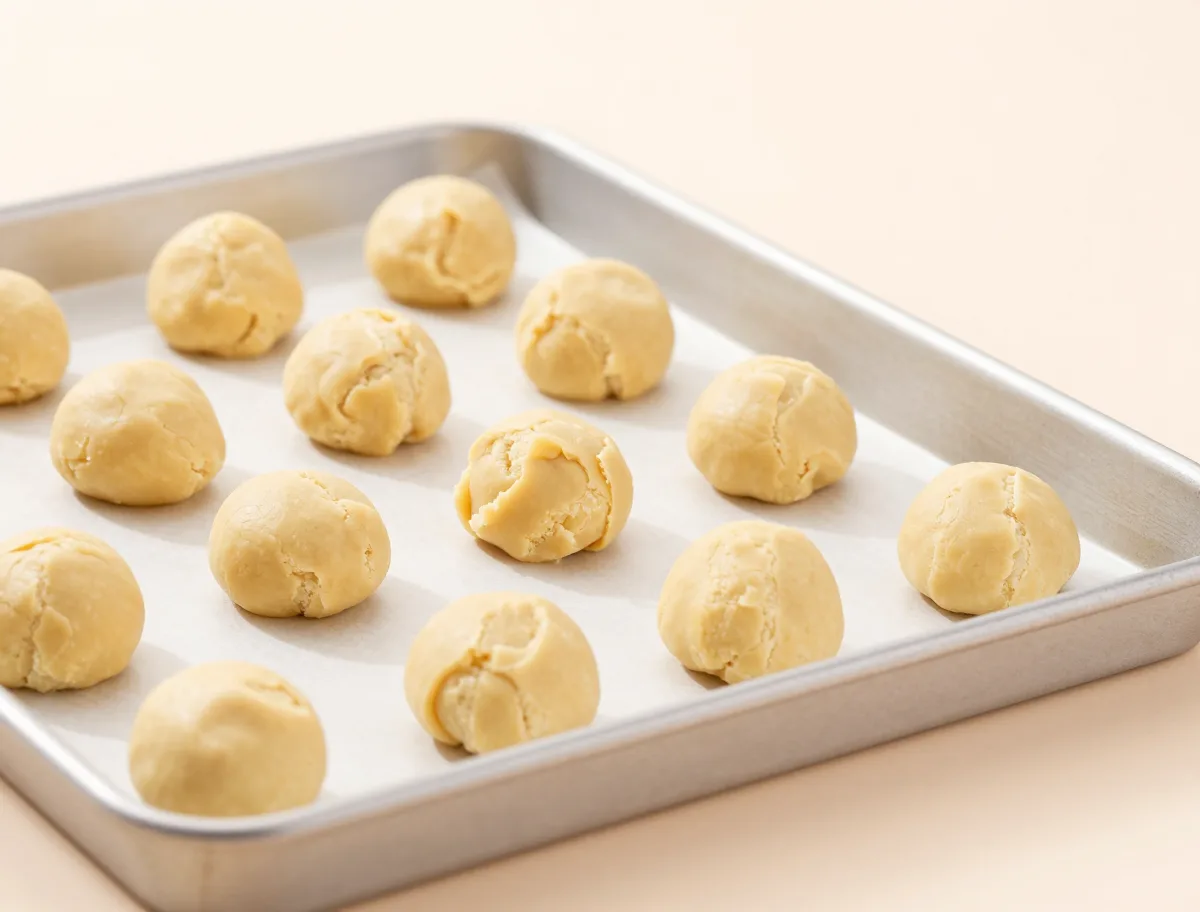
- Heat the oven and portion: Heat the oven to 350°F (175°C). Line two light-colored baking sheets with parchment. Scoop the dough into 24 portions of about 1½ tablespoons each, arranging 12 per sheet with at least 2 inches between them. Roll each portion briefly into a ball; do not flatten.
- Bake: Bake one sheet at a time for 11 to 13 minutes, rotating the sheet halfway through. The edges should look set and lightly browned while the centers remain soft and slightly puffy.
- Cool before moving: Leave the cookies on the baking sheet for 10 minutes; they will finish setting as they cool. Transfer them to a wire rack and cool completely before storing.
How to Tell When the Cookies Are Done
Do not wait for the centers to become firm in the oven. For a chewy cookie, the edges should have set while the middle still looks a little soft. The cookies are fragile when hot but become properly structured during the short cooling period on the pan.
- Remove them when the edges are lightly browned and the centers are no longer liquid-looking.
- A soft, slightly puffy center is intentional; a completely firm center usually signals overbaking.
- Let the cookies cool on the baking sheet for 10 minutes before transferring them.
- Judge the final texture only after the cookies have cooled, since gluten-free dough continues to set.
Doneness Cues
- Edges are lightly golden and no longer look wet.
- Centers remain soft and slightly puffy when removed from the oven.
- Cookies firm noticeably during their 10-minute cooling period on the baking sheet.
- If the centers still look glossy after cooling, bake the next tray 1 to 2 minutes longer.
The Variables That Control Spread and Chew
Cookie structure forms in stages: the fat melts, sugars dissolve, the egg sets, and the starches firm. The dough must stay cohesive long enough for that structure to develop. Chilling slows the initial spread, while the balance of brown sugar, granulated sugar, starch, and flour determines whether the finished cookie is chewy, crisp, or cakey.
- Warm dough spreads faster because the fat liquefies before the structure has set.
- Too much flour can make gluten-free cookies dry and thick; too little can leave them greasy and flat.
- Brown sugar supports moisture retention, while granulated sugar contributes spread and edge crispness.
- Excess xanthan gum can make cookies dense or gummy, so do not double it when using a blend that already contains gum.
- Pan color and oven accuracy affect browning and bake time; a dark pan may brown the bottoms before the centers are ready.
For additional background on gluten-free flours, starches, binders, hydration, texture, and storage, see the University of Maine Cooperative Extension guidance on gluten-free baking.
Common Gluten-Free Cookie Problems and Fixes
Most failures come from flour differences, dough temperature, or judging the cookies too late in the bake. Make one small adjustment at a time rather than adding flour or gum by guesswork.
- Gritty texture: use a finer gluten-free flour blend and allow the dough to rest before baking.
- Excessive spreading: chill the dough longer, confirm that the flour was weighed accurately, and check that the baking stick was cooled before mixing.
- Crumbly cookies: the blend may be too dry or lack cohesion. Verify the gum quantity and avoid adding extra flour while shaping.
- Dry cookies: remove them when the centers are still soft and store them airtight as soon as they cool.
- Cakey cookies: too much flour, liquid, or leavener can push the texture away from chewy. Recheck measurements and avoid over-aerating the dough.
- Uneven results: portion the dough consistently and bake only one sheet at a time if your oven has strong hot spots.
Flour, Fat, and Egg Substitution Guidance
This recipe depends on a balanced, gum-free all-purpose gluten-free blend, so substitutions should be made with care. Gluten-free flours are not interchangeable by volume, and changing the fat or egg can alter spread and structure.
- Do not replace the flour blend one-for-one with almond flour; almond flour is richer, more fragile, and more prone to spreading.
- Oat flour can add a pleasant flavor but is not a direct replacement here and may require changes to moisture and binding. Use only oats labeled gluten-free when needed.
- If the flour blend already contains xanthan gum, omit the separately listed gum.
- A stick-style vegan butter is the closest dairy-free replacement for dairy butter. Liquid oil will change the spread and texture substantially.
- For an egg-free version, use a recipe specifically developed with an egg replacer; a casual swap may produce cookies that spread or crumble.
- Check chocolate chips, baking sticks, and flour blends for wheat, milk, soy, and nut declarations according to your needs.
Useful Variations Without Losing the Cookie’s Identity
The dough can support modest flavor changes, but large structural substitutions turn it into a different formula. Keep the flour, binder, and moisture balance intact when adapting it for a cookie tray or holiday batch.
- Replace up to half of the chocolate chips with dairy-free white-style chips only if the product is labeled gluten-free and meets your dietary needs.
- Add finely grated orange zest with the vanilla for a citrus-chocolate variation without changing the dough structure.
- For a holiday finish, press a few extra chocolate chips onto the warm cookies immediately after baking.
- To make a vegan cookie, the egg, baking stick, chocolate, and any sugar products must all be replaced with suitable ingredients; this is a separate formula adjustment rather than a guaranteed direct swap.
- Do not describe these as refined-sugar-free: both brown sugar and granulated sugar are part of the intended structure.
How to Store and Freeze Gluten-Free Cookies
Gluten-free cookies can lose moisture quickly, so airtight storage matters. Cool them completely before sealing them; packing warm cookies traps condensation and softens the edges.
- Store completely cooled cookies in an airtight container at room temperature for up to 4 days for best texture.
- Freeze baked cookies in a well-sealed container with parchment between layers for up to 2 months. Thaw at room temperature while still covered.
- Freeze portioned dough on a parchment-lined tray until firm, then transfer it to a freezer container. Bake from frozen, adding about 2 to 4 minutes and watching the edge and center cues.
- For a fresh-baked feel, warm thawed cookies briefly in a 300°F oven, but avoid overheating them, which can dry the centers.
- If a cookie contains a perishable filling or topping, follow that ingredient’s refrigeration requirements rather than room-temperature cookie storage.
Gluten-Free Cookie Questions, Answered
The most dependable results come from treating gluten-free baking as a specific formulation rather than a simple flour swap. These answers cover the choices most likely to affect the finished cookies.
Do gluten-free chocolate chip cookies need xanthan gum?
Not always. This recipe uses a gum-free flour blend and a small measured amount for cohesion, but many commercial blends already contain xanthan gum. Check the package and omit the extra gum if it is already included.
Is chilling the dough necessary?
For this formula, yes. The rest hydrates the flour and the short chill firms the fat enough to control spread. If your kitchen is cool and your blend is very finely milled, the dough may firm sooner.
What is the best gluten-free flour for chewy cookies?
Use a blend intended for all-purpose baking that combines grain-based flour with starch. A single flour such as almond flour or oat flour will create a different cookie and should not be substituted casually.
Why did my cookies spread too much?
Common causes include warm dough, warm baking sheets, excess sugar or fat, inaccurate flour measurement, or a flour blend with a different starch balance. Chill the remaining dough and bake a test cookie before making larger changes.
How do I keep gluten-free cookies from crumbling?
Use the specified binder, measure the flour accurately, allow the dough to hydrate, and let the cookies cool on the pan before moving them. Adding extra flour usually makes crumbling worse.
Are gluten-free cookies automatically dairy-free or vegan?
No. Gluten-free describes the absence or controlled level of gluten, not the presence of dairy or eggs. Check the baking stick, chocolate, flour blend, and every other packaged ingredient separately.
Can I use almond flour in this recipe?
Not as a direct replacement. Almond flour contains more fat and behaves differently from a grain-and-starch blend, so it needs a recipe developed specifically for it.
Gluten-Free Cross-Contact and Food-Safety Notes
For someone with celiac disease or a medically required gluten-free diet, ingredient labels are only one part of the process. Flour dust, crumbs, sifters, rolling tools, baking sheets, and storage containers can all transfer gluten in a shared kitchen.
- Choose flour, starch, chocolate, baking soda, vanilla, and other packaged ingredients labeled gluten-free when strict avoidance is required.
- Wash counters, bowls, utensils, and hands thoroughly before beginning; use dedicated or carefully cleaned equipment where flour residue may remain.
- Do not use a shared sifter, wooden tool, baking stone, or container if it cannot be cleaned reliably of wheat flour and crumbs.
- Use chocolate chips and dairy-free baking products that are labeled for your specific allergen concerns; dairy-free does not necessarily mean free from soy, nuts, or wheat cross-contact.
- Do not taste the raw dough. Both raw flour and raw egg can carry harmful bacteria, and the cookies should be baked before eating.
For authoritative information about gluten-free labeling, cross-contact, and gluten-free oats, consult the FDA questions and answers on the gluten-free food labeling final rule.