Wheat-Free Crab Cake Recipe with a Crisp Golden Crust
This Maryland-style wheat-free crab cake recipe makes tender, crab-forward cakes with visible lump meat and a crisp golden crust from gluten-free panko.
What Makes These Maryland-Style Wheat-Free Crab Cakes Work
These crab cakes follow the Maryland-style priorities of abundant lump crab, restrained filler, gentle seasoning, and a crisp browned exterior. The interior should remain tender and irregular, with recognizable pieces of crab rather than a dense, finely mashed seafood paste.
- Lump crab remains the main ingredient and flavor.
- Gluten-free panko provides just enough structure without making the cakes bready.
- Pan-frying creates the most pronounced golden crust.
- Old Bay-style seasoning, mustard, lemon, and parsley support the crab rather than overpowering it.
Why Each Ingredient Matters
The egg sets into a light structural network as the cakes cook, while mayonnaise contributes richness and helps distribute the seasonings. Gluten-free panko absorbs excess moisture and supplies a delicate crust; using it modestly keeps the finished cakes crab-forward.
- Jumbo lump gives dramatic pieces, while regular lump or backfin can improve cohesion.
- A small amount of mayonnaise is enough to add moisture without making the mixture slack.
- Dijon and Worcestershire deepen savory flavor, while lemon keeps the rich ingredients balanced.
- Fresh parsley adds brightness without introducing much moisture.
Ingredients
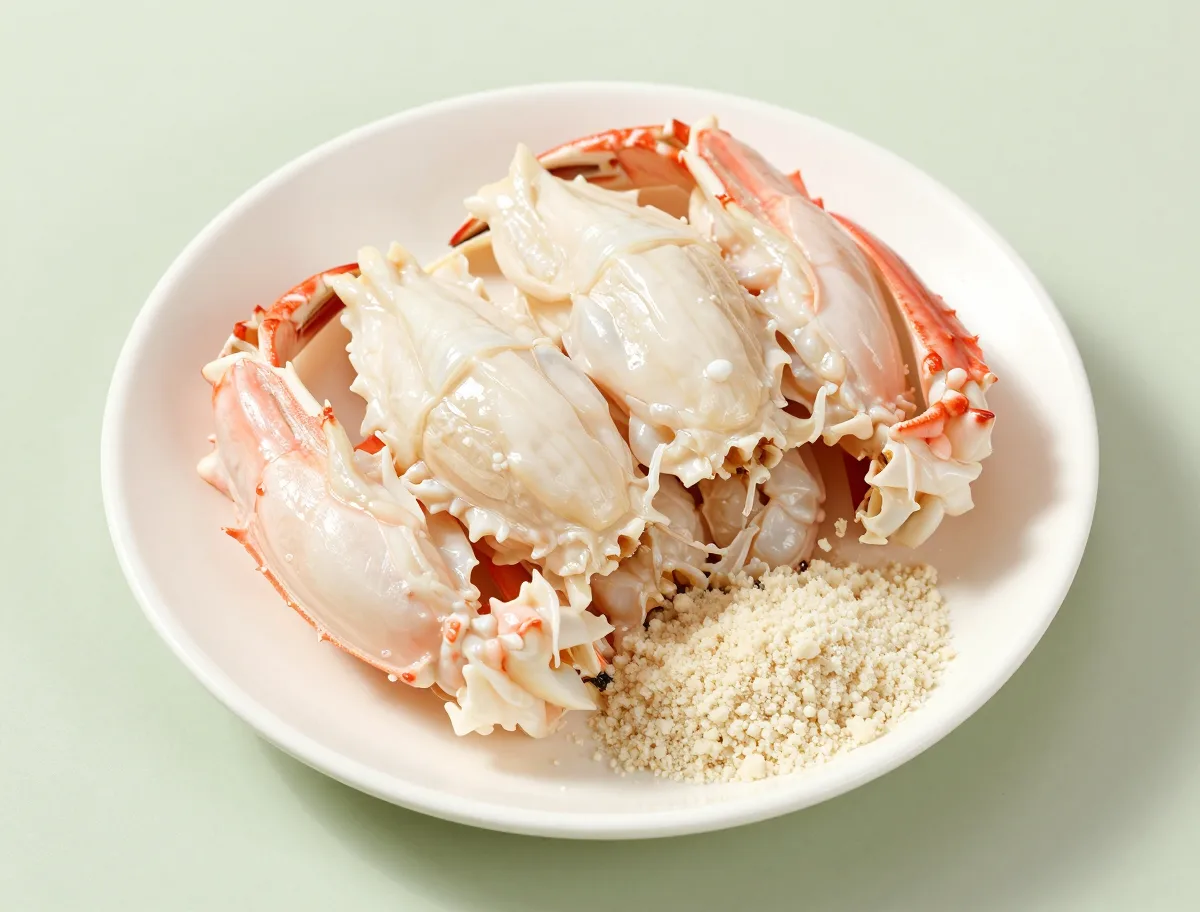
- 1 pound lump crab meat, well drained, picked over for shell fragments
- 1/2 cup gluten-free panko, divided
- 1 large egg
- 1/4 cup mayonnaise, use dairy-free mayonnaise if needed
- 1 tablespoon Dijon mustard
- 1 teaspoon gluten-free Worcestershire sauce
- 1 tablespoon fresh lemon juice
- 1 teaspoon Old Bay-style seafood seasoning, verify the label is gluten-free
- 2 tablespoons flat-leaf parsley, finely chopped
- 1/4 teaspoon fine salt
- 1/8 teaspoon black pepper, finely ground
- 3 tablespoons neutral cooking oil, such as avocado, canola, or grapeseed oil
The Technique for Cohesive, Crispy Crab Cakes
The most important preparation step is controlling moisture before the crab reaches the bowl. Pat the crab dry, whisk the binder separately, and fold rather than stir. Shape the cakes with light pressure: they need to hold together, but compacting them too firmly produces a heavy interior.
- Allow the panko-binder mixture to stand briefly before adding the crab so it can begin absorbing liquid.
- Make the patties evenly sized and moderately thin so the crust browns before the center overcooks.
- Chill the shaped cakes before transferring them to the skillet.
- Do not press on the cakes while frying; that squeezes out moisture and can fracture the crust.
- Wait for the first side to release naturally before turning.
Instructions
- Drain and inspect the crab: Spread the crab meat on a plate or clean kitchen towel and gently pat it dry. Pick through it with your fingers, removing any shell or firm cartilage while keeping the larger lumps intact.
- Mix the binder: In a medium bowl, whisk the egg, mayonnaise, Dijon mustard, Worcestershire sauce, lemon juice, seafood seasoning, parsley, salt, and pepper until smooth. Whisk in 1/4 cup of the gluten-free panko.
- Fold in the crab: Add the crab to the bowl and fold gently with a rubber spatula just until the mixture is evenly coated. Stop while distinct pieces of crab are still visible. Let the mixture stand for 5 minutes so the panko can hydrate.
- Shape and coat the cakes: Place the remaining 1/4 cup panko in a shallow dish. Divide the crab mixture into 8 portions, about 1/2 cup each. With damp hands, form each portion into a cake about 3 inches wide and 3/4 inch thick; press only firmly enough to hold it together. Turn each cake in the panko to coat lightly, then place on a parchment-lined plate.
- Chill until firm: Cover the plate and refrigerate the crab cakes for 30 minutes. They should feel chilled and firm enough to lift with a thin spatula without slumping.
- Pan-fry: Heat the oil in a large nonstick or well-seasoned cast-iron skillet over medium heat. When the oil shimmers, arrange the cakes in a single layer with space between them; cook in two batches if necessary. Fry for 4 to 5 minutes, undisturbed, until the undersides are deeply golden and the cakes release easily. Turn carefully with a thin fish spatula and cook 3 to 4 minutes more, lowering the heat slightly if the crust darkens too quickly.
- Check and serve: Transfer the cakes to a wire rack for 1 minute. The center should be hot and set but still moist; when checked with an instant-read thermometer in the thickest cake, it should reach 160°F. Serve promptly.
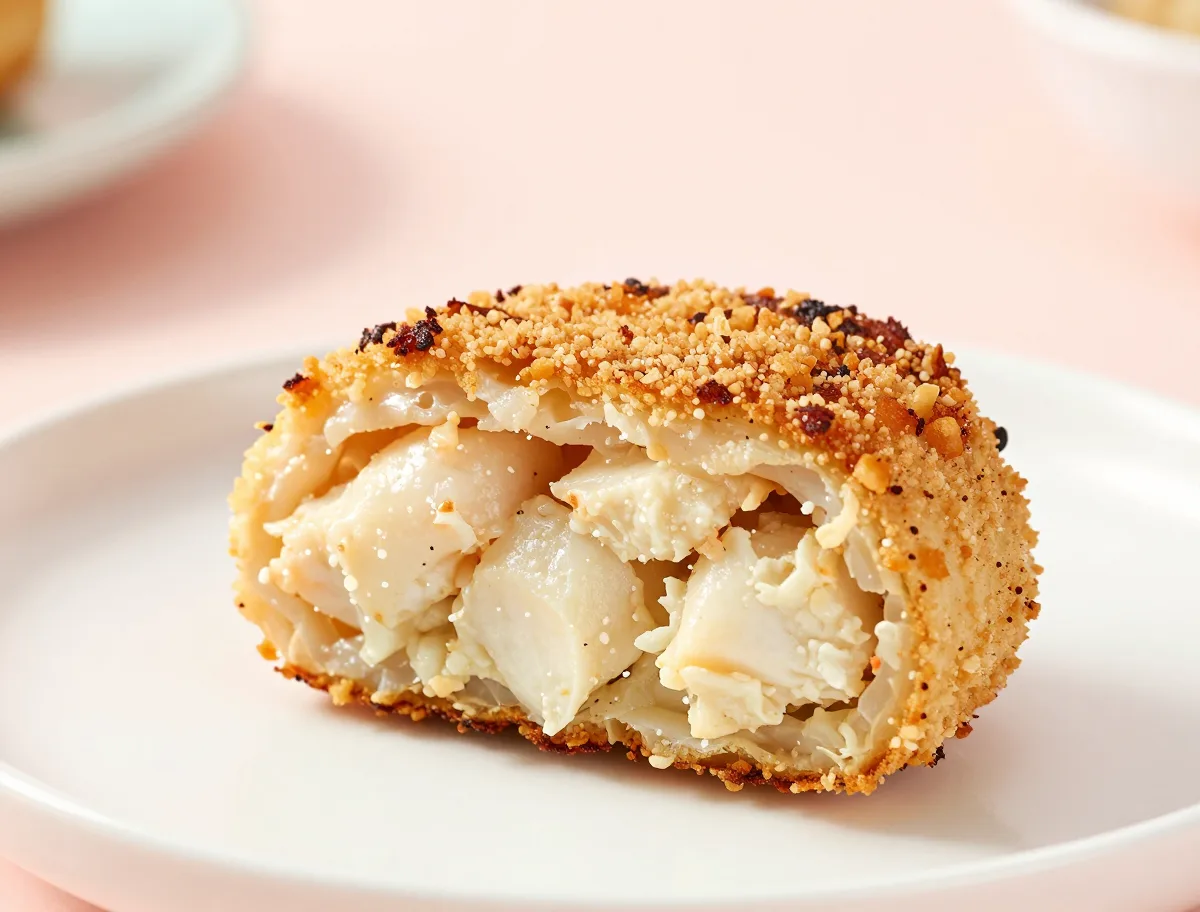
How to Tell When the Crab Cakes Are Ready
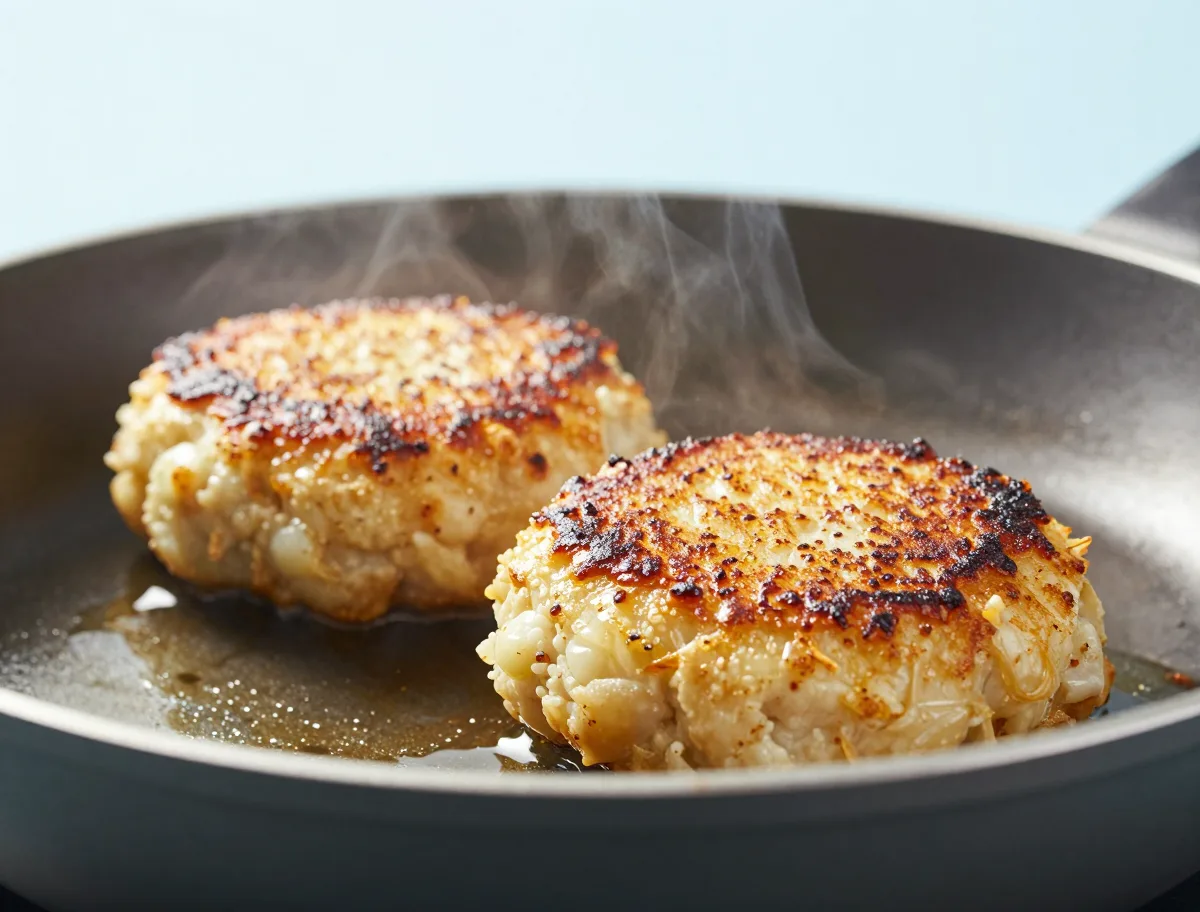
Before cooking, the mixture should clump when gently pressed but should still look distinctly lumpy. After chilling, each patty should lift cleanly. In the skillet, a properly formed crust becomes visibly golden and releases when nudged; forcing it is a sign that it needs more time.
- A finished cake has a crisp, golden exterior and a moist, set center.
- The crab should remain in visible pieces rather than becoming a uniform paste.
- A thermometer reading of 160°F in the center is a conservative target for this egg-containing preparation.
- Thin cakes cook more evenly than thick, domed patties.
Doneness Cues
- The chilled patties hold their shape when lifted.
- The first side is deep golden and releases from the skillet before turning.
- The center is hot, opaque, and set rather than wet or loose.
- For the egg-containing mixture, aim for 160°F in the center when measurable.
The Variables That Control Browning and Structure
Crab cakes brown well when excess surface water has been removed and the skillet remains hot enough to dry and color the coating. Panko first absorbs liquid, then the egg sets around the crab during cooking. Too much moisture, a crowded skillet, or excessive heat disrupts that sequence.
- Drainage matters more than adding a large quantity of crumbs after the mixture is wet.
- Chilling firms the patties and gives the dry binder time to hydrate.
- Crowding lowers the skillet temperature and encourages steaming instead of browning.
- Moderate heat lets the center set before the crust burns.
- A thinner patty shortens the distance heat must travel, reducing the risk of a dark exterior and cool center.
Common Wheat-Free Crab Cake Problems and Fixes
Most broken or dry crab cakes can be traced to moisture balance or handling. Make corrections before cooking whenever possible; once a cake is in the skillet, restraint is usually more helpful than manipulation.
- Falling apart: Drain the crab more thoroughly, add panko 1 tablespoon at a time, and chill longer. Also check that the patties are not oversized and that the first side has formed a crust before turning.
- Wet mixture: Let it stand for a few minutes first. If it remains loose, add a small amount of panko rather than a large scoop that could make the cakes bready.
- Dry or dense cakes: Too much panko, excessive pressing, or overcooking is likely. Use less binder and remove the cakes as soon as the center is set.
- Burned crust with a cool center: Lower the heat and make thinner patties. The pan is too hot for the cake thickness.
- Sticking: Preheat the skillet, use the listed oil, avoid crowding, and wait for the cake to release before flipping.
- Pale or greasy crust: The skillet may not be hot enough, or too many cakes may be cooking at once. Cook in batches and allow the oil to regain heat.
Best Gluten-Free Binder Substitutions
Labeled gluten-free panko or breadcrumbs are the closest functional replacement for conventional crumbs. Other choices can work, but they change the texture and should be added gradually because crab moisture and grind size vary.
- Gluten-free cracker crumbs create a slightly firmer, more compact cake and can replace the panko by volume.
- Almond flour works for a low-carb or grain-free version but produces a denser, nuttier result; use it cautiously rather than assuming an exact one-to-one swap.
- Finely crushed rice crackers offer a neutral, crisp alternative when clearly labeled gluten-free.
- Potato flakes can absorb moisture, but too much makes the interior soft and starchy.
- Dairy-free mayonnaise works without changing the basic structure.
- Egg-free versions are more fragile because substitutes do not set like egg protein; smaller patties, extra chilling, and baking are safer approaches.
Useful Variations Without Losing the Crab Cake Identity
The recipe can accommodate several dietary changes while remaining a crab-forward cake. The main boundary is balance: large quantities of vegetables, cheese, grains, or strongly flavored additions can turn it into a different seafood patty.
- For dairy-free cakes, use dairy-free mayonnaise and confirm that all sauces and seasonings meet the requirement.
- For a low-carb version, use almond flour in place of the panko, expecting a less open and less crisp texture.
- For baking, use a hot oven, an oiled parchment-lined sheet, and spaced patties; the crust will be gentler than a pan-fried crust.
- A little lemon zest, parsley, or finely sliced scallion fits the style, but watery vegetables should be avoided or thoroughly drained.
- Paleo or Whole30-style suitability depends on the labels and rules applicable to every packaged ingredient.
What to Serve with Crispy Gluten-Free Crab Cakes
Serve the cakes hot or warm, soon after cooking, while the crust is at its crispest. A bright, restrained accompaniment complements the sweet crab better than a heavy or aggressively spicy sauce.
- Offer lemon wedges and a gluten-free tartar sauce, remoulade, or dill-flecked mayonnaise on the side.
- Pair with a lightly dressed green salad, crisp slaw, sautéed greens, or simple vegetables.
- Drain briefly on a wire rack rather than leaving the cakes on paper towels, which can soften the underside.
- Keep sauce beside the cakes instead of spooning it over the crust.
How to Store, Freeze, and Reheat Crab Cakes
For the best texture, form the cakes up to one day ahead, cover them, and refrigerate them promptly. Keep crab and egg mixtures at 40°F or below, and do not leave them at room temperature for more than two hours, or more than one hour in temperatures above 90°F.
- Cooked leftovers should be refrigerated promptly in a shallow covered container and used within 2 to 4 days, depending on the crab product and package guidance.
- Freeze uncooked or cooked cakes in a single layer until firm, then wrap airtight. Use frozen crab cakes within about 2 to 4 months for best quality.
- Thaw frozen cakes in the refrigerator, never on the counter, and handle them gently because freezing can weaken the structure.
- Reheat in a 375°F oven, toaster oven, or air fryer until the center reaches 165°F. This restores more crispness than a microwave.
- Microwaving is convenient but tends to soften the crust and can make the crab interior tough if overheated.
For additional seafood handling and storage guidance, consult the FDA guidance for selecting and serving seafood safely.
Wheat-Free Crab Cake Recipe FAQ
These answers address the most common questions about binders, gluten-free labeling, fragile patties, cooking methods, and dietary adaptations.
Does wheat-free mean the crab cakes are automatically gluten-free?
No. Wheat-free does not by itself address barley, rye, shared equipment, or cross-contact. Use products specifically labeled gluten-free when needed, particularly panko, Worcestershire sauce, mustard, mayonnaise, seasoning blends, and prepared sauces.
Can I make crab cakes without breadcrumbs?
Yes, but a dry structural ingredient is still useful. Almond flour, certified gluten-free cracker crumbs, rice-based crumbs, or another tested binder can absorb moisture and help the cakes hold together.
Why are my crab cakes falling apart?
Common causes are wet crab, too little binder, oversized or loosely shaped patties, insufficient chilling, rough transfer, and turning before the first crust has formed. Correct the mixture before cooking and use a thin spatula.
Is almond flour a good replacement?
It works for a grain-free or low-carb variation, but it is not texture-neutral. Expect a denser, slightly nuttier cake with less of the open crispness associated with panko.
Should crab cakes be chilled before cooking?
Yes. A 30-minute chill firms the patties and gives the dry binder time to absorb moisture. Chilling cannot rescue a seriously wet mixture, so drain the crab and adjust the binder first when necessary.
Is pan-frying or baking better?
Pan-frying gives the deepest, crispest crust. Baking is useful for larger batches and uses less added fat, but the exterior is generally softer and paler.
Can the recipe be dairy-free?
Yes. Dairy is not required for the structure; use a dairy-free mayonnaise and check the labels of every packaged condiment and seasoning.
A Maryland-Style Approach to Gluten-Free Crab Cakes
Maryland-style is best understood as a culinary framework rather than one legally fixed formula: abundant Chesapeake-associated crab, restrained filler, seafood seasoning, and a tender interior are the central ideas. Recipes vary among cooks and crab houses, and frying, broiling, and baking all appear in regional practice.
- This wheat-free adaptation changes the binder while preserving the crab-forward balance.
- Old Bay is strongly associated with Maryland seafood cookery, though it is not mandatory in every crab cake.
- The recipe is Maryland-style rather than a claim of one definitive historical or traditional formula.
- There is no need to make unsupported claims about a single inventor or origin story.
Gluten, Shellfish, and Crab Cake Safety
Crab cakes require attention to both seafood handling and the raw egg binder. Keep the crab and mixture refrigerated, inspect the meat carefully, and use a thermometer when practical rather than relying on crust color alone.
- Refrigerate crab, eggs, and the prepared mixture at 40°F or below.
- Discard or refrigerate perishables within two hours, or within one hour when the surrounding temperature exceeds 90°F.
- For this egg-containing recipe, cook until the center is fully set and reaches 160°F when measurable.
- Reheated leftovers should reach 165°F.
- Crab is a shellfish allergen, and mayonnaise may contain egg or other allergens; read all labels.
- For a gluten-free preparation, verify packaged ingredients and prevent cross-contact through clean cookware, utensils, surfaces, and fresh oil.
For labeling and cross-contact information, review the FDA answers about gluten-free food labeling.