WW Chicken Chili Recipe: Healthy Chicken and Bean Chili
This WW chicken chili recipe is a hearty, tomato-based one-pot meal made with lean chicken, beans, vegetables, and green chiles. The flavorful base is designed to be zero-Point-oriented, while toppings should be counted separately in your current WW plan.
What to Expect from This WW Chicken Chili Recipe
This is a tomato-based chicken-and-bean chili with a moderately thick, spoon-coating broth rather than a dry stew. Whole beans provide texture, while a small portion is mashed into the liquid for body without cream, flour, or a roux.
- Lean chicken breast keeps the chili protein-rich and mild enough for a range of toppings.
- Black, pinto, or kidney beans give the recipe its classic tomato-chili character.
- Green chiles and jalapeño add adjustable heat; the jalapeño can be omitted for a milder pot.
- The base is designed to be WW-friendly and zero-Point-oriented, but the final Points value belongs to the member’s current plan and complete plated serving.
Why the Ingredients Work
The recipe builds depth in layers rather than relying on added fat. Onion, pepper, celery, garlic, and chile create an aromatic foundation; the dry spices supply warmth and smokiness; tomatoes and lime balance the earthy beans and lean chicken.
- Chicken breast contributes lean protein but needs gentle cooking because it can dry out quickly.
- Beans add fiber, substance, and natural starch. Crushing a portion thickens the chili while preserving the whole-bean texture.
- Low-sodium broth gives the mixture enough fluid to simmer the chicken and lets you control the final salt level.
- Green chiles bring a rounded chile flavor with less aggressive heat than a large quantity of fresh hot pepper.
- Lime and cilantro are finishing ingredients: the lime brightens the reduced broth, while cilantro adds freshness after cooking.
Ingredients
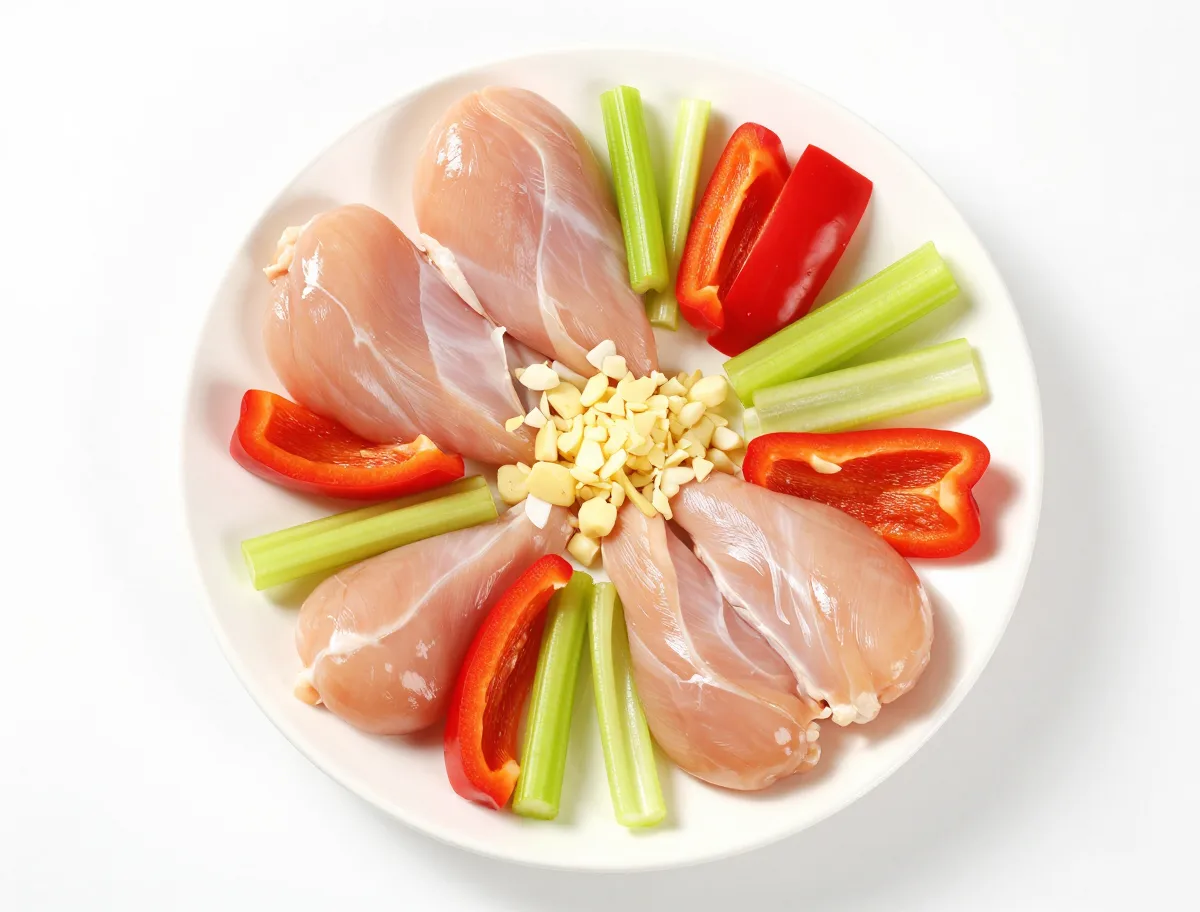
- 1 1/2 pounds boneless, skinless chicken breasts, trimmed; left whole
- 1 large yellow onion, diced
- 1 medium red bell pepper, diced
- 2 stalks celery, diced
- 3 cloves garlic, minced
- 1 small jalapeño, seeded and minced, optional
- 2 tablespoons chili powder
- 2 teaspoons ground cumin
- 1 teaspoon dried oregano
- 1/2 teaspoon smoked paprika
- 1 can (28 ounces) crushed tomatoes, preferably no-salt-added
- 1 can (4 ounces) diced green chiles, mild or hot, undrained
- 2 cups low-sodium chicken broth, plus more if needed
- 3 cans (15 ounces each) beans, such as black, pinto, or kidney beans; drained and rinsed
- 1 teaspoon kosher salt, or to taste, depending on the sodium in the canned ingredients
- 1/2 teaspoon freshly ground black pepper
- 1 large lime, juiced
- 1/2 cup fresh cilantro, chopped, optional
- 1/4 cup sliced scallions, for serving, optional
- 3/4 cup plain nonfat Greek yogurt, for serving, optional
The Best Way to Cook Chicken Chili on the Stovetop
The stovetop method gives the most control over both chicken doneness and final consistency. Keep the chicken breasts whole while they cook so they retain moisture, then remove them as soon as they reach temperature while the bean mixture continues to reduce.
- Use a gentle simmer with small, steady bubbles; vigorous boiling can make breast meat stringy and break apart the beans.
- Briefly cooking the spices with the softened vegetables wakes up their aroma before the liquid is added.
- Mash the beans only after the chicken is removed. This lets the chili thicken without subjecting the cooked chicken to a long reduction.
- Add lime juice and cilantro at the end so their flavor stays fresh and vivid.
Instructions
- Soften the vegetables: Set a 6-quart Dutch oven or soup pot over medium heat. Add the onion, bell pepper, celery, and jalapeño with 2 tablespoons of the broth. Cook for 6 to 8 minutes, stirring often, until the vegetables begin to soften. Add the garlic and cook for 30 seconds.
- Bloom the spices: Stir in the chili powder, cumin, oregano, and smoked paprika. Cook for 30 seconds, stirring constantly, until fragrant and coating the vegetables.
- Build the chili: Add the crushed tomatoes, green chiles, remaining broth, and beans. Stir in the salt and black pepper. Bring the mixture just to a boil, then lower the heat to maintain a gentle simmer.
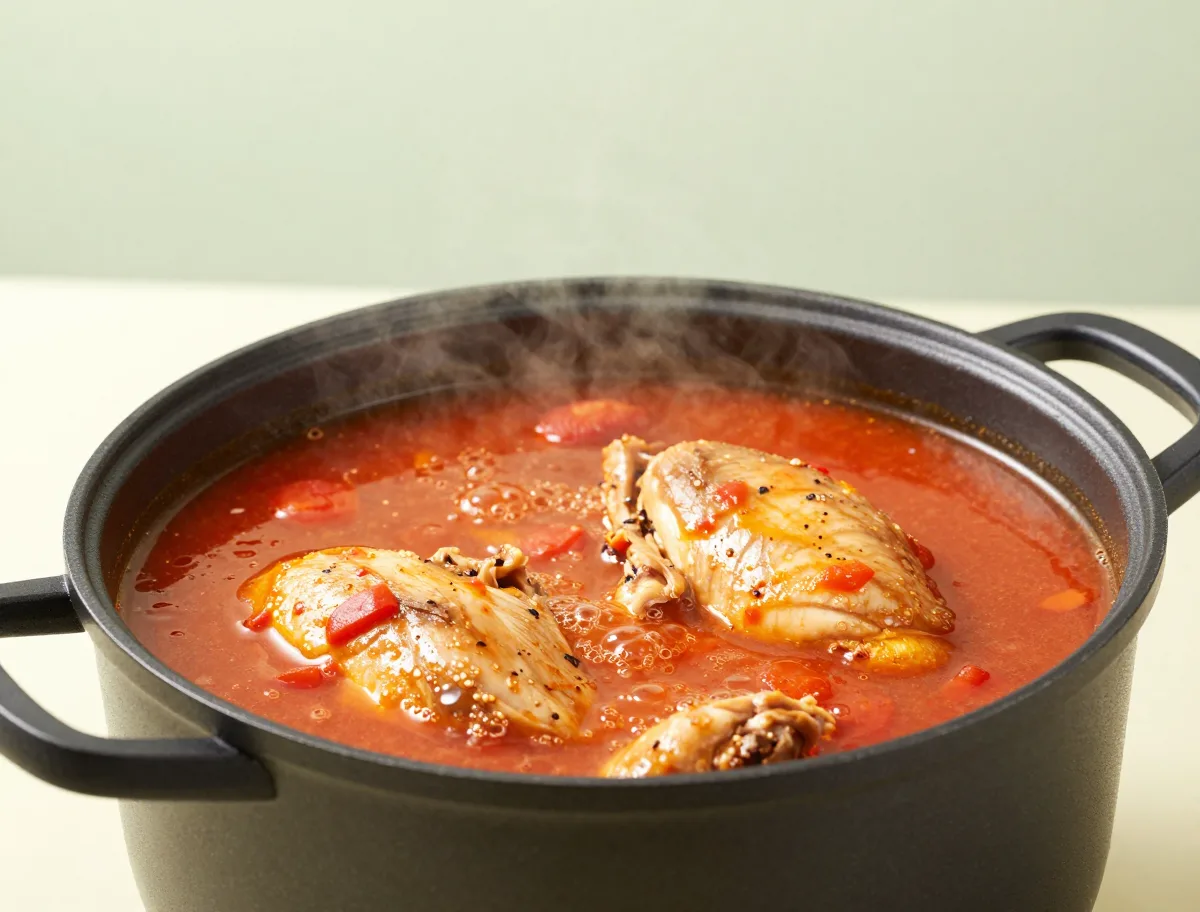
- Simmer the chicken gently: Nestle the chicken breasts into the chili. Cover partially and simmer gently for 18 to 24 minutes, turning the chicken once, until the thickest part reaches 165°F (74°C) on an instant-read thermometer. Avoid a hard boil.
- Shred and thicken: Transfer the chicken to a plate and let it rest briefly. Meanwhile, use a potato masher to crush about 1 cup of the beans directly in the pot. Simmer uncovered for 8 to 10 minutes, stirring occasionally, until the liquid lightly coats a spoon. Shred the chicken into bite-size strands and return it to the pot.
- Finish and serve: Stir in the lime juice and cilantro. Taste and adjust the salt, pepper, or heat. Let the chili stand for 5 minutes, then ladle it into six bowls and top with scallions. Add Greek yogurt only if desired, keeping it as a separately countable topping.
How to Tell When the Chili Is Done
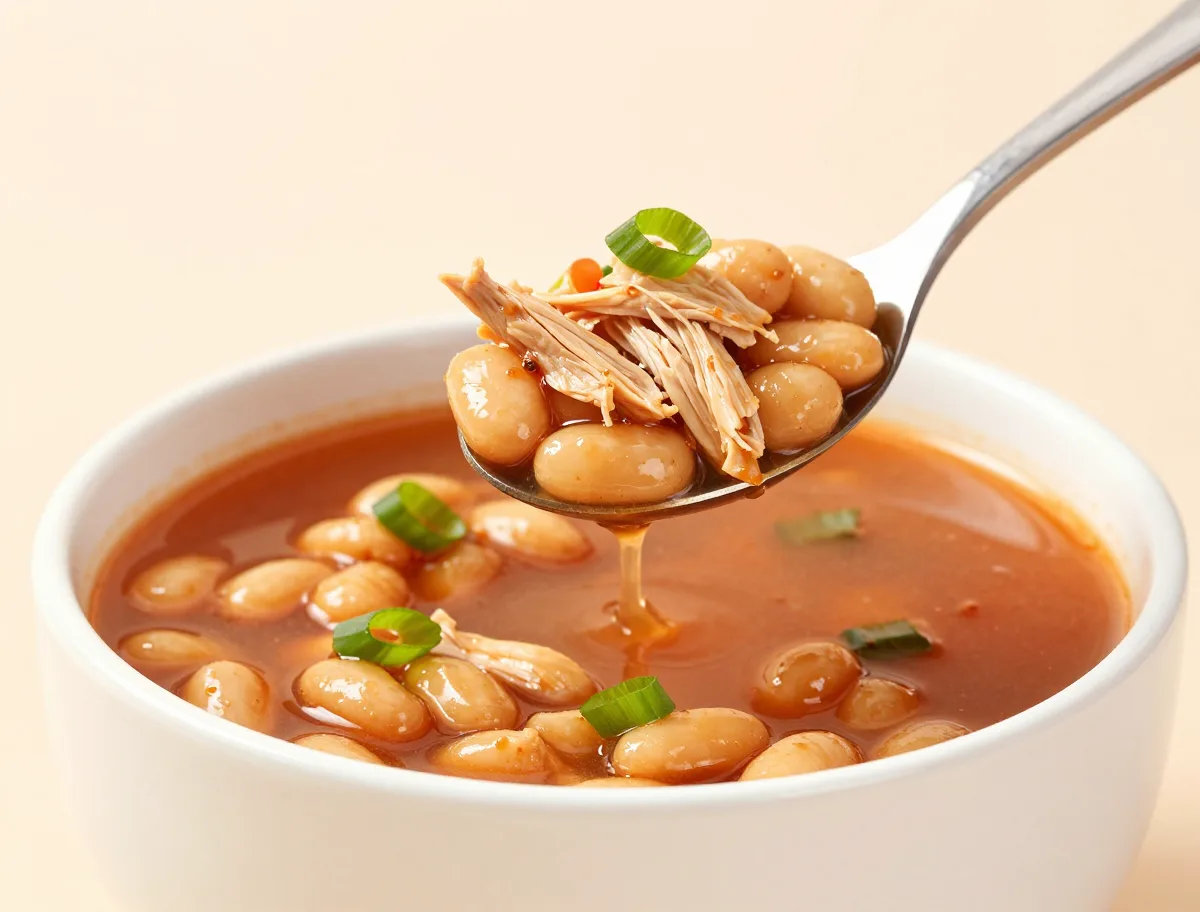
A thermometer is the decisive check for the chicken, while the consistency is best judged after the beans have been partially mashed and the pot has simmered uncovered. The finished chili should be thick enough to cling lightly to the solids but loose enough to ladle.
- Check the thickest piece of chicken in its center; it must reach 165°F (74°C).
- Properly cooked chicken should pull apart cleanly into moist strands.
- The beans should be creamy inside but not uniformly mashed.
- If the chili thickens further during its five-minute rest, that is expected. Adjust it before serving only if it becomes difficult to ladle.
Doneness Cues
- The chicken reaches 165°F (74°C) in the thickest portion and shreds easily without a rubbery center.
- The beans are tender but most remain intact.
- The vegetables are soft and the broth lightly coats a spoon while remaining ladleable.
- After resting, the chili should mound briefly in the bowl rather than spreading like a thin soup.
The Cooking Decisions That Matter Most
Chicken chili has two competing needs: the liquid and beans benefit from reduction, while lean chicken does not. Separating those jobs is the key decision in this recipe. The chicken cooks in the seasoned broth, then the base reduces after the meat is removed.
- Chicken breast contains little connective tissue, so longer cooking does not make it more tender; it generally makes it drier.
- Canned beans are already cooked. They need time to absorb flavor and release some starch, not an extended boil.
- Uncovered simmering evaporates water and concentrates flavor, but the rate depends on pot width and heat. Use the spoon-coating cue rather than the clock alone.
- Mashing beans disrupts their structure and releases starch, creating viscosity without adding a separate thickener.
- Dairy is not necessary for a creamy impression. If yogurt is added as a topping, keep it off the boil to prevent curdling.
Common Chicken Chili Problems and Easy Fixes
Most problems in lean chicken chili come from excess liquid, uneven seasoning, or cooking the chicken longer than necessary. Make corrections gradually so you do not oversalt or overreduce the pot.
- Watery chili: Simmer uncovered for several minutes, then mash a few more beans. Do not add dry spices as a thickener.
- Chili that is too thick: Stir in warm broth one or two tablespoons at a time until it is ladleable.
- Bland flavor: Taste after reduction, then adjust salt first. A little additional lime juice can sharpen flavor, but it cannot replace needed seasoning.
- Too salty: Add unsalted broth and, if necessary, more unseasoned beans or tomatoes. Avoid reducing the chili further.
- Chicken is dry: It was likely cooked past 165°F or held too long in the hot pot. Shred it finely and moisten it with extra chili; severely overcooked meat cannot be fully restored.
- Too spicy: Dilute with additional unsalted beans, tomatoes, or broth. Serve with a measured spoonful of yogurt if it fits your plan.
Useful Substitutions for This Healthy Chicken Chili
Several swaps work well, but chicken substitutions change the cooking sequence and may affect the Points calculation. Keep the total amount of solid ingredients and liquid reasonably close to the recipe so the texture remains balanced.
- Lean ground chicken can replace the breasts. Cook it with the vegetables until no longer pink, breaking it into small pieces, then continue with the chili; verify that the ground poultry reaches 165°F (74°C).
- Previously cooked shredded chicken should be folded in during the last 5 minutes so it warms without drying out.
- Skinless chicken thighs are more forgiving but may contain more fat and Points than breast meat.
- Cannellini or Great Northern beans create a paler, softer chili; chickpeas, pinto beans, or black beans are also suitable.
- Frozen diced peppers or corn can replace fresh vegetables, though frozen vegetables may briefly cool the pot and add a few minutes to the simmer.
- Use water plus a verified low-sodium bouillon product in place of broth, checking the label because prepared bouillon can be very salty.
- For a dairy-free finish, omit the yogurt. For a creamy variation, use plain nonfat Greek yogurt only as a separately calculated topping.
White, Spicy, and Creamy Variations
The base recipe is intentionally tomato-based, but it can be moved toward other recognizable chicken-chili styles without losing its identity. Make one controlled change at a time so the liquid, spice balance, and Points calculation remain clear.
- White chicken chili: Replace the crushed tomatoes with an additional 2 cups of broth, use white beans, and increase the cumin to 1 tablespoon. Keep the green chiles and oregano; the finished chili will be paler and more broth-forward.
- Spicy chicken chili: Leave the jalapeño seeds in, use hot green chiles, or add hot sauce at the table. Increase heat incrementally because canned chile products vary.
- Creamy chicken chili: Mash an additional cup of beans for a smoother base, or stir a measured amount of Greek yogurt into individual bowls off heat. Dairy toppings may add Points.
- Smokier chili: Replace part of the chili powder with additional smoked paprika, but avoid adding sugar-containing barbecue or bottled sauces if maintaining the low-Point goal.
- Rice, pasta, chips, cornbread, cheese, avocado, and creamy sauces turn the meal into a different nutritional calculation and should not be included in a zero-Point base claim.
How to Serve WW Chicken Chili
Measure the chili into six portions so the nutrition and Points guidance remains meaningful. A short rest improves the texture, and fresh garnishes add contrast to the rich tomato-and-spice base without changing its structure.
- Finish with scallions, cilantro, lime, or a few slices of fresh jalapeño for a light, fresh topping.
- A measured spoonful of plain nonfat Greek yogurt adds tang and coolness; count it according to your plan and the product label.
- Reduced-fat cheese, avocado, tortilla chips, rice, cornbread, and sour cream are accompaniments rather than free additions. Portion and track them separately.
- For a larger meal, serve the chili with a green salad or steamed vegetables instead of automatically adding bread or chips.
How to Store, Freeze, and Reheat Chicken Chili
This chili is well suited to meal prep, and its flavor often becomes more integrated after a night in the refrigerator. The beans may soften and the broth will thicken as it chills, so plan to loosen individual portions during reheating.
- Cool leftovers promptly in shallow containers and refrigerate or freeze them within 2 hours of cooking; use the 1-hour limit when the room temperature is above 90°F (32°C).
- Refrigerate for 3 to 4 days. Freeze in sealed individual portions for best quality within about 3 to 4 months.
- Thaw frozen chili in the refrigerator, in cold water, or in the microwave; do not thaw it on the counter.
- Reheat on the stovetop or in the microwave until the center reaches 165°F (74°C). Add warm broth gradually if needed.
- Do not use a slow cooker to reheat chilled chili. A slow cooker is appropriate for cooking or hot holding, not for bringing cold leftovers safely back to temperature.
- Add fresh cilantro, lime, and other garnishes after reheating.
WW Chicken Chili FAQs
The answers below clarify the recipe’s Points language, method choices, serving size, substitutions, and heat level.
Is this chicken chili really zero Points?
It is designed as a zero-Point-oriented base using foods commonly included in WW ZeroPoint categories, but there is no universal Points number for every member. Your plan, country, profile, ingredient brands, quantities, and toppings can change the result. Check the complete recipe in your current WW app. For more information, see the official WeightWatchers ZeroPoint foods guidance.
How many servings does the recipe make?
The pot makes six servings of approximately 1 2/3 cups each. For the most accurate tracking, divide the finished chili evenly by volume or weigh the total pot and portion it by weight.
Should I use chicken breast, ground chicken, or cooked chicken?
Chicken breast is the primary choice because it provides lean protein and can be removed promptly at doneness. Ground chicken may be cooked directly with the vegetables, while cooked shredded chicken should be added only near the end. Different cuts and prepared products may change the nutrition and Points.
Can I make this in a slow cooker?
Yes. Use thawed chicken, combine the ingredients except the lime, cilantro, scallions, and yogurt, and cook on LOW until the chicken reaches 165°F (74°C), usually about 3 to 4 hours depending on breast thickness and the appliance. Remove and shred the chicken, mash some beans, and return the meat briefly. Slow cookers do not reduce liquid effectively, so use slightly less broth or finish uncovered on the stovetop.
Can I make it in an Instant Pot?
Yes. Use the appliance’s minimum-liquid and fill-limit requirements. Cook the raw chicken and chili mixture under high pressure for about 10 minutes, then allow a brief natural release before venting carefully. Check the chicken at 165°F (74°C), shred it, and use the sauté function with the lid off to reduce the chili if needed. Appliance models and chicken thickness can require adjustment.
How can I make the chili milder or hotter?
For mild chili, omit the jalapeño and choose mild canned green chiles. For more heat, retain jalapeño seeds, use hot green chiles, or add hot sauce to individual bowls. Adding heat at the end gives the best control.
Can canned beans and cooked chicken be used?
Yes. Drained, rinsed canned beans are the most convenient choice. Cooked chicken is also practical, but add it during the final few minutes rather than simmering it from the beginning. Check labels for sodium, added oil, and seasoning.
What toppings are most WW-friendly?
Cilantro, scallions, lime, fresh jalapeño, and other nonstarchy vegetables are useful light finishes. Greek yogurt, cheese, avocado, tortilla chips, sour cream, and cornbread can all add calories and Points, so measure and track them separately.
Chicken Chili Food-Safety Essentials
Handle the raw chicken separately from ready-to-eat garnishes and use a food thermometer rather than color alone. The same 165°F (74°C) target applies to both the chicken during cooking and the chili when leftovers are reheated.
- Wash hands, utensils, cutting boards, and work surfaces after they contact raw poultry.
- Thaw chicken in the refrigerator, in cold water, or in the microwave. Poultry thawed in cold water or the microwave should be cooked immediately.
- Keep cold ingredients at 40°F (4°C) or below and hold hot chili at 140°F (60°C) or above when serving.
- Refrigerate or freeze leftovers within 2 hours, using shallow containers so the chili cools quickly.
- Reheat leftovers to 165°F (74°C) on the stovetop or in the microwave; do not rely on a slow cooker to reheat them safely. Follow USDA safe cooking temperature guidance for poultry and leftovers.
Recipe Notes
- WW means Weight Watchers. The base is formulated around ingredients commonly included in ZeroPoint categories, but Points are individualized and can vary by plan, country, brands, quantities, and the current WW app. Verify the complete serving in your plan before labeling it zero Points.
- Estimated nutrition per serving of the base chili, without Greek yogurt or other toppings: approximately 390 calories, 45 g protein, 47 g carbohydrates, 6 g fat, and 14 g fiber. Values vary with chicken size, bean brands, broth, and tomatoes.
- For a lower-sodium result, use no-salt-added tomatoes and beans plus unsalted or low-sodium broth, then season after the chili has reduced.
- The recipe uses broth instead of oil to soften the aromatics. If your pot sticks, add another tablespoon of broth and lower the heat rather than adding untracked oil.
- For a dairy-free bowl, omit the Greek yogurt. Fresh cilantro, scallions, lime, and sliced jalapeño are generally light finishing options, but count any prepared topping according to its label and your plan.