Crispy Buffalo Chicken Hot Pocket Recipe
This buffalo chicken hot pocket recipe wraps spicy shredded chicken, creamy cheese, and tangy buffalo sauce in pizza dough for golden, portable pockets that are easy to bake, refrigerate, or freeze.
What Makes a Great Buffalo Chicken Hot Pocket
These homemade hot pockets are sealed, handheld parcels with a chewy-golden pizza-dough crust and a cohesive filling inspired by buffalo chicken dip. The center should be creamy and cheesy with clear vinegar tang and heat, but not wet enough to soak the dough or force open the seams.
- Use cooked, finely shredded chicken so the filling heats evenly.
- A modest filling portion and a clean dough border are more important than using every last spoonful.
- Small top vents release steam while the pocket bakes.
- A brief rack rest keeps the bottom from steaming itself soft and makes the molten center safer to eat.
Why the Ingredients Work
The recipe balances a sturdy dough shell with a filling that is moist enough to stay tender but firm enough to seal. Buffalo sauce supplies heat, acidity, salt, and color; cream cheese binds the chicken; and the two melting cheeses provide both stretch and savory flavor.
- Low-moisture mozzarella melts smoothly without adding much free liquid.
- Sharp cheddar strengthens the cheese flavor and gives the filling a warmer color.
- Ranch seasoning adds the familiar cooling-herb profile without requiring a separate sauce inside the pocket.
- Egg wash helps the exposed dough brown and shine, but it should not pool on the sealing edge.
- 1 pound prepared pizza dough, brought to room temperature for 20 to 30 minutes
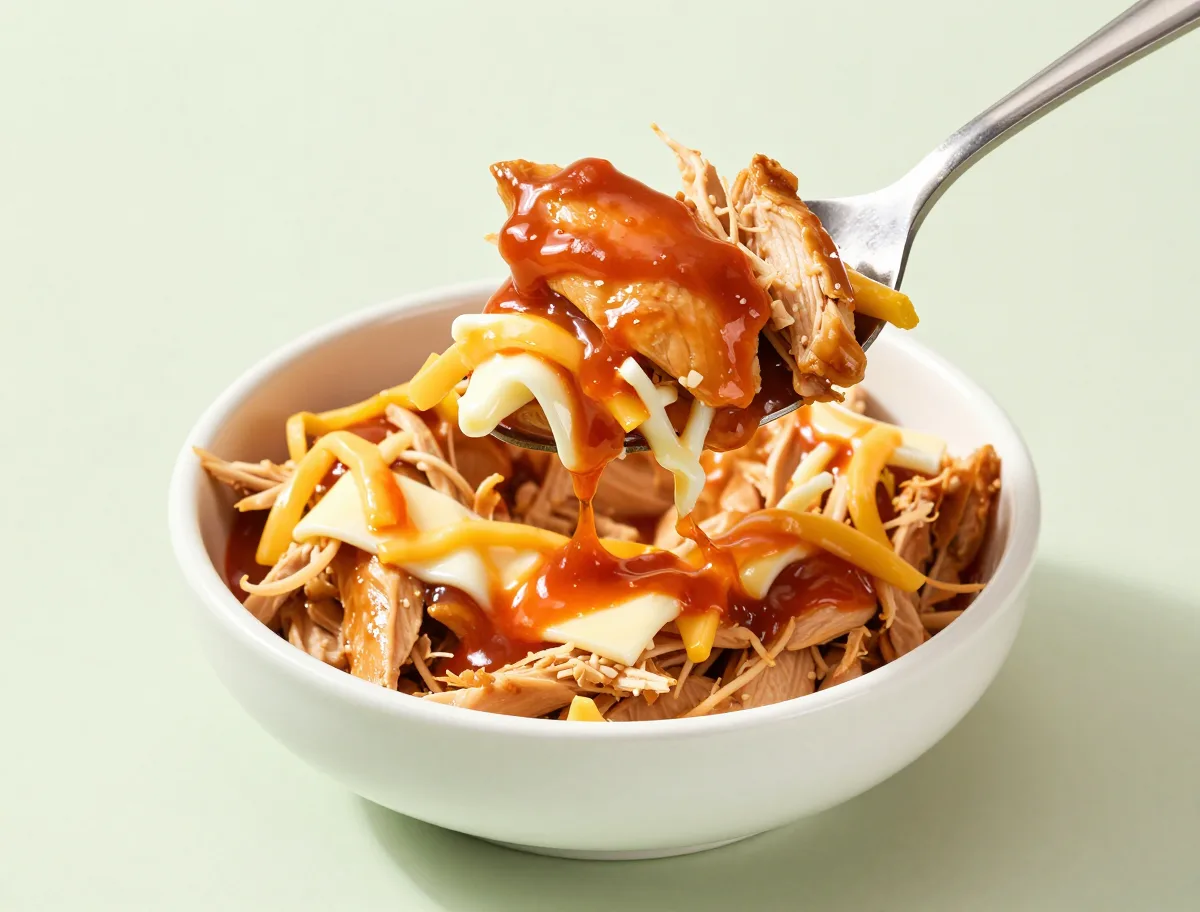
- 3 cups cooked chicken, finely shredded; rotisserie chicken is suitable
- 1/2 cup buffalo sauce
- 4 ounces cream cheese, softened
- 1 cup low-moisture mozzarella, shredded
- 1/2 cup sharp cheddar cheese, shredded
- 1 tablespoon ranch seasoning
- 1/2 teaspoon garlic powder
- 1/4 teaspoon black pepper
- 1 large egg, beaten with 1 tablespoon water
The Best Way to Assemble Buffalo Chicken Pockets
Assembly is easiest when the filling is cold and the dough pieces are uniform. Roll each portion evenly, keep the center filling compact, and press from the fold toward the open edge to push out trapped air before crimping.
- Leave at least a 1/2-inch border free of chicken, cheese, and sauce.
- Use roughly 3 level tablespoons per 5-by-7-inch dough rectangle; a bulging pocket is likely to split.
- Seal first with your fingers, then reinforce the entire edge with a fork.
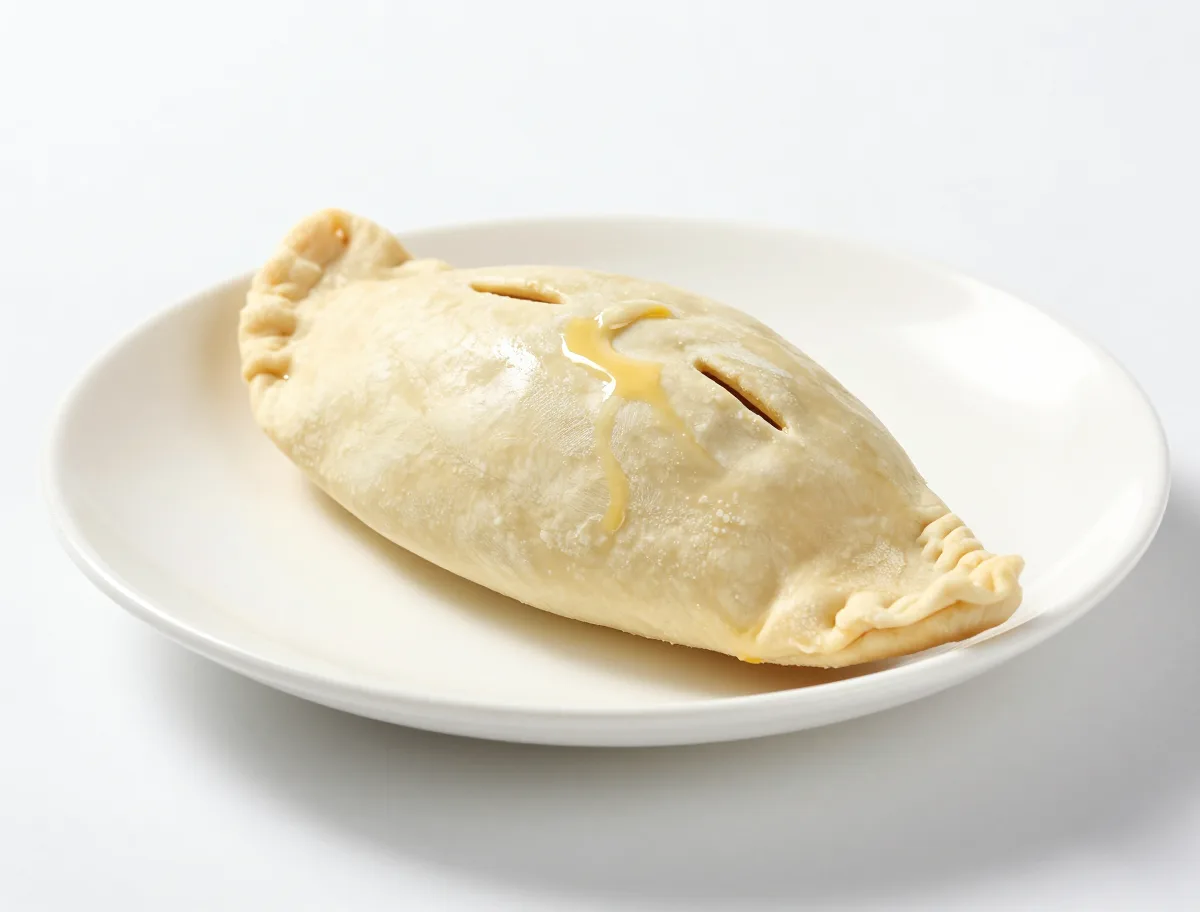
- Make only two short vents so steam has an escape route without allowing the filling to run out.
- If the dough resists rolling, let it relax for several minutes rather than stretching it thin enough to tear.
- Make the buffalo chicken filling. In a medium bowl, mix the shredded chicken, buffalo sauce, softened cream cheese, mozzarella, cheddar, ranch seasoning, garlic powder, and black pepper until evenly combined. The mixture should hold together on a spoon rather than look runny.
- Chill the filling. Refrigerate the filling for 10 minutes. Cooling firms the cream cheese and reduces the steam released inside the pockets during baking.
- Prepare the dough. Heat the oven to 400°F. Line a large baking sheet with parchment. On a lightly floured work surface, divide the pizza dough into 8 equal pieces. Roll each piece into an approximately 5-by-7-inch rectangle about 1/8 inch thick, keeping the edges slightly thicker if possible.
- Fill and seal the pockets. Place about 3 level tablespoons of chilled filling on one side of each dough rectangle, leaving at least a 1/2-inch clean border. Fold the dough over the filling to form a smaller rectangle. Press the air outward, pinch the edges firmly, then crimp all around with a fork. If any filling touches the edge, wipe it away before sealing.
- Vent and glaze. Arrange the sealed pockets on the prepared baking sheet with space between them. Cut two short slits in the top of each pocket. Brush the tops lightly with the beaten egg mixture, keeping excess egg wash away from the crimped seams.
- Bake until golden. Bake for 18 to 22 minutes, rotating the sheet halfway through, until the dough is puffed and deeply golden and the seams remain closed. Transfer the pockets to a wire rack and cool for at least 5 minutes before serving.
For additional shaping and venting guidance, see this King Arthur Baking pizza pocket recipe reference.
How to Tell When the Hot Pockets Are Done
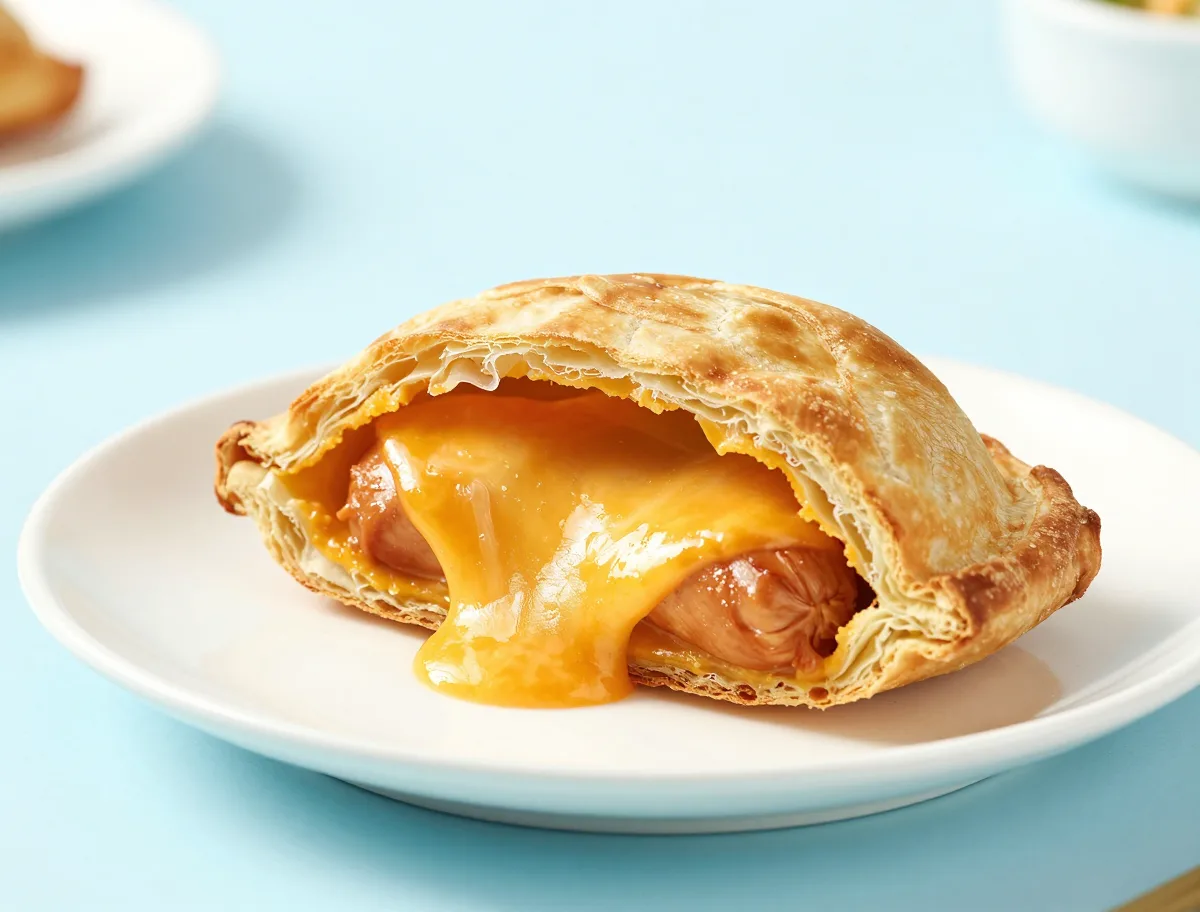
Color alone is not enough, particularly if the pockets were assembled cold or frozen. Look for a fully set crust, intact seams, and a center that is hot and visibly melted. Pizza dough produces a lightly crisp exterior with a pleasantly bready chew rather than a flaky pastry shell.
- The top should be puffed and golden, with no gray or doughy patches.
- The bottom should feel firm when lifted from the sheet.
- The filling should be hot throughout, not merely warm near the vents.
- Rest the pockets on a wire rack for at least 5 minutes; the filling thickens slightly as it cools.
- The crust is evenly golden with no pale, raw-looking areas.
- The dough is puffed and firm, and the crimped seams remain intact.
- Melted cheese is visible through the vents without a large pool of escaped sauce.
- The filling is hot throughout; when temperature can be checked, it should reach 165°F.
- The pockets feel lighter and more structured after resting briefly on a rack.
How to Keep the Crust Crisp and the Filling Moist
Moisture management controls the result. Warm filling creates an early burst of steam, while excess buffalo sauce can migrate into the dough before the crust sets. Chilling the mixture, preheating the oven fully, and leaving room around each pocket allow the exterior to firm quickly while the cheese melts inside.
- A cohesive filling should mound on a spoon rather than spread like a dip.
- Even dough thickness prevents thin corners from burning while the center remains cool.
- A fully preheated oven gives the dough structure promptly; a crowded sheet slows browning.
- Vents relieve internal pressure so steam is less likely to break through the crimped seam.
- Cool pockets on a rack instead of a flat plate to limit condensation underneath.
Common Buffalo Chicken Hot Pocket Mistakes
Most leaks and soggy bottoms begin before the pockets reach the oven. The practical fixes are conservative filling, a dry sealing border, a firm crimp, and moderate heat.
- If a seam opens during assembly, scrape away filling, pinch the dough closed, and reinforce it with a small dough patch before applying egg wash.
- If pockets burst in the oven, reduce the filling portion, press out trapped air, and make smaller vents.
- If the bottoms are soft, the filling may be too wet or the pockets may have been placed on a flat surface while hot; bake until set and cool on a rack.
- If the crust browns before the center is hot, lower the oven slightly and use a smaller filling load rather than simply extending the bake dramatically.
- If the dough cracks, allow it to warm briefly and become flexible; dry, cold dough is more likely to split during folding.
Dough, Chicken and Cheese Substitutions
Several substitutions work, but they change the character of the finished pocket. Choose them according to whether you want a flaky hand pie, a breadier hot pocket, or a lighter layered crust.
- Refrigerated pie dough creates a flakier result; roll it evenly and bake until deeply golden.
- Puff pastry is lighter and more layered but should be kept cold and filled more sparingly because it is less tolerant of wet filling.
- Greek-yogurt dough gives a softer, breadlike pocket and may need extra resting or flour adjustment according to the dough formula.
- A tested commercial gluten-free dough is preferable to trying to stretch plain gluten-free flour dough, which lacks the needed elasticity.
- Monterey Jack can replace either melting cheese. Blue cheese is best used as a small addition or served as a dip because larger amounts can be salty and crumbly.
- Dairy-free cream cheese and melting cheese can work, but brands vary in moisture and melt; reduce the buffalo sauce if the replacement filling seems loose.
Ways to Change the Flavor Without Losing the Buffalo Chicken Identity
The recipe is flexible as long as it remains a sealed dough pocket with buffalo-seasoned chicken and a creamy, cheesy center. Adjust heat and cheese before adding watery vegetables, which can compromise the seal.
- For mild pockets, use a mild buffalo sauce or replace part of the sauce with additional cream cheese.
- For hotter pockets, choose a hotter buffalo sauce; this changes moisture less than adding a large amount of extra liquid hot sauce.
- Add a small amount of blue cheese to the filling for a sharper wing-house profile, or reserve it for dipping.
- Use mozzarella and Monterey Jack for a milder, very melty version, or emphasize cheddar for a stronger cheese flavor.
- Sauté and cool any fresh vegetables before adding them; raw celery or other high-water additions can make the filling leak.
What to Serve With Buffalo Chicken Pockets
Serve the pockets warm after their short rack rest, when the filling is still melty but less likely to burn. Cooling dips and crisp vegetables balance the salt, richness, and heat.
- Offer ranch dressing or blue cheese dressing for dipping.
- Serve celery and carrot sticks alongside for crunch and freshness.
- Scatter sliced scallions or chives over the pockets only after baking.
- For a fuller meal, pair with a crisp green salad or slaw rather than another heavy side.
- Keep extra buffalo sauce on the side; pouring it over the crust can soften it.
How to Store, Freeze and Reheat Buffalo Chicken Hot Pockets
For the best crust, freeze assembled pockets before baking or reheat cooked pockets in a dry oven or air fryer. Storage improves convenience, but every version should be cooled and packaged promptly rather than left at room temperature.
- Refrigerate covered, assembled unbaked pockets for up to 24 hours, then bake as directed.
- Freeze unbaked pockets in a single layer until firm, then wrap individually and transfer to an airtight freezer container or bag.
- Bake frozen pockets without thawing, allowing additional time and checking that the center is fully hot; exact timing depends on dough thickness and pocket size.
- Refrigerate cooked pockets within 2 hours and use them within 3 to 4 days.
- Reheat refrigerated pockets at 350°F until crisp and hot, or air-fry at 350°F for about 4 to 7 minutes. The center should reach 165°F.
- Microwave reheating is fastest but softens the crust. If using a microwave, heat in short intervals and verify that the center reaches 165°F.
Buffalo Chicken Hot Pocket FAQs
These practical answers cover the dough choices, filling control, cooking methods, and make-ahead decisions that most affect the finished pockets.
Can I use rotisserie chicken?
Yes. Remove the skin and bones, shred the meat finely, and discard excess juices. Rotisserie chicken can be saltier than plain cooked chicken, so taste the filling before adding any additional salt.
What dough works best?
Prepared pizza dough is the most forgiving choice for this recipe and gives a chewy, breadlike pocket. Pie dough is flakier, puff pastry is lighter but more delicate, and Greek-yogurt dough is softer and less pastry-like.
How much filling should go in each pocket?
Use about 3 level tablespoons for each 5-by-7-inch dough rectangle. The exact amount matters less than leaving a clean border wide enough to crimp securely.
Does the filling need to be cold?
It should at least be cooled and cohesive. Chilled filling is easier to portion and releases less initial steam, which helps prevent soggy dough and split seams.
Why do the pockets need vents?
The filling produces steam as it heats. Two small slits let that pressure escape through the top instead of forcing sauce and melted cheese through the seam.
Can I cook these in an air fryer?
Yes. Cook them in a single layer at 375°F for approximately 9 to 12 minutes, leaving space around each pocket. Check early because air fryers brown dough faster than a conventional oven.
Can I use plain hot sauce instead of buffalo sauce?
You can, but plain hot sauce is usually sharper and thinner. Use less at first and add enough cream cheese to keep the filling cohesive; a small amount of melted butter can also round the flavor, though it is not part of this base recipe.
How long should the pockets cool before eating?
Rest them on a wire rack for at least 5 minutes. The center will still be warm and melted, but the filling will be less dangerously fluid.
Food Safety for Chicken Hot Pockets
Because these pockets contain cooked poultry and dairy, handle both the filling and leftovers promptly. A browned crust does not guarantee that the center has reached a safe temperature, especially when reheating from cold or frozen.
- Use chicken that was fully cooked before it goes into the filling.
- Refrigerate or freeze assembled or cooked pockets within 2 hours, or within 1 hour when the surrounding temperature is above 90°F.
- Keep the refrigerator at 40°F or below and the freezer at 0°F or below.
- Reheat leftovers until the center reaches 165°F, measured with a food thermometer when practical.
- Thaw frozen pockets in the refrigerator or cook them directly from frozen; do not thaw them on the counter.
- For official poultry and leftover temperature guidance, consult the USDA safe cooking temperature guidance.