Bertolli Chicken Fettuccine Alfredo Recipe
This creamy chicken fettuccine Alfredo uses Bertolli Aged Parmesan Alfredo sauce, pan-seared chicken, garlic, Parmesan, and reserved pasta water for a quick, polished weeknight dinner.
What to Expect from This Bertolli Chicken Fettuccine Alfredo
This recipe is a practical Bertolli-based shortcut rather than a strict Roman fettuccine Alfredo. The jarred sauce supplies the creamy foundation; seared chicken, garlic, Parmesan, and pasta water give it a more composed skillet finish.
- Tender, evenly cooked chicken should remain the central protein.
- Fettuccine should retain a little bite and be thoroughly coated, not submerged.
- The sauce should be savory and glossy, with enough fluidity to cling to the noodles.
Why These Ingredients Work
Fettuccine’s broad ribbons carry a rich sauce effectively, while chicken breast keeps the meal quick and lean. Bertolli Alfredo provides cream, butter, cheese, and built-in stabilizers, so the added cream is deliberately modest and optional rather than essential.
- Freshly grated Parmesan contributes sharper flavor and melts more smoothly than coarse or heavily processed shreds.
- Garlic and black pepper add aromatic contrast to the rich sauce.
- Pasta water is the most useful consistency adjustment because its starch helps the sauce cling without simply making it heavier.
- Chicken thighs may be substituted for breast when a more forgiving, juicy result is preferred.
- 1 1/4 pounds boneless, skinless chicken breasts, cut into 1/2-inch-thick strips
- 1 tablespoon olive oil
- 3/4 teaspoon kosher salt, divided, plus more for pasta water if needed
- 1/2 teaspoon freshly ground black pepper, divided
- 12 ounces fettuccine
- 2 tablespoons unsalted butter
- 3 cloves garlic, finely minced
- 15 ounces Bertolli Aged Parmesan Alfredo sauce, one jar
- 1/4 cup heavy cream, optional
- 1/2 cup finely grated Parmesan cheese, plus more for serving
- 1 cup reserved pasta water, held warm
- 2 tablespoons fresh parsley, chopped
- 1/2 teaspoon finely grated lemon zest, optional
The Most Reliable Way to Make Chicken Alfredo
The workflow is intentionally divided between the pasta pot and the chicken skillet, with the final tossing done in the skillet. Searing the chicken first leaves flavorful browned juices behind, while removing the chicken before the sauce prevents it from overcooking.
- Cut chicken into evenly thick pieces so the exterior does not dry before the center is safe.
- Reserve pasta water before draining; it is easier to loosen a thick sauce than to correct one that has become watery.
- Add Parmesan away from high heat and toss the pasta promptly.
- Keep the sauce below a hard boil from the moment the Bertolli sauce is added.
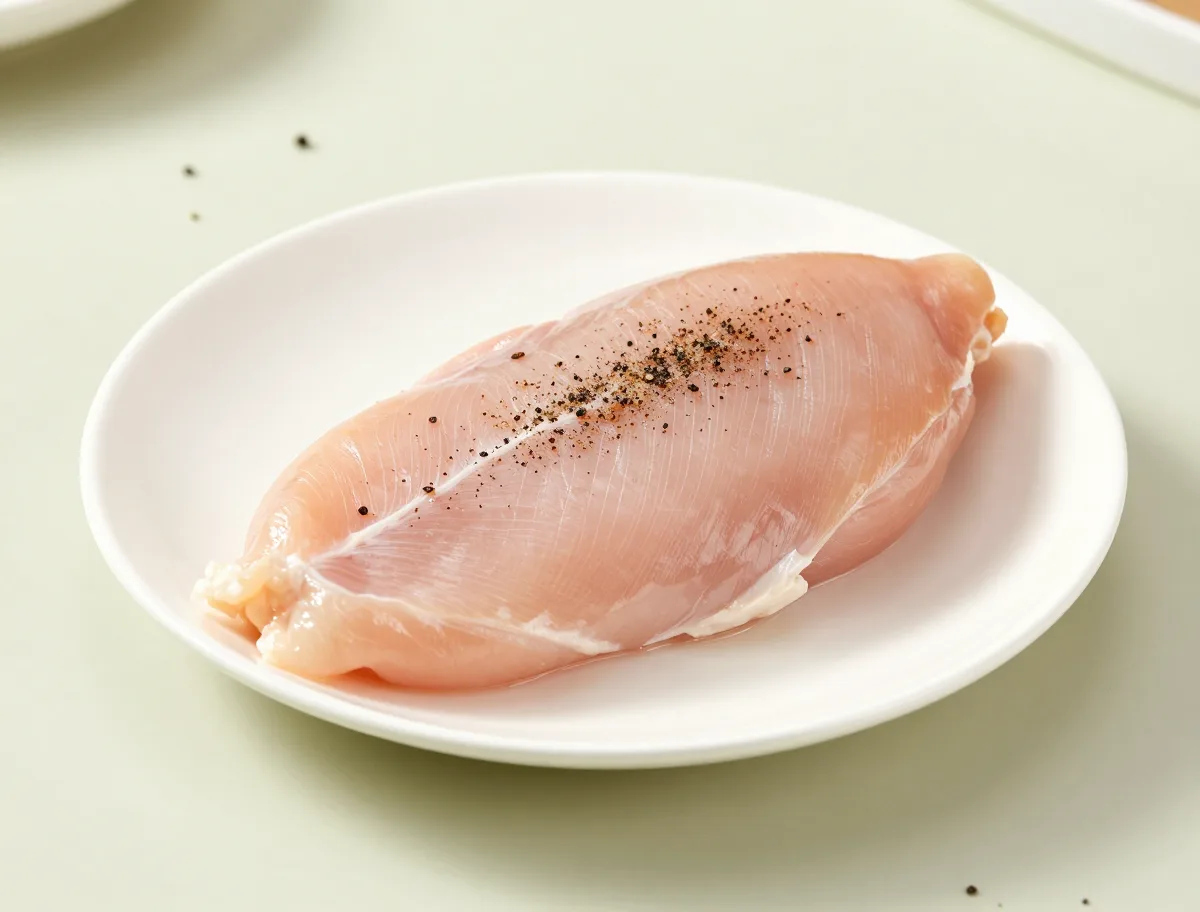
- Season the chicken: Pat the chicken dry. Season it with 1/2 teaspoon of the salt and 1/4 teaspoon of the pepper. Keep the raw chicken and its utensils separate from the cooked pasta and other ready-to-eat ingredients.
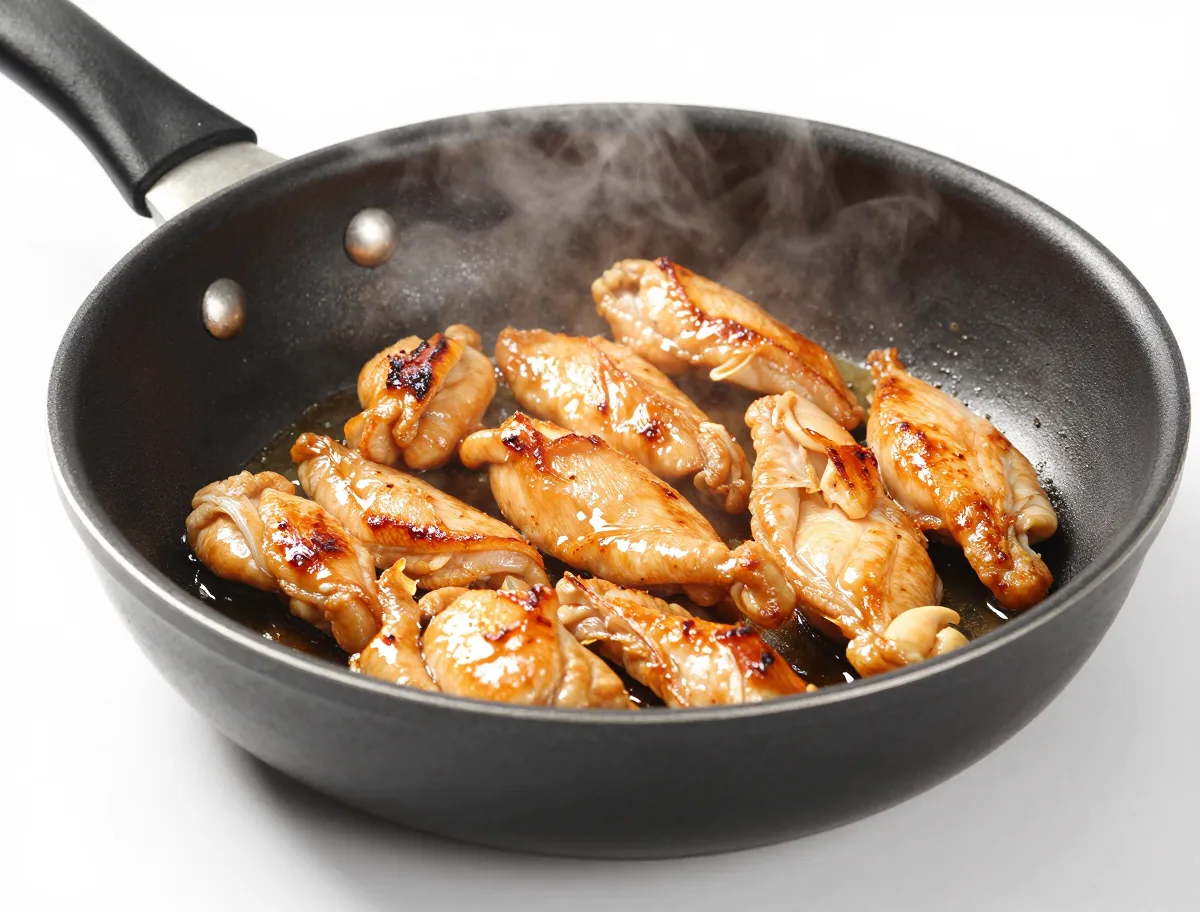
- Sear until cooked through: Heat the olive oil in a large, deep skillet over medium-high heat. Add the chicken in a single layer; cook in batches if necessary. Sear for 3 to 4 minutes per side, or until browned and the thickest piece reaches 165°F (74°C). Transfer the chicken to a plate and cover loosely.
- Cook the fettuccine: Meanwhile, cook the fettuccine in a large pot of boiling salted water according to the package timing, stopping about 1 minute before it is fully tender. Before draining, reserve 1 cup of the pasta water. Drain the pasta without rinsing.
- Build the Alfredo sauce: Reduce the skillet heat to medium-low. Add the butter and garlic to the chicken drippings and cook for about 30 seconds, just until fragrant; do not brown the garlic. Stir in the Bertolli sauce and the optional heavy cream. Warm gently for 2 to 3 minutes, stirring frequently, but do not let the sauce boil.
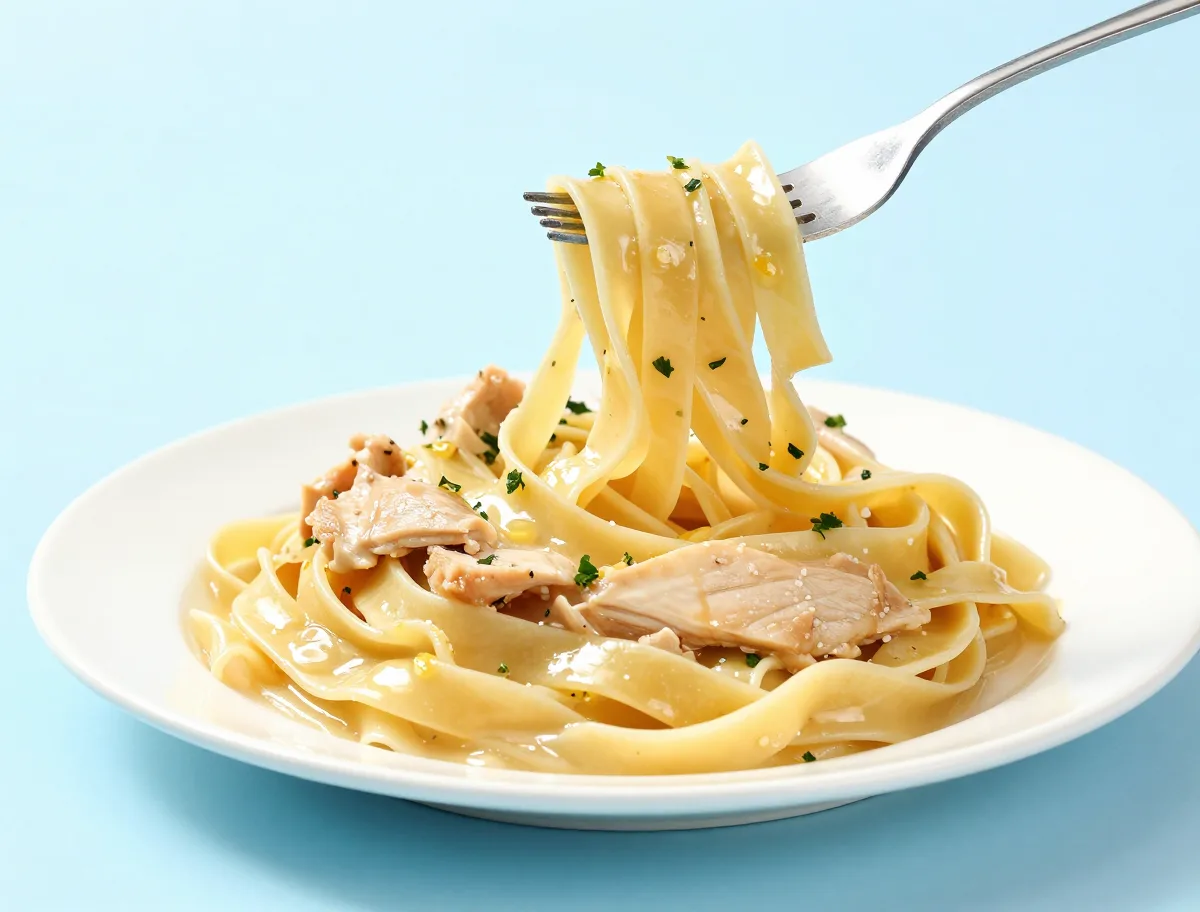
- Toss the pasta and chicken: Remove the skillet from the heat. Add the Parmesan a little at a time, stirring until smooth. Add the drained fettuccine and toss until coated. If the sauce is tight, add the reserved pasta water 1 tablespoon at a time until glossy and fluid; you may not need all of it. Fold in the chicken and any juices from the plate. Taste before adding the remaining salt or pepper.
- Finish and serve: Divide the pasta among warmed bowls. Finish with the parsley, optional lemon zest, and additional Parmesan and black pepper. Serve immediately while the sauce is glossy and loose enough to coat the noodles.
How to Tell When the Pasta, Chicken, and Sauce Are Ready
Timing is a guide, but the physical cues are more dependable. Check chicken with a thermometer, taste the pasta before draining, and judge the sauce by how it moves and coats the noodles.
- Chicken must reach 165°F (74°C) in the thickest portion.
- Al dente pasta should bend easily but offer slight resistance when bitten.
- A finished sauce flows slowly when the skillet is tilted and leaves a creamy coating on the pasta.
- Stop adjusting while the sauce is a little looser than the desired plated texture; it will tighten as it stands.
- Chicken is browned and opaque, with the thickest piece registering 165°F (74°C).
- Fettuccine is al dente: tender but still slightly resistant at the center.
- The sauce is unified, glossy, and clings to the noodles rather than pooling in the skillet.
- The finished mixture should look slightly looser in the pan than you want on the plate because it thickens as it cools.
How to Keep Jarred Alfredo Smooth and Creamy
The sauce contains a balance of fat, dairy, cheese, and stabilizing ingredients. Gentle heat and steady tossing preserve that balance; boiling or adding too much liquid at once can push the sauce toward separation or a thin, loose consistency.
- Pasta water contains gelatinized starch that improves cling and helps suspend the sauce as it is tossed.
- Parmesan blends more evenly when added gradually over low or residual heat.
- Use pasta water first to correct thickness; extra cream increases richness but can dilute the sauce’s seasoning and make the dish heavy.
- Because commercial sauces vary, rely on the sauce’s appearance and taste rather than a fixed amount of added liquid.
Common Chicken Alfredo Mistakes and How to Fix Them
Most problems come from excess heat, uneven chicken pieces, or imprecise liquid additions. Make adjustments in small increments and remember that the sauce will continue thickening once it leaves the heat.
- Dry chicken: Use evenly cut pieces, avoid crowding the skillet, and remove them as soon as they reach 165°F (74°C).
- Grainy or oily sauce: Lower the heat immediately and avoid boiling after adding cream or Parmesan.
- Watery sauce: Let it warm gently for a minute or two while tossing; do not add more cheese until the excess liquid has been incorporated.
- Overly thick sauce: Toss in warm pasta water a tablespoon at a time.
- Too-salty sauce: Do not add additional salt, and balance future batches by using less-salted pasta water and seasoning the chicken lightly.
Useful Substitutions for Chicken Alfredo
The core identity is preserved as long as the dish remains centered on chicken, a substantial pasta shape, and Alfredo sauce. Substitutions change texture and richness, so they should be chosen deliberately.
- Boneless skinless chicken thighs can replace breast; they are juicier but may require a few extra minutes.
- Shredded rotisserie chicken can replace seared chicken. Warm it in the sauce only at the end so it does not dry out.
- Linguine or tagliatelle works well in place of fettuccine. Penne is convenient but gives the dish a less traditional presentation.
- Half-and-half makes a lighter sauce; milk is thinner and less rich, so use it sparingly.
- Parmigiano-Reggiano can replace Parmesan. Romano is sharper and saltier, so use less and taste before seasoning.
Easy Variations That Still Taste Like Chicken Alfredo
Small additions can make the skillet more colorful and complete without turning it into an unrelated creamy pasta. Add vegetables that complement the sauce and keep their quantity moderate.
- Stir in steamed broccoli, peas, sautéed mushrooms, or a handful of baby spinach with the pasta.
- For a stronger garlic profile, add another small clove only when using a plain Alfredo variety.
- For extra cheese flavor, finish with Parmesan at the table rather than heavily salting the sauce.
- A one-pan version is possible, but dry pasta needs additional broth or water and close stirring; the separate-pot method here is more predictable for al dente noodles.
How to Serve Creamy Chicken Fettuccine Alfredo
Serve the pasta as soon as it is coated, preferably in warmed bowls. A restrained garnish of parsley, pepper, Parmesan, or a little lemon zest adds freshness without masking the creamy sauce.
- Pair with a simple green salad dressed with a sharp vinaigrette.
- Steamed broccoli or roasted vegetables provide welcome color and contrast.
- Garlic bread is a familiar accompaniment, though the meal is already rich.
- If the pasta tightens before serving, toss it with a small splash of warm pasta water rather than adding more cream.
How to Store and Reheat Chicken Alfredo
Freshly made Alfredo has the best texture, but leftovers can be handled safely. Transfer the pasta to a shallow container and refrigerate it within two hours; use it within 3 to 4 days when kept at 40°F (4°C) or below.
- Reheat only the portion needed over low heat or in a covered microwave-safe container.
- Add a small splash of water, milk, or reserved pasta water before reheating to loosen the sauce.
- Stir gently and reheat leftovers to 165°F (74°C) throughout.
- Freezing is possible, but the fettuccine may soften and the cream sauce may separate after thawing, making it less desirable than refrigerated leftovers.
Chicken Alfredo with Bertolli Sauce: Your Questions Answered
These practical answers cover the brand association, sauce choice, consistency, timing, and cooking method behind this quick chicken Alfredo dinner.
Is this an official Bertolli recipe?
Bertolli officially publishes a Chicken Fettuccine Alfredo recipe and features its Alfredo sauce in the dish. The quantities and method on this page are an independently formulated Bertolli-based adaptation designed for reliable home cooking.
Which Bertolli Alfredo sauce should I use?
Use Bertolli Aged Parmesan Alfredo or the classic Alfredo variety. Garlic Alfredo also works; if using it, reduce or omit the fresh garlic so the flavor does not become too strong.
Should I add cream, butter, and Parmesan to jarred Alfredo sauce?
Butter and Parmesan provide a useful flavor upgrade, while the small amount of cream is optional. Bertolli sauce is already creamy and seasoned, so taste before adding more salt or extra dairy.
Why reserve pasta water?
It is a controlled way to loosen a thick sauce and improve its adhesion to the noodles. Add it gradually rather than treating the full cup as a required amount.
Can I make this chicken Alfredo in one pan?
You can, but cooking dry pasta directly in the sauce requires a different liquid ratio and more frequent stirring. Cooking the pasta separately gives more reliable doneness and sauce consistency.
How do I know the chicken is fully cooked?
The thickest piece must reach 165°F (74°C) on an instant-read thermometer. Timing and color alone are not dependable safety tests.
How long does this recipe take?
Plan on about 15 minutes of preparation and 25 minutes of cooking, for approximately 40 minutes total. The pasta and chicken can be prepared at the same time.
Can I use a different pasta shape?
Yes. Linguine and tagliatelle are the closest long-pasta substitutes; penne also works but creates a more casual skillet-pasta result.
Is Bertolli Chicken Alfredo Traditional Italian Alfredo?
Fettuccine Alfredo has roots in Rome’s butter-and-cheese pasta tradition, commonly associated with Parmigiano-Reggiano and pasta water. Cream, chicken, and jarred Alfredo sauce are later Italian-American and international adaptations, so this recipe is best described as Bertolli-based rather than authentic Roman Alfredo.
- Chicken is not a defining ingredient in the simplest Roman butter-and-cheese preparation.
- Commercial Alfredo sauce behaves differently from a freshly emulsified butter-and-cheese sauce because it contains dairy, starches, and stabilizing ingredients.
- The recipe borrows useful traditional principles—hot pasta, gradual cheese incorporation, tossing, and careful heat—without claiming to reproduce the original style.
Food-Safety Essentials for Chicken Alfredo
Raw chicken is the main safety concern in this recipe. Keep it separate from cooked pasta and garnishes, wash hands and work surfaces after handling it, and use a thermometer rather than appearance alone to verify doneness.
- Cook chicken to 165°F (74°C) in the thickest portion.
- Use separate utensils for raw chicken, or wash them thoroughly with hot, soapy water before reuse.
- Refrigerate cooked chicken Alfredo within two hours, or within one hour if the surrounding temperature is above 90°F (32°C).
- Keep leftovers at 40°F (4°C) or below and use them within 3 to 4 days.
- Reheat leftovers to 165°F (74°C); gentle heat protects quality but does not replace the safety temperature.
For additional guidance, consult the USDA safe cooking temperature chart.