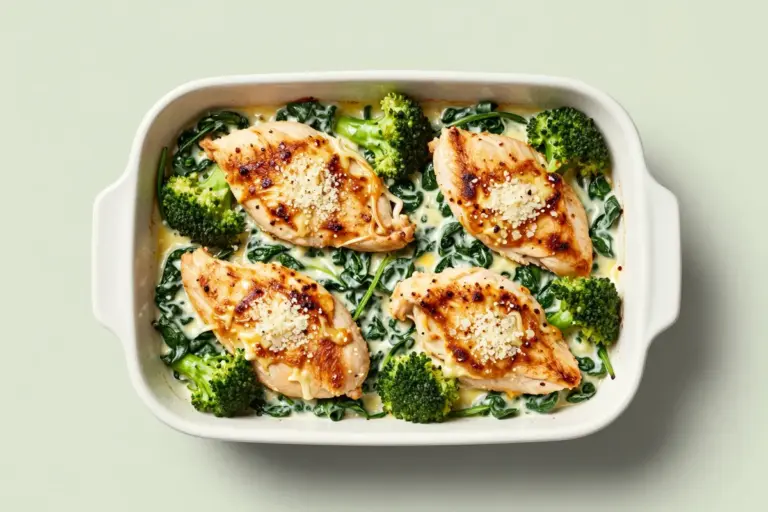
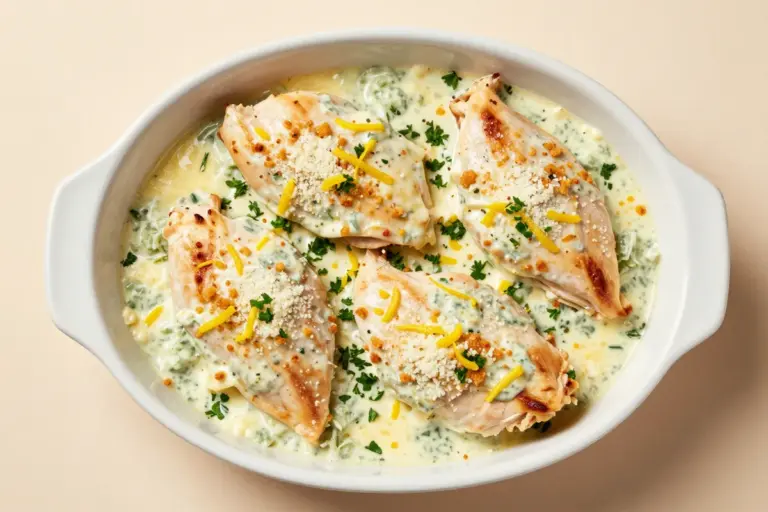
Chick-fil-A Avocado Lime Ranch Recipe (Copycat)
Make this creamy avocado lime ranch dressing in about 5 minutes of active time. Fresh lime, ripe avocado, cultured buttermilk, ranch herbs, and mild Southwest spices create a smooth, tangy copycat for salads, wraps, chicken, vegetables, and fries.
What This Avocado Lime Ranch Copycat Should Taste Like
This homemade version aims for a smooth, opaque green dressing with ripe avocado at the center, followed by fresh lime, cultured tang, savory ranch herbs, and restrained Southwest spice. It is richer and more emulsified than a simple avocado-lime sauce, yet lighter and more pourable than guacamole.
- Look for a glossy, completely uniform green texture.
- The dressing should cling lightly to lettuce and chicken without sitting in heavy clumps.
- Cumin and paprika provide a subtle Southwest note; they should not make the dressing taste like taco sauce.
- This is a sensory copycat approximation, not Chick-fil-A’s proprietary formula. For the restaurant’s broad flavor reference, see the official Chick-fil-A Avocado Lime Ranch Dressing description.
Why the Ingredients Make It Taste Like Avocado Lime Ranch
The formula uses several kinds of richness and acidity rather than relying on avocado alone. Mayonnaise supplies the oil-and-egg richness associated with a commercial creamy dressing, while buttermilk adds cultured tang and enough fluidity for blending. Fresh lime gives the dressing its distinctive top note, and a small amount of vinegar keeps the acidity from becoming purely citrusy.
- Ripe avocado contributes green color, body, and mellow plant-based richness.
- Ranch seasoning, garlic, and onion create the familiar savory ranch backbone.
- Cumin and paprika add mild Southwest character without overwhelming the avocado.
- Sugar rounds the lime and vinegar so the finished dressing does not taste harsh.
- Water is a neutral thinning ingredient, allowing the cook to control flow without adding extra acidity.
Ingredients
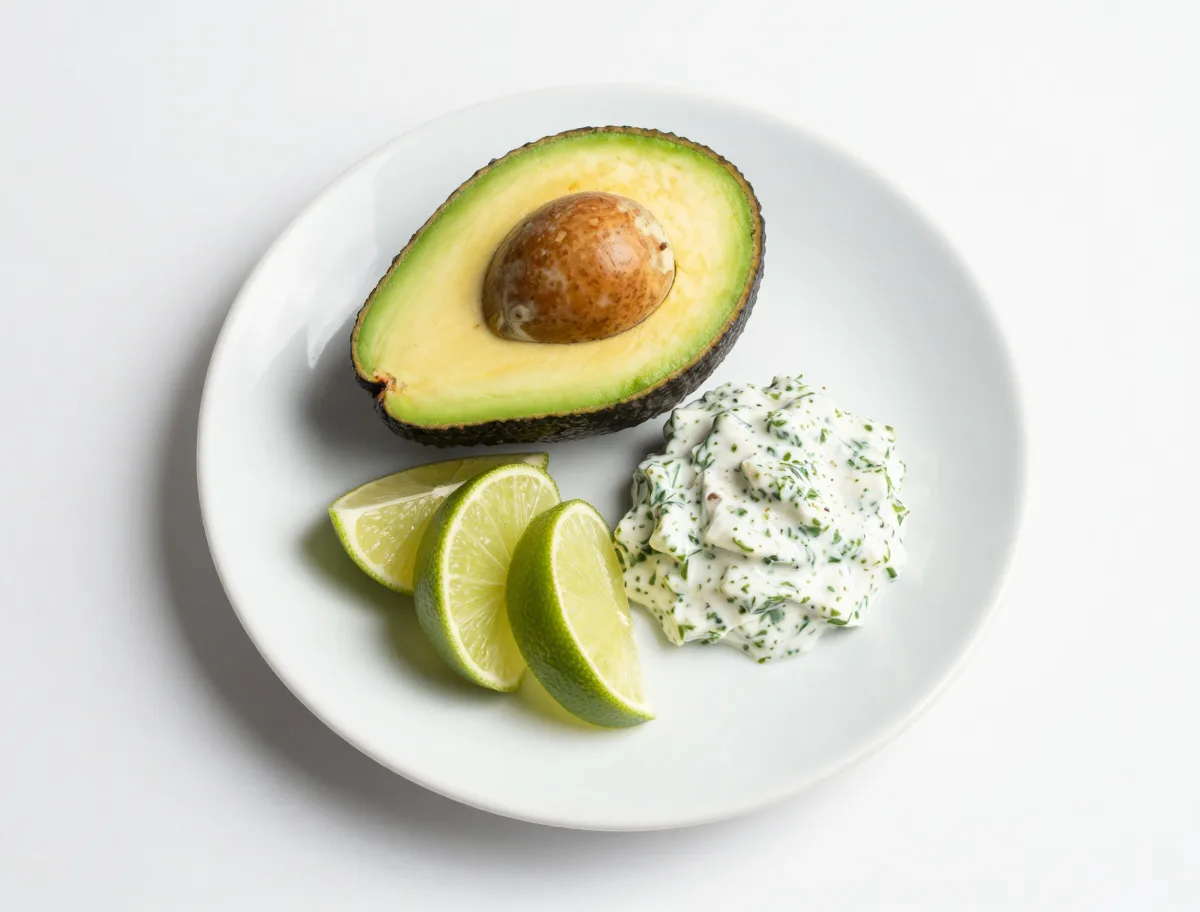
- 1 medium ripe avocado, peeled, pitted, and cut into chunks
- 1/2 cup mayonnaise
- 1/3 cup cultured buttermilk
- 2 tablespoons fresh lime juice, plus more to taste
- 1 teaspoon finely grated lime zest, from a well-washed lime
- 1 teaspoon distilled white vinegar
- 1 teaspoon granulated sugar
- 1 tablespoon ranch seasoning, prepared packet seasoning or homemade blend
- 1/2 teaspoon garlic powder
- 1/2 teaspoon onion powder
- 1/4 teaspoon ground cumin
- 1/4 teaspoon sweet paprika
- 1/8 teaspoon fine salt, adjust according to the saltiness of the ranch seasoning
- 1/8 teaspoon freshly ground black pepper
- 2 tablespoons cold water, added gradually as needed
- 2 tablespoons fresh cilantro leaves, loosely packed, optional
How to Blend a Smooth Avocado Lime Ranch Dressing
A blender or small food processor is the most dependable equipment because it breaks down avocado fibers and disperses the dry seasonings evenly. Keep the batch close to the blade, blend the thick ingredients thoroughly, and add thinning liquid gradually rather than committing to a loose texture from the start.
- Choose an avocado that yields gently to pressure but has no gray or extensively browned flesh.
- A narrow blender jar or immersion-blender cup works better than a large, nearly empty pitcher for this quantity.
- Scrape down the sides if seasoning or avocado sticks above the blade.
- Chill before making the final adjustment because the dressing firms as it cools and the dry seasoning hydrates.
Instructions
- Load the blender: Put the avocado, mayonnaise, buttermilk, lime juice, lime zest, vinegar, sugar, ranch seasoning, garlic powder, onion powder, cumin, paprika, salt, pepper, and cilantro, if using, into a blender or small food processor. About 2 minutes.
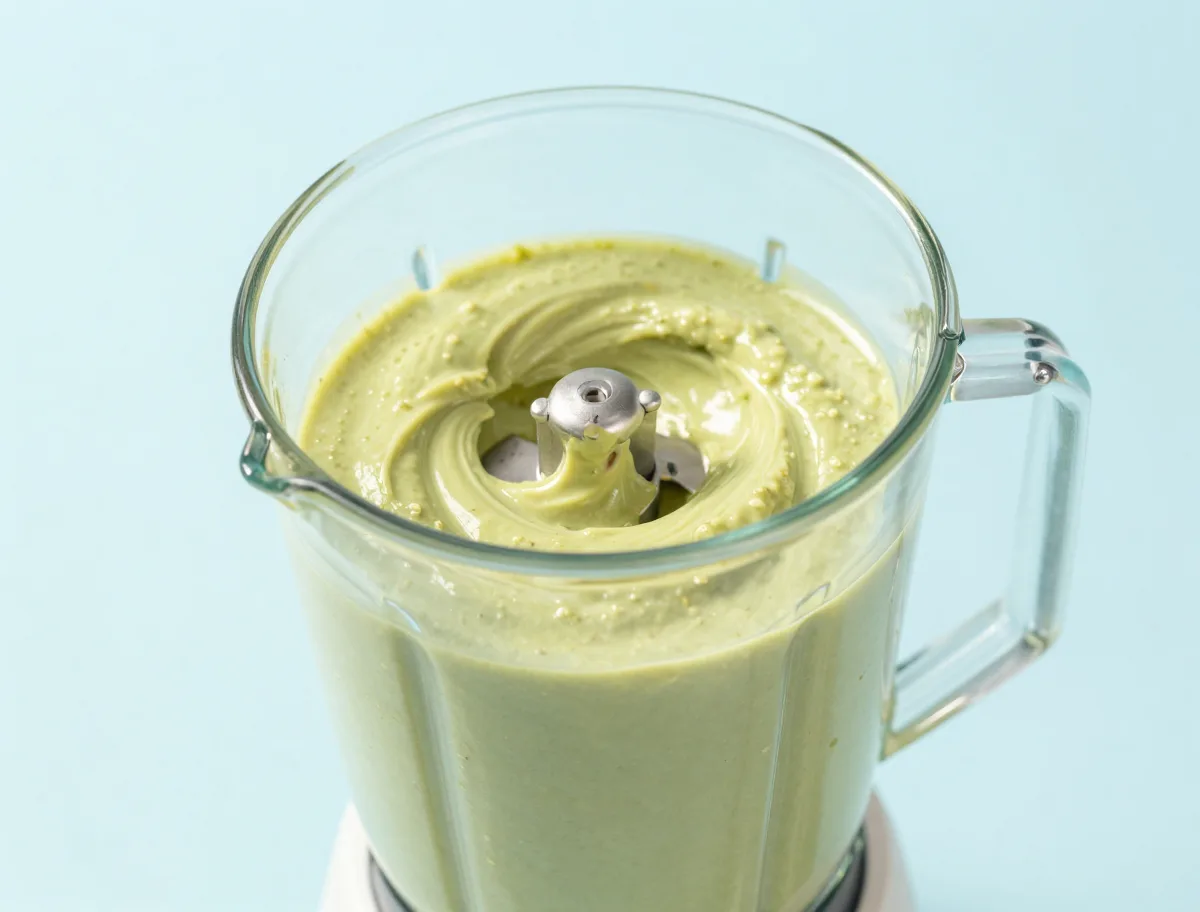
- Blend until smooth: Blend on high until the dressing is uniformly green and completely smooth, pausing to scrape down the sides once or twice if needed. Do not stop while avocado fibers or dry seasoning remain visible. About 2 minutes.
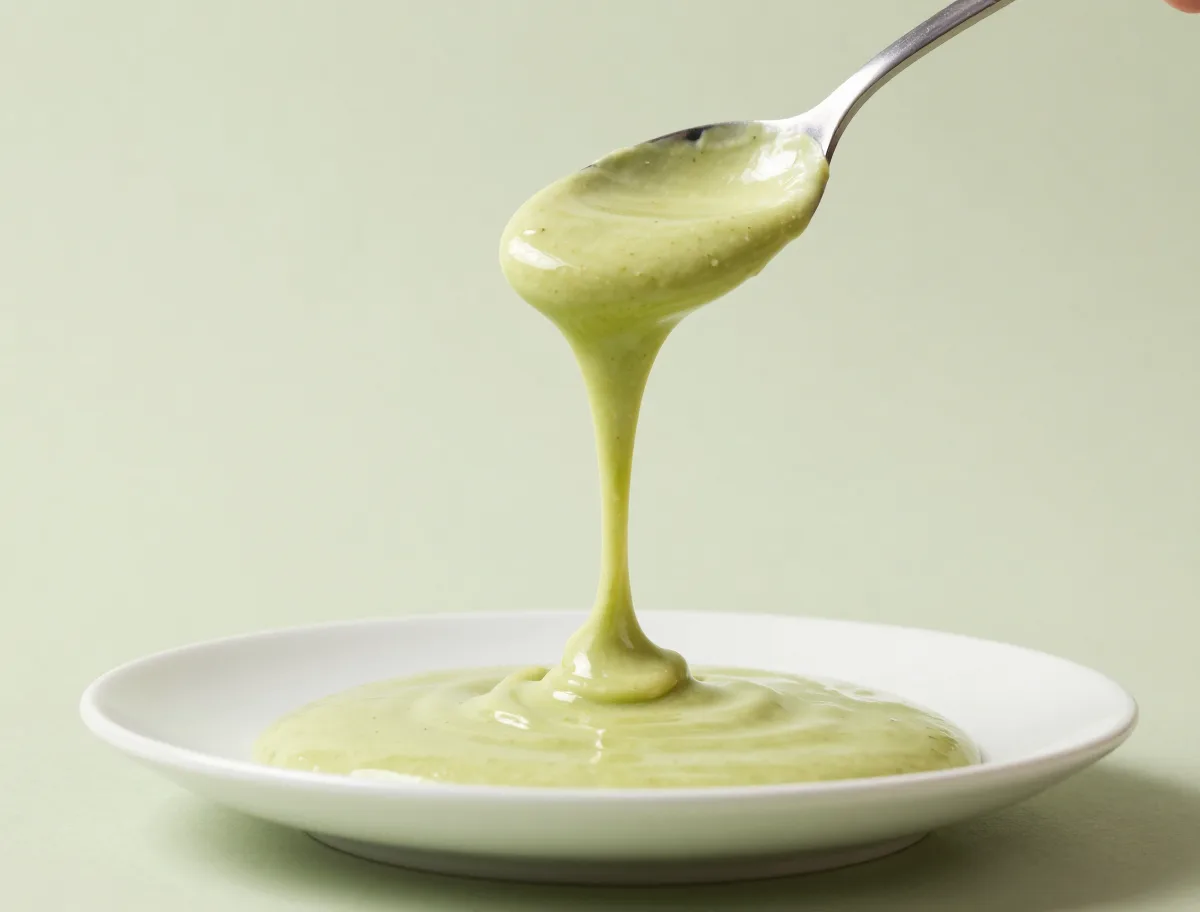
- Set the consistency: With the blender running briefly, add the cold water gradually, starting with 1 tablespoon. Stop when the dressing falls from a spoon in a thick ribbon. Use the remaining water for a looser salad drizzle; leave it thicker for dipping. About 1 minute.
- Chill and adjust: Transfer the dressing to a covered container and refrigerate for 15 minutes at 40°F (4°C). Stir, then taste. Add a little more lime juice for brightness, a pinch more sugar if the acidity is sharp, or a small amount of water if chilling made it too thick.
The Right Texture for Drizzling, Spreading, or Dipping
Since this is a no-cook recipe, readiness is determined by smoothness and flow rather than temperature. The finished dressing should pour slowly from a spoon in a thick ribbon, then level out instead of holding a mound.
- For leafy salads, thin until a spoonful drizzles easily and coats leaves lightly.
- For wraps, keep a medium-thick consistency so it clings without leaking.
- For vegetables or fries, use less water and aim for a dip that holds its shape briefly on the surface.
- If the chilled dressing becomes too firm, stir in cold water or buttermilk one teaspoon at a time.
Doneness Cues
- The dressing is an even opaque green with no avocado lumps, fibrous strands, seasoning pockets, or oil pooling.
- It coats a spoon but slowly runs when the spoon is tilted.
- After chilling, it should remain pourable for salad use and thick enough to cling to vegetables or chicken.
The Practical Science Behind the Creamy Emulsion
Mayonnaise is already a stable oil-in-water emulsion, so it gives this quick dressing a cohesive texture without requiring a separate slow oil-drizzling step. Avocado solids and dairy further thicken the water phase, while blending reduces particles and distributes them throughout the mixture.
- Riper avocado blends more completely and produces a smoother, less vegetal dressing.
- Acid balances the fat and helps slow surface browning, but lime and vinegar do not make the dressing shelf-stable.
- Adding water gradually preserves control over viscosity and prevents an accidentally watery batch.
- Cold temperatures make mayonnaise, avocado, dairy, and hydrated seasonings feel firmer, so assess the final texture after chilling.
Common Avocado Lime Ranch Dressing Problems and Fixes
Most problems are easy to trace to the avocado, the blending process, or an adjustment made before the mixture has chilled. Correct texture first, then rebalance seasoning in small increments.
- Lumpy or fibrous: Blend longer, scrape the container, or process the batch in a smaller, narrower vessel. An underripe avocado may remain fibrous.
- Too thick: Blend in cold water or buttermilk a teaspoon or tablespoon at a time.
- Too thin: Blend in a little more avocado, mayonnaise, or thick plain yogurt; adding more dry seasoning will only increase salt.
- Too sharp: Add a little more mayonnaise or avocado, then use a small pinch of sugar to round the acidity.
- Bland: Increase ranch seasoning or garlic and onion gradually, tasting before adding salt.
- Bitter: Check for excess lime zest, overripe avocado, or too much paprika or cumin; dilute with more creamy base.
- Separated: Blend again until cohesive. If the mixture smells off or has been held improperly, discard it rather than attempting to rescue it.
Ingredient Substitutions for Lighter or Dairy-Free Dressing
Substitutions work best when they preserve three functions: creamy body, controlled acidity, and ranch-style seasoning. Every swap changes the result somewhat, so adjust the water only after the replacement has been blended.
- For a lighter version, replace half the mayonnaise with plain Greek yogurt. The result will be tangier and thicker, so it may need extra water.
- Sour cream can replace some of the buttermilk for a richer dip, but thin it carefully for salad use.
- For dairy-free dressing, use dairy-free mayonnaise and an unsweetened cultured plant yogurt or a small amount of unsweetened plant milk.
- Plain yogurt loosened with milk can stand in for buttermilk; yogurt alone is usually too thick.
- Omit cilantro without affecting the essential avocado-lime-ranch identity. Parsley can add freshness but will taste different.
- Replace packaged ranch seasoning with dried dill, dried parsley, chives, garlic powder, onion powder, salt, and pepper; retain the cumin and paprika for the Southwest note.
Flavor Variations That Stay Within the Copycat Style
Small changes can shift the dressing toward lighter, spicier, or more herbaceous while keeping avocado, lime, creamy ranch character, and mild Southwest seasoning in balance. Large changes produce a different sauce rather than a closer copycat.
- For gentle heat, blend in a small slice of seeded jalapeño or a pinch of cayenne.
- For a smokier variation, add a small pinch of chipotle or smoked paprika while keeping the amount subordinate to the ranch seasoning.
- A cilantro-forward version is fresher and greener but less closely aligned with the commercial ingredient profile.
- Avoid removing both the creamy base and ranch seasoning; that turns the recipe into an avocado-citrus sauce rather than avocado lime ranch.
How to Serve Avocado Lime Ranch Dressing
Serve the dressing cool, not warm. Its lime acidity is especially useful with rich or smoky foods, while the creamy texture makes it equally practical as a salad dressing or dipping sauce.
- Drizzle it over green salads, Southwest-style salads, or grain-and-chicken bowls.
- Use it as a sauce for grilled chicken or a spread in chicken wraps.
- Serve a thicker batch with raw vegetables, roasted vegetables, or fries.
- Finish with a little lime zest, black pepper, or cilantro only if you want a more pronounced fresh-herb impression.
How to Store This Homemade Avocado Dressing
Transfer the dressing promptly to a clean airtight container and refrigerate it at 40°F (4°C) or below. Pressing a piece of food-safe wrap directly against the surface can reduce air exposure, although some darkening is still normal as the avocado ages.
- For best quality, use within 3 to 4 days; use a shorter window if homemade mayonnaise or uncertain handling is involved.
- Stir before serving, since the dressing may thicken or separate slightly in the refrigerator.
- Do not leave it at room temperature for more than 2 hours, or more than 1 hour when the temperature is above 90°F (32°C).
- Do not freeze or reheat the finished dressing; thawing can make the avocado, dairy, and emulsion watery or grainy.
- Discard it if there is mold, an off odor, unusual bubbling, or any questionable temperature history.
Avocado Lime Ranch Dressing FAQ
These answers cover the equipment, flavor adjustments, substitutions, and storage questions that most affect the success of this quick blender ranch dressing.
Can I make this in a food processor instead of a blender?
Yes. A small food processor works well and makes scraping the sides easy. For an immersion blender, use a narrow cup that keeps the ingredients close to the blade.
Should I use lime juice, lime zest, or both?
Use both when possible. Juice supplies acidity and brightness, while zest contributes concentrated lime aroma. Add zest sparingly because too much can taste bitter.
Can I use ranch seasoning instead of measuring individual herbs?
Yes. A tablespoon of packaged ranch seasoning is convenient, but brands differ in salt and intensity. Taste before adding more salt. A homemade blend gives better control over sodium and herb balance.
Why is my dressing thicker after refrigeration?
Avocado solids, mayonnaise, dairy proteins, and hydrated dry seasonings all firm as they chill. Stir the dressing and add cold water or buttermilk a teaspoon at a time until it reaches the desired flow.
How do I make it more like a dip?
Use less of the listed water, chill the dressing fully, and add more only if it is too stiff to scoop. The dip should hold briefly on a vegetable without becoming as dense as guacamole.
Is this dressing gluten-free?
The basic ingredients do not inherently require gluten, but check the labels on ranch seasoning, mayonnaise, and any dairy-free substitutes for wheat-containing additives or cross-contact statements.
Does the recipe contain common allergens?
Mayonnaise commonly contains egg, and buttermilk contains milk. Check all package labels, especially for ranch seasoning and plant-based replacements, and choose suitable products for your needs.
Is this exactly the Chick-fil-A formula?
No. It is an independently formulated homemade copycat based on the broad flavor and ingredient structure publicly associated with the restaurant dressing. The commercial proportions, spice blend, and processing details are proprietary.
Food Safety for This No-Cook Ranch Dressing
Because the dressing is ready to eat without a cooking step, clean handling and prompt refrigeration matter. Wash the avocado and lime under running water before cutting, and use clean blender parts, utensils, and a storage container.
- Use commercially prepared mayonnaise or pasteurized egg products rather than mayonnaise made with raw shell eggs.
- Keep the finished dressing at or below 40°F (4°C).
- Refrigerate it within 2 hours of preparation or serving, reducing that limit to 1 hour in temperatures above 90°F (32°C).
- Lime juice and vinegar help with flavor and may slow browning, but they do not preserve the dressing or make it safe at room temperature.
- Discard any batch exposed to unsafe temperatures or with an uncertain handling history, even if it looks and smells normal. Follow the FDA’s food-storage guidance for additional safe-handling information.