Moist Chocolate Applesauce Cake Recipe
This easy chocolate applesauce cake recipe makes a tender, deeply chocolatey 9-by-13-inch cake with unsweetened applesauce for moisture and no strong apple flavor. It is delicious plain or with a light dusting of confectioners’ sugar.
What to Expect from This Chocolate Applesauce Cake
This is a soft, snack-cake-style chocolate cake with a moist but sliceable crumb. Cocoa and vanilla lead the flavor, while applesauce contributes tenderness and background moisture rather than a pronounced apple taste.
- The 9-by-13-inch pan produces a relatively low cake that bakes evenly and cuts neatly into squares.
- The texture should be tender and moist, not pudding-like, gummy, or fudgy.
- The cake is complete without frosting, although a light finish can make it more dessert-like.
Why the Key Ingredients Work
The formula balances cocoa’s water-absorbing quality with applesauce, milk, eggs, and oil. Flour provides the framework, eggs help the cake set, and oil keeps the crumb soft after cooling. Sugar adds sweetness while helping the cake retain moisture.
- Unsweetened applesauce adds water and body, but it does not replace the tenderizing effect of all the oil or the structure supplied by eggs.
- Natural cocoa gives clear chocolate flavor and acidity for the baking soda; baking powder provides additional lift.
- Cinnamon is deliberately restrained: it rounds out the chocolate and applesauce without turning the cake into a strongly spiced dessert.
- Chocolate chips are optional because the base cake already has a distinct cocoa flavor.
Ingredients
- 2 cups all-purpose flour, spooned into cups and leveled, or weighed
- 1/2 cup natural unsweetened cocoa powder, about 50 g
- 1 1/2 cups granulated sugar
- 1 1/2 teaspoons baking soda
- 1 teaspoon baking powder
- 3/4 teaspoon fine salt
- 1 teaspoon ground cinnamon
- 1 cup unsweetened smooth applesauce, about 240 g
- 3/4 cup whole milk
- 1/2 cup neutral oil, such as canola or avocado oil
- 2 large eggs, at room temperature if possible
- 2 teaspoons vanilla extract
- 1/2 cup semisweet chocolate chips, optional
How to Make the Cake Successfully
The one-bowl method is simple, but the order and restraint still matter. Thoroughly blend the dry ingredients first so the cocoa and leaveners are distributed evenly, then mix the wet ingredients in only until the batter comes together.
- Use a level pan and spread the batter into the corners so the center is not substantially deeper than the edges.
- Whisk out cocoa lumps before adding liquid; pockets of cocoa can create bitter streaks and uneven texture.
- Stop mixing as soon as no dry flour remains. A few small streaks can be finished with the spatula rather than vigorous whisking.
- Bake the batter promptly after mixing so the leaveners can work in the oven rather than losing strength while the batter sits.
For additional guidance on ingredient measuring, cocoa handling, and standard pan practices, see the King Arthur Baking recipe success guide.
Instructions
- Prepare the pan and oven: Heat the oven to 350°F (175°C). Lightly grease a 9-by-13-inch metal baking pan and line the bottom with parchment, leaving a little overhang on two sides for lifting the cooled cake.
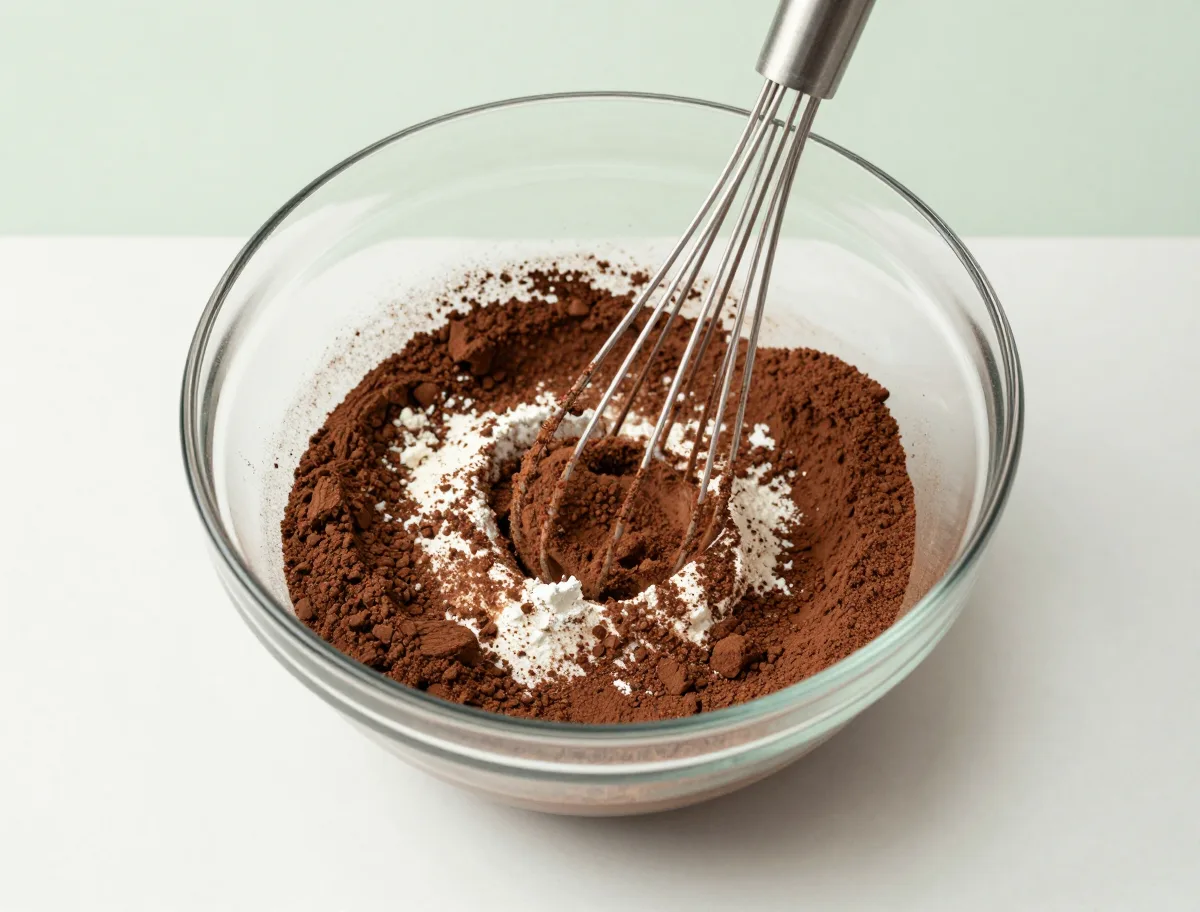
- Combine the dry ingredients: In a large bowl, whisk the flour, cocoa powder, sugar, baking soda, baking powder, salt, and cinnamon until evenly blended and no cocoa lumps remain.
- Add the wet ingredients: Add the applesauce, milk, oil, eggs, and vanilla to the dry mixture. Whisk just until the batter is smooth and no dry streaks remain; do not continue mixing once the flour has disappeared.
- Add the chocolate chips: If using, fold in the chocolate chips with a flexible spatula, using only a few strokes to distribute them evenly.
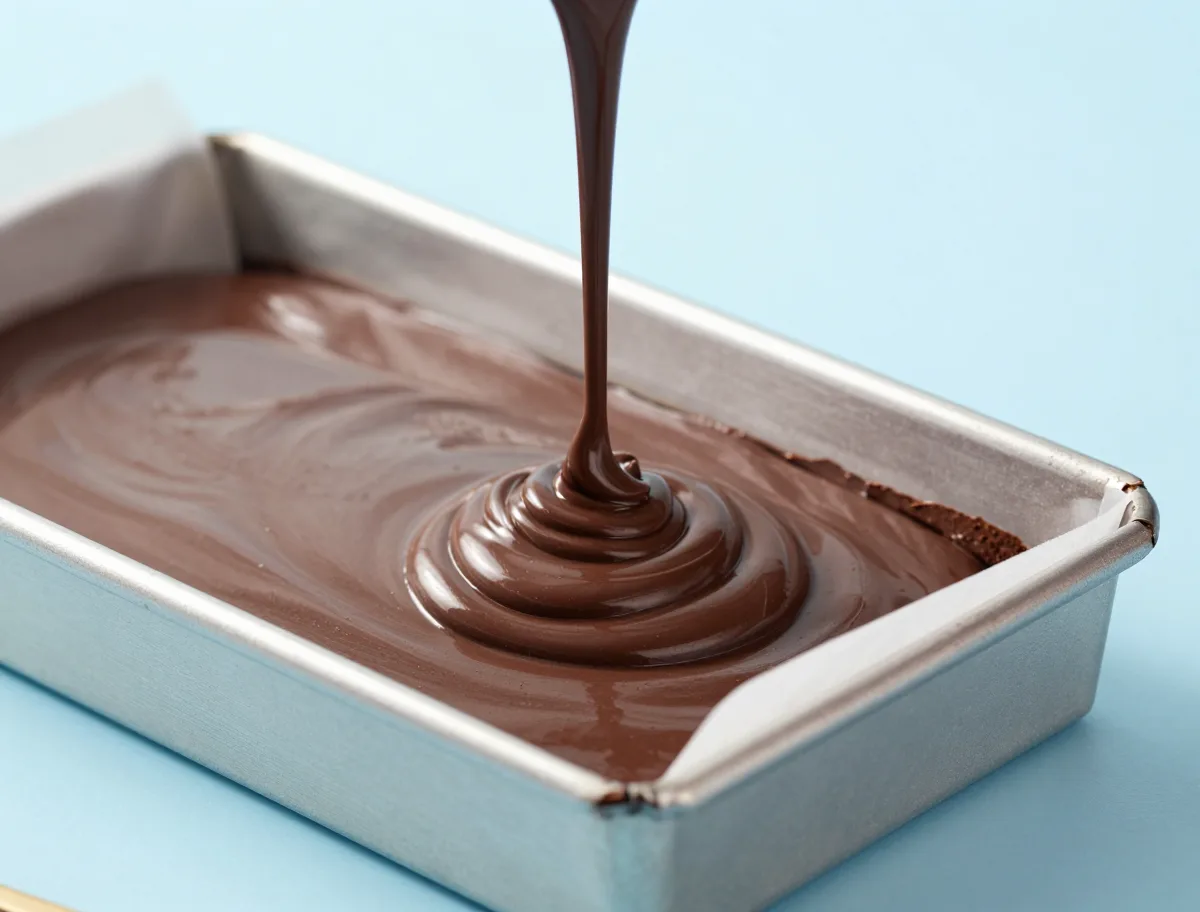
- Bake: Scrape the batter into the prepared pan and spread it level, especially into the corners. Bake for 32 to 38 minutes, rotating the pan once after 22 minutes if your oven bakes unevenly.
- Cool before serving: The cake is ready when the center springs back lightly when pressed and a toothpick inserted in a spot without a chocolate chip comes out with a few moist crumbs but no wet batter. Cool in the pan for 15 minutes, then use the parchment to transfer the cake to a rack. Cool completely, about 45 minutes more, before slicing.
How to Tell When It Is Done
Because a chocolate cake is dark, color alone is not a dependable doneness test. Begin checking near the early end of the baking range, then use the center’s movement and a tester together.
- A properly baked center springs back lightly instead of leaving a permanent indentation.
- A toothpick should show a few moist crumbs. Wet, shiny batter means the cake needs more time.
- Test away from chocolate chips, which can leave melted chocolate on the tester and make a baked cake appear underdone.
- Allow the cake to cool before slicing; the crumb continues to firm as it loses heat.
Doneness Cues
- The center looks set rather than glossy or wobbly.
- The top springs back lightly when pressed.
- The edges are firm and may pull away from the pan slightly.
- A tester inserted away from a chocolate chip shows moist crumbs, not liquid batter.
The Variables That Control Moisture and Rise
Applesauce supplies moisture and pectin, while cocoa and flour absorb part of that moisture. The cake succeeds when those elements are balanced with enough fat, sugar, eggs, and leavening to create a tender crumb that still sets in the center.
- More applesauce is not automatically better; too much can leave the middle heavy or gummy.
- Extra cocoa without additional liquid can make the cake tight and dry, so keep the stated proportions together.
- Baking soda needs acidity, which is why natural cocoa is specified. Excess soda can create a harsh or soapy flavor rather than extra lift.
- A shallow pan allows heat to reach the center efficiently. Deeper pans require substantially more baking time and closer testing.
Common Chocolate Applesauce Cake Problems
Most problems with this cake come from inaccurate measuring, a pan that changes the batter depth, or stopping the bake before the center has set. The following checks help prevent the most common failures.
- Gummy or sunken center: the cake may be underbaked, the applesauce may have been unusually watery, or the pan may have been too deep. Continue baking until the center springs back; tent the top loosely if the edges are already dark.
- Dry edges: the pan may be darker or smaller than specified, or the cake may have baked too long. Begin testing early and remove it when the tester shows moist crumbs.
- Dense texture: overmixing, stale leaveners, or substituting extra applesauce for the oil can reduce lift. Mix briefly and use fresh baking soda and baking powder.
- Uneven baking: level the batter carefully and avoid placing the pan against an oven wall. Rotate only after the cake has begun to set.
- Broken release: moist cakes need adequate greasing and a short rest in the pan before transfer. The parchment sling is especially helpful for this flat cake.
Practical Ingredient Substitutions
The easiest changes preserve the role of the original ingredient. Minor dairy or fat substitutions are relatively forgiving; egg substitutions affect the cake’s structure more noticeably.
- Use smooth, unsweetened homemade applesauce if its consistency resembles commercial applesauce. Drain thin sauce before measuring.
- An unsweetened plant milk can replace the whole milk for a dairy-free version.
- The neutral oil can be replaced with melted butter in the same volume, but the cake will have a slightly firmer crumb after cooling and a more buttery flavor.
- For egg-free preparation, use a commercial egg replacer according to its directions. A flax-based substitute may work in a sturdy snack cake, but the result can be denser.
- Do not replace all the oil with applesauce. That change removes too much tenderizing fat and can produce a compact or gummy cake.
Ways to Vary the Cake
Small additions can shift the cake toward a spiced, extra-chocolatey, or more textured dessert without changing its character. Keep the additions moderate so the batter still rises and bakes evenly.
- For a chocolate-chip version, use the optional semisweet chips listed in the recipe and test between chips.
- For a warmer profile, increase the cinnamon to 1 1/2 teaspoons or add a small pinch of ground ginger; avoid overpowering the cocoa.
- Fold in up to 1/2 cup of finely chopped toasted walnuts or pecans in place of the chocolate chips.
- A 9-by-13-inch pan is the primary format. An 8-inch square pan will make a thicker cake and may need about 40 to 48 minutes; begin testing only once the center looks set.
- A loaf or Bundt pan creates a deeper cake and requires a separate timing adjustment, generally 45 to 60 minutes depending on capacity. Do not fill any pan more than about two-thirds full.
How to Serve Chocolate Applesauce Cake
Let the cake cool completely before slicing or adding a topping. At room temperature, the crumb is soft and the chocolate aroma is clearest.
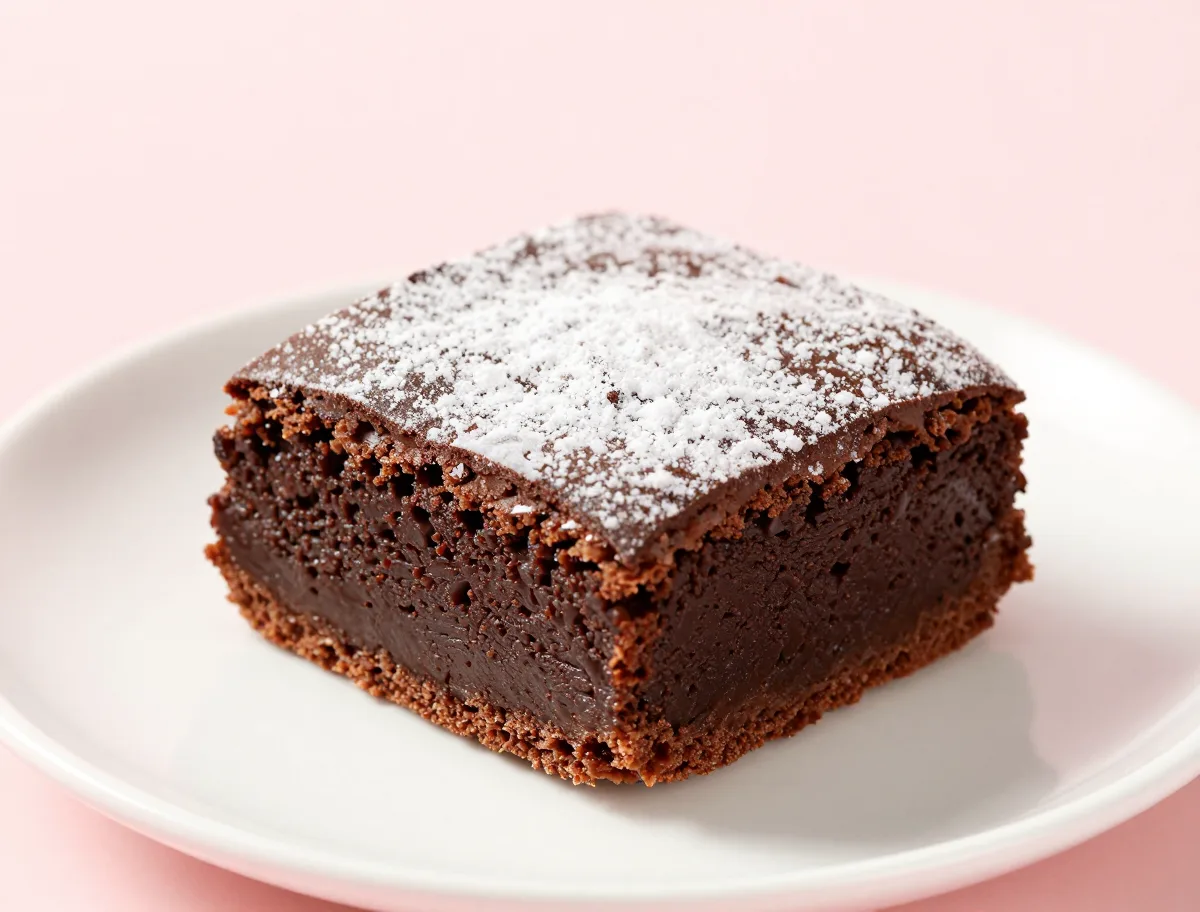
- Serve plain for an everyday snack cake or dust the top lightly with confectioners’ sugar.
- A thin chocolate glaze adds shine without overwhelming the applesauce cake’s tender crumb.
- For a more substantial dessert, serve a room-temperature slice with whipped cream or vanilla ice cream.
- Coffee, cold milk, or unsweetened tea all pair naturally with the cocoa flavor.
How to Store and Freeze the Cake
The plain cake keeps its best texture when covered tightly and held at cool room temperature for a short period. Storage instructions change if the cake has a perishable topping.
- Cover the cooled plain cake airtight and keep it at room temperature for up to 2 to 3 days.
- Refrigerate cake topped with cream cheese frosting, whipped cream, custard, or another perishable filling. Bring slices toward room temperature before serving for a softer crumb.
- To freeze, cool the cake completely, wrap individual squares or the whole unfrosted cake tightly, and place them in a freezer-safe container or bag. Use within about 3 months for best quality.
- Thaw unfrosted cake while still wrapped at room temperature. Thaw frosted or filled cake in the refrigerator.
- Reheating is optional; if desired, warm one thawed unfrosted slice briefly and gently. Strong microwave heating can make the edges dry and the center overly soft.
For additional practical guidance on wrapping, freezing, thawing, and storing home-prepared foods, see the University of Missouri Extension guide to freezing home-prepared foods.
Chocolate Applesauce Cake FAQs
These answers cover the practical choices most likely to affect sweetness, texture, pan performance, and serving.
What kind of applesauce works best?
Use smooth, unsweetened applesauce with a fairly thick consistency. It gives the most control over sweetness and batter thickness. Chunky applesauce can create uneven pockets in the crumb, while watery homemade sauce may make the center take longer to set.
Can I use sweetened applesauce?
Yes, but the cake will be sweeter and may be softer or brown more quickly. Unsweetened applesauce is more predictable. If using sweetened sauce, avoid making a large reduction in the sugar because sugar also affects moisture and structure.
Will this cake taste strongly of apples?
Usually not. The cocoa, vanilla, and small amount of cinnamon keep the flavor chocolate-forward, while the applesauce mainly contributes moisture. The intensity can vary with the applesauce brand and apple variety.
Can I make it without butter?
Yes. This recipe uses neutral oil rather than butter, so it is naturally butter-free. For a dairy-free cake, also replace the milk with an unsweetened plant milk and check that any optional chocolate chips are dairy-free.
Can I make it without eggs?
Use a commercial egg replacer according to its package directions, but expect a somewhat shorter and denser cake. Simply adding more applesauce is not a reliable egg replacement.
Does the cake need frosting?
No. It is designed to be moist and flavorful enough to serve plain or with confectioners’ sugar. A glaze or frosting is an optional finish.
How do I know the center is baked?
The center should spring back lightly, and a toothpick inserted away from any chocolate chips should come out with moist crumbs but no wet batter. If the center wobbles or the tester is coated with batter, keep baking.
Why did my cake sink in the middle?
The usual causes are underbaking, excess liquid, a deep or overfilled pan, or opening the oven before the structure has set. Measure the applesauce accurately, use the stated pan, and wait until the cake looks set before checking it.