Recipe for Butternut Squash Cake with Cream Cheese Frosting
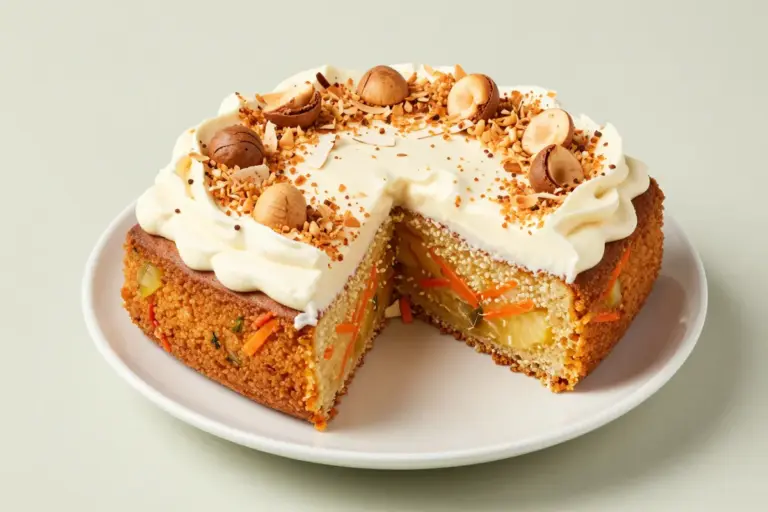
This recipe for butternut squash cake uses roasted squash puree, brown sugar, and warm spices to make a moist, tender sheet cake finished with tangy maple cream cheese frosting.
What This Butternut Squash Cake Is Like
This is a soft, moist American-style spice cake baked in a shallow 9-by-13-inch pan. Roasted squash adds golden color, mellow sweetness, and a subtle nutty flavor; cinnamon, ginger, and nutmeg make the result read more like a pumpkin or sweet potato dessert than a savory vegetable bake.
- Expect a tender but stable crumb that cuts into neat squares.
- The maple cream cheese frosting adds tang and caramel-like depth without overwhelming the squash.
- The cake is sweet enough for dessert but balanced with salt and warm spices.
Why the Key Ingredients Matter
The formula is built around thick squash puree, enough flour and eggs to support its moisture, and a butter-and-oil combination for both flavor and softness. Brown sugar contributes molasses depth and helps the cake stay moist, while granulated sugar keeps the sweetness from becoming too heavy.
- Roasted puree is the principal moisture and flavor source, so its thickness matters more than whether it is fresh or frozen.
- Oil keeps the crumb plush, particularly after refrigeration; butter supplies dairy flavor.
- Baking powder provides lift without depending on an acidic ingredient.
- Salt, vanilla, and the spice blend sharpen the squash flavor and prevent a flat sweetness.
Ingredients
- 1 1/4 kg butternut squash, peeled, seeded, and cut into 3 cm cubes
- 2 tablespoons neutral oil, divided
- 2 1/2 cups all-purpose flour
- 2 teaspoons baking powder
- 1 1/2 teaspoons ground cinnamon
- 1 teaspoon ground ginger
- 1/2 teaspoon ground nutmeg
- 1 teaspoon fine salt, divided
- 6 tablespoons unsalted butter, melted and cooled, divided
- 3/4 cup packed light brown sugar
- 1/2 cup granulated sugar
- 2 large eggs, at room temperature
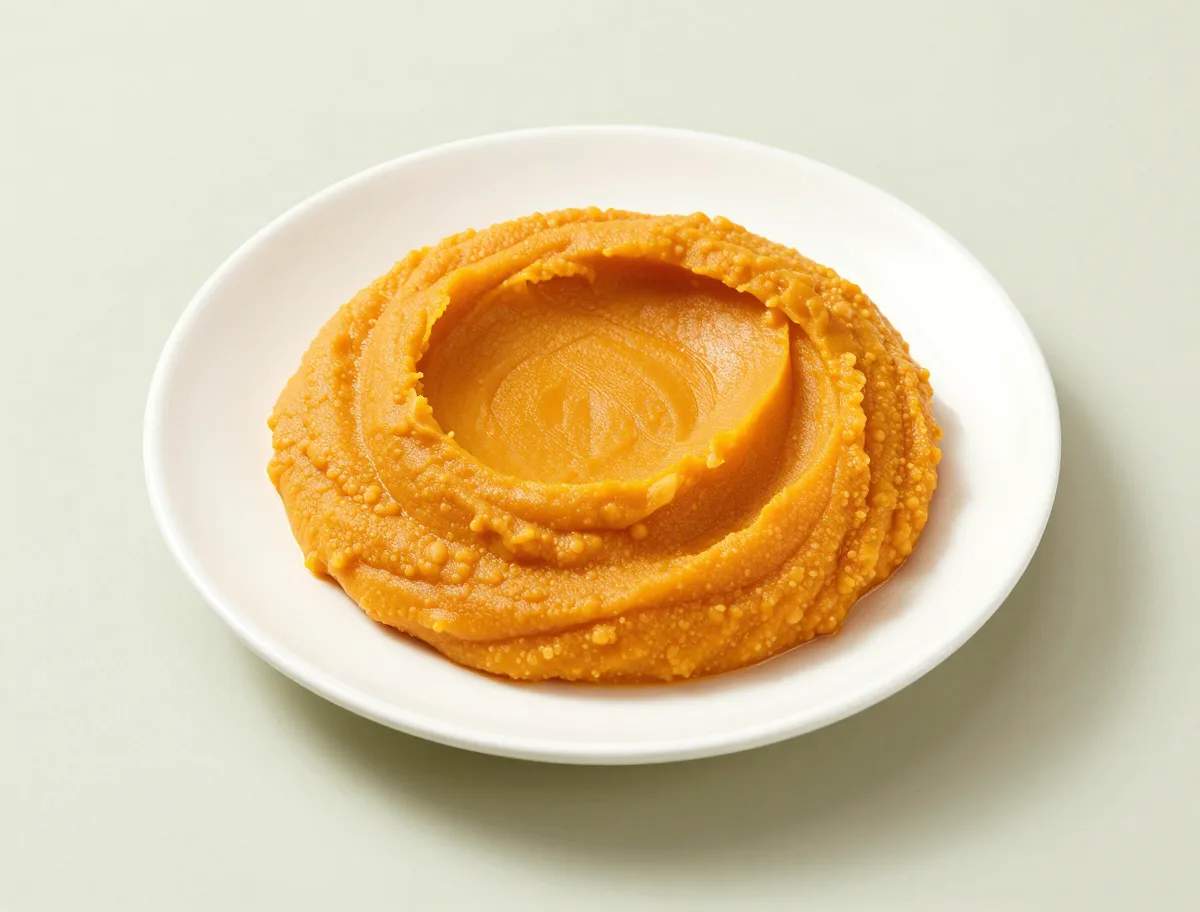
- 1 3/4 cups roasted butternut squash puree, smooth, cooled, and thick
- 2 teaspoons vanilla extract, divided
- 8 ounces full-fat cream cheese, softened but still cool
- 1 cup powdered sugar, sifted
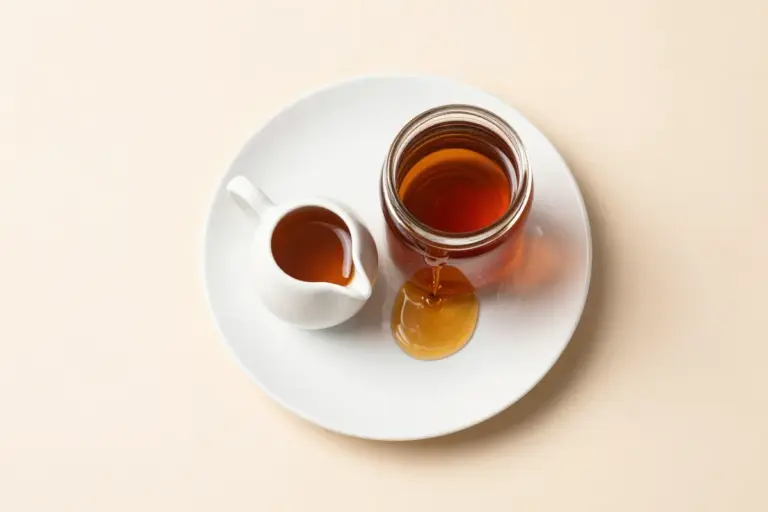
- 3 tablespoons pure maple syrup
How to Make the Cake Successfully
The most important preparation decision is to start with concentrated puree. Roast the squash without crowding the pan, puree it smooth, and cool it before adding it to the batter. When combining wet and dry ingredients, fold only until the flour disappears; continued mixing can make this moist cake heavy.
- Line the pan after greasing it so the cake can be lifted out without tearing.
- Spread the batter evenly, especially into the corners, to avoid a thin edge and underbaked middle.
- Let the cake cool fully before frosting so the cream cheese topping stays thick and spreadable.
Instructions
- Roast the squash: Heat the oven to 425°F (220°C). Toss the cubed squash with 1 tablespoon of the oil and spread it in a single layer on a rimmed baking sheet. Roast until very tender and browned at the edges, 30 to 40 minutes, turning once. Cool until easy to handle.
- Make a concentrated puree: Puree the cooled squash in a food processor until completely smooth. Measure 1 3/4 cups (about 450 g) for the cake. If the puree is loose or watery, spread it in a saucepan and cook over medium-low heat, stirring often, until thick enough to sit on a spoon; cool completely before proceeding. Reserve any extra puree for another use.
- Prepare the pan and dry ingredients: Reduce the oven to 350°F (175°C). Brush a 9-by-13-inch metal baking pan with 1 tablespoon melted butter and line the bottom with parchment. Whisk the flour, baking powder, cinnamon, ginger, nutmeg, and 1/2 teaspoon of the salt in a medium bowl.
- Build the batter: In a large bowl, whisk the remaining 2 tablespoons oil, the remaining 5 tablespoons melted butter, brown sugar, and granulated sugar until smooth. Whisk in the eggs one at a time, then whisk in the squash puree and 1 teaspoon vanilla. Add the dry ingredients and fold just until no dry streaks remain; do not keep mixing once the batter is homogeneous.
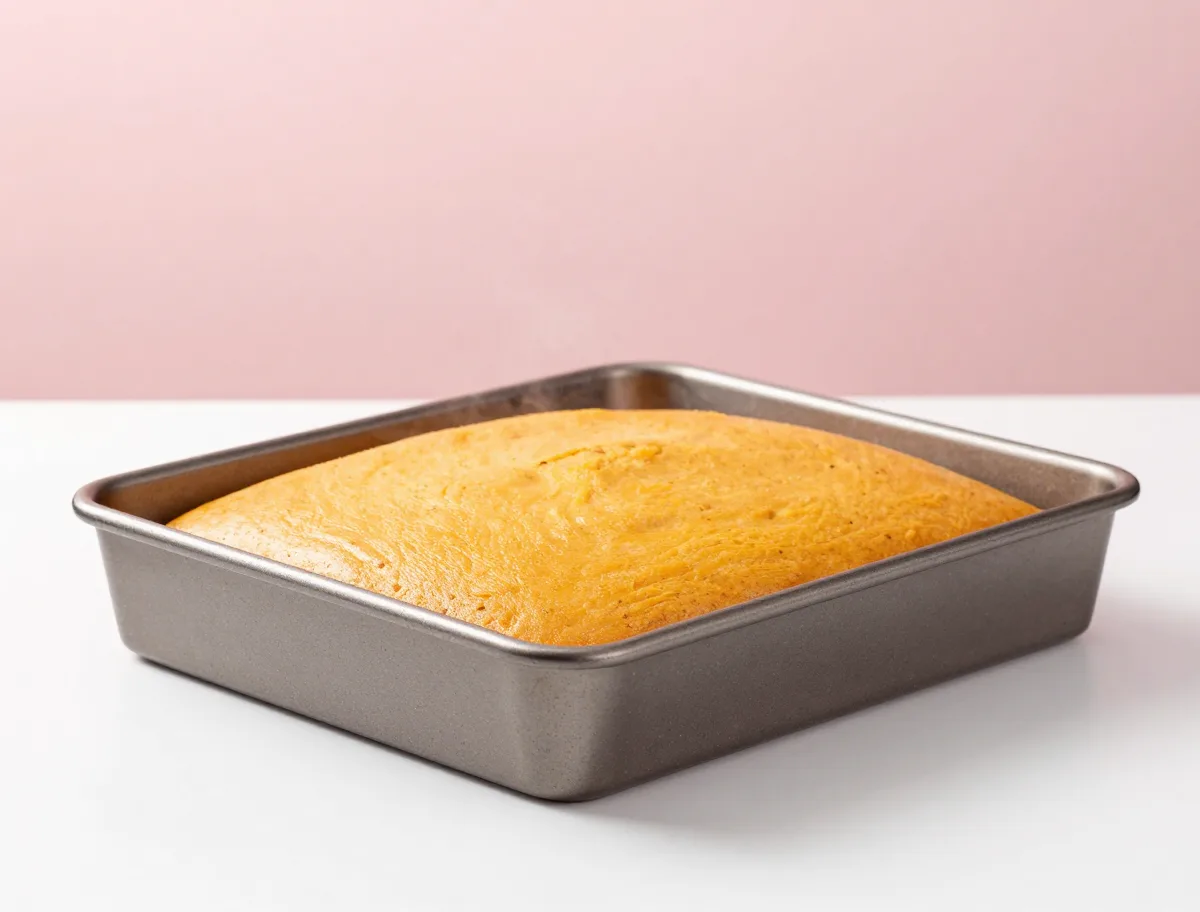
- Bake the cake: Spread the batter evenly in the prepared pan. Bake on the center rack for 34 to 40 minutes, rotating once near the midpoint. The center should spring back lightly, and a skewer inserted into the thickest part should come out with a few moist crumbs but no liquid batter.
- Cool completely: Let the cake cool in the pan for 15 minutes, then use the parchment to lift it onto a rack. Cool completely, about 45 minutes more. Do not frost a warm cake.
- Make the maple frosting: Beat the cream cheese and the remaining 1/2 teaspoon salt until smooth. Add the powdered sugar in two additions, beating on low until incorporated. Beat in the maple syrup and remaining 1 teaspoon vanilla just until creamy. If the frosting is soft, chill it for 15 to 20 minutes.
- Frost and serve: Spread the frosting over the fully cooled cake. For the cleanest slices, chill the cake for 30 minutes, then let it stand at cool room temperature for 10 to 15 minutes before serving.
How to Tell When the Squash Cake Is Done
Time is a useful guide, but the center provides the reliable answer. A properly baked butternut squash cake has a set surface, slight spring-back, and a skewer marked with moist crumbs. Moist crumbs are desirable; shiny batter, a wobbling center, or a wet strip along the bottom means the cake needs more time.
- Test the thickest center, not a crack, corner, or edge.
- If the top is darkening before the center sets, lay foil loosely over the pan and continue baking.
- Allow the cake to cool before judging the crumb, since the structure firms as it cools.
Doneness cues
- The cake surface is set and lightly browned, with edges beginning to pull away from the pan.
- The center springs back gently when pressed and does not wobble.
- A skewer inserted into the thickest central area shows a few moist crumbs, never a streak of raw batter.
- For an additional check, the center is typically around 200 to 210°F (93 to 99°C).
The Variables That Control Moisture and Rise
Squash puree can vary dramatically in water content. Roasting removes some of that free water and concentrates the squash solids, giving the flour, eggs, and baking powder a more predictable job. Pan depth matters too: this shallow sheet-cake format lets heat reach the center before the edges overbake.
- A puree that is thick enough to mound briefly on a spoon is the target; paste-like puree has been reduced too far.
- Do not thin the batter with milk or water unless the puree is unusually dry and the batter is clearly too stiff.
- Sugar and fat make the cake tender, but excess moisture or sugar delays setting and can create a gummy center.
- Avoid opening the oven during the first part of baking, when the developing structure is most vulnerable.
For additional guidance on roasting squash and concentrating its puree, see this butternut squash puree technique.
Common Butternut Squash Cake Mistakes
Most problems with squash cake come from moisture management rather than complicated technique. Thick puree, accurate measuring, a correctly sized pan, and thorough cooling prevent the majority of failures.
- Gummy or sunken center: The puree may be watery, the pan may be overfilled, or the cake may be underbaked. Continue baking until the center passes both the spring-back and skewer tests.
- Dense or rubbery crumb: Overmixing, stale baking powder, or overly wet puree can prevent a light crumb. Mix briefly and use fresh leavener.
- Vegetal flavor: Roast the squash more thoroughly, concentrate loose puree, and do not omit the salt, vanilla, or spices.
- Dry cake: Excess flour or overbaking is usually responsible. Measure flour by weight when possible and begin checking at the early end of the baking range.
- Loose frosting: Chill it briefly before spreading and make certain the cake is completely cool.
Useful Substitutions for the Squash Cake
Plain pumpkin puree is the closest substitute and can usually be used in the same measured amount when its thickness is similar. The flavor will shift toward pumpkin, but the cake’s structure should remain close. Sweet potato puree also works, though its heavier texture and greater sweetness can make the cake denser.
- Use unsalted, unseasoned pumpkin puree—not pumpkin pie filling.
- Steamed or microwaved butternut squash is acceptable after draining or reducing excess moisture.
- Neutral oil can replace the butter in the cake for a softer, less buttery crumb, but the frosting still requires a dairy-free alternative if needed.
- For a dairy-free cake, use plant-based butter or oil; finish with dairy-free cream cheese frosting or a simple powdered-sugar glaze.
- Do not replace all the squash with applesauce or banana, since those substitutions change sweetness, solids, acidity, and flavor.
Sheet Cake, Bundt and Loaf Variations
The 9-by-13-inch pan is the most forgiving format for this batter. The same general mixture can be moved to another pan, but batter depth changes the baking time and the risk of an underdone center.
- For a 10-cup Bundt pan, grease every groove thoroughly, fill no more than two-thirds full, and expect roughly 45 to 55 minutes of baking; test the thickest area near the center.
- For two standard loaf pans, divide the batter evenly and begin checking around 40 minutes, allowing additional time if the centers remain wet.
- Use maple cream cheese frosting for a sheet cake, while a brown sugar or maple glaze is more practical for a Bundt or loaf.
- A modest handful of toasted pecans or walnuts can be sprinkled over the frosting, but large amounts of nuts, chips, or streusel may require a separate formula.
How to Serve Butternut Squash Cake
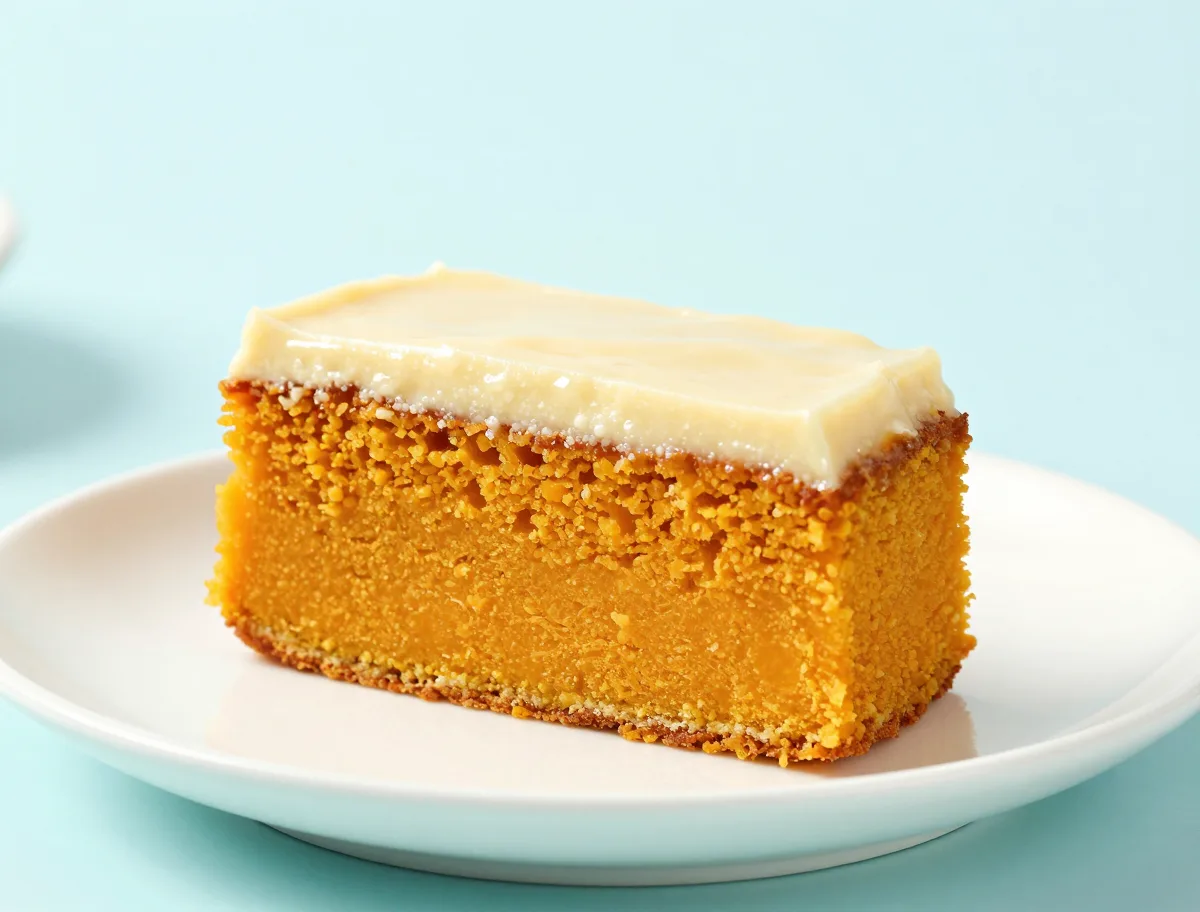
Serve the cake cool but not refrigerator-cold, when the crumb is soft and the frosting is spreadable. Toasted pecans or walnuts and a little orange zest make optional garnishes; their crunch and brightness balance the cake’s soft, sweet profile.
- Pair it with unsweetened coffee, black tea, chai, or plain milk.
- For a lighter finish, serve the cake unfrosted or with a restrained powdered-sugar glaze.
- For cleanest slices, chill the frosted cake briefly, then let it temper for 10 to 15 minutes before serving.
How to Store, Freeze and Make the Cake Ahead
Cool the cake completely before wrapping or frosting. The unfrosted cake is the easiest version to make ahead and freeze, while cream cheese frosting requires refrigeration and changes the storage rules.
- Keep cream cheese-frosted cake covered in the refrigerator at 40°F (4°C) or below and use it within 3 to 4 days for best quality.
- An unfrosted cake can be wrapped airtight and kept at cool room temperature for up to 2 days, or refrigerated if the kitchen is warm.
- To freeze, wrap the completely cooled unfrosted cake twice and freeze for up to 2 months. Thaw it, still wrapped, overnight in the refrigerator before frosting.
- A fully frosted cake can be frozen if chilled until firm and wrapped carefully, but the frosting may thaw softer or slightly less smooth.
- Reheating is unnecessary. If warming a plain slice, use very brief low-power heating; never microwave a frosted slice.
Butternut Squash Cake FAQ
These answers address the practical questions that most affect the cake’s flavor, texture, pan choice, and storage.
Can I steam or boil the squash instead of roasting it?
Yes, but roasting gives the strongest, sweetest flavor. Steamed or boiled squash usually contains more water, so drain it well and reduce the puree gently until thick before measuring. Boiled squash may also taste milder.
Will the cake taste strongly of squash?
It should have a noticeable but mellow squash character, closer to pumpkin or sweet potato than to a savory vegetable dish. Roasting, smooth puree, warm spices, salt, and vanilla keep the flavor dessert-like.
What pan should I use?
Use a 9-by-13-inch pan for the most forgiving result and easiest slicing. A Bundt or loaf pan is possible, but the deeper batter requires more baking time and careful center testing.
Can canned pumpkin replace the butternut squash?
Usually. Use plain pumpkin puree, not pie filling, and compare its thickness with the recipe’s thick squash puree. If it is unusually loose, drain or reduce it first.
Can I make the cake without dairy?
Yes. Replace the cake’s butter with an equal amount of plant-based butter or use additional neutral oil, then use dairy-free cream cheese for the frosting or choose a dairy-free maple glaze. Dairy-free cream cheese brands vary in firmness.
How moist should the finished cake be?
The crumb should be plush and tender but stable enough to slice. A skewer may carry a few moist crumbs, but it should never show liquid batter or a shiny, gummy coating.
Can I use a different topping?
Yes. Plain cream cheese frosting gives more tang, while a brown sugar or powdered-sugar glaze is thinner and better suited to a Bundt or loaf. Omit the frosting for a less sweet snack cake.
How far ahead can I make it?
Bake the unfrosted cake up to 2 days ahead and wrap it airtight, or freeze it for up to 2 months. Frost it after thawing for the best cream cheese texture.
How do I know the cake is done if the top looks ready?
Check the thickest center with a skewer and press it lightly. The center should not wobble, should spring back gently, and should contain moist crumbs rather than raw batter. If available, a center temperature around 200 to 210°F is a useful supplemental check.
Food-Safety Notes for Cream Cheese Frosting
Because this recipe uses cream cheese frosting, treat the finished cake as perishable. Keep it chilled until serving, cover it in the refrigerator, and use clean utensils when slicing.
- Do not leave cream cheese-frosted cake at room temperature for more than 2 hours, or more than 1 hour when the temperature is above 90°F (32°C).
- Refrigerate the cake at 40°F (4°C) or below and return leftovers to the refrigerator promptly.
- Brief tempering before serving is a texture recommendation, not permission to hold the cake out for an extended period.
- If the frosted cake has remained unrefrigerated beyond the applicable time limit, discard it rather than relying on smell or appearance.
For the applicable refrigeration and room-temperature limits, consult the FDA food-safety guidance for cream cheese-containing foods.
Recipe Notes
- Roasted squash gives the cake a deeper, sweeter flavor and a more dependable texture than watery boiled squash.
- If using steamed or microwaved squash, drain it well and gently reduce the puree until thick and spoonable before measuring.
- The finished cake is moist and softly spiced, but it should slice cleanly rather than have a gummy or pudding-like center.
- For a less sweet finish, omit the frosting and dust the cooled cake lightly with powdered sugar.
- To make the frosting dairy-free, use a firm dairy-free cream cheese and plant-based butter, understanding that firmness varies by brand.