Hawaiian Carrot Pineapple Cake Recipe
This moist Hawaiian carrot pineapple cake combines finely grated carrots, pressed crushed pineapple, warm spices, coconut, and optional macadamias in a tender 9×13-inch sheet cake finished with tangy cream cheese frosting.
What Makes This a Hawaiian-Style Carrot Pineapple Cake
This is an American carrot cake with an island-inspired flavor profile, not a single standardized traditional Hawaiian formula. Pressed crushed pineapple gives the cake its recognizable tropical character, while coconut and macadamia nuts add optional texture and aroma.
- Expect a soft, close-textured crumb that is moist but not wet or gummy.
- Fine strands of carrot and small pineapple pieces should remain visible in the slice.
- Cinnamon-led warmth and tangy cream cheese frosting balance the fruit’s sweetness.
Why the Key Ingredients Matter
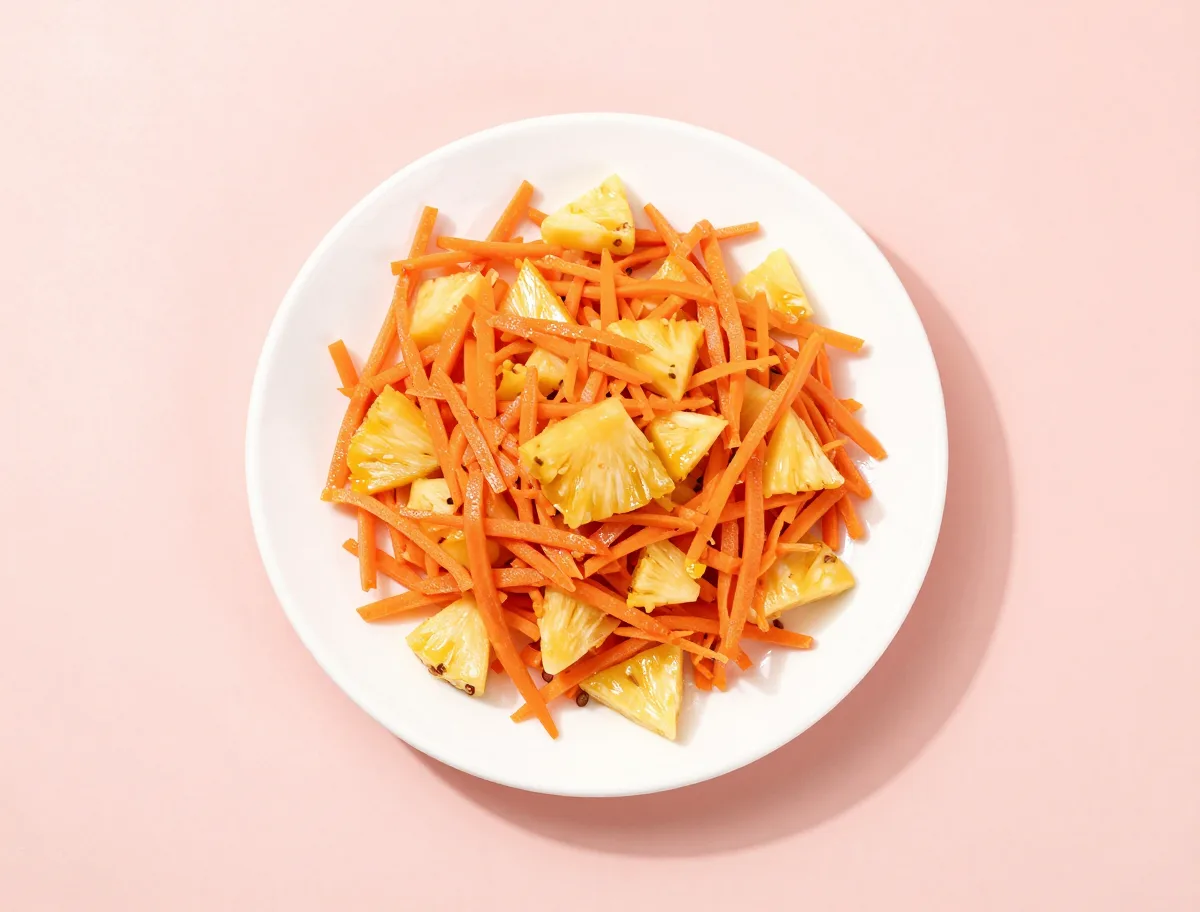
The formula is built to carry a generous amount of carrot and pineapple without losing structure. Neutral oil keeps the cake tender even after refrigeration, while eggs and flour provide the framework that sets around the fruit and vegetables. Brown sugar contributes both caramel depth and moisture.
- Finely grated carrots soften into the crumb and distribute their moisture more evenly than coarse shreds.
- Pressed pineapple supplies fruit flavor and acidity without overwhelming the flour-and-egg structure.
- Full-fat block cream cheese makes a firmer frosting than spreadable tub-style cream cheese.
- Unsweetened coconut adds chew without the extra sweetness of sweetened coconut; macadamias contribute crunch rather than structure.
- 1 nonstick baking spray, for the pan
- 2 1/4 cups all-purpose flour, spooned and leveled
- 2 teaspoons baking soda
- 1/2 teaspoon baking powder
- 1 1/2 teaspoons ground cinnamon
- 1/2 teaspoon ground ginger
- 1/4 teaspoon ground nutmeg
- 1 teaspoon fine salt, divided
- 1 1/4 cups packed light brown sugar
- 3/4 cup neutral vegetable oil
- 3 large eggs, at room temperature
- 2 teaspoons vanilla extract
- 3 cups carrots, finely grated, about 240 g
- 1 1/2 cups crushed pineapple, packed in juice, drained and pressed dry before measuring
- 1/2 cup unsweetened shredded coconut, optional
- 3/4 cup macadamia nuts, finely chopped, optional
- 8 ounces full-fat block cream cheese, softened but still cool
- 4 ounces unsalted butter, softened but not warm
- 3 1/2 cups confectioners’ sugar, sifted if lumpy
- 1 teaspoon vanilla extract
- 1/4 teaspoon fine salt
- 1/4 cup unsweetened shredded coconut, lightly toasted, for garnish, optional
- 1/4 cup macadamia nuts, finely chopped, for garnish, optional
Critical Techniques for a Tender Cake
The most important preparation decisions happen before the batter reaches the pan. Remove free liquid from the pineapple, grate the carrots finely, distribute the dry ingredients thoroughly, and switch to gentle folding once flour is added. This keeps the batter cohesive without developing a tough crumb.
- Press pineapple in a sieve instead of merely letting it drip; the goal is moist fruit with no puddle of juice.
- Grate carrots into fine, even shreds rather than blending them smooth.
- Fold the final additions by hand and stop mixing as soon as the flour disappears.
- Line the pan so the cooled sheet cake can be lifted without breaking.
- Prepare the pan and oven: Heat the oven to 350°F (175°C). Coat a 9×13-inch metal baking pan with nonstick baking spray and line the bottom with parchment, leaving a little overhang on the long sides.
- Control the pineapple moisture: Place the crushed pineapple in a fine-mesh sieve and press it firmly with the back of a spoon. Continue until it no longer releases free juice; it should remain moist, not dry or pasty. Measure 1 1/2 cups after pressing. Finely grate the carrots, using short, even shreds rather than thick matchsticks or a purée.
- Combine the dry ingredients: Whisk the flour, baking soda, baking powder, cinnamon, ginger, nutmeg, and 1 teaspoon of the salt in a medium bowl until evenly distributed.
- Mix the wet ingredients: In a large bowl, whisk the brown sugar, oil, eggs, and 2 teaspoons of vanilla until smooth and glossy, with no visible streaks of egg.
- Finish the batter: Add the dry mixture to the wet mixture and fold just until no dry flour remains. Fold in the grated carrots, pressed pineapple, coconut, and chopped macadamias, if using. Stop as soon as the additions are evenly dispersed; the batter will be thick and textured.
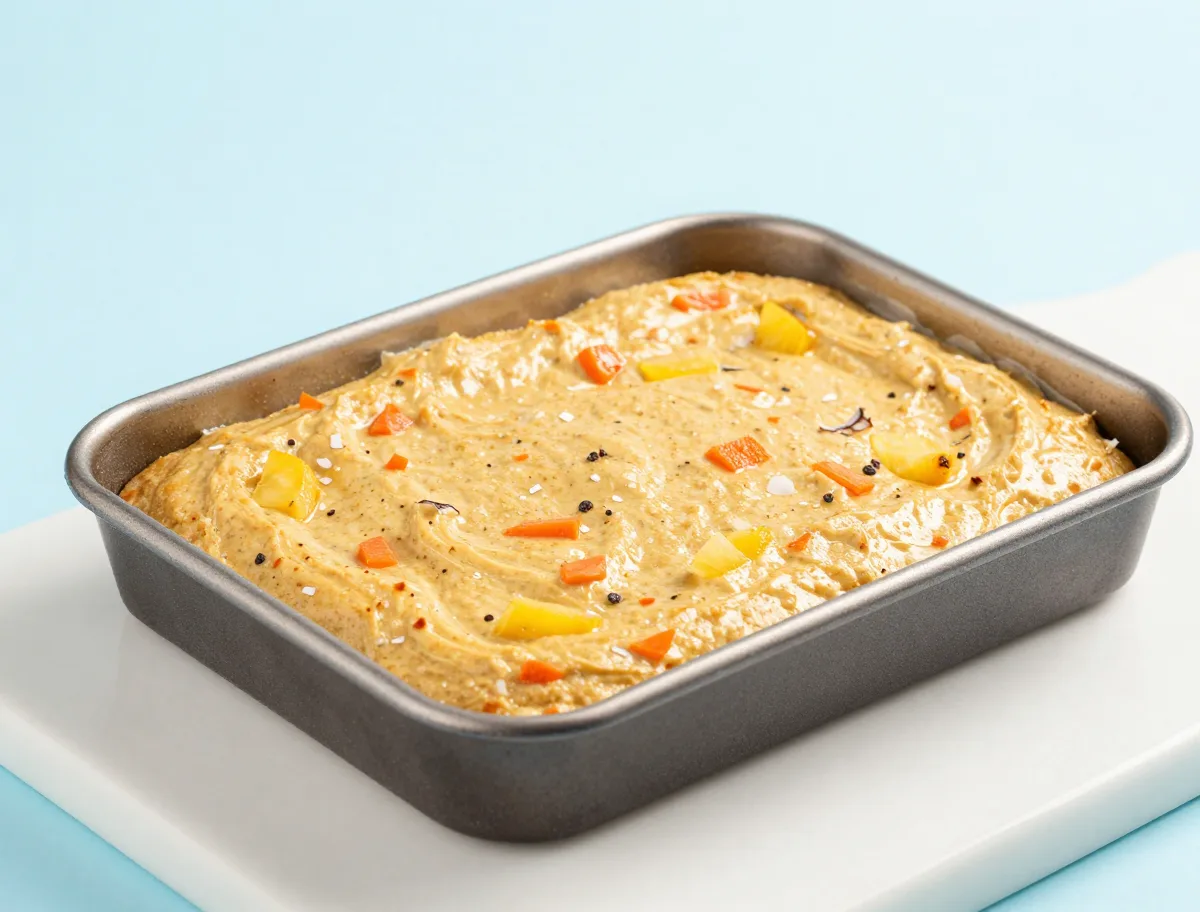
- Bake the cake: Spread the batter evenly in the prepared pan. Bake on the center rack for 38 to 45 minutes, rotating once if your oven heats unevenly. The center should look set and spring back lightly when pressed, and a thin skewer inserted in two spots should come out with moist crumbs but no liquid batter.
- Cool completely: Cool the cake in the pan on a wire rack for 20 minutes. Use the parchment overhang to lift it onto the rack, then cool until the center and underside are no longer warm, about 60 minutes more.
- Make the frosting: Beat the softened cream cheese and butter on medium-low speed just until smooth. Add the confectioners’ sugar in three additions, mixing on low after each one. Add the remaining vanilla and 1/4 teaspoon salt, then mix only until spreadable. Do not whip the frosting for an extended time.
- Frost and finish: Spread the frosting over the completely cooled cake. If using the garnish, scatter the toasted coconut and chopped macadamias over the top. Refrigerate the cake for at least 30 minutes before slicing; let individual portions stand briefly before serving for a softer crumb.
How to Tell When the Cake Is Done
Carrots and pineapple make this cake naturally moist, so a slightly damp tester is not automatically a sign of underbaking. Look for moist crumbs clinging to the tester, not shiny streaks of raw batter. The center should be firm enough to spring back lightly and should not tremble when the pan is nudged.
- Test the center in two places in case the first tester hits a piece of fruit.
- A completely dry tester can mean the cake has been baked past its ideal moist texture.
- Let the cake cool fully before judging the final crumb; cooling completes the setting process.
- Chill the frosted cake briefly for cleaner slices.
- The center is set rather than wobbly and springs back lightly when pressed.
- The edges are browned and may pull slightly from the pan, but edge color alone is not the doneness test.
- A skewer inserted in more than one central spot shows moist crumbs, not streaks of raw batter.
- The cake must be completely cool, including the underside, before frosting.
The Moisture Balance Behind This Carrot Cake
Pineapple and carrots release water as they bake, while the flour, starch, and egg proteins must set around that moisture. Pressing the pineapple is therefore a structural step, not just a matter of neat measuring. Oil remains fluid when chilled, which is why this cake stays more tender in the refrigerator than a butter-heavy cake.
- More free pineapple juice means a greater risk of a wet line, gummy center, or sinking middle.
- Changing the amount or form of pineapple can alter both moisture and the acidity available to the baking soda.
- Cooling allows the crumb to finish setting and also keeps the frosting from softening.
- Added liquid is especially risky in the frosting because cream cheese mixtures loosen quickly.
Common Hawaiian Carrot Cake Mistakes and Fixes
Most failures in this recipe come from uncontrolled moisture, incorrect doneness judgment, or temperature problems during frosting. Prevention is easier than repair, but the following checks help identify what went wrong.
- Gummy or sunken center: Press the pineapple more thoroughly and bake until the center is set; do not rely on browned edges.
- Dense or tough crumb: Avoid beating after adding flour and keep optional nuts and coconut within the listed amounts.
- Dry cake: Check earlier than the full bake time and remove it when the tester shows moist crumbs rather than waiting for a bone-dry result.
- Runny frosting: Use block cream cheese, keep the ingredients cool, chill the mixture, and add sugar gradually. Avoid pineapple juice.
- Frosting slides: The cake was likely still warm. Chill the cake until its underside and center are fully cool before spreading.
- Cake sticks: Use both nonstick spray and parchment, and allow the cake to cool before lifting it from the pan.
Easy Ingredient Substitutions
The tropical accents are flexible, but the pineapple and carrot quantities are not casual swap points because they control the cake’s moisture. Canned pineapple in juice is the most predictable choice; fresh pineapple can work only when crushed, carefully drained, and measured after processing.
- Omit the coconut or macadamias without replacement if needed.
- Replace macadamias with pecans or walnuts for a similar crunchy element.
- Oil may be partially replaced with melted butter for more buttery flavor, but the chilled cake will be firmer.
- Dairy-free cream cheese and butter alternatives can work, although frosting consistency varies considerably by brand.
- Avoid syrup-packed pineapple unless you are prepared for a sweeter cake and a different moisture balance.
Practical Pan and Flavor Variations
The 9×13-inch sheet cake is the most forgiving format for this moist batter and is especially convenient for transporting and serving. Round layers and a Bundt cake preserve the carrot-pineapple identity, but their different batter depths require separate timing and release checks.
- For layer cake, use two 9-inch pans and begin checking at about 25 minutes; the layers need to cool completely before assembly.
- For a Bundt cake, grease and flour the pan carefully and expect a longer bake because the batter is deeper.
- To make a pineapple cream cheese frosting, fold in only a small amount of very well-drained pineapple after the frosting is mixed; never use pineapple juice as a routine thinning liquid.
- Raisins, banana, rum, or additional fruit would substantially change the moisture balance and should be treated as a separately developed variation.
How to Serve Tropical Carrot Cake
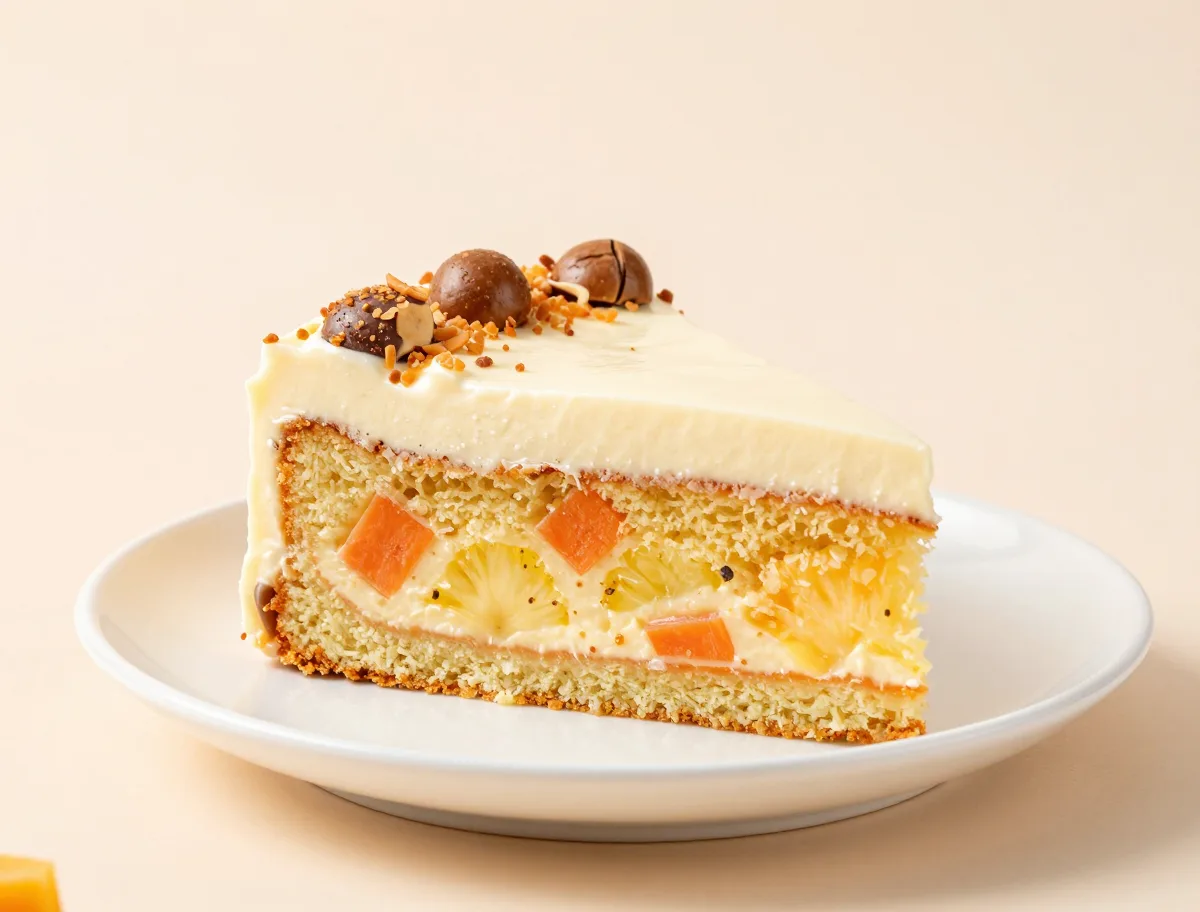
A short chill firms the frosting and gives the moist cake clean edges when sliced. For the best balance of texture and flavor, serve it cool rather than icy cold: let each portion stand briefly after cutting while keeping the remaining cake refrigerated.
- Finish with toasted coconut or finely chopped macadamias for aroma and crisp contrast.
- Use fresh pineapple only as a last-minute garnish because it shortens the cake’s make-ahead life.
- Serve with unsweetened coffee, black tea, or a lightly acidic fruit drink to offset the frosting’s richness.
How to Store, Freeze and Serve the Finished Cake
The unfrosted cake is the easiest component to make ahead, while the cream cheese frosting determines the finished dessert’s storage requirements. Keep the frosted cake covered and refrigerated at 40°F or below, and use it within 3 to 4 days for the best crumb and frosting quality.
- Refrigerate the frosted cake within 2 hours of preparation or service, or within 1 hour if the temperature is above 90°F.
- Freeze the unfrosted cake tightly wrapped for up to 2 months for best quality. Thaw it, still wrapped, in the refrigerator before frosting.
- Frosted slices may also be frozen in airtight wrapping, though the frosting may thaw slightly less smooth.
- Do not reheat the frosted cake; let it temper briefly in the refrigerator-to-room-temperature transition before serving.
- Discard cake that has remained at room temperature beyond the recommended safety window rather than trying to chill it again.
- If the frosting is soft, chill it for 15 to 20 minutes before spreading. Add extra confectioners’ sugar only 1 tablespoon at a time; do not add pineapple juice.
- Because the frosting contains cream cheese, refrigerate the covered cake promptly. It is best within 3 to 4 days.
Hawaiian Carrot Pineapple Cake FAQ
These answers address the moisture, pan, frosting, and storage questions most likely to affect the finished cake.
Should crushed pineapple be drained for carrot cake?
Yes. Drain it in a sieve, press out free juice, and measure the fruit afterward. The pineapple should still be moist, but excess liquid can leave the sheet cake gummy or sunken.
How finely should the carrots be grated?
Use fine, even shreds that are clearly identifiable but not thick matchsticks. Do not purée the carrots, since a smooth purée releases moisture unevenly and changes the crumb.
Can coconut and macadamia nuts be left out?
Yes. Both are optional tropical accents and can be omitted without replacement. Pecans or walnuts can replace the macadamias if desired.
Can I bake this in round pans or a Bundt pan?
Yes, but the timing changes. Two 9-inch rounds generally begin testing around 25 minutes, while a Bundt cake often needs 50 to 65 minutes. Use doneness cues rather than transferring the sheet-cake time directly.
Why must the cake cool completely before frosting?
Residual warmth softens the cream cheese and butter, causing the frosting to slide or become thin. Cooling also allows the crumb to finish setting so the cake is less fragile.
Can pineapple juice be added to the cream cheese frosting?
It is not recommended for this formula. Free juice can make the frosting loose. If a pineapple note is important, use a very small amount of well-drained crushed pineapple or a concentrated flavoring in a separately adjusted frosting.
How do I know whether a moist center is baked?
The center should not wobble, should spring back lightly, and should give a tester moist crumbs rather than liquid batter. Check a second spot if the tester passes through pineapple or carrot.
A Note on the Hawaiian-Style Name
There is no single established formula that defines Hawaiian carrot cake. This recipe uses Hawaiian-style as a flavor description for an American carrot cake accented with pineapple and optional coconut and macadamia nuts—ingredients that create a tropical, island-inspired profile without claiming a canonical regional origin.
- Carrot cake has a broader European and American history.
- Pineapple, coconut, and macadamias are recurring tropical cues rather than requirements of one official recipe.
- The recipe is best understood as an island-inspired adaptation.
Food-Safety Guidance for Cream Cheese Frosting
Powdered sugar does not make a home-style cream cheese frosting shelf-stable. Keep the finished cake refrigerated at 40°F or below, use clean utensils during preparation and serving, and follow conservative room-temperature limits at parties and buffets. For additional guidance, see the FDA food-storage guidance and Kansas State University Extension’s explanation of the food safety of frostings and fillings.
- Refrigerate the frosted cake within 2 hours, or within 1 hour when the ambient temperature exceeds 90°F.
- Thaw frozen cake in the refrigerator, not on the counter.
- Do not return cake to the refrigerator after it has exceeded the safe room-temperature window.
- Keep the cake covered to protect both frosting quality and food hygiene.