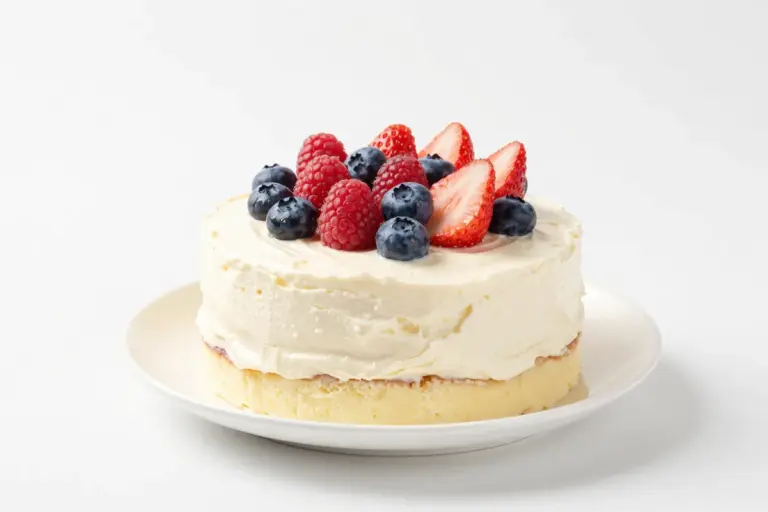
Chess Squares Recipe Without Cake Mix: From Scratch
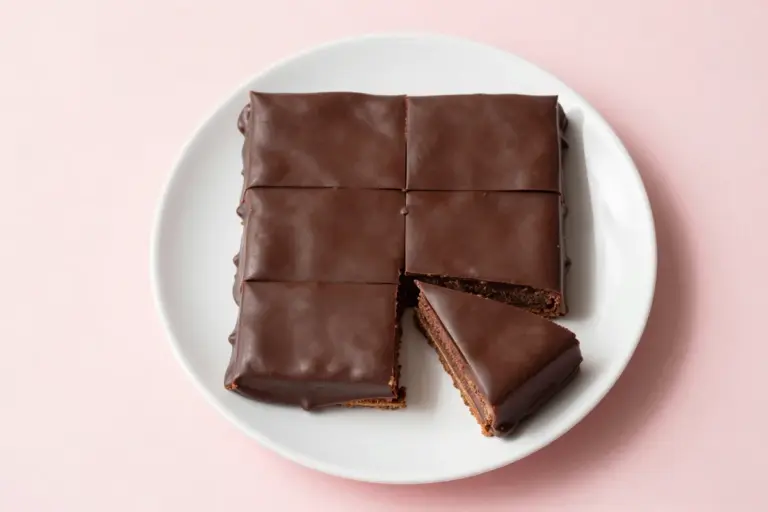
This chess squares recipe without cake mix makes rich Southern-style bars with a buttery shortbread crust and a soft-set, gooey cream cheese topping.
What Makes These From-Scratch Chess Squares
Chess squares are rich, two-layer American dessert bars: a sturdy buttery base supports a sweet, custard-like topping. In this version, a balanced flour-and-butter crust takes the place of boxed yellow cake mix, while cream cheese, eggs, confectioners’ sugar, and butter create the familiar gooey top.
- The crust should be tender and compact, with lightly crisp edges rather than a fluffy cake crumb.
- The topping should be soft-set and sliceable after cooling—not runny, but not firm like a conventional cheesecake.
- Chess squares, chess bars, and gooey butter-style bars overlap in modern recipe usage; this recipe follows the cream-cheese-topped bar format.
Why the Ingredients Work
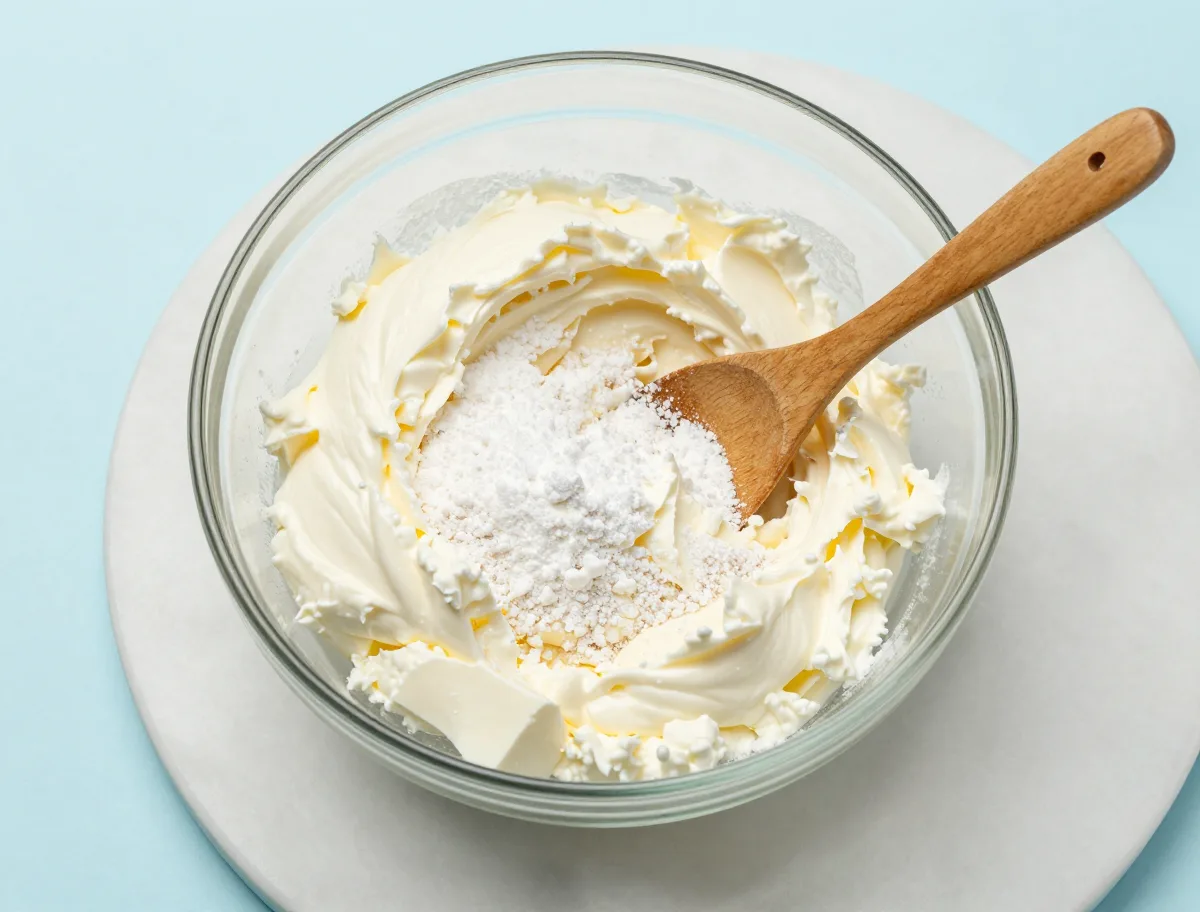
The scratch crust relies on a restrained amount of leavening so it remains sturdy enough to hold the topping. Butter supplies richness and tenderness, while flour provides the framework. In the filling, cream cheese contributes body and tang, confectioners’ sugar dissolves smoothly, and eggs create the set that makes the bars sliceable.
- Softened butter creams evenly into the crust; melted butter would make a denser, less structured base.
- Block cream cheese has less free water than tub-style spread and gives the topping better body.
- Cornmeal is a small nod to traditional chess-pie flavor, not a substitute for the flour-based crust.
- The eggs should be mixed in gently because they set the topping but can also add excess air if aggressively whipped.
Ingredients
- 12 tablespoons unsalted butter, softened
- 3/4 cup granulated sugar
- 1 large egg yolk
- 1 1/4 cups all-purpose flour, spooned and leveled
- 1 teaspoon baking powder
- 1/2 teaspoon fine salt
- 2 teaspoons vanilla extract, divided
- 16 ounces full-fat block cream cheese, softened
- 4 cups confectioners’ sugar, sifted
- 8 tablespoons unsalted butter, melted and cooled slightly
- 3 large eggs, at room temperature
- 1 tablespoon fine yellow cornmeal
How to Make Chess Squares Without Cake Mix
The most important technique is building an even base and mixing the topping just enough to make it smooth. A parchment sling is especially helpful because the filling is delicate before it has cooled. Press the crust firmly enough to eliminate thin spots, but avoid compacting it so aggressively that it becomes hard.
- Bring the butter and cream cheese to cool room temperature so both mixtures become smooth without melting.
- Mix the crust only until the flour is absorbed; prolonged mixing develops gluten and can toughen the base.
- Smooth the topping from the center toward the corners rather than dragging heavily across the partially baked crust.
- Use a true 9-by-13-inch pan. A smaller pan makes the layers deeper and usually requires different baking time.
Instructions
- Prepare the pan and oven: Heat the oven to 325°F (165°C). Lightly grease a true 9-by-13-inch metal baking pan, then line it with parchment paper, leaving overhang on the long sides. The overhang will serve as handles after the bars cool.
- Make the scratch crust: Beat the softened butter and granulated sugar on medium speed until smooth and creamy, about 2 minutes. Beat in the egg yolk and 1 teaspoon of the vanilla. In a separate bowl, whisk together the flour, baking powder, and salt. Add the dry ingredients to the butter mixture and mix just until a soft, cohesive dough forms.
- Press and partially bake the crust: Press the dough evenly into the parchment-lined pan, taking care to fill the corners and maintain a uniform thickness. Bake until the surface looks dry and the edges are just beginning to turn golden, 14 to 16 minutes. Leave the oven on.
- Mix the cream cheese topping: While the crust bakes, beat the softened cream cheese on medium-low speed until completely smooth. Add the confectioners’ sugar in three additions, mixing on low just until incorporated. Beat in the melted butter, cornmeal, and remaining 1 teaspoon vanilla. Add the eggs one at a time, mixing on low only until each disappears. Do not whip the mixture; excessive air can cause puffing and cracking.
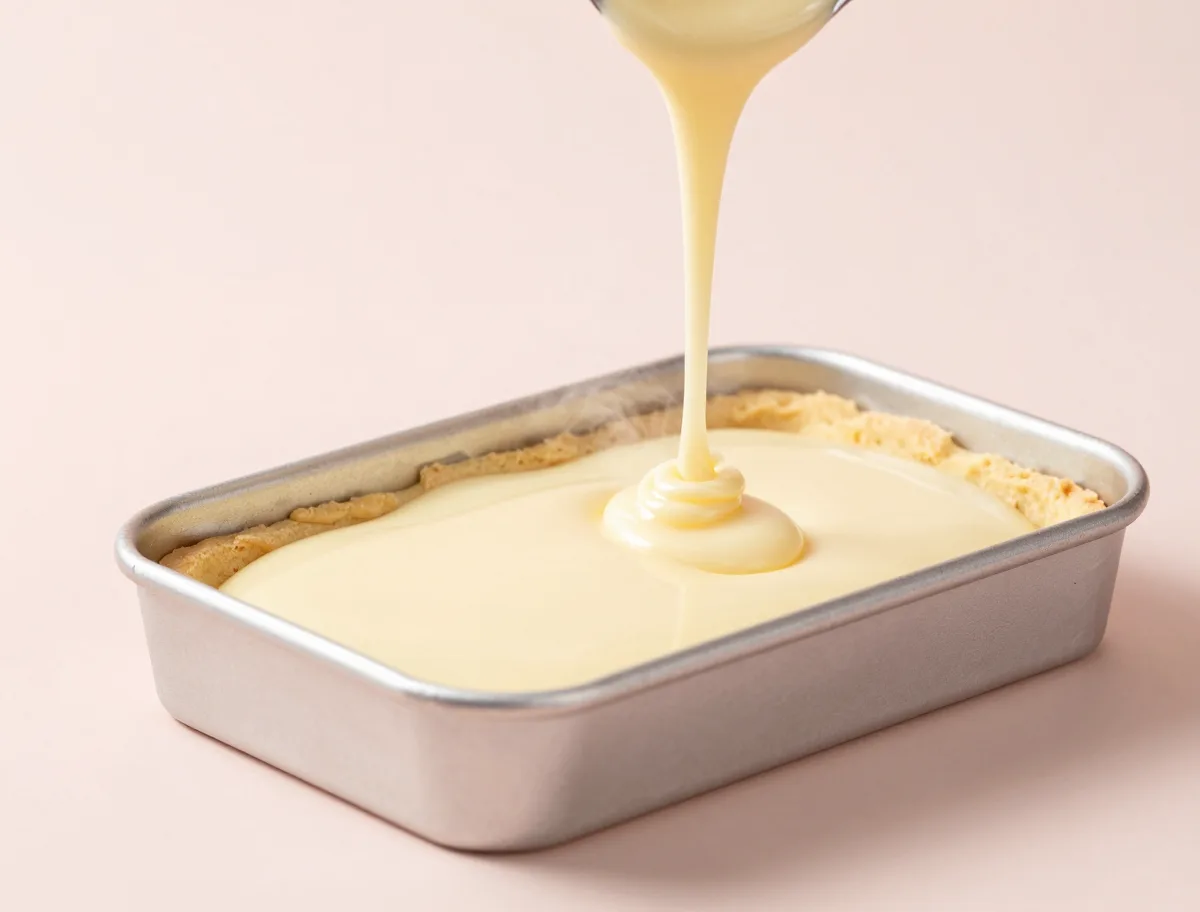
- Add the topping: Pour the topping over the hot crust and spread it gently into an even layer. Tap the pan once or twice on the counter to release any large air bubbles.
- Bake until softly set: Return the pan to the oven and bake for 34 to 38 minutes. The edges should be lightly golden and visibly set, the surface should no longer look wet, and the center should move with a small, controlled wobble when the pan is nudged. It should not slosh or ripple like liquid.
- Cool, chill, and cut: Set the pan on a rack and cool completely, about 2 hours. For the cleanest cuts, refrigerate the slab for at least 1 hour after it reaches room temperature. Lift it out using the parchment handles, cut into 24 squares with a sharp knife, and wipe the blade between cuts.
How to Tell When the Gooey Filling Is Done
Because the filling is meant to remain soft, a rigid center is not the goal. Look for several cues together: the edges should be set and lightly golden, the surface should have lost its wet appearance, and the middle should move only slightly when the pan is nudged.
- A gentle wobble is desirable; a liquid wave or sloshing motion is not.
- The center will continue to firm as it cools, so do not wait for the entire surface to become hard in the oven.
- A small depression after cooling is ordinary for this rich topping. A deeply sunken, wet center means it needed more baking.
- Allow at least 2 hours at room temperature before cutting, then chill for cleaner portions.
Doneness Cues
- The crust looks dry and is lightly golden at the edges after its initial bake.
- The topping loses its wet sheen and the perimeter is visibly set.
- The center has a restrained wobble but does not slosh when the pan is gently moved.
- A slight dip in the center as the bars cool is normal; a wet crater indicates underbaking.
- For food safety, the egg-containing topping should be fully cooked rather than raw or liquid; an instant-read thermometer should register at least 160°F in the filling.
The Baking Variables That Control the Texture
Egg proteins form the structure of the topping, but sugar, butter, and cream cheese soften and delay that set. This is why the filling can look soft even when it is cooked. Moderate heat gives the center time to set before the edges become dry or overly browned.
- Residual heat continues cooking the filling after the pan leaves the oven, so removing it at the first reliable set helps preserve gooeyness.
- Too much liquid loosens the egg network and can leave a runny center; avoid casual additions such as milk or cream.
- Pan dimensions and material affect heat transfer. Dark pans may brown the edges sooner, while glass often requires close attention to the center.
- High heat or prolonged baking tightens the proteins and can cause a dry, rubbery, cracked, or weeping topping.
For additional context on traditional chess-pie ingredients, texture, and the uncertain history of the name, see this chess pie recipe reference.
Common Chess Squares Problems and Fixes
Most problems come from inaccurate proportions, an unsuitable pan, excess mixing, or judging doneness by color alone. Chilling improves a properly baked bar’s sliceability, but it cannot turn raw filling into cooked filling.
- Runny center: Bake until the middle no longer sloshes. Check that the pan is a full 9-by-13 inches, the cream cheese was block-style, and no extra liquid was added. If the bars are still warm and clearly underbaked, return them promptly to a 325°F oven until the perimeter is set and the center has only a restrained wobble.
- Dry or rubbery topping: The bars stayed in the oven too long or the oven runs hot. Pull them when the center is softly set rather than rigid.
- Cracks or severe sinking: Excessive air, overbaking, or abrupt cooling can contribute. Mix gently and cool the pan gradually. A slight center dip is not a defect in this style.
- Tough crust: Too much flour, overmixing, or excessively forceful pressing can make the base hard. Measure flour carefully and mix only until cohesive.
- Messy cuts: Cool completely, chill before slicing, and use a sharp knife wiped clean between cuts.
Useful Substitutions for Scratch Chess Bars
The most dependable results come from preserving the recipe’s balance of fat, sugar, eggs, and moisture. Some substitutions are workable, but they change the texture enough to deserve a caveat.
- Salted butter may replace unsalted butter; omit or substantially reduce the added salt in the crust.
- A cup-for-cup gluten-free baking blend may work in the crust, although the base may be more delicate or slightly different in spread.
- Cake flour can make the crust more fragile, while whole-wheat flour makes it denser and more assertive. All-purpose flour is the reliable default.
- Tub cream cheese is not an equal swap for block cream cheese because its higher water content can loosen the topping.
- Buttermilk, vinegar, or additional cornmeal are optional chess-pie influences, not required ingredients. Adding them without reformulating the liquid and flour balance can make the bars softer or tangier.
- Dairy-free butter and cream-cheese alternatives vary considerably in water and fat content, so one-for-one substitutions are less predictable.
Flavor Variations That Still Taste Like Chess Squares
The defining features are the compact buttery crust and soft cream-cheese topping. Variations work best when they add flavor without introducing enough moisture to disrupt the set.
- Add finely grated lemon zest to the topping for a brighter contrast to the sweetness.
- Replace part of the regular butter with browned butter in the crust after cooling it until pliable, or scatter a small amount of finely chopped pecans over the topping before baking.
- For a stronger chess-pie direction, increase the cornmeal slightly and add a small amount of lemon juice or vinegar only in a separately tested formulation.
- Fresh fruit is best served alongside the bars rather than folded into the filling, where its moisture can create wet pockets.
- A graham-cracker base or a conventional cheesecake topping may be delicious, but it creates a different dessert rather than this scratch chess-square style.
How to Serve Southern-Style Chess Squares
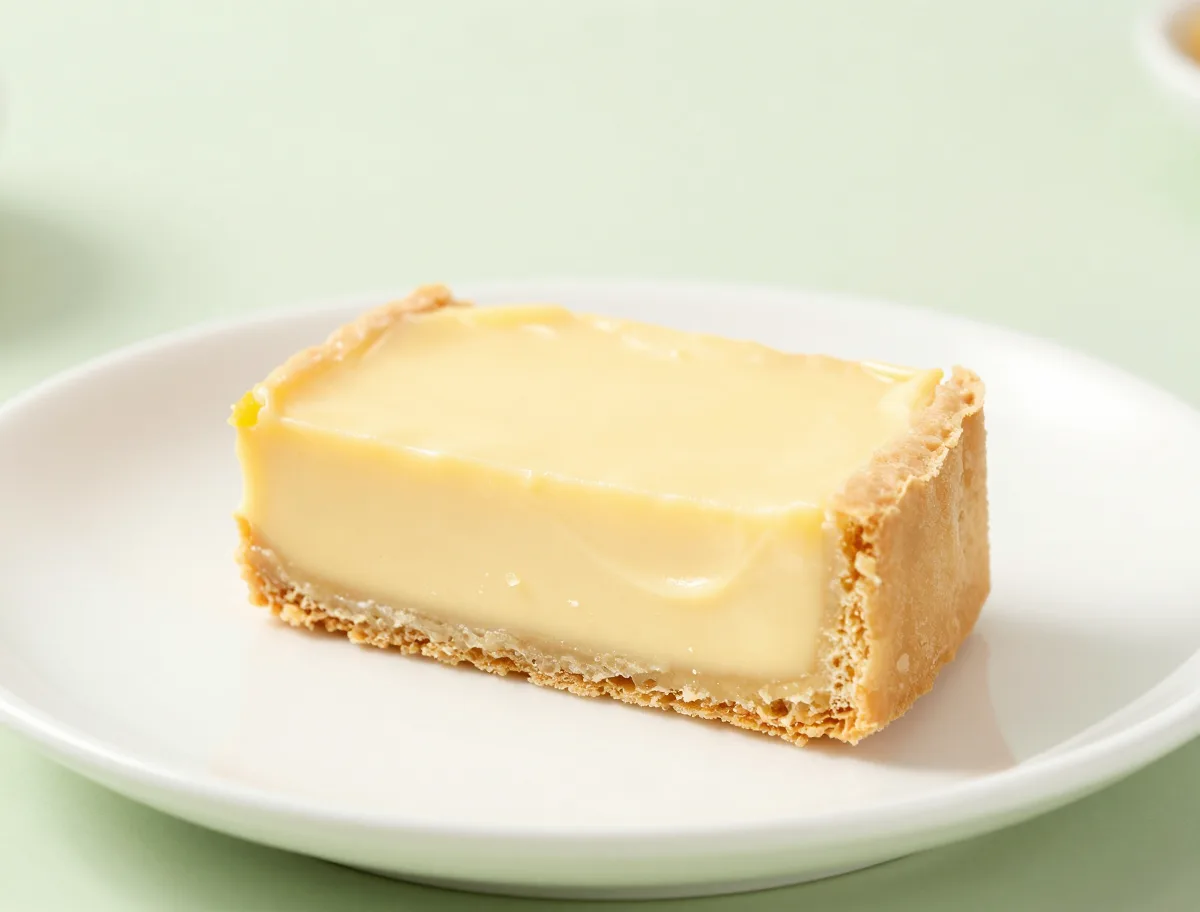
Serve the bars cool or just slightly tempered. Chilled squares hold their shape best, while a brief rest at room temperature softens the filling and brings out the butter and vanilla. Their sweetness makes small portions particularly satisfying.
- Dust the cooled bars lightly with confectioners’ sugar just before serving if desired.
- Pair them with tart berries, unsweetened black tea, or coffee to balance the richness.
- A spoonful of lightly sweetened whipped cream or a small scoop of vanilla ice cream works for a more indulgent dessert.
- For a party tray, cut 24 small squares rather than larger portions; the bars are dense and rich.
How to Store and Freeze Chess Squares
These bars contain eggs and cream cheese, so treat them as a refrigerated dessert. They are an excellent make-ahead option because chilling firms the topping and makes transport easier.
- Cool the slab completely before covering it to limit condensation, then refrigerate it airtight for 3 to 4 days.
- Do not leave the bars at room temperature for more than 2 hours, or more than 1 hour when the temperature is above 90°F.
- For freezing, wrap individual squares or the whole slab tightly, then place them in a freezer-safe container. Thaw in the refrigerator rather than on the counter.
- Frozen bars retain their flavor well, although the crust may lose some of its crisp-tender quality after thawing.
- Routine reheating is unnecessary. If you want a softer texture, let the refrigerated bars stand briefly at room temperature instead of warming them aggressively.
Chess Squares Recipe FAQ
These answers address the most common questions about making a from-scratch version, judging the soft center, and handling the finished bars.
How are these different from cake-mix chess squares?
The cream-cheese topping follows the familiar two-layer format, but the crust is made from scratch with flour, butter, sugar, baking powder, salt, and egg yolk rather than boxed cake mix. The result is buttery and compact instead of cake-like.
Do I have to line the pan with parchment?
No, but parchment with overhanging handles is strongly recommended. It makes it much easier to lift the cooled slab without damaging the soft topping. Thoroughly greasing the pan will work, but removal and cutting are less forgiving.
Should the center still wobble when I take the bars out?
Yes, a restrained wobble is expected. The edges should be set, the surface should no longer look wet, and the center should not slosh. A liquid center needs more baking; chilling is not a substitute for cooking.
Why did my filling sink?
A modest dip is normal as the egg-and-cream-cheese topping cools. A deep or wet collapse can result from underbaking, excessive air incorporated during mixing, or abrupt cooling. Mix gently and use the visual doneness cues rather than waiting for a fully rigid center.
Can I use tub-style cream cheese?
It is not recommended. Tub cream cheese generally contains more water and stabilizers than block cream cheese, which can leave the filling softer and less reliable.
Can I make the bars a day ahead?
Yes. Refrigerate the fully cooled, covered slab overnight. It will be firmer and easier to cut and transport the next day.
Chess Squares, Chess Pie, and Southern Tradition
Traditional chess pie is a Southern custard pie built around eggs, sugar, and butter, often with ingredients such as cornmeal, flour, milk, or vinegar. Chess squares are a related but distinct modern bar format: they use a separate crust and commonly feature a cream-cheese-and-confectioners’ sugar topping.
- The name’s origin is disputed; explanations involving cheese tarts, chests, place names, and regional speech have all been proposed, so no single story should be treated as settled fact.
- The cream-cheese bar format overlaps with modern gooey butter cake traditions and is frequently made with cake mix.
- This recipe is best described as a Southern-style, chess-pie-inspired adaptation made without cake mix—not as an unchanged historic chess pie formula.
- Cornmeal and vinegar have genuine associations with chess pie, but neither is mandatory in every chess square recipe.
Food Safety for Cream Cheese Chess Squares
The topping is intentionally soft, but it must still be cooked rather than raw or liquid. Eggs and dairy make these bars perishable, so prompt cooling and refrigeration are part of the recipe—not optional finishing details.
- Use clean utensils and bake the filling until it is visibly set around the edges and no longer liquid in the center.
- For an objective safety check, the egg-containing filling should reach at least 160°F.
- Refrigerate the bars at 40°F or below within the recommended holding window and use them within 3 to 4 days.
- Discard or refrigerate leftovers promptly after serving; do not leave them on a buffet longer than 2 hours, or 1 hour in temperatures above 90°F.
- Freezing preserves the dessert for longer storage but does not correct unsafe handling or underbaking.
For additional guidance on cooking egg-containing foods, refrigeration, room-temperature holding, and leftovers, consult the FDA’s egg safety guidance.
Recipe Notes
- Use block-style full-fat cream cheese, not spreadable tub cream cheese, which contains more water and can produce a loose topping.
- The cornmeal gives the topping a subtle chess-pie character. It should not make the filling noticeably gritty.
- The bars are softer at room temperature and firmer when chilled. Let refrigerated squares stand for 15 to 20 minutes before serving if you prefer a creamier texture.
- Refrigerate leftovers in an airtight container and use within 3 to 4 days.
- Freeze individually wrapped squares for up to 3 months for best quality. Thaw them in the refrigerator; the crust may be slightly softer after freezing.