Blueberry Lemon Mascarpone Cake Recipe
This blueberry lemon mascarpone cake recipe makes a moist, tender single-layer cake with fresh blueberries, fragrant lemon zest, and a lightly sweet mascarpone cream frosting.
What to Expect from This Blueberry Lemon Mascarpone Cake
This recipe uses a single 9-inch round cake rather than a layer, loaf, or bundt format. The shallow, broad shape bakes evenly and gives the mascarpone cream a generous surface for spreading, making the cake approachable for brunch, afternoon tea, summer entertaining, or a small celebration.
- The crumb is moist and tender but firm enough to support a soft frosting and clean slices.
- Lemon zest leads the flavor, while a measured amount of juice adds brightness without making the cake sharply acidic.
- Blueberries are folded through the batter for pockets of fruit rather than concentrated wet layers.
- The mascarpone component is used as a creamy topping, keeping its flavor distinct and its texture light.
Why the Main Ingredients Work
The formula balances a buttery cake base with full-fat sour cream and a moderate amount of fruit. Flour and eggs provide enough structure for the juicy berries, while sugar and butter tenderize the crumb and help it stay soft after chilling.
- Lemon zest supplies concentrated citrus oils; lemon juice contributes acidity and a clean tart edge but is intentionally restrained.
- Sour cream adds moisture and tenderness without making the batter as thin as milk or buttermilk would.
- Baking powder provides the primary lift, keeping the leavening dependable alongside the modest amount of lemon juice.
- Mascarpone brings rich, mild dairy flavor to the topping, while whipped cream gives it volume and spreadability.
- A light flour coating helps the berries carry some of their surface moisture into the batter, although it cannot prevent every berry from moving during baking.
Ingredients
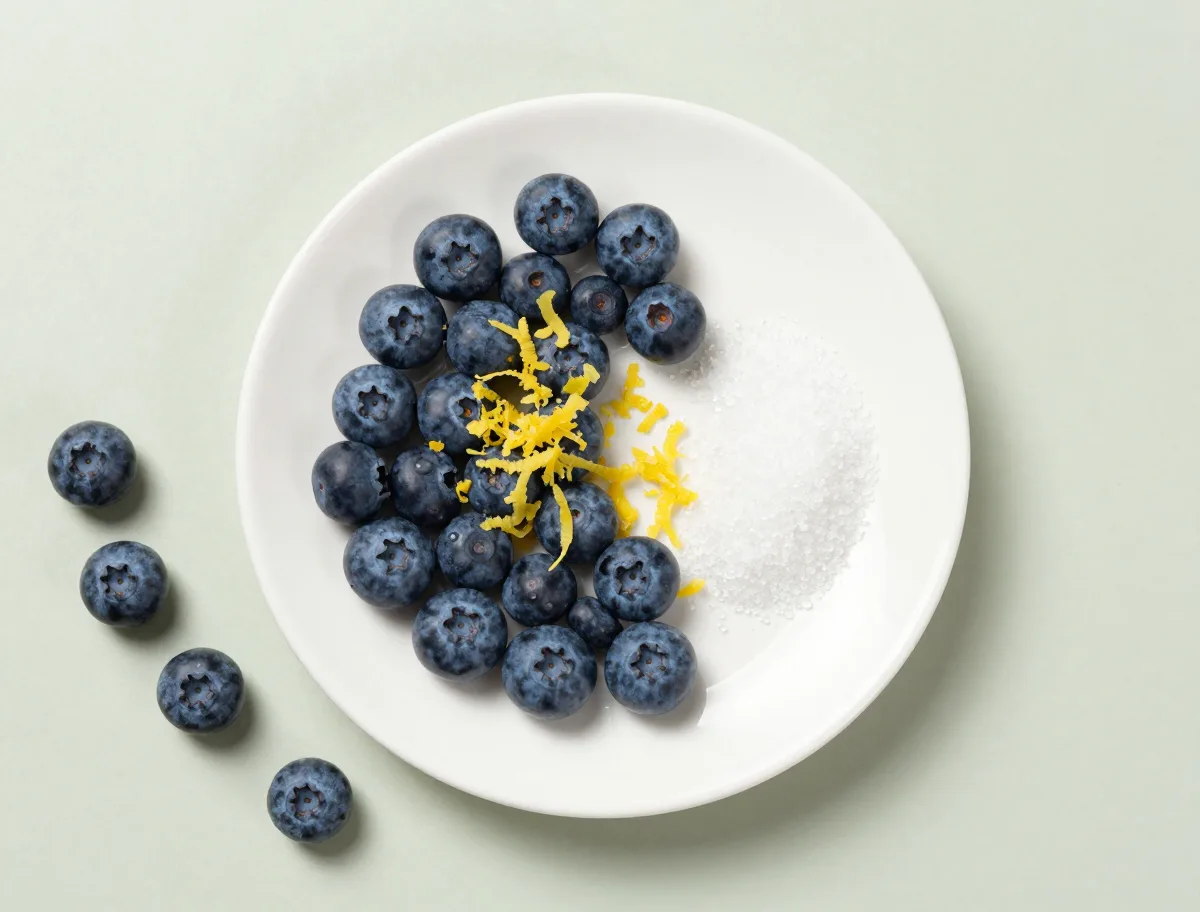
- 1 1/3 cups all-purpose flour, plus 1 tablespoon for coating the blueberries
- 1 tablespoon all-purpose flour, for coating the blueberries
- 1 1/2 teaspoons baking powder
- 1/2 teaspoon fine salt
- 3/4 cup granulated sugar
- 2 lemons, finely grated lemon zest; from 2 lemons, reserve a little for garnish if desired
- 1/2 cup unsalted butter, softened
- 2 large eggs (eggs), at room temperature
- 1 teaspoon vanilla extract
- 1/2 cup full-fat sour cream, at room temperature
- 2 tablespoons fresh lemon juice, strained; from the zested lemons
- 1 1/4 cups fresh blueberries, washed and thoroughly dried
- 8 ounces mascarpone, cold
- 3/4 cup heavy whipping cream, cold
- 1/3 cup confectioners’ sugar, sifted
- 1/2 teaspoon vanilla extract, for the mascarpone cream
- 1/2 cup fresh blueberries, for garnish (optional)
- 1 teaspoon finely grated lemon zest, for garnish (optional)
Key Techniques for an Even, Tender Cake
The small details matter most with a berry cake. Dry fruit, properly creamed butter, and minimal mixing after the flour is added will give the batter enough strength without developing a tough crumb.
- Zest the lemons before juicing them, and rub the zest into the sugar so its aromatic oils disperse throughout the batter.
- Use room-temperature butter, eggs, and sour cream for a smoother batter and more even baking.
- Fold in the berries at the very end with a spatula. A mixer can crush the skins and turn the batter purple.
- If using frozen berries, do not use them thawed and dripping. Surface ice and excess juice increase bleeding and can leave wet pockets.
- For the topping, keep the mascarpone, cream, bowl, and whisk cold. Add the cream gradually and stop as soon as the mixture holds its shape.
Instructions
- Prepare the pan and oven: Heat the oven to 350°F (175°C). Grease a 9-inch (23-cm) round cake pan, line the base with parchment, and grease the parchment and sides. Dust the sides lightly with flour, tapping out the excess.
- Combine the dry ingredients: Whisk 170 g (1 1/3 cups) flour, the baking powder, and salt in a medium bowl. In a separate small bowl, toss the 180 g (1 1/4 cups) blueberries with the remaining 1 tablespoon flour. Set both aside.
- Release the lemon flavor: Put the granulated sugar and finely grated zest from the 2 lemons in a large mixing bowl. Rub them together with your fingertips until the sugar feels slightly damp and smells strongly of lemon.
- Make the batter: Add the softened butter to the lemon sugar and beat on medium speed for 2 to 3 minutes, until light and creamy. Beat in the eggs one at a time, scraping the bowl after each addition. Mix in the vanilla. Add the flour mixture in three additions, alternating with the sour cream in two additions; mix on low speed only until each addition disappears. Fold in the lemon juice with a spatula.
- Fold in the blueberries: Fold the floured blueberries into the batter with a flexible spatula, using as few strokes as possible to avoid crushing the fruit. Spread the batter evenly in the prepared pan.
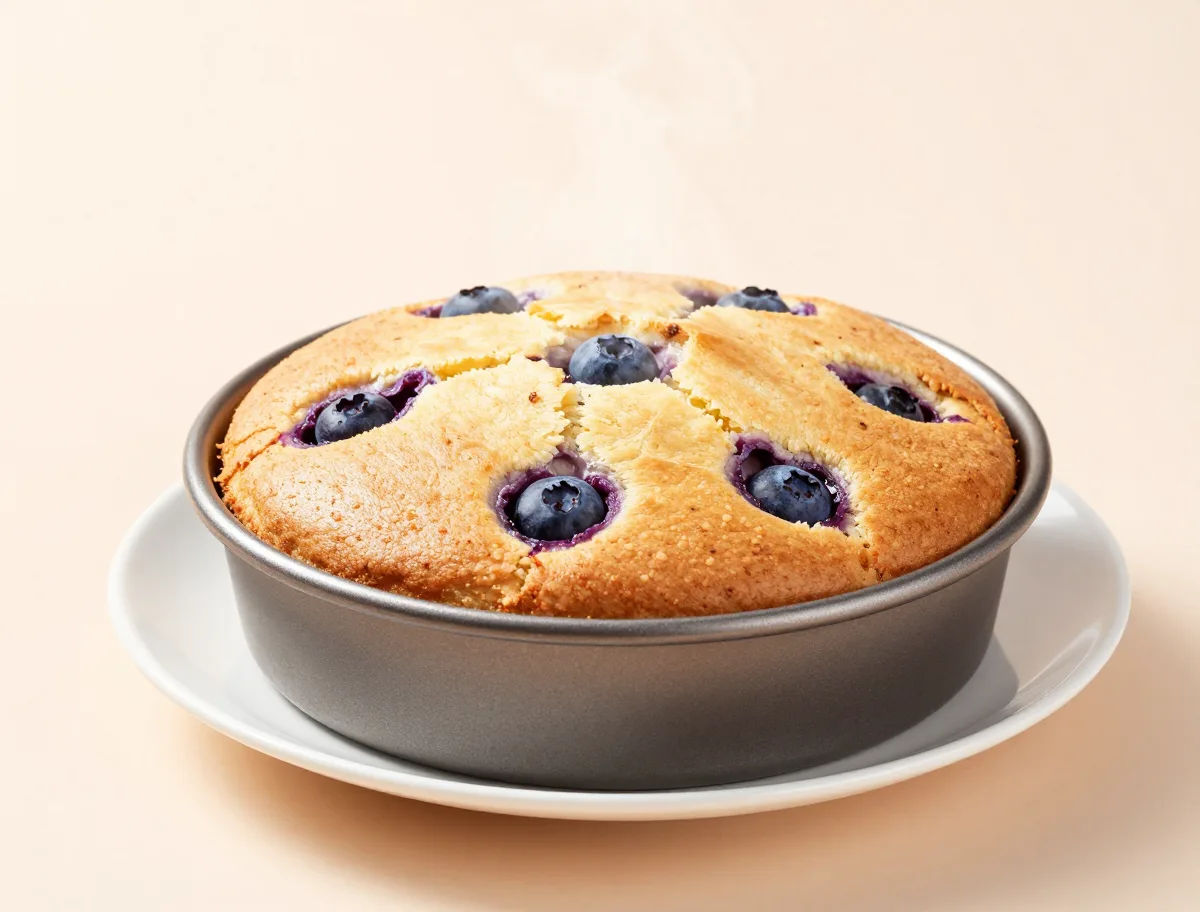
- Bake the cake: Bake for 35 to 42 minutes, rotating the pan once after 25 minutes if your oven has a hot spot. The top should be lightly golden, the center should spring back gently when pressed, and a skewer inserted into two central spots should come out with a few moist crumbs but no liquid batter. If the skewer hits a blueberry, test another spot.
- Cool completely: Let the cake cool in the pan for 15 minutes, then run a thin knife around the edge and transfer it to a wire rack. Remove the parchment and cool completely, about 60 to 75 minutes. Do not add the mascarpone cream while the cake is warm.
- Whip the mascarpone cream: Chill the mixing bowl and whisk for 10 minutes if possible. Add the cold mascarpone, confectioners’ sugar, and the second 1/2 teaspoon vanilla to the bowl. Beat on low speed just until smooth. Gradually pour in the cold heavy cream, then increase to medium speed and whip until the cream holds smooth, defined peaks that remain spreadable. Stop immediately if it begins to look grainy.
- Finish and serve: Spread the mascarpone cream over the completely cooled cake, leaving a softly swirled surface. Garnish with the optional blueberries and lemon zest. Refrigerate the cake for at least 20 minutes before slicing, then serve cold or after 15 to 30 minutes at cool room temperature.
How to Tell When the Cake Is Done
Baking time varies with berry temperature, pan material, and oven calibration, so use the listed time as a guide rather than the only test. A properly baked cake will look set in the center while retaining a little moisture from the fruit.
- The center should be still when the pan is nudged; visible wobbling means the structure has not set.
- A gentle fingertip press should leave the surface springing back rather than remaining indented.
- Test more than one central location, avoiding blueberries when possible. Berry juice can make a fully baked cake tester look wetter than it is.
- A few moist crumbs are desirable. Liquid batter on the tester requires more baking.
- Cool the cake completely before topping. Even a slightly warm surface can soften or loosen mascarpone cream.
The Variables That Keep the Cake Reliable
This cake’s texture depends on controlling water, acidity, and gluten development. Blueberries release juice as they heat, and frozen berries begin colder, so both fruit handling and doneness checks affect the final result.
- Zest intensifies lemon flavor without adding much liquid; increasing juice would add both water and acidity that could weaken the crumb.
- Sour cream tenderizes the cake, but replacing it with a much thinner liquid changes batter viscosity and may affect berry distribution.
- Mixing flour briefly limits gluten development. Once the flour is hydrated, additional beating makes the cake firmer and less delicate.
- Frozen fruit can lengthen the time needed for the center to set because it cools the batter and releases moisture later in the bake.
- Mascarpone cream is most stable when cold and lightly whipped. Heat, excess liquid, and overbeating can make its fat-and-water emulsion separate.
For an additional practical reference on lemon handling, blueberry preparation, and cake doneness checks, see King Arthur Baking’s lemon blueberry cake guidance.
Common Blueberry Lemon Cake Mistakes and Fixes
Most problems with this cake can be prevented before the pan reaches the oven. If something does go wrong, use the cake’s structure and the topping’s appearance to decide whether chilling, further baking, or repurposing is the realistic solution.
- Wet center: The cake may be underbaked, overloaded with wet fruit, or baked in a pan that is too small or deep. Return it to the oven promptly if the center is clearly liquid; frosting will not repair an unset crumb.
- Sinking berries: Very fluid batter, large wet berries, or uneven distribution can cause sinking. Dry the fruit, coat it lightly, and fold it in gently without pooling it in one area.
- Purple streaks: Broken frozen berries release pigment. Use fresh fruit, or rinse and dry frozen berries before folding them in.
- Dense or tough crumb: The usual causes are excess flour, overmixing, cold solid ingredients, or inaccurate leavening. Measure carefully and stop mixing as soon as the flour disappears.
- Runny mascarpone cream: Chill it for 15 to 20 minutes before changing the formula. Warm dairy or too much cream is more likely than insufficient sugar to be the cause.
- Grainy mascarpone cream: Stop whipping immediately; it has probably been overbeaten. If only slightly broken, gently mix in a small spoonful of cold cream, but severely separated cream may not be recoverable.
Practical Ingredient Substitutions
The cake is most predictable with full-fat sour cream, wheat flour, and dairy mascarpone. Several substitutions are workable, but each changes the crumb, flavor, or topping stability.
- Full-fat plain Greek yogurt can replace the sour cream in the same quantity. Avoid low-fat yogurt if possible, as it can produce a thinner, less rich crumb.
- A cup-for-cup gluten-free flour blend may work if it includes xanthan gum or another binder. Expect a slightly more fragile or somewhat gummy texture, depending on the blend.
- Full-fat cream cheese can replace mascarpone in the topping. It will taste tangier and set more firmly; beat it only until smooth before adding the cream.
- Drained, blended ricotta can be used in place of mascarpone for a less silky, more textured finish.
- Dairy-free butter, sour-cream, mascarpone, and whipping-cream alternatives are product-dependent. They may bake or whip differently, so a fully dairy-free version should be treated as an adaptation rather than a guaranteed one-to-one swap.
Ways to Adapt the Cake Without Losing Its Identity
The recipe’s defining combination is lemon cake, blueberries, and a mascarpone-based finish. Other pan shapes can work, but they are format adaptations rather than automatic substitutions because batter depth changes baking time and topping needs.
- For an 8-inch round, expect a deeper cake and begin checking later than the stated time; the center must be fully set before removal.
- A 9-by-13-inch pan will make a shallower cake and will usually bake faster. Begin checking early and use a parchment sling for easier lifting.
- A loaf or bundt pan requires different batter depth and release preparation. Do not rely on the round-pan timing; use the visual doneness cues instead.
- For a celebration layer cake, bake the batter in two prepared thinner pans only if you adjust the baking time and use a firmer, well-chilled mascarpone filling. Keep the berries distributed rather than adding a wet fruit layer.
How to Serve Lemon Blueberry Mascarpone Cake
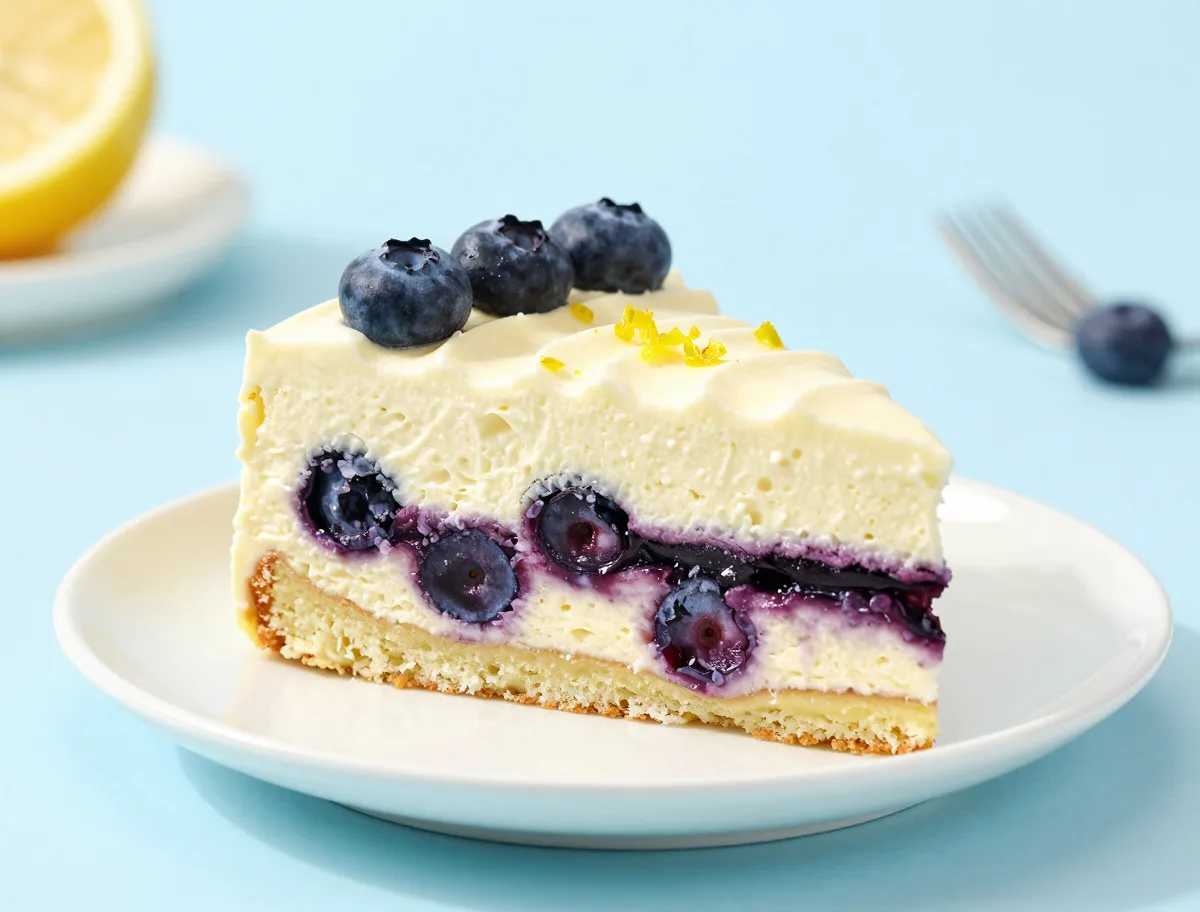
Keep the finished cake cold enough for the mascarpone cream to hold its shape, then allow a brief tempering period so the crumb softens and the lemon aroma becomes more pronounced. A simple garnish looks more polished here than a heavy sauce or elaborate decoration.
- Top with fresh blueberries and fine lemon zest for color and a clear reminder of the cake’s flavors.
- Use a sharp, thin knife and wipe it clean between slices for neat cuts through the cream and berries.
- Serve with black tea, green tea, coffee, or a lightly sweet sparkling drink.
- The cake suits brunch, afternoon tea, summer gatherings, birthdays, and informal celebrations.
How to Store, Freeze, and Make This Cake Ahead
The unfrosted cake is flexible for advance preparation, but mascarpone cream, heavy cream, and fresh berries make the finished dessert perishable. Plan to frost close to serving when possible, and keep the assembled cake covered in the refrigerator.
- Bake the cake up to 1 day ahead, cool it completely, wrap it airtight, and refrigerate if the kitchen is warm.
- Store the topped cake covered at 40°F (4°C) or below and use it within 3 to 4 days for the best texture and flavor.
- Freeze the unfrosted cake tightly wrapped for up to 1 month. Thaw it in the refrigerator while wrapped, then frost it.
- Freezing the assembled cake is not recommended because the mascarpone cream may lose volume or separate.
- Do not reheat the finished cake. Let refrigerated slices stand for 15 to 30 minutes in a cool room before serving.
Blueberry Lemon Mascarpone Cake FAQ
These answers cover the practical choices most likely to affect the cake’s texture, appearance, and serving schedule.
Can I use frozen blueberries?
Yes. Add them while still frozen, or rinse them briefly to remove ice and excess pigment, then drain and dry them very thoroughly. Frozen berries may streak the batter slightly and usually require additional baking time.
Should frozen blueberries be thawed first?
Usually no. Thawed berries release juice more readily and can create purple streaks or wet pockets. If thawed berries are your only option, drain them exceptionally well and handle them gently.
Is the mascarpone used in the cake batter?
No. In this formulation it is reserved for the topping, where its mild richness remains distinct and its texture can be controlled more easily. Adding mascarpone to the batter would change the moisture and structure balance.
How do I keep the mascarpone cream from becoming runny?
Use cold mascarpone and cream, chill the bowl if possible, add the cream gradually, and stop whipping as soon as smooth peaks form. If the topping is soft, chill it before adding more sugar or liquid.
Can I make the cake a day ahead?
Yes. Bake and cool the cake, wrap it airtight, and prepare the mascarpone cream shortly before serving. Once topped, keep the cake covered and refrigerated.
Can I bake this as a loaf, bundt, or sheet cake?
You can adapt the format, but do not transfer the timing unchanged. A loaf or smaller round is deeper and needs longer baking, while a sheet cake is shallower and may finish sooner. Check the center using the visual and tester cues.
How sweet and lemony is the finished cake?
It is moderately sweet with a clear, aromatic lemon flavor and a lightly sweet dairy topping. Most of the lemon intensity comes from zest, while the juice supplies a restrained tartness.
Food Safety for Mascarpone-Topped Cake
Mascarpone, whipped cream, and fresh fruit require refrigerated handling. Treat this cake like other creamy dairy-topped desserts: keep it cold, covered, and protected from extended room-temperature exposure.
- Refrigerate the finished cake promptly at 40°F (4°C) or below; a refrigerator thermometer is more reliable than the appliance dial.
- Do not leave the cake at room temperature for more than 2 hours, or more than 1 hour when the surrounding temperature is above 90°F (32°C).
- Wash and dry fresh blueberries before use, and use clean bowls, utensils, and serving tools.
- Keep the cake covered in the refrigerator to reduce contamination and prevent the cream and crumb from drying.
- If the cake has exceeded the recommended room-temperature limit, discard it rather than refrigerating and serving it later.
For additional guidance on refrigerating creamy dairy-topped desserts and limiting room-temperature exposure, consult the FDA’s food-safety guidance for holiday goodies.