Carrot Cake Recipe with Coconut and Pineapple
This moist carrot cake recipe with coconut and pineapple makes a tender, warmly spiced 9-by-13-inch cake with optional pecans and a tangy cream cheese frosting.
What to Expect from This Pineapple Coconut Carrot Cake
This is a moist but sliceable American carrot cake built around finely grated carrots, drained pineapple, and shredded coconut. Brown sugar and warm spices give it depth, while neutral oil keeps the crumb soft even after chilling.
- The pineapple should be noticeable without making the cake taste like a fruit loaf.
- Carrot and coconut remain visible in the crumb rather than being puréed.
- The 9-by-13-inch format is the easiest choice for a stable cake and generous frosting coverage.
- Cream cheese frosting adds acidity that balances the sweet, tropical-leaning cake.
Why the Main Ingredients Work
The formula balances a sturdy flour-and-egg framework with several moisture-rich ingredients. Each component has a specific job, so preparation details such as draining the pineapple and grating the carrots finely affect more than appearance.
- Neutral oil stays liquid when refrigerated and gives the softest, most forgiving crumb.
- Brown sugar contributes caramel flavor and helps the cake retain moisture.
- Drained crushed pineapple supplies fruit flavor and tenderness without adding uncontrolled liquid.
- Fine or medium shredded coconut provides chew and aroma; unsweetened coconut gives the most control over sweetness.
- Full-fat block cream cheese and butter create a frosting with enough body to spread and hold its shape.
Ingredients
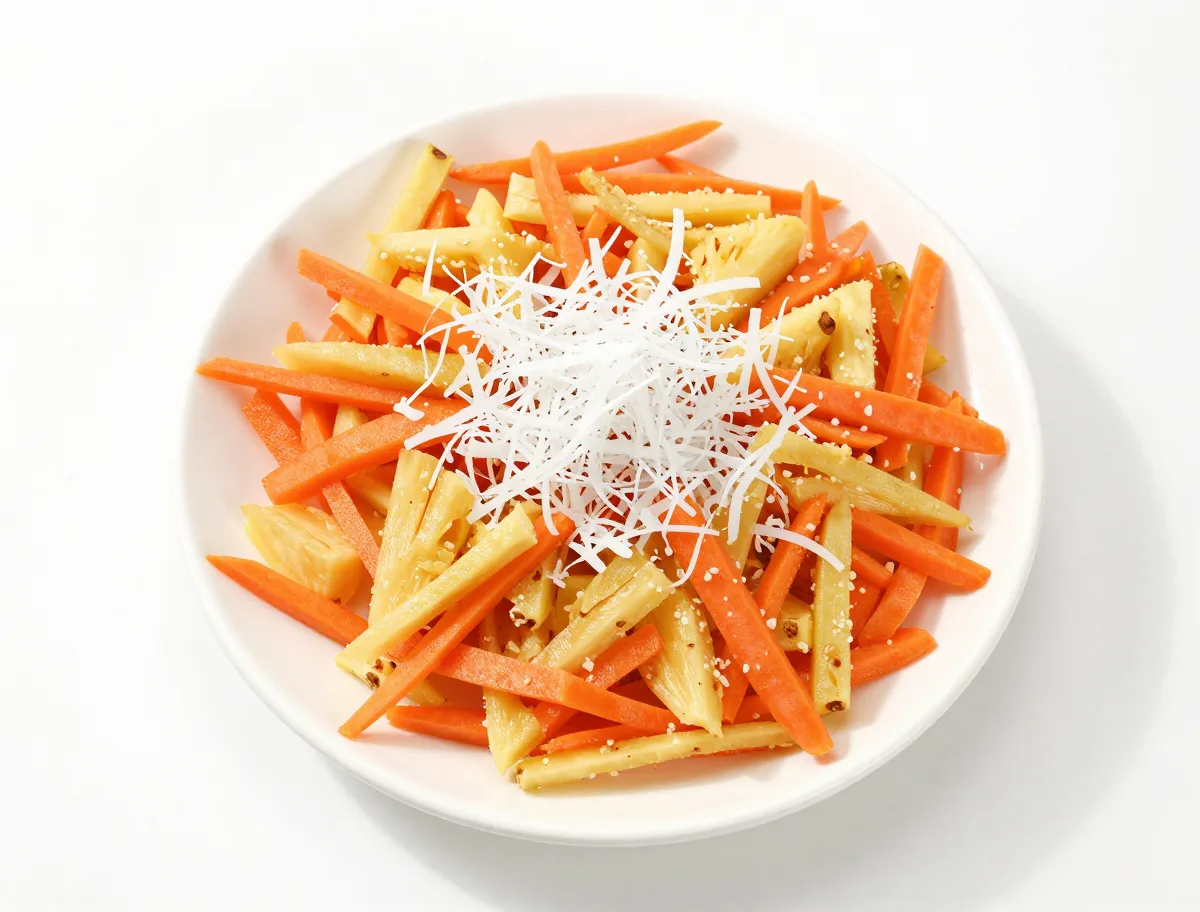
- 300 g crushed pineapple, canned, packed in juice, drained thoroughly; about 1 1/4 cups drained
- 2 1/3 cups all-purpose flour, spooned into the measuring cup and leveled
- 1 1/2 teaspoons ground cinnamon
- 1 teaspoon ground ginger
- 1/2 teaspoon ground nutmeg
- 1 teaspoon baking soda
- 1 teaspoon baking powder
- 1 teaspoon fine salt
- 1 1/4 cups light brown sugar, packed
- 1/2 cup granulated sugar
- 1 cup neutral oil, such as canola, vegetable, or avocado oil
- 4 large eggs, at room temperature
- 2 teaspoons vanilla extract
- 3 cups carrots, finely grated, about 300 g
- 2/3 cup shredded coconut, unsweetened, fine or medium shred
- 3/4 cup pecans or walnuts, chopped; optional for the batter or garnish
- 1/2 cup raisins, optional; plumped in hot water and drained
- 8 ounces full-fat cream cheese, block-style, softened
- 1/2 cup unsalted butter, softened but not warm
- 3 cups confectioners’ sugar, sifted
- 1 teaspoon vanilla extract, for the frosting
Key Techniques for a Tender, Even Cake
Good preparation is mostly about controlling moisture and limiting unnecessary mixing. Drain the pineapple well, use evenly sized carrot shreds, and combine the flour mixture with the wet ingredients only until the batter comes together.
- Use a sieve for the pineapple and let it drain while you prepare the remaining ingredients.
- Line the pan because this moist cake is more likely to stick than a drier sponge.
- Fold in the carrots, coconut, and optional additions gently after the flour is nearly incorporated.
- Cool the cake completely before frosting; even slightly warm cake can soften or displace cream cheese frosting.
- For round layers, weigh or carefully divide the batter so both layers bake at the same rate.
Instructions
- Prepare the pan and oven: Heat the oven to 350°F (175°C). Grease a 9-by-13-inch light-colored metal pan, line the base with parchment, and lightly grease the parchment. If using raisins, cover them with hot water and let them stand for 10 minutes, then drain and pat dry.
- Mix the dry ingredients: In a medium bowl, whisk together the flour, cinnamon, ginger, nutmeg, baking soda, baking powder, and salt until evenly distributed.
- Build the wet mixture: In a large bowl, whisk the brown sugar, granulated sugar, oil, eggs, and 2 teaspoons vanilla extract until smooth and glossy. Stir in the drained pineapple.
- Finish the batter: Add the dry mixture to the wet mixture and fold just until a few flour streaks remain. Fold in the grated carrots, coconut, and, if using, pecans or walnuts and raisins. Stop mixing as soon as the ingredients are evenly dispersed.
- Bake the cake: Spread the batter evenly in the prepared pan. Bake for 45 to 52 minutes, rotating the pan once after 30 minutes, until the top is set, the center no longer jiggles, and a skewer inserted in the middle comes out with moist crumbs rather than wet batter.
- Cool completely: Let the cake cool in the pan for 20 minutes, then transfer it to a rack if you plan to remove it from the pan. Cool completely, about 60 minutes more, before frosting.
- Make the frosting: Beat the softened cream cheese and butter on medium speed just until smooth, about 1 minute. Add the confectioners’ sugar in three additions, mixing on low after each addition, then beat in the remaining 1 teaspoon vanilla extract just until creamy. Do not overbeat. If soft, chill the frosting for 15 to 20 minutes.
- Frost and serve: Spread the frosting over the fully cooled cake. Sprinkle with additional chopped nuts or toasted coconut if desired, using the optional nuts already listed. Chill the frosted cake for at least 30 minutes for cleaner cuts, then slice with a sharp knife.
How to Tell When the Cake Is Baked
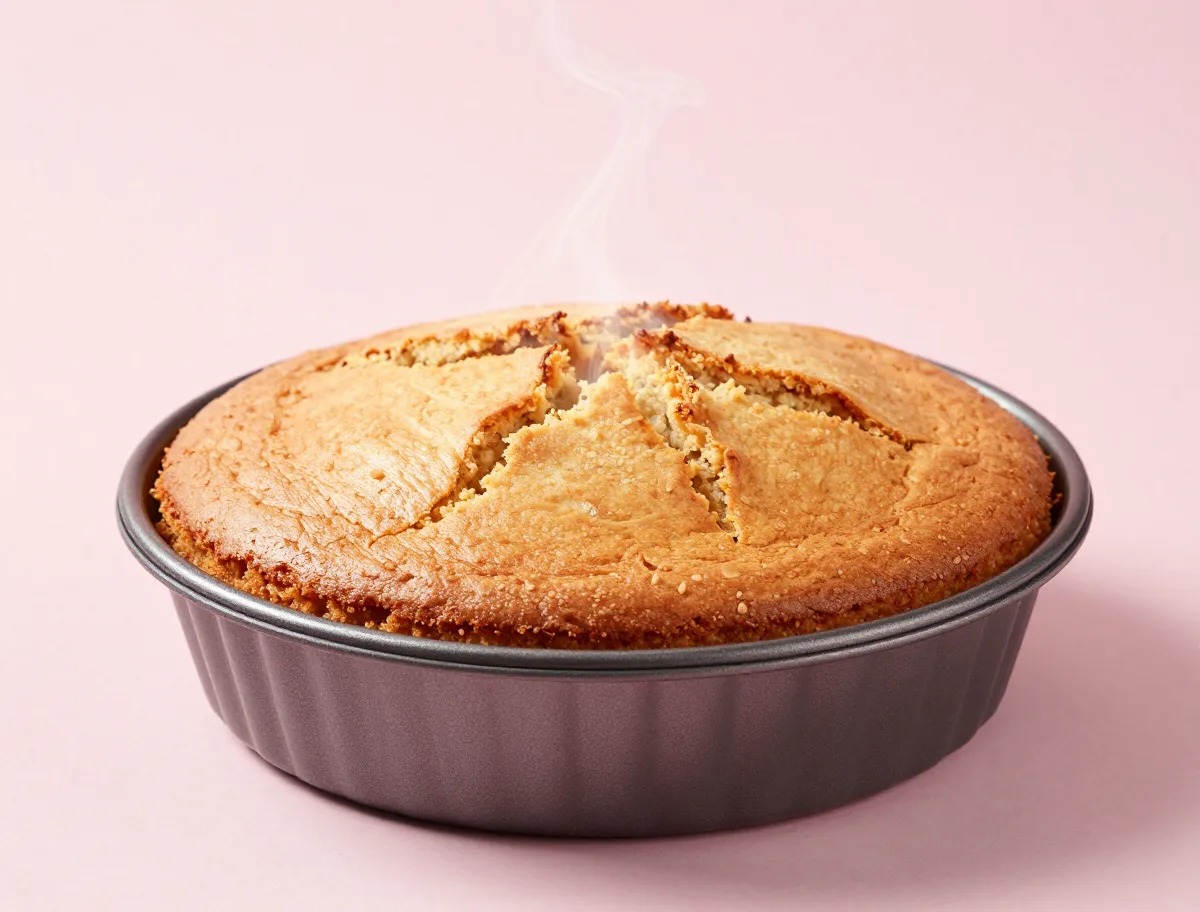
A moist carrot cake should not be judged by a bone-dry toothpick. The correct endpoint is a set, springy center with a tester carrying a few damp crumbs but no liquid batter.
- The center should look set and remain still when the pan is nudged.
- Light pressure should produce slight springback rather than a wet impression.
- Check the deepest part of the cake, avoiding a pocket of pineapple or the edge of the pan.
- If using an instant-read thermometer as a secondary check, a fully baked cake is commonly near 210 to 212°F (99 to 100°C), though crumb cues remain primary.
- Allow the cake to cool before judging its final texture; the crumb continues to firm as it loses heat.
Doneness Cues
- The top looks set and the center does not wobble when the pan is gently moved.
- The cake springs back lightly when pressed in the center.
- A skewer comes out with a few moist crumbs, but no streaks of raw batter.
- The cake may pull slightly from the pan edges, though edge separation alone is not a sufficient doneness test.
The Moisture Balance Behind the Recipe
Carrots, pineapple, sugar, and oil all soften the cake, but only flour, eggs, and the leaveners can provide enough structure to keep it from becoming gummy. The most important variables are free liquid, batter depth, and oven heat.
- Draining pineapple removes liquid that would otherwise lengthen baking and weaken the center.
- Sugar holds onto some water, while oil limits gluten development and keeps the crumb tender.
- A deep pan takes longer for heat to reach its center, so changing pan shapes also changes baking time.
- Glass, dark metal, and inaccurate ovens can alter browning and timing; use the doneness cues rather than the clock alone.
- Extra leavener cannot compensate for an over-wet batter.
Common Carrot Cake Problems and Practical Fixes
Most problems with this style of cake can be traced to excess moisture, excessive mixing, unsuitable pan depth, or frosting ingredients that are too warm. Prevention is more reliable than trying to repair a cake after baking.
- Wet or sunken center: Drain the pineapple, avoid overfilling the pan, verify the oven temperature, and continue baking until the center is set. A badly underbaked or collapsed cake will not regain a normal crumb.
- Dense cake: Measure flour accurately, check that the leaveners are fresh, and stop mixing as soon as the flour disappears.
- Dry edges with a soft middle: The pan may be too dark or shallow, the oven too hot, or the cake baked too long while waiting for the center. A light-colored pan and an oven thermometer help.
- Broken layers: Line the pans, allow the cakes to cool briefly before turning them out, and chill the layers before stacking.
- Runny frosting: Use block cream cheese rather than tub-style spread, keep the ingredients cool, chill the finished frosting, and add confectioners’ sugar sparingly only if needed.
- Frosting sliding between layers: Chill both the layers and frosting, and use a moderate amount of filling rather than a thick, soft layer.
Ingredient Substitutions for This Carrot Cake
Several ingredients can be adapted, but substitutions change sweetness, moisture, or firmness. Keep the drained fruit and overall volume of additions close to the stated amounts for the most predictable result.
- Canned crushed pineapple is the most consistent choice. Fresh pineapple may be finely chopped and thoroughly drained, but its water content varies more.
- Neutral oil can replace melted butter for a softer cake. Melted butter can replace some or all of the oil for a richer flavor and a firmer chilled texture.
- Sweetened coconut may replace unsweetened coconut; expect a sweeter cake and consider omitting a small amount of granulated sugar if desired.
- Walnuts and pecans are interchangeable, or both can be omitted without changing the core formula.
- Raisins are optional. If used, plump and drain them first so they do not pull moisture unevenly from the batter.
- Freshly grated carrots are preferable to packaged matchstick carrots, which are generally too coarse.
Sheet Cake, Layer Cake, and Flavor Variations
The recipe can become a more formal celebration cake without losing its pineapple-coconut-carrot identity. The sheet version is the most forgiving; round layers require more careful cooling and assembly.
- Bake the batter in two 9-inch round pans for a layer cake, dividing it evenly and checking at 35 minutes.
- A Bundt version is possible, but thorough greasing and careful testing are essential because the thick center can conceal underbaking.
- Use pecans or walnuts in the batter, on top, or both; toasted nuts create more contrast than raw nuts.
- Add toasted coconut as a garnish or mix it with untoasted coconut so the cake retains some soft coconut chew.
- A little additional ginger or a pinch of allspice can intensify the spice profile without overpowering the fruit.
- Keep raisins moderate; too many extra inclusions can make the cake heavy and slow to bake.
How to Serve Pineapple Coconut Carrot Cake
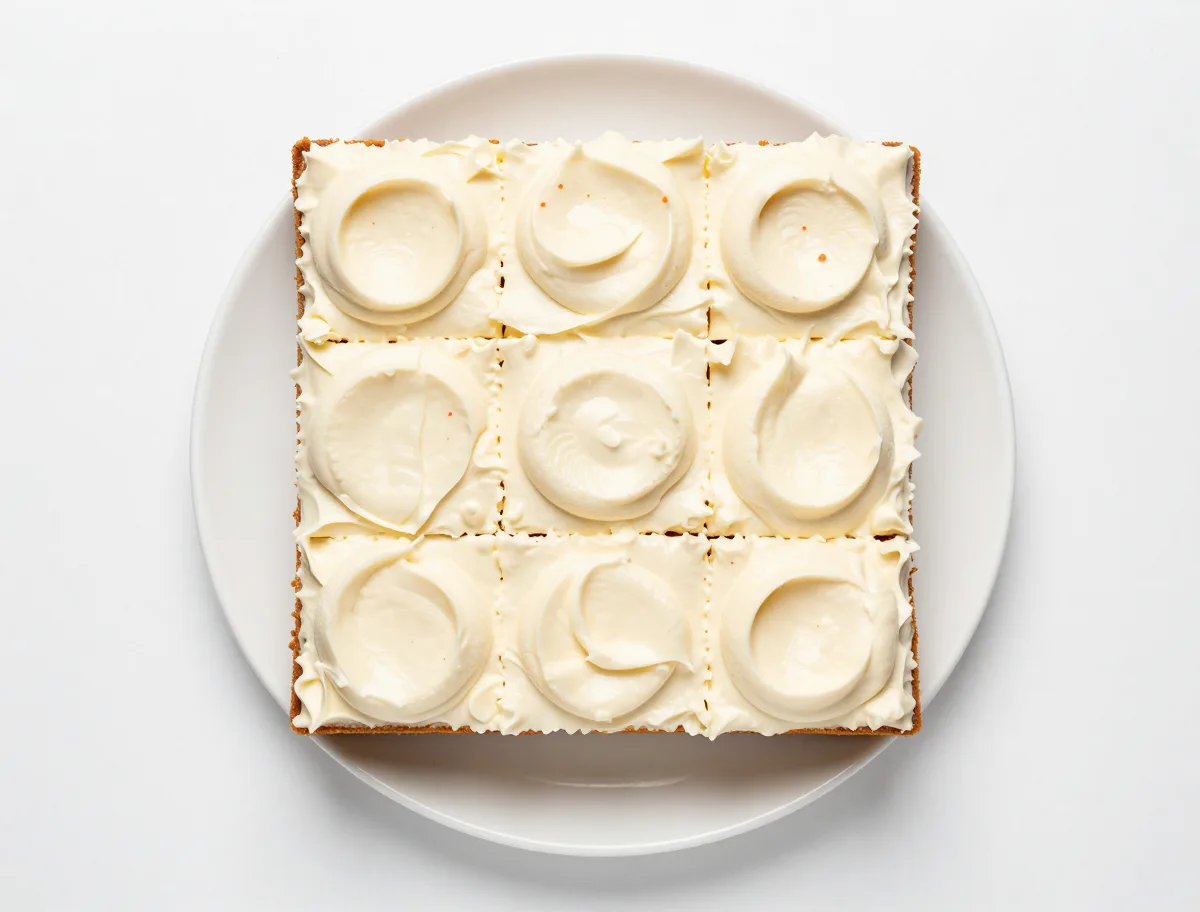
Refrigeration firms the frosting and makes clean slices easier, but the cake is most enjoyable after individual pieces sit briefly and lose their refrigerator chill. A dry garnish adds texture without shortening storage life.
- For neat squares, chill the frosted cake and wipe a sharp knife between cuts.
- Finish with toasted coconut or chopped toasted pecans rather than wet fruit if the cake will be stored.
- Serve with coffee, black tea, chai, or plain milk to balance the sweet frosting.
- For a layer cake, chill the assembled cake before slicing so the filling stays in place.
- Remove only the portions you plan to serve and let them temper briefly; keep the remaining cake refrigerated.
How to Store and Freeze Carrot Cake
Because the frosting contains cream cheese, the finished cake belongs in the refrigerator. For the best make-ahead texture and easiest assembly, freeze the unfrosted cake rather than freezing a fully decorated cake whenever possible.
- Cover and refrigerate frosted cake at 40°F (4°C) or below; it is generally best within 3 to 4 days.
- Cool unfrosted cake completely before wrapping so trapped steam does not create a wet surface.
- Freeze unfrosted sheet cake or layers tightly wrapped, preferably in two protective layers, for up to about 2 months for best quality.
- Thaw wrapped cake overnight in the refrigerator before frosting.
- Frosted slices can be frozen by first firming them uncovered, then wrapping them well and storing them in an airtight container for about 1 to 3 months.
- Thaw frozen cake covered in the refrigerator. Reheating is unnecessary and may melt the frosting.
For additional practical guidance on refrigerating, freezing, thawing, and serving cake with cream cheese frosting, see King Arthur Baking’s cake storage guidance.
Pineapple Coconut Carrot Cake FAQs
These answers cover the practical decisions most likely to affect the cake’s moisture, structure, pan choice, and frosting.
Should the crushed pineapple be drained?
Yes. Drain it thoroughly in a sieve and measure the pineapple solids after draining. The recipe does not rely on the packing juice, so reserve it for another use rather than adding it to the batter.
Can I use fresh pineapple?
Yes, but canned crushed pineapple is more predictable. Finely chop fresh pineapple, drain it very well, and use the same approximate drained volume; expect greater variation in moisture and texture.
What kind of coconut works best?
Fine or medium shredded unsweetened coconut gives a balanced sweetness and a tender, lightly chewy texture. Sweetened coconut also works, but it produces a sweeter cake.
How finely should the carrots be grated?
Use the fine side of a box grater or a fine shredding disk. The strands should be visible but short enough to distribute evenly; do not purée the carrots.
Are nuts and raisins necessary?
No. Both are optional. Pecans or walnuts add crunch, while raisins add chew and sweetness; omitting them leaves the pineapple, coconut, and carrot flavors intact.
Can I bake this as a layer cake?
Yes. Divide the batter between two greased and parchment-lined 9-inch round pans and bake at 350°F (175°C) for approximately 35 to 42 minutes. Cool completely and chill before stacking.
Why did my cream cheese frosting become runny?
Warm butter or cream cheese, tub-style spread, excess liquid, or insufficient chilling are common causes. Chill the frosting first; if it remains too soft, mix in a small amount of confectioners’ sugar rather than adding milk or juice.
Can I use butter instead of oil?
Yes, but the texture will change. Melted butter adds dairy flavor and becomes firmer when chilled, while neutral oil gives a softer, more consistently moist crumb.
Can this cake be frozen?
Yes. Unfrosted layers or a wrapped unfrosted sheet are the preferred options. Frosted slices can also be frozen after the frosting is firm, then thawed overnight in the refrigerator.
Food Safety for Cream Cheese-Frosted Cake
Treat the finished cake as a perishable refrigerated dessert because it contains cream cheese frosting and eggs. Keep it covered, maintain a refrigerator temperature of 40°F (4°C) or below, and separate food-safety limits from preferences about serving texture.
- Refrigerate cream cheese-frosted cake within 2 hours at normal room temperature, or within 1 hour when the temperature is above 90°F (32°C).
- Do not leave the cake on a buffet indefinitely; discard it if it has exceeded the applicable room-temperature limit.
- Bake until the center contains no raw batter. A moist crumb is expected, but wet streaks indicate underbaking.
- Keep the cake covered in the refrigerator to protect it from drying and contamination.
- A refrigerator should be at 40°F (4°C) or below and a freezer at 0°F (-18°C) or below.
- Use a clean knife and serving utensils, and return leftover cake to refrigeration promptly.
For official recommendations on refrigerator temperatures and room-temperature storage limits, consult the FDA food-storage guidance.