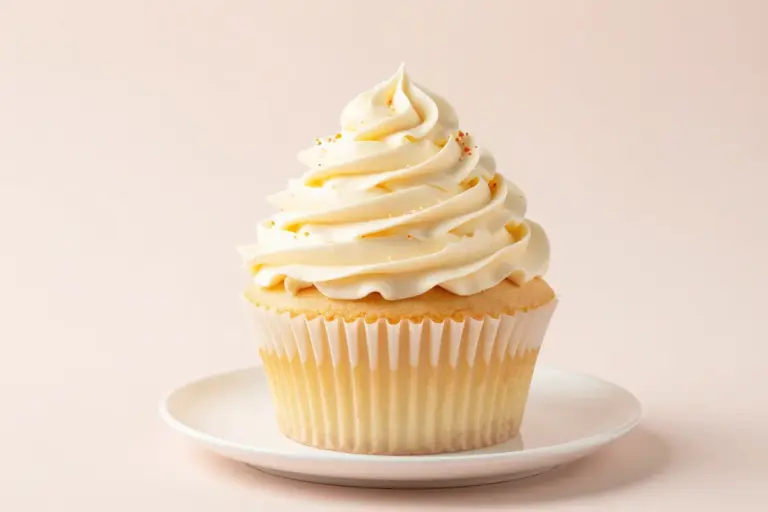
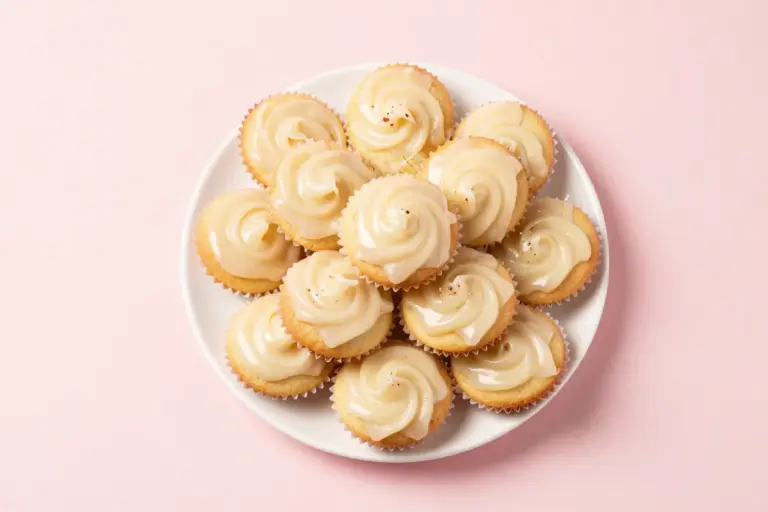
Haitian Cake Recipe: Traditional Gâteau au Beurre
This Haitian cake recipe makes a golden, tender Bundt cake scented with lime zest, nutmeg, vanilla, and dark rum, with evaporated milk for a rich, moist crumb. Serve it plain, with powdered sugar, or with the optional lime glaze.
What Is Haitian Butter Cake?
Gâteau au beurre, or Haitian butter cake, is a rich ring-shaped cake with a fine, tender crumb and a fragrant balance of butter, citrus, warm spice, and rum. It is fuller and more substantial than a sponge cake, but proper creaming keeps it from becoming heavy or gummy.
- Expect a golden crust and a moist, moderately fine crumb.
- Lime zest, nutmeg, vanilla, and dark rum give the cake its recognizable Haitian character.
- It is complete without frosting; powdered sugar or a thin glaze is optional.
The Ingredients That Give This Haitian Cake Its Character
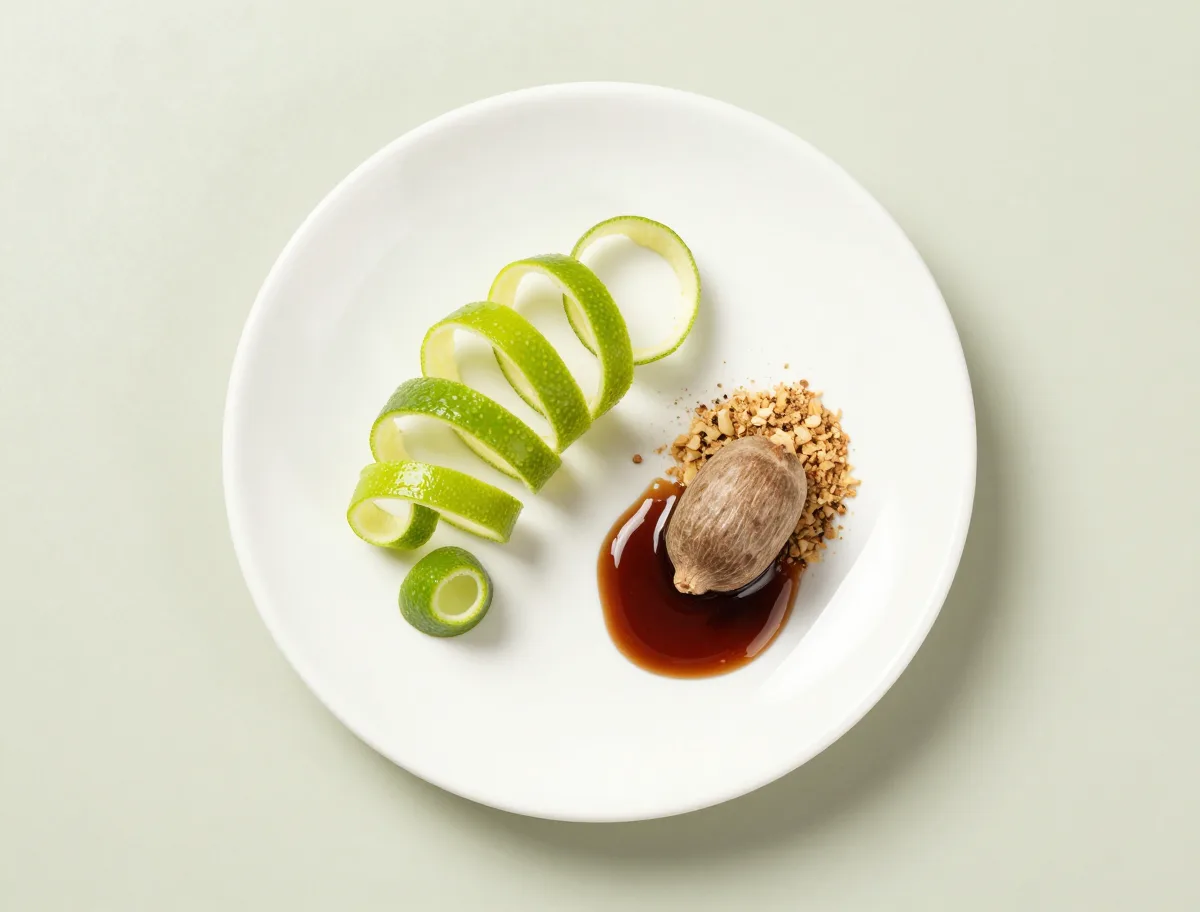
Butter is the primary flavor and also helps create lift when beaten with sugar. Eggs provide structure and emulsification, while evaporated milk adds concentrated dairy richness without the sweetness of condensed milk. Baking powder supplies dependable rise, and the aromatic ingredients build the cake’s signature fragrance.
- Use unsalted butter so the salt level stays controlled.
- Fresh lime zest contributes bright citrus oils without making the batter sharply acidic.
- Dark or aged rum is mainly an aromatic accent here, not a soaking syrup.
- Almond extract is intentionally restrained because it can quickly dominate the vanilla and citrus.
- 1 1/2 cups unsalted butter, softened but still cool
- 1 1/2 cups granulated sugar
- 4 large eggs, at room temperature
- 2 1/2 cups all-purpose flour, spooned into cups and leveled, or weighed
- 2 teaspoons baking powder
- 1/2 teaspoon fine salt
- 1/4 teaspoon freshly grated nutmeg
- 3/4 cup evaporated milk, at room temperature
- 1/4 cup dark rum, such as Haitian Barbancourt, if available
- 1 tablespoon finely grated lime zest, from about 1 lime
- 2 teaspoons vanilla extract
- 1/2 teaspoon almond extract (optional)
- 3/4 cup powdered sugar, for finishing or glaze (optional)
- 1 tablespoon fresh lime juice, for the optional glaze (optional)
How to Make Haitian Cake with a Tender Crumb
The most important technique is thorough creaming followed by gentle mixing. Butter should be cool room temperature—pliable, but not glossy or melting. Add the eggs slowly, then stop mixing as soon as the flour disappears; extended beating at that stage can make the cake tough.
- Bring the butter, eggs, and evaporated milk to room temperature before mixing.
- Cream the butter and sugar until visibly lighter rather than stopping as soon as they are combined.
- Coat every Bundt groove, the center tube, and the upper rim with butter and flour.
- Release the cake after a short rest in the pan, not after it has cooled completely inside it.
- Prepare the pan and oven: Heat the oven to 350°F (175°C), with a rack in the center. Thoroughly butter a 10-cup Bundt pan, working into the center tube and every groove, then dust it with flour and tap out the excess.
- Combine the dry ingredients: Whisk the flour, baking powder, salt, and nutmeg together in a medium bowl. Stir the evaporated milk, rum, lime zest, vanilla, and almond extract together in a separate measuring jug.
- Cream the butter and sugar: Beat the softened butter and granulated sugar on medium speed until noticeably paler and fluffy, 3 to 4 minutes. Scrape the bowl once or twice so the mixture aerates evenly.
- Add the eggs gradually: Beat in the eggs one at a time, waiting until each is absorbed before adding the next. If the mixture looks slightly curdled, add a spoonful of the flour mixture and continue; do not use cold eggs.
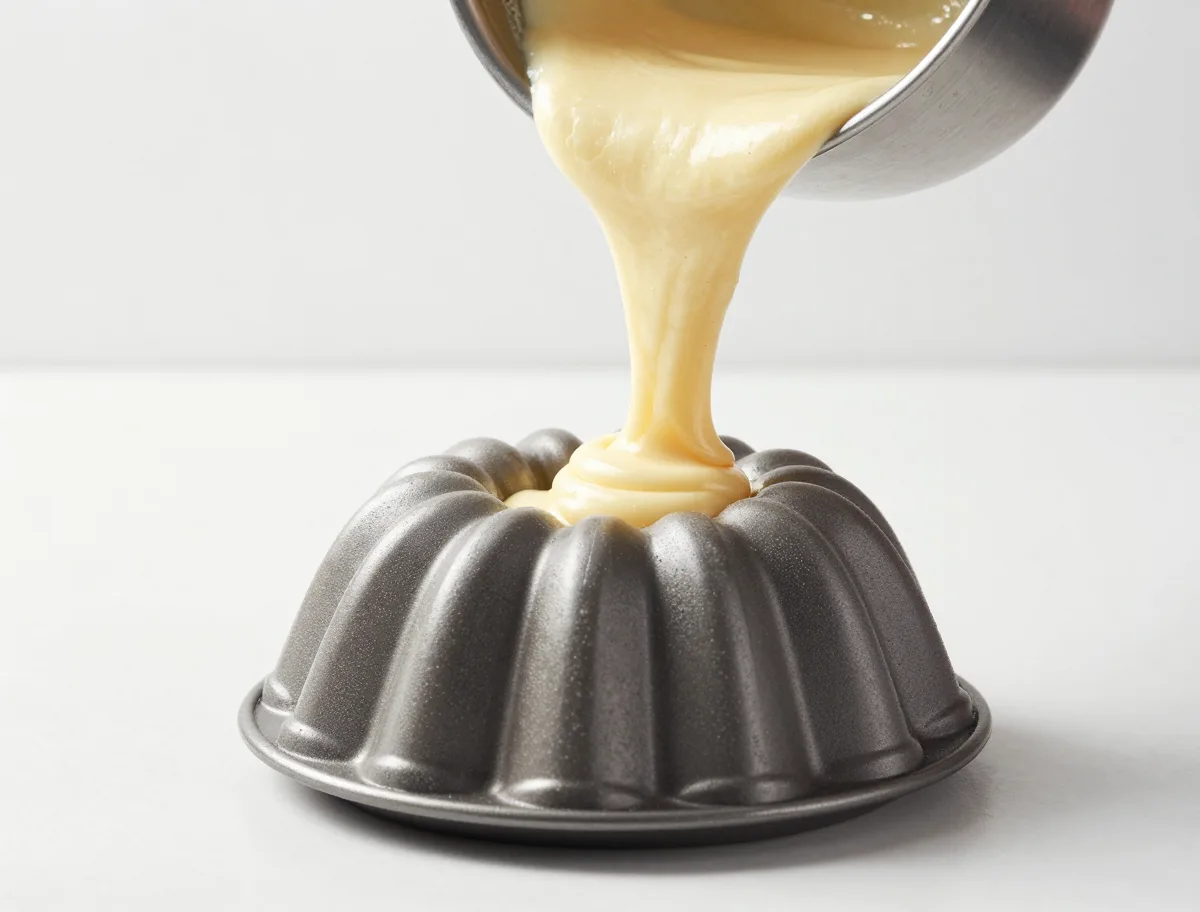
- Finish the batter: Add the flour mixture in three additions, alternating with the milk-and-rum mixture in two additions. Mix on low speed only until no dry streaks remain, scraping the bowl once. The batter should be thick, smooth, and easily spreadable.
- Fill and bake: Transfer the batter to the prepared pan and smooth the top. The pan should be no more than two-thirds full. Bake for 45 to 55 minutes, rotating once after 35 minutes if needed, until golden and a skewer inserted into the thickest part comes out clean or with a few moist crumbs.
- Release and cool: Let the cake stand in the pan for 8 to 10 minutes. Run a thin knife gently around the outer edge and center tube, then invert it onto a rack. Cool completely, about 45 minutes, before slicing or glazing.
- Finish if desired: For a simple glaze, whisk the powdered sugar with the lime juice until smooth and thick enough to ribbon from a spoon. Drizzle it over the cooled cake. Alternatively, dust the cake with the powdered sugar alone or leave it plain.
How to Tell When the Butter Cake Is Done
Baking time depends on the depth of the batter and the material of the pan, so use the cake’s structure as the final guide. A properly baked gâteau au beurre is golden and lightly springy, with no liquid movement at the center.
- Start checking around 45 minutes for the specified 10-cup Bundt pan.
- Insert the tester into the thickest part of the cake rather than into the hollow center.
- A few moist crumbs are ideal; a completely dry tester may mean the cake has gone too far.
- Let the cake cool fully before slicing so the crumb can finish setting.
Recipe-specific doneness cues:
- The surface is evenly golden and springs back lightly when pressed.
- The center looks set rather than wet or wobbly.
- The edges have begun to pull slightly from the pan.
- A skewer inserted into the thickest section comes out clean or with a few moist crumbs, never liquid batter.
Why Creaming, Pan Shape, and Batter Temperature Matter
Creaming creates small air pockets in the butter that expand in the oven alongside the baking powder. Cold eggs can make those pockets collapse or cause the batter to split, while melted butter cannot hold the same stable aeration. A Bundt pan also helps a rich cake bake through because heat reaches the center from the tube as well as the outside.
- A properly creamed mixture contributes lightness; extra baking powder cannot fully replace that aeration.
- Room-temperature liquids keep the butter mixture emulsified and the batter even.
- A dark pan may brown the crust faster, so begin doneness checks earlier.
- Overfilling increases the risk of a dark exterior and underbaked center.
Common Haitian Butter Cake Mistakes and Fixes
Most problems with this cake come from measuring flour inaccurately, skipping the creaming stage, using cold ingredients, or misjudging the pan’s baking time. The following corrections address the likely cause rather than masking the result with extra glaze.
- Dense cake: Cream the butter and sugar longer, measure flour by weight or spoon-and-level it, and avoid mixing after the flour is incorporated.
- Curdled batter: Use room-temperature eggs and add them one at a time. A minor split can usually be brought together with a spoonful of the flour mixture.
- Sunken center: The cake was likely underbaked, overfilled, or removed before the center set. A cooling cake cannot recover from a major collapse.
- Dry cake: Check earlier next time and avoid adding excess flour. Glaze may moisten the surface, but it cannot restore a dry interior.
- Sticking: Thoroughly coat the center tube and flutes, then invert the cake after its brief resting period.
- Overly dark crust: Verify the oven temperature and use a lighter-colored pan or tent the cake loosely near the end if the center still needs time.
Rum, Milk, and Citrus Substitutions
The cake remains recognizable when practical substitutions are made, although the flavor profile changes. Preserve the same approximate amount of liquid rather than making broad swaps that alter the batter’s balance.
- Replace dark rum with another aged rum for the closest result; brandy is possible but tastes different.
- For an alcohol-free version, use an equal volume of whole milk, with optional nonalcoholic rum flavoring used according to its label.
- Whole milk can replace evaporated milk, but the dairy flavor will be lighter. Never use sweetened condensed milk as a direct replacement.
- Lemon zest gives a sharper citrus note, while orange zest is rounder and sweeter than lime.
- Almond extract may be omitted without changing the cake’s structure.
Ways to Vary Haitian Gâteau au Beurre
The core identity stays intact when butter remains the principal fat and the cake keeps its citrus-spice foundation. Finishes and aromatic adjustments are flexible, but a deeply soaked or heavily frosted dessert becomes a different style of adaptation.
- Use orange zest in place of lime for a softer citrus profile.
- Serve the cake plain or with powdered sugar for the least elaborate finish.
- A thin lime glaze adds brightness without overwhelming the crumb.
- Guava glaze or a little unsweetened coconut can create a decorative variation.
- A cake soaked heavily with rum syrup is better described as a Haitian rum-cake adaptation than as the basic butter cake.
How to Serve Haitian Butter Cake
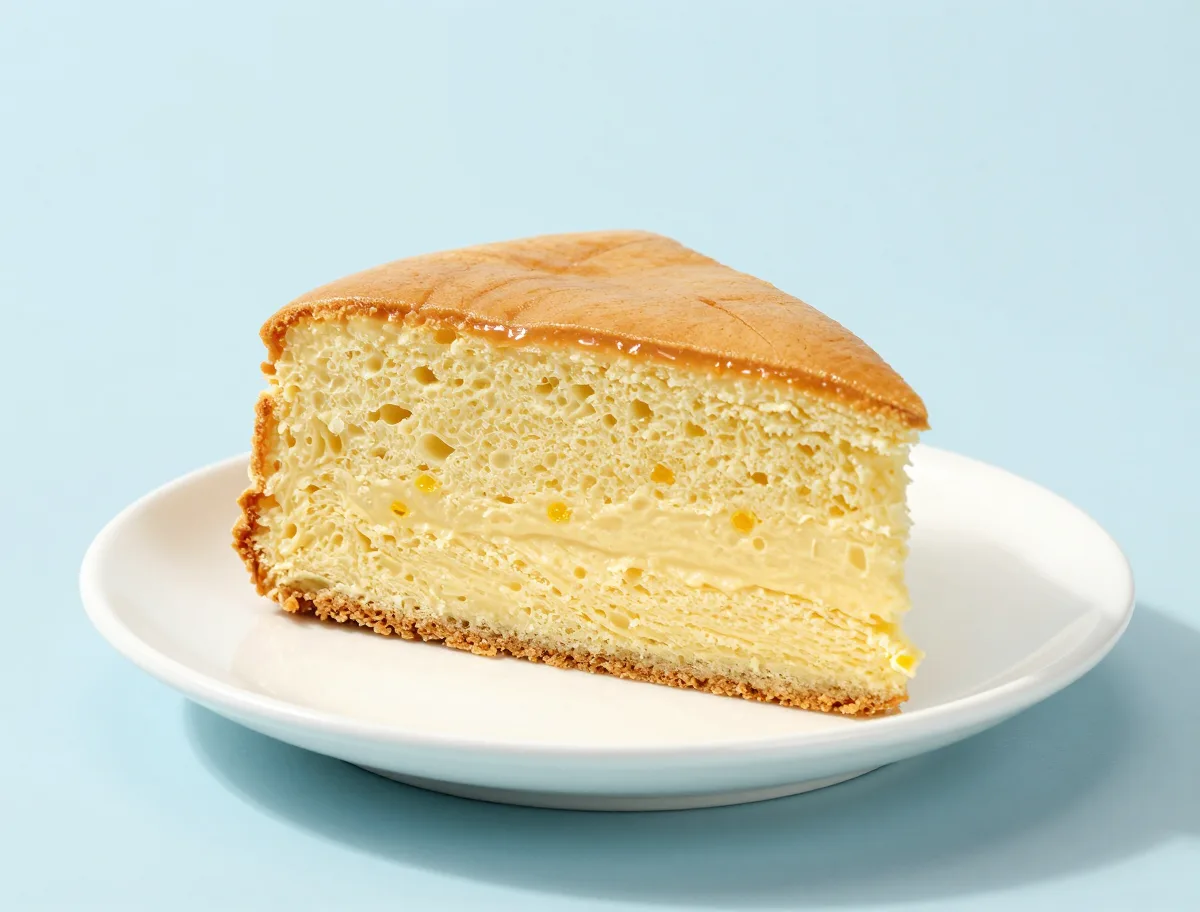
Let the cake reach room temperature before serving so the butter softens and the citrus and spice aromas open. Its substantial crumb makes it suitable for dessert, afternoon hospitality, breakfast, or a celebratory table.
- Serve slices plain, dusted with powdered sugar, or finished with the thin lime glaze.
- Pair it with coffee, black tea, or another lightly sweetened or unsweetened drink.
- If refrigerated, let the cake stand at room temperature before serving for a softer texture.
- Slice with a serrated knife once fully cool for the cleanest portions.
How to Store, Freeze, and Serve the Cake Later
A plain, unfilled cake is best protected from air rather than automatically refrigerated. Wrap or cover it once fully cool. Refrigeration is useful in a warm environment or when the cake has a perishable topping, but it firms the butter-based crumb.
- Keep the plain cake airtight at cool room temperature for 1 to 2 days for best quality.
- Refrigerate cakes with dairy-based frosting or fillings promptly; perishable food should not remain at room temperature for more than 2 hours, or 1 hour in temperatures above 90°F (32°C). See FoodSafety.gov’s food-storage guidance for general safety recommendations.
- For longer storage, freeze the unglazed cake tightly wrapped for up to 2 months.
- Thaw it while still wrapped, then glaze or dust it after it reaches room temperature.
- Reheating is unnecessary; a chilled slice can sit at room temperature until softened.
The Haitian Tradition Behind Gâteau au Beurre
Gâteau au beurre is widely used for Haitian butter cake, a preparation shaped by the broader French-influenced butter-cake tradition while expressing Haitian flavor preferences. There is no single universally fixed formula, so authenticity is better understood through recurring features—butter, a ring-pan presentation, rum, citrus zest, and warm spice—than through one mandatory recipe. For additional culturally relevant background on the cake’s recurring flavors and presentation, see this Haitian gâteau au beurre overview.
- Haitian Barbancourt is a culturally associated rum choice when it is available, but another dark or aged rum can work.
- Family and diaspora versions may differ in milk, citrus, spice, pan shape, and topping while remaining recognizably Haitian.
- Modest rum in the batter is a flavor marker; a syrup-soaked cake is a related but more rum-forward variation.
- Plain cake, powdered sugar, citrus glaze, guava, and coconut finishes can all appear without defining the cake’s identity.