Coffee Fruit Cake Recipe: Moist No-Alcohol Loaf
This moist coffee fruit cake recipe uses strong brewed black coffee, softened mixed dried fruit, brown sugar, butter, and warm spices to make a richly flavored, alcohol-free loaf for Christmas or any occasion.
What Makes This Coffee Fruit Cake Different
This is a fruit cake made with brewed coffee as a substantial part of the liquid, not a conventional coffee cake with fruit scattered over a sponge or crumb topping. The finished loaf should be dark, moist, moderately dense, and easy to slice, with tender dried fruit and a balanced roasted-coffee, brown-sugar, and warm-spice flavor.
- The coffee should be noticeable but rounded rather than bitter.
- The crumb is tender and close-textured, not airy like a sponge cake.
- Softened fruit should be distributed throughout the loaf instead of forming a wet layer at the bottom.
- This is an alcohol-free, quick-preparation cake related to the broader Mangalorean Christmas fruitcake tradition.
Why the Coffee, Fruit and Spices Matter
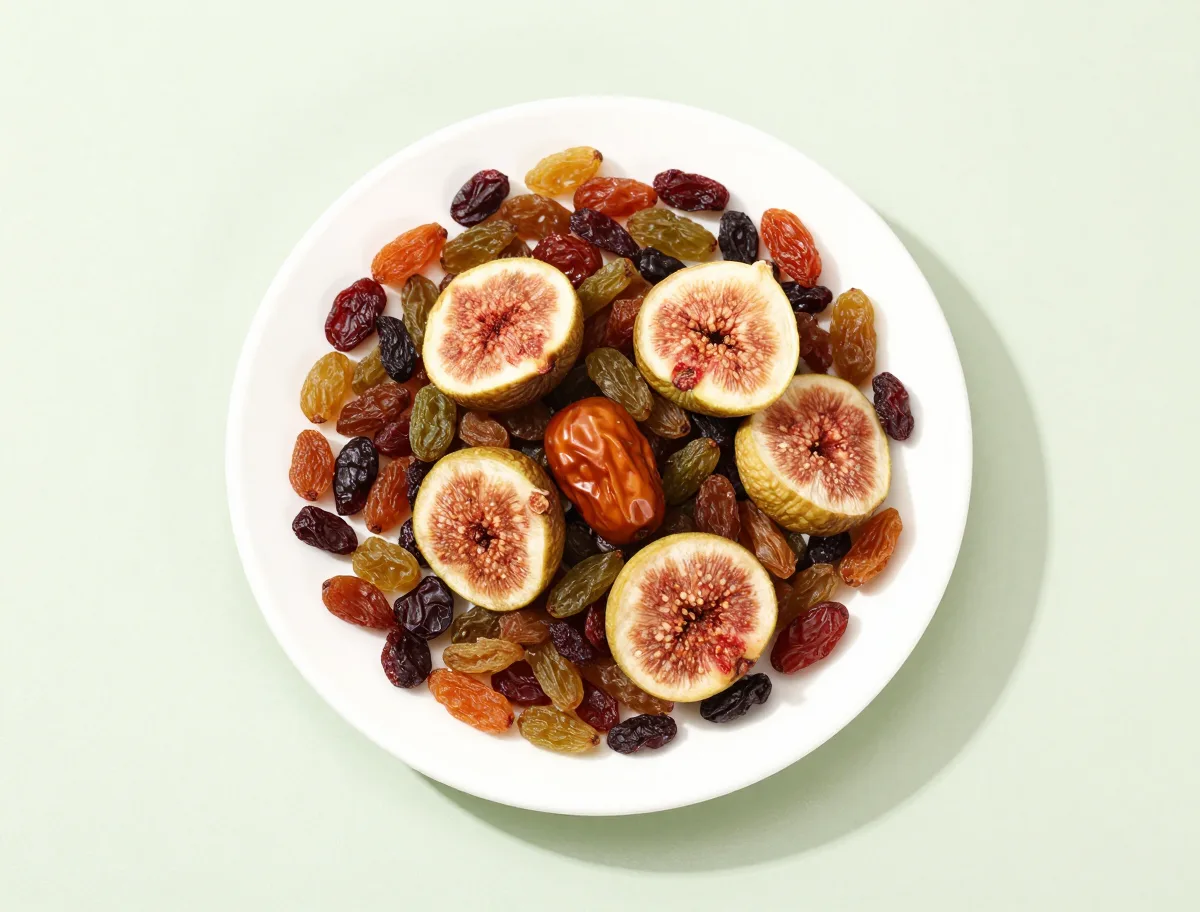
Each major ingredient has a specific job in this fruit-forward loaf. Coffee supplies both water and roasted depth; brown sugar contributes moisture retention and caramel-like color; butter tenderizes the crumb; and eggs and flour provide the structure needed to support a generous quantity of fruit.
- Raisins, sultanas, currants, dates, and figs offer different sweetness and chew; chopping larger pieces keeps the distribution even.
- Baking powder and baking soda provide enough lift for a dense batter without trying to turn it into a light cake.
- Cinnamon, ginger, and nutmeg give the loaf its festive fruitcake character, while orange zest keeps the dark flavors from tasting flat.
- Walnuts add texture but are not necessary for the cake to hold together.
- 1 cup strong brewed black coffee, unsweetened and hot
- 3 1/2 cups mixed dried fruit, such as raisins, sultanas, currants, chopped dates, and chopped dried figs
- 1/2 cup unsalted butter, cut into pieces
- 3/4 cup light brown sugar, packed
- 1 tablespoon orange zest, finely grated
- 1 teaspoon vanilla extract
- 2 cups all-purpose flour, plus 1 tablespoon for coating the fruit, if needed
- 1 1/2 teaspoons baking powder
- 1/2 teaspoon baking soda
- 1 teaspoon ground cinnamon
- 1/2 teaspoon ground ginger
- 1/4 teaspoon ground nutmeg
- 1/4 teaspoon fine salt
- 2 large eggs, lightly beaten
- 3/4 cup walnuts, roughly chopped (optional)
The Boiled-Fruit Method for a Last-Minute Fruit Cake
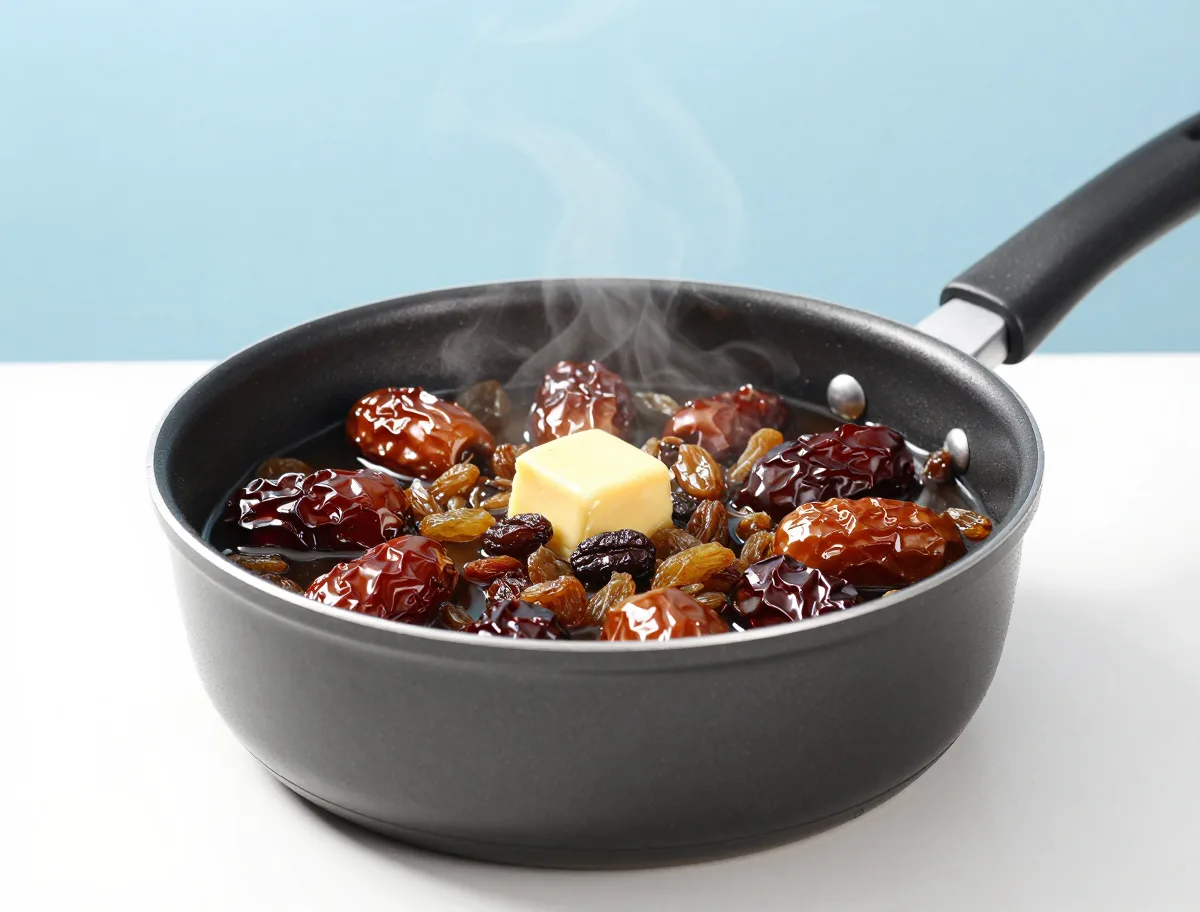
Gently heating the dried fruit with coffee, butter, and sugar replaces the long soaking period used for many traditional fruitcakes. The fruit absorbs flavor quickly and becomes tender before it enters the batter. Cooling the mixture is the essential pause: flour and eggs should never be combined with a steaming-hot fruit mixture.
- Use a gentle simmer, not a hard boil, so the coffee liquid does not evaporate too quickly.
- Fold the flour in only until incorporated; prolonged mixing can make the loaf tough.
- Line the pan fully because caramelized fruit sugars are prone to sticking.
- Add foil only after the top has colored, allowing the center to continue baking without scorching the crust.
- Prepare the pan and oven: Heat the oven to 325°F (165°C). Line a 9-by-5-inch loaf pan with parchment paper, leaving some overhang on the long sides. Lightly grease any exposed sides.
- Soften the fruit in coffee: Put the brewed coffee, dried fruit, butter, brown sugar, and orange zest in a medium saucepan. Warm over medium heat until the butter melts and the mixture just begins to steam, then reduce the heat and simmer gently for 5 minutes. Do not reduce the liquid substantially.
- Cool the fruit mixture: Remove the saucepan from the heat and stir in the vanilla extract. Let the mixture cool for 25 to 30 minutes, stirring occasionally, until warm rather than hot. It should be comfortable to touch; hot fruit mixture can scramble the eggs.
- Combine the dry ingredients: In a large bowl, whisk together the flour, baking powder, baking soda, cinnamon, ginger, nutmeg, and salt. If the cooled fruit is still visibly wet on the surface, reserve 1 tablespoon of this flour mixture for dusting it later.
- Make the batter: Stir the beaten eggs into the cooled fruit and coffee mixture. Add the wet mixture to the dry ingredients and fold gently just until no dry flour remains. Fold in the walnuts, if using. The batter will be thick, glossy, and spoonable rather than fluffy.
- Fill the loaf pan: Scrape the batter into the prepared pan and smooth the top. If reserved flour is needed, toss it with the surface-moist fruit before folding it in; do not add extra flour beyond the listed amount. Tap the pan once or twice on the counter to settle large air pockets.
- Bake the cake: Bake on the center rack for 65 to 80 minutes. Begin checking at 65 minutes. When the top is deeply brown, loosely tent the pan with foil and continue baking until the center is set. A skewer inserted in two spots should show moist crumbs or a little fruit, but no wet batter.
- Cool completely: Leave the loaf in the pan for 15 minutes, then lift it out using the parchment and transfer it to a rack. Cool completely, at least 1 hour more, before slicing. For the cleanest slices and fullest spice flavor, wrap the cooled loaf and rest it overnight.
How to Tell When the Coffee Fruit Cake Is Done
Color is an unreliable guide because coffee, brown sugar, and dried fruit darken the cake well before the center is baked. Look for a firm, slightly springy center and a loaf that holds its shape. A fruit smear on the skewer is acceptable; raw, shiny batter is not.
- Test more than one location because a skewer that meets a date or fig can appear wetter than the surrounding crumb.
- The center should not tremble or retain a deep indentation when lightly pressed.
- A thermometer reading of about 200 to 210°F (93 to 99°C) is a useful supplementary check.
- Cool the loaf completely before slicing, since the crumb continues to stabilize as it loses heat.
- The top is deeply brown but not blackened, and the center no longer wobbles.
- The center feels set and springs back slowly when pressed lightly.
- A skewer inserted away from large fruit pieces shows moist crumbs or traces of fruit, never liquid batter.
- If using a thermometer, the center should register approximately 200 to 210°F (93 to 99°C), with the probe avoiding fruit and the pan.
- The loaf holds its shape when lifted from the pan and slices cleanly only after complete cooling.
The Variables That Keep a Fruit Loaf Moist, Not Gummy
A deep loaf containing sugar-rich fruit heats slowly in the middle while its surface browns quickly. The formula and method therefore depend on controlled liquid, moderate oven heat, and sufficient time. Prehydrating the fruit helps it stop pulling moisture from the surrounding crumb during baking.
- Do not add extra coffee simply to intensify the flavor; additional liquid can leave the center wet.
- A 9-by-5-inch pan gives the batter enough depth for a substantial loaf without making the center excessively difficult to bake.
- Foil protects the already-brown surface while the interior catches up.
- Too much flour makes the batter heavy and dry, while overmixing creates a tougher, less tender crumb.
- Pan material matters: a dark metal pan may brown the edges faster than a light metal one, so begin checking early.
Common Coffee Fruit Cake Problems and Fixes
Most problems with this cake come from excess moisture, uneven fruit, an overly hot oven, or judging doneness by color alone. Correct preparation prevents more failures than last-minute repairs, particularly with a dense loaf whose center may remain underbaked after the crust looks finished.
- Wet center: The cake may need more time, or the fruit may have contributed excess liquid. Tent it with foil and continue baking in 10-minute intervals if the batter is still raw.
- Burned or very dark crust: The oven may run hot or the pan may be dark. Cover the loaf loosely with foil once the surface is sufficiently colored.
- Dry crumb: Likely causes include too much flour or overbaking. Weigh the flour and remove the loaf as soon as the center is set rather than waiting for a completely dry skewer.
- Fruit sinking: Chop large pieces, drain surface liquid, and fold the fruit into the thick batter at the end. A light coating of flour from the measured amount can help, but it is not a guarantee.
- Bitter flavor: Use fresh coffee that is strong but not burnt, and avoid adding extra instant coffee without adjusting the formula.
- Dense, tough texture: Check that the leaveners are evenly distributed and stop mixing as soon as the flour disappears.
Coffee, Fruit and Dairy-Free Substitutions
The recipe is flexible as long as substitutions preserve the balance of liquid, fat, sweetness, and structure. Brewed coffee is the default because it gives a rounded flavor and predictable hydration, but a measured instant-coffee mixture works when no brewed coffee is available.
- Instant coffee: Dissolve 2 teaspoons in exactly 1 cup (240 ml) hot water; do not add dry granules directly to the batter.
- Coffee alternatives: Strong black tea can provide liquid, but the cake will no longer have the same coffee identity.
- Fruit: Replace portions of the listed mix with chopped apricots, prunes, cranberries, or mixed peel. Very sticky or juicy fruit should be chopped and drained.
- Butter: Use 90 g (6 tablespoons) neutral oil for a dairy-free version. Expect a softer, less buttery crumb.
- Nuts: Omit the walnuts for a nut-free loaf or replace them with an equal amount of chopped almonds, pecans, or cashews.
- Alcohol: No alcohol is required. The hot coffee method provides the fruit-softening liquid for this version.
Simple Variations That Still Taste Like Coffee Fruit Cake
Variations work best when coffee, dried fruit, and warm spice remain prominent. Small changes can suit different celebrations without turning the loaf into a different dessert.
- Citrus-forward: Increase the orange zest to 2 tablespoons and use some chopped mixed peel in the fruit mixture.
- Spice variation: Add a pinch of ground allspice or cardamom while keeping the total spice level moderate.
- Round cake: Bake the batter in a lined 8-inch round pan, beginning to check around 50 minutes because the shallower shape cooks faster.
- Mini loaves: Divide the batter among greased and lined mini loaf pans and begin checking after 30 minutes.
- Keep it plain: A heavy frosting is unnecessary and can obscure the coffee, fruit, and spice profile. A light dusting of confectioners’ sugar or a thin citrus glaze is enough if a finish is desired.
How to Serve Coffee Fruit Cake
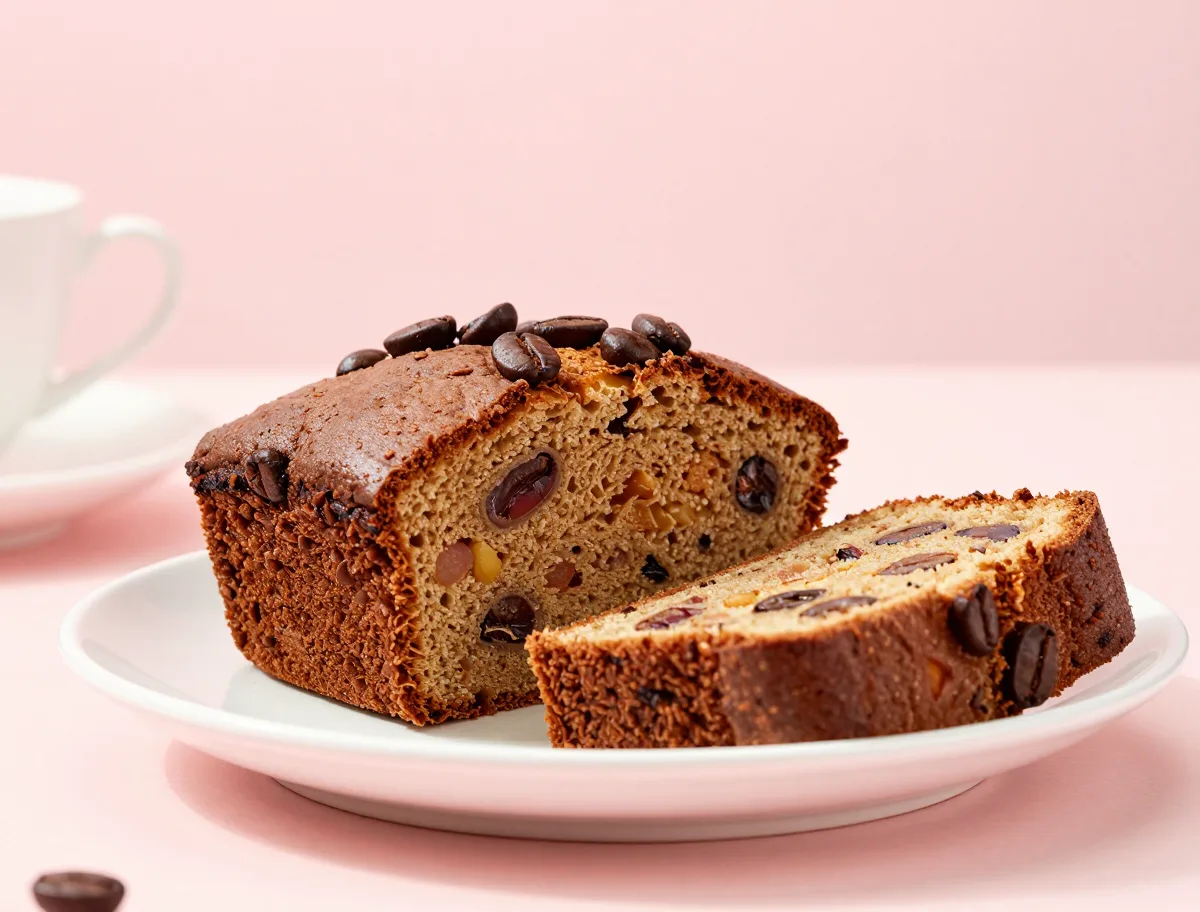
Serve the cooled loaf at room temperature, when its crumb is settled and the fruit slices cleanly. Its rich flavor needs little decoration: plain slices show the coffee and spice most clearly, while butter adds a simple, traditional-style richness.
- Serve with coffee, black tea, or lightly spiced chai.
- Spread individual slices with softened butter if the loaf has firmed slightly after storage.
- Pair with lightly sweetened whipped cream or a thin citrus glaze rather than a heavy frosting.
- To warm a slice, heat it briefly; prolonged heating can dry the crumb and toughen the fruit.
How to Store, Freeze and Rest the Loaf
This alcohol-free fruit cake benefits from a short rest: overnight storage allows moisture and spice flavor to settle, making the loaf easier to slice. Cool it completely before wrapping so condensation does not collect on the crust.
- At cool room temperature, keep the unfrosted loaf airtight for up to 3 to 4 days. Refrigerate it in hot or humid conditions.
- For longer storage, wrap the whole loaf or individual slices in a moisture-resistant layer, then a second outer layer, and freeze for up to 3 months for best home quality. For additional freezer-storage guidance, consult Illinois Extension’s freezer storage guidance.
- Thaw the cake while still wrapped at cool room temperature or in the refrigerator, then bring it to serving temperature.
- Warm only individual slices briefly. Reheating cannot reliably repair a severely underbaked center or an overbaked, dry loaf.
- Cream, custard, cream cheese, or fresh-fruit toppings shorten the storage window and require refrigeration.
Coffee Fruit Cake Recipe FAQs
These answers cover the choices most likely to affect the result: the form and strength of the coffee, fruit preparation, pan size, alcohol, and doneness.
What kind of coffee should I use?
Use strong, unsweetened brewed black coffee. It should taste full and roasted but not burnt or aggressively bitter. Instant coffee dissolved in a measured 240 ml of hot water is a suitable alternative.
Can I make this coffee fruit cake without alcohol?
Yes. This formulation is completely alcohol-free. Simmering the dried fruit in coffee softens it quickly, so no rum, brandy, or other alcohol is needed.
Should the dried fruit be soaked overnight?
Not for this method. A gentle five-minute simmer in the coffee mixture softens the fruit and provides a last-minute alternative to overnight soaking. Cool the mixture before adding the eggs and flour.
Why is my cake still wet in the middle?
The fruit may have retained extra liquid, the pan may be deeper than specified, or the cake may simply need more time. Continue baking under a loose foil tent in 10-minute increments until there is no raw batter in the center.
Can I use a different pan?
Yes, but baking time changes with batter depth. An 8-inch round pan generally cooks sooner than the loaf, while mini loaves cook much sooner. Begin checking early and rely on the center’s set texture rather than the clock alone.
Can I make the cake with only instant coffee?
Yes. Dissolve 2 teaspoons instant coffee in 1 cup (240 ml) hot water. Keep the total liquid at 240 ml; adding extra water or coffee can produce a gummy center.
When can I slice the cake?
Wait until it is completely cool, at least one hour after removing it from the pan. An overnight rest gives the neatest slices and allows the flavors to settle.
Why did the fruit sink?
Large pieces, excess surface moisture, or a batter that is too loose can pull fruit downward. Chop the fruit evenly, avoid adding leftover liquid, and fold it into the thick batter at the end.
The Mangalorean Christmas Context
This loaf is best described as a Mangalorean-context or Mangalorean-inspired coffee fruit cake. It sits alongside the region’s Catholic Christmas food traditions and the wider kuswar assortment, which may include plum cake among many sweets and savory dishes. Traditional Mangalorean-style plum cakes often use dried fruit, nuts, spices, and sometimes alcohol-soaked fruit; this coffee version is a quicker, alcohol-free adaptation rather than a single universally standardized form. For broader cultural context on Christmas food traditions in India, see this overview of Christmas food in India.
- Household fruit mixes and spice blends vary, so one fixed combination should not be treated as the only authentic version.
- The defining features here are brewed coffee, substantial dried fruit, warm spice, and a baked loaf structure.
- Coffee should not be presented as a universal or ancient ingredient in every Mangalorean Christmas plum cake.
- The quick simmering method makes this suitable for last-minute Christmas baking while retaining the festive fruitcake character.