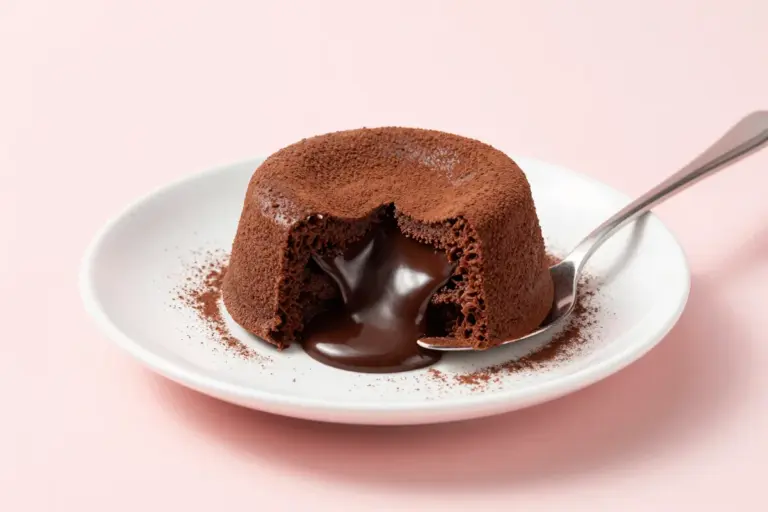
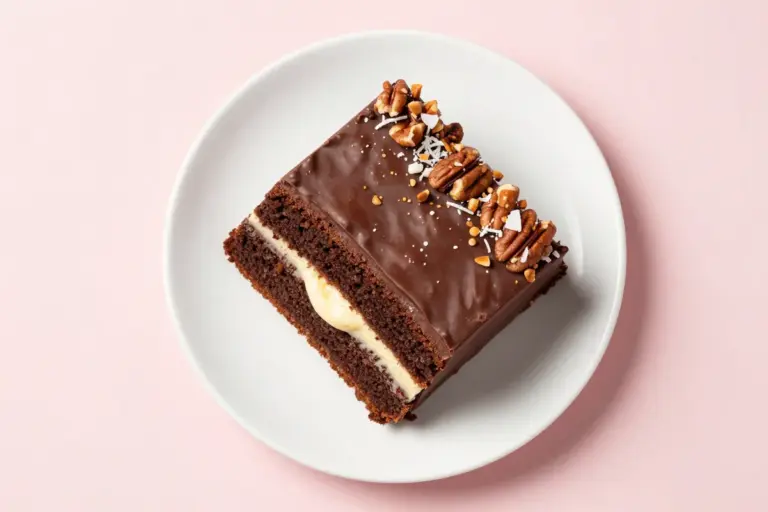
German Chocolate Cake Bars Recipe with Coconut-Pecan Topping
This German chocolate cake bars recipe makes tender, fudgy cake-mix-free squares with mild chocolate, a traditional cooked coconut-pecan topping, and clean-cut bakery-style edges.
What Kind of Dessert Are German Chocolate Cake Bars?
These are American-style cake bars: a single tender chocolate layer baked in a rectangular pan and finished with a substantial cooked coconut-pecan topping. They are related to German chocolate cake but are designed to be lifted, chilled, and cut into portable squares.
- Expect a mild, sweet chocolate flavor rather than a deeply bitter dark-chocolate profile.
- The topping should be chewy and spoonable, with enough structure to stay on each bar.
- Coconut and pecans define the German chocolate character; they are part of the dessert’s identity, not decorative extras.
Why the Chocolate Base and Coconut-Pecan Topping Work
The base balances flour, eggs, butter, chocolate, and buttermilk for a moist crumb that can support the topping without becoming heavy. German-style sweet chocolate keeps the flavor close to the classic cake while cocoa adds depth and color.
- Buttermilk contributes moisture and gentle acidity, helping the cake layer stay tender.
- Eggs give the base structure and help the yolk-based topping thicken as it cooks.
- Evaporated milk provides the concentrated dairy needed for a traditional custard-like topping; it should not be exchanged by volume with sweetened condensed milk.
- Sweetened coconut supplies chew and sweetness, while pecans add buttery flavor, aroma, and texture.
Ingredients
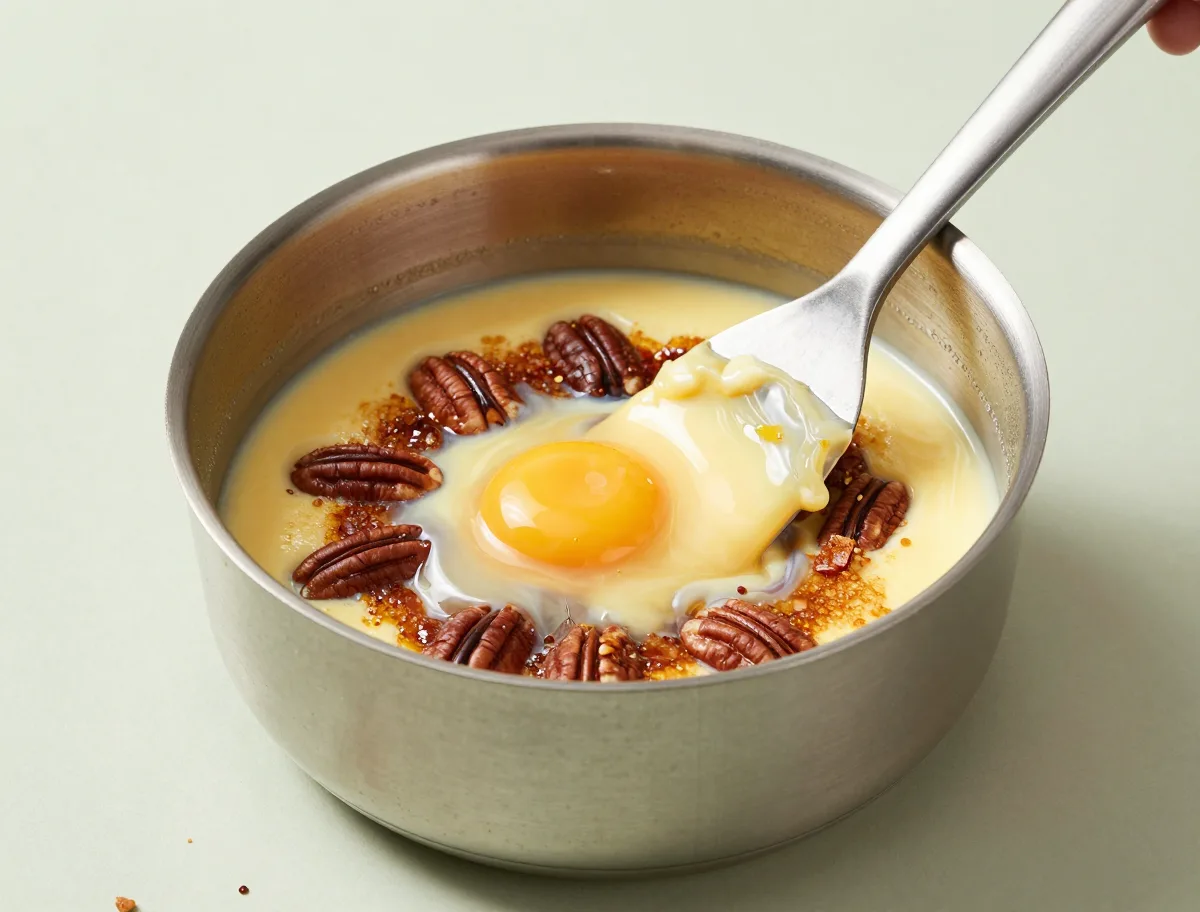
- 1 1/2 cups all-purpose flour
- 1/3 cup unsweetened cocoa powder
- 1 teaspoon baking powder
- 1/2 teaspoon fine salt
- 1/2 cup unsalted butter, melted and cooled slightly
- 1 cup granulated sugar
- 2 large eggs, at room temperature
- 3/4 cup buttermilk, at room temperature
- 1 teaspoon vanilla extract
- 3 ounces German-style sweet baking chocolate, finely chopped and melted
- 1 cup evaporated milk
- 4 large egg yolks
- 3/4 cup packed light brown sugar
- 6 tablespoons unsalted butter, cut into pieces
- 2 teaspoons vanilla extract
- 1 1/2 cups sweetened shredded coconut
- 1 cup pecans, finely chopped
How to Make German Chocolate Cake Bars
The recipe uses a from-scratch chocolate cake base and a separately cooked traditional topping. Baking the base first keeps the cake layer distinct, while cooking the topping before spreading gives it enough viscosity to set without requiring a long second bake.
- A parchment sling makes it possible to lift the cooled slab without cracking the tender base.
- Mix the batter only until the flour disappears; extended mixing can make the bars dense or chewy in the wrong way.
- Cook the topping gently and stir continuously. It should thicken noticeably but should not reach a vigorous boil.
- Spread the topping while warm, when it is most cooperative, then let cooling complete the setting process.
Instructions
- Prepare the pan: Heat the oven to 350°F (175°C). Line a 9-by-13-inch metal baking pan with parchment paper, leaving overhang on two sides, and lightly grease the exposed sides.
- Mix the dry ingredients: Whisk the flour, cocoa powder, baking powder, and salt in a medium bowl until evenly combined.
- Make the chocolate batter: In a large bowl, whisk the melted butter and granulated sugar until smooth. Whisk in the eggs one at a time, then whisk in 1 teaspoon vanilla and the melted chocolate. Add the dry mixture in two additions, alternating with the buttermilk, and stir just until no dry streaks remain.
- Bake the base: Spread the batter evenly in the prepared pan. Bake for 22 to 26 minutes, until the edges are set, the center springs back lightly, and a tester inserted into the chocolate base comes out with a few moist crumbs rather than liquid batter. Cool the pan on a rack while you make the topping; do not chill the base yet.
- Cook the coconut-pecan topping: While the base bakes, whisk the evaporated milk, egg yolks, brown sugar, and butter together in a heavy saucepan. Cook over medium-low heat, stirring constantly with a heatproof spatula, for 8 to 12 minutes, until the mixture thickly coats the spatula and a clean trail remains when you draw a finger through it. Do not let it boil.
- Finish the topping: Remove the saucepan from the heat and stir in the remaining 2 teaspoons vanilla, coconut, and pecans. Let the topping stand for 5 minutes; it should be thick and spoonable but still easy to spread.
- Layer and set: Spread the warm topping over the cooled chocolate base, reaching into the corners. Cool in the pan at room temperature for 45 to 60 minutes, then refrigerate for at least 1 hour, until the topping is firm and the slab feels cool throughout.
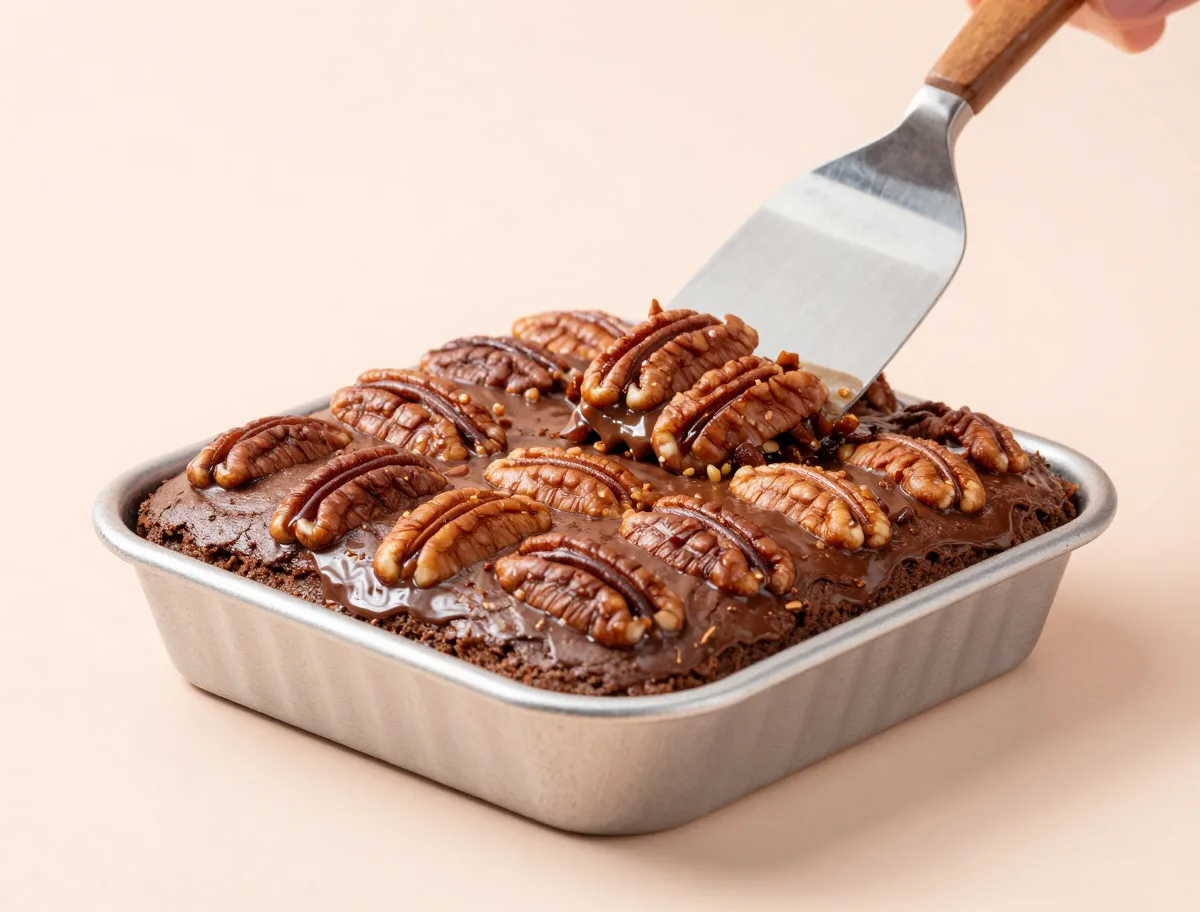
- Cut the bars: Use the parchment overhang to lift the slab onto a cutting board. With a sharp chef’s knife, cut into 24 bars, wiping the blade between cuts. For smaller buffet portions, cut the same slab into 36 squares.
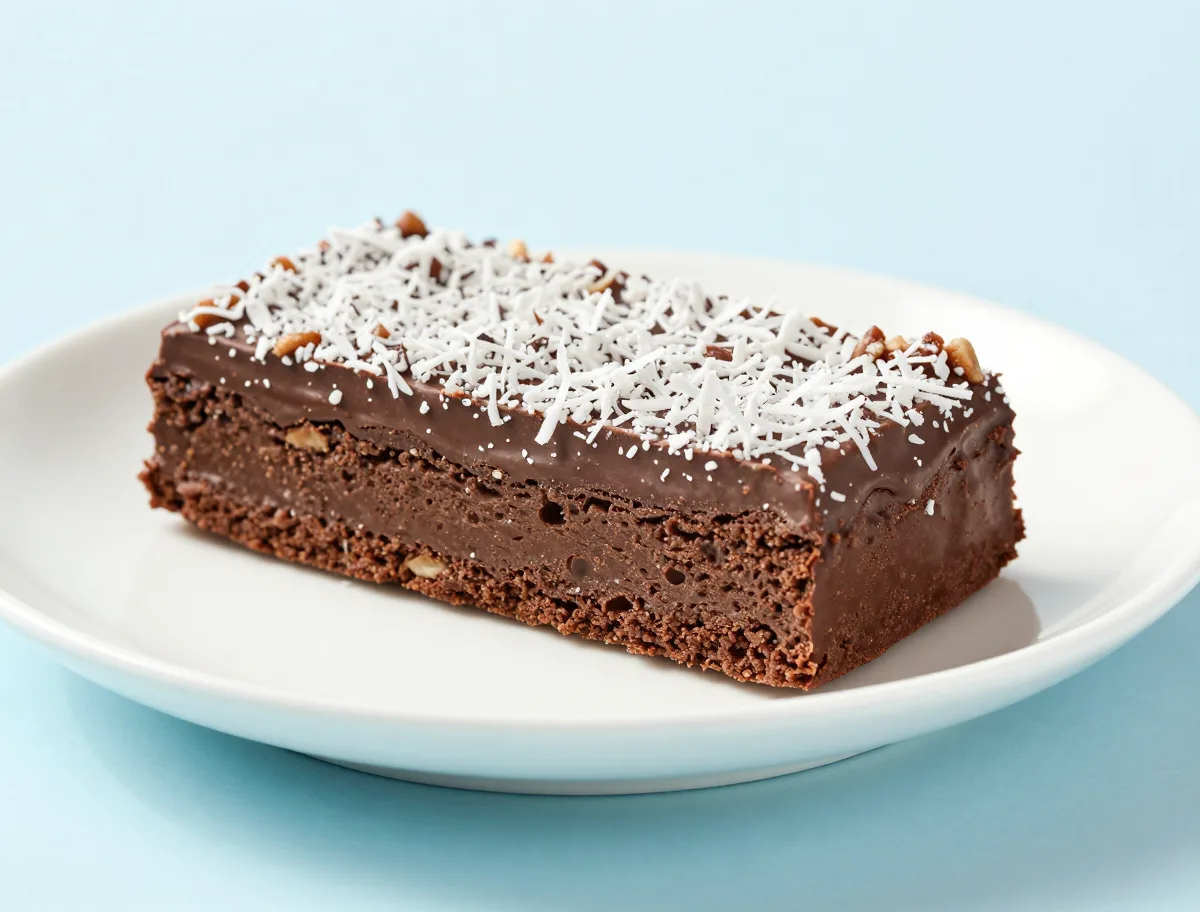
How to Tell When the Bars Are Done
A reliable result depends on stopping the bake while the base is still moist and stopping the topping’s stovetop cooking once it has thickened. Both layers firm as they cool, so a dry tester or stiff saucepan mixture is not the goal.
- The base is ready when the edges are set, the center springs back lightly, and a tester shows moist crumbs.
- The topping should visibly cling to a spatula and leave a trail that closes slowly.
- A freshly spread topping may look soft; after cooling and chilling, it should hold its shape when the bars are lifted.
- If the topping moves under the knife, chill the slab longer rather than baking the bars again.
Doneness Cues
- The chocolate base has set edges, a lightly springy center, and only moist crumbs on a tester.
- The cooked topping coats a spatula and holds a visible trail before the coconut and pecans are added.
- The finished topping is cohesive and spreadable, not watery, when it goes over the base.
- The bars are ready to cut when fully cool and chilled; the topping should feel firm rather than slide under the knife.
The Variables That Control Moisture and Set
Pan area, sugar concentration, and heat level have an unusually large effect on layered bars. The stated pan keeps the cake layer shallow enough to bake through before its edges dry, while the topping’s sugar and egg proteins provide structure as it cools.
- A smaller pan makes a deeper layer, which increases the risk of an underbaked center and changes the timing.
- Sugar keeps the cake tender but also encourages the topping to brown quickly, so moderate heat matters.
- Boiling the yolk mixture can make it grainy or curdled; gentle heat and constant stirring produce a smoother topping.
- Cooling firms butter, concentrated dairy solids, starches, and cooked egg proteins, which is why slicing immediately gives a misleadingly soft result.
For additional guidance when adapting the recipe to a different pan, see King Arthur Baking’s guide to alternative baking pan sizes.
Common German Chocolate Bar Problems and Fixes
Most failures come from a pan-size mismatch, an overcooked or undercooked topping, or cutting before the slab has set. Use the visual cues in the recipe rather than extending the bake simply because the topping remains soft while hot.
- Wet center with hard edges: check that the pan is truly 9 by 13 inches and that the oven is accurate. Continue baking in short increments only if the cake center still contains liquid batter.
- Runny topping: it was likely removed before thickening, made with the wrong dairy product, or spread while excessively loose. A fully cooked but soft slab may firm in the refrigerator; excess liquid cannot be repaired by chilling alone.
- Grainy topping: the egg mixture was overheated or allowed to boil. This is difficult to rescue, so use medium-low heat and keep stirring.
- Dark topping before the base is ready: move the pan to a lower rack and tent loosely with foil if needed. A dark metal pan may brown faster than a light one.
- Crumbly or smeared cuts: cool completely, chill for at least an hour, and use a sharp knife wiped clean between portions.
- Sticking: line the base and lightly grease the exposed sides; do not attempt to lift the slab while the topping is still warm.
Ingredient Substitutions for German Chocolate Bars
Several substitutions work, but they change the flavor or texture. Preserve the coconut-pecan topping whenever possible; without it, the dessert becomes a general chocolate bar rather than a German chocolate variation.
- Use semisweet chocolate for the German-style chocolate, but expect a darker and less sweet flavor.
- Walnuts can replace pecans in the same amount. They work structurally but taste less buttery and traditional.
- Unsweetened coconut can replace sweetened coconut, though the topping will be less sweet and may be drier. Avoid changing the coconut type and the dairy at the same time.
- A tested gluten-free chocolate cake formula or gluten-free cake mix is safer than replacing the flour with an untested blend.
- Oil can replace butter in the cake layer, but the bars will have less buttery flavor and may be softer when warm.
- Do not replace the evaporated milk with condensed milk in this formula. A condensed-milk topping requires its own sugar and liquid balance.
Ways to Vary the Chocolate Cake Bar Base
The defining combination is chocolate, coconut, and pecan, so variations should build around that trio rather than replace it. This from-scratch cake base can be adapted in style, but each change creates a different texture.
- For a shortcut version, use a chocolate cake-mix bar formula specifically designed for a 9-by-13-inch pan rather than preparing the mix according to standard cake directions.
- A brownie base creates denser, fudgier bars and may need a different baking time; it should still be fully set before the topping is added.
- A cookie-style crust gives firmer edges and more chew, and it may benefit from par-baking before a wet topping is applied.
- A small amount of caramel or chocolate chips can be added as an accent, but too much sweetness can overwhelm the coconut-pecan layer.
- Condensed-milk and cream-cheese toppings are modern adaptations, not the traditional cooked German chocolate topping used here.
How to Store, Freeze, and Make German Chocolate Cake Bars Ahead
The cooked topping contains egg and dairy, so storage is important as well as useful for texture. Refrigeration firms the bars and makes them easier to transport, while a short rest at room temperature softens the bite without requiring reheating.
- Cool the bars, cover them, and refrigerate within 2 hours. Keep the refrigerator at 40°F (4°C) or colder.
- Refrigerated bars are best within 3 to 4 days. Store them in a tightly covered container so the coconut topping does not absorb refrigerator odors.
- For make-ahead preparation, refrigerate the finished slab overnight and cut it the next day.
- To freeze, wrap the fully cooled slab or individual bars tightly, add an outer freezer layer, and freeze at 0°F (-18°C) for up to 2 months for best texture.
- Thaw covered in the refrigerator overnight. Do not microwave; heat can loosen the sugary topping. Let portions stand briefly before serving.
For more information about safe refrigeration and freezing practices, consult the FDA’s food-storage guidance.
German Chocolate Cake Bars: Your Questions Answered
These answers cover the practical choices that most affect thickness, texture, topping consistency, and clean slicing.
Are these cake bars, cookie bars, or brownies?
They are tender cake bars with a cooked coconut-pecan topping. They are moister and lighter than a brownie and softer than a cookie-style cake-mix bar.
Does this recipe use cake mix?
No. This version uses a from-scratch chocolate cake base. A cake mix can be used for a separate shortcut adaptation, but standard package directions are too loose to substitute directly into this formula.
Do I need to par-bake the base?
No. This cake-style base is baked fully before the cooked topping is spread over it. Par-baking is more useful for sturdy cookie or shortbread crusts.
Why is the topping cooked on the stove?
The evaporated milk, egg yolks, sugar, and butter need to thicken into a custard-like mixture before the coconut and pecans are added. This produces the traditional spoonable topping rather than a loose liquid layer.
Can I use an 8-by-8 or 9-by-9-inch pan?
Yes, but the bars will be considerably thicker and will need a longer, more closely monitored bake. For a result closer to the intended thickness, scale the formula down rather than transferring the full batch.
How many pieces does a 9-by-13-inch pan make?
Cut the slab into 24 generous dessert bars or 36 smaller squares. A 6-by-8 grid makes 24 portions; a 6-by-6 grid makes 36.
How long should the bars cool before cutting?
Cool them in the pan for 45 to 60 minutes, then refrigerate for at least 1 hour. Chilling is especially important for a clean cut through the sticky coconut-pecan layer.
Can I use sweetened condensed milk instead of evaporated milk?
Not in equal volume. Condensed milk contains substantially more sugar and less water, so it needs a separately formulated topping and will produce a sweeter, denser result.
Can the bars be frozen?
Yes. Freeze the cooled slab or individually wrapped bars, then thaw them covered in the refrigerator. The topping may be slightly softer after thawing, but the bars remain suitable for make-ahead dessert trays.
Why German Chocolate Cake Is an American Classic
Despite its name, German chocolate cake is an American dessert. The name refers to Samuel German, associated with the sweet baking chocolate that inspired the cake’s mild chocolate profile, rather than to the country of Germany.
- The style became widely known after a mid-century American newspaper publication helped popularize the cake.
- The traditional hallmark is a cooked coconut-pecan topping made with egg yolks, evaporated milk, sugar, and butter.
- These bars are a convenient adaptation of that cake: they preserve the signature flavor pairing while changing the layered presentation into a single pan of portable squares.
- Cake-mix, condensed-milk, brownie, caramel, and cream-cheese versions can be delicious adaptations, but they should not be confused with the classic cooked topping.
Recipe Notes
- These are cake bars, not layered cake slices or brownies: the base is tender and moist, while the topping is chewy, nutty, and lightly custardy.
- The topping uses the traditional evaporated-milk and egg-yolk method. Sweetened condensed milk is not a one-for-one substitute here.
- For the cleanest cuts, chill the slab before slicing. Allow individual bars to stand at room temperature briefly if you prefer a softer texture.
- A 9-by-9-inch pan can be used for thicker bars, but the center will need additional baking time and should be checked carefully. Do not rely on the original timing.
- For a half-sheet pan, increase the recipe by about 50 percent rather than doubling it, and expect a shorter bake because the layers are shallower.