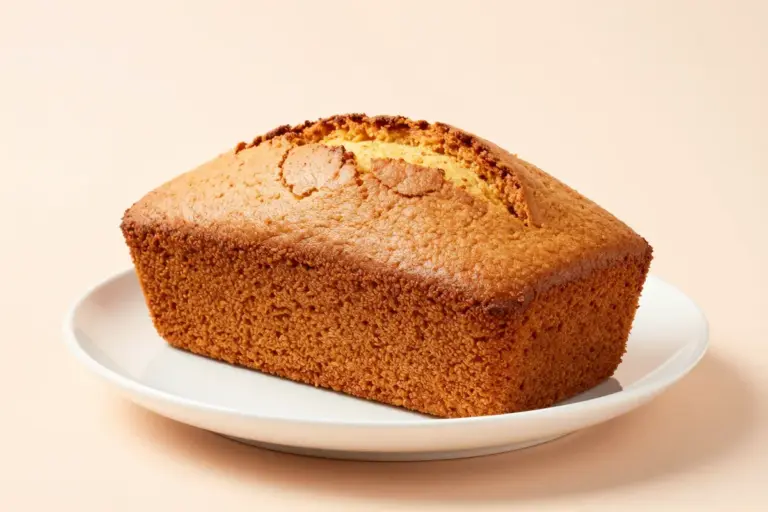
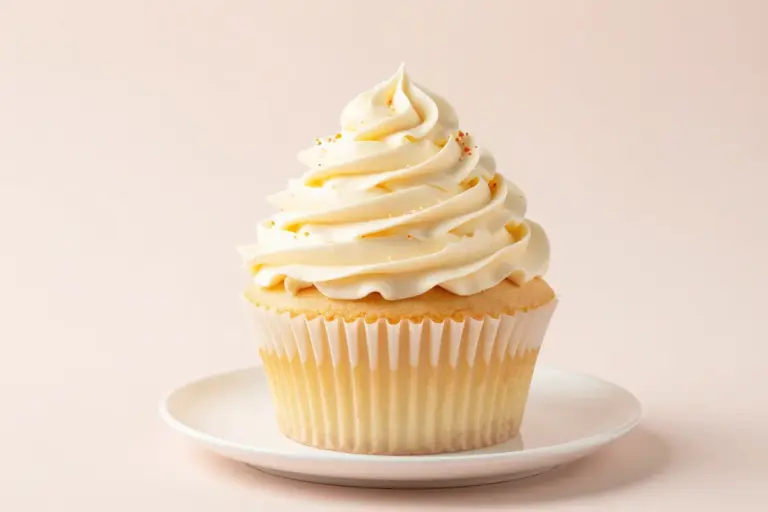
Moist Carrot Cake Recipe Using Buttermilk
This dependable carrot cake recipe using buttermilk bakes into a tender, moist sheet cake with warm spice, fresh carrot flavor, and a smooth cream cheese frosting.
For anyone looking for a moist buttermilk carrot cake, this dependable 9-by-13-inch version delivers a soft, sliceable crumb with gentle tang and classic cream cheese frosting.
What to Expect from This Buttermilk Carrot Cake
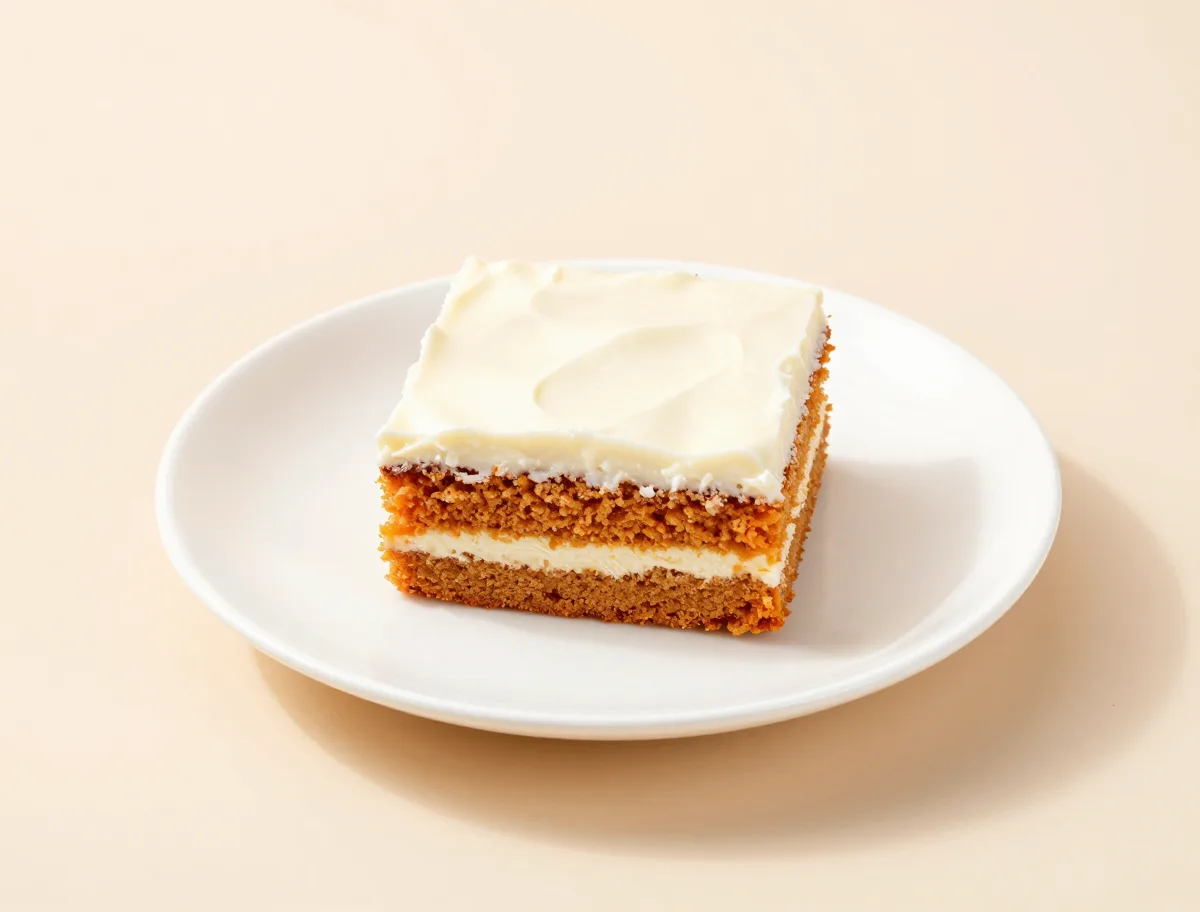
This is a soft but sliceable carrot sheet cake with visible carrot strands, a gentle cinnamon-ginger profile, and a lightly tangy crumb. Buttermilk is mixed into the batter rather than reserved only for a topping, so it contributes both flavor and tenderness.
- The crumb should feel moist and supple, never wet or pudding-like.
- Cream cheese frosting is the primary finish; a buttermilk glaze is a separate, sweeter variation.
- The 9-by-13-inch format keeps the batter at a forgiving depth and makes the cake easy to frost and portion.
Why the Key Ingredients Matter
Neutral oil keeps the cake tender even after refrigeration, while eggs and flour provide the structure needed to support moisture-rich carrots. Brown sugar adds depth and helps retain moisture, and cultured buttermilk brings acidity, liquid, and a subtle tang that balances the sweetness.
- Freshly grated carrots provide flavor and moisture without turning the batter into a purée.
- Baking soda works with the buttermilk, while baking powder adds a second source of lift.
- Warm spices are deliberately restrained so the carrot remains noticeable.
- Optional pineapple increases moisture and sweetness; raisins add chew, coconut adds texture, and nuts add richness and crunch.
Ingredients
- 2 1/2 cups all-purpose flour, spooned and leveled
- 1 teaspoon baking soda
- 1 teaspoon baking powder
- 2 teaspoons ground cinnamon
- 1/2 teaspoon ground ginger
- 1/4 teaspoon ground nutmeg
- 3/4 teaspoon fine salt
- 1 1/4 cups packed light brown sugar
- 1/2 cup granulated sugar
- 3/4 cup neutral vegetable oil
- 3 large eggs, at room temperature
- 1 cup cultured buttermilk, at room temperature
- 2 teaspoons vanilla extract
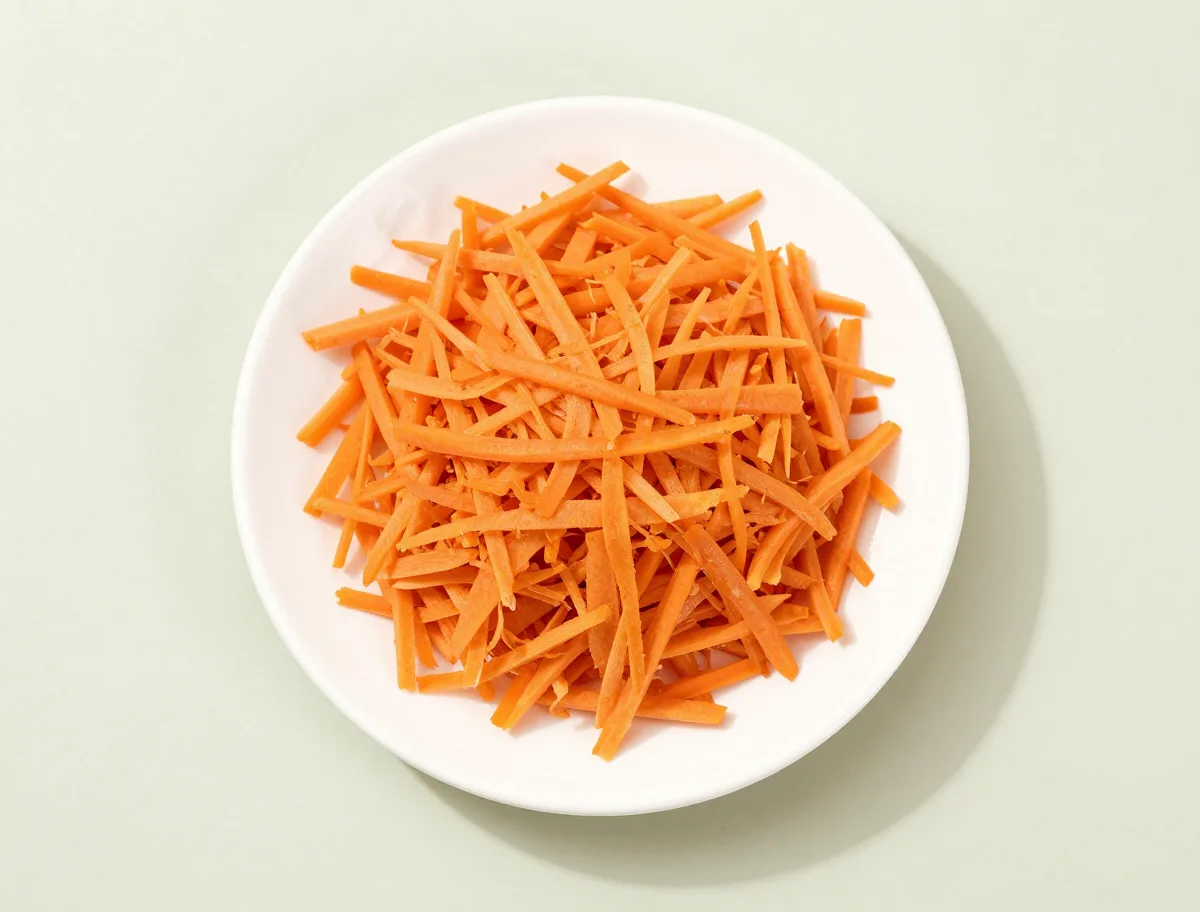
- 3 cups fresh carrots, peeled and finely to medium grated
- 1 cup crushed pineapple, well drained (optional)
- 1/2 cup raisins (optional)
- 3/4 cup chopped walnuts or pecans (optional)
- 1/2 cup unsweetened shredded coconut (optional)
- 8 ounces full-fat cream cheese, softened
- 1/2 cup unsalted butter, softened
- 2 1/2 cups confectioners’ sugar, sifted
- 1 teaspoon vanilla extract
- 1/8 teaspoon fine salt
How to Make the Cake Successfully
Grate the carrots on the fine-to-medium side of a box grater so they distribute evenly while remaining recognizable in the finished cake. Do not squeeze them dry. Measure flour by weight when possible, or spoon it into measuring cups and level it rather than scooping directly from the bag.
- Whisk the dry ingredients thoroughly before they meet the wet ingredients.
- Combine the batter only until no dry flour remains; excess mixing can make the crumb firm.
- Fold carrots and optional inclusions in at the end to avoid breaking them down.
- Bake promptly after mixing because the buttermilk and baking soda begin reacting as soon as the batter is hydrated.
- Cool the cake fully before applying cream cheese frosting.
Instructions
- Prepare the pan and oven: Heat the oven to 350°F (175°C). Grease a 9-by-13-inch metal baking pan and line the bottom with parchment, leaving a little overhang if you want to lift out the cooled cake.
- Combine the dry ingredients: In a medium bowl, whisk together the flour, baking soda, baking powder, cinnamon, ginger, nutmeg, and salt until evenly blended.
- Mix the wet ingredients: In a large bowl, whisk the brown sugar, granulated sugar, oil, eggs, buttermilk, and 2 teaspoons vanilla extract until smooth and uniform.
- Finish the batter: Add the dry mixture to the wet mixture and fold just until a few streaks of flour remain. Fold in the grated carrots. If using them, fold in the drained pineapple, raisins, chopped walnuts or pecans, and shredded coconut. Do not continue mixing once the flour disappears.
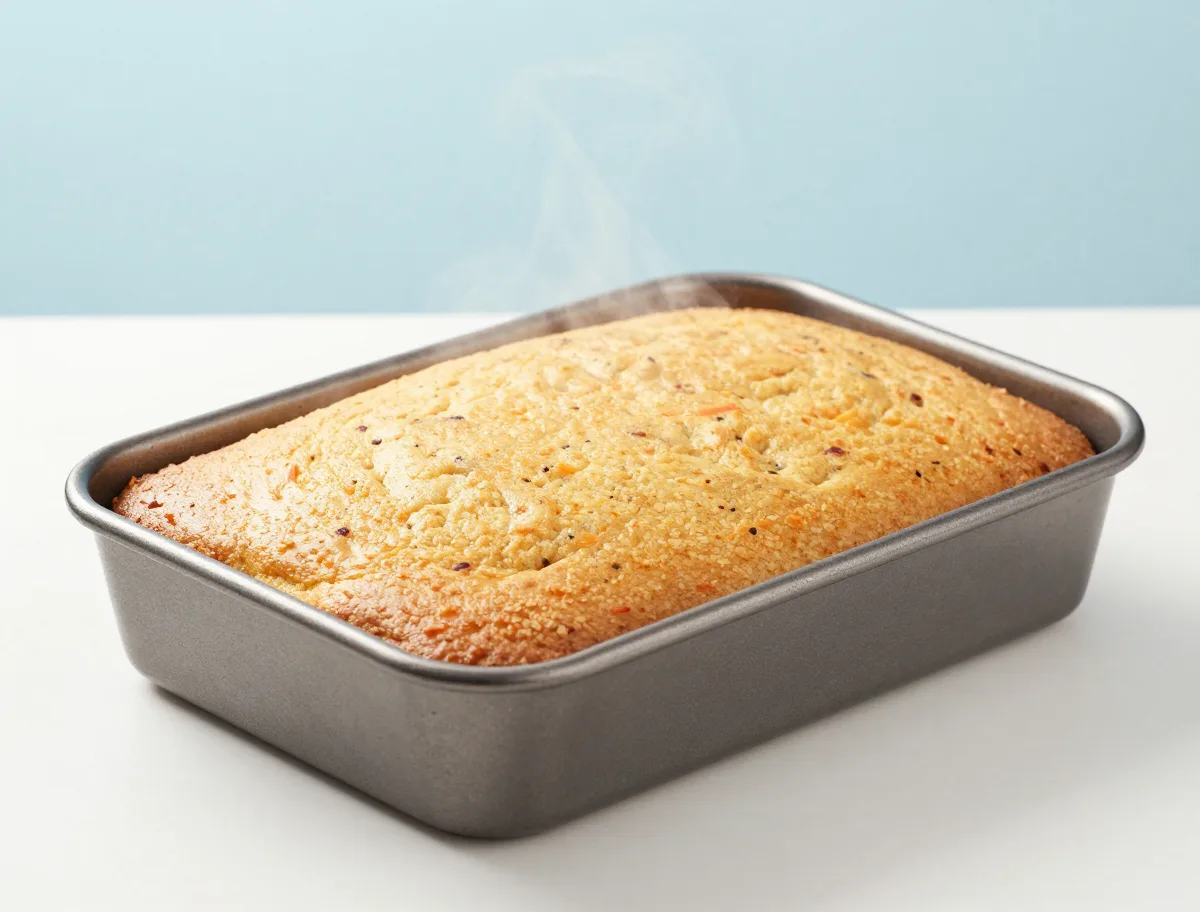
- Bake the cake: Scrape the batter into the prepared pan and spread it level. Bake immediately for 35 to 42 minutes, rotating the pan once if your oven heats unevenly. The center should spring back lightly, the edges should pull away slightly, and a tester inserted in the center should show moist crumbs but no wet batter.
- Cool completely: Set the pan on a rack and cool for 20 minutes. Lift the cake out using the parchment, if desired, and cool completely before frosting, about 40 more minutes. A warm cake will soften the frosting and make it slide.
- Make the frosting: Beat the softened cream cheese and butter on medium speed until smooth. Add the sifted confectioners’ sugar gradually, then beat in the remaining 1 teaspoon vanilla extract and the 1/8 teaspoon salt. Stop mixing as soon as the frosting is smooth; overbeating can make it loose.
- Frost and serve: Spread the frosting evenly over the completely cooled cake. For the cleanest slices, chill the frosted cake for 30 minutes, then let it stand at room temperature for 15 to 20 minutes before cutting with a sharp knife.
How to Tell When Carrot Cake Is Done
Carrot cake should retain moisture, so do not wait for a tester to come out bone-dry. The reliable target is a set, springy center with a few moist crumbs and no streak of raw batter.
- A slight pull at the edges is a useful secondary sign.
- The center should not wobble when the pan is gently nudged.
- A tester can catch carrot or fruit, so judge its texture along with the cake’s spring-back.
- If the edges are dry while the center is wet, check the pan size and oven accuracy before simply extending the bake.
Additional Doneness Cues
- The center is set and springs back gently when pressed.
- The edges pull away from the pan slightly.
- A tester shows moist crumbs, not liquid batter.
- The cake has no gummy or visibly wet strip in the center.
For additional practical guidance on spring-back, edge pull, and tester results, see King Arthur Baking’s guide to telling when cake is done.
The Baking Science Behind a Tender Crumb
Buttermilk supplies acidity for the baking soda, producing bubbles that help lift the batter. Flour, eggs, and heat must set that aerated batter before the moisture from carrots and optional fruit makes the center too soft. Oil coats some of the flour proteins and helps keep the crumb tender, while sugar holds onto water and slows firming.
- Too much baking soda can create an alkaline taste and excessive browning, so it is balanced with baking powder rather than used in a large quantity.
- More moisture does not automatically mean a better cake; excess fruit liquid or an overfilled pan can leave a gummy center.
- Minimal mixing protects tenderness, but the batter still needs to be uniform with no pockets of flour or leavener.
Common Carrot Cake Mistakes and How to Avoid Them
Most texture problems come from an imbalance between moisture, structure, and baking time. Accurate measurements and a correctly sized pan prevent more trouble than trying to rescue a cake after it has cooled.
- Dense or gummy center: Usually means underbaking, too much wet fruit, an overfilled pan, or excess flour. Use drained pineapple, measure flour carefully, and bake until the center is set.
- Sinking: Often follows an underbaked center, too much liquid, or heavy additions. Avoid opening the oven early and keep optional inclusions controlled.
- Dry edges with a wet middle: The oven may run hot or the batter may be too deep. Check the oven temperature and pan dimensions.
- Loose frosting: Chill the frosting and cake before spreading. If it is still soft, add a small amount of confectioners’ sugar rather than beating it extensively.
- Uneven add-ins: Chop nuts consistently, drain pineapple thoroughly, and fold everything gently but evenly.
Buttermilk Substitutions and Optional Ingredient Swaps
The safest substitutions preserve the batter’s acidity and liquid balance. Plain milk is not an equivalent replacement for buttermilk in this formula because it will not interact with the baking soda in the same way.
- For 1 cup buttermilk, combine 1 cup milk with 1 tablespoon lemon juice or vinegar and let it stand for 5 minutes. The result will be thinner and less cultured in flavor, but it is a practical backup.
- Alternatively, use about 3/4 cup plain yogurt loosened with 1/4 cup milk.
- Nuts, raisins, and coconut can be omitted without replacement.
- Pineapple can be omitted, but do not replace it with an equal volume of another wet ingredient without reformulating the cake.
- Butter can replace some of the oil for flavor, but the cake will become firmer when chilled.
Sheet Cake, Layer Cake, and Finish Variations
The sheet cake is the most forgiving expression of this recipe, particularly when optional fruit, coconut, or nuts are included. The same batter can become a layer cake, but the shallower individual pans bake faster and require complete cooling before assembly.
- For two 9-inch layers, divide the batter evenly and begin checking after about 25 minutes.
- A buttermilk glaze can replace the cream cheese frosting for a sweeter, more caramel-like finish; pour it over a warm cake so it can absorb and set.
- Using both a substantial glaze and cream cheese frosting makes a much richer dessert and can soften the crumb excessively.
- Pineapple, coconut, raisins, and walnuts or pecans are established variations, not required ingredients.
How to Serve Buttermilk Carrot Cake
Brief chilling firms the frosting and gives clean slices, while a short rest at room temperature brings back the cake’s soft texture and lets the spices become more aromatic. Wipe the knife between cuts for neat portions.
- Serve with coffee, black tea, chai, or an unsweetened dairy drink to balance the sweetness.
- If nuts are included, a small sprinkle of toasted nuts makes a fitting garnish.
- A light dusting of cinnamon is enough decoration; the cake does not need a heavy topping.
- Glaze-only cake is best served cool or at room temperature, while cream cheese-frosted cake should remain refrigerated until serving.
How to Store, Freeze and Make This Cake Ahead
The unfrosted cake can be prepared a day ahead, wrapped once fully cool, and frosted later. Cream cheese frosting changes the storage requirements: keep the finished cake covered and refrigerated at 40°F or below.
- Use cream cheese-frosted cake within 3 to 4 days for a conservative quality and safety window.
- Do not seal the cake while it is hot, since trapped condensation can soften the surface.
- Freeze the unfrosted, fully cooled cake in tightly wrapped slices or layers. Thaw it in the refrigerator, then frost after thawing when possible.
- Frozen cream cheese frosting may become softer or slightly weepy after thawing.
- Do not reheat frosted cake. Let it temper in the refrigerator or briefly before serving.
- Return perishable frosted cake to refrigeration within 2 hours, or within 1 hour when temperatures exceed 90°F.
Buttermilk Carrot Cake Questions, Answered
These are the practical decisions that most affect the cake’s flavor, texture, and handling.
Does the buttermilk go in the cake batter or the glaze?
In this recipe, buttermilk goes in the batter and is therefore part of the cake’s structure, tang, and tenderness. A buttermilk glaze is an optional alternative finish, not a requirement.
Should the carrots be finely grated or coarsely shredded?
Use the fine-to-medium side of a box grater. Very large shreds can remain firm and distribute unevenly, while a purée adds too much uncontrolled moisture.
Are pineapple, coconut, raisins, or nuts essential?
No. They are optional style choices. Omit them for a simpler carrot-forward cake, or use no more than two options at once for a balanced crumb. Always drain pineapple well.
Can I bake this as a layer cake?
Yes. Divide the batter between two greased and parchment-lined 9-inch round pans and begin checking at about 25 minutes. Cool completely before filling or frosting.
How do I keep carrot cake moist without making it gummy?
Measure the flour accurately, keep wet additions controlled, mix only until combined, and bake until the center is set. Adding more oil, buttermilk, or fruit is not a reliable way to improve moisture.
Can I use plain milk instead of buttermilk?
Not without changing the formula. Use acidified milk or yogurt thinned with milk so the batter retains comparable acidity.
Why must the cake cool before frosting?
Warm cake softens cream cheese frosting and can cause it to slide or melt into the crumb. Cool the cake completely, then chill it briefly if you want especially clean slices.
Food Safety for Cream Cheese-Frosted Carrot Cake
The baked cake contains eggs and dairy, and the cream cheese frosting is perishable. Cool the cake promptly on a rack, then refrigerate the assembled cake rather than leaving it out overnight.
- Keep the refrigerator at 40°F or below.
- Refrigerate cream cheese-frosted cake within 2 hours of preparation or serving, or within 1 hour when the ambient temperature is above 90°F.
- Use properly refrigerated eggs, buttermilk, cream cheese, and butter, and avoid cross-contamination during preparation.
- A moist crumb is fine, but the center must contain no wet batter.
- Discard cake that has remained above safe holding temperatures beyond the recommended time; chilling later does not reliably make it safe.
For additional guidance on refrigeration at 40°F or below and the two-hour, one-hour-in-heat rule, consult the USDA’s safe food-handling guidance.