Giant Cupcake Cake Recipe with Vanilla Buttercream
This giant cupcake cake recipe makes a moist, sturdy vanilla cake in a two-piece giant cupcake pan, then finishes it with a firm buttercream filling and tall piped swirl for a party-ready centerpiece.
What Makes a Successful Giant Cupcake Cake
A giant cupcake cake is built from two distinct pieces: a tapered, ridged lower section that suggests the wrapper and a rounded upper section that becomes the cake top. The finished cake should be moist and tender, but firm enough to unmold, trim, support the dome, and carry a generous buttercream swirl.
- The lower half should show clean vertical ridges rather than a smooth or torn surface.
- The upper half should be rounded and broad enough to support a tall spiral of frosting.
- A level join and firm buttercream are structural elements, not merely finishing details.
Why This Vanilla Giant Cupcake Holds Its Shape
The cake uses an enriched butter batter rather than a fragile sponge. All-purpose flour and eggs provide the framework needed for release and assembly, while butter, sugar, milk, and sour cream keep the crumb moist and tender. Creaming the butter and sugar supplies lift without making the cake too delicate for the detailed mould.
- Sour cream adds moisture and tenderness while helping prevent a dry edge around the deep cavities.
- Room-temperature eggs and dairy blend more smoothly into the creamed butter, reducing the chance of a curdled batter.
- American buttercream is deliberately firm: it acts as the adhesive between the halves and retains the shape of the piped crown.
Ingredients
- 1 tablespoon unsalted butter, softened, for greasing the pan
- 2 tablespoons all-purpose flour, for dusting the pan
- 2 3/4 cups all-purpose flour
- 2 teaspoons baking powder
- 1/2 teaspoon fine salt
- 12 tablespoons unsalted butter, softened
- 1 1/2 cups granulated sugar
- 4 large eggs, at room temperature
- 2 teaspoons pure vanilla extract
- 3/4 cup whole milk, at room temperature
- 1/2 cup full-fat sour cream, at room temperature
- 1 1/2 cups unsalted butter, softened, for buttercream
- 5 cups confectioners’ sugar, sifted
- 2 teaspoons pure vanilla extract, for buttercream
- 2 tablespoons whole milk, for buttercream
- 1/4 teaspoon fine salt, for buttercream
- Sprinkles, as needed, for decorating (optional)
How to Bake and Assemble the Giant Cupcake
Careful preparation matters most in the pan’s grooves and at the flat surfaces where the two cake sections meet. Coat every ridge, measure batter into the separate cavities, and use the thickest point—not surface color—as the guide for baking. Once fully cool, trim conservatively; removing too much cake can make the dome unstable.
- For the common 6-cup pan used here, begin with approximately 3 1/2 cups in the ridged base and 2 1/2 cups in the dome.
- Keep batter below the rim so rising cake does not erase the wrapper detail or fuse to the pan.
- Use only a thin layer of buttercream between the halves; excess soft frosting can make the heavy dome slide.
- Pipe from the bottom of the dome upward to create a stable cupcake silhouette.
For additional manufacturer guidance on pan preparation, approximate capacity, batter allocation, baking, cooling, and decorating, see Wilton’s giant cupcake cake guide.
Equipment
- Two-piece giant cupcake pan with approximately 6-cup capacity
- Sturdy rimmed sheet pan
- Pastry brush
- Electric mixer
- Mixing bowls
- Wire cooling rack
- Serrated knife or cake leveler
- Cake board or serving plate
- Piping bag
- Large open-star or closed-star piping tip
- Prepare the pan. Heat the oven to 325°F (160°C). Thoroughly brush the softened butter into every groove, corner, and ridge of both halves of a common approximately 6-cup, two-piece giant cupcake pan. Dust with the 2 tablespoons flour, tapping out the excess. Set the pan halves on a sturdy sheet pan for easier handling.
- Combine the dry ingredients. Whisk the 2 3/4 cups flour, baking powder, and 1/2 teaspoon salt in a medium bowl.
- Build the cake batter. Beat the 12 tablespoons softened butter and granulated sugar on medium speed for 3 to 4 minutes, until pale and fluffy. Beat in the eggs one at a time, scraping the bowl after each addition, then mix in 2 teaspoons vanilla. Add the dry mixture in three additions, alternating with the milk and sour cream in two additions. Mix on low only until the batter is smooth; do not continue beating once the flour disappears.
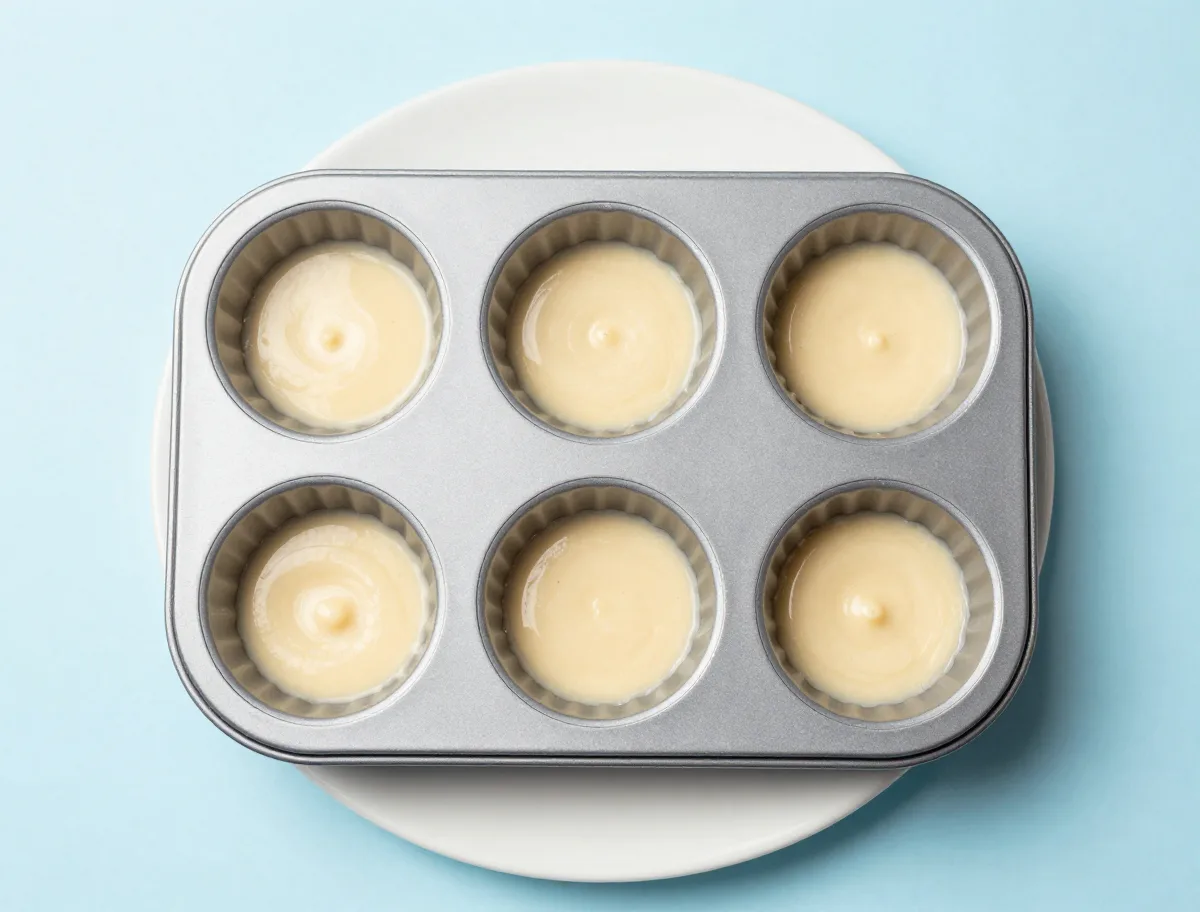
- Fill the two cavities. Transfer about 3 1/2 cups of batter to the lower, ridged wrapper cavity and about 2 1/2 cups to the upper dome cavity. Spread the batter evenly, keeping it at least 1/2 inch below each rim. If your pan is a different size, follow its capacity instructions rather than filling by these volumes.
- Bake until the centers are set. Bake both pan halves on the sheet pan for 50 to 65 minutes, checking each piece separately. If the dome is deeply golden before its center is baked, tent it loosely with foil. The cakes are ready when their surfaces spring back lightly and a skewer inserted into the deepest area comes out clean or with a few moist crumbs, never wet batter.
- Cool and release. Cool the cakes in their cavities for 10 minutes. Carefully invert each half onto a wire rack and let it cool completely, about 60 minutes. If either piece feels fragile, chill it for 20 minutes before trimming. Release the ridged base slowly; do not pull or pry while the cake is warm.
- Make the buttercream. Beat the 1 1/2 cups butter on medium speed for 2 minutes. Gradually add the confectioners’ sugar and 1/4 teaspoon salt on low speed, then beat on medium for 3 minutes. Add 2 teaspoons vanilla and 2 tablespoons milk; beat for 1 to 2 minutes more, until smooth and firm enough to hold a defined peak. If it feels loose, chill it for 10 minutes and beat again.
- Level and join the cake. Using a serrated knife, trim only the raised excess from the broad mating face of each cake half. Work in small passes until both faces are flat and sit together without rocking. Place the ridged base on a cake board or serving plate, spread a thin layer of buttercream over its cut face, and set the dome on top. Align the edges and chill for 15 minutes if the pieces shift.
- Pipe the cupcake swirl. Fit a piping bag with a large open-star or closed-star tip and fill it with the remaining buttercream. Starting at the bottom edge of the dome, pipe a continuous spiral upward, overlapping slightly to create a tall cupcake-like crown. Finish with a small peak and add sprinkles while the buttercream is still soft.
How to Tell When a Giant Cupcake Is Done
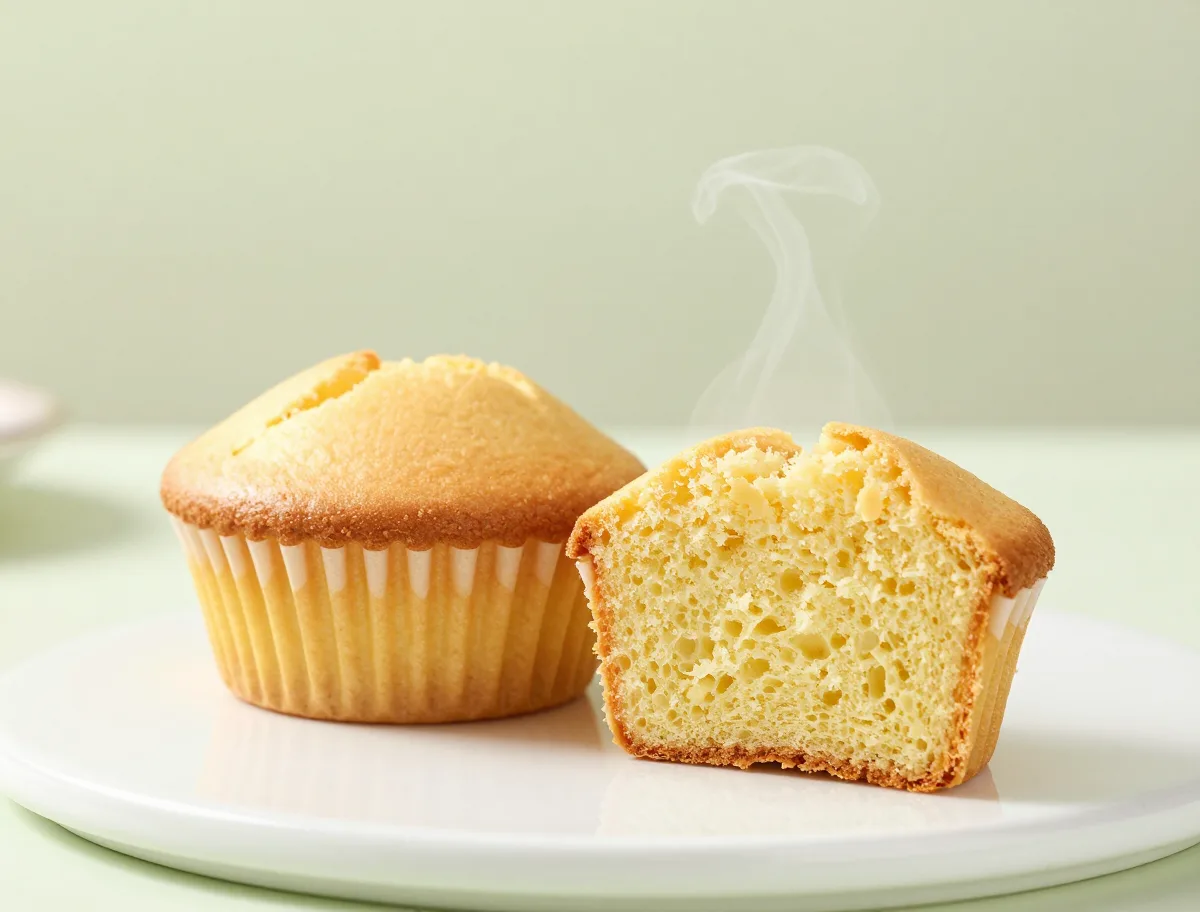
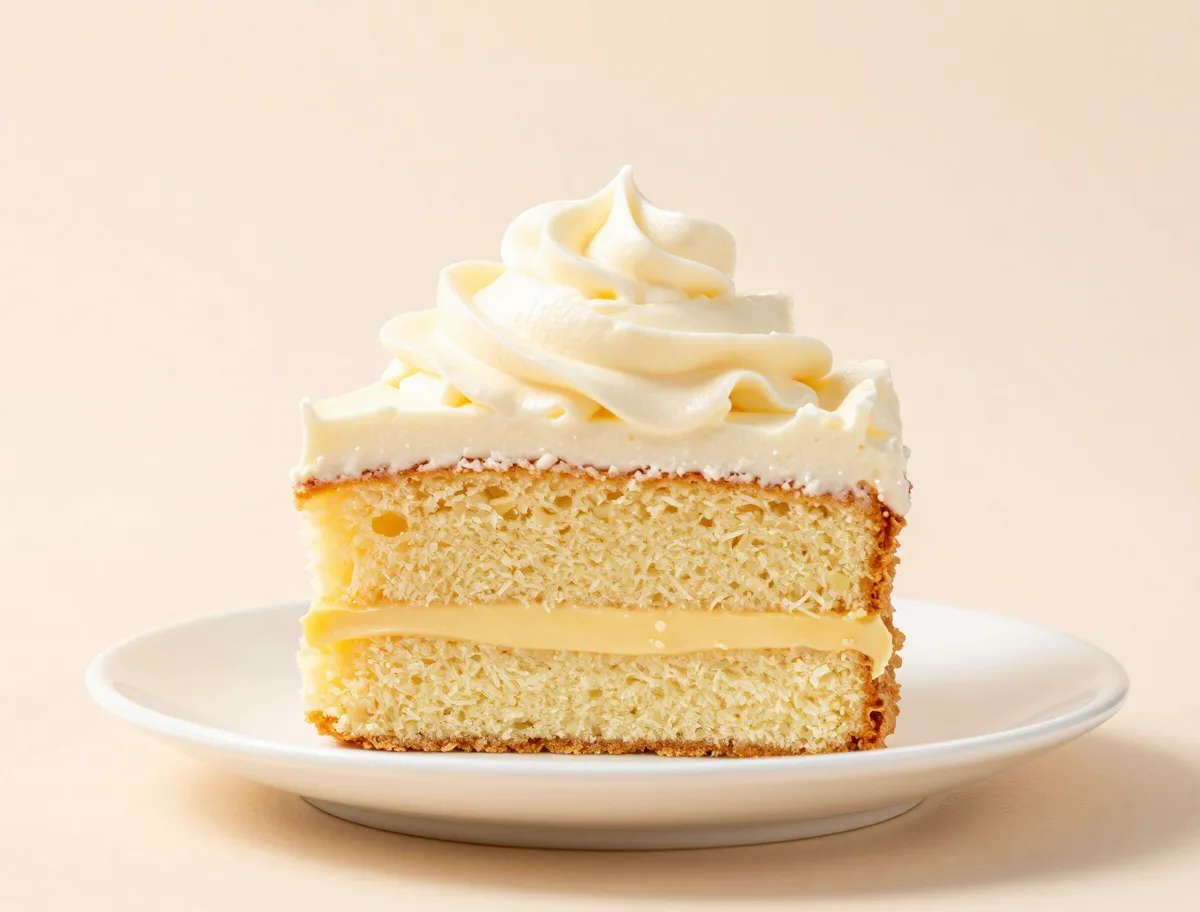
The deep, irregular cavities make color an unreliable test. A properly baked cake is golden, lightly springy, and set through the deepest section, with a cohesive crumb that can be trimmed without crumbling. A few moist crumbs on a skewer are ideal; shiny batter or a gummy central band means the cake needs more baking.
- Test the lower and upper sections independently because they do not have identical depths or exposed surfaces.
- Let the cake cool completely before judging its final firmness; warm cake can seem under-set and breaks easily.
- If the cake releases with torn ridges, the pan was likely under-greased, the cake was unmolded too soon, or the nonstick surface is damaged.
Doneness cues
- The thickest part of each cake half is set rather than jiggly.
- The surface springs back lightly when pressed.
- A skewer inserted into the deepest center comes out clean or with a few moist crumbs.
- The cooled wrapper section releases with its ridges intact.
- The trimmed cake faces meet evenly, and the assembled cake does not rock before frosting.
The Baking Variables That Matter Most
Batter depth, pan material, oven accuracy, and cavity shape all affect giant cupcake baking time. The lower section may contain deeper pockets, while the dome can brown before its center is ready. A moderate 325°F oven gives this sturdy batter time to set internally; tenting the surface is more useful than raising the heat when browning runs ahead.
- Treat the 50-to-65-minute range as a starting point, not a guarantee.
- Do not transfer ordinary cupcake timing to a novelty pan with much deeper batter.
- Avoid overmixing after flour is added, since excess gluten can make trimming difficult and the crumb tough.
- If changing pan size, preserve a similar batter depth rather than scaling only by the pan’s advertised volume.
Common Giant Cupcake Cake Mistakes and Fixes
Most problems with this cake are preventable: sticking, overflow, an underbaked center, an uneven join, or buttercream that will not hold a swirl. Correct the cause before decorating, because frosting can disguise small cracks but cannot reliably fix raw cake or a badly damaged wrapper section.
- Sticking: Brush release agent into every groove and wait only briefly before turning out the cooled cake. Never force a hot or fragile piece from the pan.
- Overflow: Reduce the fill to the manufacturer’s recommended level. An overfilled cavity can lose its ridges and make the two halves impossible to align.
- Dry edges with a wet center: Tent the top and continue baking at moderate heat; also verify that the cavity was not overfilled.
- Sliding halves: Cool the cake completely, level both faces, use less buttercream between them, and chill the joined cake before piping.
- Soft frosting: Chill the buttercream or the assembled cake. Warm butter, excess milk, and a hot room all weaken a tall piped design.
Equipment and Ingredient Substitutions
Substitutions are possible, but the cake must retain enough strength to survive release and support its frosting. All-purpose flour is a dependable choice for this mould; a lighter flour may produce a more delicate crumb, while an oil-heavy formula can be softer and harder to trim. Keep any filling thick and relatively low in moisture.
- A neutral oil can replace some butter for a moister crumb, but it removes butter flavor and the aeration created by creaming.
- Plain yogurt can replace sour cream in an equal amount if it has a similarly thick consistency; thinner yogurt may loosen the batter.
- Firm ganache or a thin layer of jam can replace some buttercream between the halves, but very soft cream fillings are poor structural adhesives.
- Without a giant cupcake mould, bake round cake layers and a dome in a greased oven-safe bowl, then trim and stack them into a tapered shape. This creates the silhouette but not the pan’s exact ridges.
- Do not place ordinary paper cupcake liners in a specialty cavity unless the pan manufacturer specifically permits it.
Flavor and Decorating Variations
Keep the two-piece shape, ridged wrapper, domed top, and piped finish intact when changing the flavor. The easiest variations alter the buttercream color, cake extract, or decorations rather than dramatically changing the batter’s structure.
- For a chocolate version, replace 1/2 cup of the flour with unsweetened cocoa powder and add 2 tablespoons milk if the batter becomes unusually thick.
- Add finely grated lemon zest to the vanilla batter and tint the buttercream pale yellow for a lemon celebration cake.
- Fold rainbow sprinkles into the finished batter for a funfetti-style giant birthday cupcake; avoid overmixing, which can streak the colors.
- Use colored buttercream, sugar pearls, candy pieces, a fondant wrapper detail, or candles to match a party theme.
- A thin fondant or chocolate wrapper can sharpen the cupcake look, but it adds weight and may make the ridged base more fragile.
How to Store, Freeze, and Make Ahead
The cake sections and buttercream can be prepared on separate schedules. For the best texture, wrap completely cooled unfrosted pieces airtight, and keep the finished cake chilled when the room is warm or when the filling contains perishable ingredients.
- Bake the cake sections up to 2 days ahead, cool completely, wrap each tightly, and refrigerate. Bring them just cool enough to trim without condensation.
- Prepare buttercream up to 5 days ahead and refrigerate it airtight. Let it soften at room temperature, then beat it briefly until smooth before piping.
- A fully assembled cake with simple American buttercream can be refrigerated overnight. Cover it without touching the frosting, and let it stand briefly before serving.
- Freeze unfrosted, well-wrapped cake sections for up to 1 month. Thaw them in the refrigerator while still wrapped.
- Cream cheese, whipped cream, custard, and fresh-fruit fillings require refrigeration. Do not leave cakes containing these components at room temperature for more than 2 hours, or more than 1 hour in temperatures above 90°F (32°C). Follow FDA food-storage guidance for perishable fillings and frostings.
- Cake is not reheated. Thaw frozen cake in the refrigerator; warming can melt the frosting and dry the crumb.
Giant Cupcake Cake Recipe FAQs
These answers cover the practical details that vary most between giant cupcake pans: capacity, batter division, baking time, release, assembly, decorating, and equipment alternatives.
What size giant cupcake pan does this recipe fit?
It is formulated for a common two-piece pan with approximately 6 cups of total capacity. Start with about 3 1/2 cups of batter in the ridged base and 2 1/2 cups in the dome, but use your pan’s instructions if its cavities differ.
How long does a giant cupcake cake take to bake?
At 325°F (160°C), this sturdy batter generally takes 50 to 65 minutes. Begin checking around 50 minutes and test the deepest area of each half. The cake is done when the skewer shows no wet batter and the surface springs back lightly.
How do I stop the giant cupcake from sticking?
Brush softened butter into every groove and corner, dust thoroughly with flour, and let the baked cake cool in the pan for about 10 minutes before turning it out. A damaged nonstick surface may need a heavier release coating.
Should I trim both giant cupcake halves?
Yes. Trim the broad mating face of each half until they sit together without rocking. Remove only the raised excess, working in small cuts so the dome retains enough height and the ridged base remains intact.
What frosting tip makes a giant cupcake swirl?
A large open-star or closed-star tip gives the clearest ridged swirl. Pipe from the lower edge of the dome upward in one overlapping spiral, then finish with a peak.
How many people does a giant cupcake serve?
This cake yields approximately 12 servings when cut into thin wedges. The exact number depends on the diameter of the pan and how generously the cake is sliced.
Can I make a giant cupcake without a specialty mould?
Yes, but the appearance will be less exact. Stack trimmed round cake layers for the tapered base and add a dome baked in a greased oven-safe bowl. Use piped frosting, fondant, or molded chocolate to suggest wrapper ridges.
Can I assemble the giant cupcake the day before?
Yes. With stable American buttercream, assemble and decorate it the day before, then refrigerate it if the room is warm. Chill the cake until firm before transporting, and keep cakes with perishable fillings refrigerated.