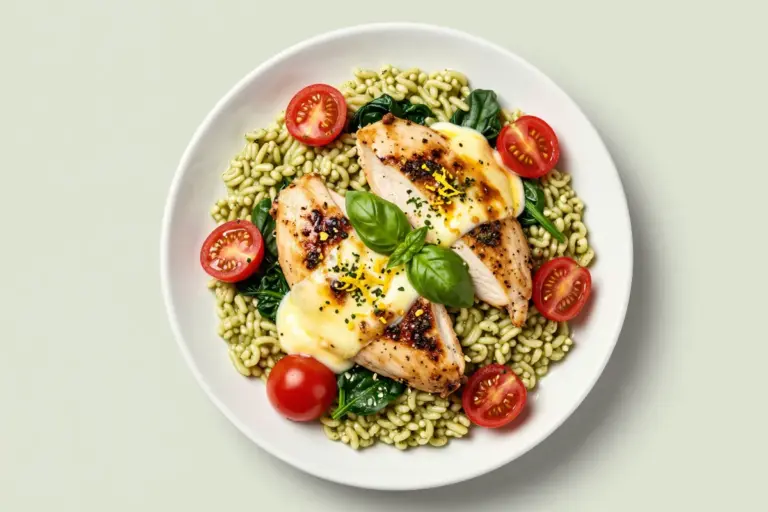
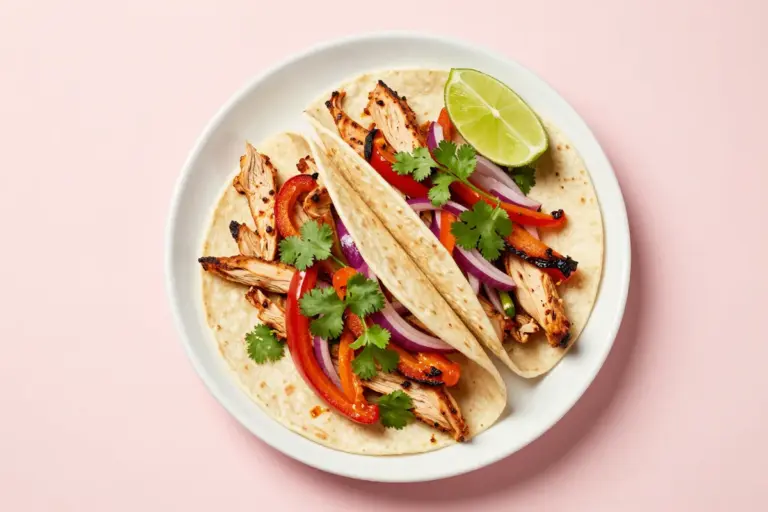
Balsamic Chicken Slow Cooker Recipe with Italian Herbs
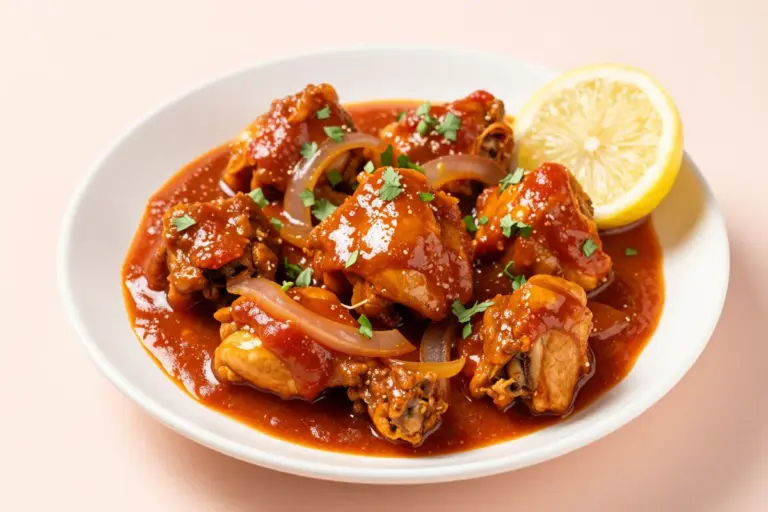
This balsamic chicken slow cooker recipe produces tender chicken in a glossy sweet-tangy sauce flavored with garlic, honey, Dijon, and Italian herbs. Use boneless thighs for the most forgiving result, or follow the breast timing notes for a leaner dinner.
What to Expect from This Slow Cooker Balsamic Chicken
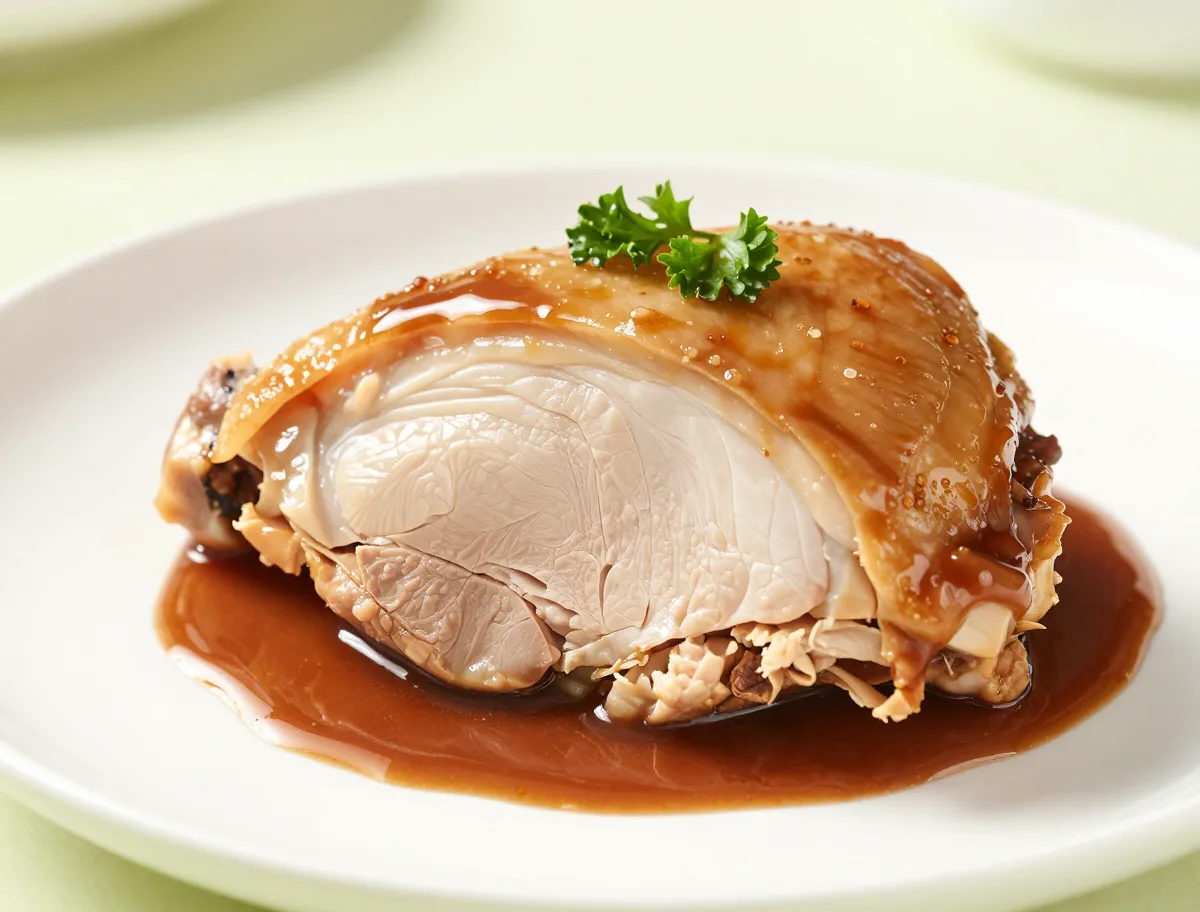
This is a tender, savory-sweet chicken dinner rather than a crisp-skinned roast. Balsamic vinegar remains distinct and pleasantly tangy, while honey, broth, garlic, herbs, and Dijon give the sauce balance and depth. The chicken is served whole or sliced with a glossy sauce spooned over the top.
- Boneless thighs are the primary choice because they stay moist across a broader cooking window.
- The sauce is intentionally finished after cooking; a covered slow cooker does not evaporate enough liquid to create a glaze on its own.
- The chicken can also be shredded for bowls, sandwiches, wraps, or meal prep.
Why the Balsamic Sauce Works
The sauce is built as a balance of acidity, sweetness, savory liquid, and aromatics. Balsamic vinegar supplies fruitiness and tang, while chicken broth prevents it from tasting like straight vinegar. Honey rounds the sharp edges without making the dish dessert-sweet, and Dijon adds a savory mustard note that makes the modest amount of sauce taste fuller.
- Thighs bring richness and connective tissue; breasts provide a leaner result but need earlier temperature checks.
- Garlic and Italian seasoning establish the herb-and-aromatic profile without requiring a separate finishing sauce.
- Unsalted broth gives better control because vinegar, mustard, and seasoning blends vary in saltiness.
- Olive oil is useful for optional browning but is not required to keep chicken moist in a covered cooker.
Ingredients
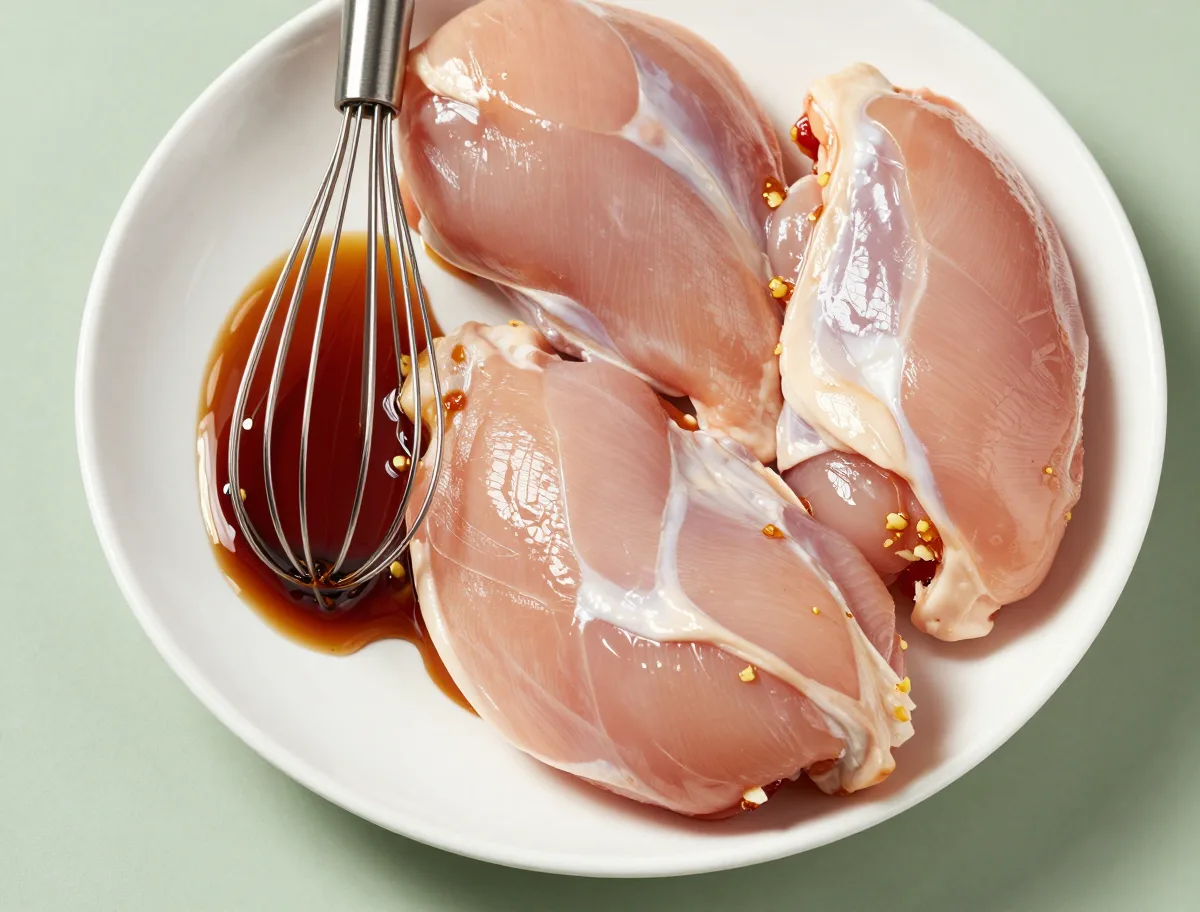
- 2 pounds boneless, skinless chicken thighs, trimmed of excess fat and patted dry
- 1 teaspoon kosher salt
- 1/2 teaspoon black pepper
- 1 tablespoon olive oil
- 1 small yellow onion, thinly sliced
- 1/2 cup balsamic vinegar, use an everyday cooking balsamic, not a thick finishing glaze
- 1/2 cup unsalted chicken broth
- 2 tablespoons honey
- 1 tablespoon Dijon mustard, optional
- 4 cloves garlic, finely minced
- 2 teaspoons Italian seasoning
- 1 tablespoon cornstarch
- 1 tablespoon cold water
- 2 tablespoons fresh parsley, chopped
How to Make Balsamic Chicken in a Slow Cooker
The most reliable approach is to keep the chicken in one layer and whisk the sauce before it goes into the cooker. Put the onion underneath so it softens in the cooking liquid and helps lift the chicken slightly from the hottest surface. Browning is a flavor enhancement, not a requirement for either safety or tenderness.
- Pat thawed chicken dry so the seasoning adheres and optional browning is more effective.
- Avoid stacking or tightly overlapping pieces; uneven thickness makes the finish time harder to predict.
- Keep the lid closed during cooking. Repeated checking releases heat and can extend the cooking time.
- Remove the chicken before reducing or thickening the liquid so it does not overcook while the sauce is finished.
Equipment: 4- to 6-quart slow cooker, instant-read thermometer, small saucepan, small bowl, and whisk.
Instructions
- Season the chicken: Pat the chicken dry and season all over with the salt and pepper. Thaw chicken completely in the refrigerator before starting.
- Optional browning: For deeper color and a slightly richer flavor, warm the olive oil in a large skillet over medium-high heat and brown the chicken for 2 minutes per side. This step is optional; the recipe is designed to work as a dump-and-go meal.
- Build the sauce: Arrange the sliced onion in the bottom of a 4- to 6-quart slow cooker. Whisk together the balsamic vinegar, chicken broth, honey, Dijon mustard, garlic, and Italian seasoning until blended. Pour the mixture over the onion.
- Slow-cook the chicken: Set the chicken in a single layer over the onion and sauce. Cover and cook on LOW for 4 to 5 hours, checking the thickest piece at 4 hours. The chicken is ready when an instant-read thermometer inserted into the thickest part registers 165°F (74°C). Remove breasts promptly when they reach temperature; thighs may remain until tender, but should not be left cooking indefinitely.
- Rest the chicken: Transfer the chicken to a plate and rest for 5 minutes. Keep the slow-cooker liquid covered while the chicken rests.
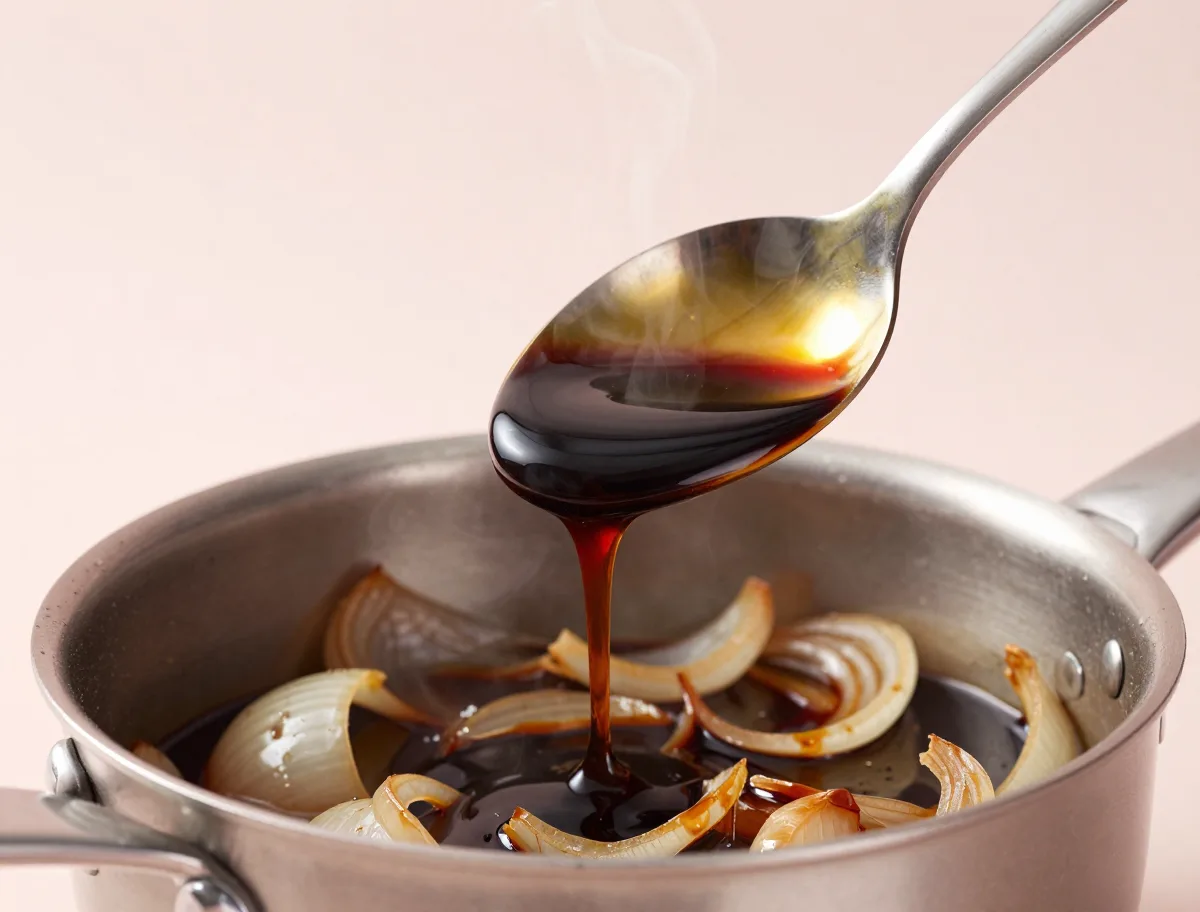
- Finish the balsamic sauce: Pour the cooking liquid and onion into a small saucepan. Bring to a gentle simmer over medium heat and cook for 5 to 8 minutes, until slightly reduced and rounded in flavor. For a thicker sauce, whisk the cornstarch with the cold water in a small bowl, then whisk the slurry into the simmering sauce. Cook for 1 to 2 minutes, until glossy and lightly thickened.
- Serve: Slice the chicken or leave the thighs whole. Spoon the warm sauce over the chicken, scatter with the parsley, and serve immediately.
For practical guidance on slow-cooker timing variability, thermometer placement, and keeping the lid closed, see West Virginia University’s slow-cooker guidance.
How to Tell When the Chicken Is Done
An instant-read thermometer is the decisive test because balsamic sauce can darken the surface before the center is cooked. Check the thickest part of a piece, avoiding the slow-cooker insert and any bone. At 165°F (74°C), the chicken is safe to serve; the ideal texture is opaque, moist, and tender rather than soft or stringy.
- Breasts should be removed as soon as they reach the safe temperature because extended holding can make them chalky or dry.
- Thighs can tolerate the longer end of the cooking range and may become more yielding as connective tissue softens.
- Rest whole pieces briefly before slicing. If shredding, toss the warm meat with enough finished sauce to coat it immediately.
Doneness Cues
- The thickest part of the chicken reaches 165°F (74°C), measured away from the slow-cooker insert.
- The chicken is opaque, moist, and tender enough to slice without resistance.
- The finished sauce is dark, aromatic, and glossy; it should lightly coat a spoon rather than resemble a thin broth.
The Variables That Matter Most
Slow-cooker timing is governed by chicken thickness, cut, cooker performance, and how full the vessel is—not by the clock alone. Low heat gives thighs a forgiving path to tenderness, but it does not make lean breast meat immune to overcooking. Since the covered cooker traps steam, sauce concentration must happen after the chicken is removed.
- A single layer promotes more even heat and sauce contact.
- Large, dense vegetables cook more slowly and belong beneath or around the chicken; delicate vegetables need a shorter, later cook.
- Acidity does not replace heat-based pathogen control, and a balsamic marinade cannot compensate for overcooked chicken.
- Reduction concentrates both flavor and salt, so taste the sauce only after it has reduced and adjust cautiously.
Common Balsamic Chicken Mistakes and How to Fix Them
Most problems come from cooking the wrong cut for too long, expecting the covered cooker to reduce sauce, or judging the sauce before it has finished. Correct the liquid separately and avoid trying to rescue dry chicken by cooking it longer.
- Dry or stringy breasts: Check earlier, use pieces of even thickness, and do not leave them on warm for hours. Shred already-dry meat and moisten it generously with sauce.
- Watery sauce: Remove the chicken, then reduce the liquid in a saucepan or add a cold cornstarch slurry. Never sprinkle dry cornstarch directly into the cooker.
- Harshly acidic sauce: Simmer it briefly, then add a small amount of honey or broth and taste again. Add changes incrementally because balsamic vinegar varies by brand.
- Mushy vegetables: Use sturdy vegetables for the full cook and add zucchini, green beans, broccoli, spinach, or similar produce near the end or prepare it separately.
- Bland sauce: Reduce it first, then adjust seasoning. Adding more vinegar to a weak sauce can make it sharp rather than more flavorful.
Ingredient Substitutions for Balsamic Chicken
The recipe is flexible, but substitutions change timing, richness, or flavor. Boneless thighs are the most forgiving swap for breasts; the reverse is possible when the cooking window is shortened and monitored closely.
- Use boneless breasts for a leaner meal, checking at about 3 hours on LOW. Do not assume thigh timing applies.
- Maple syrup or light brown sugar can replace honey. Each changes the sauce slightly, so taste after reduction.
- Dried oregano, thyme, basil, or rosemary can replace Italian seasoning in a similar total amount; fresh herbs are best added at the end.
- Bone-in pieces need a different, longer timing and careful thermometer placement. Skin will not become crisp in the slow cooker.
- For lower sodium, start with unsalted broth and season the chicken gradually. The recipe is naturally dairy-free; verify product labels for gluten-free needs.
Easy Variations That Keep the Dish Balsamic-Forward
Variations work best when balsamic vinegar, garlic, herbs, and the sweet-tangy balance remain central. The sauce can support a one-pot meal or a shredded chicken preparation without becoming a different style of braise.
- For honey balsamic chicken, use the honey in the recipe as written and finish with an extra small drizzle only if the reduced sauce needs more roundness.
- Add thick carrot pieces, mushrooms, or small waxy potatoes beneath the chicken. Crowding the cooker with vegetables may dilute the sauce and extend cooking time.
- For shredded balsamic chicken, cook until the thighs separate easily, pull them into large shreds, and return them to the sauce before serving.
- Add red-pepper flakes or extra black pepper for gentle heat; keep the amount restrained so it does not hide the vinegar and herb profile.
What to Serve with Balsamic Chicken
Treat the sauce as part of the meal, not as leftover cooking liquid. Spoon it over a mild starch that can absorb its sweet-tangy flavor, then add something green or fresh for contrast.
- Rice, mashed potatoes, polenta, couscous, pasta, and crusty bread are all useful for catching the sauce.
- Pair with green beans, broccoli, roasted vegetables, or a peppery salad for freshness and texture.
- Finish with the chopped parsley in the recipe; basil or thyme can also be used as a fresh garnish.
- If using additional balsamic at the table, use only a few drops of a good finishing vinegar so the plate does not become overly acidic.
How to Store, Freeze and Reheat Balsamic Chicken
Chicken and sauce make dependable leftovers when cooled quickly and stored together. The sauce helps protect the meat during refrigeration and freezing, while gentle reheating preserves the best texture.
- Refrigerate leftovers in shallow, covered containers within 2 hours; use them within 3 to 4 days.
- Freeze individual portions with sauce in airtight containers or freezer bags. Thaw in the refrigerator for best texture.
- Reheat on the stovetop, in the microwave, or in a conventional oven until the center reaches 165°F (74°C). Add a splash of broth or water if the sauce has tightened.
- Do not use the slow cooker to reheat refrigerated or frozen leftovers, since the food may warm too slowly.
Slow Cooker Balsamic Chicken FAQ
These answers address the timing, cut, sauce, vegetable, and finishing questions that most affect the result.
Can I use chicken breasts instead of thighs?
Yes. Use boneless, skinless breasts of similar thickness, begin checking at about 3 hours on LOW, and remove them as soon as the thickest part reaches 165°F (74°C). They are not completely interchangeable with thighs because breasts dry out sooner.
What are the LOW and HIGH cooking times?
Boneless thighs generally take 4 to 5 hours on LOW. Breasts often take 3 to 5 hours on LOW, with thin pieces finishing sooner. On HIGH, begin checking at 2 1/2 to 3 hours. Slow cookers vary, so temperature and texture should determine the finish.
Do I need to brown the chicken first?
No. Browning improves color and savory flavor, but the recipe works as a dump-and-go meal. If you brown it, do so briefly so the chicken still finishes gently in the slow cooker.
How do I make the balsamic sauce thicker?
For the best flavor, remove the chicken and simmer the liquid in a saucepan until slightly reduced. For a faster result, whisk 1 tablespoon cornstarch with 1 tablespoon cold water, then stir it into the simmering liquid and cook until glossy.
When should I add vegetables?
Put dense vegetables such as onion, carrots, mushrooms, or potatoes underneath the chicken at the beginning. Add quick-cooking vegetables such as green beans, zucchini, broccoli, or spinach during the final portion of cooking, or serve them separately.
Can I use frozen chicken in the slow cooker?
No. Thaw the chicken safely in the refrigerator before using it. Frozen poultry can warm too slowly in a slow cooker.
Can I shred the chicken?
Yes. Shred the thighs while warm after they reach 165°F (74°C), then toss them with some of the finished sauce. This is especially useful for sandwiches, wraps, bowls, and meal prep.
Can I crisp skin-on chicken under the broiler?
Yes, as an optional finishing step. Cook the chicken fully first, transfer it skin-side up to a broiler-safe pan, pat the skin dry, and broil briefly while watching closely. Slow cooking itself will not crisp the skin.
Food Safety for Slow Cooker Chicken
Use a thermometer and temperature control rather than appearance alone. Balsamic sauce can make cooked chicken look dark before the center is safe, and extended cooking or holding is especially hard on lean breast meat.
- Cook every piece to at least 165°F (74°C), measured in the thickest portion without touching bone or the cooker.
- Keep raw poultry refrigerated until preparation, wash hands after handling it, and use separate clean utensils for cooked food.
- Thaw chicken before slow cooking; do not place frozen poultry directly into the appliance.
- Keep the lid closed as much as practical and discard food if a prolonged power outage leaves it at an unsafe temperature.
- Refrigerate cooked chicken within 2 hours, using shallow containers, and reheat leftovers to 165°F (74°C) on the stovetop, in the microwave, or in the oven.
For additional guidance on thawing poultry, slow-cooker operation, leftovers, reheating, and power outages, consult the USDA FSIS slow-cooker food-safety guidance.