Barbecue Chicken Bites Recipe
This barbecue chicken bites recipe makes tender, browned pieces of chicken breast coated in a glossy honey-BBQ glaze—an easy appetizer or quick weeknight meal.
What to Expect from These Barbecue Chicken Bites
These are unbreaded, 1-inch pieces of chicken breast roasted until browned and finished with a late-applied honey-BBQ glaze. The result is tender chicken with lightly caramelized edges and a sauce that clings rather than pooling on the plate.
- The bites work as a toothpick appetizer, snack, or topping for rice, salad, or baked potatoes.
- Because the recipe is unbreaded, it prioritizes a sticky, saucy exterior over a crunchy crust.
- Uniform pieces are essential for cooking the batch evenly.
Why the Ingredients Work
Chicken breast keeps the bites lean and cooks quickly, while the oil helps the seasoning adhere and encourages browning. Smoked paprika, garlic, onion, salt, and pepper build savory depth underneath the barbecue sauce without competing with it.
- A thick, bottled barbecue sauce gives the strongest adhesion; a thin sauce may need a brief separate reduction before glazing.
- Honey rounds out tangy sauce and creates shine, but it should be added late to reduce the risk of burning.
- The dry seasoning matters because sauce coats the outside, while the spices provide flavor beneath the glaze.
Ingredients
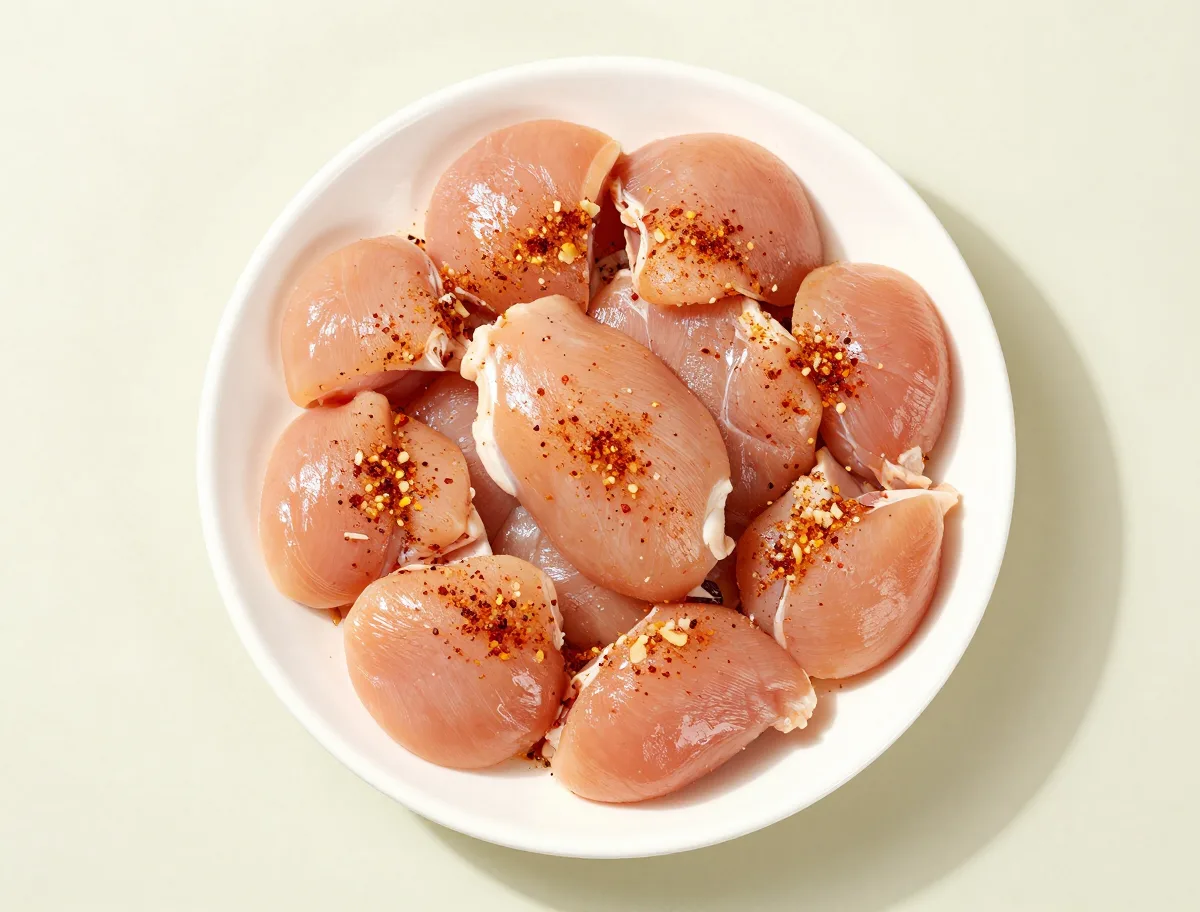
- 1 1/2 pounds boneless, skinless chicken breast, cut into uniform 1-inch pieces
- 1 1/2 tablespoons neutral oil
- 1 teaspoon smoked paprika
- 1 teaspoon garlic powder
- 1/2 teaspoon onion powder
- 1 teaspoon kosher salt
- 1/2 teaspoon black pepper
- 3/4 cup barbecue sauce, divided
- 1 tablespoon honey
How to Make Barbecue Chicken Bites Successfully
Dry the chicken thoroughly before seasoning, then cut it into pieces of similar thickness. The oven should be fully heated before the chicken goes in, and the pieces need visible gaps so hot air can brown them instead of allowing trapped moisture to steam them.
- Cook the chicken mostly plain before adding the sugary sauce.
- Use a clean bowl and utensils for the cooked chicken and finishing sauce; never reuse equipment that held raw poultry without washing it.
- If the tray is crowded, cook in batches rather than extending the cooking time for the whole batch.
- Tossing with sauce gives even coverage; brushing is gentler if the pieces are fragile.
Instructions
- Heat the oven: Heat the oven to 425°F (220°C). Line a large rimmed baking sheet with parchment and lightly coat the parchment with a little of the measured oil.
- Season the chicken: Pat the chicken dry; do not rinse it. In a large bowl, combine the chicken, remaining oil, smoked paprika, garlic powder, onion powder, salt, and pepper. Toss until every piece is evenly coated.
- Bake until nearly cooked: Arrange the chicken in a single layer on the prepared baking sheet, leaving space between the pieces. Bake for 10 minutes, then turn the pieces. Continue baking for 4 to 6 minutes, until the thickest piece reaches at least 155°F (68°C).
- Make the finishing glaze: While the chicken cooks, stir the barbecue sauce and honey together. Set aside about 1/4 cup of this mixture for serving, keeping it separate from the raw chicken.
- Glaze and finish: Transfer the nearly cooked chicken to a clean bowl and toss with the remaining barbecue-honey mixture. Return the pieces to the baking sheet and bake for 2 to 4 minutes more, until the glaze is glossy and lightly caramelized and the thickest bite reaches 165°F (74°C).
- Rest and serve: Rest the bites for 5 minutes, then serve warm with the reserved sauce. Use toothpicks for appetizer service.
How to Tell When the Chicken Bites Are Done
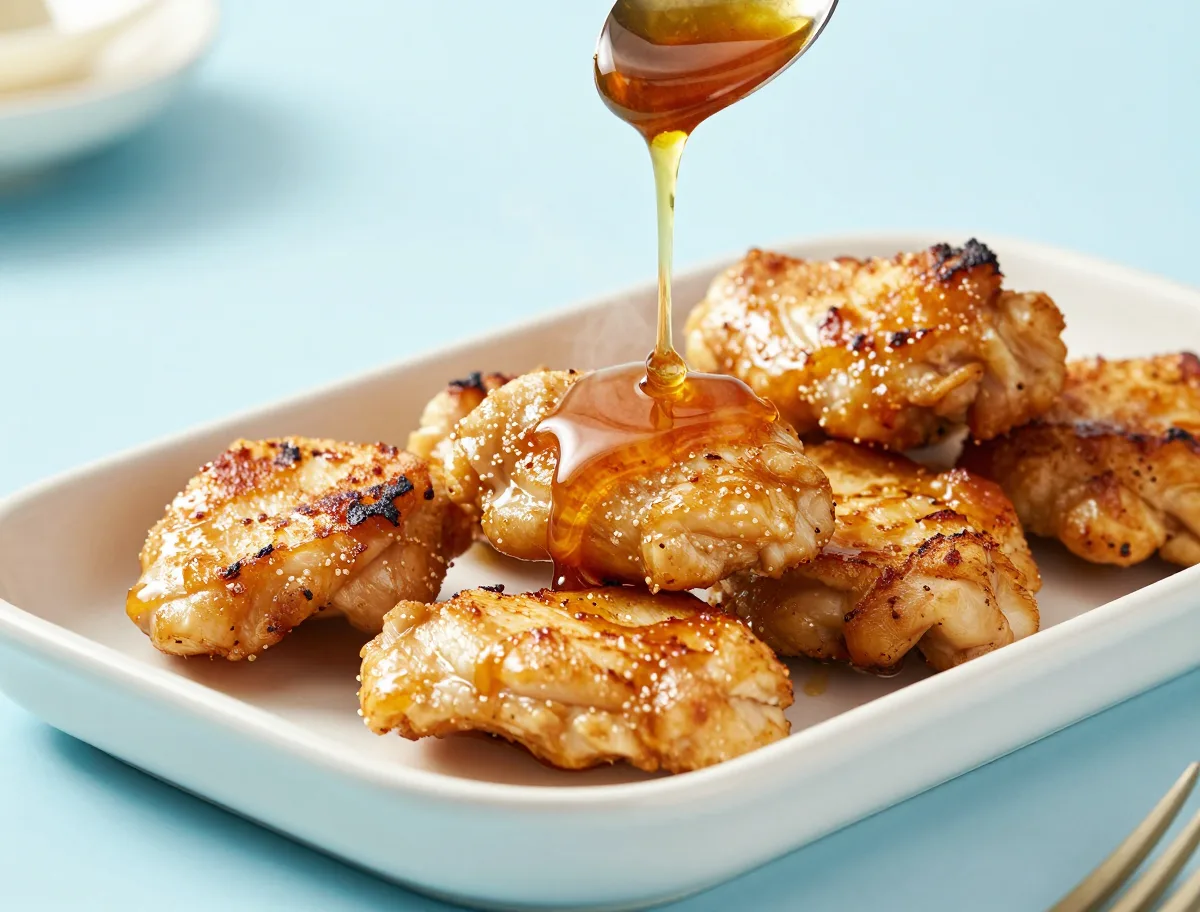
Look for browned edges and a glaze that is glossy and tacky rather than wet. Since barbecue sauce darkens the surface, color alone cannot establish doneness; check the center of the thickest piece with an instant-read thermometer.
- The safe endpoint is 165°F (74°C).
- The chicken should be opaque and tender inside, not stringy or hard.
- Small caramelized spots are desirable, but blackened or bitter sauce indicates excessive finishing heat.
- A short rest lets the juices settle while the glaze sets.
The Variables That Control Browning and Juiciness
Surface moisture, spacing, piece thickness, and sauce timing determine the final texture. Patting the chicken dry gives the oven less water to evaporate before browning can begin, while a single layer keeps the cooking surface hot.
- Crowding lowers the effective heat around the chicken and produces pale, steamed pieces.
- Thickness matters more than total weight: a thick bite can remain undercooked while a tiny piece dries out.
- Barbecue sauce contains sugars that can scorch before the chicken is safe, which is why the glaze is applied only for the final few minutes.
- For a saucier result, toss with the glaze off the heat; for more caramelization, return the coated bites briefly to the oven.
The late-glazing approach is also reflected in this air-fryer BBQ chicken technique, which delays the sauce so the glaze can caramelize rather than burn.
Common Barbecue Chicken Bites Mistakes
Most problems come from inconsistent cuts, excess moisture, crowding, or applying the sauce too early. Small changes in preparation usually correct the issue more effectively than simply adding cooking time.
- Dry chicken: The pieces were overcooked or cut too small. Cut larger, more even bites and begin temperature checks early.
- Pale chicken: The oven or tray was not hot enough, or the pieces were crowded. Preheat fully and leave gaps.
- Burnt sauce: The glaze went on too soon or in too thick a layer. Remove the chicken from heat and use a thinner finishing coat at a lower exposure time.
- Sauce that slides off: The chicken surface was very wet or the sauce was unusually thin. Pat the chicken dry and use a thicker sauce.
- Uneven doneness: Pieces varied in thickness. Trim them into consistent 1-inch pieces before seasoning.
Ingredient Swaps for BBQ Chicken Bites
The recipe is flexible, but each substitution changes the cooking behavior or texture. Boneless thighs are the most forgiving alternative, while breading creates a different style of chicken bite altogether.
- Use boneless, skinless thighs for juicier bites; they may need a little longer to reach 165°F.
- Regular barbecue sauce can replace honey barbecue sauce, or add a little more honey if the sauce is especially sharp.
- A vinegar-forward sauce will taste brighter and scorch less readily than a very sweet molasses-style sauce.
- For gluten-free preparation, check that the barbecue sauce is certified gluten-free; this unbreaded recipe contains no flour or breadcrumbs.
- Panko or breadcrumbs can be added only by changing the preparation into a breaded version, which requires a binder and a separate coating method.
Oven, Air-Fryer, Skillet, and Flavor Variations
The core identity stays the same across cooking methods: evenly cut chicken, dry-heat browning, late barbecue glazing, and a 165°F endpoint. Choose the appliance based on batch size and the texture you want.
- Air fryer: Cook the seasoned bites at 400°F in a lightly oiled, uncrowded basket for about 8 to 12 minutes, shaking once; glaze during the final 1 to 2 minutes and verify 165°F.
- Skillet: Brown the seasoned bites in a lightly oiled skillet over medium-high heat, working in batches, then reduce the heat before adding the glaze for the final minute.
- Crispy variation: Coat the chicken with flour, egg, and panko before cooking; glaze lightly after the coating browns or serve extra sauce separately.
- Spicy variation: Use a hot barbecue sauce or add a barbecue sauce with chipotle or cayenne.
- Honey BBQ: Honey BBQ is already built into the main recipe; reduce the honey if using a very sweet bottled sauce.
How to Serve Barbecue Chicken Bites
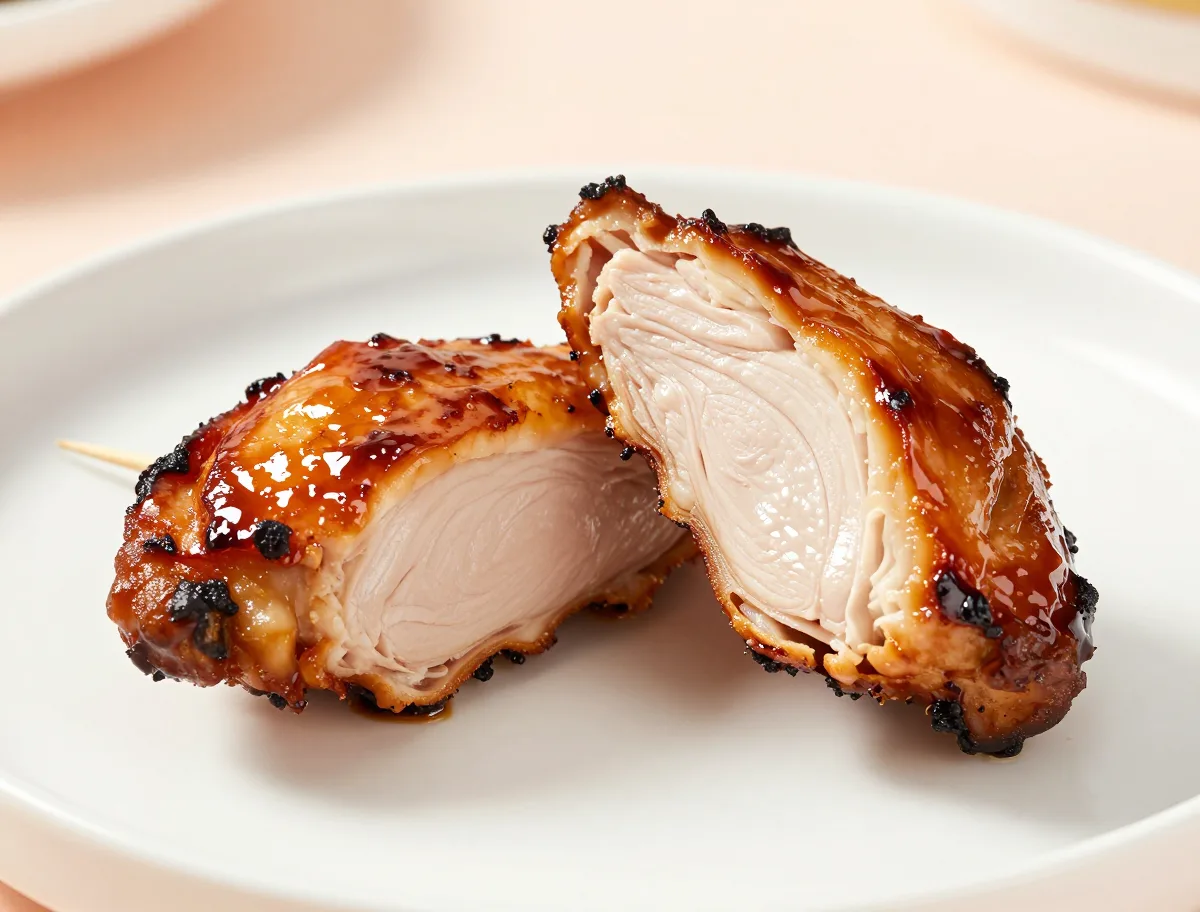
Serve the bites warm, soon after glazing, while the sauce is shiny and the edges are at their best. Arrange them on a platter with toothpicks and keep the reserved sauce in a small bowl for dipping.
- Ranch, blue cheese dressing, honey mustard, or a cooling yogurt-based dip can balance a spicy or sweet sauce.
- Pickles, slaw, or a crisp green salad add acidity and freshness.
- For a meal, serve with rice, corn, baked potatoes, fries, or beans.
- Scatter sliced scallions, parsley, cilantro, or sesame seeds over the platter if desired; these are garnishes rather than required ingredients.
How to Store, Freeze, and Reheat BBQ Chicken Bites
For the best texture, season and cut the chicken ahead but cook and glaze it close to serving. If making the bites in advance, keep the sauce separate until reheating or serving so the exterior does not soften unnecessarily.
- Refrigerate cooked bites in a shallow container within 2 hours, or within 1 hour when the temperature is above 90°F.
- Use refrigerated leftovers within 3 to 4 days.
- Reheat in a 350°F oven or air fryer until the center reaches 165°F; moderate heat helps prevent the sauce from burning.
- A microwave is convenient but will produce softer, less browned bites.
- Freezing is possible in airtight packaging, but the sauce may lose gloss and the exterior will not regain its original texture.
Barbecue Chicken Bites FAQ
These answers cover the most important choices for making the bites juicy, well-browned, properly sauced, and practical for either parties or quick meals.
What cut of chicken works best for bite-size pieces?
Boneless, skinless chicken breast is convenient and cooks quickly. Boneless thighs are juicier and more forgiving, though they may take slightly longer to reach 165°F.
Should the bites be baked, pan-cooked, or air-fried?
The oven is best for a larger batch, the air fryer is efficient for a small batch with more surface browning, and a skillet is useful when you want fast direct-contact browning. In every method, avoid crowding and verify the internal temperature.
Are these chicken bites crispy or saucy?
The main recipe is saucy with browned edges rather than breaded and crunchy. For maximum crispness, use a breaded variation and serve some barbecue sauce on the side; sauce will gradually soften any crust.
When should barbecue sauce be added?
Add it after the chicken is nearly cooked, then return the bites to the heat briefly. This lets the glaze cling and caramelize without exposing its sugars to high heat for the entire cooking time.
How do I keep chicken breast juicy?
Cut the pieces evenly, begin checking their temperature early, and remove them as soon as the thickest piece reaches 165°F. Holding the bites hot for a long time will make lean breast meat drier.
Can I make the bites ahead for a party?
Cut and season the chicken ahead, but cook it close to serving when possible. If it must be fully prepared early, refrigerate it promptly and reheat to 165°F; expect a softer exterior than freshly cooked bites.
Food Safety for Chicken Bites
Handle the raw chicken as a contamination risk and use temperature rather than appearance as the safety measure. Keep raw poultry and its juices away from ready-to-eat food, wash hands and equipment after contact, and do not rinse the chicken.
- Cook every piece to a minimum internal temperature of 165°F (74°C), measured in the center of the thickest bite.
- Use a separate or thoroughly cleaned cutting board, knife, bowl, and utensils for cooked food.
- Refrigerate leftovers within 2 hours, or within 1 hour when the ambient temperature exceeds 90°F.
- Reheat leftovers to 165°F and discard chicken that has remained at room temperature beyond the recommended holding window.
For more detail on the poultry cooking and reheating endpoint, consult the USDA safe cooking temperature guidance.