Best Chicken Riggies Recipe: Utica-Style Creamy Pasta
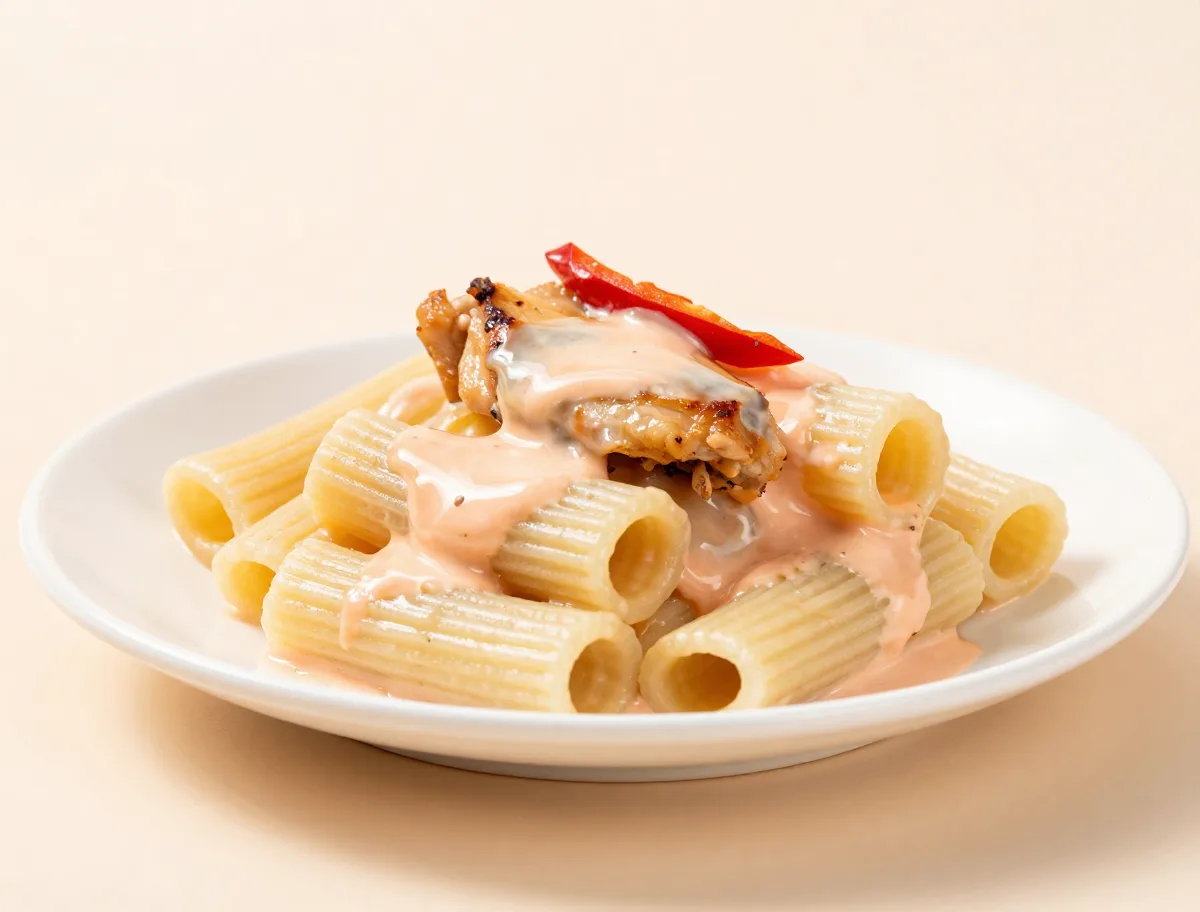
This best chicken riggies recipe combines browned chicken, sweet and hot cherry peppers, al dente rigatoni, and a glossy tomato-cream sauce finished with Romano cheese.
What Makes Chicken Riggies a Utica Classic
Chicken riggies is an Italian-American pasta specialty associated with Utica and the Mohawk Valley of New York. Its recognizable structure is rigatoni with chicken, peppers, and a tomato-centered sauce, often finished with cream and grated cheese.
- The best bowl balances browned, juicy chicken with tangy pepper flavor and moderate heat.
- The sauce should be rich enough to coat the ridges and fill the tubes, but not so thick that it becomes pasty.
- This recipe follows a widely enjoyed creamy tomato style; local and family versions may omit cream or change the pepper combination.
The Ingredients That Define the Dish
Each major ingredient has a job beyond simply adding flavor. Rigatoni catches the sauce, chicken provides savory substance, and the two kinds of peppers create the sweet, vinegary, and spicy profile that separates chicken riggies from ordinary creamy chicken pasta.
- Hot cherry peppers supply the signature tang and heat; sweet cherry peppers and bell pepper give the sauce balance and color.
- Tomatoes provide acidity and body, while cream rounds their sharpness and creates the characteristic pink-orange sauce.
- Wine deglazes the browned bits in the pan, broth adds savory depth, and pasta water helps the sauce cling.
- Romano contributes salt, umami, and a final thickening effect, so taste before adding extra salt.
Ingredients
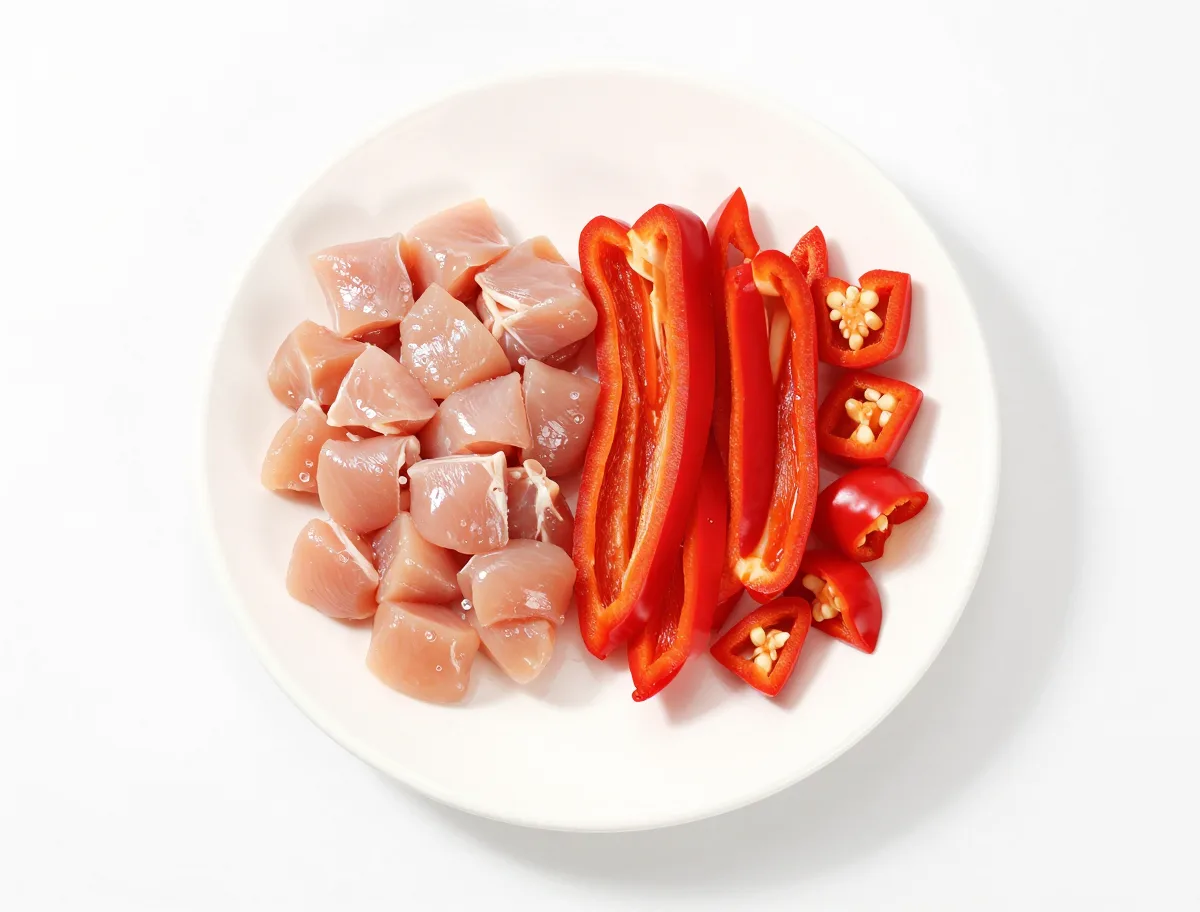
- 1 pound boneless, skinless chicken breasts, cut into 1-inch pieces
- 1 1/2 teaspoons kosher salt, divided
- 1/2 teaspoon black pepper, divided
- 3 tablespoons olive oil, divided
- 1 medium yellow onion, finely chopped
- 1 medium red bell pepper, cut into thin strips
- 3 cloves garlic, minced
- 1/2 cup hot cherry peppers, stemmed, seeded if desired, and chopped; drained
- 1/2 cup sweet cherry peppers, drained and chopped
- 1/2 cup dry white wine
- 1 can whole peeled tomatoes, crushed by hand or briefly blended
- 1 cup chicken broth, preferably low-sodium
- 3/4 cup heavy cream
- 12 ounces rigatoni
- 1/4 cup cherry-pepper brine, plus more to taste
- 3/4 cup finely grated Romano cheese, plus more for serving
- 2 tablespoons flat-leaf parsley, chopped (optional)
How to Make Chicken Riggies Successfully
The method is deliberately staged: brown the chicken, build the sauce in the same pan, and finish the pasta in that sauce. This sequence develops fond without asking the chicken breast to simmer long enough to dry out.
- Dry the chicken well and leave space around the pieces; crowding traps moisture and prevents browning.
- Remove the chicken after searing and return it only after the tomato base has reduced and the cream has been added.
- Add garlic and chopped peppers after the onion and bell pepper have softened so the smaller ingredients do not burn.
- Cook the rigatoni slightly short of al dente, then let the sauce finish it.
Instructions
- Season the chicken: Pat the chicken thoroughly dry. Toss it with 1 teaspoon of the salt and 1/4 teaspoon of the black pepper. Bring a large pot of well-salted water to a boil while you begin the sauce.
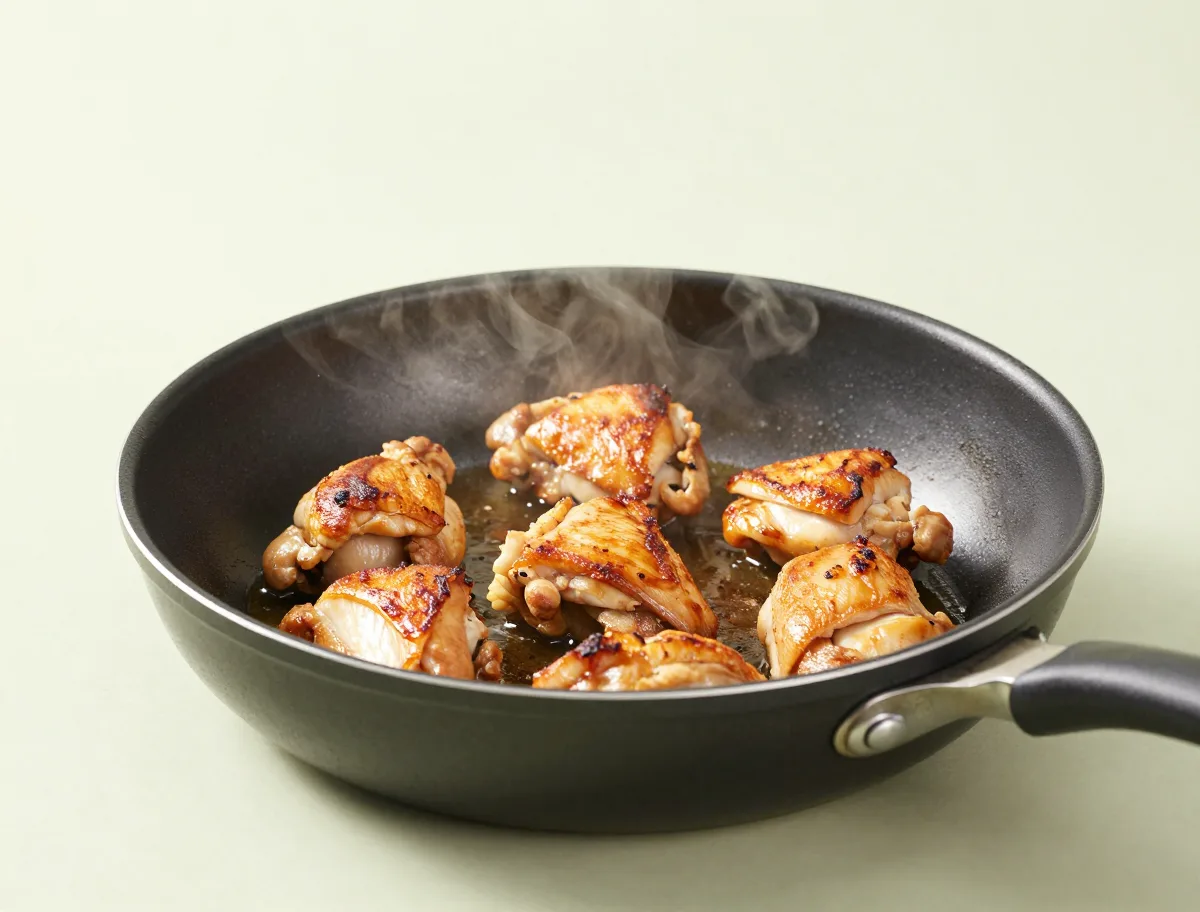
- Brown the chicken: Heat 2 tablespoons of the olive oil in a wide 12-inch skillet or Dutch oven over medium-high heat. Add the chicken in a single layer, working in two batches if necessary. Cook for 2 to 3 minutes per side, until deeply browned but not necessarily cooked through. Transfer to a plate.
- Soften the vegetables: Reduce the heat to medium and add the remaining 1 tablespoon olive oil. Add the onion and bell pepper with the remaining salt and pepper. Cook for 5 to 6 minutes, stirring occasionally, until the onion is translucent and the pepper is tender-crisp. Add the garlic, hot cherry peppers, and sweet cherry peppers; cook for 1 minute.
- Build and reduce the tomato sauce: Pour in the wine, scraping up the browned bits from the pan. Simmer for 2 minutes, until reduced by about half. Stir in the tomatoes and broth. Bring to a gentle simmer and cook uncovered for 7 to 8 minutes, until the sauce looks slightly concentrated rather than watery.
- Add the cream and chicken: Lower the heat. Stir in the heavy cream and cherry-pepper brine. Return the chicken and any juices on the plate to the skillet. Simmer gently for 4 to 5 minutes, stirring occasionally, until the chicken reaches 165°F in the thickest pieces. Do not let the sauce boil hard.
- Cook the rigatoni: While the sauce simmers, cook the rigatoni in the boiling water until 1 to 2 minutes shy of the package’s al dente time. Before draining, reserve 1 1/2 cups of the cloudy pasta water.
- Finish the pasta in the sauce: Add the drained rigatoni to the skillet and toss over low heat for 1 to 2 minutes. Add pasta water 2 tablespoons at a time, tossing until the sauce is glossy and clings to the ridges and fills the tubes. Remove from the heat and stir in the Romano cheese. Taste and add more pepper brine only if needed.
- Serve: Finish with the parsley, if using, and additional Romano. Serve immediately while the sauce is smooth and the rigatoni is still firm.
How to Tell When Chicken Riggies Are Done
Times are useful, but the pan provides better information. Look for browned chicken, softened vegetables, a reduced sauce, and pasta that still has a little resistance before the final toss.
- The sauce should fall slowly from a spoon and immediately begin coating the pasta rather than pooling like soup.
- The final pasta should be tender but structured; the center should not feel hard, yet the tubes should not be soft or swollen.
- A glossy, unified sauce indicates that the cream, tomato, cheese, and pasta starch have emulsified properly.
- Use a thermometer for the chicken rather than relying on color alone.
Doneness cues
- The chicken should have browned edges and an opaque center, with an internal temperature of 165°F (74°C).
- The onion should be translucent and the bell pepper tender but not collapsed.
- The reduced tomato base should look thicker and darker before the cream is added.
- The finished sauce should be smooth, pink-orange, and glossy, with no oil puddle or visible curdling.
- The rigatoni should retain slight resistance when it leaves the pasta pot and become tender during the final toss.
Why the Sauce Stays Creamy and Clings
The most important variables are moisture, heat, and timing. Reducing the wine and tomato mixture before adding cream concentrates flavor and gives the dairy a thicker base to join, while pasta starch helps bind the finished sauce.
- A hard boil after the cream is added increases the chance of separation, especially in an acidic tomato sauce.
- Pasta water is not just dilution: its starch helps unite fat and water and improves adhesion to rigatoni.
- Add pasta water gradually because too much can turn an otherwise concentrated sauce thin.
- Cheese should go in over low or residual heat; high heat can make hard cheese grainy.
Common Chicken Riggies Mistakes and Fixes
Most problems come from a small number of controllable choices. The corrections below can rescue some issues, although overcooked pasta and badly dried chicken cannot be fully restored.
- Pale chicken: The pan was cool, the meat was wet, or the pan was crowded. Pat the chicken dry and brown in batches.
- Dry chicken: It simmered too long. Remove it after browning and return it only long enough to reach 165°F.
- Watery sauce: The peppers were very wet, the liquids were not reduced, or too much pasta water was added. Simmer the sauce briefly before adding pasta and loosen only by the spoonful.
- Separated sauce: Remove the pan from heat immediately and whisk in a small splash of warm pasta water. Avoid boiling it again.
- Excessive heat: Add more sweet pepper, unsalted tomato sauce, cream, or cooked pasta rather than relying on sugar to mask the peppers.
- Mushy pasta: It was fully cooked before saucing or held too long. Undercook it slightly and serve promptly.
Useful Substitutions for Chicken Riggies
The dish is flexible, but substitutions change its balance. Preserve the central combination of chicken, rigatoni, peppers, and tomato sauce when adapting it.
- Boneless chicken thighs can replace breasts; they are richer and more forgiving during simmering.
- Bell peppers can replace sweet cherry peppers, though they provide less vinegar-bright tang. Mild pickled peppers are another option but have a different flavor.
- Crushed tomatoes, passata, or plain tomato sauce can replace the whole tomatoes. Jarred marinara is convenient, but reduce added salt because it may already be seasoned.
- Chicken broth can replace white wine. The result will be less aromatic and acidic but still savory.
- Half-and-half produces a lighter, thinner sauce and requires especially gentle heat. For dairy-free riggies, use an unsweetened full-fat dairy-free cream and omit the Romano.
- Certified gluten-free rigatoni works well, but monitor it closely because many gluten-free pastas soften quickly.
Mild, Hot, Mushroom, and Vodka Variations
Variations are welcome as long as the dish still reads as chicken riggies. The defining center remains chicken, rigatoni, peppers, and tomato sauce.
- For mild chicken riggies, use mostly sweet peppers, a smaller amount of hot pepper, and remove the hot-pepper membranes.
- For mushroom riggies, brown sliced mushrooms after the chicken and before the onion; their released water should cook off before the sauce is added.
- For a vodka-style version, add a small splash of vodka after the aromatics, reduce it fully, and then proceed with the tomatoes and cream.
- A one-pot method is possible, but it gives less control over browning and pasta texture. Separate cooking is the more dependable approach.
What to Serve with Chicken Riggies
Serve the pasta as soon as it is coated. Rigatoni continues absorbing sauce as it sits, so a final splash of pasta water can restore gloss just before plating.
- Pass extra Romano at the table and add parsley for freshness and color.
- Pair the rich pasta with a crisp green salad or simply dressed vegetables.
- Crusty or garlic bread is optional, but a modest portion is enough because the rigatoni is already a substantial main course.
How to Store, Freeze, and Reheat Chicken Riggies
Chicken riggies has its best texture fresh, when the pasta is firm and the sauce is glossy. Leftovers remain useful, but the rigatoni will absorb sauce and soften over time.
- Refrigerate leftovers in shallow containers within 2 hours, or within 1 hour when the temperature is above 90°F. Keep them at 40°F or below and use within 3 to 4 days.
- Reheat gently in a covered skillet with a splash of water, broth, milk, or cream. Stir often and do not boil the sauce.
- Microwave in short intervals, stirring between them. Reheated leftovers should reach 165°F throughout.
- Freezing is possible, but the cream sauce may separate and the rigatoni may soften. For best make-ahead quality, freeze the sauce and chicken separately and cook fresh pasta when serving.
Chicken Riggies Questions, Answered
These answers address the practical choices that most affect flavor, authenticity, heat, and texture.
What makes chicken riggies different from generic creamy chicken pasta?
The Utica-associated combination of rigatoni, chicken, peppers, and tomato sauce is the key distinction. Cream and cheese are common in contemporary versions, but the pepper-forward profile is more characteristic than any single finishing ingredient.
Are hot cherry peppers required?
They are the most characteristic choice because they add both vinegar-bright tang and heat. You can use fewer hot peppers and more sweet peppers for a milder dish, but replacing them entirely changes the signature flavor.
Should I remove the seeds from the hot peppers?
Remove the seeds and inner membranes for less heat. Leave some membrane intact when you want a hotter result, and add the brine gradually because brands vary considerably in strength.
Why is the chicken cooked separately first?
Searing in a relatively dry, uncrowded pan creates browned flavor. Removing the chicken protects it from prolonged simmering, then returning it near the end allows it to finish gently in the sauce.
How much pasta water should I add?
Start with 2 tablespoons, toss, and add more only as needed. The exact amount depends on how far the sauce reduced, but the finished sauce should be glossy and coating rather than loose.
Can I use chicken thighs?
Yes. Boneless thighs are juicier and more tolerant of simmering, though the dish will taste slightly richer. Cook them to the same 165°F safety endpoint.
Can I make chicken riggies without cream?
Yes. Omit the cream for a more tomato-forward version and use pasta water and a modest amount of cheese to add body. It will be less rich and will not have the same pink-sauce texture.
Is vodka traditional in chicken riggies?
Vodka appears in some modern variations, but it is not essential to the dish’s identity. If used, reduce it before adding the tomatoes and cream so the sauce does not become harsh or thin.
Why is my sauce thin?
Common causes include excess pepper liquid, too much broth or pasta water, or insufficient reduction. Simmer the tomato base until slightly concentrated before adding cream, and add pasta water only in small increments.
The Utica Connection and What “Authentic” Means
Chicken riggies is strongly linked to Utica, New York, and the surrounding Mohawk Valley. Accounts of its first restaurant and exact arrival date differ, with local claims generally placing its development in the late twentieth century. That disputed history is one reason versions vary.
- Rigatoni, chicken, peppers, and tomato sauce are the most dependable regional markers.
- Cream, wine, cheese, mushrooms, and vodka vary among restaurants and home cooks.
- Some accounts describe earlier versions without cream, while the creamy tomato style is now widely recognized. This recipe is best described as a contemporary Utica-style version rather than a single definitive original.
For additional background on the dish’s Utica association, disputed origin stories, and characteristic ingredients, see how chicken riggies became a signature dish in Upstate New York.
Chicken and Leftover Safety
Use separate utensils and cutting surfaces for raw chicken, and wash hands and equipment with hot, soapy water after handling it. Browning is not a reliable safety test; measure the thickest pieces with an instant-read thermometer.
- Cook the chicken to 165°F (74°C).
- Refrigerate the finished dish within 2 hours, or within 1 hour when the ambient temperature exceeds 90°F.
- Store leftovers at 40°F or below in shallow containers and use them within 3 to 4 days.
- Reheat the complete dish to 165°F throughout, stirring to eliminate cool spots.
For authoritative poultry and leftover guidance, consult the USDA safe cooking temperature guidance.