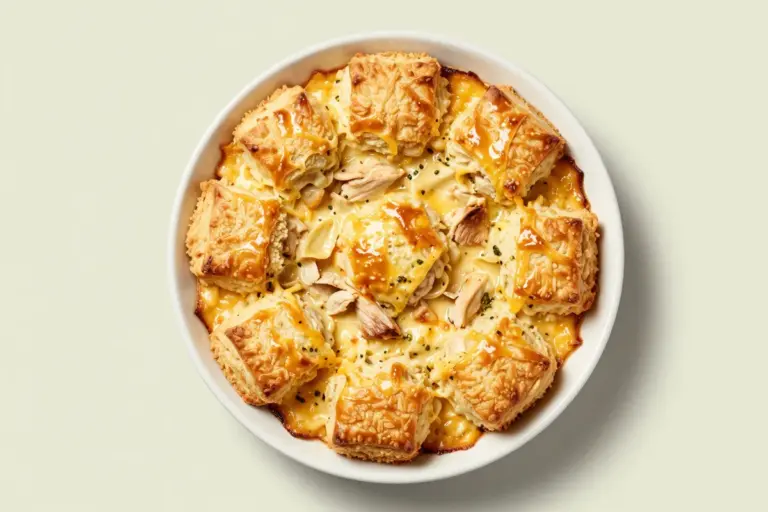
Best Blackened Chicken Recipe, Cajun-Style
This Cajun-style blackened chicken uses a paprika-rich homemade spice rub, a hot skillet, and a brief resting period to create a dark, aromatic crust around juicy chicken breast.
What Makes Chicken Truly Blackened?
Blackened chicken is defined by two elements working together: a concentrated dry spice coating and direct, high-heat cooking that toasts the coating into a dark crust. It is not simply grilled chicken with a dark surface. The finished crust should be boldly paprika-colored, deeply browned, and aromatic, while the meat beneath remains moist.
- A dark crust is desirable; an acrid smell, ashiness, or bitter flavor means the seasoning has burned.
- The Cajun-style profile comes from paprika, pepper, garlic, onion, and dried herbs, with cayenne providing adjustable heat.
- Evenly thick chicken cutlets give the most dependable balance between crust development and interior doneness.
Why the Blackening Seasoning Works
Paprika supplies the characteristic color and a rounded pepper flavor, while garlic and onion powders build savory depth without adding moisture that could scorch. Thyme and oregano provide the dry herbal note associated with Cajun-style seasoning. Salt sharpens the entire blend, black pepper adds aromatic bite, and cayenne can be changed independently to control heat.
- Sweet paprika is the most balanced base; smoked paprika may be substituted for part of it if a more pronounced smoky flavor is wanted.
- Neutral oil supports browning and helps the rub adhere. Regular butter is more prone to scorching, so it is used here only after the initial sear.
- Dry aromatics are preferable to fresh garlic or onion at this heat because fresh ingredients can burn before the chicken cooks through.
Ingredients
- 1 1/2 pounds boneless, skinless chicken breasts, trimmed and cut into 4 evenly thick cutlets
- 2 tablespoons neutral high-heat oil
- 1 tablespoon unsalted butter
- 2 tablespoons sweet paprika
- 1 teaspoon garlic powder
- 1 teaspoon onion powder
- 1 teaspoon dried thyme
- 3/4 teaspoon dried oregano
- 1 teaspoon fine sea salt
- 3/4 teaspoon coarsely ground black pepper
- 1/4 teaspoon cayenne pepper
- 1 tablespoon fresh lemon juice
How to Make Skillet Blackened Chicken
The most important preparation step is controlling thickness. A whole, uneven breast often develops a burnt exterior before its center is cooked, whereas a butterflied or gently pounded cutlet cooks quickly and evenly. Dry the chicken thoroughly, apply a thin even layer of oil and seasoning, and allow the first side to remain undisturbed until the crust has set.
- Preheat a heavy skillet before adding the chicken so the coating begins browning immediately.
- Leave space between pieces; cook in batches rather than allowing the chicken to steam.
- Use the skillet only for crust formation when necessary, then lower the heat or finish thicker pieces in a moderate oven.
- Rest the chicken uncovered so juices redistribute without softening the spice crust.
Instructions
- Prepare the chicken: If the breasts are thick, butterfly them or slice them horizontally into cutlets. Gently pound any thicker sections until every piece is about 1/2 inch thick. Pat the chicken very dry with paper towels.
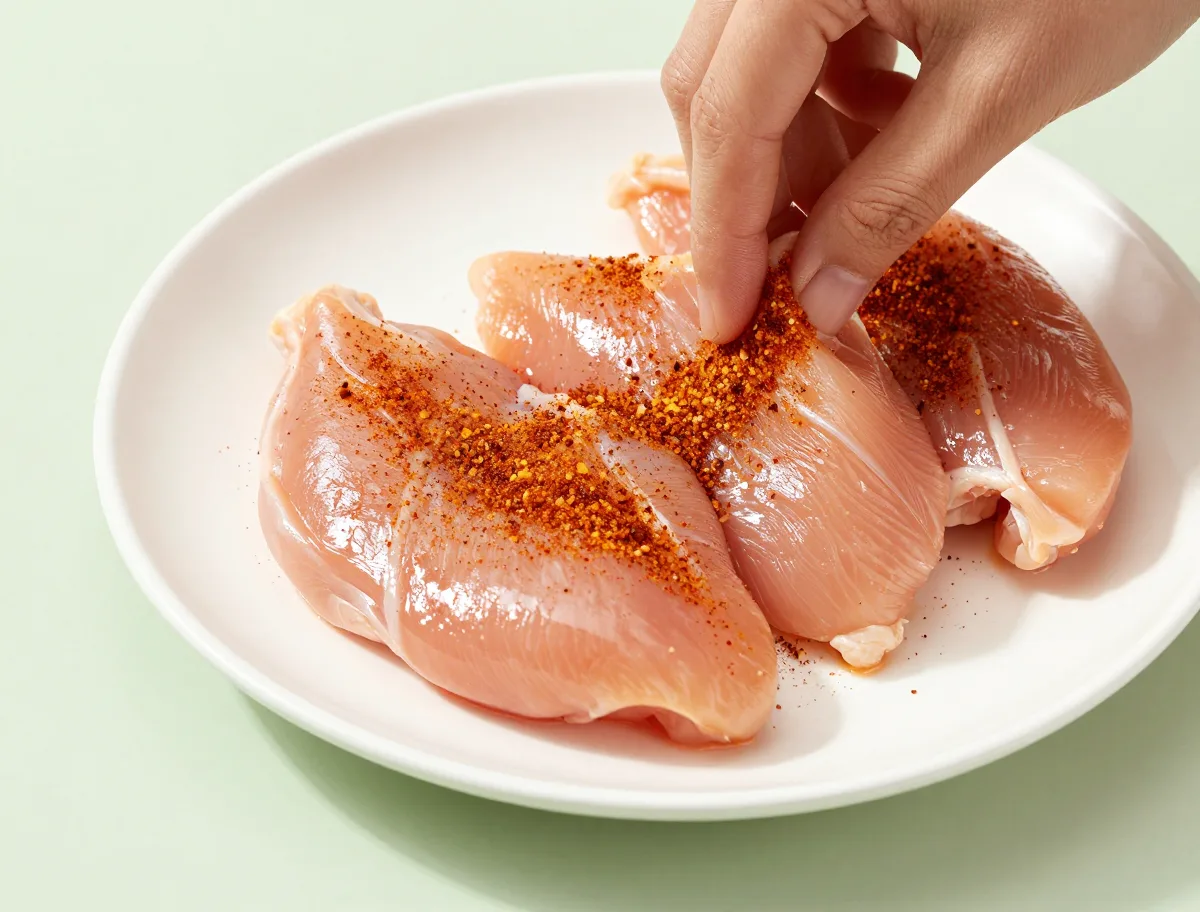
- Mix the blackening seasoning: In a small bowl, combine the paprika, garlic powder, onion powder, thyme, oregano, salt, black pepper, and cayenne. For milder chicken, use a pinch of cayenne; for a hotter crust, use up to 1/2 teaspoon.
- Coat the cutlets: Rub the chicken with 1 tablespoon of the oil, then press the seasoning evenly over both sides. Let the coated chicken stand while the skillet heats; do not stack the pieces if the coating is still damp.
- Preheat the skillet: Place a 12-inch cast-iron or other heavy skillet over medium-high heat for 3 to 4 minutes. Add the remaining 1 tablespoon oil. The oil should shimmer and the chicken should sizzle immediately on contact, but the pan should not produce persistent acrid smoke.
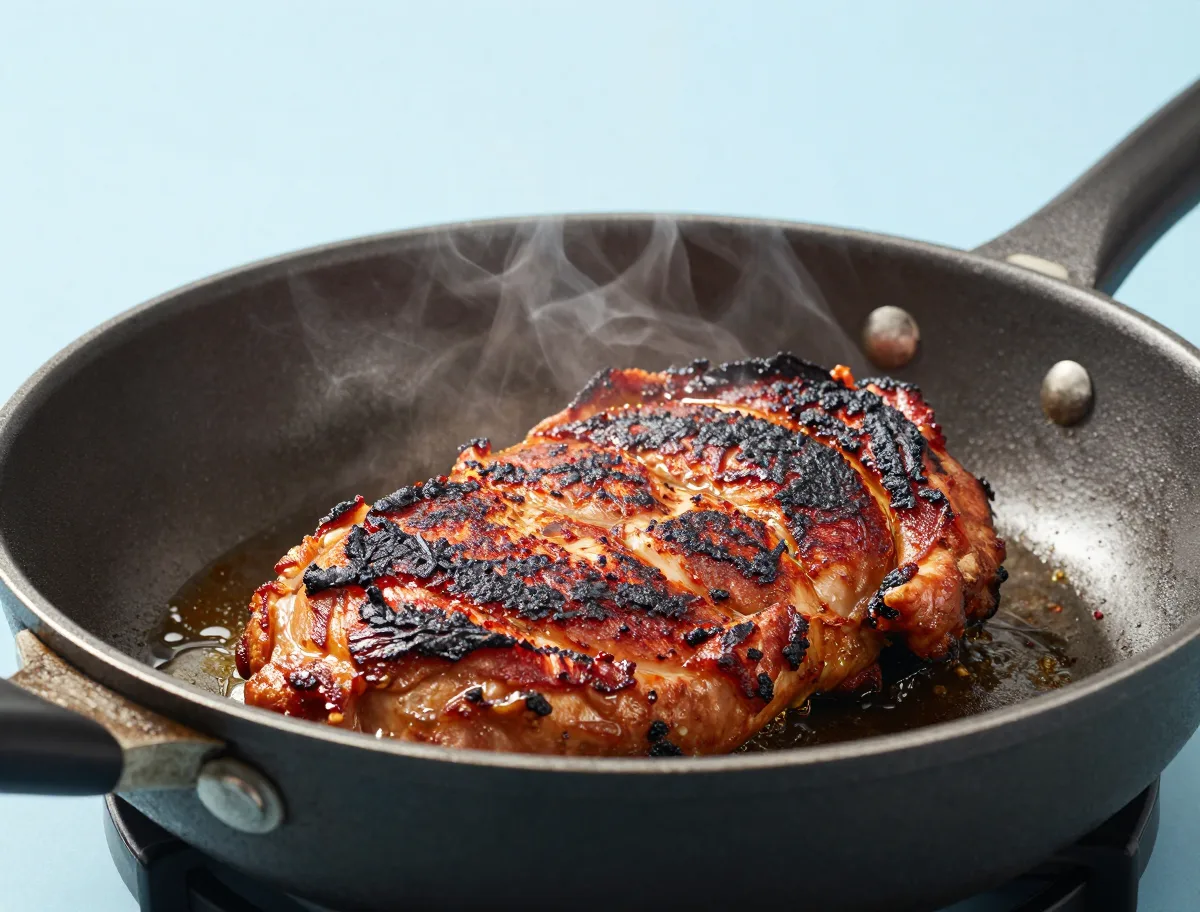
- Sear the first side: Arrange the chicken in a single layer, working in batches if needed. Cook without moving it for 3 to 4 minutes, until the seasoning is firmly set and deep reddish-brown with a few nearly black areas.
- Finish the chicken: Turn the cutlets and cook for 2 to 4 minutes more. When the second side is nearly done, reduce the heat to medium-low and add the butter to the pan. Baste the chicken briefly with the melted butter. Continue cooking until the thickest part reaches 165°F (74°C). If the crust darkens too quickly, lower the heat immediately or transfer the skillet to a 375°F (190°C) oven to finish.
- Rest and brighten: Transfer the chicken to a plate and rest uncovered for 5 minutes. Drizzle with the lemon juice just before serving. For thin cutlets, insert the thermometer sideways into the center; for thicker pieces, check the thickest section without touching the pan.
How to Tell When Blackened Chicken Is Done
Use the clock as a guide, not as the final decision. The recipe is timed for cutlets about 1/2 inch thick, but chicken size, starting temperature, and cookware all change the cooking rate. The crust should be firmly attached and dry-set, while the center should be opaque and tender.
- Thin cutlets generally need about 3 to 4 minutes on the first side and 2 to 4 minutes on the second.
- Insert an instant-read thermometer sideways into a thin cutlet so the probe reaches its center.
- Chicken is safely cooked at 165°F (74°C) in the thickest part. Resting improves juiciness but should not substitute for a verified temperature.
- Thighs may be cooked beyond the minimum temperature for a more tender, succulent texture.
Doneness Cues
- The spice coating is dry-set and adheres when the chicken is turned.
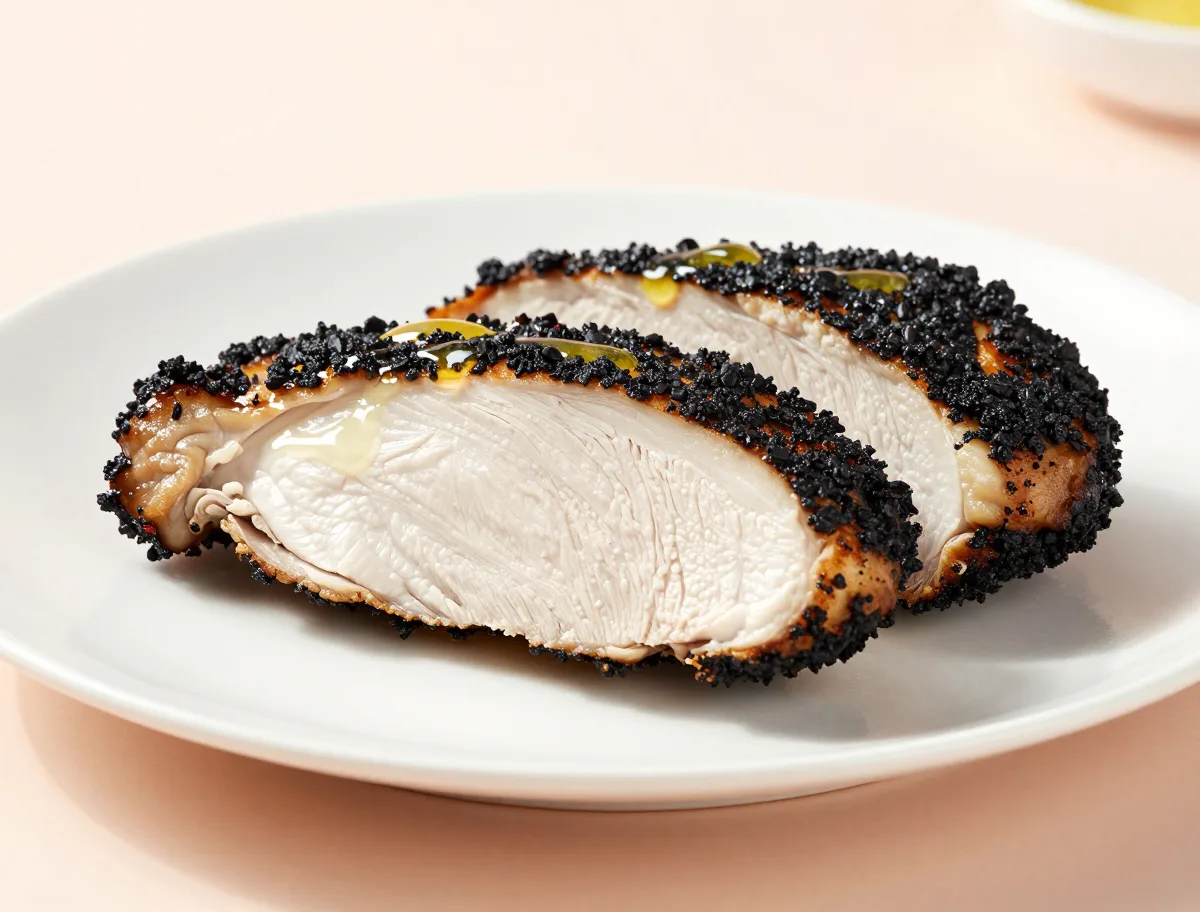
- The crust is deep reddish-brown to nearly black, aromatic, and not bitter or ashy.
- The center is opaque and tender rather than gelatinous.
- The thickest part reaches 165°F (74°C).
The Heat Balance Behind a Dark Spice Crust
Browning starts after surface moisture has evaporated. A properly heated heavy pan drives off that moisture quickly, allowing the spices to toast and adhere. Too little heat produces a pale, loose coating; too much heat carbonizes paprika and herbs before the chicken’s center is ready.
- Look for immediate sizzling rather than a pan that smokes continuously.
- Oil is more forgiving than whole butter for the initial sear because butter’s water and milk solids brown quickly.
- A thick piece creates a larger difference between the temperature of the crust and the center, so it needs staged cooking.
- A heavy skillet holds heat well; after lowering the burner, remember that the pan may remain hot for several minutes.
Common Blackened Chicken Mistakes and Fixes
Most problems come from a mismatch between chicken thickness and heat. Correct the process rather than simply adding more seasoning: dry the surface, manage the pan temperature, and use a thermometer to distinguish a crust problem from a doneness problem.
- Burnt, bitter crust: The heat was too high, the pan contained scorched residue, or butter was added too early. Lower the heat, wipe out the pan between batches, and finish thick pieces gently.
- Pale or patchy crust: The chicken was wet, the skillet was cool, or the pan was crowded. Pat the chicken dry, preheat fully, and cook in a single layer.
- Seasoning sliding off: Use a light oil coating, press the rub onto the chicken, and avoid turning it until the first side has set.
- Dark outside with a raw center: Reduce the heat and transfer the chicken to a 375°F oven or cover it briefly until the center reaches 165°F.
- Dry chicken: Even out the cutlets and begin checking temperature early instead of relying on a fixed cooking time.
Easy Substitutions for Blackened Chicken
The technique is flexible as long as the replacement preserves a dry aromatic coating, enough fat for adhesion, and a cut suited to the cooking time. Neutral oil is the simplest dairy-free choice. Ghee or clarified butter gives a buttery flavor with less risk of scorching than whole butter.
- Use boneless skinless thighs for a more forgiving result, allowing additional time for tenderness.
- Replace some sweet paprika with smoked paprika, but reduce cayenne if using hot paprika.
- For lower heat, reduce or omit cayenne while keeping the paprika, herbs, garlic, onion, salt, and pepper in balance.
- For lower sodium, reduce the measured salt and avoid adding extra salt if using a prepared Cajun blend.
- For dairy-free cooking, omit the butter and use the listed oil for the final cooking stage.
Skillet, Oven, Grill, and Air-Fryer Variations
The defining feature should remain a dry Cajun-style spice crust browned by direct heat. Cutlets are the quickest variation; thick breasts benefit from a short skillet sear followed by oven cooking. Other appliances can work, but their timing varies substantially and must be checked by temperature.
- Oven finish: Sear thick breasts briefly in an oven-safe skillet, then cook at 375°F (190°C) until the center reaches 165°F.
- Grill or grill pan: Oil the grates, cook over medium-high heat, and move thick or rapidly darkening pieces to indirect heat.
- Air fryer: Lightly oil seasoned cutlets, arrange them in one layer, and cook at about 375°F, checking early because airflow and thickness vary by appliance.
- Thigh variation: Use boneless skinless thighs and cook until at least 165°F, allowing extra time for a tender texture.
- Breading or coating the chicken in a wet sauce before cooking changes the dish from blackened chicken to a different preparation.
What to Serve with Blackened Chicken
Serve the chicken after its short rest, with lemon and any pan juices. The spice crust pairs especially well with a cooling element, a bright acidic finish, and a mild starch that softens the peppery seasoning.
- Serve over rice, grits, mashed potatoes, pasta, or a grain bowl.
- Add a green side such as slaw, salad, sautéed peppers, okra, green beans, or beans.
- Offer a cooling sauce such as yogurt sauce, sour cream, ranch-style dressing, remoulade, or mashed avocado on the side.
- Slice across the grain for salads, wraps, sandwiches, and meal-prep bowls.
- Keep sauce alongside rather than pouring it over the chicken if you want to preserve the crust.
How to Store, Freeze, and Reheat Blackened Chicken
Cooked chicken can be prepared ahead, but the crust will soften in the refrigerator and will not fully return after reheating. For safety, refrigerate it promptly in a shallow covered container and use it within 3 to 4 days.
- Refrigerate within 2 hours of cooking, or within 1 hour when the surrounding temperature is above 90°F.
- Freeze airtight portions for longer storage; thaw in the refrigerator for the most even reheating.
- Reheat covered with a teaspoon of water or broth until the center reaches 165°F, then uncover briefly in a skillet or air fryer to refresh the surface.
- Reheat only the portion needed, since repeated warming dries lean chicken.
- Freezing is practical for safety and convenience, but it reduces the original crust’s firmness.
Blackened Chicken FAQs
These answers address the technique choices that most affect crust, heat, juiciness, and food safety.
What chicken cut works best?
Boneless skinless breasts cut into evenly thick cutlets are the fastest and most predictable. Boneless thighs are more forgiving but take longer and have a richer texture.
Should chicken breasts be butterflied or pounded?
Yes, when they are thick or uneven. Aim for roughly 1/2-inch thickness so the crust can brown before the lean breast overcooks.
Is butter required for blackened chicken?
No. Neutral oil works well and is less likely to burn. Butter adds richness, so this recipe uses it near the end rather than for the initial high-heat sear.
How hot should the skillet be?
It should be hot enough for immediate sizzling and rapid browning, but not so hot that the seasoning produces acrid smoke before the chicken is cooked. Medium-high heat in a preheated heavy skillet is a practical starting point.
How can I make the chicken less spicy?
Reduce the cayenne first. Keep the paprika, herbs, garlic, onion, salt, and black pepper so the crust remains flavorful rather than merely mild.
Why did my spice rub burn?
Common causes include excessive heat, early use of whole butter, thick chicken, loose spice residue in the pan, or leaving the chicken over direct heat after the crust had already darkened. Lower the heat and finish the chicken more gently.
Can I grill or air-fry it?
Yes. Use a lightly oiled, single-layer coating and check the thickest part with a thermometer. Grill and air-fryer times vary too much by appliance to substitute directly for the skillet timing.
How do I know the chicken is safe?
Check the thickest part with an instant-read thermometer; poultry should reach 165°F (74°C). Insert the probe sideways into thin cutlets so it reaches the center.
A Brief Note on Cajun-Style Blackening
Blackened chicken is best described as Cajun-style or Cajun-inspired rather than as an ancient, fixed Cajun preparation. The modern blackening technique became widely associated with Louisiana chef Paul Prudhomme and the popularity of blackened redfish in New Orleans restaurants during the early 1980s. Chicken is a later, practical application of that spice-crusting method.
- There is no single universally mandated blackening blend; paprika, herbs, pepper, garlic, onion, salt, and cayenne are common building blocks.
- Historical descriptions often feature butter and very high cast-iron heat, while a measured oil-first method is more forgiving in a home kitchen.
- The important culinary identity is the combination of a boldly seasoned coating and controlled direct-heat browning.
For additional cultural context, see the Smithsonian’s discussion of quintessential Cajun foods.
Food-Safety Essentials for Chicken
Keep raw chicken and its juices separate from produce, cooked food, and serving utensils. Wash hands, boards, knives, and counters with hot soapy water after preparation, and do not rinse the chicken because splashing can spread contamination.
- Cook every piece to at least 165°F (74°C), measured in the thickest part away from bone, fat, or gristle.
- For thin cutlets, insert the thermometer from the side into the center.
- Resting improves quality but does not replace a verified safe temperature.
- Refrigerate leftovers within 2 hours, keep them at 40°F or below, use them within 3 to 4 days, and reheat them to 165°F.
For the poultry temperature and leftover-reheating targets, follow USDA safe cooking temperature guidance.