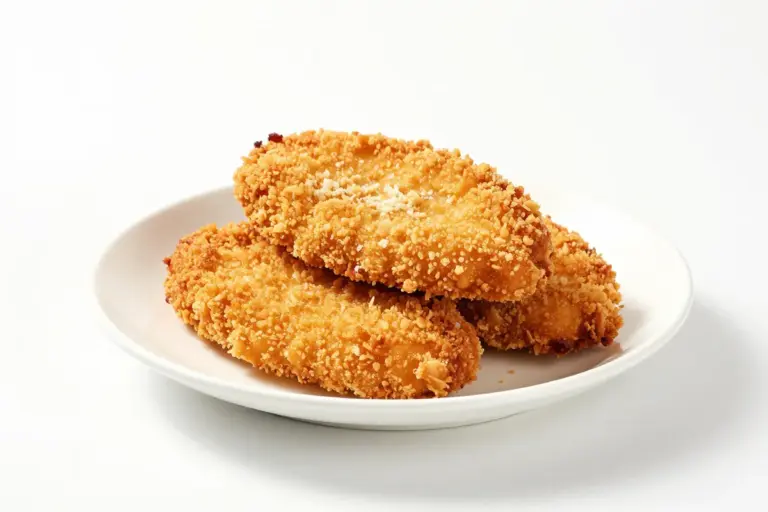
Butter Lemon Chicken Recipe with Garlic
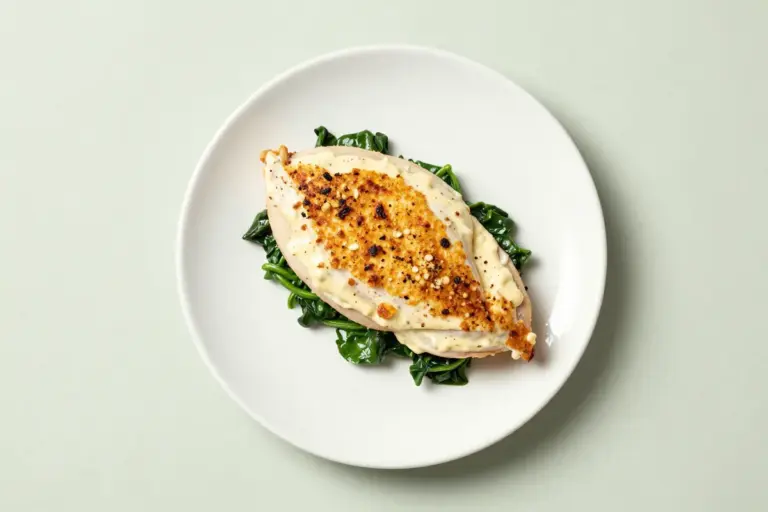
This butter lemon chicken recipe features golden pan-seared chicken cutlets finished with a silky garlic lemon butter sauce in one skillet.
What Makes Great Lemon Butter Chicken
This skillet lemon chicken pairs lightly floured, golden cutlets with a savory pan sauce that is bright with fresh lemon but rounded by butter and chicken stock. The ideal result is tender chicken and a sauce that is glossy, spoon-coating, and fluid enough to drizzle over a starch.
- Use thin, evenly sized chicken cutlets for quick, consistent cooking.
- Build flavor from the browned bits in the skillet, then balance the reduced stock with lemon and butter.
- Serve the sauce hot, when its emulsion is at its smoothest.
Why the Ingredients Work
The light flour dredge does more than add color: it dries the chicken’s surface, encourages browning, and leaves a delicate coating for the sauce to cling to. Oil handles the hotter searing stage, while butter is reserved for the finish so it can provide flavor and sheen without burning.
- Fresh lemon zest supplies aromatic citrus oils; juice provides the sauce’s acidity.
- Chicken stock loosens the fond and adds savory depth as it reduces.
- Cold or cool butter added gradually at the end helps create a smooth, glossy sauce.
- Unsalted butter and low-sodium stock leave more control over final seasoning.
Ingredients
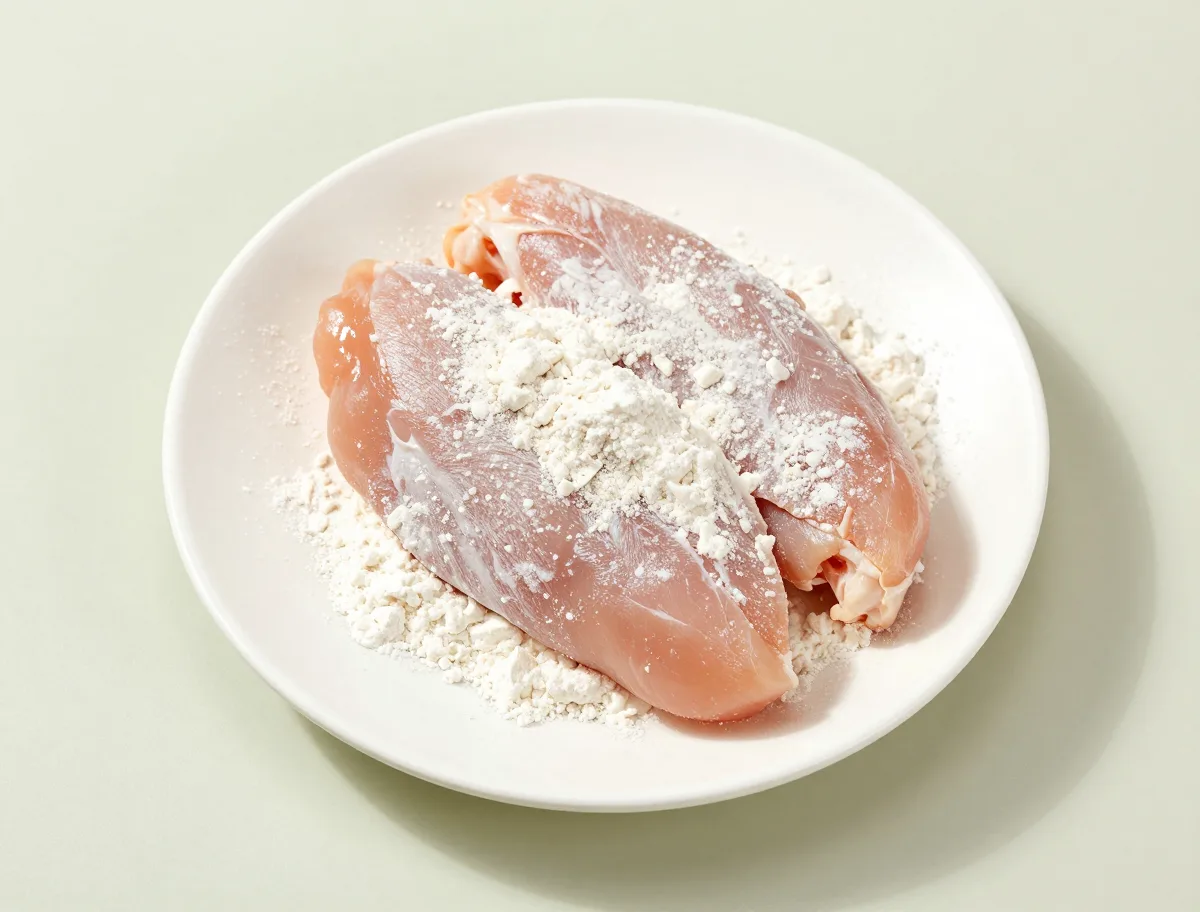
- 2 large boneless, skinless chicken breasts, about 1 3/4 pounds total, halved horizontally into 4 cutlets
- 1 1/2 teaspoons kosher salt, divided
- 1/2 teaspoon freshly ground black pepper
- 1/2 teaspoon Italian seasoning
- 1/2 cup all-purpose flour, for dredging
- 2 tablespoons neutral oil, such as grapeseed or canola oil
- 5 tablespoons unsalted butter, cut into pieces; divided
- 3 garlic cloves, finely minced
- 1 cup low-sodium chicken stock
- 1 large lemon, finely zested and juiced; keep zest and juice separate
- 2 tablespoons flat-leaf parsley, finely chopped
How to Make This One-Skillet Lemon Chicken
The most important preparation is making the chicken an even thickness and gathering the sauce ingredients before the skillet gets hot. Garlic can burn quickly, and the butter finish takes only a minute, so having the stock, lemon, and butter ready keeps the cooking controlled.
- Slice thick breasts horizontally or pound them gently to about 1/2 inch.
- Pat the chicken dry and dredge just before it goes into the skillet.
- Leave space around each cutlet; crowding traps moisture and prevents browning.
- Remove the chicken while the sauce reduces, then return it only briefly for coating and warming.
Instructions
- Prepare the cutlets: Pat the chicken dry. If any pieces are thicker than about 1/2 inch, place them between sheets of plastic wrap and gently pound them to an even thickness. Season both sides with 1 teaspoon of the salt, the pepper, and the Italian seasoning. Put the flour in a shallow dish and dredge each cutlet lightly, turning to coat and shaking off the excess.
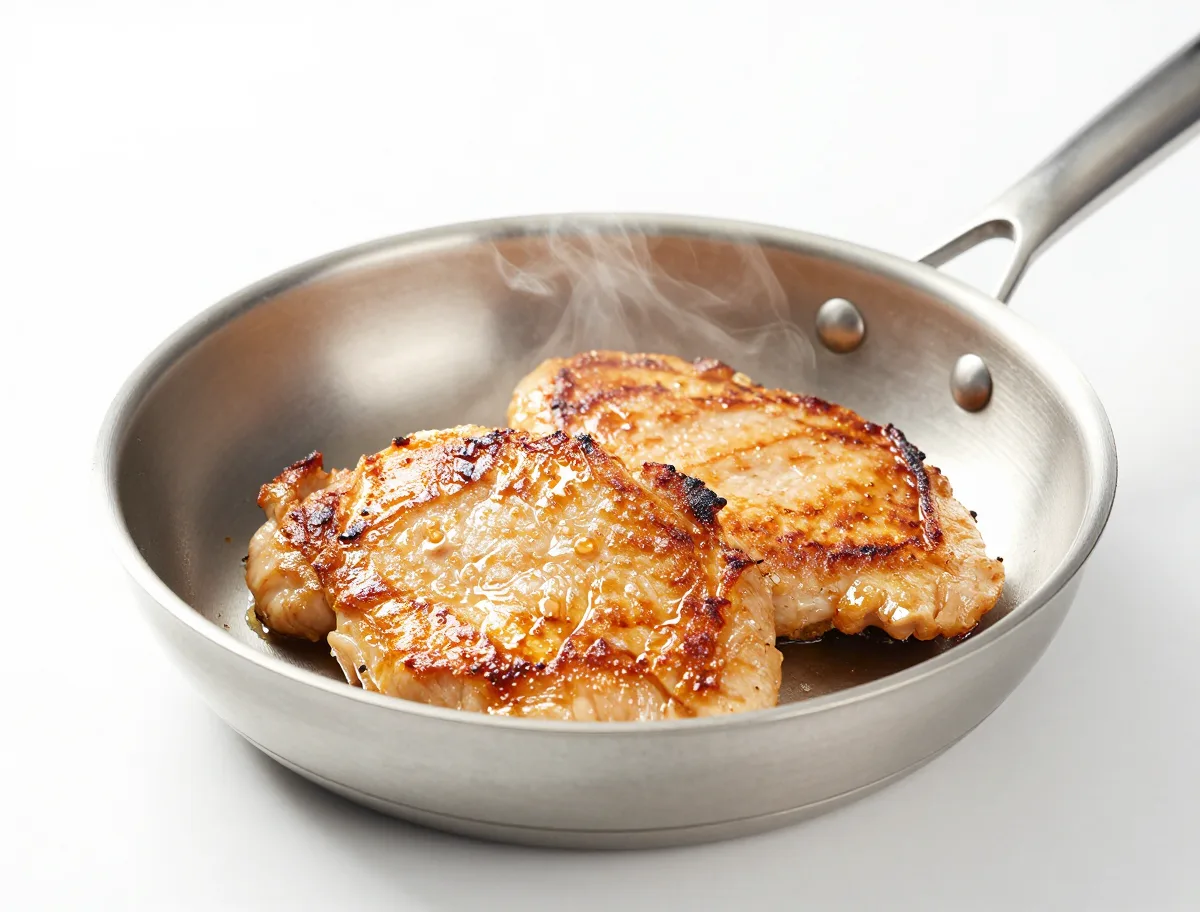
- Brown the chicken: Heat a large 12-inch skillet over medium-high heat. Add the oil and 1 tablespoon of the butter. When the butter has melted and the oil shimmers, arrange the chicken in a single layer. Cook until golden underneath, about 3 to 4 minutes, then turn and cook until the second side is browned and the chicken reaches 165°F in the thickest part, about 2 to 4 minutes more. Transfer the chicken to a plate. Cook in batches if the skillet would be crowded, adding a little more oil only if the pan is dry.
- Build the pan sauce: Reduce the heat to medium-low. Add the garlic to the skillet and cook for 30 seconds, stirring, just until fragrant. Pour in the chicken stock and scrape up the browned bits from the bottom of the pan. Simmer until the stock is reduced by about one-third and looks slightly concentrated, 3 to 5 minutes.
- Finish with lemon and butter: Remove the skillet from the heat. Stir in the lemon juice, lemon zest, and the remaining 1/2 teaspoon salt. Whisk in the remaining 4 tablespoons butter, one piece at a time, until the sauce is smooth and glossy. Taste and adjust the seasoning if needed.
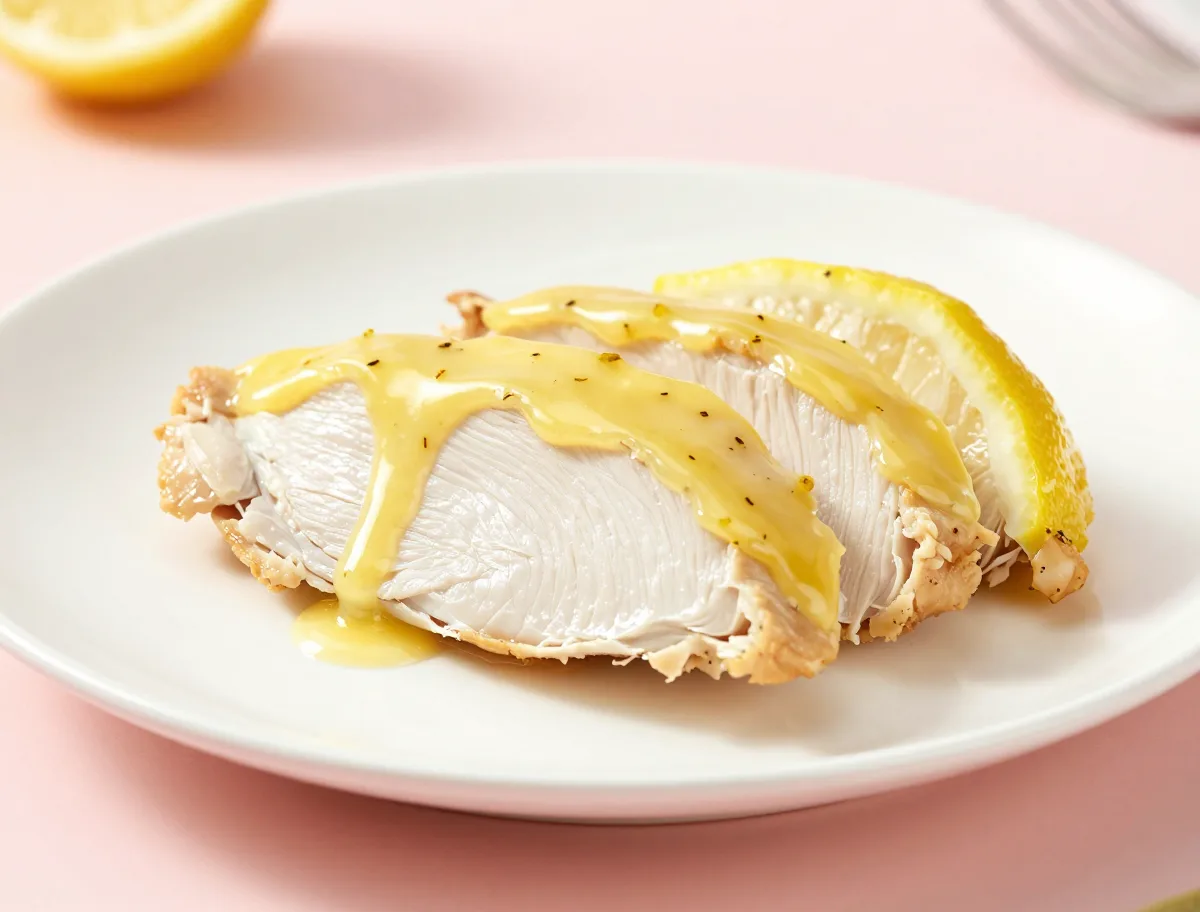
- Coat and serve: Return the chicken and any juices on the plate to the skillet. Spoon the sauce over the cutlets and let them warm gently for about 1 minute; do not boil the finished sauce. Sprinkle with parsley and serve immediately with the lemon butter sauce.
How to Tell When the Chicken and Sauce Are Ready
Color is a useful visual guide, but temperature is the dependable doneness test for poultry. The cutlets should be golden outside and opaque inside, while the sauce should flow slowly from a spoon rather than resemble either thin broth or thick gravy.
- Check the thickest part of each cutlet with a thermometer; it should reach 165°F (74°C).
- A set, golden coating indicates that the surface has browned instead of steamed.
- The sauce should look shiny and lightly cling to the chicken.
- If the sauce is watery, reduce it gently before adding the finishing butter.
Doneness Cues
- The cutlets should be evenly thin with a firm, golden-brown surface.
- Chicken is safe when the thickest portion reaches 165°F (74°C) on an instant-read thermometer.
- The reduced stock should lightly coat a spoon before the butter is added.
- The finished sauce should be glossy and pourable, with no large pools of separated butter.
The Cooking Decisions That Matter Most
Browning depends on a dry chicken surface, a properly heated pan, and enough room for moisture to escape. Sauce texture comes from two separate steps: reducing the stock for concentration, then dispersing butter into the warm liquid at low heat or off heat.
- Use oil for the initial sear because butter’s milk solids can scorch at high heat.
- Reduce the stock before final seasoning; evaporation intensifies both flavor and saltiness.
- Add lemon after reduction so its acidity can be adjusted instead of becoming harsh or overpowering.
- Whisking butter in gradually helps it emulsify; boiling the finished sauce encourages separation.
Common Lemon Butter Chicken Mistakes and Fixes
Most problems with pan-seared lemon chicken come from uneven meat, excess moisture, or heat that is too high at the wrong time. Correcting the process is usually more effective than trying to rescue the finished dish.
- Dry chicken: Use even cutlets, check temperature rather than relying only on time, and avoid simmering the meat in the sauce.
- Pale or soggy coating: Pat the chicken dry, shake off excess flour, preheat the skillet, and cook in batches.
- Bitter sauce: Burned garlic, butter, or fond cannot be fully disguised. If the fond is black and bitter, wipe out the skillet and start the sauce with a clean pan.
- Broken sauce: Take it off the heat and whisk in a tablespoon of warm stock or a small piece of butter. It may not regain a perfect emulsion if it was overheated.
- Too much acidity: Add a little unsalted stock or butter and taste again; next time, add lemon incrementally after reduction.
Easy Substitutions for Lemon Butter Chicken
The recipe can adapt to what is available, provided the substitutions preserve a quickly cooking protein, a savory deglazing liquid, and a rich finishing fat. Expect modest changes in browning, sauce body, or flavor when swapping ingredients.
- Boneless, skinless chicken thighs work well but are less uniform and usually need longer cooking to reach 165°F (74°C).
- A gluten-free flour blend can replace all-purpose flour. Cornstarch gives a lighter coating but will contribute less thickening to the sauce.
- Vegetable stock can replace chicken stock, although the sauce will have less poultry flavor.
- Olive oil can replace neutral oil, but use moderate heat if using a strongly flavored extra-virgin oil.
- Bottled lemon juice is acceptable in a pinch; fresh juice and zest provide a more fragrant result.
- Plant-based butter may work, but its salt and water content vary and the sauce may be less stable.
Within-Recipe Variations
The defining elements are pan-seared chicken, lemon, butter, and a light savory sauce. Small adjustments can personalize the dish without turning it into a different preparation.
- For a flour-free version, season and sear the chicken without dredging; the sauce will be slightly less thick and the exterior less coated.
- Use boneless thighs for a richer variation, allowing extra cooking time and a darker fond.
- Increase or reduce the garlic to taste while keeping it brief in the pan so it does not scorch.
- Fresh thyme, chives, or extra parsley can be added as an herb variation.
- Heavy cream, panko, Parmesan, or a dominant caper-and-wine profile would shift the dish toward a different style.
What to Serve with Lemon Butter Chicken
Serve the chicken immediately, spooning the warm sauce over the top so it remains fluid and glossy. Choose an accompaniment that can catch the sauce, then add something green or crisp to balance the butter’s richness.
- Rice, pasta, mashed potatoes, couscous, polenta, and crusty bread all work well.
- Pair with steamed broccoli, green beans, asparagus, sautéed spinach, or a simple salad.
- Finish with parsley or a little lemon zest for aroma and color.
- Use lemon slices mainly as a garnish; squeezing on extra juice can make the sauce too sharp.
How to Store and Reheat Lemon Butter Chicken
This dish is best freshly made because the flour coating softens and the butter sauce can lose some of its emulsion as it cools. Leftovers are still practical when chilled promptly and reheated gently.
- Refrigerate within 2 hours of cooking, or within 1 hour when the room temperature is above 90°F (32°C).
- Keep leftovers at 40°F (4°C) or below and use them within 3 to 4 days.
- Reheat covered over low heat with a small splash of stock or water; avoid a vigorous boil.
- Reheated chicken and sauce should reach 165°F (74°C). Reheating does not restart the original storage window.
- Freezing is possible, but thawing can make the chicken drier, soften the coating, and cause the sauce to separate.
Lemon Butter Chicken FAQ
These answers address the practical choices that most affect a successful skillet lemon chicken dinner.
What cut of chicken works best?
Boneless, skinless breasts sliced horizontally into cutlets are the quickest and most even option. Boneless thighs are also suitable, but they vary more in thickness and generally need longer cooking.
Do I need to pound the chicken?
Only if the cutlets are uneven or thicker than about 1/2 inch. Slicing the breasts horizontally is another easy way to create pieces that cook at the same rate.
Is the flour dredge necessary?
No. It improves browning, adds a lightly coated exterior, and may give the sauce a little extra body. Omitting it produces a flour-free version with less coating and a slightly thinner sauce.
How do I keep chicken breast juicy?
Make the pieces even, avoid overcrowding, and use an instant-read thermometer rather than cooking far beyond the suggested time. Remove the chicken while making the sauce and return it only briefly.
Can I use bottled lemon juice?
Yes, but fresh lemon juice tastes brighter, and fresh zest adds aroma without adding extra liquid. If using bottled juice, add it gradually and taste after the stock has reduced.
Can this be made entirely in one skillet?
Yes. Use a wide skillet and cook the chicken in batches if necessary so the pieces have room to brown.
How long should the chicken cook?
Thin cutlets often take about 3 to 4 minutes on the first side and 2 to 4 minutes on the second, but pan heat and thickness vary. The thickest part must reach 165°F (74°C).
How do I prevent the butter from burning?
Use oil for the main sear, lower the heat before cooking the garlic, and add the remaining butter only after removing the skillet from the heat.
What should I serve with it?
Rice, pasta, potatoes, couscous, polenta, or bread are good sauce-catching choices. Add a green vegetable or salad for contrast.
Chicken Safety Notes
Handle raw poultry separately from ready-to-eat foods, wash your hands and utensils after contact, and do not rinse the chicken because splashing can spread pathogens. A thermometer is more reliable than color, clear juices, or a stated cooking time.
- Cook chicken to a minimum internal temperature of 165°F (74°C), measured in the thickest part.
- Avoid touching the thermometer tip to the skillet when checking a thin cutlet.
- Refrigerate cooked chicken within 2 hours, or within 1 hour above 90°F (32°C).
- Keep the refrigerator at 40°F (4°C) or below and reheat leftovers to 165°F (74°C).
- For detailed poultry temperature guidance, consult the USDA safe cooking temperature guidance.