Cajun Chicken Noodle Soup Recipe (One-Pot)
This Cajun chicken noodle soup recipe combines tender chicken, egg noodles, and the onion-celery-bell-pepper trinity in a savory, gently spicy one-pot broth.
What to Expect from This Cajun Chicken Noodle Soup
This is a brothy, Cajun-style chicken noodle soup rather than a traditional Louisiana classic. Its character comes from the onion, celery, and bell pepper foundation, supported by garlic and a measured amount of Cajun seasoning.
- The broth should be savory and aromatic with moderate, adjustable heat.
- Chicken and vegetables should remain distinct rather than dissolving into a thick stew.
- Egg noodles add comfort and body, but the soup should still flow easily from a ladle.
The Ingredients That Build Its Cajun Flavor
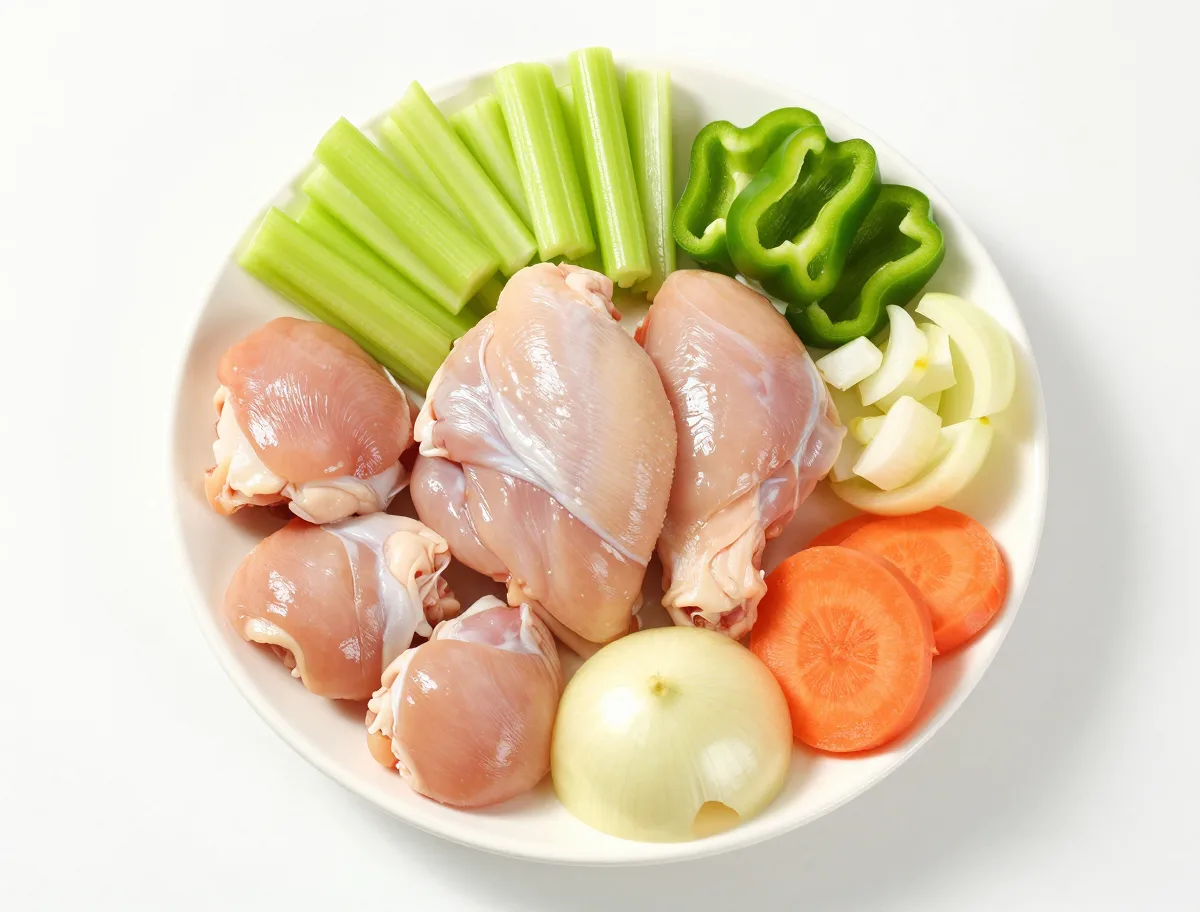
The defining flavor base is the Louisiana-style combination of onion, celery, and green bell pepper. Onion supplies sweetness, celery brings a fresh savory note, and bell pepper gives the soup its clearest Cajun identity. Carrots add the familiar sweetness associated with chicken soup without replacing that foundation.
- Boneless thighs stay moist during a short simmer and bring more flavor than very lean chicken breast.
- Low-sodium broth leaves room to control the salt contributed by the Cajun seasoning.
- Wide egg noodles cook quickly and provide a classic chicken-soup texture, but they also absorb liquid readily.
- Garlic, bay leaf, black pepper, parsley, and green onion reinforce the broth without competing with the trinity.
Ingredients
- 1 tablespoon olive oil
- 1 1/2 pounds boneless, skinless chicken thighs, cut into 3/4-inch pieces
- 1 medium yellow onion, diced
- 3 stalks celery, thinly sliced
- 1 medium green bell pepper, diced
- 2 medium carrots, peeled and thinly sliced
- 3 cloves garlic, finely chopped
- 1 1/2 tablespoons Cajun seasoning, plus more to taste
- 1/2 teaspoon black pepper
- 8 cups low-sodium chicken broth
- 1 leaf bay leaf
- 1/2 teaspoon kosher salt, or to taste, depending on the broth and seasoning
- 6 ounces wide dried egg noodles
- 1/4 cup flat-leaf parsley, chopped
- 1/4 cup green onions, thinly sliced, optional
- As needed hot sauce, for serving, optional
How to Make the Soup in One Pot
The most important technique is layering flavor rather than adding everything to the broth at once. A brief browning of the chicken gives the soup a deeper base, while sweating the vegetables first removes their raw edge and helps them integrate into the broth.
- Keep the chicken pieces similar in size so they finish cooking together.
- Cook the Cajun seasoning and garlic only briefly in the oil; scorched paprika or garlic can make the broth bitter.
- Use a gentle simmer, not a rolling boil, once the broth is added.
- Add noodles near the end and serve promptly for the best one-pot texture.
Instructions
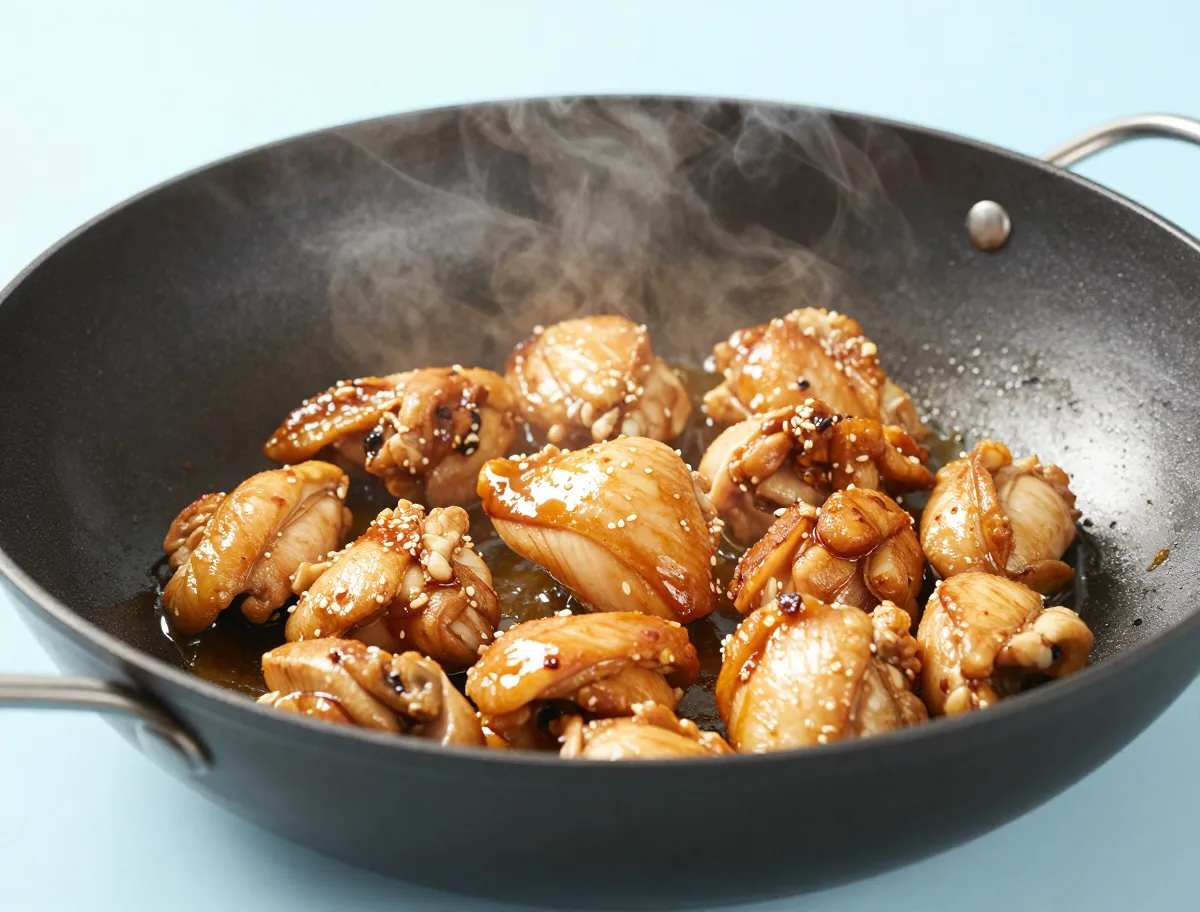
- Brown the chicken: Heat the olive oil in a 6-quart Dutch oven or soup pot over medium-high heat. Add the chicken in an even layer and cook for 3 to 4 minutes, stirring once or twice, until lightly browned on the outside. It does not need to be cooked through yet. Transfer the chicken to a plate.
- Soften the vegetables: Reduce the heat to medium. Add the onion, celery, green bell pepper, and carrots to the pot. Cook for 5 to 6 minutes, stirring occasionally, until the onion turns translucent and the celery and pepper begin to soften.
- Bloom the seasoning: Stir in the garlic, Cajun seasoning, and black pepper. Cook for 30 seconds, just until fragrant; do not let the spices scorch.
- Simmer the soup: Pour in the chicken broth and add the bay leaf. Return the chicken and any juices on the plate to the pot. Bring to a gentle simmer, then cook uncovered for 8 to 10 minutes, stirring occasionally, until the chicken reaches 165°F (74°C) in the thickest pieces and the vegetables are tender.
- Cook the noodles: Stir in the kosher salt, then add the egg noodles. Maintain a gentle simmer and cook according to the shorter end of the package range, usually 5 to 7 minutes. Stir once or twice and taste a noodle; it should be just tender with a slight bite.
- Finish and serve: Remove the bay leaf and turn off the heat as soon as the noodles reach the desired texture. Stir in the parsley. Taste the broth and adjust with additional Cajun seasoning or salt only if needed. Ladle into bowls and top with green onions; pass hot sauce at the table.
How to Tell When the Chicken, Vegetables, and Noodles Are Done
Timing is a useful guide, but the final cues matter more because chicken size, noodle brands, and pot shape vary. Check the thickest chicken piece with a thermometer, and taste a noodle before turning off the heat.
- Chicken is safe and ready at 165°F (74°C); do not rely on color alone.
- Celery should be tender enough to bite easily, while the vegetables should still hold their shape.
- Stop cooking the noodles when they are just tender because hot broth continues softening them.
- If the broth has become thick enough to coat a spoon, it has reduced too far for the intended soup texture; loosen it with hot unsalted broth.
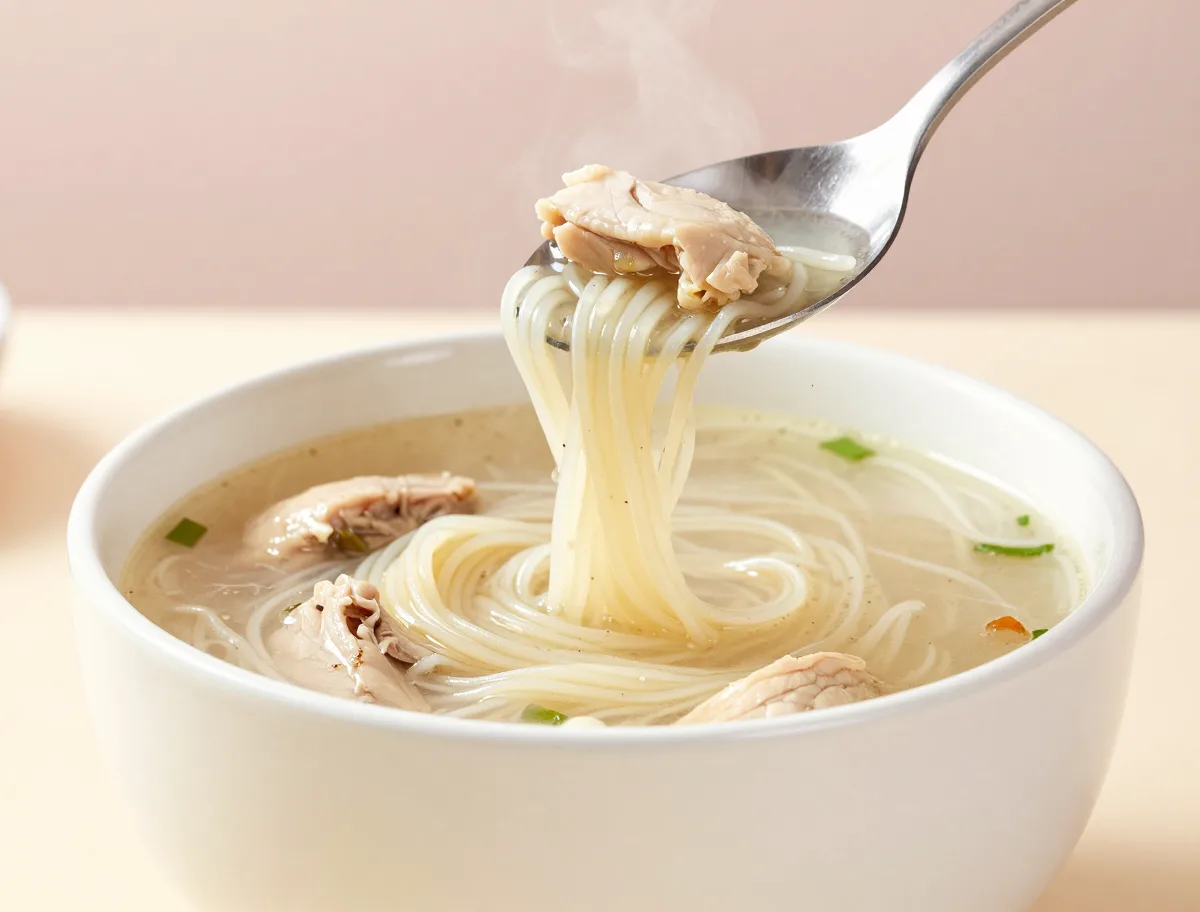
The chicken is opaque throughout and measures 165°F (74°C) in the thickest piece. The onion is translucent, the celery yields when bitten, and the bell pepper no longer tastes raw. The noodles are just tender rather than soft; they will continue to absorb broth as the soup stands. The finished soup remains fluid and brothy, with visible liquid surrounding the chicken, vegetables, and noodles.
The Cooking Variables That Matter Most
Noodles continue taking up liquid after they leave the heat, and their surface starch slightly thickens the broth. That is why this recipe uses a generous amount of broth and stops the noodles at the firm side of tender.
- Evaporation concentrates both salt and heat, so avoid an extended uncovered boil.
- Chicken breast becomes dry more quickly than thighs during prolonged simmering.
- Seasoning tastes different after the noodles and chicken are in the pot; make the final adjustment only then.
- For a cleaner broth and better leftovers, boil noodles separately and combine them just before eating.
Common Cajun Chicken Soup Problems and Fixes
Most problems with chicken noodle soup come from seasoning concentration, excessive heat, or letting the noodles cook too long. Small adjustments during cooking prevent more problems than trying to repair the finished pot.
- If the soup is too salty, add unsalted broth or water a little at a time. Avoid further reduction.
- If it is too spicy, dilute with unsalted broth and add extra plain chicken or vegetables if available; offer heat separately next time.
- Dry chicken usually means breast meat or small pieces were cooked too long. Use thighs, check temperature early, and add cooked chicken only at the end.
- Firm vegetables result from large cuts or insufficient sautéing. Cut them consistently and soften them before adding broth.
- Mushy noodles cannot be restored. For future batches, shorten their cooking time or cook them separately, especially when storing leftovers.
- A watery-tasting broth can be corrected with a modest amount of additional Cajun seasoning after tasting, provided the soup is not already salty.
Chicken, Noodle, and Seasoning Substitutions
This soup accommodates convenient substitutions, but each one changes timing or absorption. Keep the onion, celery, and bell pepper combination if you want the finished dish to retain its Cajun profile.
- Use about 3 cups of shredded or diced rotisserie chicken in place of raw chicken. Add it with the noodles or during the final few minutes, just long enough to heat through.
- Boneless chicken breast works in the same quantity, but monitor it closely and remove it as soon as it reaches 165°F.
- Short pasta can replace egg noodles; follow its package timing and begin checking early.
- Gluten-free pasta and rice noodles often soften faster and may cloud or thicken the broth, so separate cooking is the safer choice for texture.
- Choose a gluten-free Cajun seasoning when necessary, since some commercial blends may contain unexpected additives.
- A homemade blend of paprika, garlic, onion, oregano, thyme, black pepper, and a controlled amount of cayenne gives better control over salt and heat.
Simple Variations That Still Taste Like Cajun Chicken Noodle Soup
The most useful variations change texture or richness without losing the brothy, noodle-centered structure. Diced chicken gives defined bites, while shredded chicken distributes meat more evenly through each spoonful.
- For a creamy variation, stir 1/2 cup of half-and-half into the finished soup after removing it from the heat. Warm gently without boiling.
- A small amount of smoked paprika can add depth, but reduce or omit it if the Cajun blend is already smoky.
- Extra vegetables are welcome, provided the trinity remains prominent.
- Andouille, tomatoes, rice, seafood, or a roux create worthwhile Louisiana-inspired soups, but they substantially change this recipe’s identity and should not be treated as required additions.
How to Serve Cajun Chicken Noodle Soup
Serve the soup as soon as the noodles reach the right texture, while the broth is hot and the noodles still have some bite. Fresh parsley and green onion brighten the seasoned broth without making it richer or heavier.
- Offer hot sauce at the table so each person can control the heat.
- Pair the soup with warm cornbread, plain crusty bread, or crackers.
- A simple green salad is a fresh counterpoint if the soup is the centerpiece of the meal.
- Warm bowls help the broth stay hot without requiring extra cooking.
How to Store, Freeze, and Reheat the Soup
For the best quality, keep the soup base separate from the noodles whenever you are cooking ahead. Egg noodles continue absorbing broth in the refrigerator, so storing them apart preserves both the soup’s volume and their texture.
- Cool the soup in shallow containers and refrigerate it within 2 hours, or within 1 hour if the temperature is above 90°F. Keep it at 40°F or colder.
- Use refrigerated leftovers within 3 to 4 days.
- Freeze the chicken-and-vegetable soup base without noodles for the best texture; quality is generally best within 2 to 6 months.
- Reheat only the portion needed, adding unsalted broth if it has thickened. Heat to 165°F throughout, then add freshly cooked noodles.
- Creamy variations may separate during freezing and reheating, so they are better served fresh.
Cajun Chicken Noodle Soup FAQ
These answers address the practical choices that most affect speed, spice level, chicken texture, and leftover quality.
Can I make this as a true one-pot chicken noodle soup?
Yes. The recipe is written for one pot: sauté the chicken and vegetables, add the broth, and cook the noodles directly in the soup. If you expect leftovers, cook the noodles separately so they do not absorb most of the broth.
How spicy is this soup?
It is gently spicy when made with a moderate Cajun blend, but brands differ widely in cayenne and salt. Start with less seasoning for a mild version and add hot sauce or extra seasoning to individual bowls.
Can I use rotisserie or leftover chicken?
Yes. Use about 3 cups of shredded or diced cooked chicken and add it near the end, after the vegetables are tender. It only needs to warm through; prolonged simmering can make it dry.
What can replace the egg noodles?
Short pasta, gluten-free pasta, and rice noodles can all work, but they do not cook identically. Follow the package timing, check early, and consider cooking substitutes separately if you plan to store the soup.
Can I make the soup creamy?
Yes. Stir a small amount of half-and-half into the finished broth after removing the pot from the heat, then warm gently without boiling. This produces a richer variation and is less suitable for freezing.
How can I keep the soup from becoming too salty?
Use low-sodium broth, begin with a conservative amount of Cajun seasoning, and wait until the chicken and noodles are cooked before adding salt. Evaporation concentrates seasoning, so taste again before serving.
What Makes This Soup Cajun-Style
Cajun chicken noodle soup is best described as a contemporary Cajun-inspired adaptation, not a canonical historic dish. Its Louisiana grounding comes from the foundational use of onion, celery, and green bell pepper—often called the Cajun holy trinity—along with a savory spice blend and practical one-pot cooking.
- The trinity resembles French mirepoix but uses bell pepper in place of carrot as the characteristic third aromatic.
- Cajun cooking is not defined only by heat; aromatics, herbs, and savory depth matter just as much.
- Calling this soup Cajun-style accurately acknowledges its regional influences without claiming that chicken noodle soup is a traditional Cajun classic.
For additional Louisiana institutional context, see this brief history of the Cajun holy trinity.
Food-Safety Essentials for Chicken Soup
Keep raw chicken, its juices, and the cutting tools used with it away from ready-to-eat ingredients. Wash hands and clean the work surface after handling poultry, then verify doneness with a thermometer rather than relying on appearance.
- Cook every piece of chicken to 165°F (74°C) in the thickest part.
- Refrigerate leftovers within 2 hours, or within 1 hour in temperatures above 90°F.
- Divide a large batch into shallow containers so it cools more quickly; do not leave a large hot pot to cool at room temperature.
- Reheat leftovers to 165°F throughout. Food held outside safe time limits should be discarded rather than reheated.
For official temperature guidance, consult the USDA safe cooking temperature chart.