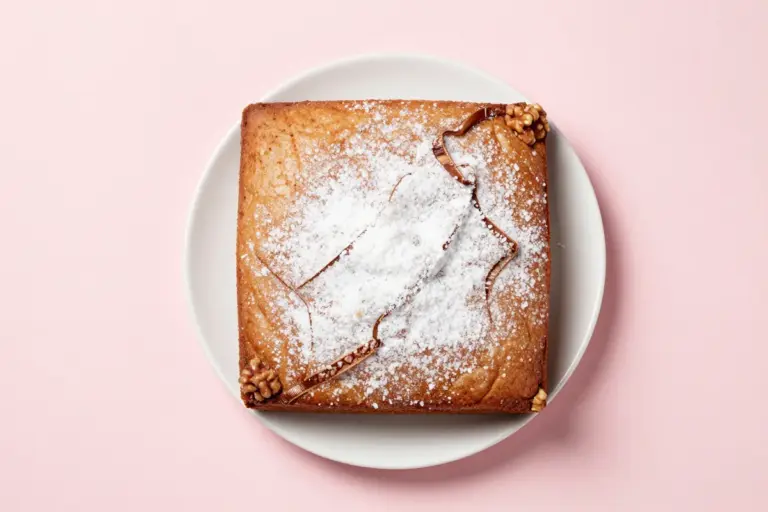
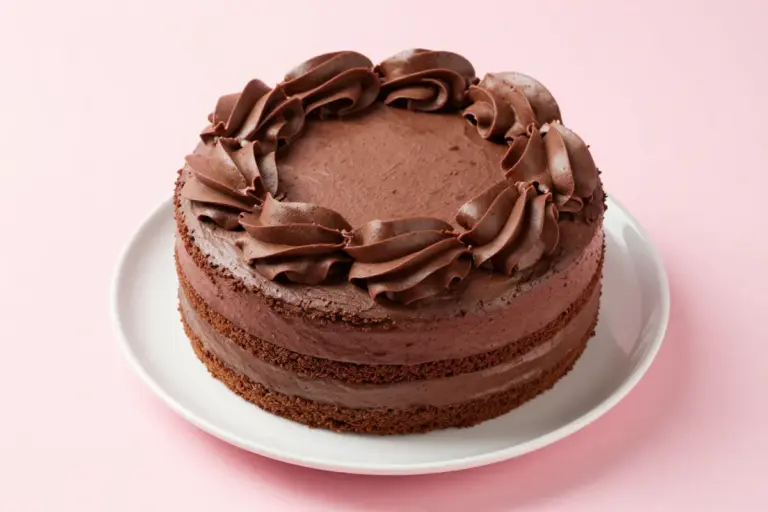
Moist Dulce de Leche Layer Cake Recipe
This moist dulce de leche cake recipe makes two tender vanilla layers with a thick dulce de leche filling and lightly salted dulce de leche buttercream. It is a stable, bakery-style layer cake with a balanced milk-caramel flavor.
What to Expect from This Dulce de Leche Layer Cake
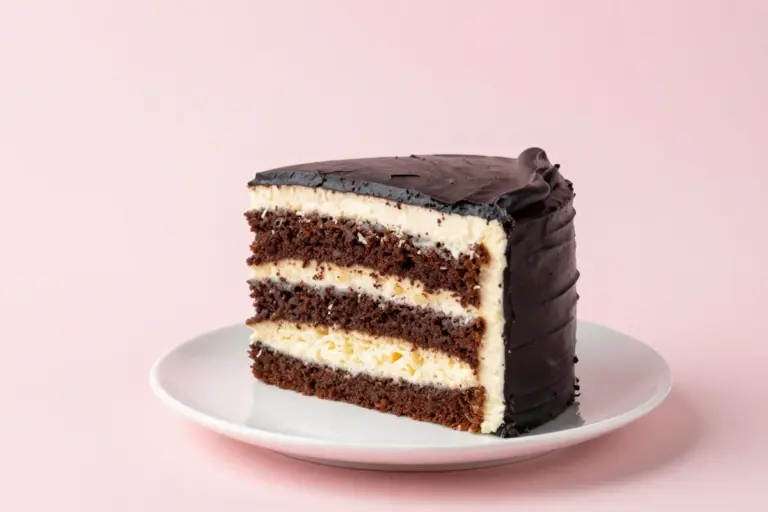
This is a baked, two-layer vanilla cake with dulce de leche between the layers and a dulce de leche buttercream exterior. The crumb is tender and moist but firm enough to slice, while salt, vanilla, and sour cream keep the concentrated milk-caramel flavor from becoming flat or cloying.
- Use thick pastry-style dulce de leche for the filling and a softer spreadable product for the buttercream.
- The recipe is Argentine-style rather than a claim to one standardized traditional Argentine cake.
- It makes approximately 12 small-to-moderate celebration-cake portions.
Why the Key Ingredients Matter
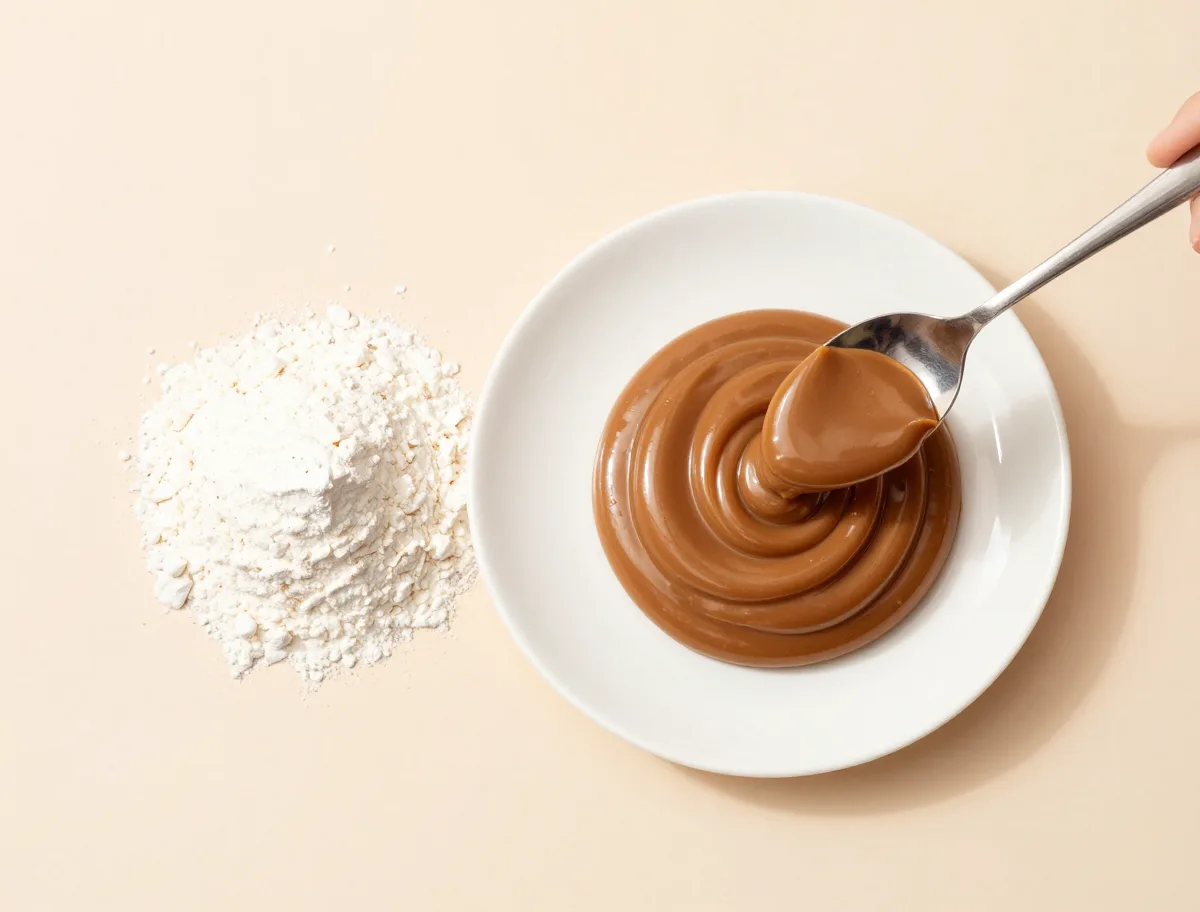
Cake flour gives the layers a fine crumb without making them fragile. Butter supplies flavor and helps aerate the batter, while a small amount of oil keeps the cake more tender once chilled. Eggs provide emulsification and structure; sour cream adds moisture and gentle tang; and the modest cake-sugar level leaves room for the sweeter filling and frosting.
- Dulce de leche is concentrated caramelized milk, so it contributes sweetness, milk solids, flavor, and thickness all at once.
- Salt sharpens the caramel and vanilla notes rather than making the cake taste salty.
- Room-temperature dairy and eggs help the batter emulsify smoothly.
Ingredients
- 2 1/2 cups cake flour, weighed, then sifted
- 2 1/2 teaspoons baking powder
- 1/2 teaspoon baking soda
- 1 teaspoon fine salt, divided
- 1 1/4 cups granulated sugar
- 12 tablespoons unsalted butter, softened; 170 g for the cake and 225 g for the buttercream
- 3 tablespoons neutral oil
- 3 large eggs, at room temperature
- 3/4 cup sour cream, at room temperature
- 1/2 cup whole milk, at room temperature
- 2 teaspoons vanilla extract, divided
- 1 1/4 cups thick dulce de leche, pastry-style or repostero consistency, for filling
- 3 cups confectioners’ sugar, sifted
- 3/4 cup dulce de leche, spreadable consistency, for buttercream
- 2 tablespoons heavy cream
- 1 pinch flaky sea salt, for finishing, optional
Critical Techniques for Light, Stable Layers
The most important technique is controlled mixing. Cream the butter, oil, and sugar until aerated, add the eggs gradually, and stop mixing as soon as the flour disappears. Divide the batter by weight if possible so both layers bake at the same rate. Cool the layers completely before filling; even slightly warm cake can loosen the dulce de leche and soften the buttercream.
- Scrape the bowl during creaming and after adding the eggs so no dense mixture remains at the bottom.
- Warm thick dulce de leche only enough to make it spreadable, never hot enough to melt the cake or frosting.
- Chilling the layers before trimming reduces crumbs and makes the stack easier to align.
- A thin filling layer is more stable than a deep one.
Instructions
- Prepare the pans: Heat the oven to 350°F (175°C). Grease two 8-inch round cake pans, line their bottoms with parchment, and lightly flour the sides. If available, fit the pans with baking strips for flatter layers.
- Combine the dry ingredients: Whisk the cake flour, baking powder, baking soda, and 1/2 teaspoon of the salt thoroughly in a bowl. This distributes the leaveners evenly.
- Cream the butter and sugar: In a stand mixer fitted with the paddle, beat the softened butter, oil, and granulated sugar on medium speed for 3 to 4 minutes, scraping the bowl once, until paler and slightly fluffy.
- Build the batter: Beat in the eggs one at a time, scraping the bowl after each addition. Add 1 teaspoon of the vanilla. Mix the sour cream and milk together. Add the dry ingredients in three additions, alternating with the dairy mixture in two additions; mix on low only until no flour pockets remain.
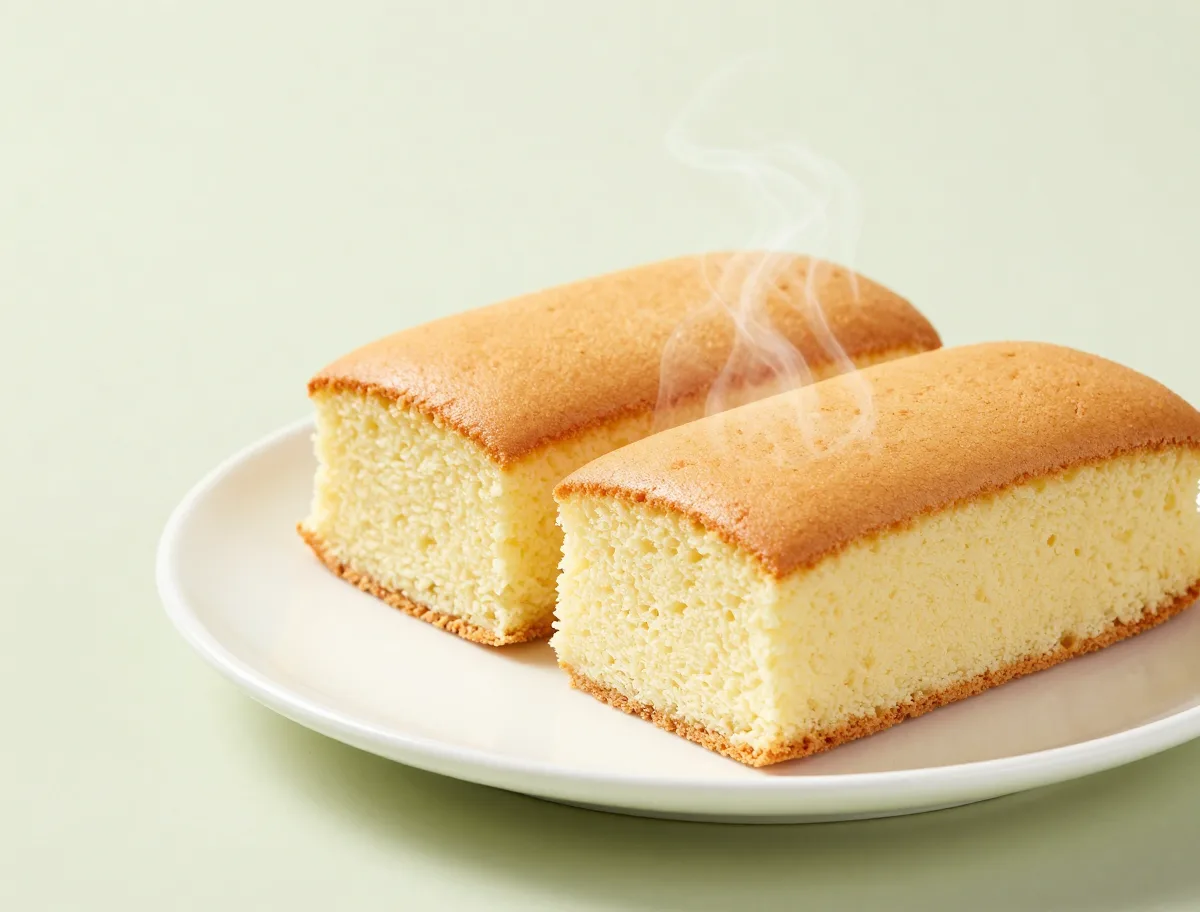
- Bake the layers: Divide the batter evenly between the pans and smooth the tops. Bake for 28 to 32 minutes, rotating the pans once after 20 minutes, until the centers spring back lightly and a skewer comes out with a few moist crumbs. Cool in the pans for 10 minutes, then turn out onto a rack and cool completely.
- Prepare the buttercream: Beat the remaining softened butter and remaining 1/2 teaspoon salt on medium-high speed for 2 minutes. Add the confectioners’ sugar in three additions, mixing on low first, then beat until smooth. Add the spreadable dulce de leche, remaining vanilla, and heavy cream; beat for 2 to 3 minutes until creamy and able to hold a soft peak. If it feels loose, chill it for 10 minutes and beat again.
- Level and fill the cake: Wrap the cooled layers and chill them for 30 minutes. Trim any domed tops. Place one layer cut-side up on a cake board or plate. Spread the thick dulce de leche over it, leaving a 1/2-inch border. If the dulce de leche is difficult to spread, warm it in short intervals just until pliable, then let it cool before using.
- Stack and crumb-coat: Set the second layer on top, cut-side down, and press gently to level it. Apply a thin coat of buttercream over the top and sides, catching loose crumbs. Chill the cake for 20 minutes, or until the buttercream is firm enough that a fingertip does not leave a deep impression.
- Finish and chill: Cover the cake with the remaining buttercream and smooth it or make decorative swirls. For a simple finish, warm 2 tablespoons of the spreadable dulce de leche until fluid but not hot, cool it briefly, and drizzle it over the top. Sprinkle with flaky sea salt if desired. Refrigerate for at least 30 minutes before slicing.
How to Tell When the Cake and Frosting Are Ready
Color is not a reliable test because dulce de leche and vanilla cake can brown early. Look for a lightly springing center, set edges, and a skewer carrying a few moist crumbs. The finished crumb should feel soft rather than gummy. Buttercream should spread without tearing the cake and should hold a soft peak instead of flowing.
- A completely dry skewer usually means the layers have been baked too long.
- If the center still wobbles or the skewer shows batter, continue baking in 2-minute intervals.
- After chilling, the assembled cake should stay put when gently touched at the side.
Doneness Cues
- The baked centers spring back gently when pressed.
- The edges are set and just beginning to pull from the pans.
- A skewer inserted in the center shows a few moist crumbs, not wet batter.
- The buttercream spreads smoothly and holds a soft peak.
- The chilled assembled cake remains aligned when the plate is gently nudged.
The Variables That Keep This Caramel Cake Tender
Dulce de leche contains concentrated sugar and milk solids, both of which intensify browning and delay setting. Keeping it primarily in the filling and buttercream avoids an overly heavy batter. The combination of creamed butter, a little oil, moderate liquid, and balanced leavening creates a cake that is tender without losing the strength needed to support a filling.
- Weighing flour prevents the most common source of a dry, dense cake.
- Overmixing develops gluten and can make the layers tough; undermixing leaves flour pockets and dense streaks.
- An accurate oven matters: a cool oven can leave the center unset, while excessive heat can brown the edges before the middle is ready.
- Two shallow layers bake more evenly than one deep cake of the same batter.
Common Dulce de Leche Cake Problems and Fixes
Most problems with this cake are caused by temperature, measurement, or filling consistency rather than by the dulce de leche itself. Correct the cause before decorating; frosting can disguise a rough surface but cannot repair an underbaked or collapsed structure.
- Dry cake: Too much flour or too much baking time is likely. Weigh flour and remove the cake when moist crumbs remain on the tester.
- Dense cake: Check that the leaveners are fresh, the butter-sugar mixture was aerated, and the flour was not overmixed.
- Sunken center: The cake may be underbaked, the oven may be cool, or the oven door may have been opened too early. A collapsed center cannot be made structurally sound with extra filling.
- Sliding layers: The cake may be warm, the filling too thick, or the filling too soft. Chill the stack, remove excess filling, and use a buttercream border next time.
- Runny buttercream: Chill it for 10 minutes and rewhip. If still loose, beat in a little additional confectioners’ sugar.
- Sticking: Cool the layers briefly, run a thin knife around the edges, and turn them out onto a rack rather than trying to lift them from the pan.
Practical Ingredient Substitutions
The stated ingredients give the most predictable result, but several substitutions work when their effects are understood. Avoid replacing the filling with a thin caramel sauce: it has too much free liquid and can soak into the cake or leak from the stack.
- All-purpose flour can replace cake flour by weight; the crumb will be slightly firmer, so mix especially briefly.
- Buttermilk can replace the milk for more tang. Keep the listed baking soda and do not add extra leavener.
- Plain full-fat yogurt can replace the sour cream, though the batter may be a little thicker.
- A thick caramel spread or milk jam can replace dulce de leche only when its viscosity is similar.
- A neutral oil can replace the butter only as a tested reformulation; replacing all the butter changes flavor and aeration.
- A gluten-free flour blend is not a guaranteed one-for-one conversion because blends vary in starch and binder content.
Ways to Vary the Dulce de Leche Birthday Cake
Keep the defining combination of baked cake and dulce de leche, then change the finish modestly. Toasted pecans or walnuts, unsweetened coconut, dark chocolate shavings, or a few flakes of salt add contrast without turning the dessert into a different style of cake.
- For three layers, divide the same batter among three 8-inch pans and begin checking after about 20 minutes; use a thinner filling layer between each.
- For a 9-by-13-inch sheet cake, bake the batter in a parchment-lined pan for roughly 30 to 36 minutes, checking with the same moist-crumb cues. Spread buttercream over the cooled cake and add a thin dulce de leche drizzle.
- A small amount of espresso powder or orange zest can deepen the caramel flavor, but strong additions should remain supporting notes.
- Rogel, alfajores, and chocotorta are related Argentine dulce de leche desserts, not interchangeable versions of this oven-baked layer cake.
How to Serve Dulce de Leche Cake
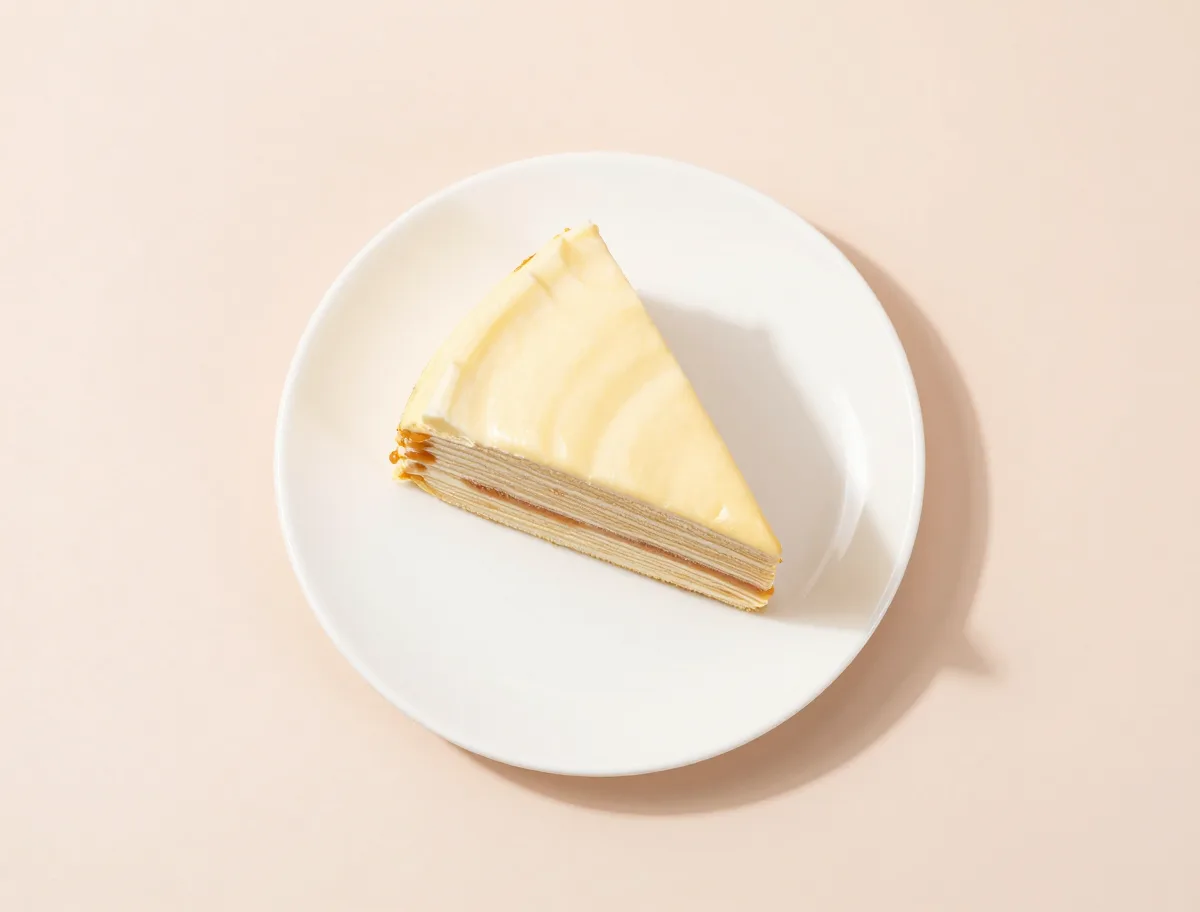
For the best texture, bring a buttercream-frosted cake out of the refrigerator 30 to 45 minutes before serving in a cool room. Cut narrow wedges with a sharp knife, wiping the blade between cuts. Unsweetened coffee, espresso, or black tea provides welcome bitterness against the rich filling.
- Toasted nuts, dark chocolate shavings, unsweetened coconut, or flaky salt make restrained finishes.
- Avoid adding a large amount of extra caramel sauce; the cake already has concentrated sweetness.
- A clean, slightly chilled slice is easier to cut, while a tempered slice has a softer crumb and fuller aroma.
How to Store, Freeze, and Make This Cake Ahead
The unfrosted layers are the easiest component to prepare in advance. Once completely cool, wrap each layer airtight and refrigerate for up to 2 days or freeze for up to 2 months for best quality. Thaw frozen layers while still wrapped, then unwrap once surface condensation has cleared.
- Refrigerate the assembled cake in a covered container. For best quality, use it within 3 to 4 days.
- Simple buttercream tolerates freezing better than whipped cream or many cream-cheese frostings, but the texture may still change slightly.
- This cake is not reheated. Thaw or temper it gradually instead.
- Transport the cake cold and level, ideally in an insulated carrier with ice packs if the journey is more than a short trip.
Dulce de Leche Cake Recipe FAQs
These answers address the practical decisions that most affect the result: which dulce de leche to buy, how to adjust its texture, and when to fill and serve the cake.
Can I use store-bought dulce de leche?
Yes. Store-bought dulce de leche is the intended choice for convenience and consistency. Select a thick pastry-style product for the filling and a spreadable product for the buttercream.
Can I put dulce de leche in the cake batter?
It is better not to add it to this formula. Dulce de leche brings concentrated sugar and milk solids that can make an unbalanced batter heavy or slow to set; the filling and buttercream provide a clearer flavor.
What if my dulce de leche is too firm?
Warm it very briefly in the microwave or over a warm water bath, stirring often, just until it spreads. Let it cool to room temperature before it touches the cake.
How long must the cake cool before filling?
The layers must be completely cool, and preferably chilled for about 30 minutes after wrapping. Warm layers can melt the buttercream and make the filling push out.
How can I make the cake less sweet?
Use a restrained filling layer, keep the decorative drizzle small, and retain the salt and sour cream. Do not substantially reduce the cake sugar without reformulating the structure.
Can I use a different pan?
Yes, but pan depth changes the baking time. The 9-inch version bakes more quickly because the layers are thinner; a deeper pan will take longer and should be checked by doneness rather than by the stated time.
The Argentine Connection
Dulce de leche is deeply associated with Argentine food culture and was recognized by Argentina as cultural and gastronomic heritage in 2002. It is central to desserts such as alfajores and Rogel. This recipe uses that defining ingredient in a modern baked vanilla layer cake, so Argentine-style or Argentine-inspired is the most accurate description rather than claiming a single definitive traditional format. For additional cultural context, see Argentina’s official information about dulce de leche and its gastronomic heritage.
- Rogel uses thin pastry layers, dulce de leche, and commonly a meringue topping, making it structurally different from this cake.
- Chocotorta is a no-bake dessert of chocolate biscuits, dulce de leche, and cream cheese.
- Stories about the first invention of dulce de leche are disputed, so no single origin legend is presented as established fact.
Food-Safety Guidance for Filled and Frosted Cake
The baked layers are fully cooked, but the finished cake still contains dairy-based components that can soften and become unsafe if held warm for too long. Keep the cake refrigerated at 40°F (4°C) or below until shortly before serving. For practical refrigeration, cold-holding, and transport advice, consult the FDA’s safe food-handling guidance.
- Do not leave the finished cake at room temperature for more than 2 hours, or more than 1 hour when the room is above 90°F (32°C).
- Transport it in a cold carrier with ice packs when refrigeration is unavailable.
- Any variation containing cream cheese, whipped cream, custard, fresh fruit, or egg-based frosting must remain refrigerated.
- Do not rely on smell or appearance to judge whether a perishable cake is safe after prolonged warm exposure.
- Use clean utensils and keep the cake covered to limit contamination and refrigerator odors.