Recipe for Mile High Pound Cake: Tall and Buttery
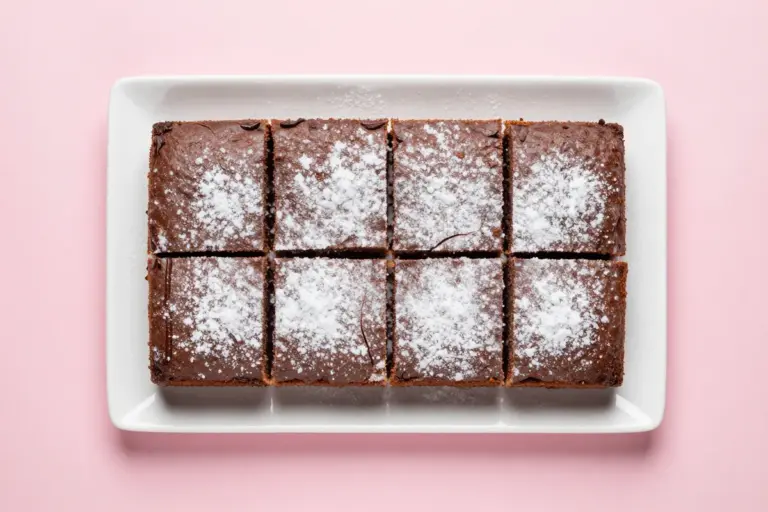
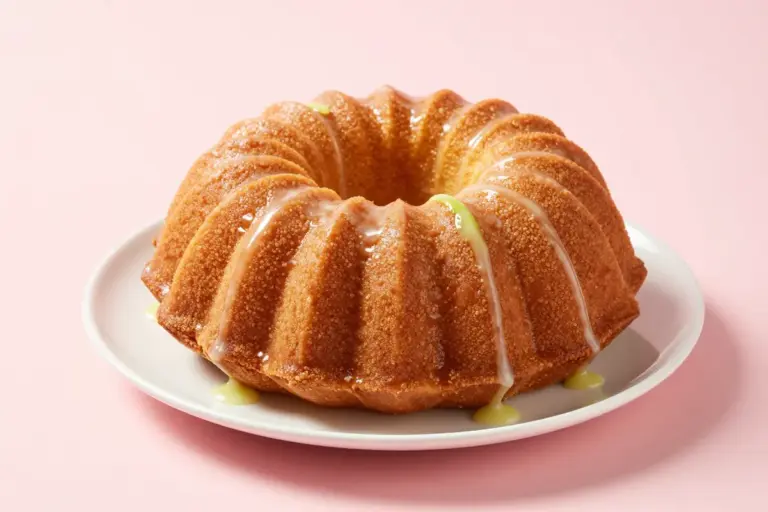
This from-scratch recipe for mile high pound cake makes a remarkably tall, rich all-butter cake with a fine moist crumb, golden crust, and classic vanilla flavor. Bake it in a generously sized tube pan for the most reliable rise and clean release.
What Makes This a Mile High Pound Cake?
Mile High Pound Cake is a large, butter-rich tube-pan cake designed to rise substantially while retaining the close, tender crumb that distinguishes pound cake from a light sponge. This version is tall enough for an impressive presentation, but its exact finished height will vary with pan shape, oven behavior, and how much air is incorporated during creaming.
- Expect a deeply golden crust, pronounced butter and vanilla flavor, and a fine-grained crumb that is moist without being gummy.
- A controlled crack across the top is a normal pound-cake characteristic.
- The cake should be sturdy enough to unmold cleanly and cut into stable slices.
Why the Ingredients Matter in This Tall Pound Cake
The structure of a large pound cake depends on balance rather than on one unusually large ingredient. Butter and sugar create the aerated base, eggs provide both emulsion and structure, and flour sets the framework. Milk softens the crumb without making the batter excessively heavy.
- Cool-soft butter traps air more effectively than melted or greasy butter.
- Sugar contributes sweetness, tenderness, moisture retention, and crust color as well as helping aerate the butter.
- Eggs should be added slowly so the fat-and-water mixture stays cohesive.
- A modest amount of baking powder supports the rise without making the cake dependent on aggressive chemical leavening.
- Vanilla leads the flavor, while lemon zest and a restrained amount of almond extract add aromatic depth without changing the formula’s liquid balance.
Ingredients
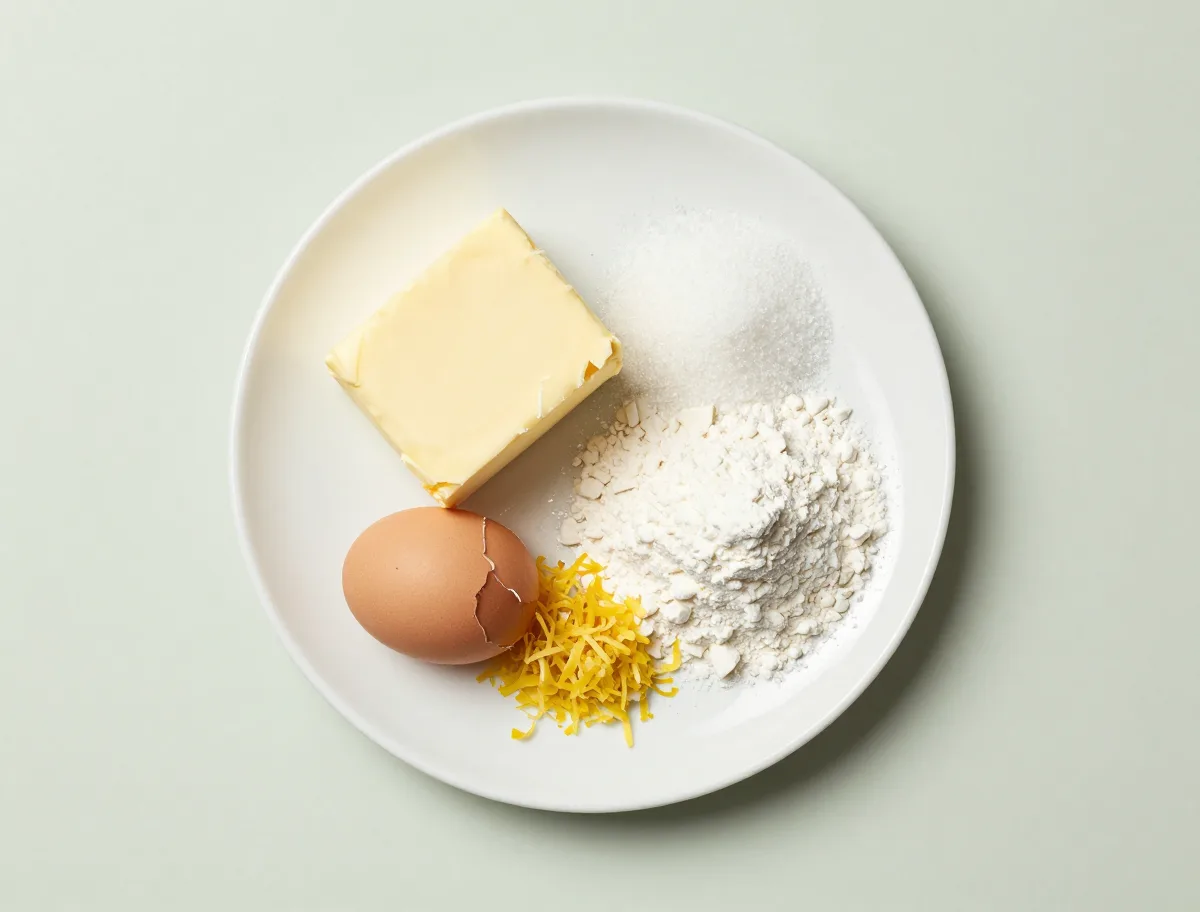
- 1 cup unsalted butter, cool-softened, plus more for the pan
- 400 g unsalted butter, cool-softened, plus more for the pan
- 2 1/2 cups granulated sugar
- 500 g granulated sugar
- 8 large eggs, at cool room temperature
- 2 teaspoons vanilla extract
- 1/2 teaspoon almond extract
- 1 tablespoon finely grated lemon zest, from 1 lemon
- 3 3/4 cups all-purpose flour, spooned into cups and leveled
- 470 g all-purpose flour
- 2 teaspoons baking powder
- 1 teaspoon fine sea salt
- 3/4 cup whole milk, at cool room temperature
- 180 g whole milk
- Optional glaze: 1 cup confectioners’ sugar, for the optional glaze
- Optional glaze: 2 tablespoons whole milk, for the optional glaze
The Creaming Method for a Tall, Tender Crumb
The most important technique is the creaming stage. Beat the butter and sugar until visibly pale and fluffy, not merely blended, then protect that air by adding the eggs gradually and mixing the flour only as long as necessary.
- Bring the eggs and milk to cool room temperature so they incorporate without seizing the butter mixture.
- Scrape the bowl during creaming and after the eggs are added; unmixed butter at the bottom can create dense streaks.
- Alternate flour and milk, starting and ending with flour, to keep the batter even and avoid excessive mixing.
- Prepare every crevice of the tube pan before filling; a tall cake is especially vulnerable to tearing during release.
- Turn the cake out after a brief rest rather than leaving it to cool completely in the pan.
Instructions
- Prepare the pan and oven: Set a rack in the lower-middle position and heat the oven to 325°F (165°C). Thoroughly butter a 16-cup tube pan, working into the center tube and every seam. Dust it with flour, tap out the excess, and place the pan on a baking sheet. Do not use a pan smaller than 16 cups for the full batch; if your pan capacity is uncertain, measure it with water before beginning.
- Combine the dry ingredients: Whisk the flour, baking powder, and salt together in a medium bowl. In a separate measuring cup, stir together the milk, vanilla extract, almond extract, and lemon zest.
- Cream the butter and sugar: Beat the softened butter in a stand mixer fitted with the paddle attachment, or with a hand mixer, on medium speed until smooth. Add the sugar gradually and continue beating for 4 to 6 minutes, scraping the bowl once or twice, until the mixture is noticeably pale, fluffy, and expanded. The butter should remain cool rather than greasy.
- Add the eggs gradually: Add the eggs one at a time, beating on medium speed until each is fully absorbed before adding the next. Scrape the bowl and beater as needed. If the mixture looks slightly curdled, continue mixing briefly; the batter will come back together as the dry ingredients are added.
- Finish the batter gently: With the mixer on low, add the flour mixture in three additions, alternating with the milk mixture in two additions. Begin and end with the flour. Mix only until the last streaks of flour disappear; scrape the bowl and fold once or twice by hand if needed. Do not continue beating after the flour is incorporated.
- Fill the tube pan: Spoon the batter into the prepared pan and smooth the surface, keeping the batter no higher than two-thirds full and at least 1 1/4 inches below the rim. Gently tap the pan once on the counter to remove a large air pocket, but do not knock out the aeration created by creaming.
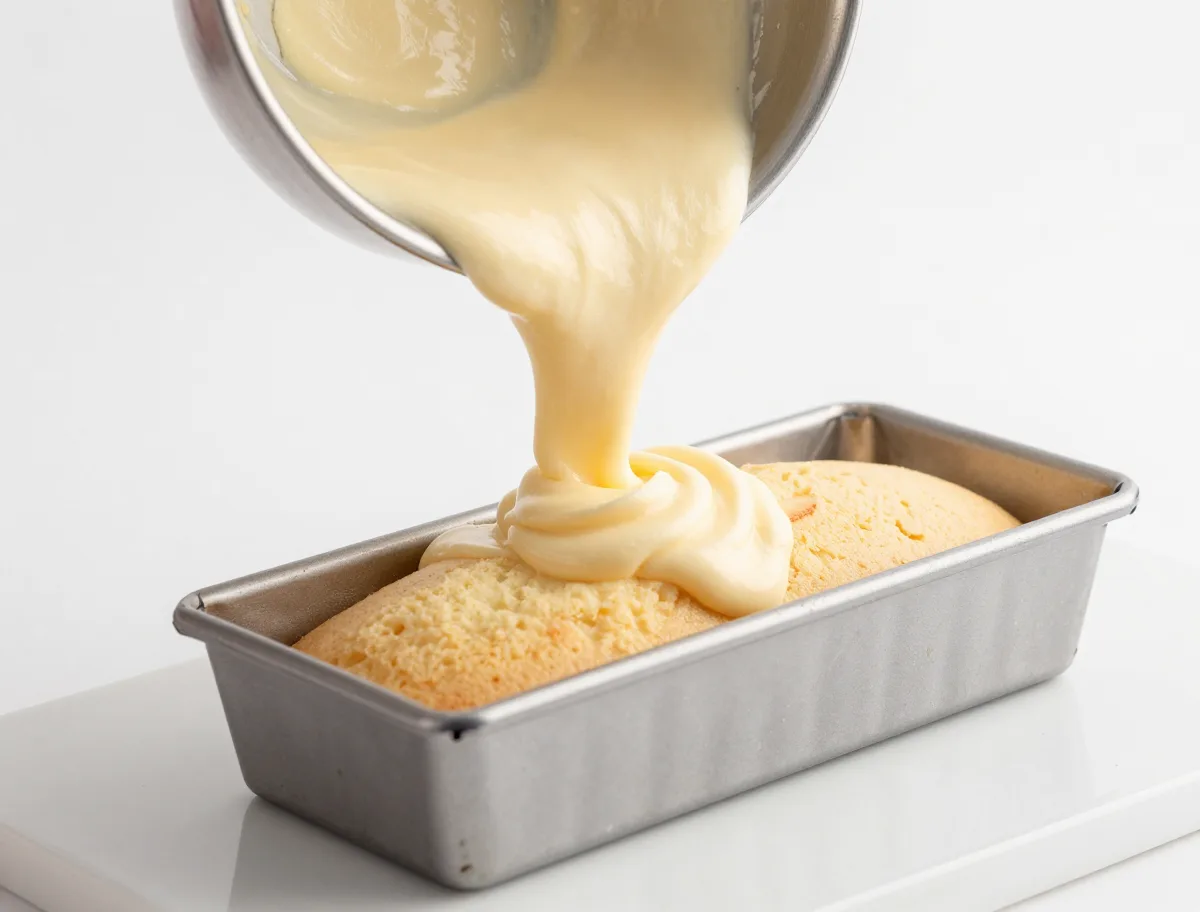
- Bake until fully set: Bake on the center rack for 85 to 105 minutes, rotating the pan once after 60 minutes if your oven browns unevenly. Begin checking at 85 minutes. If the crust is deeply golden before the center is done, loosely tent the cake with foil and continue baking.
- Cool and unmold: The cake is ready when a long skewer inserted into the thickest part comes out clean or with a few moist crumbs, the top springs back lightly, and an instant-read thermometer registers about 200 to 210°F (93 to 99°C) in the cake’s thickest section. Let it stand in the pan for 10 to 15 minutes. Run a thin knife around the edges and tube, then invert it onto a rack and remove the pan. Cool completely, about 2 hours, before slicing.
- Glaze if desired: For a simple finish, whisk the confectioners’ sugar with the 2 tablespoons of milk until smooth. Drizzle it over the completely cooled cake and let it stand until set. Alternatively, leave the cake plain or dust it lightly with additional confectioners’ sugar if desired.
How to Tell When the Pound Cake Is Done
Time is only an estimate for a cake this large. Use several indicators together, testing the deepest cake section rather than relying on the crust or on a skewer inserted through the naturally moist top crack.
- The skewer should show a few moist crumbs at most, never a streak of liquid batter.
- A light fingertip press should leave the top springing back rather than collapsing.
- The cake’s sides may begin to pull away slightly from the pan.
- A center reading around 200 to 210°F is a useful quality target for a fully set, non-gummy crumb.
- Let the cake cool completely before slicing; the crumb continues to firm as residual heat leaves the center.
Doneness Cues
- The crust is an even golden to deep golden brown.
- The top springs back lightly when pressed.
- A long skewer inserted into the thickest section comes out clean or with a few moist crumbs, not liquid batter.
- The cake may pull slightly from the pan walls.
- The center temperature is approximately 200 to 210°F (93 to 99°C) when measured in the thickest cake section, away from the tube and any natural crack.
The Baking Variables That Control Height and Texture
This cake rises from air incorporated into the butter, steam generated by the batter, and a small amount of baking powder. During baking, the eggs and flour set that expanded structure. Because the batter is deep and substantial, steady heat and adequate baking time matter more than simply increasing the leavener.
- A properly sized tube pan shortens the distance heat must travel to the center while still allowing enough room for expansion.
- Keep the batter below the conservative fill line; overfilling can produce dramatic expansion followed by collapse.
- An accurate oven temperature is important. An oven thermometer is useful because a cool oven can leave the center wet while a hot oven over-browns the crust.
- Dark pans generally brown the exterior more quickly, so foil tenting is preferable to raising or lowering the oven temperature mid-bake.
- Once flour is hydrated, additional beating develops gluten and can turn a tender crumb heavy or chewy.
For additional guidance when checking the capacity of a tube or Bundt pan, see King Arthur Baking’s guide to Bundt pan size and cake capacity.
Common Mile High Pound Cake Problems and Fixes
Most failures in a large pound cake are preventable with accurate measuring, thorough creaming, conservative filling, and patient baking. Diagnose the symptom before changing the formula.
- Sticking: Grease and flour the tube, including the center column and narrow grooves, then unmold after 10 to 15 minutes. Prolonged cooling in the pan encourages condensation and adhesion.
- Dense texture: The butter may have been too cold, the mixture under-creamed, the flour over-measured, or the batter overmixed after flour was added.
- Sunken center: Suspect underbaking, an overfilled pan, too much leavener, an unstable egg emulsion, or opening the oven early.
- Wet center with dry edges: Continue baking at the stated temperature and tent the top loosely with foil. Removing the cake early will not allow the center to repair itself.
- Excessive browning: Tent with foil rather than increasing the heat or ending the bake before the center is set.
- Dry cake: Check flour by weight, avoid baking far beyond the doneness cues, and store the cooled cake airtight.
Practical Substitutions for This All-Butter Pound Cake
Flavor adjustments are easy, but structural substitutions deserve caution because this is a large, creaming-based cake. Keep the total liquid and solids close to the formula when making changes.
- Half-and-half can replace the whole milk in equal volume for a slightly richer batter; expect a modest change in baking time.
- Evaporated milk may also be used after diluting it according to the package directions so its consistency is similar to whole milk.
- Buttermilk or sour cream is not a casual one-for-one swap here because acidity and thickness alter the batter; using either would require a tested adjustment to the leavening and liquid.
- Vanilla bean paste can replace the vanilla extract in equal volume.
- Almond extract is potent; increase it only cautiously or it will dominate the butter and vanilla.
- Do not replace the butter with liquid oil without reformulating the cake, since oil cannot provide the same creaming aeration.
Classic Variations That Keep the Cake’s Identity
The base cake is intentionally restrained so it remains a dependable tall pound cake. Change the aromatic profile or finish rather than adding heavy fillings or large amounts of wet ingredients.
- For a brighter lemon version, increase the lemon zest to 2 tablespoons and finish with a thin lemon glaze made by replacing part of the glaze milk with lemon juice.
- For a vanilla-almond cake, use the listed extracts and scatter sliced almonds over the glaze after it is applied.
- For the simplest old-fashioned presentation, omit the glaze and serve the cooled cake with a light dusting of confectioners’ sugar.
- Large quantities of fresh fruit, puree, chocolate, nuts, or streusel require a separately tested formula because they change moisture, weight, and baking time.
- When changing pans, measure capacity with water and keep the batter no more than two-thirds full; a labeled 10-inch Bundt pan is not automatically equivalent to a large tube pan.
How to Serve Mile High Pound Cake
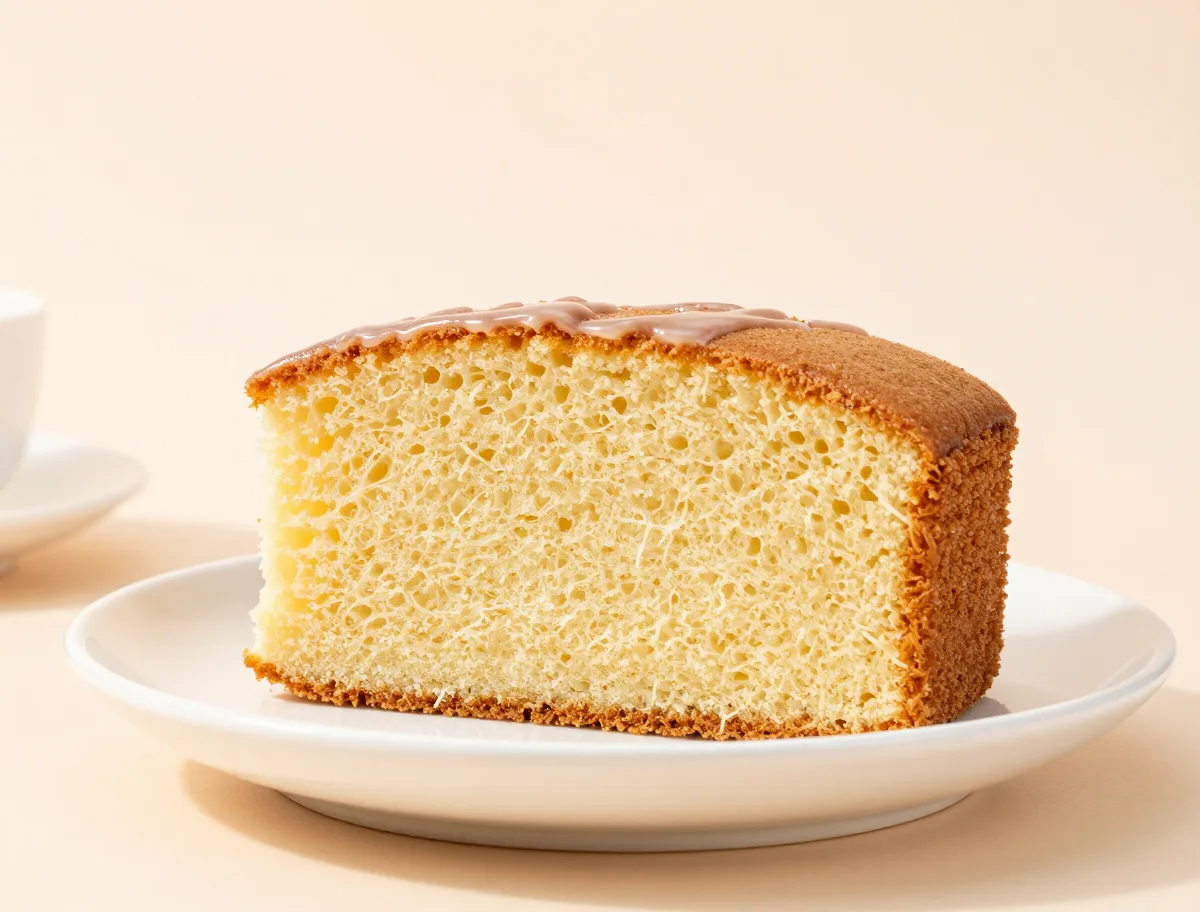
Let the cake reach room temperature before serving so the butter softens and the vanilla aroma opens. Use a long, sharp knife for neat slices and wipe the blade between cuts for a clean presentation.
- Serve moderate slices because the cake is rich and substantial.
- Pair plain slices with fresh berries, macerated strawberries, peaches, or citrus segments.
- Softly whipped cream, lightly sweetened yogurt, or vanilla ice cream provides a cool contrast without overwhelming the cake.
- Choose confectioners’ sugar for a classic finish or the thin glaze for extra sweetness and brightness.
- If serving with cream or fresh fruit, add those accompaniments shortly before serving rather than storing them with the plain cake.
How to Store, Freeze, and Serve the Cake Ahead
A plain, unfrosted pound cake is an excellent make-ahead dessert. Cool it completely before wrapping so trapped heat does not create condensation, and distinguish the storage of the plain cake from that of perishable toppings.
- Keep the plain cake airtight at room temperature for 2 to 3 days for best quality.
- Refrigeration is appropriate for cake served with cream, custard, cream-cheese frosting, or fresh fruit, but the butter crumb will become firmer.
- Freeze the whole cake or individual slices after double-wrapping them airtight; use within 3 to 4 months for best texture.
- Thaw the cake while wrapped to limit condensation, then bring it to room temperature before serving.
- Reheating is unnecessary. If desired, a brief gentle warming of an individual slice can soften the butter, but prolonged heating may dry it.
Mile High Pound Cake FAQs
These answers address the pan, egg count, baking, cooling, and finishing questions that matter most when making a very large pound cake.
What pan is required for this recipe?
Use a 16-cup tube pan with a center chimney. Do not assume every 10-inch tube or Bundt pan has the same capacity; measure an unfamiliar pan with water and keep the batter no more than two-thirds full.
Is this a 10-egg pound cake?
No. Egg count is not a universal definition of Mile High Pound Cake. This formula uses eight large eggs balanced against its butter, flour, sugar, and milk so the cake has enough structure without becoming unnecessarily heavy.
Why does the cake have a crack on top?
A central crack is common in a dense butter cake. The outside sets before the interior finishes expanding, so the batter opens along the top. Judge doneness by the skewer, spring-back, color, and center temperature rather than by the crack.
Can I bake this in a Bundt pan?
Only if the Bundt pan has adequate usable capacity and the batter remains below the safe fill line. A smaller decorative Bundt may overflow or produce a wet center, and its ridges can change the baking time.
Why did my cake sink after baking?
The most likely causes are an underbaked center, an overfilled pan, excessive leavener, a weak egg-and-butter emulsion, or opening the oven too early. Verify the oven temperature and use the center doneness cues before removing the cake.
How long should the cake cool before turning it out?
Let it rest in the pan for 10 to 15 minutes, loosen the edges and center tube, and invert it onto a rack. Leaving it in the pan until completely cool can increase sticking.
Is a glaze necessary?
No. The cake is flavorful without one. Confectioners’ sugar gives a simple classic finish, while the included milk glaze adds a thin layer of sweetness and moisture.
Can I reduce the recipe for a smaller pan?
Yes, but scale every ingredient by the ratio of the smaller pan’s usable capacity to 16 cups. Keep the batter no more than two-thirds full and begin checking well before the stated bake time; pan depth and material determine the new finish time.