Patty Cake Recipe: Soft Australian Vanilla Cakes
This easy patty cake recipe makes 24 light, tender vanilla cakes in patty pan cases, finished with a simple glacé icing if you like. They are ideal for lunch boxes, parties and afternoon tea.
What Are Patty Cakes?
Patty cakes are small individual vanilla cakes associated with Australian and New Zealand home baking. They are baked in paper patty cases or shallow patty-pan moulds and are usually lighter, smaller and more simply decorated than the large, heavily frosted cupcakes common elsewhere.
- A patty pan can mean the metal baking tray or, in some contexts, the paper case itself.
- The names patty cake, fairy cake and cupcake overlap regionally rather than following one universal size rule.
- The target is a tender, fine crumb, mild vanilla flavor and a modestly domed, lightly golden top.
Why These Vanilla Patty Cake Ingredients Matter
This formula uses a classic butter-cake structure. Softened butter and sugar hold air for lift while adding tenderness; eggs bind the mixture and help it set; flour supplies the framework; and milk keeps the crumb soft. Self-raising flour provides the measured raising system needed for a light result without a separate leavener.
- Caster sugar dissolves readily and helps keep the small crumb delicate.
- Room-temperature eggs and milk blend more smoothly into the creamed butter, reducing curdling.
- Vanilla gives the cakes their familiar flavor, while a small amount of salt keeps the sweetness balanced.
- Butter should be pliable enough to beat but not glossy, melted or oily.
Ingredients
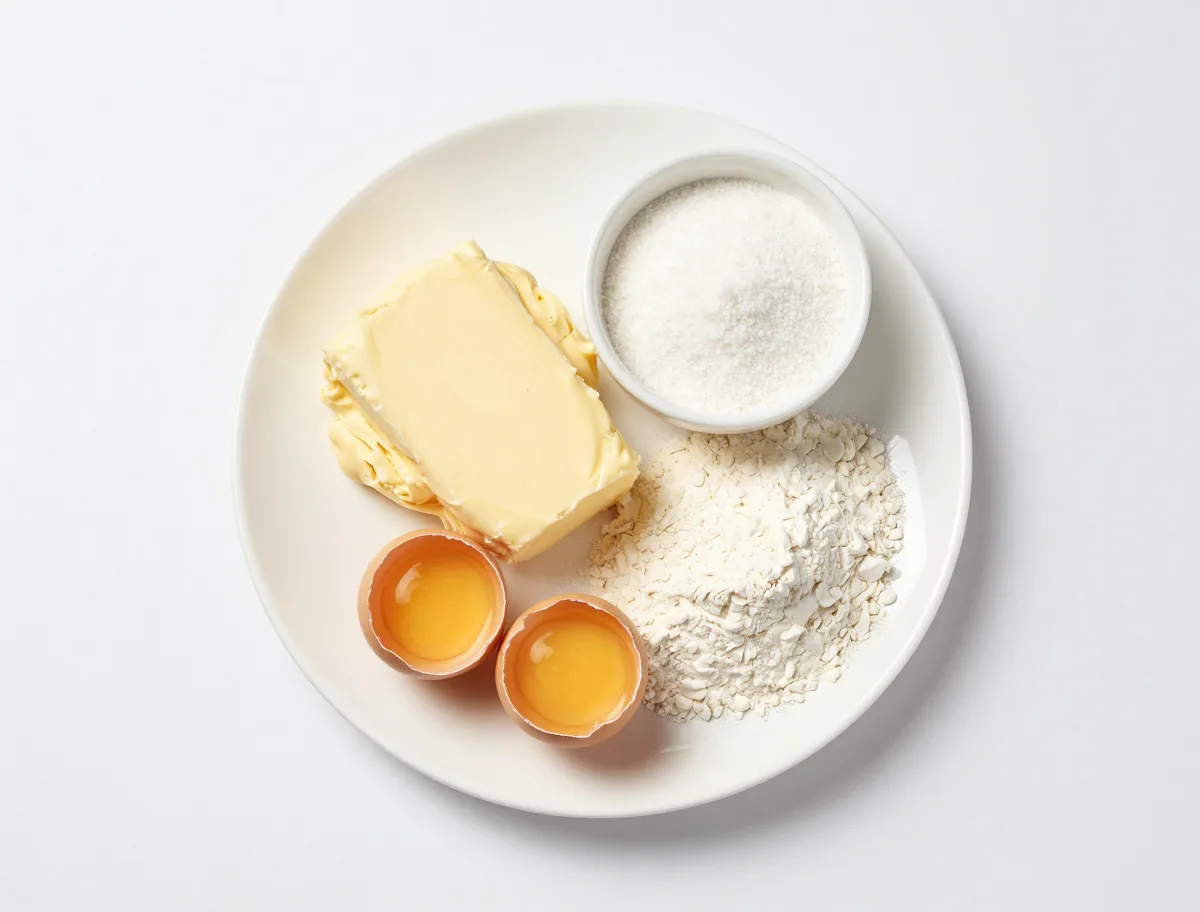
- 125 g unsalted butter, softened
- ¾ cup caster sugar
- 2 large eggs, at room temperature
- 2 teaspoons vanilla extract
- 1½ cups self-raising flour, sifted
- ¼ teaspoon fine salt
- ⅓ cup milk, at room temperature
- 1½ cups icing sugar, sifted (optional)
- 2 tablespoons milk, for the glacé icing (optional)
- ½ teaspoon vanilla extract, for the glacé icing (optional)
- 2 tablespoons sprinkles, optional decoration (optional)
How to Make Small Vanilla Patty Cakes
The creaming method is the most dependable approach for this butter-based recipe. Beat the butter and sugar until visibly paler before adding the eggs gradually. Once flour is introduced, mix only until the batter is even; prolonged mixing can make these small cakes heavy.
- Support paper cases in a patty-pan or mini-muffin tray so they do not spread or lean.
- Portion with a scoop or measured spoon for synchronized baking.
- Keep the cases about half to two-thirds full rather than filling them to the rim.
- Put the pan into the fully heated oven promptly after portioning.
Instructions
- Prepare the pan: Heat the oven to 180°C conventional or 160°C fan-forced (350°F/320°F fan). Set 24 small patty cases in two patty-pan or mini-muffin trays. If your cases are larger than about 5 cm across, use fewer cases and allow extra baking time.
- Cream the butter and sugar: Beat the softened butter and caster sugar with an electric mixer for 2 to 3 minutes, until pale, noticeably lighter and creamy. Scrape down the bowl once during mixing.
- Add the eggs: Add the eggs one at a time, beating well after each addition. Mix in the vanilla extract. If the mixture looks slightly curdled, continue; it will come together when the flour is added.
- Finish the batter: Add the sifted self-raising flour and salt in three additions, alternating with the milk in two additions. Mix on low speed, or fold by hand, just until no dry flour remains. Do not beat the batter once it is smooth.
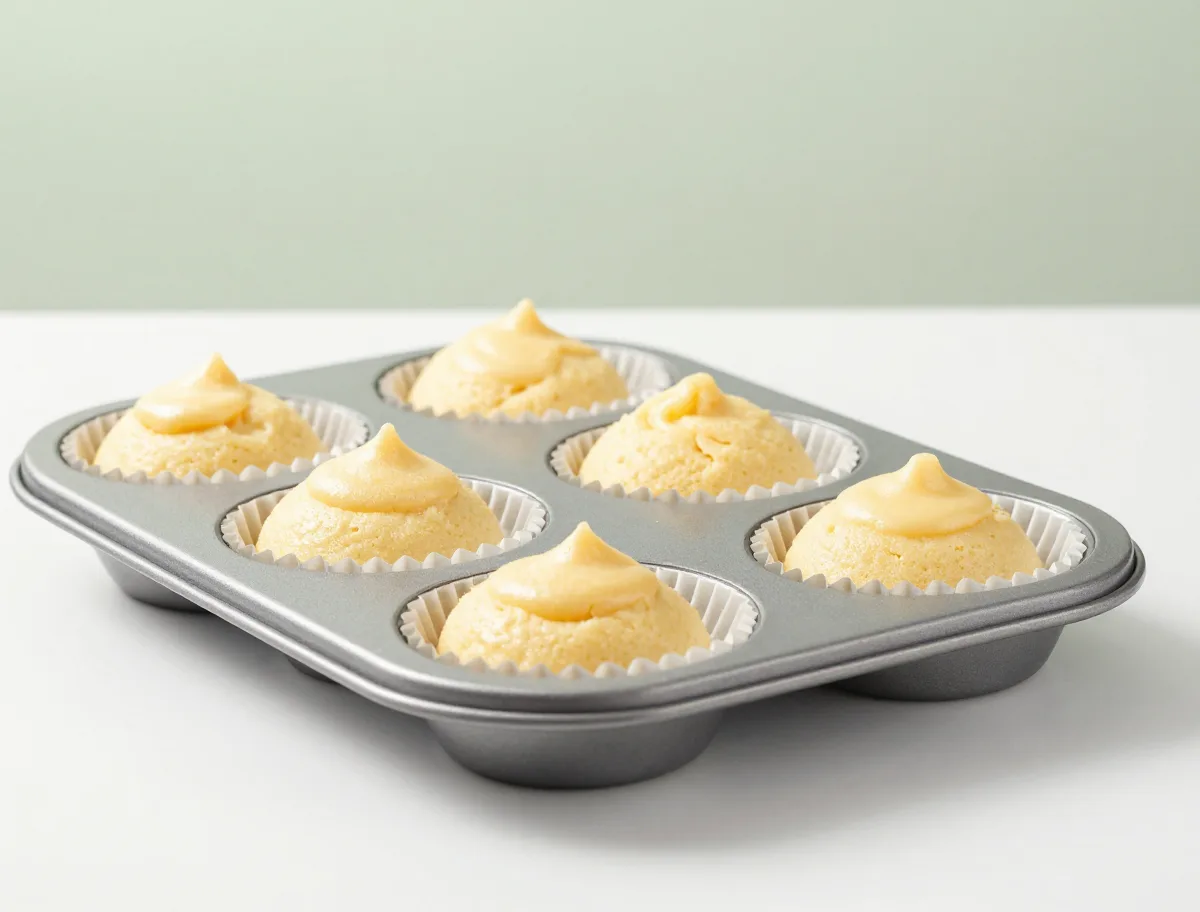
- Portion the cases: Divide the batter evenly among the cases, using about 1 heaped tablespoon per case. Each case should be approximately half to two-thirds full. A small cookie scoop helps keep the cakes the same size.
- Bake: Bake immediately for 14 to 17 minutes, rotating the trays only if your oven browns unevenly. The cakes are ready when lightly golden at the edges, gently spring back when pressed and a skewer inserted in the center comes out clean or with a few moist crumbs.
- Cool: Leave the cakes in the trays for 5 minutes, then transfer them, still in their paper cases, to a wire rack. Cool completely before icing.
- Ice and decorate: For the optional glacé icing, stir the icing sugar, 2 tablespoons milk and ½ teaspoon vanilla extract until thick but spreadable. Add a few drops more milk only if needed. Spoon a little over each cooled cake and finish with sprinkles before the icing sets.
How to Tell When Patty Cakes Are Done
Small cakes have a short window between perfectly tender and dry, so use several cues rather than relying on the timer alone. The tops should be set and gently springy, with only light color. A skewer should show a few moist crumbs at most, not liquid batter.
- Begin checking at 14 minutes because shallow cases and dark pans may bake faster.
- A gummy streak beneath an otherwise browned top means the center needs more time.
- After baking, cool in the pan briefly so the cakes firm, then move them to a rack to release steam.
Doneness cues
- The tops are pale golden, especially around the edges.
- A light finger press makes the tops spring back.
- A skewer comes out clean or with a few moist crumbs, never wet batter.
- The cakes feel set but remain soft rather than firm or dry.
The Variables That Keep Patty Cakes Light
The light texture comes from a balance of air, moisture and heat. Creaming creates small air cells, and the raising agent expands them in the oven. Accurate case filling and restrained mixing then allow the cakes to set evenly before they lose too much moisture.
- Cold butter will not aerate well; overly warm or melted butter cannot hold the same stable structure.
- Too much batter makes the center slow to set and increases the risk of sinking or overflowing.
- Overmixing after the flour is wet develops excess gluten and can toughen the crumb.
- An oven that is too hot browns the surface before the middle sets, while a cool oven can give slow, pale cakes.
Common Patty Cake Problems and Fixes
Most patty-cake problems come from measuring, mixing, portioning or oven timing rather than from the recipe itself. Because the cakes are small, even a few extra minutes or an uneven scoop can noticeably change the result.
- Dense cakes: Butter may have been too cold, the flour may have been overmeasured, the raising agent may be old, or the batter may have been overmixed. Weigh the flour and stop mixing as soon as it comes together.
- Sunken centers: The cases may have been overfilled, the cakes may have been underbaked, or the oven door may have been opened too early. Bake until the centers spring back.
- Dry edges: The cases may have been underfilled, the oven may run hot, or the cakes may have stayed in too long. Check early and remove them as soon as they are set.
- Uneven cakes: Inconsistent spoonfuls, sloping trays or uneven oven heat are common causes. Use a scoop and level the tray before baking.
- Sticking cases: Let the cakes set for a few minutes before moving them and use good-quality paper cases. Very warm cakes are more likely to tear.
Patty Cake Substitutions
The recipe is flexible when the substitution preserves the basic balance of flour, fat, egg and liquid. Some alternatives maintain the structure closely, while others produce a different but still usable cake.
- Self-raising flour can be replaced with 180 g plain flour plus 2 teaspoons baking powder. Do not add both self-raising flour and the extra baking powder.
- Unsalted butter works in place of salted butter; add the measured salt as written. If using salted butter, reduce or omit the added salt.
- Unsweetened dairy-free milk can replace the milk in equal volume. It may produce a slightly less rich flavor.
- A firm plant-butter baking block is more reliable than a soft tub spread, which can contain more water.
- Neutral oil can be used, but it removes the creaming step and changes the cakes to a softer, less buttery style.
Simple Ways to Decorate Patty Cakes
The most fitting variations keep the cakes small and lightly flavored. A dusting of icing sugar, a thin glacé icing or a modest swirl of vanilla buttercream suits the traditional format without overwhelming the delicate crumb.
- Tint the glacé icing lightly and add sprinkles for a party or children’s lunch-box finish.
- Use a small amount of vanilla buttercream when a richer celebration cake is wanted.
- For a butterfly-cake variation, split the cooled tops, add a little jam and cream, and replace the pieces as wings.
- Standard cupcake liners can be used, but the yield and baking time will change; avoid assuming the small-case timing still applies.
- Large quantities of fruit, nuts, chocolate or wet fillings require a separately balanced batter.
How to Serve Australian Patty Cakes
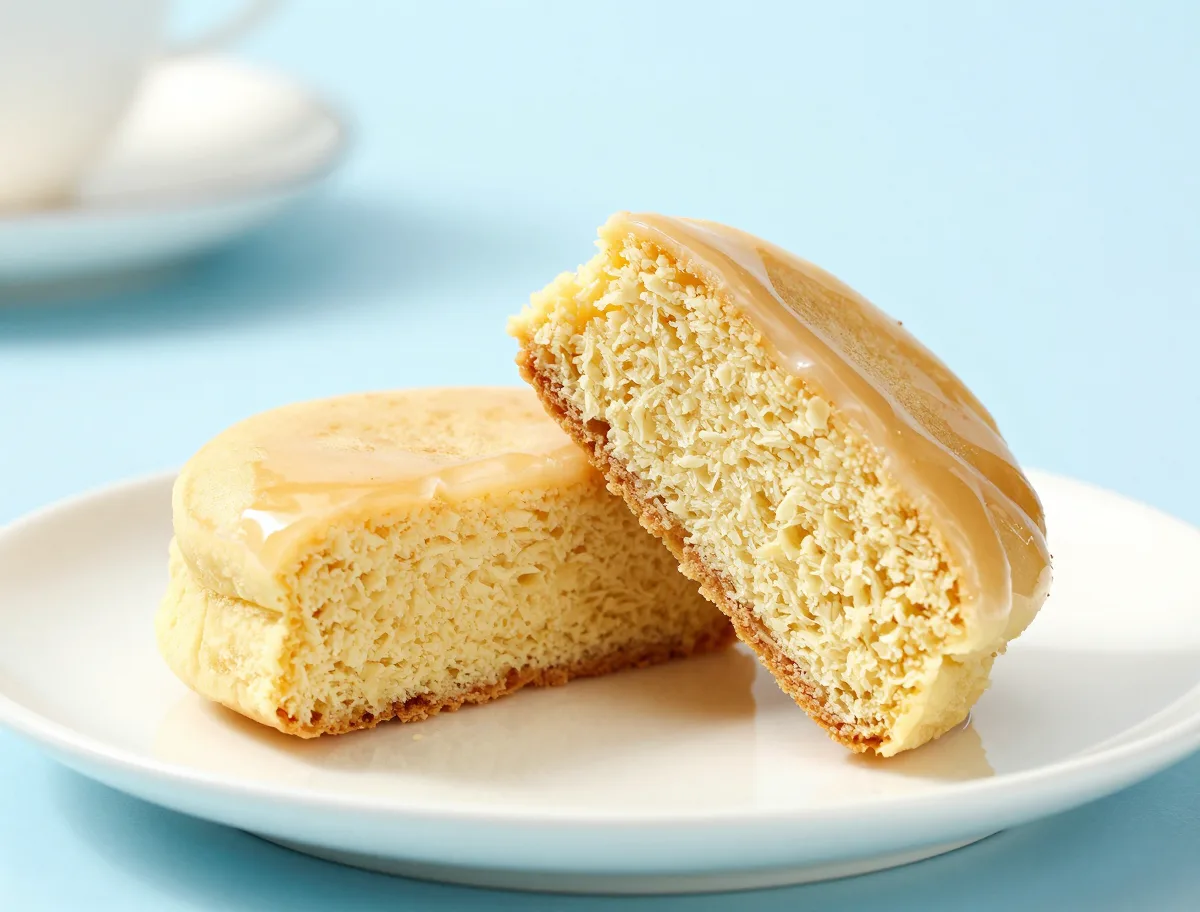
Serve the cakes at cool room temperature, once the crumb has fully settled and any icing has set. Their gentle vanilla-butter flavor works especially well for afternoon tea, children’s parties, cake stalls and casual desserts.
- Pair them with black tea, coffee or a glass of milk.
- Serve plain cakes with berries, jam or lightly sweetened cream on the side.
- For transport, arrange fully cooled and decorated cakes in a single layer so the tops are not crushed.
- A simple icing or a little icing sugar is usually more in keeping with their small, home-baked character than heavy decoration.
How to Store, Freeze and Thaw Patty Cakes
For the best texture, store undecorated cakes in an airtight container at a cool room temperature for up to 2 to 3 days. Refrigeration can make the crumb firm, so use it when the topping or filling requires chilling rather than as the default storage method.
- Freeze completely cooled, uniced cakes in an airtight container or tightly wrapped freezer bag for up to 2 to 3 months for best quality.
- Thaw the cakes while still wrapped at room temperature, then unwrap and decorate once the surface is dry.
- Glacé icing and a standard high-sugar buttercream may be suitable for short room-temperature service, but the formulation matters.
- Cream, custard, fresh fruit and cream-cheese toppings require refrigeration and should not be stored like plain cakes.
- Reheating is unnecessary. Allow chilled cakes to return to room temperature rather than microwaving them.
For practical guidance on how frosting and filling ingredients affect storage, see food-safety guidance for frostings and fillings.
The Australian Patty Cake Tradition
Patty cakes belong to a broader Australian and New Zealand tradition of small cakes baked for home gatherings, afternoon tea, cake stalls and children’s celebrations. The paper patty case is part of that regional baking vocabulary, not merely a modern alternative to a cupcake liner.
- Historical Australian baking records show the importance of patty pans and small individual cakes in domestic and social baking.
- Australian production of paper patty pans is documented by the early twentieth century.
- There is no single universally accepted inventor or original formula for patty cakes.
- Authenticity is best understood through the regional name, small scale, light vanilla-butter style and uncomplicated finish rather than one fixed recipe.
For further historical context, explore the State Library of Victoria’s history of patty pans.