Recipe for Cinnamon Pound Cake
This recipe for cinnamon pound cake makes a moist, buttery loaf with warm cinnamon throughout, a brown-sugar cinnamon ribbon, and an optional vanilla glaze.
What to Expect from This Cinnamon Pound Cake
This is a modern pound-cake-style loaf: rich with butter and eggs, but moderated with sour cream and a small amount of baking powder for a tender, moist crumb. It is sturdy enough for neat slices without being heavy or dry.
- The batter carries cinnamon evenly, while a restrained brown-sugar ribbon adds a more concentrated spice note.
- Expect a browned crust, fine-to-medium crumb, and a firm but springy texture once fully cool.
- The loaf pan makes a compact, easy-to-slice cake; a Bundt version gives a more decorative shape and more exposed crust.
Why the Key Ingredients Matter
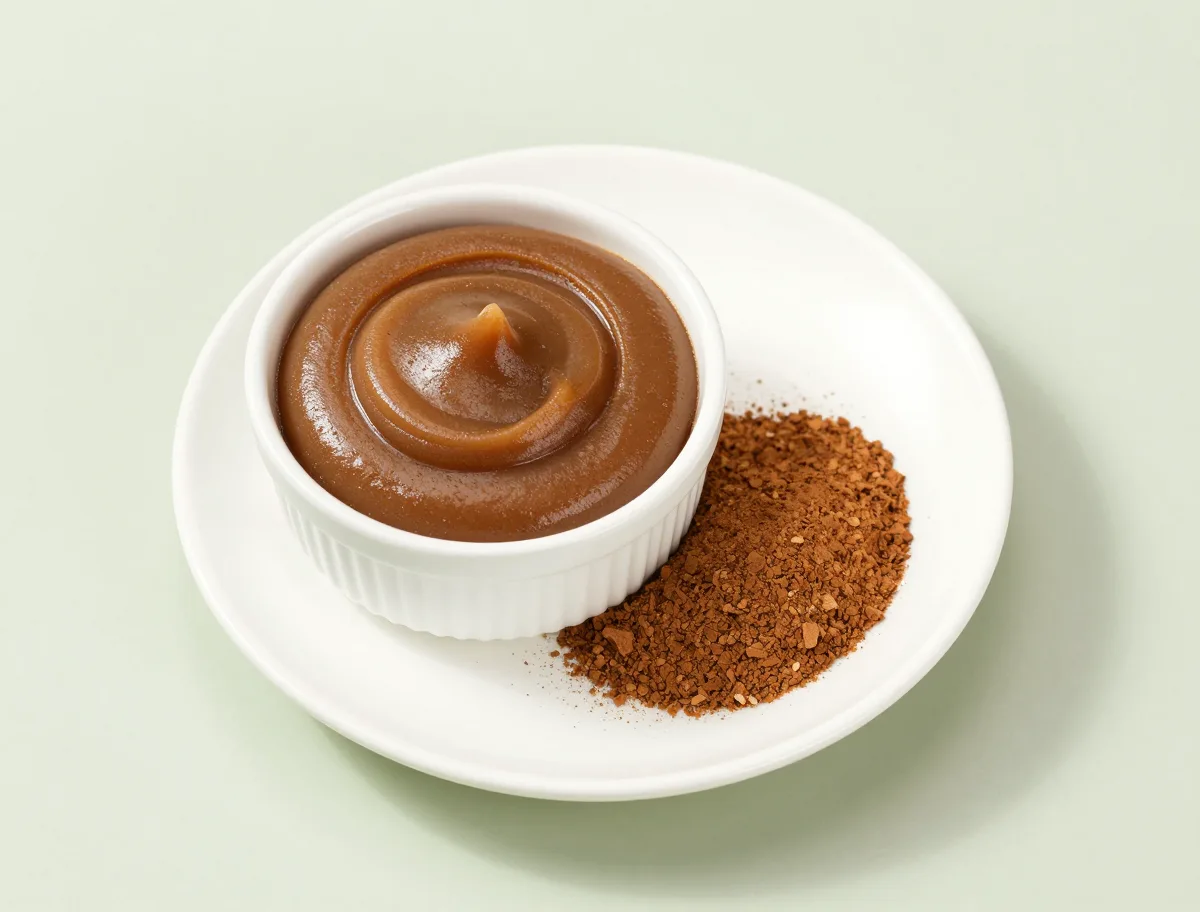
Butter provides the cake’s main flavor and creates air pockets when creamed with sugar. Eggs bind the batter and help it set, while all-purpose flour gives the loaf enough strength to support the cinnamon layer. Full-fat sour cream supplies moisture and tenderness without making the batter too fluid.
- Use fresh ground cinnamon for the clearest warm-spice flavor; too much cinnamon can taste harsh or dusty.
- Room-temperature eggs and sour cream blend more smoothly into the creamed butter, reducing curdling and uneven texture.
- The small amount of baking powder supports the creaming method without changing the cake into a light layer cake.
- 1 1/2 cups unsalted butter, softened and cool, not melted
- 1 1/2 cups granulated sugar
- 3 large eggs, at room temperature
- 2 cups all-purpose flour, spooned into the measuring cups and leveled
- 1 1/2 teaspoons baking powder
- 1/2 teaspoon fine salt
- 2 teaspoons ground cinnamon, for the batter
- 1/2 cup full-fat sour cream, at room temperature
- 2 teaspoons vanilla extract, for the batter
- 1/4 cup light brown sugar, packed, for the swirl
- 1 tablespoon all-purpose flour, for the swirl
- 1 teaspoon ground cinnamon, for the swirl
- 2 tablespoons unsalted butter, melted and cooled slightly, for the swirl
- 3/4 cup confectioners’ sugar, for the glaze, optional
- 1 tablespoon milk, plus more if needed, for the glaze, optional
- 1/2 teaspoon vanilla extract, for the glaze, optional
The Techniques That Make the Loaf Tender
The most important work happens before the pan reaches the oven. Cream the butter and sugar until visibly lighter, add eggs gradually, and alternate the flour mixture with sour cream. Once flour is present, mix only as much as needed to eliminate dry pockets.
- Scrape the bowl during creaming and after adding the eggs so the batter develops evenly.
- Keep the cinnamon filling in a thin central band rather than pressing it against the pan, where sugar can melt and stick.
- Use only a few deliberate swirling motions; excessive stirring blends the ribbon into the batter and can weaken its definition.
- Let the baked loaf rest briefly in the pan, then remove it while still warm enough to release cleanly.
For additional professional guidance on sour-cream pound-cake mixing, Bundt preparation, baking cues, and cooling technique, see King Arthur Baking’s brown sugar sour cream pound cake guidance.
- Prepare the pan and oven: Heat the oven to 350°F (175°C). Grease a 9-by-5-inch metal loaf pan thoroughly, dust it with flour, and line the long sides with a parchment sling. Leave the short ends lightly greased and floured.
- Mix the cinnamon swirl: In a small bowl, stir together the brown sugar, 1 tablespoon flour, and 1 teaspoon of the swirl cinnamon. Mix in the melted butter until the mixture forms a thick, spreadable paste. Set aside.
- Cream the butter and sugar: Using a stand mixer fitted with the paddle or a hand mixer, beat the softened butter and granulated sugar on medium speed until noticeably paler and fluffy, 3 to 4 minutes. Scrape the bowl and beat briefly again so no firm butter remains around the edges.
- Add the eggs and flavoring: Add the eggs one at a time, beating on medium speed until each is absorbed before adding the next. Scrape the bowl as needed. Beat in the batter vanilla and the remaining 1 teaspoon batter cinnamon.
- Finish the batter: Whisk together the 2 cups flour, baking powder, and salt in a separate bowl. Add one-third of the dry mixture to the butter mixture and mix on low just until nearly incorporated. Add half of the sour cream, then repeat with another third of the dry mixture, the remaining sour cream, and the final dry mixture. Stop mixing as soon as no dry streaks remain; do not beat the finished batter smooth.
- Layer and swirl: Spread half of the batter in the prepared pan. Spoon the cinnamon paste in a narrow band down the center, keeping it away from the sides and ends. Cover with the remaining batter and smooth the surface. Run a skewer or thin knife through the batter in 4 to 5 gentle figure-eight passes, no more.
- Bake until set: Bake on the center rack for 65 to 75 minutes, tenting the loaf loosely with foil if the top becomes deeply browned before the center is ready. The cake is done when the top is set and springs back lightly, and a skewer inserted into the thickest center comes out with a few moist crumbs but no liquid batter.
- Cool and release: Let the cake cool in the pan for 12 minutes. Run a thin knife around any unlined edges, then use the parchment to lift the loaf onto a cooling rack. Cool completely, about 1 hour, before slicing or glazing.
- Glaze if desired: For the optional glaze, whisk the confectioners’ sugar, milk, and glaze vanilla until smooth and thick but pourable, adding a few drops more milk only if necessary. Drizzle over the completely cool cake and let it stand for 10 minutes before serving.
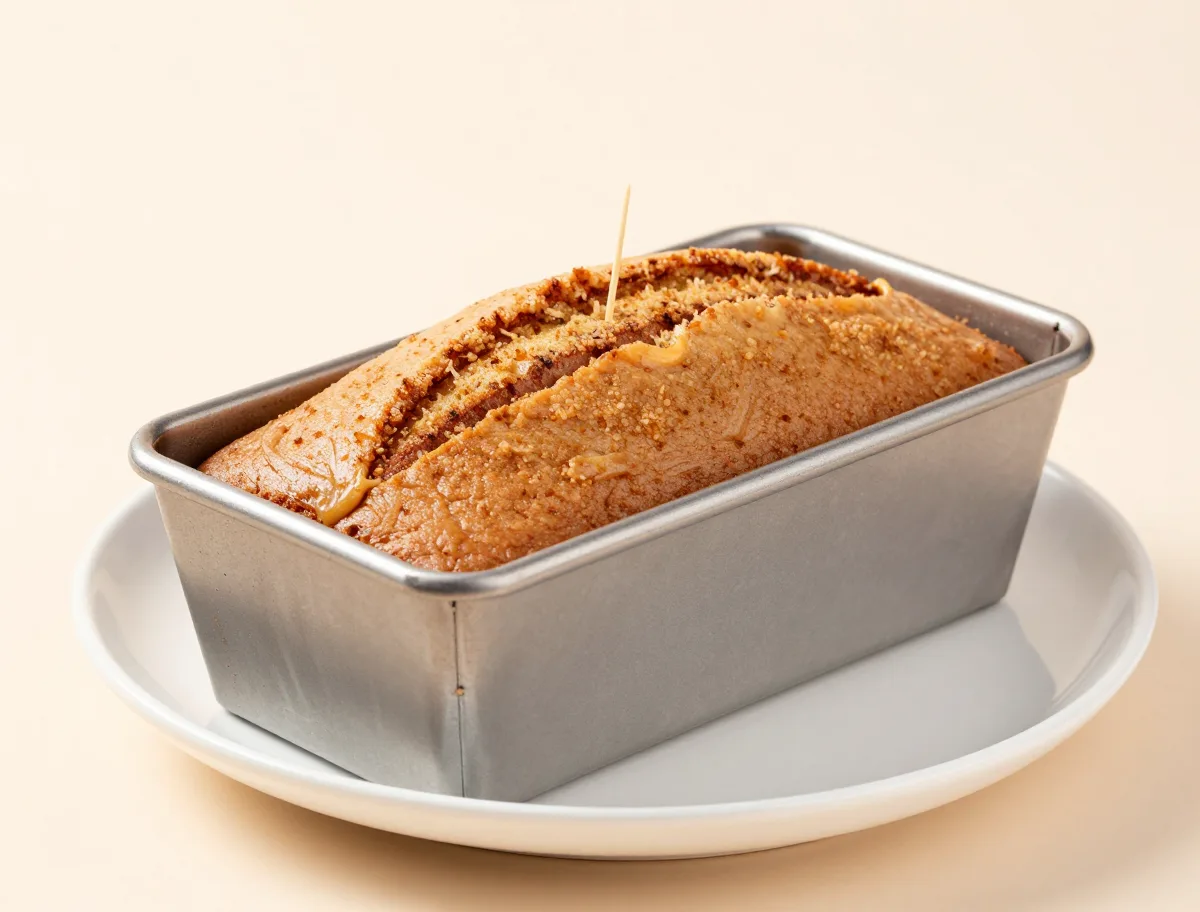
How to Tell When the Pound Cake Is Done
Bake time is a useful estimate, not the final test. Because the loaf is relatively deep, the edges may look finished while the center still needs more time. Check the thickest part of the cake and interpret the tester alongside the surface and spring-back.
- A few moist crumbs on the tester are ideal; a completely wet streak means the center is not set.
- A sticky cinnamon mark alone does not necessarily indicate raw batter, so test in more than one spot if needed.
- Cool the loaf completely before slicing. The crumb continues to firm as it cools, and cutting hot can make a properly baked cake look gummy.
- The top is browned, fully set, and springs back lightly when pressed.
- A skewer inserted into the thickest part emerges with a few moist crumbs, not wet batter.
- The loaf’s center is slightly domed rather than wet or sunken.
- If using an instant-read thermometer as a secondary check, the center will generally be just above 200°F, though tester and texture cues take priority.
The Baking Variables That Matter Most
Creaming is the cake’s first source of lift: sugar helps create small air cells in the butter, and those cells expand in the oven. After flour meets moisture, gluten begins developing, so prolonged mixing makes the crumb tougher. Batter depth also matters; a narrow loaf takes longer for heat to reach its center than a shallow cake.
- Butter that is too cold will not aerate well, while greasy or melted butter cannot hold the same fine structure.
- Alternating flour and sour cream helps distribute moisture without requiring extended mixing.
- A dark pan or an oven that runs hot can brown the edges before the center is ready; an oven thermometer and an early doneness check are useful safeguards.
- A heavy, wet swirl can sink or create a damp line, which is why the filling is kept relatively dry and layered lightly.
Common Cinnamon Pound Cake Problems
Most disappointing pound cakes can be traced to ingredient temperature, mixing, pan preparation, or judging the bake by the clock alone. These corrections address the most common failures without promising that a severely underbaked or collapsed cake can be fully repaired.
- Dense loaf: The butter may not have been creamed enough, or the batter may have been overmixed after the flour was added. Cream until fluffy and stop mixing promptly.
- Dry edges with a wet center: The oven may run hot or the pan may be too deep. Check earlier, tent the top if necessary, and verify the oven temperature.
- Sunken center: Usually a sign of underbaking, excess liquid, or opening the oven too early. Bake until the thickest center tests set.
- Muddy or missing swirl: The filling was too loose, too thick, or overworked. Keep it in a narrow band and make only a few skewer passes.
- Sticking: Coat all pan surfaces carefully, especially corners and ridges, and unmold after a short warm rest rather than immediately or after the loaf has cooled completely.
Useful Ingredient Substitutions
The recipe is most forgiving when substitutions preserve the original balance of fat and moisture. Full-fat plain yogurt or crème fraîche can replace the sour cream in an equal amount, although the tang and batter thickness may differ slightly.
- Cake flour may replace the all-purpose flour for a more delicate crumb, but all-purpose flour gives the most structural insurance in a deep loaf or Bundt.
- Salted butter can be used if the added salt is reduced; because salt levels vary by brand, the result may not be identical.
- Cassia cinnamon gives a bold, familiar American-baking profile, while Ceylon cinnamon is more delicate. Adjust to taste rather than assuming the two have equal intensity.
- Do not replace the butter with oil as a routine one-to-one swap. Oil changes the flavor and removes the aeration created by creaming.
Simple Variations That Still Feel Like Pound Cake
The base loaf can move in several directions while remaining recognizably a cinnamon pound cake. The safest changes affect the cinnamon placement or finish rather than adding a large, wet filling.
- For an evenly spiced loaf, omit the swirl and incorporate all of the cinnamon into the batter.
- For a crunchier finish, sprinkle a restrained mixture of brown sugar, cinnamon, flour, and butter over the top before baking, keeping it away from the pan’s edges.
- A thin vanilla, maple, or cinnamon glaze works well in place of the listed glaze.
- A cream cheese glaze or pecan-brown-sugar filling gives the cake a cinnamon-roll or coffee-cake direction, but large custard fillings, yeast dough, or layered sponge construction would create a different dessert.
How to Serve Cinnamon Pound Cake
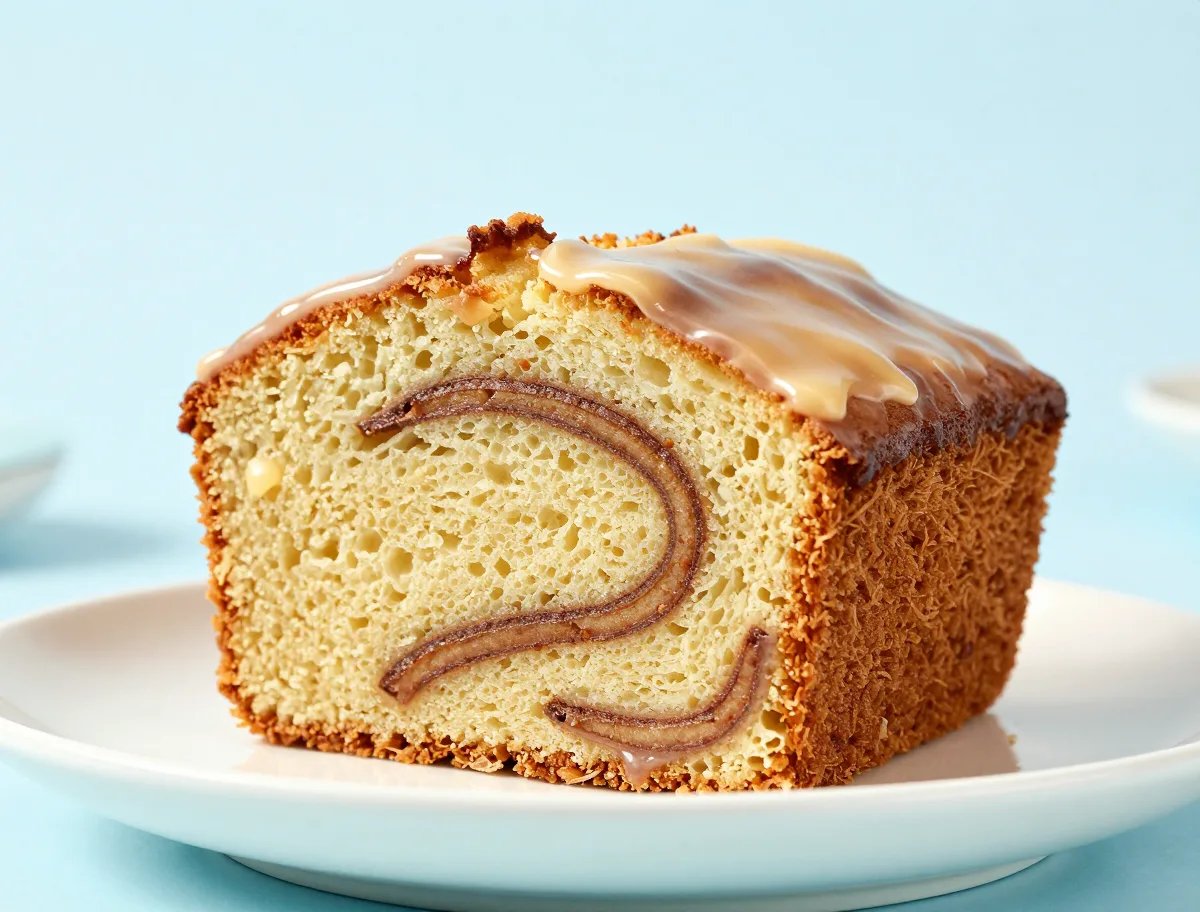
Serve the cake at room temperature, when the butter aroma is most expressive and the crumb is at its softest. A plain loaf needs no topping, but the thin glaze adds a polished finish without overwhelming the cinnamon.
- Dust cooled slices with confectioners’ sugar for a simple, less-sweet finish.
- Pair the cake with coffee, black tea, or chai; tart apples, pears, and lightly sweetened whipped cream also balance its richness.
- For clean slices, use a serrated knife and wipe the blade between cuts, especially when the cake is glazed.
How to Store, Freeze and Serve It Later
A fully cooled, unglazed loaf is make-ahead friendly. Keep it tightly covered at cool room temperature for short-term use; refrigeration can firm the butter-rich crumb and is generally unnecessary unless the topping contains perishable ingredients.
- Freeze the plain cake or individual slices tightly wrapped, preferably with a second outer layer, for up to 3 months for best quality.
- Thaw the cake while still wrapped, then bring it to room temperature before unwrapping and glazing. This helps limit condensation on the surface.
- Reheating is optional and rarely needed. If desired, warm an individual slice briefly and gently; excessive heat can dry the crumb or melt the glaze.
- Cream cheese or other perishable toppings require refrigeration. Do not leave such toppings at room temperature for more than 2 hours, or more than 1 hour in temperatures above 90°F (32°C).
For additional official guidance about storing foods safely, see the FDA’s food-storage guidance.
The loaf keeps, tightly covered, at cool room temperature for 2 to 3 days. Freeze it unglazed, tightly wrapped, for up to 3 months; thaw while wrapped and glaze after it reaches room temperature. If made with the optional milk glaze, store according to the glaze ingredients. A cream cheese-based variation should be refrigerated.
Cinnamon Pound Cake FAQ
These quick answers cover pan choice, cinnamon placement, moisture, finishing options, and the most reliable way to judge the bake.
Is this a true pound cake?
It is a modern pound-cake-style cake rooted in the traditional butter, sugar, egg, and flour structure. Sour cream and baking powder make the crumb more tender and reliable than a strict historical equal-weight formula.
Should cinnamon go in the batter or in a swirl?
This recipe uses both in controlled amounts: a little cinnamon flavors the crumb, while a brown-sugar filling creates a visible ribbon. For the most even flavor, omit the filling and add its cinnamon to the batter.
Can I bake it in a Bundt pan?
Yes. Use a well-prepared 9- to 10-cup Bundt pan, fill it no more than about two-thirds to three-quarters full, and begin checking around 55 minutes. The finished cake may take 60 to 70 minutes depending on the pan.
What keeps this cake moist?
The moisture comes from the sour cream, eggs, and balanced butter-based batter. Accurate flour measuring, proper creaming, and removing the cake as soon as the center is set are just as important; sour cream cannot prevent overbaking.
Can I skip the glaze?
Yes. The cake is sweet and flavorful without it. Confectioners’ sugar is an easy alternative, or serve the plain loaf with coffee, tea, or fruit.
Why did my cinnamon swirl disappear?
It may have been too fluid, too heavily mixed, or spread in one thick layer. Keep the filling thick, place it in a narrow central band, and make only a few gentle swirling passes.
How do I know the cake is not overbaked?
Begin checking before the end of the time range. The top should be browned and springy, while a tester from the center should show a few moist crumbs rather than wet batter. Remove it promptly once those cues appear.
Can I make it ahead?
Yes. Cool it completely, wrap it well, and keep it covered at room temperature for 2 to 3 days or freeze it unglazed for longer storage. Thaw wrapped and apply the glaze afterward.
Softened butter should yield when pressed but still feel cool and hold its shape. Shiny or partially melted butter will not cream properly.
For a simpler cinnamon pound cake, omit the swirl and add the full 3 teaspoons of swirl cinnamon to the batter along with the first cinnamon addition.
A 9- to 10-cup Bundt pan may be used, but prepare every groove carefully and begin checking for doneness at 55 minutes; the cake may take 60 to 70 minutes.