Recipe for Chicken Sukka (Mangalorean Kori Sukka)
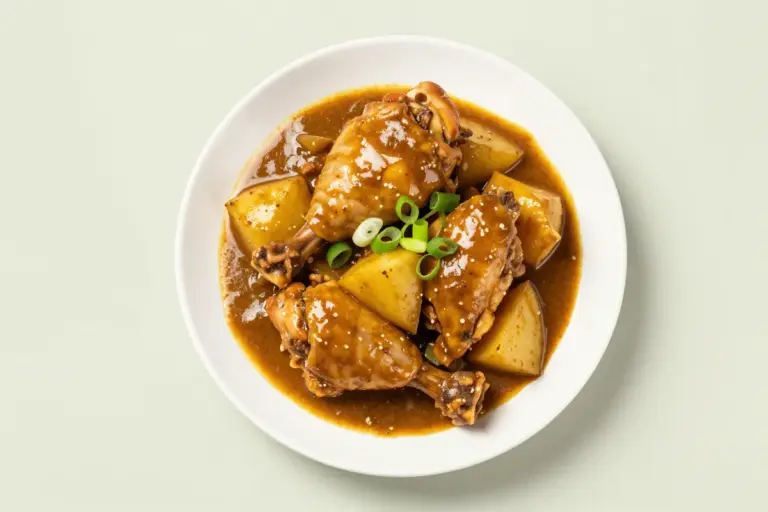
This recipe for chicken sukka makes tender bone-in chicken coated in a fragrant roasted coconut-and-spice masala. It is a moist, semi-dry coastal Karnataka curry with little free gravy, ideal with neer dosa, rice, or chapati.
What Is Mangalorean Chicken Sukka?
Mangalorean chicken sukka, also called Kori Sukka or Kori Ajadina, is a coastal Karnataka preparation of chicken coated in roasted spices and coconut. Unlike a wet coconut curry, it has little free liquid; unlike dry-fried chicken, the meat stays tender and the masala remains moist enough to cling to every piece.
- The intended endpoint is semi-dry: thick, textured, and spoonable rather than soupy.
- Roasted coconut, dried chilies, whole spices, curry leaves, and restrained tamarind define the flavor structure.
- A coarse coconut texture is welcome and is part of the dish’s character.
The Ingredients That Give Chicken Sukka Its Character
Fresh coconut supplies body, gentle sweetness, and the granular coating that distinguishes sukka from an ordinary curry. Coriander seeds form the aromatic foundation, while chilies contribute color and heat separately. Cumin, fennel, pepper, and the small amounts of warm spices add depth without overwhelming the coconut.
- Coconut oil reinforces the coastal profile, although ghee or neutral oil can be used.
- Onion, ginger, and garlic provide savory depth and help the masala bind to the chicken.
- Tamarind should act as a balancing accent, brightening the rich coconut rather than making the dish sharply sour.
- Bone-in chicken releases flavorful juices and remains moist through the covered cooking stage.
Ingredients
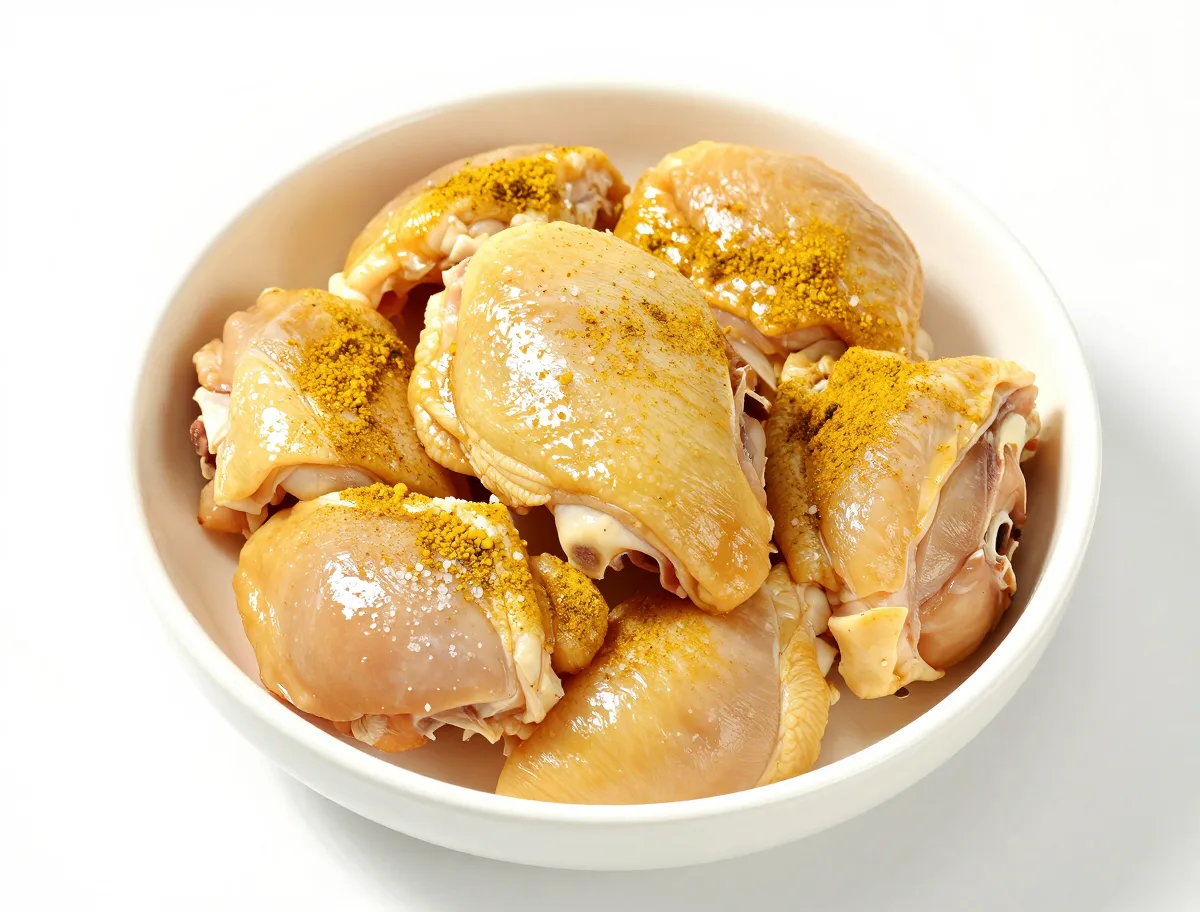
- 700 g bone-in chicken, cut into medium, similarly sized pieces
- 1 teaspoon fine salt, divided
- ½ teaspoon ground turmeric
- 1 cup unsweetened grated coconut, divided; fresh is preferred
- 2 tablespoons coriander seeds
- 5 whole Kashmiri or Byadagi dried red chilies, stems removed
- 2 whole hot dried red chilies, stems removed
- 1 teaspoon cumin seeds
- 1 teaspoon fennel seeds
- ½ teaspoon black peppercorns
- ⅛ teaspoon fenugreek seeds
- 1 inch piece cinnamon
- 4 whole cloves
- 2 whole green cardamom pods, lightly crushed
- ½ whole star anise
- 1 medium yellow onion, thinly sliced
- 1 inch piece fresh ginger, roughly chopped
- 6 cloves garlic, roughly chopped
- 2 sprigs fresh curry leaves, leaves separated
- 2 tablespoons coconut oil
- 1 tablespoon tamarind pulp, stirred with 2 tablespoons of the measured water
- ½ cup water, use incrementally, as needed
How to Make the Roasted Coconut Masala
The most important technique is to roast the spices and coconut in separate batches. Small spices and dried chilies can scorch before the coconut is ready, so gentle heat and constant movement matter more than deep color. Remove each batch from the pan as soon as it smells nutty and aromatic, then cool it before grinding.
- Grind with only enough water to create a thick paste; excess water makes the final reduction longer and risks dry chicken.
- A wide pan gives steam room to escape during the final reduction.
- Covered cooking tenderizes the chicken, while uncovered cooking is reserved for concentrating and coating the masala.
- Keep some coconut coarse instead of blending everything smooth for a more textured finish.
Instructions
- Season the chicken: Combine the chicken with ½ teaspoon salt and the turmeric. Cover and refrigerate for 20 minutes while you prepare the masala.
- Toast the spices: Set a dry skillet over low-medium heat. Add the coriander seeds, both types of dried chili, cumin, fennel, peppercorns, fenugreek, cinnamon, cloves, cardamom, and star anise. Toast, stirring continuously, just until fragrant and slightly darkened, about 2 to 3 minutes. Immediately transfer to a plate; the spices should not smoke.
- Roast the coconut separately: Return the skillet to low-medium heat. Add ¾ cup of the grated coconut and roast, stirring constantly, until fragrant with a few pale-golden flecks, 3 to 4 minutes. Transfer it to the plate and let the toasted ingredients cool completely.
- Grind the sukka masala: Reserve 2 tablespoons of the remaining coconut for the finish. Add the cooled toasted spices and coconut to a blender or spice grinder with the ginger, garlic, tamarind pulp, and 3 tablespoons of the water. Blend in short bursts to a thick, cohesive paste; add another tablespoon of water only if needed. It should be textured rather than completely silky.
- Build the aromatic base: Heat the coconut oil in a wide, heavy pan over medium heat. Add the sliced onion and half of the curry leaves. Cook for 6 to 8 minutes, stirring often, until the onion is soft and lightly golden.
- Coat the chicken: Add the seasoned chicken and the remaining salt. Cook for 4 to 5 minutes, turning the pieces, until they are no longer raw on the surface and are well coated with the onion and oil.
- Cook until tender: Stir in the ground masala and the remaining curry leaves. Add ¼ cup water, scrape the bottom of the pan, and bring it to a gentle simmer. Cover and cook over low heat for 20 to 25 minutes, turning the chicken once or twice. Add the remaining water a tablespoon at a time only if the masala begins to catch before the chicken is tender.
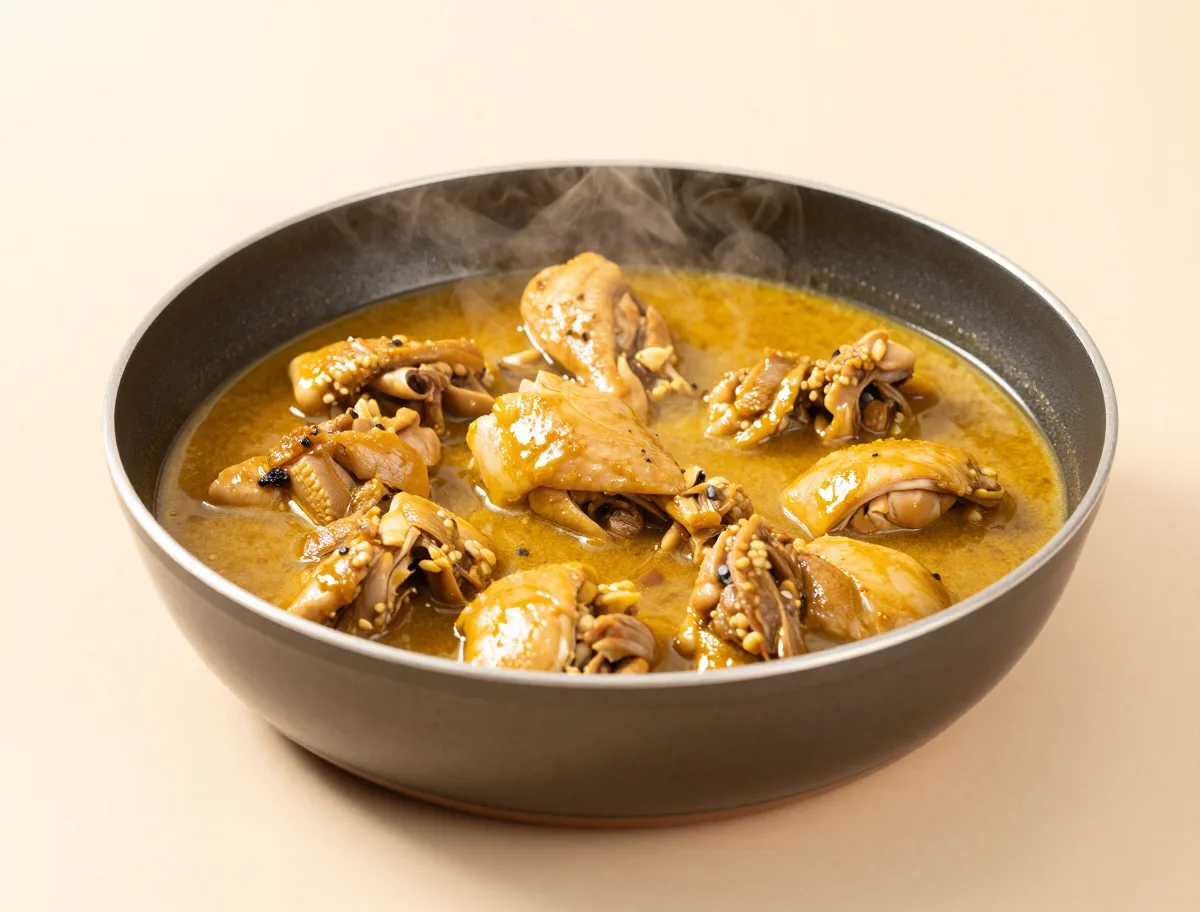
- Reduce to a semi-dry finish: Uncover and continue cooking over medium-low heat for 5 to 8 minutes, stirring frequently, until no thin liquid pools in the pan and the masala clings thickly to the chicken. Fold in the reserved 2 tablespoons coconut during the final 2 minutes. Check the thickest piece with a thermometer; it must reach 165°F/74°C away from the bone.
- Rest and serve: Remove from the heat and rest for 5 minutes. The masala will tighten slightly but should remain moist and spoonable, not dry or crumbly. Serve hot with neer dosa, steamed rice, rice rotti, chapati, or appam.
How to Tell When Chicken Sukka Is Ready
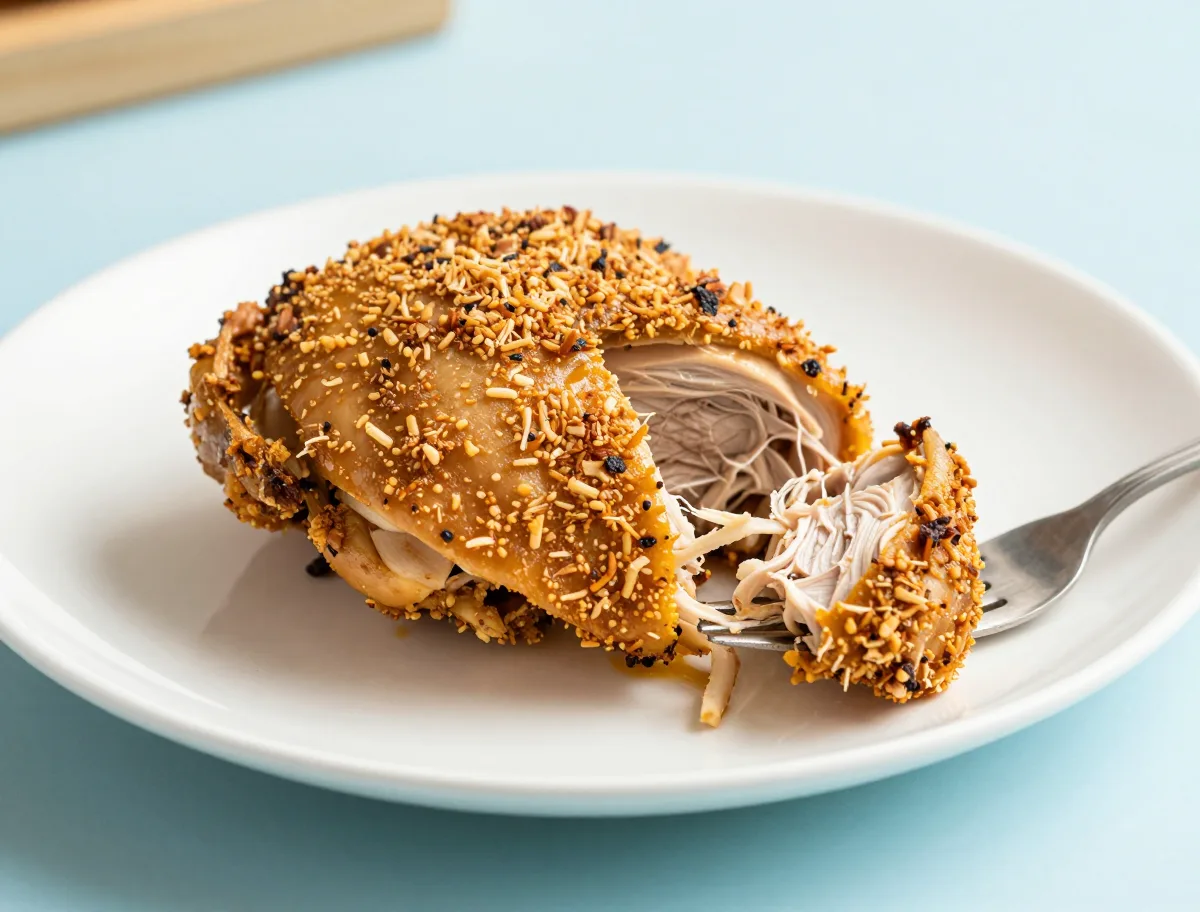
Good chicken sukka has two simultaneous qualities: tender, juicy meat and a masala that is concentrated but not parched. Judge the final consistency by the pan rather than by a fixed minute count. When you stir, there should be no watery liquid running around the chicken, but the coconut mixture should still look moist.
- Check the thickest piece with an instant-read thermometer; poultry must reach 165°F/74°C.
- The meat should not look translucent beside the bone and should offer little resistance to a fork.
- Stop reducing while the masala is still slightly softer than you want because it firms as it rests.
- Visible coconut granules are normal; the mixture should be cohesive rather than sandy.
The Moisture Control Behind a Proper Semi-Dry Curry
Sukka depends on balancing gentle braising with evaporation. Chicken releases its own juices as it cooks, while a covered pan traps steam and softens the meat. Once the chicken is nearly done, uncovering the pan lets water escape and concentrates the roasted coconut masala.
- High heat during roasting creates bitter, scorched spices rather than better flavor.
- Fresh coconut adds more moisture than desiccated coconut, so substitutions change both grinding water and reduction time.
- Bone-in dark meat tolerates the covered cooking stage better than lean breast meat.
- Reduction should finish the dish, not compensate for undercooked chicken.
Common Chicken Sukka Mistakes and How to Fix Them
Most problems come from scorching the masala, adding too much water, or continuing to reduce after the chicken is already cooked. Make corrections according to the stage of the dish: safety and tenderness come first, while the dry-to-semi-dry texture can be adjusted afterward.
- Bitter or smoky masala: Burnt coconut or spices cannot be reliably masked; remake the toasted component rather than adding more seasoning.
- Watery masala: Cook uncovered over medium-low heat, stirring often, until it coats the chicken.
- Chicken is undercooked but the masala is thick: Add hot water a tablespoon at a time, cover, and continue cooking until 165°F/74°C.
- Chicken is dry: Add a small splash of hot water, cover for a few minutes, and stop reducing; further cooking will not restore overcooked meat.
- Masala is gritty: Pulse the cooled ingredients again with water added by the teaspoon, rather than flooding the blender.
- Too much heat or tamarind: Soften the intensity with a little additional unsweetened coconut and then rebalance salt.
Useful Substitutions for Chicken Sukka
The recipe has room for pantry substitutions as long as the roasted coconut-and-spice foundation remains intact. Fresh coconut gives the most traditional moist texture, while dried forms create a denser, toastier masala and require less water.
- Use unsweetened desiccated coconut in place of fresh; start with less water and shorten the roasting time.
- Dry coconut or copra works, but it gives the dish a darker, nuttier direction.
- Boneless chicken thighs are a practical substitute for bone-in pieces; shorten the covered cooking time.
- Coconut oil may be replaced with ghee or neutral oil, though the aroma will change.
- Replace tamarind with lemon juice near the end if necessary; lemon tastes brighter and should not be cooked for the entire braising period.
- Use more Kashmiri or Byadagi chili for color and more hot chili for pungency, rather than increasing all chilies indiscriminately.
Keeping Regional Variations Distinct
Household versions of Kori Sukka vary in spice intensity, grinding texture, coconut quantity, and retained moisture. Those changes remain within the Mangalorean style when roasted coconut and regional whole spices stay central. A version dominated by dry coconut, tomato, sesame, vinegar, or a separate regional masala may be delicious, but it is better identified as Maharashtrian, Kolhapuri, or Goan rather than as the sole standard for Mangalorean sukka.
- Make the finished dish drier by extending the uncovered reduction briefly.
- Leave it slightly more moist by stopping as soon as the masala clings and adding no extra reduction.
- A smooth paste is acceptable, while reserving coconut produces a more visibly textured Kori Sukka.
- Coconut milk is not used here because it turns the preparation into a wet coconut chicken curry.
What to Serve with Chicken Sukka
Serve chicken sukka hot or very warm, before the coconut masala has had time to stiffen. Neer dosa is an especially good match: its soft, porous surface gathers the clinging masala without requiring a separate gravy.
- Pair with neer dosa for a classic coastal Karnataka-style meal.
- Steamed rice, rice rotti, chapati, appam, dosa, or parotta are practical alternatives.
- Serve as a main dish with a starch or as a dry component alongside dal and plain rice.
- A restrained garnish of fresh coriander or a few fried curry leaves can add freshness without covering the roasted aroma.
How to Store, Freeze, and Reheat Chicken Sukka
The coconut masala thickens in the refrigerator, and repeated heating can dry the chicken. For the best texture, make the dish ahead through the covered cooking stage and complete the final reduction just before serving.
- Refrigerate leftovers in a shallow, covered container within two hours and use within 3 to 4 days.
- Reheat gently in a covered pan with 1 to 2 tablespoons water, stirring occasionally; reheat the center to 165°F/74°C.
- Freeze in meal-sized portions with masala surrounding the chicken. The dish remains practical to freeze, but the coconut may become slightly grainy after thawing.
- Avoid repeatedly reheating the entire batch; warm only the portion needed.
Mangalorean Kori Sukka and Its Coastal Karnataka Roots
Kori Sukka, also known as Kori Ajadina, is associated with Tulu Nadu, particularly the Mangalore and Udupi area of coastal Karnataka. The names and precise spice blends vary among communities and households, so authenticity is better understood through the dish’s method and structure than through one rigid ingredient list.
- The regional signature is roasted coconut combined with dried chilies, aromatic spices, and a dry or semi-dry finish.
- Neer dosa, rice rotti, chapati, and plain rice are established accompaniments.
- Goan, Malvani, Maharashtrian, and Kolhapuri preparations share related ideas but may use different coconut forms, souring agents, or spice systems.
For additional regional context, see the official guide to Kori Ajadina and Mangalore’s local food traditions.
Chicken Sukka Food-Safety Essentials
Because this is a thick poultry dish, visual bubbling alone does not guarantee that the center is safe. Keep raw chicken and its juices away from cooked food, use clean utensils after handling it, and verify the temperature in the largest piece.
- Cook every piece to a minimum internal temperature of 165°F/74°C, measured in the thickest portion without touching bone.
- Refrigerate cooked chicken within two hours, or within one hour in conditions above 90°F/32°C.
- Reheat leftovers throughout to 165°F/74°C; covered reheating helps the thick masala warm evenly.
- Do not rely solely on color, clear juices, or the stated cooking time because piece size and pan conditions vary.
Consult the USDA safe cooking temperature guidance for poultry and reheated leftovers.