Sol Food Chicken Recipe: Puerto Rican Pollo al Horno
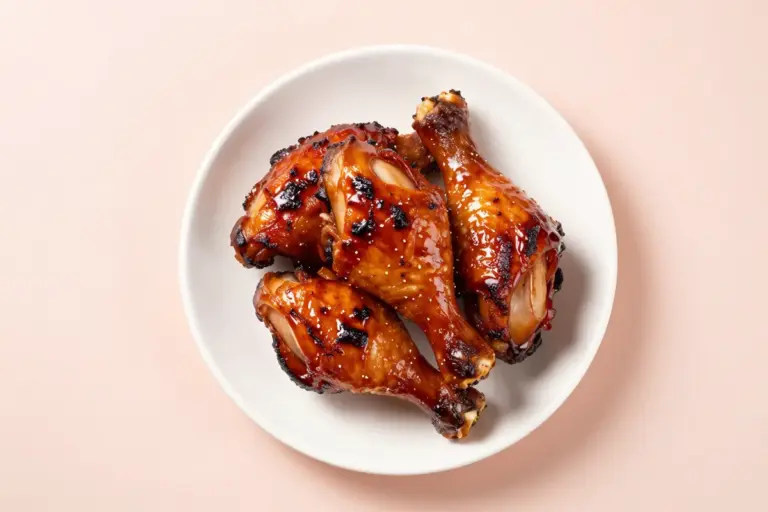
This Sol Food chicken recipe is an informed copycat of the restaurant’s pollo al horno: boneless skinless chicken thighs marinated in olive oil, garlic, oregano, and savory spices, then baked until tender and browned.
What Makes This Sol Food Chicken Recipe Different
On the Sol Food menu, Pollo al Horno refers to boneless, skinless chicken thighs marinated with garlic and oregano, then baked. This recipe recreates that focused profile at home rather than treating the dish as a generic Puerto Rican baked chicken.
- Expect a savory, garlic-forward flavor with clear dried oregano and black pepper notes.
- The finished thighs should be juicy and fork-tender with browned edges, not crisp skin or a saucy coating.
- Because the restaurant’s full formula is not public, this recipe is best described as a carefully developed copycat interpretation.
The menu name and preparation are also reflected in the Sol Food Mill Valley menu description for Pollo al Horno.
Why the Garlic-Oregano Marinade Works
The marinade is intentionally simple. Olive oil carries the aromatic seasonings and encourages roasting, while fresh garlic supplies bright pungency. Dried oregano contributes the concentrated herbal character associated with the dish, and garlic and onion powders provide even seasoning that remains noticeable after baking.
- Kosher salt seasons the meat and helps it retain more moisture during the refrigerated rest.
- Using both fresh garlic and garlic powder creates layered garlic flavor; the powder also distributes more evenly through the oil.
- A moderate amount of oil coats the thighs without flooding the pan or turning the chicken greasy.
- This core version contains no required citrus or vinegar, keeping the flavor closer to the publicly described Sol Food preparation.
Ingredients
- 2 1/4 pounds boneless, skinless chicken thighs, trimmed of excess fat and connective tissue
- 1/4 cup light olive oil
- 5 cloves garlic, finely minced
- 2 teaspoons dried oregano, crumbled between your fingers
- 1 1/2 teaspoons garlic powder
- 1 teaspoon onion powder
- 2 teaspoons Diamond Crystal kosher salt, or 1 1/4 teaspoons fine kosher salt
- 3/4 teaspoon freshly ground black pepper
How to Prepare the Chicken for Even Browning
Trim only ragged fat and connective tissue, leaving the thighs substantial enough to stay juicy. Mix the marinade completely before adding the chicken so salt and spices do not collect in isolated pockets. A short refrigerated rest works for same-day cooking; an overnight rest gives the salt and aromatics more time to season the surface.
- Arrange the pieces in a shallow pan rather than a deep, covered vessel.
- Keep the thighs in a single layer with space between them.
- Drain or blot excess liquid from the surface before baking, but do not rinse away the seasoning.
- Use a second pan if the chicken touches or liquid begins pooling around the pieces.
Instructions
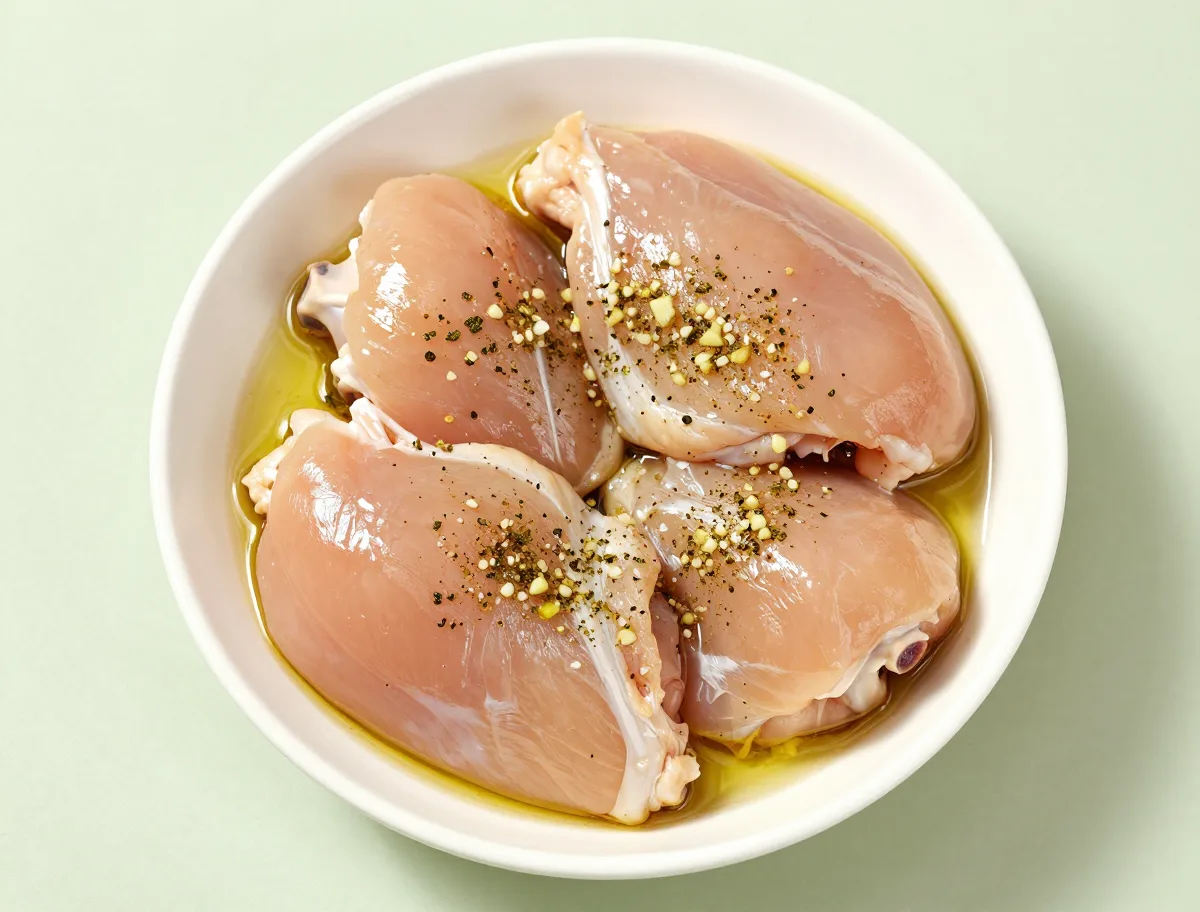
- Mix the marinade: In a large bowl, whisk together the olive oil, minced garlic, dried oregano, garlic powder, onion powder, kosher salt, and black pepper until evenly combined.
- Coat and marinate the chicken: Add the chicken thighs and turn them until every piece is coated. Cover and refrigerate for at least 20 minutes and preferably overnight. Keep the chicken refrigerated throughout marination; for best texture, cook within 24 hours.
- Heat the oven and prepare the pan: Heat the oven to 350°F (175°C). Line a rimmed 9-by-13-inch baking pan with parchment. If the thighs are folded or unusually thick, gently unfold or flatten them so they cook more evenly.
- Arrange the thighs: Lift the chicken from the bowl, allowing excess marinade to drip back, and arrange the thighs in one layer on the pan with a little space between pieces. Leave only a thin coating on the chicken; do not pour the remaining marinade into the pan.
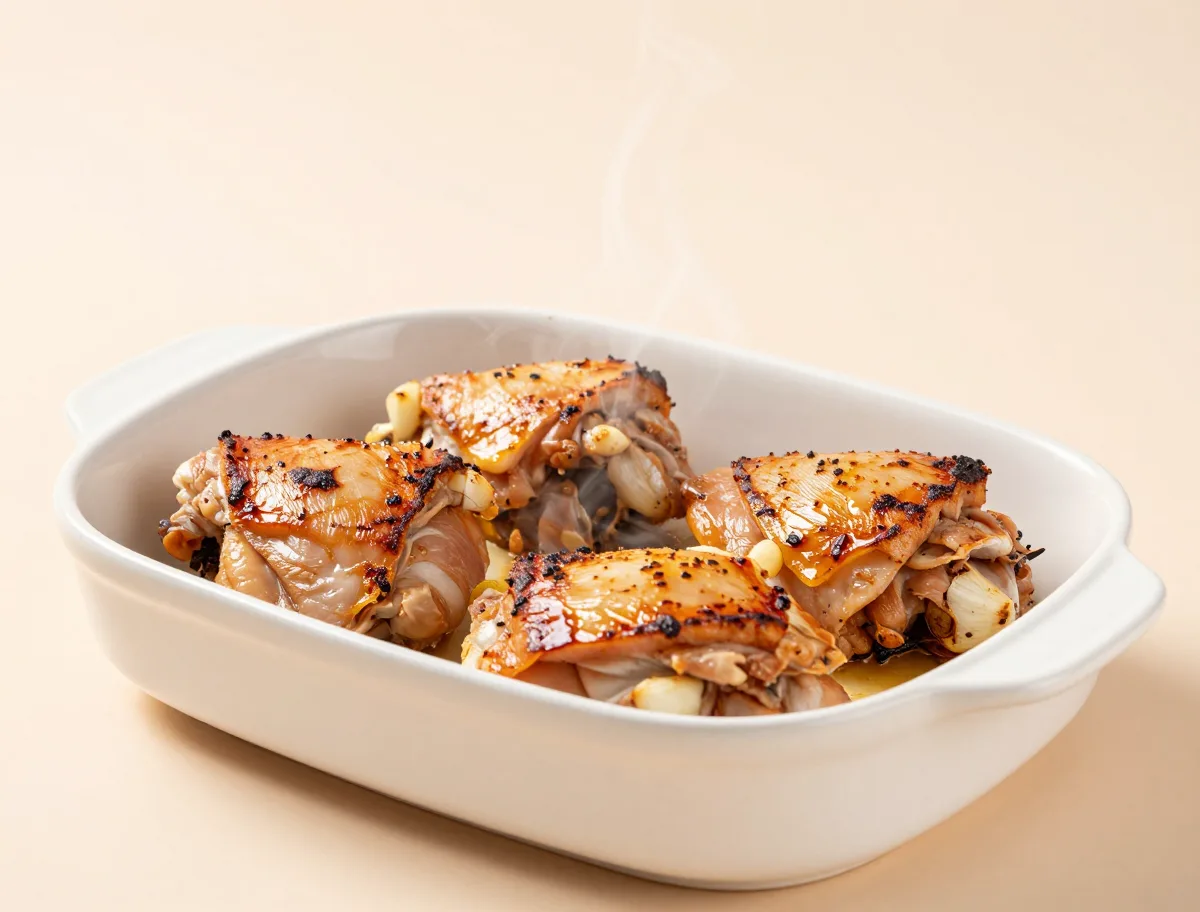
- Bake until tender: Bake uncovered for 45 to 55 minutes, rotating the pan once if your oven browns unevenly. Begin checking the thickest thigh at 45 minutes. The chicken is ready when a thermometer inserted into the center of the thickest piece reads at least 165°F (74°C).
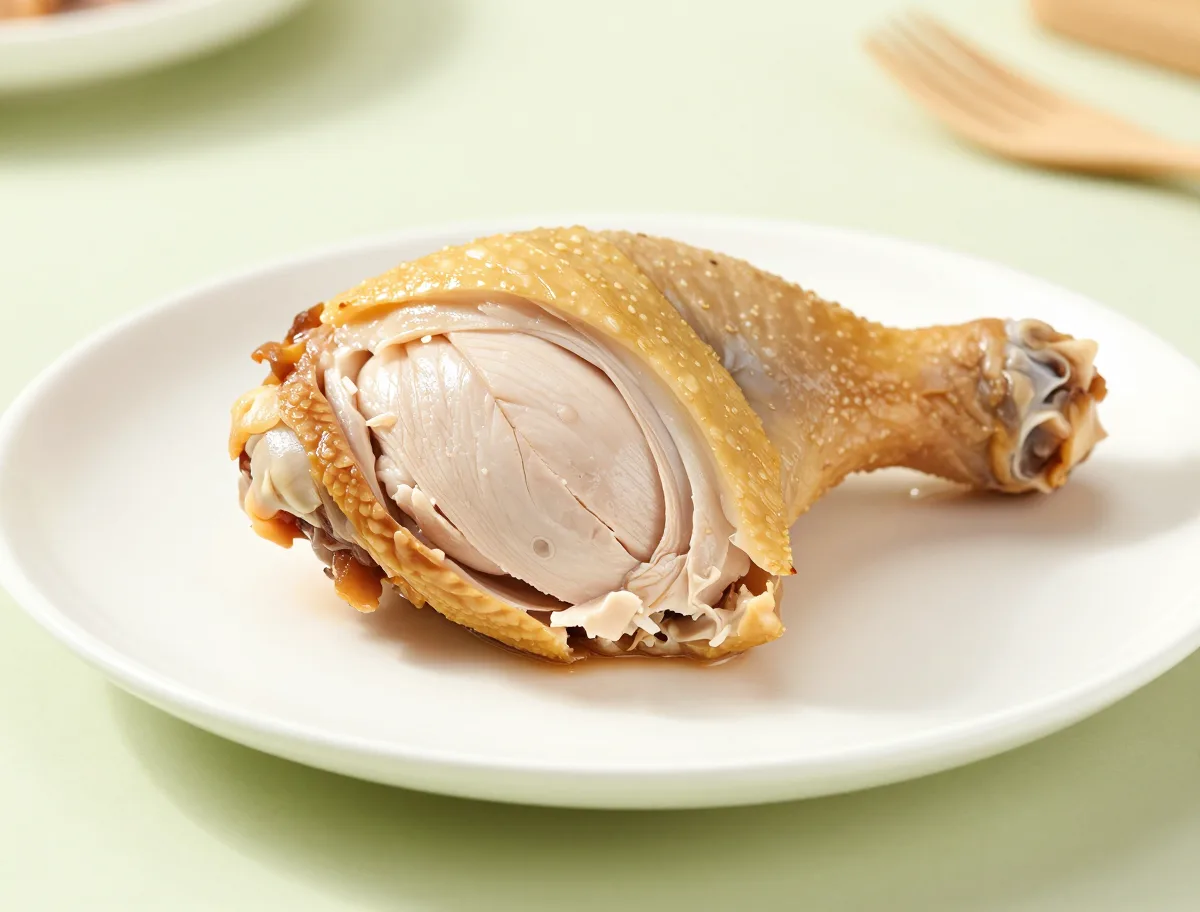
- Rest and serve: Transfer the chicken to a serving platter and rest for 5 minutes. Spoon a small amount of collected pan juices over the thighs, keeping the browned surfaces exposed.
How to Tell When the Baked Chicken Is Done
Time is only an estimate because thigh thickness, pan material, oven calibration, and starting temperature all affect cooking speed. Check the thickest portion with an instant-read thermometer, inserting the probe into the center without touching the pan.
- The safe minimum temperature is 165°F (74°C). Check more than one thigh if the pieces vary in size.
- Look for opaque meat, a tightened roasted surface, and browned edges.
- A brief five-minute rest keeps the juices from running immediately onto the plate.
- Thighs can remain tender slightly above the minimum temperature, but prolonged baking will eventually dry boneless meat.
Doneness Cues
- The thickest part of every tested thigh reaches at least 165°F (74°C).
- The surface is opaque and roasted, with browned edges rather than a pale, wet appearance.
- The meat feels tender when pressed and separates easily with a fork after resting.
- If the chicken is fully cooked but pale, broil it for 1 to 2 minutes, watching closely so the garlic and oregano do not burn.
The Variables That Control Browning and Juiciness
Browning begins only after surface moisture has largely evaporated. When chicken is crowded or sitting in excess marinade, the oven spends its energy steaming the meat instead of developing roasted color. The most reliable improvements are practical: use a shallow uncovered pan, leave gaps between pieces, and keep the coating thin.
- Similar-sized, evenly unfolded thighs cook more uniformly than thick folded pieces.
- A 350°F oven gives the garlic and oregano time to roast without scorching while the thighs cook through.
- If the chicken is cooked but pale, a short broil is more useful than simply extending the bake time.
- If the chicken is browned but under temperature, return it to moderate heat; aggressive broiling can burn the seasoning before the center is safe.
Common Sol Food Chicken Mistakes and Fixes
Most disappointing batches fall into four categories: bland meat, pale surfaces, scorched seasoning, or dryness. Each has a different remedy, so avoid solving every problem by simply baking the chicken longer.
- Bland chicken: Make sure the marinade is thoroughly mixed and every surface is coated. Very thick thighs benefit from the overnight option.
- Pale or watery chicken: Remove excess marinade, use a shallow pan, and separate the pieces. Crowded chicken may need a second pan.
- Burnt garlic: Use finely minced garlic, avoid thick clumps on the surface, and keep the oven at the stated temperature. Broil only briefly at the end.
- Uneven doneness: Group pieces of similar size and check the thickest thigh first.
- Dry chicken: Rely on the thermometer rather than a fixed time, and reheat leftovers covered instead of uncovered.
Best Substitutions for Puerto Rican Baked Chicken
Boneless, skinless thighs are the closest match to Sol Food’s preparation. Substitutions are possible, but each changes the texture, cooking time, or flavor profile rather than producing an identical result.
- Neutral oil such as avocado, canola, or grapeseed oil can replace light olive oil, though the chicken will have less olive aroma.
- Fresh oregano is less concentrated and wetter than dried oregano; use it only as a flavor adaptation rather than an equal-volume swap.
- Bone-in thighs require substantially more cooking time, while skin-on thighs brown and crisp differently.
- Chicken breasts can use the same marinade but are leaner and should be monitored closely as soon as they reach 165°F.
- Lemon juice, vinegar, cumin, paprika, sofrito, achiote, or commercial adobo can create a broader Puerto Rican-inspired variation, but they are not necessary for this Sol Food-style profile.
What to Serve With Sol Food-Style Pollo al Horno
Serve the chicken hot or warm after its short rest, with just enough pan juice to add savoriness without hiding the browned exterior. The most recognizable restaurant-style plate pairs it with rice, beans, salad, and a plantain or potato side.
- Tostones add crisp, savory contrast; maduros provide sweetness.
- A simple green salad balances the rich, garlicky chicken.
- A bright garlic-vinegar sauce or citrus garnish can be served separately for contrast rather than mixed into the core marinade.
- Leftover thighs are useful sliced over rice, beans, or salad.
How to Make Ahead, Store, Freeze and Reheat
The easiest make-ahead plan is to marinate the raw chicken overnight in a covered container in the refrigerator. For best quality, cook it within 24 hours; refrigerated raw poultry should not remain in the marinade for more than two days.
- Cool cooked chicken promptly and refrigerate it in a shallow airtight container within two hours, or within one hour in temperatures above 90°F.
- Use refrigerated leftovers within 3 to 4 days.
- Freeze cooled portions with a little accumulated juice for better moisture retention. They are best within 2 to 6 months.
- Thaw frozen chicken in the refrigerator, then reheat covered in a moderate oven or microwave until the center reaches 165°F.
- Reheating softens the browned exterior, so freshly baked chicken will have the best roasted texture.
Sol Food Chicken Recipe FAQs
These answers address the questions that most affect whether a home batch tastes and cooks like the restaurant-style pollo al horno.
What is Sol Food’s chicken called on the menu?
It is called Pollo al Horno, a baked chicken dish made with boneless, skinless thighs marinated with garlic and oregano.
Is this meant to be a copycat of Sol Food’s pollo al horno?
Yes. It is an independently formulated Sol Food-style copycat based on the restaurant’s public menu description and reported flavor profile. The restaurant’s complete proprietary recipe is not publicly confirmed.
What cut of chicken works best?
Boneless, skinless chicken thighs are the closest match. Bone-in or skin-on thighs and chicken breasts can work with different timing, but they will not have the same texture.
How long should the chicken marinate?
A 20-minute refrigerated rest is enough for same-day cooking. Overnight marination gives fuller flavor and is the preferred make-ahead option. Do not keep raw poultry in the marinade longer than two refrigerated days.
Can I bake the chicken in a glass baking dish?
Yes, but a shallow metal rimmed pan generally promotes stronger browning. Whichever vessel you use, keep the chicken uncovered and spaced apart.
Why is my chicken pale instead of browned?
The usual causes are excess liquid, touching pieces, a deep pan, or an oven that runs cool. Blot or drain excess marinade, leave gaps between thighs, and use a short monitored broil once the chicken is safely cooked.
How do I know the chicken is done?
Insert an instant-read thermometer into the thickest part of a thigh. It must read at least 165°F (74°C). Browning and clear-looking juices are secondary cues, not substitutes for temperature.
Does authentic Puerto Rican chicken require lemon, vinegar, sofrito, or adobo seasoning?
Puerto Rican adobo traditions vary and may include those ingredients, but they are not required for this Sol Food-style version. Adding them creates a different, broader Puerto Rican-inspired marinade.
The Puerto Rican Roots of This Pollo al Horno
Pollo al horno simply means oven-baked chicken and does not identify one universal recipe. The Sol Food preparation draws on a familiar Puerto Rican seasoning foundation of garlic, oregano, salt, pepper, and oil, while its boneless-thigh format and combination-plate presentation give it a distinct restaurant identity.
- Puerto Rican adobo may be dry or wet, and household versions differ in their use of citrus, vinegar, sofrito, and other seasonings.
- This recipe should be understood as Sol Food-style and grounded in Puerto Rican flavor traditions, not as the definitive traditional pollo al horno.
- Keeping the marinade streamlined helps preserve the identity of the restaurant dish rather than turning it into a different adobo preparation.
Food-Safety Notes for Marinated Chicken
Treat the chicken and marinade as raw poultry until the cooking process is complete. Refrigerate the chicken while it marinates, prevent contact between raw poultry and ready-to-eat foods, and wash hands and equipment thoroughly after handling it.
- Cook the thickest part of the chicken to at least 165°F (74°C), measured with a food thermometer.
- Discard leftover raw marinade; never use it as a sauce unless it has first been boiled thoroughly.
- Refrigerate cooked chicken within two hours, or within one hour when the surrounding temperature is above 90°F.
- Reheat leftovers to 165°F and do not rely on resting or carryover heat to make undercooked poultry safe.
For additional guidance on refrigerated marination, raw marinade handling, poultry doneness, storage, and reheating, consult the USDA guidance on poultry basting, brining, and marinating.